Tibetan Mastiff Health Problems and Lifespan
Tibetan Mastiffs typically live about 10 to 12 years. Learn which health screenings to verify, what changes to track, how to support healthy aging, and which warning signs need urgent veterinary care.

BVMS, MRCVS
Petful is reader supported. As an affiliate of platforms like Amazon and Chewy, we may earn a commission when you buy through links on this page. There is no extra cost to you.
Tibetan Mastiff health problems deserve a plan before symptoms appear. The American Kennel Club lists a typical lifespan of about 10 to 12 years, but a range cannot predict one dog. Genetics, body condition, mobility, accidents, preventive care, environment, and timely treatment all shape both length and quality of life.
This guide explains what prospective owners can verify, what current owners can track, and which changes need veterinary care. It does not diagnose an individual dog. Use breed information to ask better questions, then let examination and testing determine what is happening.

Sign up for expert-backed reviews and safety alerts all in one place.
Tibetan Mastiff lifespan and healthy aging
The typical lifespan range for a Tibetan Mastiff is about 10 to 12 years, with substantial individual variation. Improve the odds of healthy years through verifiable parent screening, lean body condition, age-appropriate movement, dental and preventive care, a monthly health baseline, and prompt veterinary assessment when a trend or urgent sign appears.
A Tibetan Mastiff dog is a large, slow-maturing guardian whose health plan changes across life. Tibetan Mastiff health problems cannot be prevented or diagnosed by a breed list alone, but the list can organize preventive monitoring and prompt questions. Puppy growth requires control rather than speed. Adult care emphasizes function. Senior care adds closer trend monitoring and adapts the environment before ordinary tasks become painful.
What a lifespan range means
The life expectancy of a Tibetan Mastiff is commonly described as about 10 to 12 years. That figure is a population-level expectation, not an expiration date or guarantee for an individual dog. Some dogs die younger from disease, injury, or emergency. Others live longer. The useful response is not to chase an exceptional number but to protect comfort and function at every age through preventive monitoring and veterinary assessment.
Quality of life includes more than appetite. Ask whether the dog can rise, walk, eliminate, sleep, engage with family, recover after activity, and participate in favored routines without uncontrolled pain or distress. A veterinarian can help interpret changes and discuss treatment, adaptation, or palliative care.
Build a monthly health baseline
A health baseline log turns subtle change into a dated trend. Once a month, record the same observations in the same way:
- Weight and hands-on body condition.
- Ease of rising, stairs, turning, and vehicle entry.
- Comfortable walk duration and recovery.
- Appetite, thirst, stool, and urination.
- Breathing at rest and tolerance of normal weather.
- Skin, coat, eyes, ears, mouth, and nails.
- Sleep, alertness, sociability, and unusual behavior.
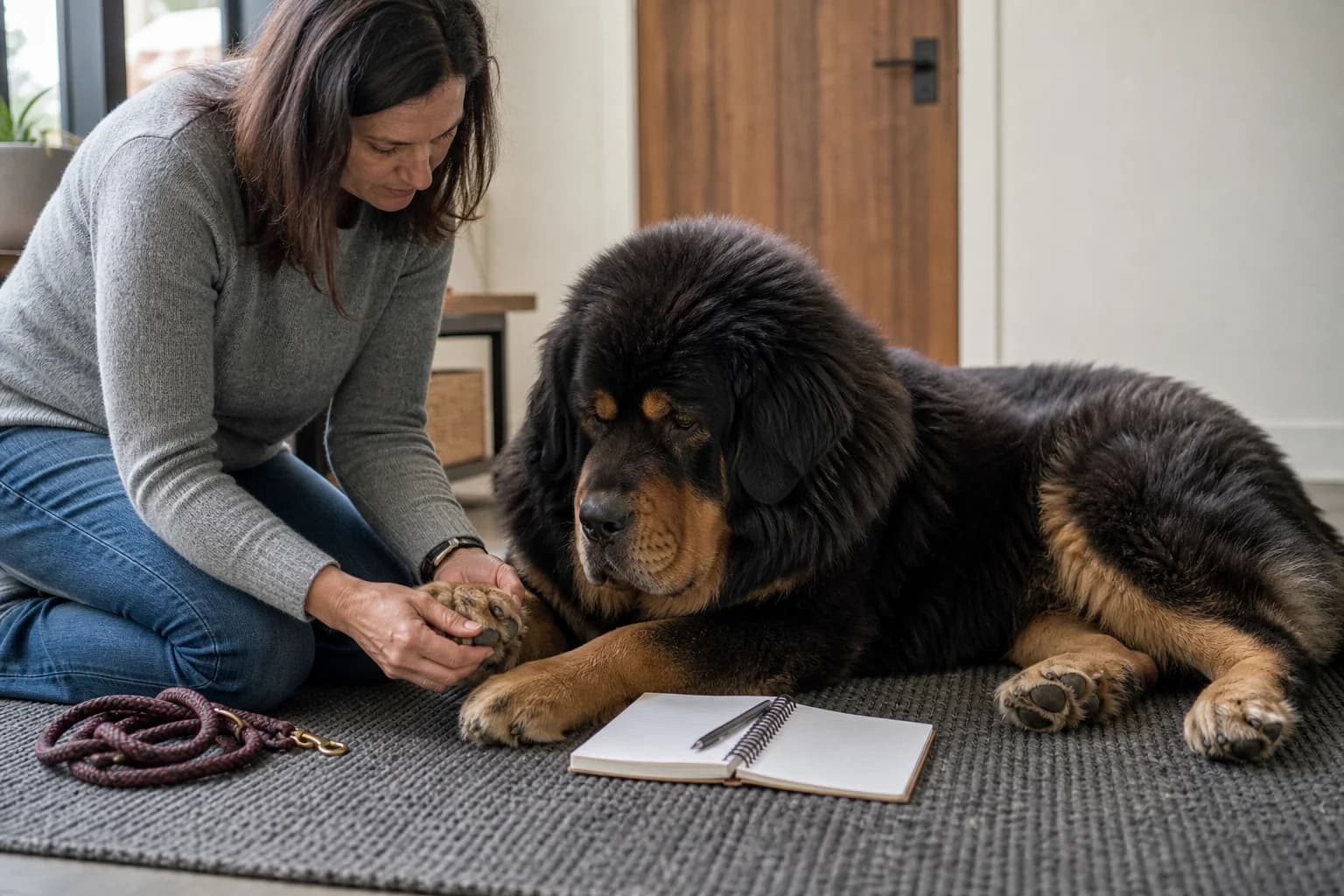
Do not turn the log into home diagnosis. Its job is to show what changed, when it changed, and whether the trend is progressing. Bring the dated trend, medication and supplement list, recent diet history, and short videos of intermittent movement or breathing changes to the veterinary appointment.
A monthly health baseline log creates one comparable record across the systems an owner can observe. It follows weight together with body condition. Separate fields capture mobility and breathing. Other fields capture appetite, thirst, and behavior. Use the same scale and familiar surface when possible. This is how owners turn subtle changes into a dated baseline log and bring a dated trend to the veterinarian instead of relying on memory.
 Sponsored
Have a health question about your pet?
Talk to a licensed vet at Dutch over video or message, including nights and weekends.
Use code Pets60
Plans start at $12/month · covers up to 5 pets
- Licensed vets in most states
- Rx for 150+ conditions
- 4.7 on Trustpilot
Turn observations into a useful appointment
Before calling, summarize the change in one sentence: "She now needs three attempts to rise after resting," or "He has finished only half of breakfast for four days." Add the onset, frequency, direction, and related signs. Specific observations help the veterinary team choose urgency and appointment length.
Photograph or record an intermittent sign only when it is safe. A short clip of gait, coughing, tremor, or breathing can be useful if the dog behaves normally at the clinic. Do not delay emergency care to obtain media, and never provoke a symptom for the camera.
Bring the questions that would change the plan:
- Does this sign need examination today, soon, or only if it progresses?
- Which activities or foods should change until the dog is seen?
- What would make the situation an emergency?
- Which measurements should the household continue?
- When should response to treatment be reviewed?
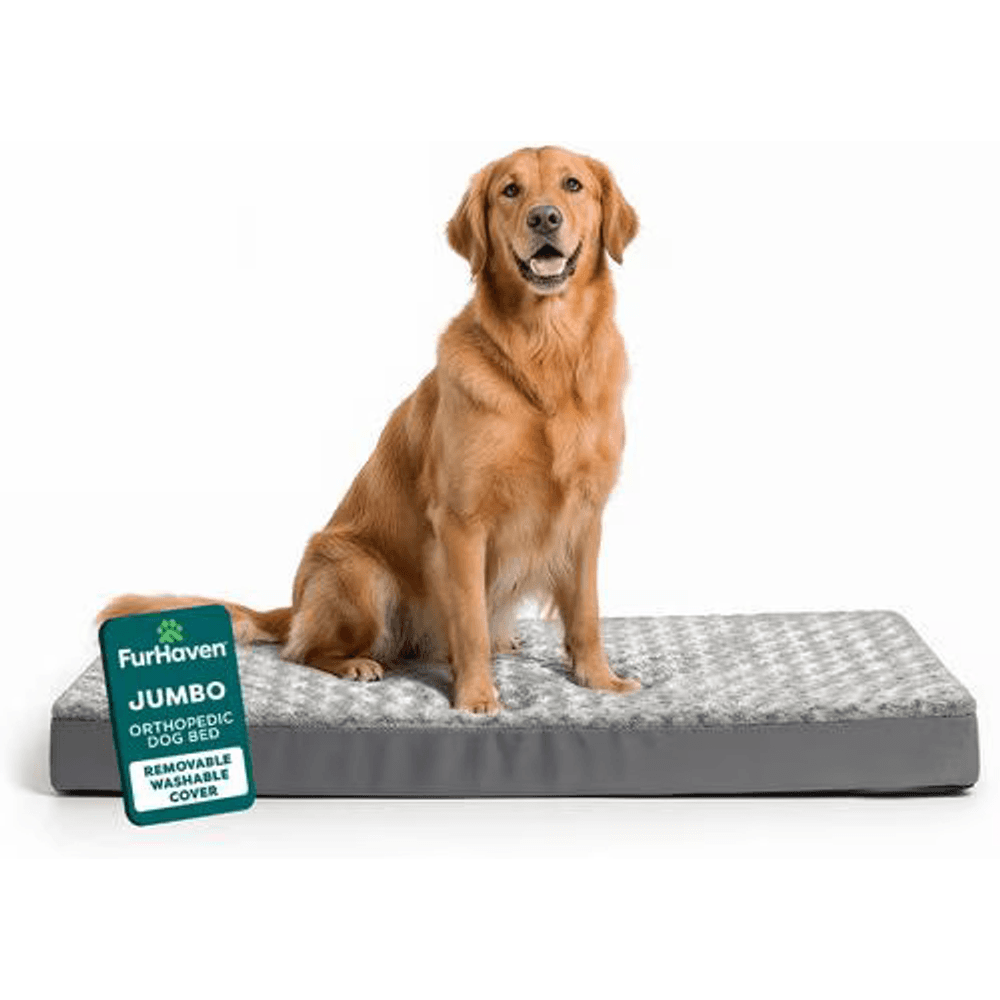
A plush orthopedic foam mattress that cushions aging joints and pressure points, giving a stiff or trembling senior dog warm, supportive rest.
Petful may earn a commission when you click through to Chewy, at no extra cost to you.
The FurHaven NAP Ultra Plush Orthopedic Deluxe Bed is one jumbo bed to compare by usable sleeping area, support, cover care, traction around the bed, and the dog's chewing behavior. A supportive surface can improve comfort, but it cannot identify or treat pain, and damaged foam should not be swallowed.
Healthy aging starts before senior status
Maintain habits while the dog is young enough to learn them easily. Cooperative handling, muzzle conditioning, calm vehicle loading, nail care, oral care, and settling on a nonslip mat all make later examinations safer. The goal is to reduce stress before illness or pain narrows the dog's tolerance.
Keep records in one place. Include breeder or rescue documents, screening results, vaccine and preventive history, laboratory reports, imaging, medication reactions, anesthesia notes, insurance correspondence, and emergency contacts. A complete history helps a new or emergency clinician make faster decisions.
Health problems to screen for
| Area | Before breeding or purchase | During the dog's life |
|---|---|---|
| Hips and elbows | Verify hip and elbow screening for both parents and read the actual results | Track gait, rising, exercise recovery, pain, and body condition |
| Thyroid and eyes | Ask for current thyroid and eye evaluation records recommended for the breed | Investigate compatible changes with examination and veterinarian-selected tests |
| Neurologic history | Ask about canine inherited demyelinative neuropathy and affected relatives | Seek prompt care for weakness, incoordination, or an abnormal gait |
| Bloat risk | Learn family history and emergency access; no screening result eliminates risk | Know unproductive retching, abdominal swelling, weakness, and collapse |
| Overall health | Review family longevity, causes of death when known, and honest limitations | Use preventive examinations, dental care, weight trends, and age-appropriate testing |
The American Tibetan Mastiff Association can help buyers identify current breed-informed recommendations. OFA and CHIC records may make completed evaluations easier to verify. A CHIC number documents that a program's listed tests were completed; it does not mean every result was normal or that future disease is impossible.
For every record, match:
- The registered name or permanent identifier.
- The dog represented as the sire or dam.
- The test type and date.
- The result, not only the fact that testing occurred.
- Any age or timing requirements relevant to that evaluation.
Screening reduces uncertainty at the breeding decision. It does not replace family history, temperament, structure, rearing, or lifelong veterinary care.
Audit records without overreading them
Separate screening from a health guarantee. OFA and CHIC can document submitted evaluations, while hip dysplasia and elbow dysplasia still require careful interpretation of the named dogs, dates, and results. A buyer should not accept a screenshot that omits identity, and should not assume that one tested relative represents an entire family.
Build a simple family map for both sides of the pedigree. Record the parents, grandparents, and any closely related dogs the breeder can discuss. For each, note known longevity, cause of death, orthopedic results, thyroid and eye information, neurologic concerns, and temperament. Leave unknown entries blank instead of converting silence into "clear."
The goal is not to find a family with no illness. That claim is rarely credible. The goal is a breeder who gathers evidence, understands limitations, makes informed pairing decisions, and reports difficult outcomes rather than hiding them. Honest uncertainty is more useful than absolute reassurance.
Questions for the veterinarian before acquisition
A pre-purchase conversation can identify costs and logistics that breeder records do not answer. Ask whether the clinic can safely position and image a giant dog, how after-hours emergencies are handled, and which referral hospitals are within practical driving distance.
Discuss the household's intended diet, exercise plan, insurance, vehicle, and ability to monitor body condition. The veterinarian cannot approve an unseen puppy, but can flag a plan that depends on uncontrolled growth, unbalanced supplementation, or unavailable emergency care.
Hip and elbow health
Hip dysplasia and elbow dysplasia can contribute to pain and altered movement. Reduced activity or osteoarthritis may follow. Genetics matter, but the individual dog's body condition and growth also affect function. Injury, conditioning, and environment add context. Normal parent results improve information; they do not promise perfect joints. Screening records therefore serve a different role from daily prevention or symptom-driven veterinary assessment.
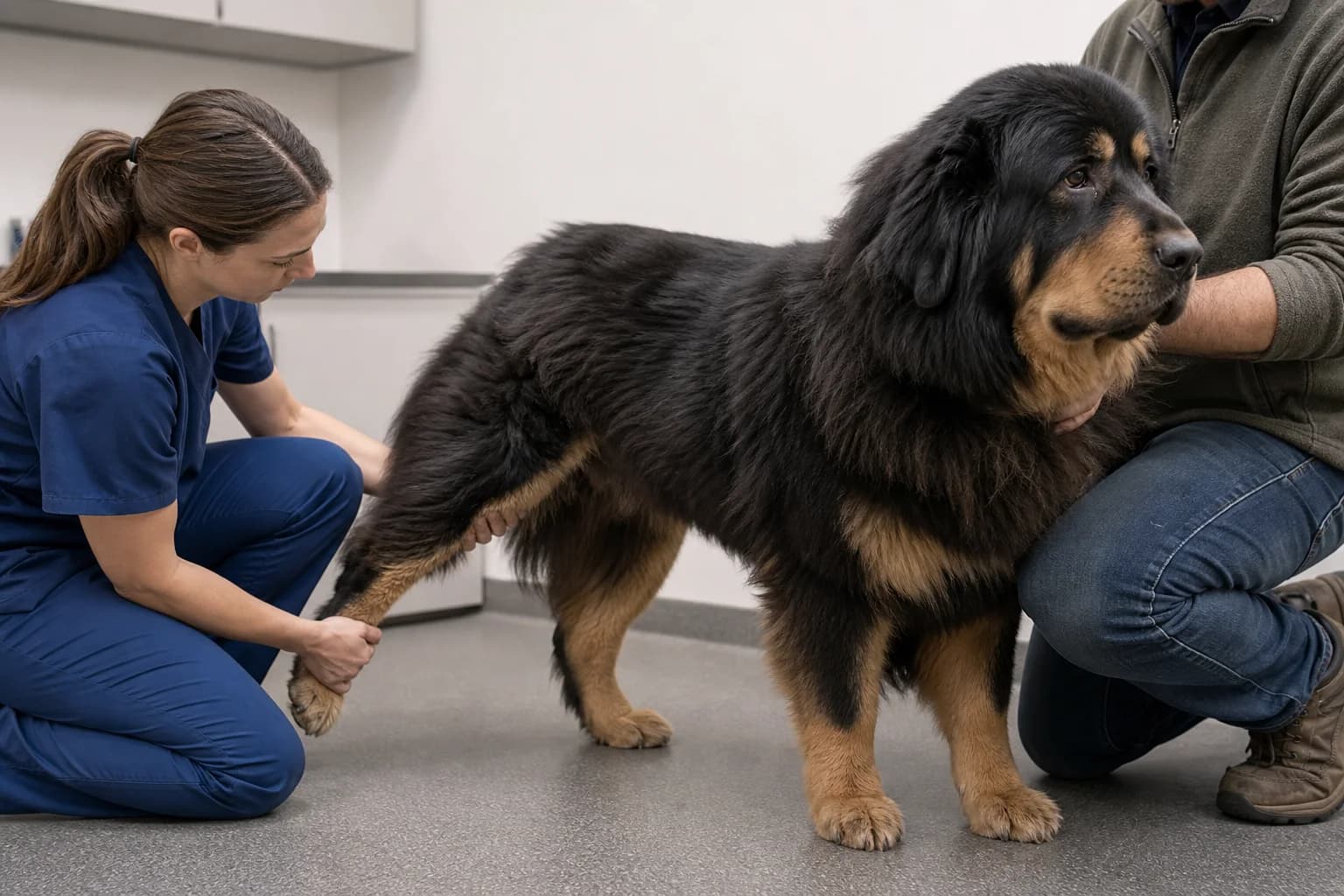
Watch for:
- Persistent or recurring lameness.
- Difficulty rising or reluctance to use stairs.
- A shortened stride, hopping gait, or altered stance.
- Less willingness to walk, play, jump, or enter the vehicle.
- Irritability when a limb, hip, back, or shoulder is touched.
- Muscle loss or uneven use of the body.
A veterinary examination comes before supplements or a home exercise program. Diagnosis may require orthopedic assessment and imaging. Treatment can include weight management, controlled rehabilitation, pain relief, environmental changes, or surgery depending on the condition and dog.
The Nutramax Cosequin Maximum Strength Joint Health Plus MSM is one joint supplement to discuss with the veterinarian by ingredient amount, product quality, other medications, diet, and the dog's diagnosis. It does not replace imaging, prescribed treatment, or weight control, and benefit is not guaranteed.
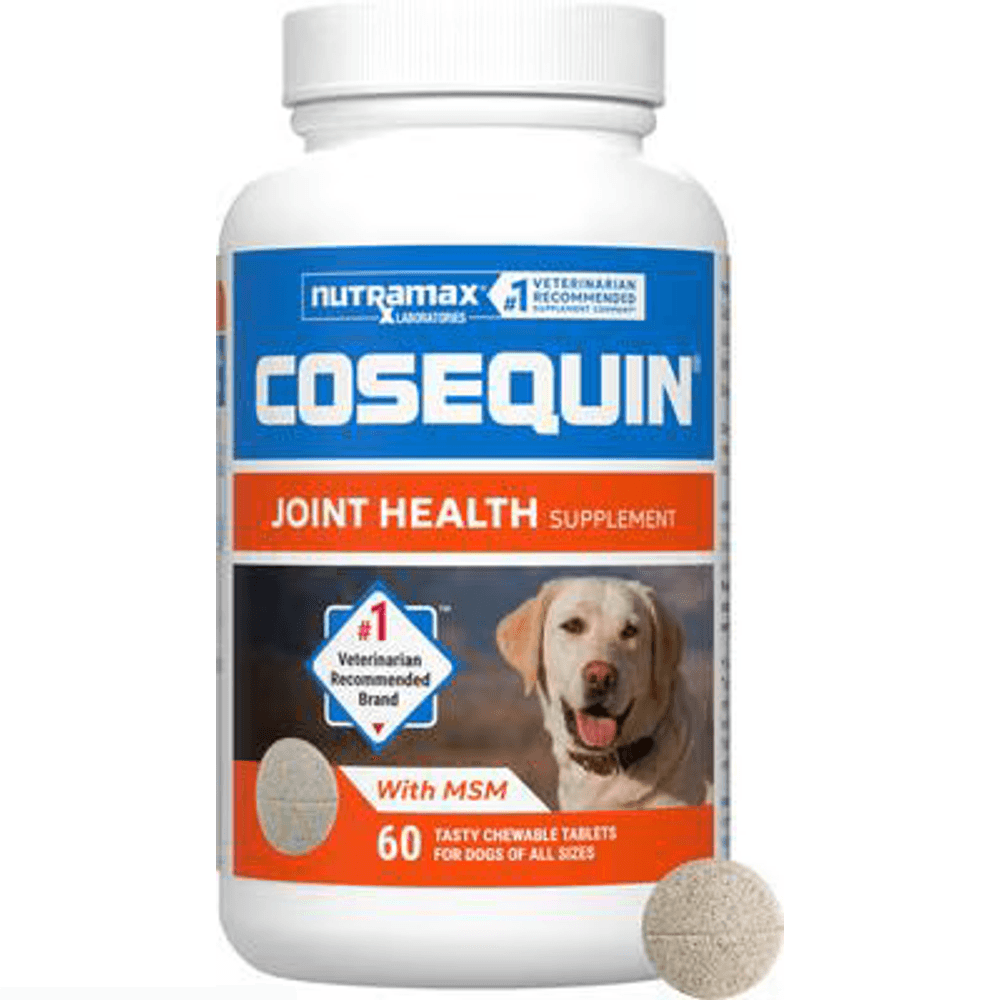
The number-one veterinarian-recommended joint supplement brand. Glucosamine, chondroitin, and MSM support cartilage and cushion the joints, easing the stiffness and hind-end weakness that can leave an older or arthritic dog trembling.
Petful may earn a commission when you click through to Chewy, at no extra cost to you.
Thyroid and eye evaluation
Hypothyroidism can be associated with changes such as reduced energy, weight gain, altered coat or skin, and other nonspecific signs. Those signs overlap with many conditions. A single symptom or an online checklist cannot confirm thyroid disease; the veterinarian chooses tests and interprets them with history, examination, medications, and illness.
Eye health also requires direct evaluation. Owners should notice squinting, redness, discharge, cloudiness, collision with objects, reluctance in dim light, or sudden visual difficulty. Eye pain or sudden vision change can be urgent. Breeding evaluations and a clinical workup serve different purposes, so do not treat one as a substitute for the other.
Ask the breeder which thyroid and eye evaluations were performed, who performed them, and where results can be verified. Ask the dog's veterinarian when routine or symptom-driven checks are appropriate. Recommendations can change as evidence and programs evolve.
Canine inherited demyelinative neuropathy
Canine inherited demyelinative neuropathy, often shortened to CIDN in breed discussions, is a serious inherited neurologic concern associated with Tibetan Mastiffs. Prospective buyers should ask what the breeder knows about affected dogs and relevant family history, while avoiding claims that cannot be verified.
Neurologic signs such as weakness, poor coordination, an abnormal gait, tremors, or rapid functional decline require veterinary assessment. Similar signs can have many causes. A breed association alone cannot identify the cause in one dog, and owners should not delay care while trying to match symptoms to a rare condition online.
Heart, cancer, and other disease
Large dogs can develop heart disease, cancer, kidney or liver problems, infection, dental disease, and many conditions that are not unique to the breed. The absence of a disorder from a short breed list does not make a new symptom safe to watch indefinitely.
Routine examinations give the veterinarian an opportunity to compare heart and lung sounds, body condition, mouth, skin, eyes, movement, and behavior over time. Age and findings may support laboratory testing or imaging. Testing should answer a clinical question rather than follow a universal internet schedule.
Preventive care through each life stage
Prevention is a series of small decisions, not one annual appointment. Build the plan around:
- Complete nutrition and measured portions.
- Lean body condition with safe, consistent movement.
- Parasite prevention and vaccination appropriate to actual risk.
- Oral health, coat checks, nail care, and cooperative handling.
- Prompt evaluation when the baseline changes.
The veterinarian should tailor each part to age, location, lifestyle, health history, and medications.
Puppy and adolescent priorities
The growth period rewards patience. Feed a complete and balanced food appropriate for large-breed puppy growth, measure meals, and adjust by body condition rather than pushing the puppy toward a record weight. Avoid unplanned mineral supplementation because more is not automatically better for developing bones.
Protect joints without isolating the puppy. Normal self-directed movement on safe footing, short walks, play, and skill training build coordination. Repeated high jumps, forced distance, hard stops, and uncontrolled play with much larger dogs can add unnecessary stress. The veterinarian can adjust advice for the individual puppy.
Adolescence is also the time to preserve clinic skills. Practice entering the building, standing on a scale, accepting touch, and wearing a basket muzzle after a positive introduction. A giant adolescent who has rehearsed escape and restraint battles is harder to assess when pain eventually appears.

Petful may earn a commission when you click through to Chewy, at no extra cost to you.
Adult maintenance
Adult health care should preserve a stable baseline. Measure food, continue conditioning, inspect the body beneath the coat, and keep teeth and nails on the schedule developed when the dog was young. Review prevention after a move, travel, change in activity, or new exposure.
Do not wait for an annual date when a trend is already clear. A month of progressive lameness, weight loss, increased thirst, or altered breathing deserves contact sooner. Routine preventive monitoring and symptom-driven care are different pathways.
Senior monitoring
Senior care usually becomes more frequent and more individualized. The veterinarian may recommend shorter examination intervals or targeted testing based on age, medications, and findings. Ask what each test is meant to detect and how a result would change treatment.
At home, compare function on the same tasks rather than asking only whether the dog is "slowing down." Time the familiar walk, note how the dog rises after sleep, and watch recovery after stairs or vehicle loading. Small changes can be addressed earlier when they are measured.
Body condition and weight trends
The dense coat can hide both weight gain and weight loss. Use hands as well as the scale. The ribs should be assessable beneath the coat, and the veterinarian can teach the household how to judge waist and abdominal contour for this individual.
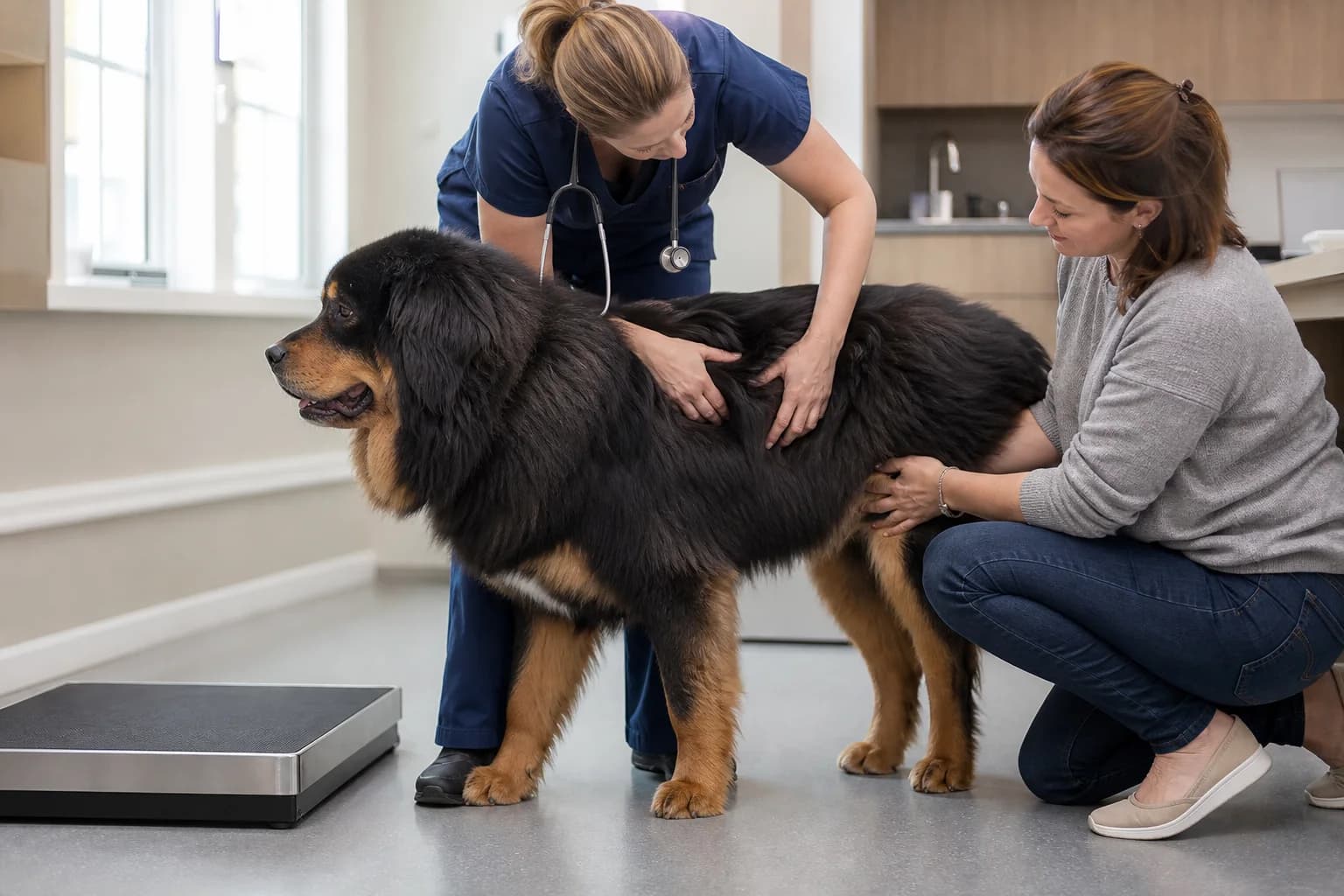
A gradual change may reflect calories and activity, but unexplained weight change can also accompany illness. WebVet's guide to dog weight loss or gain explains why a trend deserves context. Record food calories, treats, activity, appetite, thirst, stool, and medication changes, then let the veterinarian decide what to investigate.
Petful's Tibetan Mastiff size and weight guide explains healthy growth tracking without a false universal chart. For food selection and portion adjustment, see Petful's guide to the best food for Tibetan Mastiffs.
Movement without overload
Growing joints need regular, age-appropriate movement without forced distance, repeated jumping, or pressure to reach an extreme adult size. Let puppies move on safe surfaces, build skills gradually, and ask the veterinarian about activity after an injury or orthopedic finding.
Adults benefit from consistent walking and strength-preserving movement adjusted to condition. Sudden weekend intensity after inactivity can cause soreness or injury. For seniors, shorter and more frequent outings may preserve participation with less fatigue.
A well-fitted harness can help handling, but fit must be checked through growth. The PetSafe Easy Walk Dog Harness is one model to compare for chest measurement, strap placement, shoulder movement, and escape resistance. Equipment does not diagnose lameness or make painful exercise safe.
Dental and oral health
Dental disease can cause pain even when a dog continues eating. Teach safe mouth handling early, use a veterinary oral-care plan, and schedule examination for broken teeth, bleeding, swelling, bad odor, drooling, chewing changes, or facial pain.
Chews and dental products vary in evidence and risk. A product should not be hard enough to fracture teeth or small enough to swallow whole. It cannot clean below the gumline when professional treatment is needed. Ask the veterinarian which home care fits the dog.
Skin, coat, ears, and nails
Weekly hands-on checks can reveal a lump or sore hidden beneath the coat. They can also find parasites, damp skin, an ear change, or a torn nail. Persistent itching and odor deserve evaluation. The same is true for hair loss, redness, discharge, or recurrent infection. Repeated product changes can obscure the history without treating the cause.
Keep nails short enough for stable movement. Overgrown nails can alter stance and make slipping more likely. If trimming is difficult, a cooperative-care plan with a veterinarian, groomer, or qualified trainer is safer than wrestling a powerful dog.
Medication and supplement safety
Maintain a current list of prescriptions, preventives, supplements, and over-the-counter products. Include strength, dose, frequency, and reason. Tell every clinician what the dog receives because products can interact or change test interpretation. Only after veterinary guidance, Nutramax Cosequin joint supplement is one label to review; a supplement does not diagnose or treat the cause of pain.
Never use a human pain medicine unless a veterinarian specifically directs it for that dog. Several common products can cause serious poisoning. Call a veterinarian or animal poison resource promptly after a possible exposure instead of waiting for symptoms.
 Sponsored
Vet care that's always there
Unlimited video calls and messaging with licensed vets for less than a typical vet visit. One membership covers up to five pets.
Use code Pets60
Plans start at $12/month · covers up to 5 pets
- Licensed vets in most states
- Rx for 150+ conditions
- 4.7 on Trustpilot
Bloat and GDV are emergencies
- Do not wait on possible GDV | Repeated unproductive retching, a swollen or tight abdomen, restless pacing, drooling, pale gums, weakness, or collapse can signal gastric dilatation-volvulus. Call an emergency veterinarian and leave immediately. A slow feeder or divided meals cannot rule out bloat, reverse a twist, or make home observation safe.
Gastric dilatation-volvulus, or GDV, involves stomach distention and possible twisting that can compromise blood flow and rapidly become fatal. A dog may show only part of the classic picture. When the combination is concerning, emergency evaluation is safer than waiting for every sign.
Before an emergency:
- Identify a hospital open when the regular clinic is closed.
- Confirm the route and a vehicle that fits the dog.
- Keep insurance and payment information accessible.
- Practice loading without lifting the dog by the abdomen.
- Know which adult can help move or restrain the dog.
Other urgent warning signs
Seek urgent veterinary guidance for:
- Breathing difficulty, collapse, or seizures.
- Severe pain or uncontrolled bleeding.
- Repeated vomiting or inability to urinate.
- Toxin exposure, heat illness, or major trauma.
- Sudden weakness, eye injury, or rapid loss of vision.
Call while preparing to leave. Describe the dog's size, signs, onset, medications, and whether the dog can walk. The clinic can advise on immediate transport precautions and prepare appropriate space and staff.
Distinguish emergency signs from routine monitoring
To distinguish emergency signs from routine monitoring, ask whether a vital function may be involved. Problems with circulation or breathing are urgent. So are altered consciousness, inability to urinate, severe pain, and rapid deterioration. A baseline log is useful for a gradual appetite or mobility trend, but it is not a reason to watch a collapsing or repeatedly retching dog at home.
When uncertain, call the clinic and let a veterinary professional triage the situation. Give facts rather than a guessed diagnosis. State gum color if safely visible, breathing effort, abdominal appearance, ability to stand, possible exposure, and travel time. Follow the clinic's instructions while preparing transport.
Rehearse giant-dog transport
An injured dog may be unable to jump into the usual vehicle. Practice using a ramp or low entry while the dog is well, and know which adults can help without lifting by a painful limb or abdomen. Keep a blanket or purpose-made stretcher material available, but ask professionals how to move the dog safely.
Call ahead so the hospital can prepare a low-stress entrance and enough staff. Tell them if the dog is fearful, painful, muzzle trained, or unable to walk. Secure the dog during transport without restricting breathing, and do not give food, water, or medication unless the clinic instructs it.
Senior Tibetan Mastiff care
Senior is a life stage, not a diagnosis. Many older dogs remain engaged and comfortable when owners respond early to pain, sensory change, dental disease, reduced strength, or altered sleep. The monthly baseline helps separate a gradual trend from a sudden event.
Adapt the environment
Practical adaptations may include:
- Nonslip runners on smooth floors.
- A supportive sleeping surface away from drafts and traffic.
- Ramps or steps only when the dog can use them safely.
- Shorter routes with predictable footing.
- Raised or repositioned essentials based on veterinary advice.
- Night lighting for a dog with reduced vision.
Do not assume slowing down is simply old age. Pain, heart or lung disease, endocrine changes, neurologic problems, anemia, infection, and other conditions can look like reduced enthusiasm. Veterinary assessment helps distinguish treatable disease from expected change.
Support mobility without taking it away
Helping too much can reduce useful movement, while helping too little can make every transition risky. Ask the veterinarian or rehabilitation professional which activities maintain strength and which should be modified. The answer may change after imaging, medication, or a new diagnosis.
Use nonslip paths that connect the dog's bed, water, exit, and family area. Keep nails and paw hair managed for traction. A harness or towel assist may help in a specific situation, but it should not press painfully or allow an untrained handler to lift more weight than is safe.
Track both effort and recovery. A dog may complete a walk but pant, tremble, or remain restless for hours afterward. Shortening the route can preserve participation without creating a boom-and-bust cycle.
Cognitive and sensory changes
Reduced vision or hearing can look like disobedience, startle, or withdrawal. Approach predictably, use stable furniture placement, and avoid waking the dog with sudden touch. A night-light, scent cue, or textured runner may make familiar routes easier.
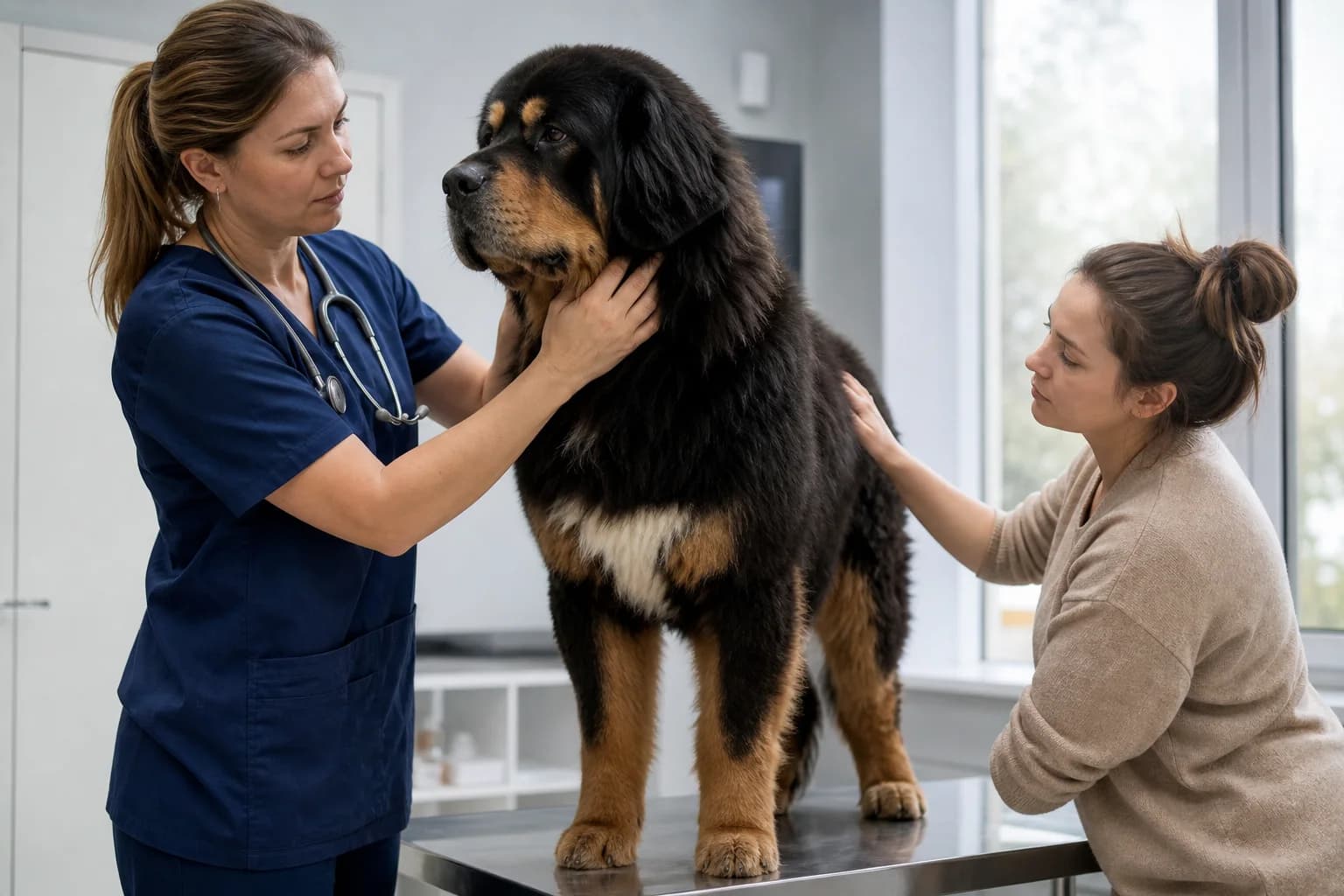
Changes in sleep, house training, orientation, social interaction, or repetitive behavior deserve veterinary discussion. Pain and medical disease can mimic cognitive decline. Evaluation should come before assuming an old dog is simply confused.
Track comfort and function
Choose several activities that matter to the dog, such as greeting family, eating, walking to a favorite spot, sleeping comfortably, or enjoying gentle attention. Record whether the dog can still participate and recover. A pattern across days is more useful than one unusually good or bad afternoon.
Feeding comfort in later life
A feeding setup also has to remain comfortable and usable as strength, posture, or appetite changes. The JW Pet Skid Stop Non-Skid Plastic Slow Feeder Dog Bowl is one bowl to compare for capacity, stability, cleaning, and whether it slows the individual dog without frustration.

Petful may earn a commission when you click through to Chewy, at no extra cost to you.
Meal pacing may be useful, but no bowl prevents GDV or replaces emergency awareness.
Discuss pain control before mobility becomes severely limited. Never change a prescription or combine products without veterinary guidance. Follow-up matters because benefits, side effects, kidney or liver considerations, and the underlying disease can change over time.
Plan for difficult decisions
A quality-of-life conversation is not giving up. It defines what comfort means for this dog and which changes would trigger reassessment. Include every adult decision-maker early so a crisis does not become the first time the household discusses limits.
Ask the veterinarian how to recognize uncontrolled pain, respiratory distress, inability to rest, repeated emergencies, or loss of essential function. If euthanasia may eventually be appropriate, understanding clinic and home-service options in advance can reduce fear and rushed logistics.
Choosing a puppy with verifiable records
The Tibetan Mastiff price does not prove health, and an expensive Tibetan Mastiff puppy can still come from incomplete screening or poor rearing. Petful's price and responsible-sourcing guide shows how to verify parent records, evaluate the environment, review a contract, and recognize pressure tactics.
Ask for:
- Registered parent names or permanent identifiers.
- Verifiable results for current breed-relevant screening.
- Family longevity and causes of death when known.
- Honest disclosure of orthopedic, thyroid, eye, neurologic, and temperament concerns.
- The puppy's veterinary and rearing record.
- A written return commitment that lasts beyond pickup.
No breeder can guarantee a disease-free life. A responsible breeder explains uncertainty, avoids extreme-size promises, and remains available when the buyer has difficult news.
For a broader view of temperament, care, and household fit, see Petful's complete Tibetan Mastiff guide.
Can one cause of death be called most common?
The most common cause of death in Mastiffs cannot be named responsibly from one broad claim. Reliable evidence does not support one universal answer for every Mastiff breed or every Tibetan Mastiff. Orthopedic disease, cancer, heart or endocrine disease, bloat, accidents, and other conditions can contribute, but the pattern depends on population and data quality.
Cause-of-death rankings also do not tell an owner what to do about today's individual dog. A veterinarian can use the history, examination, age, and signs to recommend prevention or testing. The practical priorities are lean body condition, verifiable screening, routine care, and prompt veterinary assessment of change.
Signs that need veterinary attention
The signs of an unhealthy Mastiff can affect different systems:
- Appetite, weight, thirst, stool, or urination may change.
- Energy, movement, rising, or willingness to exercise may decline.
- Coughing or altered breathing may appear.
- Skin, coat, comfort, or behavior may change.
None of these signs names the cause or predicts severity by itself.
Record onset and progression, then seek veterinary assessment for the individual dog. A swollen abdomen with unproductive retching, pale gums, weakness, or collapse is an emergency. Do not wait for a complete checklist when the dog is deteriorating or a vital function may be affected.
Does any Mastiff have the fewest health problems?
Which Mastiff has the least health problems cannot be answered with a reliable guarantee. Broad rankings can hide small samples, incomplete reporting, differences in screening, and wide variation among lines and individuals. Choosing by a "healthiest breed" list can create false reassurance about an individual dog.
Use verifiable screening, family history, stable temperament, responsible rearing, and veterinary assessment of the individual dog. Then maintain prevention and monitor trends. A breed label changes which questions deserve emphasis; it does not remove uncertainty.
Tibetan Mastiff health FAQs
The life expectancy of a Tibetan Mastiff is commonly about 10 to 12 years, but the range cannot predict an individual dog. Genetics, accidents, body condition, mobility, dental health, preventive care, and early treatment all matter. Choose verifiably screened parents, keep the dog lean, maintain a monthly baseline, and use veterinary assessment when a trend changes.
The most common cause of death in Mastiffs cannot be named reliably across every Mastiff breed or individual dog. Orthopedic disease, cancer, heart or endocrine disease, bloat, accidents, and other conditions may contribute. Focus on verifiable screening, lean body condition, preventive care, and veterinary assessment of new signs instead of relying on a broad ranking.
The signs of an unhealthy Mastiff can include persistent appetite or weight change, reduced energy, lameness, difficulty rising, coughing, altered breathing, vomiting or diarrhea, excessive thirst, skin or coat change, pain, or unusual behavior. Signs overlap across diseases, so veterinary assessment of the individual dog is more useful than guessing. Unproductive retching with abdominal swelling, weakness, pale gums, or collapse is an emergency.
Which Mastiff has the least health problems cannot be answered with a guarantee, and rankings may reflect incomplete data. Compare verifiable parent screening, family history, stable temperament, and responsible rearing, then obtain veterinary assessment of the individual dog. Lifelong prevention, lean body condition, and early evaluation still matter after a careful choice.
Final health perspective
Use breed risk to prepare, not to predict disaster. Verify parent records, establish a clinic that can handle a giant dog, build cooperative-care skills, keep a dated baseline, and know the route to emergency care.
The best health plan joins evidence with observation. Screening informs the starting point, daily care protects function, and veterinary assessment turns a concerning change into an individual decision.
BVMS, MRCVS
Dr. Pippa Elliott, BVMS, MRCVS, is a veterinarian with nearly 30 years of experience in companion animal practice. Dr. Elliott earned her Bachelor of Veterinary Medicine and Surgery from the University of Glasgow. She was also designated a Member of the Royal College of Veterinary Surgeons. Married with 2 grown-up kids, Dr. Elliott has a naughty Puggle named Poggle, 3 cats and a bearded dragon.
Sign up for expert-backed reviews and safety alerts all in one place.