Shorkie: Shih Tzu–Yorkie Mix Personality, Care, and Costs
A Shorkie is a Shih Tzu–Yorkshire Terrier mix with individual care needs. Learn about temperament, training, grooming, and the records to check before choosing a puppy or adult.

Appearance alone does not establish ancestry or predict adult size.
Petful is reader supported. As an affiliate of platforms like Amazon and Chewy, we may earn a commission when you buy through links on this page. There is no extra cost to you.
A Shorkie is a Shih Tzu–Yorkshire Terrier mix: a small companion dog whose coat, energy, confidence, and adult size depend on the individual. Shorkie Tzu, Yorkie Tzu, and Shih Tzu Yorkie mix are other names you may see. The appealing little face is only part of the decision. Daily grooming, patient training, company, and a workable care budget matter more than a designer label.
Start by asking whether the dog in front of you fits your household. A sociable adult with a documented history may be easier to assess than a puppy whose eventual size, coat, and behavior are still developing. This guide explains the practical differences and links to deeper guides for size, grooming, health, and costs.

Sign up for expert-backed reviews and safety alerts all in one place.
What is a Shorkie?
A teddy bear description usually refers to appearance or a haircut, rather than another recognized breed. If a seller cites CKC paperwork, ask which registry issued it and what it establishes about the actual parents.
- 1A Shorkie combines Shih Tzu and Yorkshire Terrier ancestry; it is not a standardized pure breed.
- 2Choose by individual temperament, health records, coat maintenance, and your daily routine.
- 3Small size does not remove the need for exercise, training, grooming, or veterinary care.
A Shorkie is a mix of the Shih Tzu and Yorkshire Terrier, also known as a Yorkie. A first-generation puppy has one parent of each breed, but the name alone does not tell you a dog's exact family history. Later-generation crosses and dogs identified by appearance may also be described as Shorkies. Ask what the label means in that particular breeder's or rescue's records, rather than assuming every listing describes the same cross.

A budget-friendly padded no-pull harness that keeps leash pressure off a coughing dog's neck and windpipe by distributing it across the chest. A simple, affordable way to protect an irritated airway or a collapsing trachea on every walk.
Petful may earn a commission when you click through to Chewy, at no extra cost to you.
The American Kennel Club describes the Yorkshire Terrier as a small dog with a working terrier background. The Shih Tzu has a long history as a companion. Those backgrounds help explain Shorkie characteristics such as alertness and close companionship, but they do not guarantee a particular blend. A puppy can resemble one parent more closely, and littermates can behave differently.
| Question | Useful evidence | What a label cannot establish |
|---|---|---|
| Will this dog fit my household? | Observed behavior around the people and animals involved | A guaranteed friendly personality |
| How large will the dog be? | Adult parent measurements and a puppy's growth record | A fixed teacup size |
| How much grooming is needed? | The actual coat, desired length, and a groomer's assessment | A maintenance-free or allergy-safe coat |
| What will care cost? | Written acquisition terms and local care quotes | A nationally representative price |
For household fit, separate what you know from what you have been told. “Lives calmly with a cat in a foster home” is useful evidence. “All Shorkies love cats” is a generalization. A seller's promise that a puppy will remain tiny deserves the same scrutiny. Take time to meet the parents where feasible and ask how the puppy has been raised, handled, and introduced to everyday sounds.
The difference between a Shorkie and a Morkie starts with parentage: a Morkie combines Maltese and Yorkshire Terrier ancestry instead of Shih Tzu and Yorkshire Terrier. Yorkipoos combine Yorkshire Terrier and Poodle ancestry. A Shih-Poo has Shih Tzu and Poodle ancestry, while a Maltipoo has Maltese and Poodle ancestry. Shorkie Poo generally signals added Poodle ancestry. Ask about the actual family, then compare behavior and care needs; none of these names guarantees an easier dog.
Shorkie temperament and family fit
The Shorkie pros and cons depend on your household. Affectionate companionship and an alert personality can be advantages, while barking, handling sensitivity, and grooming demands may be drawbacks. Shorkies are not inherently aggressive, but any frightened or uncomfortable dog can growl or snap. Respond to the cause with appropriate veterinary or behavior support instead of interpreting a breed label as a temperament guarantee.
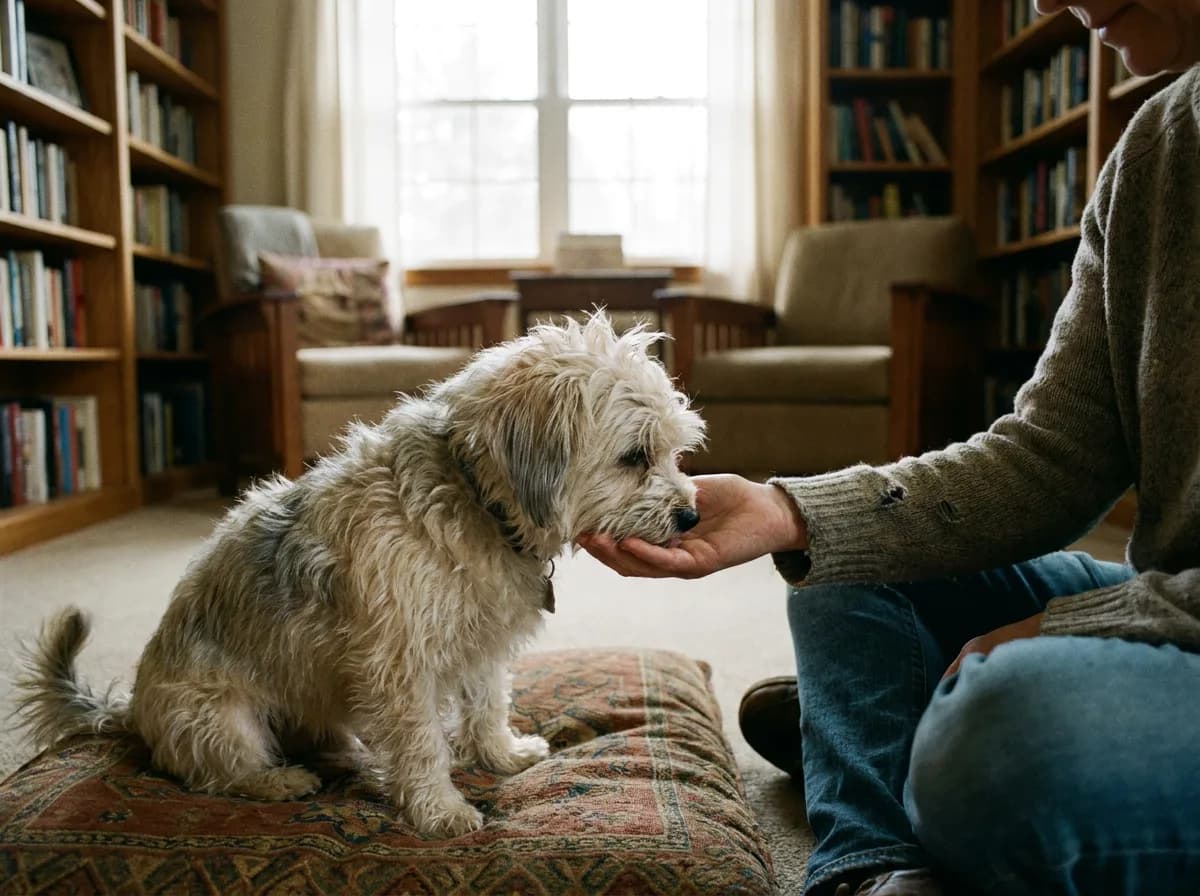
A Shorkie can be affectionate, alert, playful, and eager to stay near people. Some enjoy cuddling; others prefer contact on their own terms. A small dog still needs control over when to approach, rest, or move away. Watch the whole interaction instead of treating a wagging tail or a breeder's personality description as proof of comfort.
Petful may earn a commission when you click through to Chewy, at no extra cost to you.
An adult dog gives you more information about day-to-day behavior. Ask a foster carer how the dog handles visitors, grooming, noises outside the home, and being left briefly. With a puppy, look for a plan for social experiences and positive handling rather than a promise of a finished temperament. Do not provoke fear to “test” courage or let children crowd the dog during a first meeting.
- Arrange introductions with calm adults first and let the dog approach.
- Teach children to sit on the floor for contact instead of carrying the dog around.
- Give the dog an undisturbed sleeping and eating area.
- Supervise play with larger dogs and interrupt rough interactions early.
Environmental management can make these habits easier. A Frisco configurable dog gate and playpen can divide a room when its bar spacing and setup are suitable for the individual dog. Check that a small puppy cannot squeeze through or climb it, and do not use confinement as a substitute for company, toileting, or exercise.
Training, barking, and time alone
How long Shorkie training takes depends on age, practice, health, and the particular skill. There is no universally easy timetable or single best way to progress every dog. Keep sessions manageable and seek help when the puppy is struggling rather than repeating an approach that increases distress.
Crate training should build comfort gradually. Introduce the space at a level the puppy can manage and avoid forcing a distressed dog to remain confined. Tricks can be enjoyable practice, but learning them does not tell you whether the puppy is comfortable alone.
Train a Shorkie with clear routines and rewards for behavior you want repeated. The American Veterinary Society of Animal Behavior's humane training guidance recommends reward-based methods. Start with useful skills such as coming when called indoors, settling on a mat, accepting gentle handling, and walking on a loose leash. Keep practice short enough that the dog stays engaged.
Build a repeatable toilet routine
For potty training, provide frequent supervised opportunities after waking, eating, drinking, and active play. Reward promptly when the dog toilets in the chosen place. Record accidents to identify a gap in timing or supervision. Scolding after the event does not teach the dog where to go and may make toileting in your presence more difficult.
- Choose one accessible toilet location and a consistent route to it.
- Accompany the puppy and wait quietly instead of assuming the trip worked.
- Reward the successful behavior immediately.
- Prevent unsupervised wandering until the routine is reliable.
- Ask a veterinarian about sudden changes, discomfort, or unusually frequent accidents.
Shorkies may bark at visitors, movement outside, excitement, or frustration. Identify the trigger before choosing a response. Blocking a busy window view and teaching an alternative behavior can be more useful than repeatedly saying “quiet.” Do not assume persistent vocalization during absences is ordinary disobedience; WebVet's guide to separation anxiety in dogs explains when distress deserves professional help.
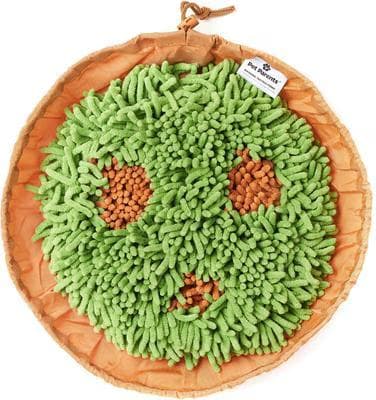
Food-based enrichment can support a routine without becoming an all-day feeding program. A Pet Parents Forager snuffle mat provides a supervised searching activity using part of the dog's measured food allowance. Remove it if the dog chews or swallows the fabric. For another format, a Nina Ottosson Lickin' Layers puzzle should be introduced at an easy level and put away after use.
Build time alone in small, comfortable steps, starting while you remain nearby. Provide a safe resting place and return before the dog becomes distressed when possible. A puzzle is an activity, not a treatment for panic. If the dog cannot settle, attempts to escape, or stops eating when alone, get individualized advice rather than simply buying a more difficult toy.

Petful may earn a commission when you click through to Chewy, at no extra cost to you.
Daily care for a small companion
How much a Shorkie should eat depends on its life stage, body condition, and the food's calorie density. For a puppy, choose a complete growth diet, measure portions using the feeding guide as a starting point, and adjust with veterinary advice as it develops. An adult or a dog with a medical need may require a different feeding plan; the mix name alone cannot identify the best food or amount.
Daily Shorkie care includes food appropriate to life stage, access to water, suitable activity, coat checks, and dental care. A long coat can require substantial brushing even when loose hair around the home seems minimal. Low shedding does not mean no grooming, and it does not establish that a dog is safe for a person with allergies.
- For household fit, write down who will handle morning toileting, midday company, brushing, evening activity, and veterinary appointments. A shared schedule is more useful than assuming a small dog will need little work.
Use a diet with an appropriate nutritional adequacy statement and ask your veterinarian how much to feed the individual dog. WebVet explains what makes dog food complete and balanced. Treats and food used in training belong in the overall feeding plan; do not keep adding them without adjusting the day's allowance.
Choose walking equipment by measurements and fit. The Frisco padded no-pull harness in Small is an option only if the manufacturer's current measurements suit your dog. A product labeled small is not automatically small enough for a puppy. WebVet's harness versus collar guide can help you understand the equipment choice without assuming a harness fixes pulling by itself.
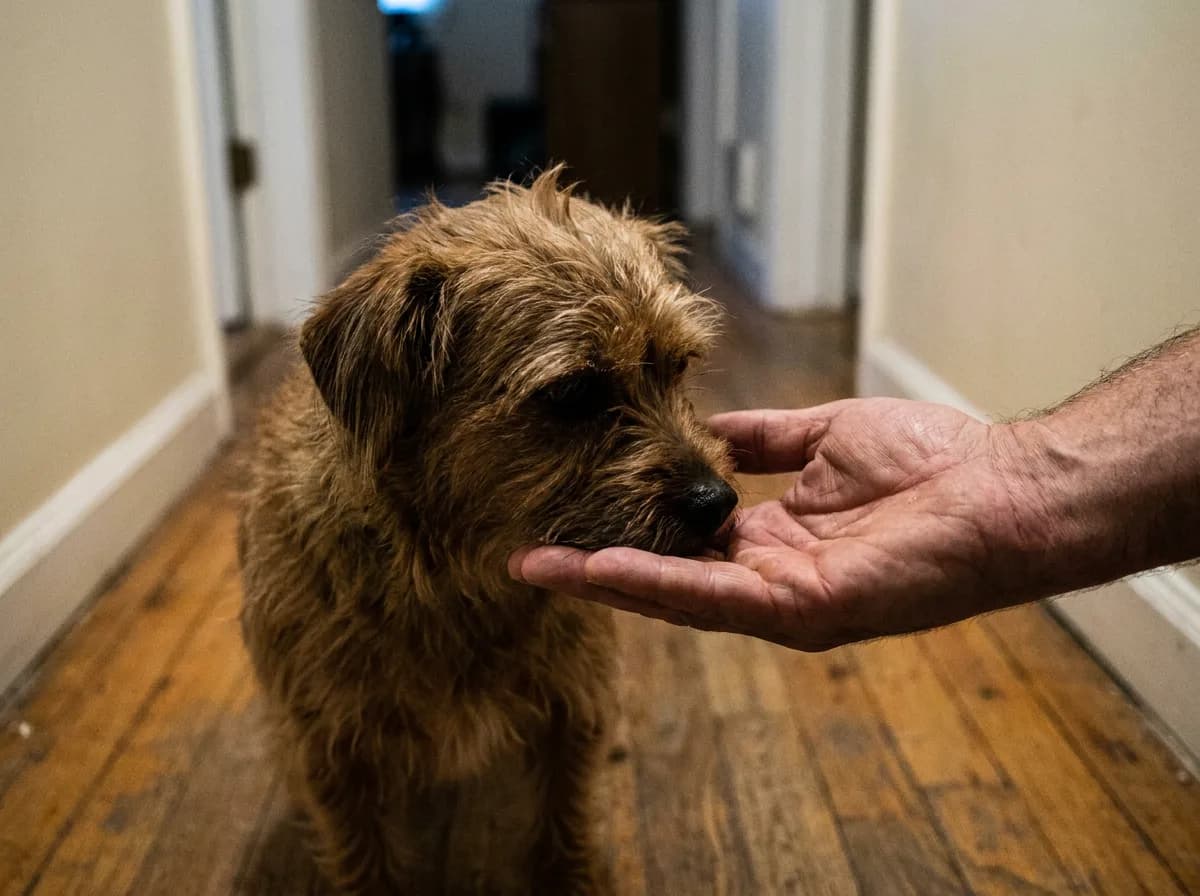
Include routine oral care
Dental care is a separate task from coat care. The American Veterinary Medical Association explains why home care and veterinary examinations both matter. Introduce mouth handling gently and use a dog-appropriate product such as Virbac C.E.T. enzymatic toothpaste with a suitably small brush. Stop and seek advice if the mouth appears painful; brushing is not a way to force through dental disease.
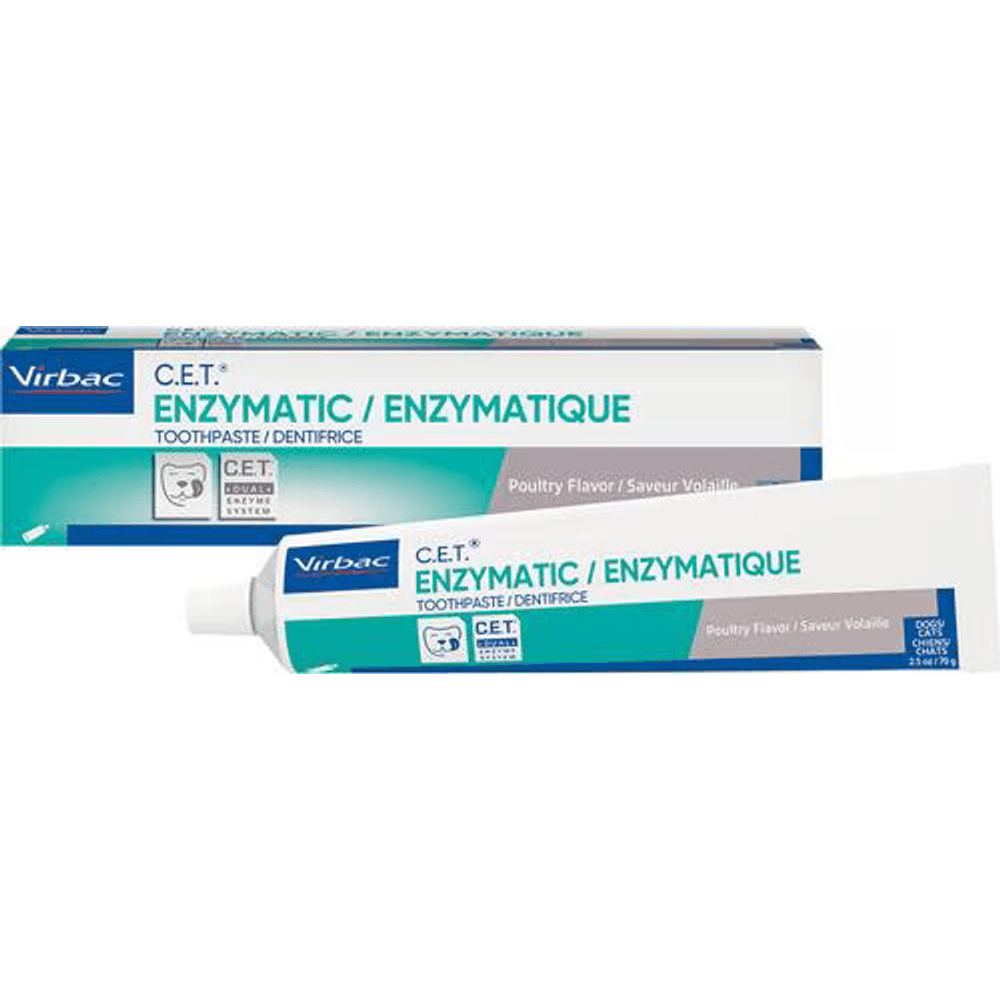
The vet-favorite enzymatic toothpaste. Its dual-enzyme system keeps working between brushings to control plaque and freshen breath, and the poultry flavor makes daily brushing easy.
Petful may earn a commission when you click through to Chewy, at no extra cost to you.
For cooperative grooming, a small-dog nail clipper and a suitable brush may become part of the home kit. Learn the technique from a groomer or veterinary professional first. Keep sessions calm and brief, reward tolerance, and do not turn a difficult grooming session into a restraint contest. A professional can help choose a coat length that matches your available time.
Choosing a Shorkie puppy or adult
Choose a Shorkie through a process that makes records and welfare visible. For a puppy, ask about both parents, health screening appropriate to their breeds, veterinary care already provided, social experiences, and written terms. For an adult rescue, ask which parts of the history are known, which are uncertain, and what support or return arrangements are available if the placement struggles.
A general statement that a dog is “vet checked” is not the same as a record of specific screening tests. Ask to see the documents and discuss them with your own veterinarian. Breed ancestry can guide useful questions, but it cannot predict exactly what an individual will develop. Avoid sellers who use “hybrid vigor” as a blanket guarantee against inherited problems.
- Ask to see the puppy's usual living environment, where appropriate.
- Confirm identification and contact details before paying a deposit.
- Read what is included in the price and which costs remain yours.
- Check that collection or transport arrangements protect the dog's welfare.
- Allow time for an independent veterinary appointment after arrival.
Before committing, put acquisition costs beside recurring expenses. Grooming, food, preventive care, training help, boarding or sitting, and unexpected illness continue after the purchase. A higher asking price is not proof of better care, while a lower rescue fee does not guarantee lower medical costs. The right comparison is the information available and the total commitment your household can support.
Shorkie size and growth
- Record a puppy's age, dated weight and known parent measurements. Photographs can document changing coat and proportions, but cannot predict adult size. Use consistent measurements and veterinary advice when judging growth; buy equipment for the dog's current fit.
A Shorkie full grown may differ from another adult in weight, height, color, and proportions. Mini, toy, and teacup labels do not provide standardized growth guarantees. Black, white, brown, tan, gold, or mixed coats also do not determine size. Use our Shorkie adult-size guide for parent measurements, puppy growth questions, and equipment fitting rather than estimating from pictures alone.
Haircuts and coat care
Shorkie haircuts, grooming, bathing, brushing, shedding, and allergy questions belong together because the actual coat drives the routine. Short puppy cuts, teddy bear faces, and longer silky hairstyles require different upkeep. Our Shorkie haircut and grooming guide explains what to ask a groomer, how to check for tangles, and why low shedding does not mean a hypoallergenic dog.
Lifespan and health
Shorkie lifespan and life expectancy are estimates, not promises about how long your own dog will live. Health history, dental care, body condition, and attention to changes matter throughout life. The Shorkie lifespan and health guide explains inherited risks, senior care, and questions for a veterinary visit without assuming every dog will develop the same problems.
Puppy prices and ownership costs
Shorkie price questions should include both acquisition and ongoing care. Puppy cost, adoption fees, breeder terms, grooming, food, and veterinary expenses answer different parts of the budget. Before responding to puppies for sale or arranging a rescue adoption, use our Shorkie price and budgeting guide to compare a written quote and the recurring costs that continue after bringing the dog home.
Your Shorkie care plan
Make household fit the final test. Meet the parents when possible, review the available records, and assess the individual dog's behavior. Then write a realistic first-week plan: where the dog will sleep, how toileting will work, who will provide company, what equipment fits, and when the first veterinary visit is booked. This turns enthusiasm about a breed name into an actionable care arrangement.
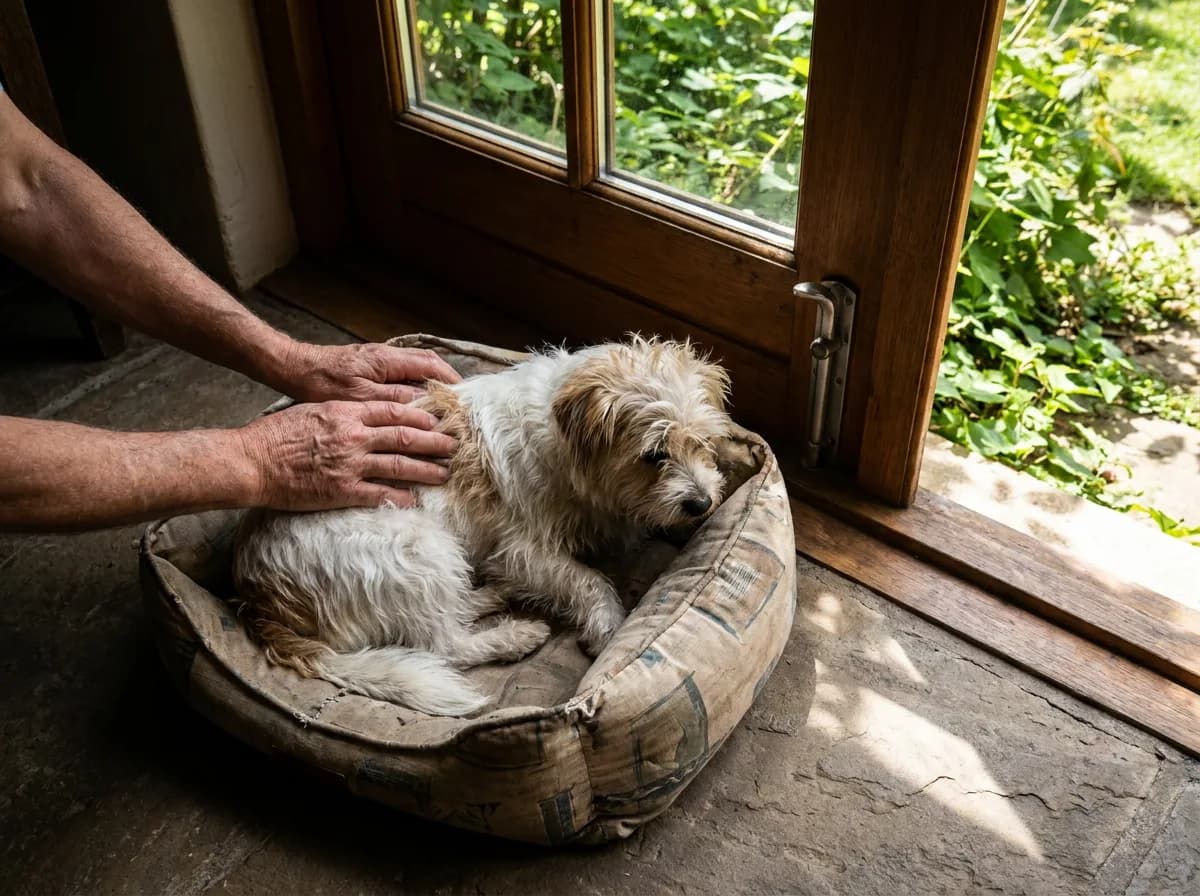
If one important fact is missing, name it before making a decision. Perhaps you need an actual adult weight, a groomer's coat assessment, or a clearer explanation of a medical record. Asking for that evidence is more useful than collecting general promises. Give yourself permission to choose another dog when the practical fit is poor, even if the photographs are appealing.
Frequently asked questions
Some Shorkies like to be held, while others prefer sitting beside you or approaching briefly. Let the individual dog's response guide the interaction. Support the body securely, keep contact calm, and put the dog down if it struggles or tries to leave. Children should interact while seated and supervised rather than carrying a small dog around the home.
A Shorkie can suit a first-time owner who can provide company, consistent reward-based training, grooming, and veterinary care. Size alone does not make a dog easy. An adult with a known foster history can offer clearer information about temperament and routine than a young puppy. Arrange help with grooming and training before difficulties build up.
Shorkies are a recognizable mixed-breed type, but there is no reliable population count establishing how rare they are. Availability varies by area and rescue network. Treat rarity claims as marketing unless the seller can explain what they mean. A scarce color or tiny size label does not establish better health, temperament, or suitability for your home.
A Shorkie can live comfortably with a cat, but terrier ancestry and individual behavior make introductions important. Ask about previous experience, provide the cat with escape routes, and use controlled, gradual meetings. Prevent chasing from becoming a repeated game. An established history of calm behavior around cats is more informative than a general promise that a mix gets along with every animal.
A Shorkie is not the same as a Shorkie Poo. A Shorkie has Shih Tzu and Yorkshire Terrier ancestry, while the name Shorkie Poo generally signals additional Poodle ancestry. Labels are used inconsistently, so ask for the parents' identities rather than relying on a listing title. The added ancestry can affect coat and other traits, but it still does not guarantee a particular adult appearance or allergy outcome.
Shorkies can live in apartments if toileting, activity, enrichment, noise management, and company are well planned. Limited floor space is not the only issue. Think about stairs or lifts, access to a safe toilet area, barking triggers outside the door, and how long the dog will be alone. A workable daily routine matters more than the address.
A Shorkie can be an enjoyable companion when the individual dog's needs fit the household. Look beyond a breed's reputation and assess handling tolerance, sociability, grooming demands, activity, and ability to settle. A dog that thrives with one family may struggle with another schedule. Good care starts with that practical match rather than a universal ranking of breeds.

Coreen Saito is a pet writer and longtime shelter volunteer with more than a decade in animal rescue. She covers cat behavior, breed care, and the small, ordinary science of sharing a life with companion animals, with a particular focus on honest takes about the products and decisions that actually matter. At home in Arizona, she's outranked by Mac (a dog with the loudest opinion in the house), Rebel (a cat who governs by quiet authority), and Meri (an orange tabby who runs the late shift and the laundry basket). She writes about all three, plus the rescues that keep coming through her life, at LifeWithMinty.com.
Sign up for expert-backed reviews and safety alerts all in one place.