Shorkie Full Grown: Adult Size, Growth, and Teacup Claims
How big will a Shorkie get? Compare published adult-size estimates, understand mini and teacup labels, and learn how to measure your individual dog for everyday equipment.
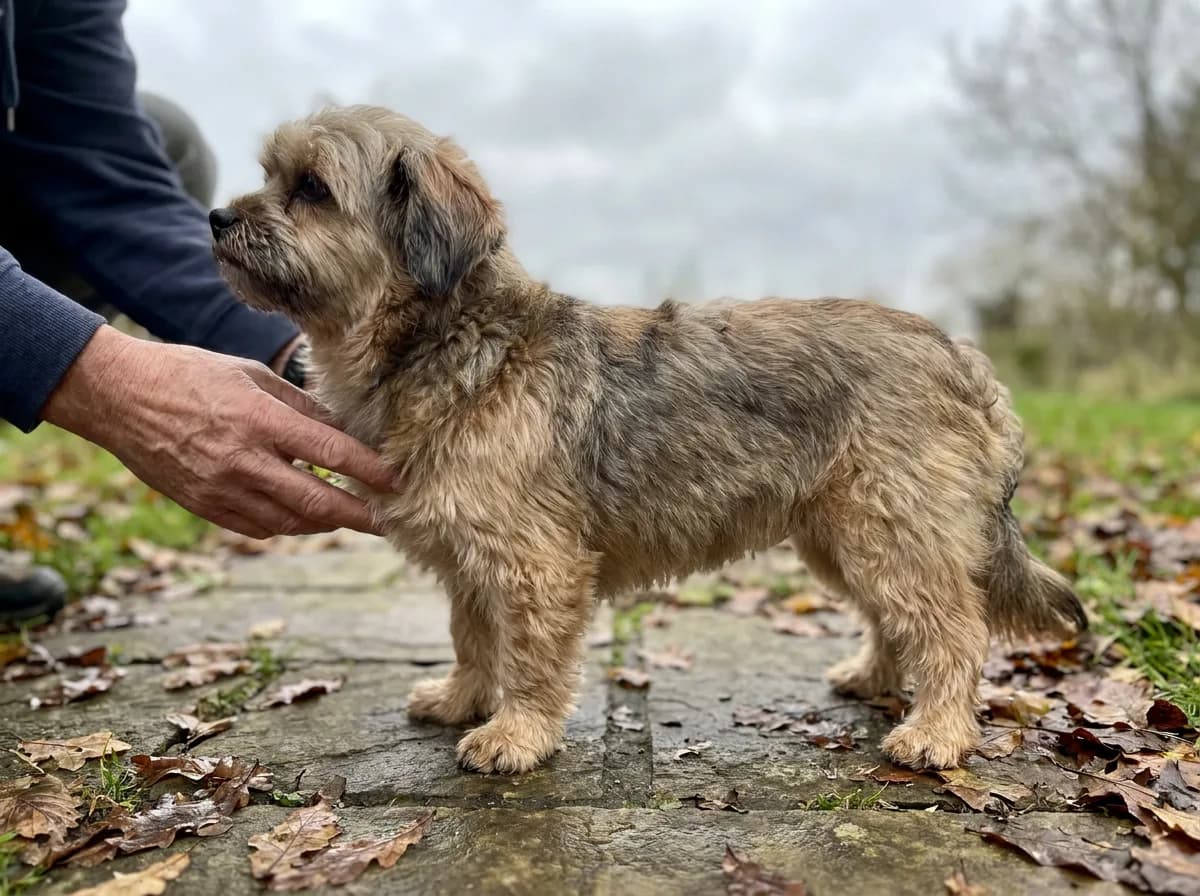
Appearance alone does not establish ancestry or predict adult size.
Petful is reader supported. As an affiliate of platforms like Amazon and Chewy, we may earn a commission when you buy through links on this page. There is no extra cost to you.
A Shorkie full grown is usually a small dog, but there is no official Shorkie size standard. PetMD describes a typical adult range of 7–16 pounds and 7–10 inches at the shoulder; other breed references use different ranges. These are planning estimates, not a promise about a puppy. Actual parent measurements and a veterinary growth record are more useful than a teacup label.
If you are deciding whether a Shih Tzu–Yorkshire Terrier mix will fit your home, focus on three questions: what is known about its parents, how is the individual puppy growing, and what equipment fits today? An adult dog's measured body is the best guide when choosing a harness, carrier, bed, or travel arrangement.

Sign up for expert-backed reviews and safety alerts all in one place.
How big is a Shorkie full grown?
- 1Shorkie adult-size ranges are estimates because this is a mixed breed without a fixed size standard.
- 2Mini, toy, and teacup labels do not guarantee a particular weight.
- 3Measure the individual dog and ask a veterinarian about growth and body condition.
A Shorkie full grown commonly falls in the small-dog range. This Shih Tzu and Yorkshire Terrier mix has no fixed size standard, and the published limits vary. PetMD's Shorkie guide gives 7–16 pounds and 7–10 inches at the shoulder. Hill's breed profile lists 5–15 pounds and 6–14 inches. The disagreement is a reason to use these figures cautiously, not to average them into a new supposedly precise standard.
| Information available | What it helps you judge | Important limit |
|---|---|---|
| Measured adult dog | Equipment fit and present body size | Weight alone does not show ideal body condition |
| Adult parent measurements | A practical starting range for a puppy | Inheritance is not a simple average |
| Repeated puppy weights | Growth direction and changes to discuss | No fixed multiplier works for every puppy |
| Seller's mini or teacup label | What the seller is calling the dog | No standardized Shorkie size category |
Height is normally measured at the highest point of the shoulders while the dog stands naturally. It is not the distance to the top of the ears or an upright sitting head. Body length, chest circumference, and leg proportions may matter more than height for some practical decisions. Two dogs that weigh the same can fit different harnesses or need different carrier dimensions.
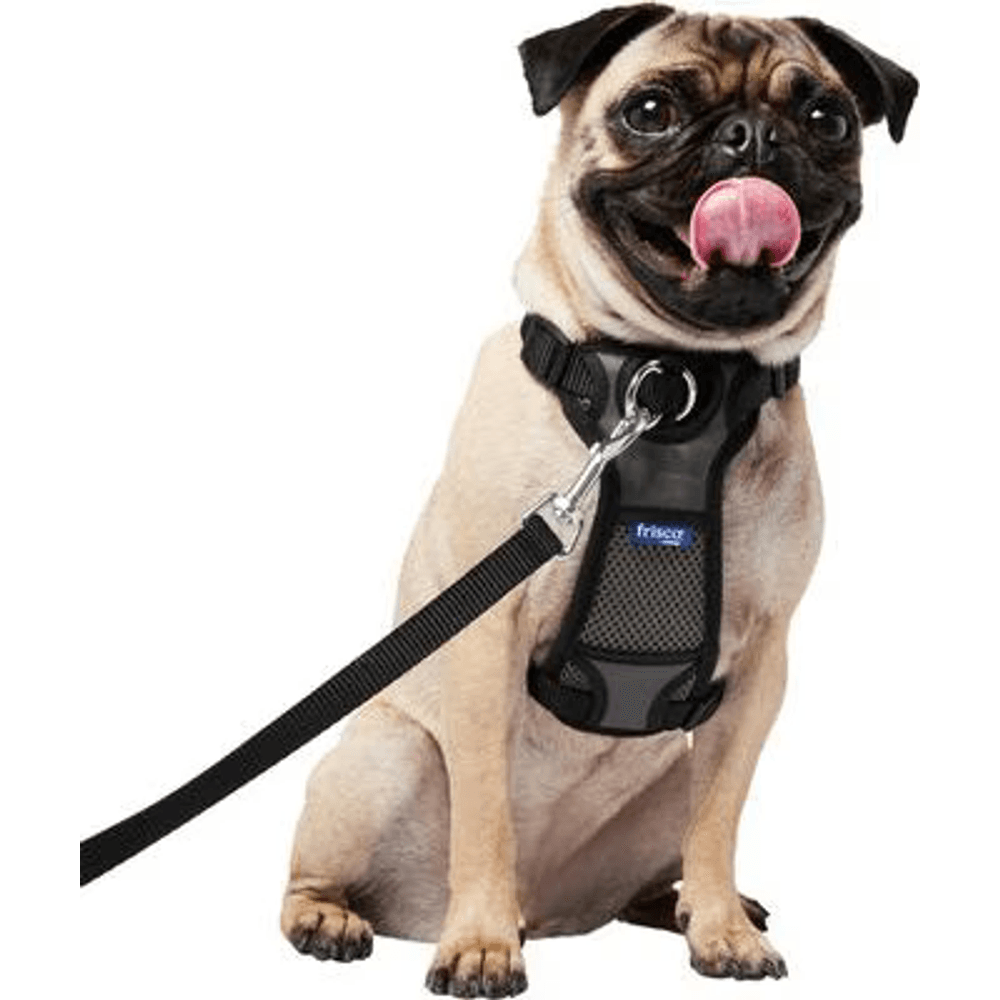
A budget-friendly padded no-pull harness that keeps leash pressure off a coughing dog's neck and windpipe by distributing it across the chest. A simple, affordable way to protect an irritated airway or a collapsing trachea on every walk.
Petful may earn a commission when you click through to Chewy, at no extra cost to you.
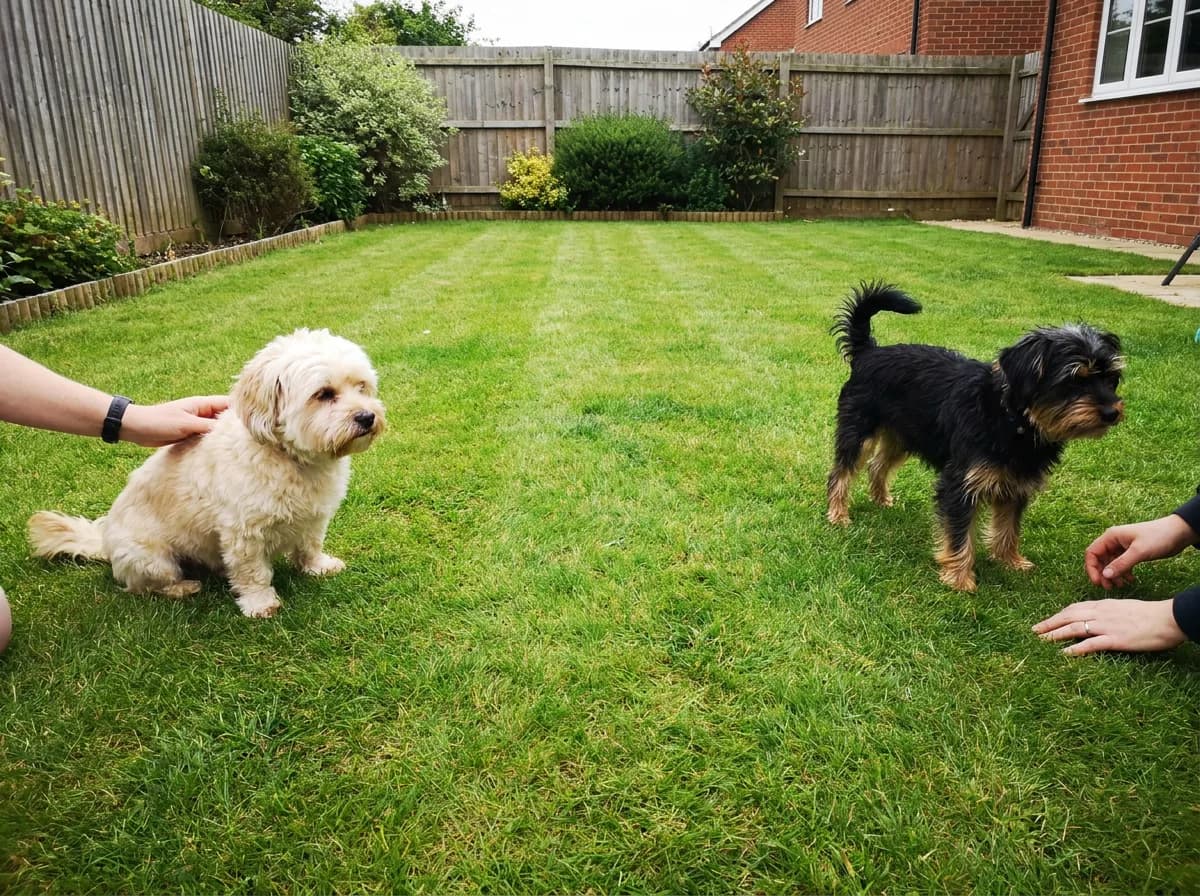
An adult Shorkie can look compact and rounded, leaner and longer-legged, or somewhere in between. Coat length changes the outline further. A fluffy dog may appear much heavier than the same dog after a practical trim. Do not use photographs alone to decide whether a dog is underweight, overweight, unusually large, or unusually small.
If you already have an adult, record its actual weight and measurements before shopping. A Frisco padded no-pull harness in Small may fit some Shorkies but not others. Compare the current chest-girth guide, strap adjustment, and fit instructions with your own measurements; a breed name or product size label cannot replace that fit check.
Parents, sex, and individual growth
Both parent breeds contribute to a Shorkie's adult size, but a crossbred puppy is not a predictable halfway point. Parent measurements, wider family history, health, nutrition, and individual development all matter. Ask whether the reported parents are mature and what they actually weigh in healthy body condition. A puppy's parents may also be mixed breeds themselves, which changes how much can be inferred from the label.
The AKC Yorkshire Terrier profile and Shih Tzu profile describe established parent breeds. They do not create a standard for the cross. A breeder who offers exact adult-weight guarantees should be able to explain the evidence and the terms, rather than pointing only to the parents' breed names.
Ask for these records where they exist:
- Each parent's adult weight and approximate shoulder height.
- Whether those measurements were taken recently and at a healthy body condition.
- The puppy's dated weights, birth date, and veterinary notes.
- Any reliable records from mature full siblings or earlier litters with the same parents.
- A clear explanation of what remains uncertain.
Male and female Shorkies can overlap substantially in size. A sex-based prediction is less useful than the measurements of the actual family. Likewise, the smallest puppy at one visit is not guaranteed to remain the smallest adult. A very young puppy may look tiny because of age, illness, inadequate nutrition, or individual variation; only a veterinary assessment can help separate those possibilities.
Avoid changing food intake to produce a desired adult size. The goal is healthy development, not keeping a puppy small. A diet appropriate to growth and the individual dog's needs should guide feeding. WebVet's explanation of complete and balanced dog food helps clarify why nutritional adequacy matters more than a seller's promise that special feeding will preserve a teacup appearance.

Petful may earn a commission when you click through to Chewy, at no extra cost to you.
Mini and teacup Shorkie claims
A mini, toy, miniature, teacup, or imperial Shorkie is not a separate standardized breed size. A label attached to puppies does not establish what they will weigh full grown. Ask the seller to replace that label with the parents’ measurements and the puppy’s dated growth record. There is more on this in Petful’s guide to teacup Goldendoodle.
- Request parent measurements, a dated puppy growth record, and a fit check for current equipment. None of these records guarantees adult weight, but they give you more useful information than a teacup name.
Do not assume a smaller dog will be easier for children, safer to carry, or cheaper to care for. Very small bodies can be vulnerable to rough handling and everyday falls. Plan floor-level interactions, secure resting areas, and supervised contact with larger pets. A sturdy configurable gate or playpen may help manage space only when its openings and layout are safe for the dog's actual size.
If the appeal of a teacup label is a predictable adult size, consider adopting a mature dog instead. You can measure the adult and observe its everyday behavior. Ask the rescue whether the dog's age and ancestry are confirmed or estimated. An honest uncertainty is more useful than a confident claim that cannot be backed by records.
For purchase decisions, look at welfare and transparency before rarity. A premium for tiny size does not prove a healthier puppy. Ask a veterinarian about the records and any concerns before committing to a purchase. Do not accept instructions to restrict food or fluids in order to keep a puppy small.
When does a Shorkie stop growing?
Keep a dated growth record for your puppy, using age in weeks early on and months later. A measurement at eight weeks or six months is one point on that record, not an adult-size prediction. Compare successive measurements and body condition with your veterinarian rather than trying to make the puppy follow an unvalidated Shorkie growth chart.
Many small dogs approach their adult height during their first year, but a Shorkie does not have a validated breed-specific growth timetable. Body shape, muscle, and coat can continue changing after height slows. Your veterinarian can interpret the puppy's trend alongside its age, body condition, diet, and health rather than treating a particular birthday as a guaranteed finish line.
Use consistent measurements to make the record meaningful. Weigh the puppy on the same suitable scale when practical, note the date, and avoid comparing a home estimate with a clinic measurement as if both were equally precise. Ask your veterinary team how often weighing is useful for your puppy. Repeated daily weighing without a clinical reason can create noise instead of clarity.
- Record the date, age if known, and weight with the unit clearly marked.
- Note a recent diet change, illness, or medication that may affect interpretation.
- Bring the record to routine appointments.
- Ask whether the trend and body condition are appropriate together.
- Seek advice sooner if the puppy seems unwell or unexpectedly loses weight.
Puppy growth calculators often multiply an early weight by a fixed number. That can be a rough illustration, but it cannot account for uncertain age, variable ancestry, body condition, or an unusual growth pattern. Do not buy an expensive carrier or make a housing decision solely from a calculator result. Build in room to reassess as the dog develops.
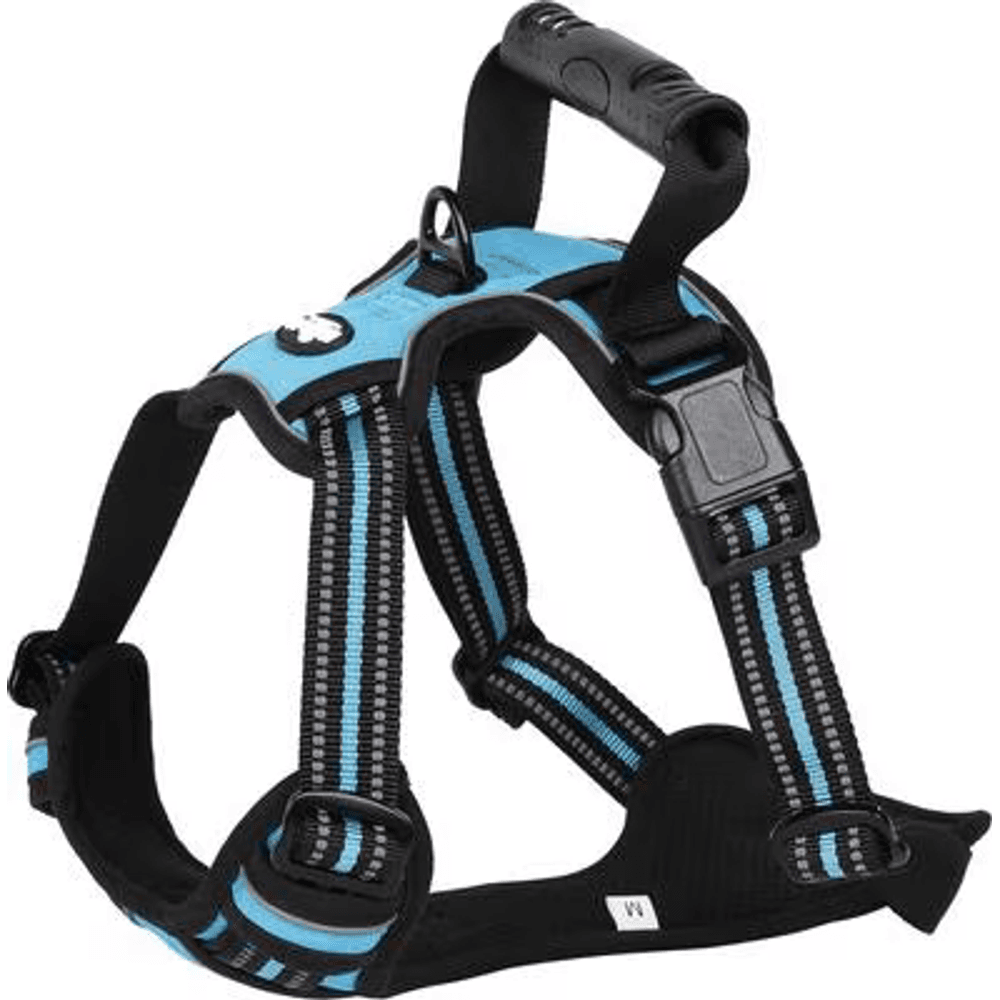
A padded, reflective no-pull harness that spreads leash pressure across the chest instead of the throat, the switch most vets recommend for a dog with a cough, a collapsing trachea, or any airway irritation so the leash never presses on
Petful may earn a commission when you click through to Chewy, at no extra cost to you.
A growing dog also needs equipment checks. A harness that fitted last month may now rub behind the elbows or restrict comfortable movement. The EliteField padded reflective harness in Small is another option to compare by measurements, not a prediction that every Shorkie will reach that size. Follow the manufacturer's guidance and inspect the fit regularly during growth.
Adult coats, colors, and proportions
A Shorkie's adult coat may differ in color, texture, length, and fullness from its puppy coat. Black and tan, brown, gold, gray, cream, white markings, and combinations can appear in dogs described as Shorkies. These visible traits do not authenticate ancestry or predict temperament. A reliable family history is stronger evidence than matching a dog to an internet picture.
Coat descriptions are worth clarifying before relying on puppy photos:
- Ask whether “chocolate” means the same brown shade shown in natural light, or whether “golden” and “blonde” are the seller's preferred descriptions. Names alone cannot predict a puppy's mature coat.
- A gray or grey appearance in a photograph can reflect lighting and coat changes. Compare clear pictures over time before concluding that color has changed.
- Merle describes irregular patches of lighter and darker pigmentation; brindle means darker stripes on a lighter background. Claims about merle, brindle, or red coloring still need the same parentage scrutiny as any other unusual description. A color label cannot certify which breeds are present.
Look beyond the coat outline
Hair can conceal the outline of the chest, legs, and waist. Grooming style therefore affects appearance without changing skeletal size. A teddy bear face can make an adult look younger, while a short body clip may reveal longer legs than expected. When comparing adult photographs, pay attention to camera angle and coat length rather than treating the image as a measurement. Ear shape also changes the outline: the AKC Yorkshire Terrier standard describes small, upright ears, while the Shih Tzu standard describes larger, heavily coated ears. These parent descriptions provide context for variation; they cannot identify a mixed dog's ancestry from its ears.
Petful may earn a commission when you click through to Chewy, at no extra cost to you.
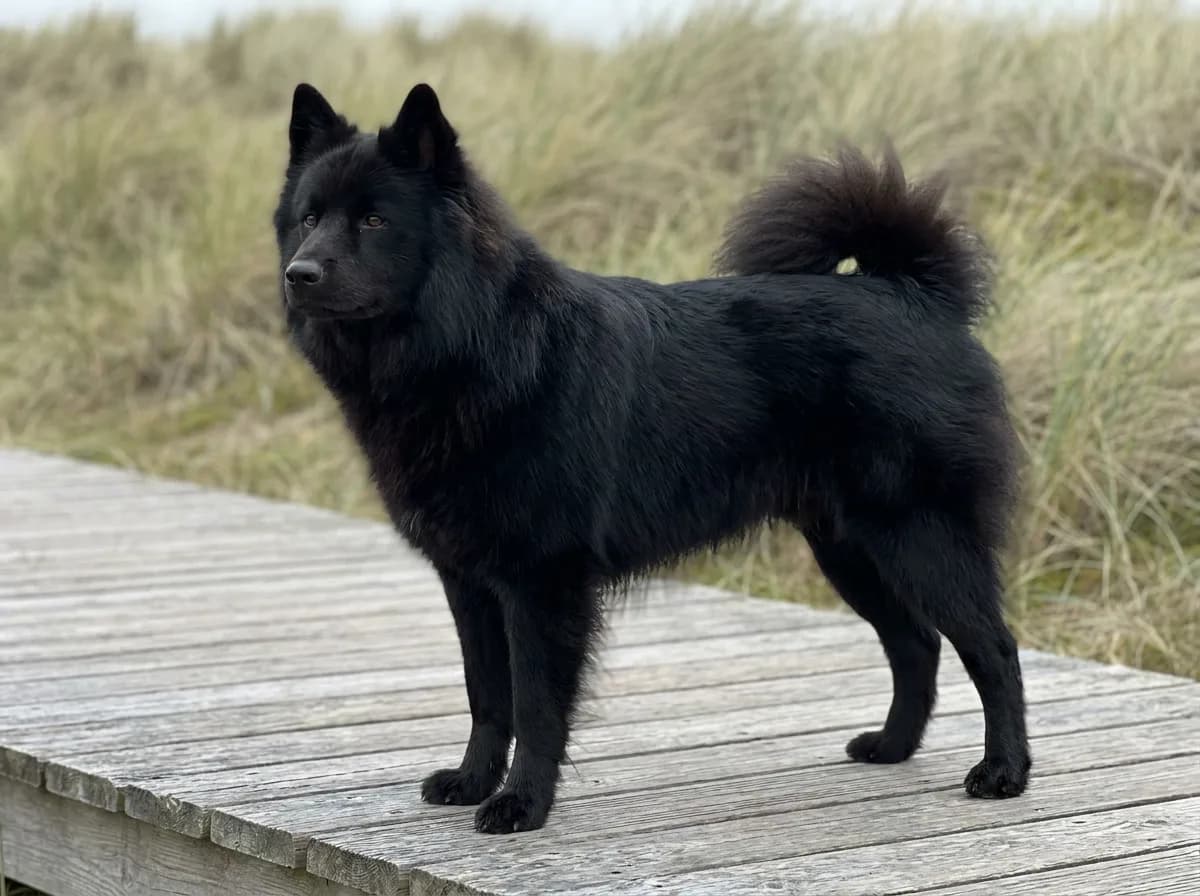
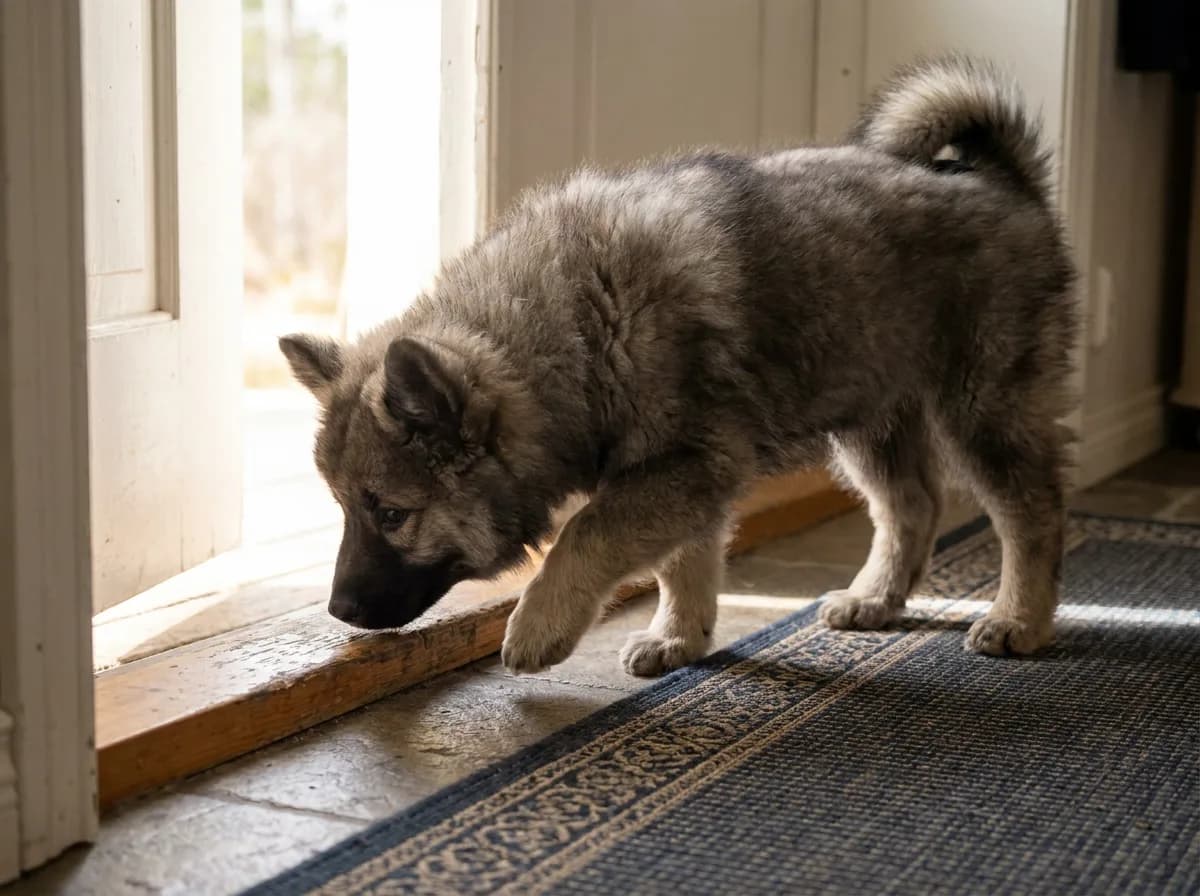
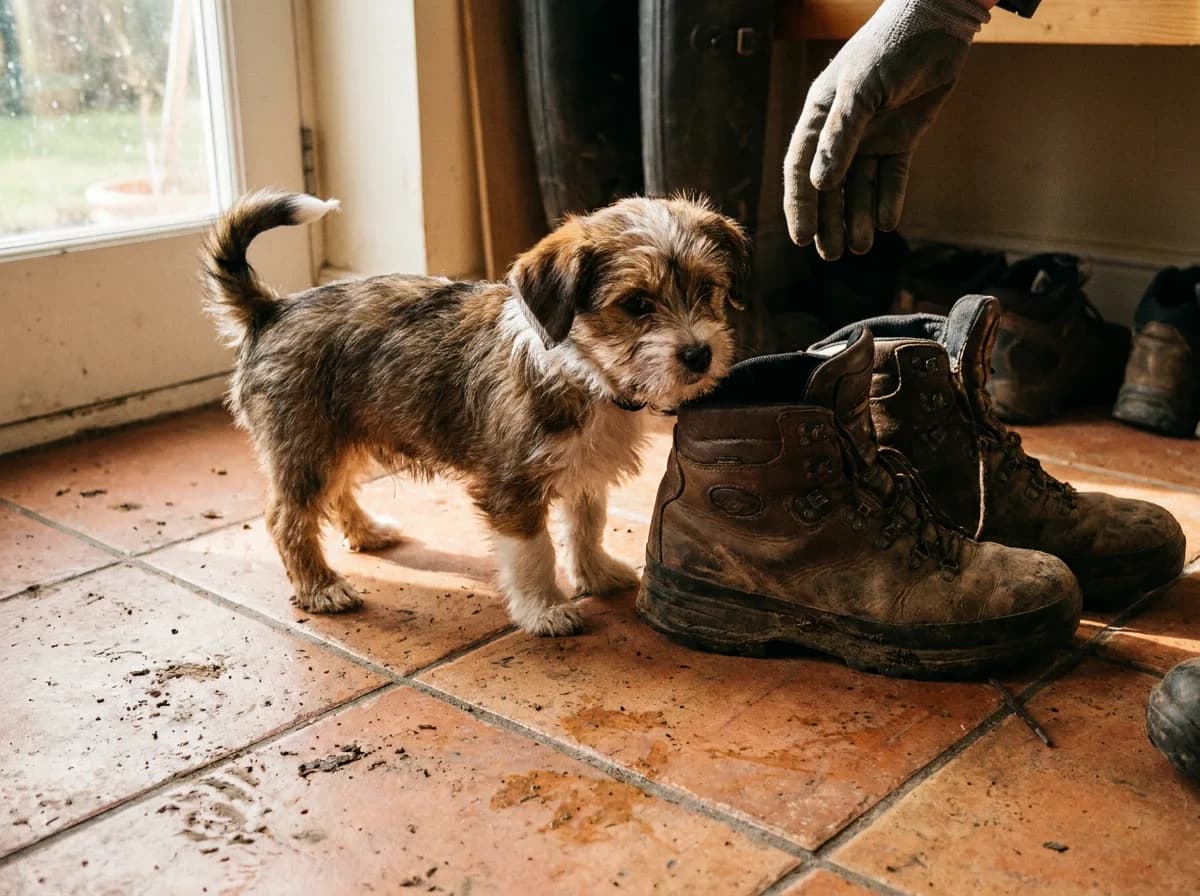
The illustrations in this guide show plausible visual variation. They are not documented photographs of a puppy growing up, pedigreed examples, or proof of a particular adult weight. If you want to assess a puppy's likely development, ask for verified parent information and dated photographs linked to real records rather than anonymous before-and-after images.
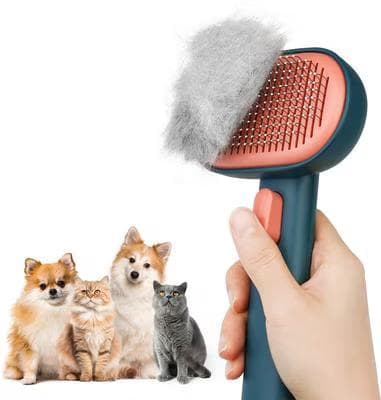
A slicker brush may suit some longer coats when used gently and correctly; a groomer can recommend the appropriate tool for your dog's hair and skin. Do not pull through tight mats to reveal body shape. A shorter professional haircut can make coat maintenance easier, but it is not a substitute for evaluating body condition with your veterinarian.
Temperament and daily care
- Adult size helps you plan equipment and handling, but it cannot tell you how a dog will behave at home. Ask about the individual dog's routine and arrange safe introductions to children and other pets. Consider grooming, training and companionship alongside the space the dog needs.
Size is one part of choosing a companion. Shorkie personality, temperament, barking, training, and family compatibility vary between individuals. Our complete Shorkie guide covers daily routines and how to assess a puppy or adult. Use it alongside actual observations, especially when deciding whether a Shih Tzu Yorkie mix will fit children, cats, other dogs, or apartment life.
Grooming an adult Shorkie
Shorkie haircuts and hairstyles can make an adult look dramatically different without changing its weight or height. Long hair, a short puppy cut, or a teddy bear face each brings different brushing and grooming needs. The Shorkie grooming guide also covers shedding, bathing, and hypoallergenic claims so you can choose a manageable coat routine.
Growth concerns and lifelong health
Growth questions sometimes overlap with health concerns, but a size estimate cannot diagnose a problem or predict how long a dog will live. Our Shorkie lifespan guide explains life expectancy, inherited health risks, senior care, and veterinary checks. Bring unexpected weight changes, poor appetite, or reduced activity to your own veterinarian rather than comparing your dog with a chart alone.
Buying or adopting a Shorkie
Mini and teacup Shorkie price premiums should be evaluated against records, welfare, and written terms. For an adult purchase or rehome, compare the medical and behavior history as well as the asking price. Puppy cost, rescue adoption fees, recurring grooming, and veterinary expenses are separate budget items. The Shorkie price guide helps compare those costs before buying, adopting, or paying a breeder deposit, without assuming the smallest puppy offers the best value.
Measure your Shorkie for everyday equipment
Measure the individual Shorkie for the item you are buying, then complete a fit check after it arrives. For a harness, chest circumference and strap position are central. For a carrier, the dog needs the space and posture required by that product's instructions and any travel provider's rules. For a bed, consider the dog's preferred sleeping position as well as its body length.
Keep the dog standing comfortably on a nonslip surface. A soft tape should follow the body without compressing fur or skin. If handling is difficult, introduce the tape gradually and reward cooperation rather than wrestling the dog into position. Ask another adult to help or have the measurements taken at a grooming or veterinary visit.
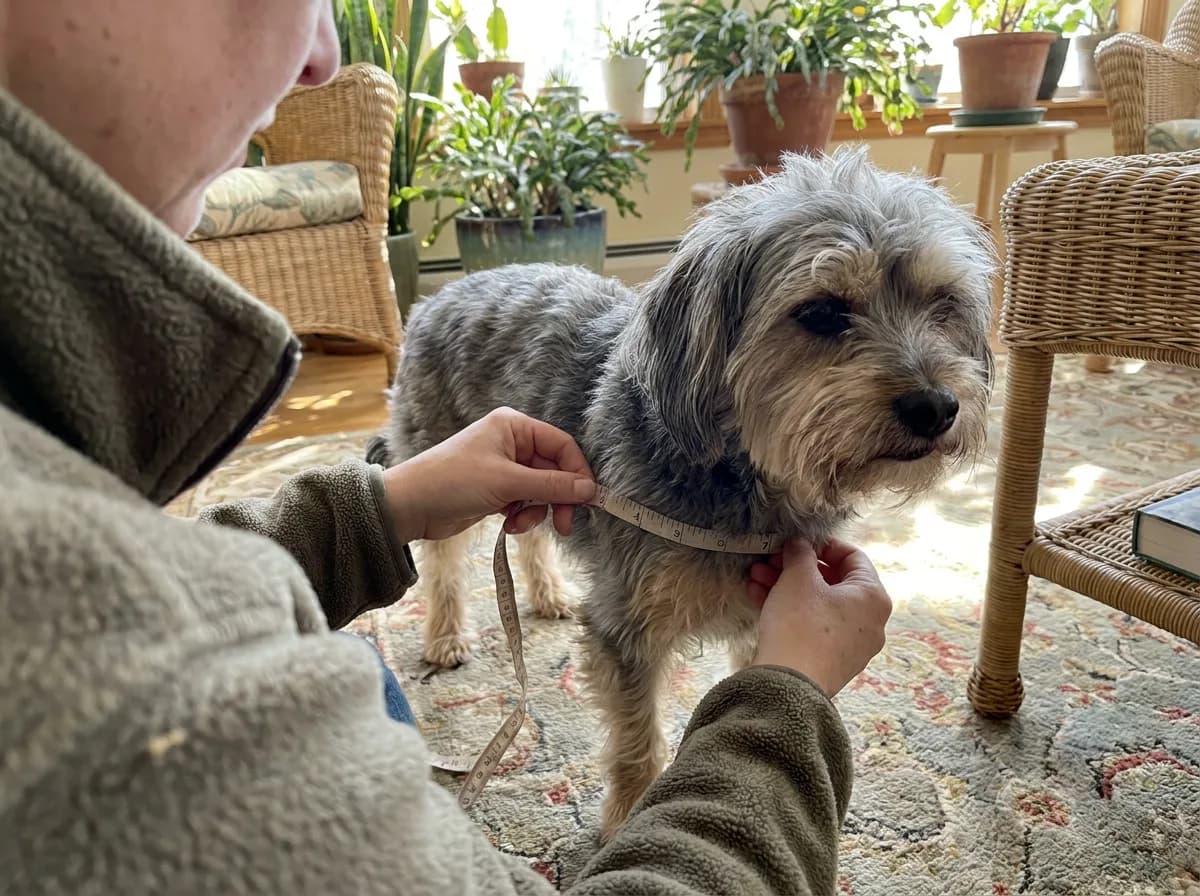
- Record chest girth at the position specified by the equipment maker.
- Record neck measurements only when that product requires them.
- For length, use the maker's stated landmarks; brands do not all measure identically.
- Check weight limits separately from dimensional fit.
- Recheck movement, rubbing, escape risk, and fastening security after fitting.
WebVet's dog harness versus collar guide explains the practical distinction between equipment types. Neither a harness nor a collar should be bought simply because a listing says “for toy breeds.” Keep identification secure and supervise initial use. A correctly sized item can still be uncomfortable if adjusted incorrectly.
Bring parent measurements and the growth record to a veterinary appointment if the adult-size prediction remains important. The aim is a healthy dog and safe everyday fit, not proving that the puppy met an advertised number. A Shorkie that grows larger than expected has not failed; the care plan and equipment need to adapt to the dog you have.
Frequently asked questions
A Shorkie can be bigger than both parents; adult size is not a simple average, and a larger-than-expected adult is possible. First check whether the parent measurements were accurate and taken at maturity. Also distinguish skeletal size from excess body fat. Your veterinarian can assess body condition and growth without assuming a larger dog is unhealthy merely because it exceeded an estimate.
Paw size is not a reliable stand-alone adult-weight calculator for a Shorkie. Coat, camera angle, age, and individual proportions can make paws look disproportionately large or small. Dated weight records and known adult relatives provide more useful context. Even those records support a range rather than an exact promise, so equipment should be fitted to the dog as it grows.
Buy a harness that fits the dog now, with appropriate adjustment room within the manufacturer's instructions. An oversized adult harness may allow a puppy to escape or rub in the wrong places. Recheck fit during growth and replace equipment when needed. The expected adult size can help with budgeting, but it should not override present safety and comfort.
A haircut can make a Shorkie look smaller by changing the visible outline, but it does not reduce skeletal size or healthy weight. Long hair can hide the chest and legs, making a dog appear larger or more rounded. Use actual measurements for equipment and veterinary body-condition assessment for health. Do not interpret a post-grooming photograph as evidence that the dog lost weight or stopped growing.
Not always. Sex alone cannot reliably predict which Shorkie will be larger. Parentage and individual development also matter, and size ranges can overlap. Compare actual measurements and body condition rather than choosing a puppy on an assumption that a female will remain smaller.
Ask your veterinarian about stalled growth, unexpected weight loss, poor appetite, or a puppy that seems unwell. Share the dated weight record, diet and any recent changes. Do not try to force growth by increasing food without advice; the trend needs to be assessed alongside health and body condition.
How big a Shorkie will get cannot be promised from its label. PetMD gives a general adult range of 7–16 pounds, while other published estimates vary. Parent measurements and a veterinary growth record are useful starting points, while an adult dog's actual measurements are the strongest evidence. Treat any range as an estimate, allow for variation, and fit carriers and harnesses to the dog you have rather than a promised teacup category.

Coreen Saito is a pet writer and longtime shelter volunteer with more than a decade in animal rescue. She covers cat behavior, breed care, and the small, ordinary science of sharing a life with companion animals, with a particular focus on honest takes about the products and decisions that actually matter. At home in Arizona, she's outranked by Mac (a dog with the loudest opinion in the house), Rebel (a cat who governs by quiet authority), and Meri (an orange tabby who runs the late shift and the laundry basket). She writes about all three, plus the rescues that keep coming through her life, at LifeWithMinty.com.
Sign up for expert-backed reviews and safety alerts all in one place.