Shorkie Lifespan: Health Risks and Lifelong Care
Shorkie life expectancy is an estimate, not a promise. Learn which health questions to discuss with your veterinarian and how records, routine care, and observation support your dog.

BVMS, MRCVS

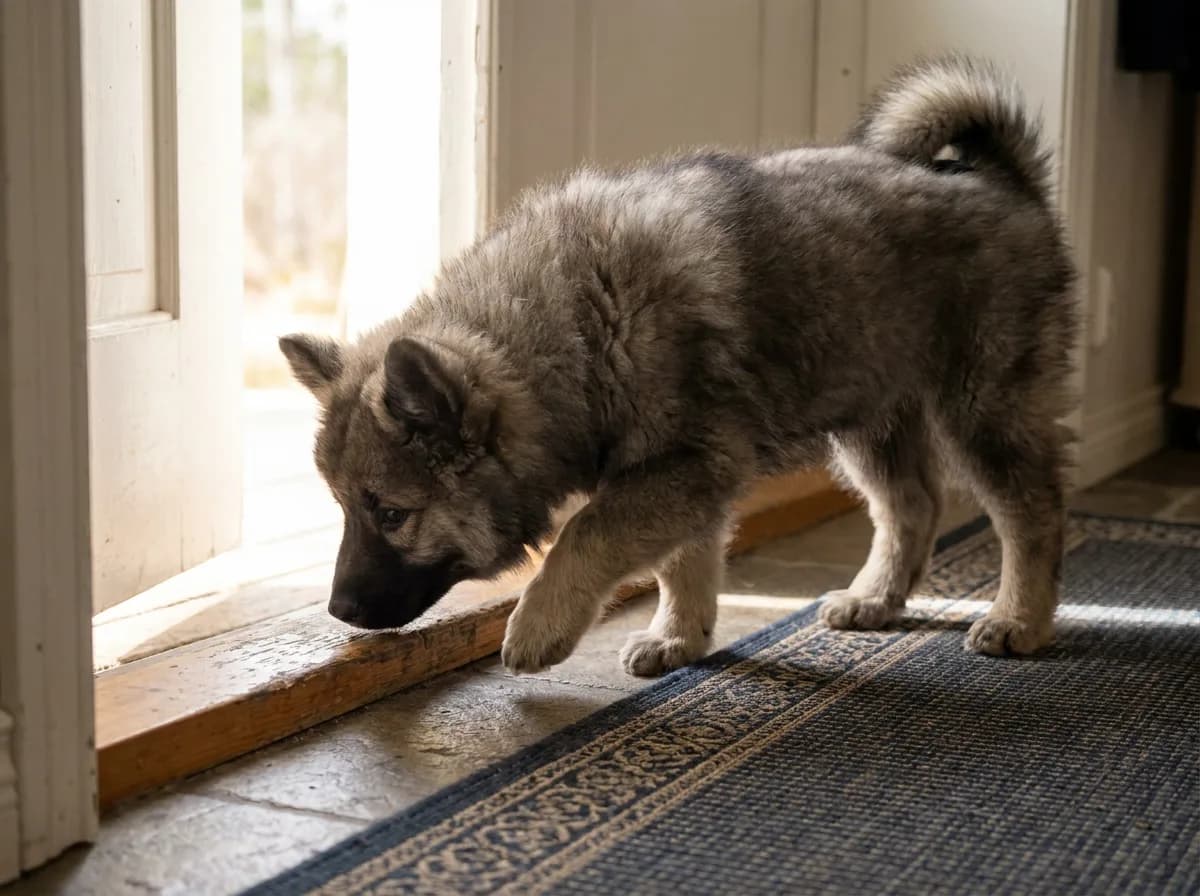
Appearance alone does not establish ancestry or predict adult size.
Petful is reader supported. As an affiliate of platforms like Amazon and Chewy, we may earn a commission when you buy through links on this page. There is no extra cost to you.
Shorkie lifespan is often described as roughly 12–15 years, but that range is an estimate, not a measured guarantee for this mixed breed. A Shih Tzu–Yorkshire Terrier mix can inherit health risks from either parent, and an individual dog's history matters more than a promised number. The practical goal is to support comfortable years through appropriate care and early attention to changes.
Use this guide to prepare questions for your veterinarian, organize health records, and plan everyday care. It does not predict how long your own dog will live. A healthy-looking puppy, a DNA result, or a long-lived parent can each provide information without settling that question.

Sign up for expert-backed reviews and safety alerts all in one place.
What is the typical Shorkie lifespan?
- 1Published Shorkie life-expectancy ranges are estimates rather than breed-specific survival guarantees.
- 2Parent history and screening help guide questions but cannot rule out every illness.
- 3Track changes in eating, movement, breathing, and behavior, and discuss them with your veterinarian.
Published estimates do not establish separate life expectancies for male and female Shorkies. Avoid choosing a puppy on a promise of extra years based on sex. The individual's medical history, family records and current health are more useful starting points for a care discussion.
A typical Shorkie lifespan cannot be reduced to one proven number. PetMD's Shorkie health guide discusses the parent breeds' reported lifespans and the possibility of inherited health conditions; Adopt a Pet lists 12–15 years as a general estimate. Neither substitutes for a prospective survival study of the individual mix or a veterinary assessment of your dog.
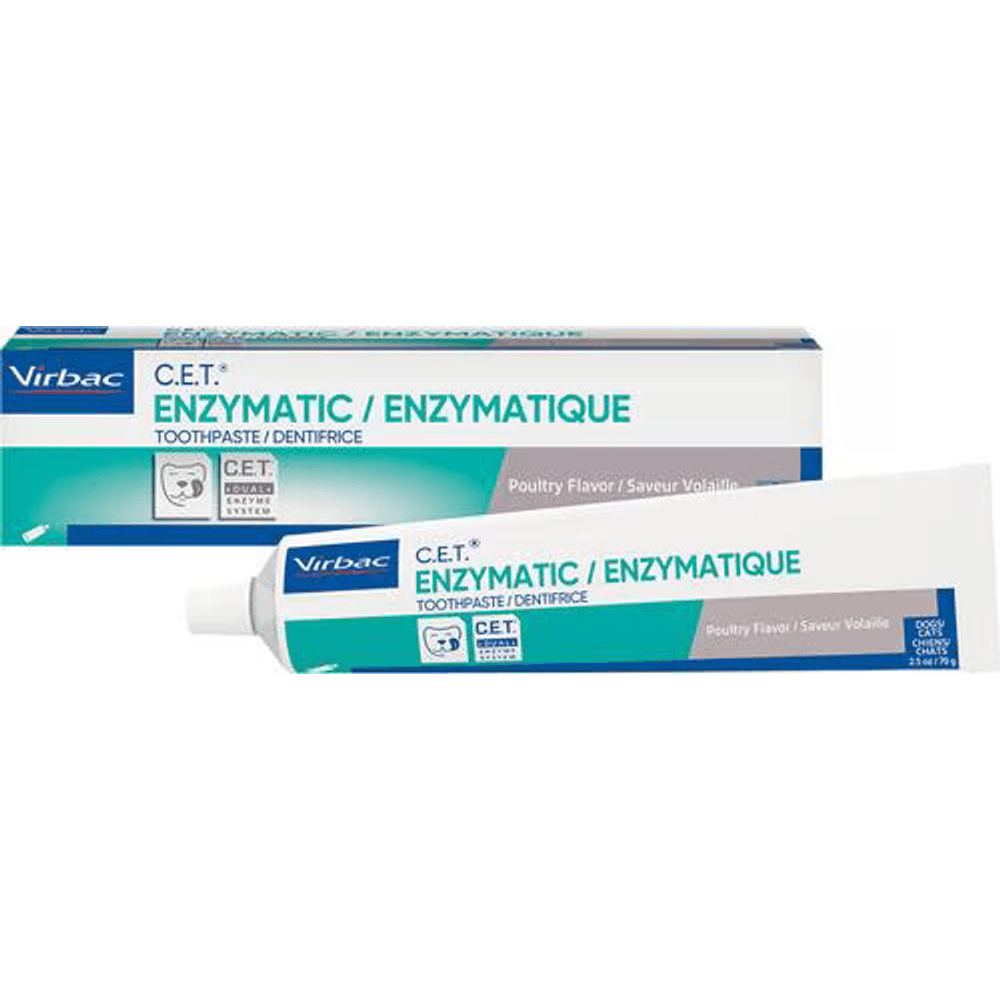
The vet-favorite enzymatic toothpaste. Its dual-enzyme system keeps working between brushings to control plaque and freshen breath, and the poultry flavor makes daily brushing easy.
Petful may earn a commission when you click through to Chewy, at no extra cost to you.
| Information | What it can tell you | What it cannot promise |
|---|---|---|
| Parent health history | Conditions worth discussing and screening records to request | The puppy will avoid those conditions |
| Veterinary examination | Findings and care needs at that point in time | Lifelong freedom from illness |
| Genetic screening | Results for the variants included in that test | A complete forecast of health or lifespan |
| A long-lived relative | One part of the family history | The same outcome for every offspring |
Keep the dog's actual health record separate from general expectations about small breeds. Birth date, previous illnesses, medications, dental procedures, changes in weight, and the results of examinations are more useful at an appointment than a collection of anonymous longevity stories. When the dog's age is estimated, record that uncertainty instead of presenting the estimate as exact.
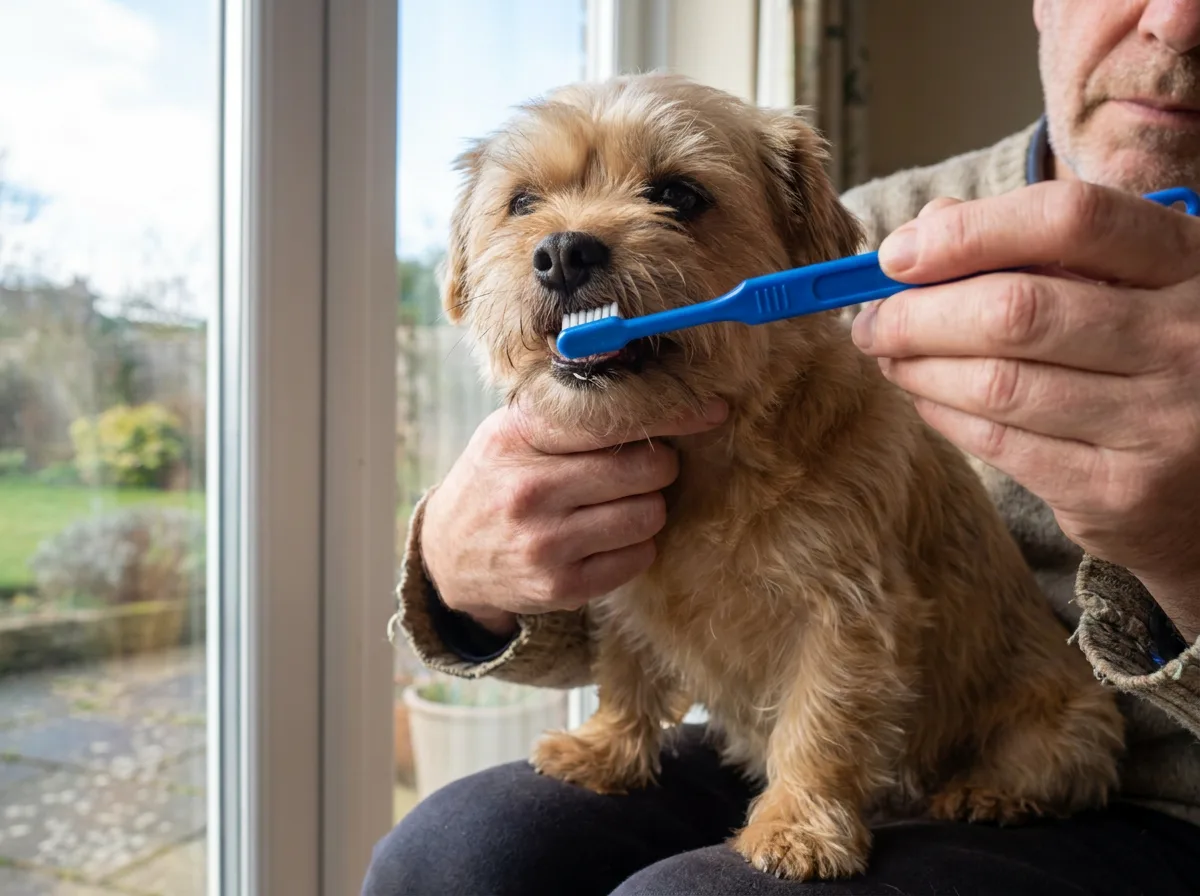
For routine dental home care, a Virbac C.E.T. dual-ended toothbrush offers different head sizes, but use only the end that comfortably fits your dog's mouth. Introduce handling gradually and ask the veterinary team to demonstrate technique. A tool can support a care routine; it cannot guarantee a longer life or replace diagnosis when the mouth is painful.
 Sponsored
Have a health question about your dog?
Talk to a licensed vet at Dutch over video or message, including nights and weekends.
Use code Pets60
Plans start at $12/month · covers up to 5 pets
- Licensed vets in most states
- Rx for 150+ conditions
- 4.7 on Trustpilot
Inherited risks are possibilities, not predictions
Shorkie health issues can affect puppies as well as adults. An underbite needs a dental assessment if teeth contact soft tissues, chewing is difficult, or the mouth appears painful. Shaking can occur with excitement or stress, but also with pain, nausea, toxin exposure, or low blood sugar. The breed name cannot distinguish these causes, so note the circumstances and any other symptoms when contacting your veterinarian. Breathing problems, collapse, or marked weakness require prompt veterinary attention. Do not wait for a breed guide to establish whether an unwell dog needs care.
Shorkies may inherit conditions associated with Shih Tzus, Yorkshire Terriers, or both. That does not mean every Shorkie will develop them, nor that a mixed-breed puppy is automatically protected. A useful discussion focuses on the dog's family history, physical examination, symptoms, and appropriate testing. Avoid turning a list of possible disorders into a diagnosis for a dog that has not been examined.
PetMD identifies concerns including dental disease, patellar luxation, liver shunts, tracheal collapse, and eye problems in the parent breeds. These conditions differ in cause, severity, and treatment. Ask your veterinarian which are most relevant to your individual dog and what screening or monitoring is appropriate. A breeder's general statement that the parents were healthy is less specific than documented results.
Knees and movement
Patellar luxation means the kneecap moves out of its normal position. The American College of Veterinary Surgeons explains that assessment and treatment depend on the individual case. An intermittent skip or reluctance to use a leg deserves evaluation; it should not simply be accepted as a cute small-dog habit. Do not start exercises or supplements as a substitute for that assessment.
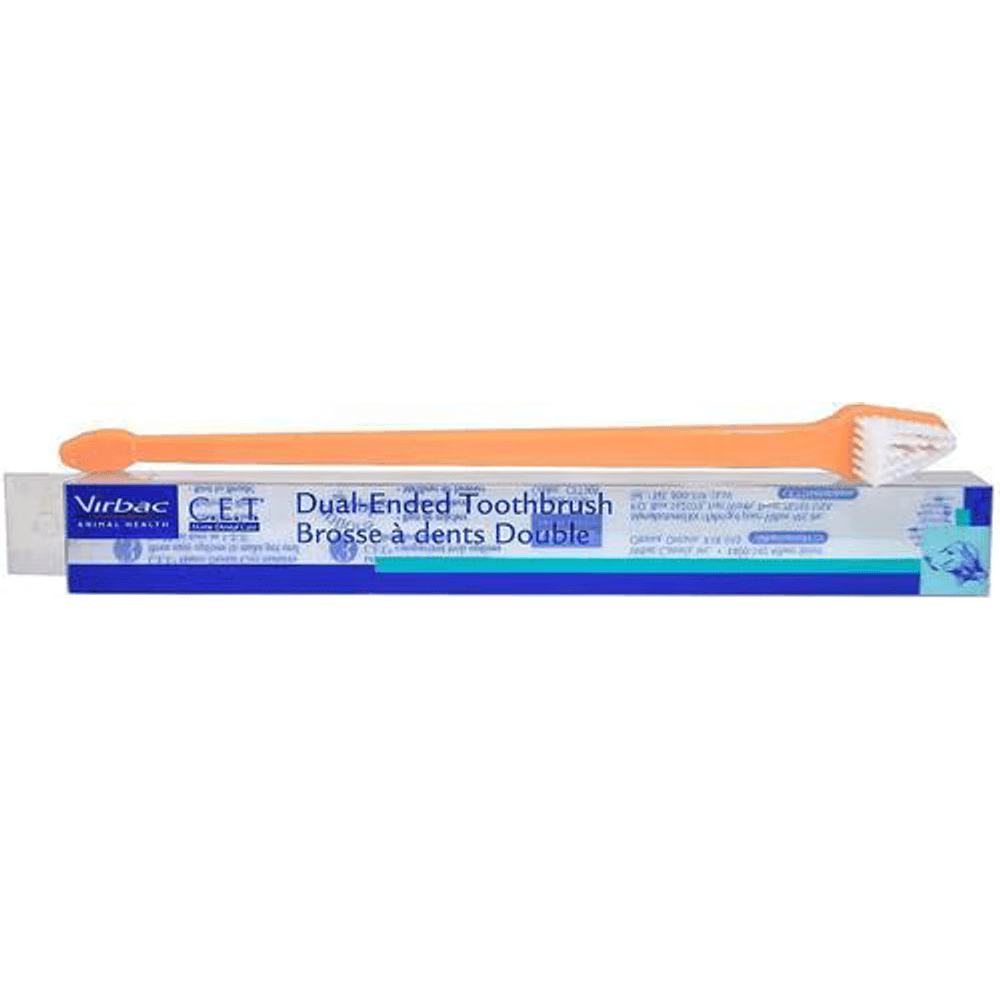
A dual-ended toothbrush with a large and a small head to fit different mouth sizes and reach the back molars where plaque hides. Soft bristles angled for the gumline.
Petful may earn a commission when you click through to Chewy, at no extra cost to you.
Teeth, breathing, and eyes
Bad breath, difficulty eating, repeated coughing, squinting, or discharge are reasons to seek veterinary advice. The same outward sign can have more than one cause. A coughing dog does not necessarily have tracheal collapse, and a cloudy eye does not establish a cataract. Prompt assessment is more useful than matching a symptom to an internet list and assuming the answer.
WebVet's dog toothpaste guide can help with routine product questions once your veterinarian has addressed any pain or disease. A dog-formulated product such as Virbac C.E.T. enzymatic toothpaste belongs in preventive home care, not as a treatment for an unexplained mouth problem. Never force brushing when the dog is uncomfortable.
Parent screening and DNA results
Ask which tests were performed, on which dogs, and where the results can be verified. A commercial ancestry test and a health-screening program answer different questions. Even a clear result on a health panel only addresses the conditions and variants included. The Orthopedic Foundation for Animals explains the role of breed-specific health screening; discuss the relevant parent-breed recommendations with your veterinarian.
Daily habits that support long-term health
Daily care should support appropriate body condition, comfortable movement, dental hygiene, and an enriching routine. These habits cannot eliminate inherited disease or promise extra years, but they help you meet the dog's needs and notice changes. The best plan is one you can repeat consistently, adjusted as the dog ages and its veterinarian advises.
Choose a diet appropriate to life stage and health, measure meals, and count training food and treats within the overall allowance. WebVet's guide to complete and balanced dog food explains the label framework. Ask your veterinarian to assess body condition rather than judging from coat fluffiness or comparing your Shorkie with another dog of a different build.
- Provide activity suited to the dog's ability and current medical advice.
- Build a cooperative dental routine and keep recommended examinations.
- Check the skin and coat during gentle grooming.
- Keep preventive care and medications organized.
- Provide opportunities to sniff, learn, rest, and spend comfortable time with people.
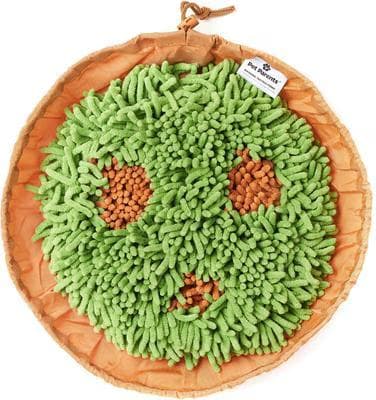
A Pet Parents Forager snuffle mat can offer a low-impact supervised searching activity when appropriate for the dog. Use part of the measured food allowance, choose a difficulty the dog can manage, and remove the mat if it is chewed. An older dog may enjoy a simpler activity more than a complicated puzzle; success and comfort matter more than difficulty.
Discuss parasite prevention with your veterinarian based on location, travel, household animals, age, and health. WebVet's flea and tick prevention guide can help organize product questions, but the right medication and dose are individual decisions. Do not combine products casually or substitute a shampoo for a comprehensive prevention plan without advice.

A budget-friendly padded no-pull harness that keeps leash pressure off a coughing dog's neck and windpipe by distributing it across the chest. A simple, affordable way to protect an irritated airway or a collapsing trachea on every walk.
Petful may earn a commission when you click through to Chewy, at no extra cost to you.
 Sponsored
Vet care that's always there
Unlimited video calls and messaging with licensed vets for less than a typical vet visit. One membership covers up to five pets.
Use code Pets60
Plans start at $12/month · covers up to 5 pets
- Licensed vets in most states
- Rx for 150+ conditions
- 4.7 on Trustpilot
A useful veterinary visit checklist
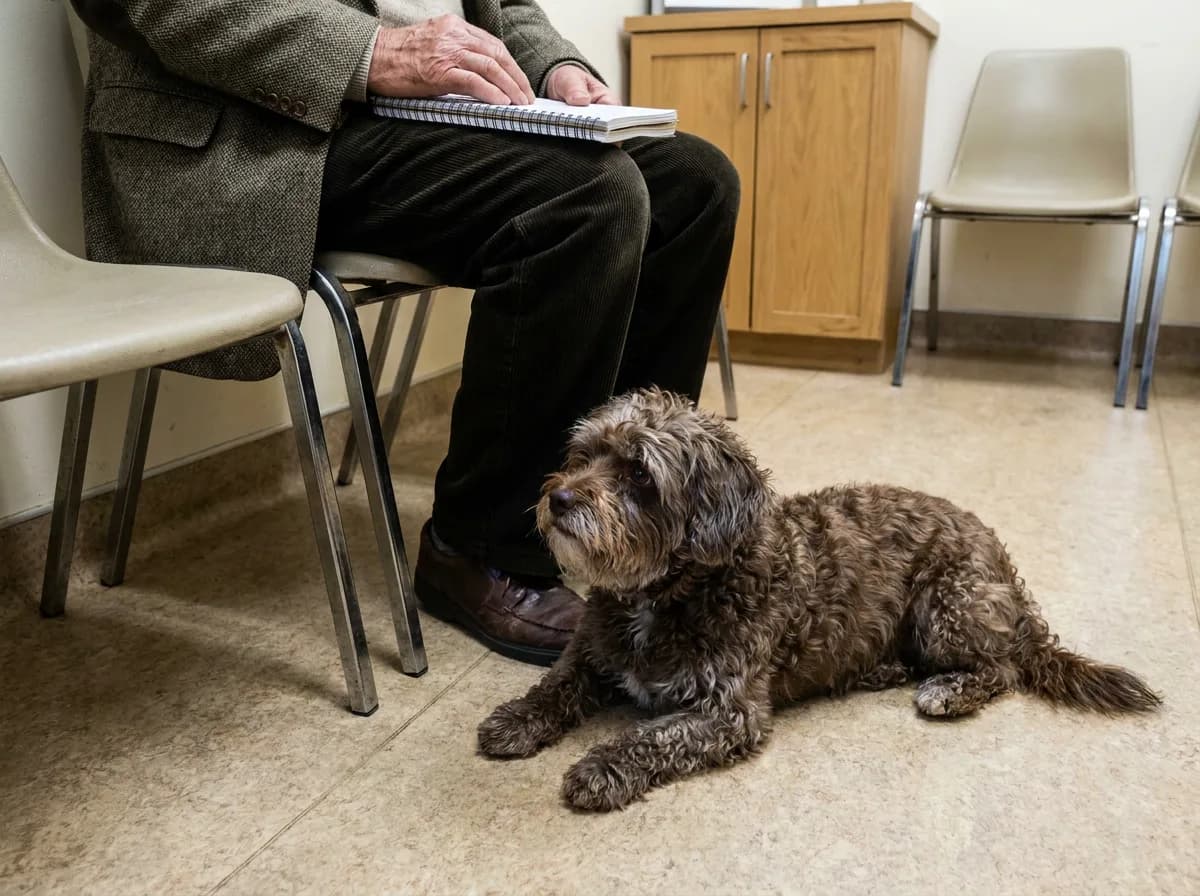
A veterinary visit checklist should make changes visible and help you leave with a clear plan. Bring the current medication and supplement list, feeding details, prior records, and a brief account of what has changed. If a behavior happens intermittently, a safely recorded video can help the veterinary team understand what you mean, although it does not replace examination.
- A veterinary visit checklist is most useful when it records when a change began, how often it happens, and what seems to trigger it. Keep baseline changes factual, and ask which signs require urgent care.
Useful questions include:
- Is the current weight and body condition appropriate?
- What dental care is needed now, and what can I do at home?
- Are the dog's movement, breathing, and eyes normal on examination?
- Which screening tests or preventive measures fit this dog's history?
- When should I return, and what changes should prompt an earlier call?
Do not wait for a routine visit when a dog is struggling to breathe, collapses, has a seizure, cannot walk normally, or appears acutely painful. Contact a veterinarian or emergency clinic promptly. A home-care product or supplement is not an appropriate first response to an emergency.
For ordinary walks, a Frisco padded harness may be useful if its size and fit suit the individual. Discuss equipment with your veterinarian if coughing, neck discomfort, or mobility problems are present. A harness can change where leash pressure falls, but it does not diagnose or cure a respiratory condition. Inspect for rubbing and allow comfortable movement.
Changes to watch as your Shorkie ages
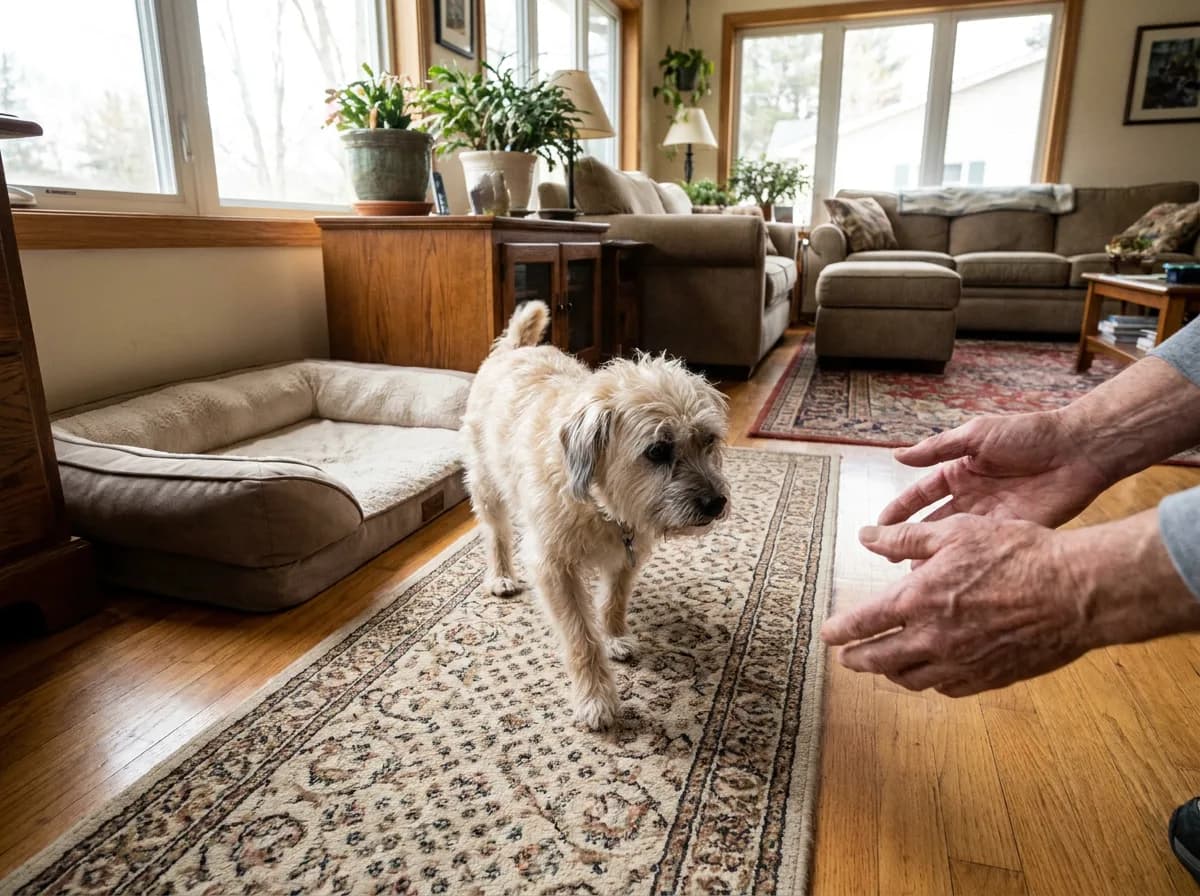
An aging Shorkie may need changes to its routine, but a new problem should not automatically be attributed to old age. Record alterations in thirst, appetite, toileting, sleep, social behavior, navigation, or willingness to move. These baseline changes help the veterinary team distinguish a gradual pattern from a sudden concern and decide which investigations are appropriate.
Petful may earn a commission when you click through to Chewy, at no extra cost to you.
A simple record can include the date, what happened, duration, and whether the change is recurring. Avoid overwhelming the record with guesses about the cause. “Stopped halfway through the usual walk three times this week” is more useful than “getting lazy.” Similarly, a dog that resists grooming may be uncomfortable rather than difficult.
Adjust the home to support comfort
Practical home adjustments may include nonslip walking surfaces, an easy-to-reach resting place, and calmer handling. Introduce changes gradually and watch whether they actually help. WebVet discusses supporting a senior dog with joint discomfort; use that guidance to prepare questions, not to choose a diagnosis or medication independently.
Grooming can remain gentle and comfortable. A small-dog nail clipper may be suitable for cooperative home care when you know the technique, while a professional may be a better choice for a painful or anxious dog. A softly used slicker brush should never be dragged through tight mats. Shorter sessions and a manageable haircut may reduce handling demands.
Daily routines and family fit
Shorkie temperament, family fit, training, and time alone affect everyday welfare alongside medical care. The main Shorkie guide covers the Shih Tzu Yorkie mix as an individual companion, including barking, children, cats, and apartment routines. Those practical details help prospective owners make a realistic decision before taking on a puppy or adult dog.
Growth and body condition
- Bring dated weights to veterinary visits, including any records from the breeder or rescue. Mark estimated ages as estimates and note illness or feeding changes alongside the measurements. This helps the veterinarian interpret growth and body condition in the context of the dog's health.
Adult Shorkie size and growth do not predict lifespan by themselves. Mini, toy, and teacup labels lack standardized meanings for this mix, while weight needs to be interpreted with body condition. The Shorkie full-grown guide explains parent measurements, height, equipment fitting, and why adult pictures or coat colors cannot establish a puppy's future health.
Comfortable coat care
Coat care can help you notice changes while keeping your dog comfortable. Shorkie haircuts, long hairstyles, teddy bear faces, short puppy cuts, brushing, and bathing require different upkeep. Our Shorkie grooming guide explains the practical choices and addresses shedding and hypoallergenic claims without treating a haircut as a medical intervention.
Planning for care costs
Shorkie price and ownership cost include more than a breeder's puppy fee or rescue adoption charge. Budget for recurring grooming, feeding, veterinary care, and unexpected needs. The Shorkie price guide shows how to compare written terms and plan expenses before buying or adopting, rather than assuming a higher sale price guarantees better lifelong health.
Plan for care throughout a Shorkies life
Plan for a long commitment while allowing for uncertainty. Save records in one place, identify a regular veterinary practice and an emergency option, and discuss care responsibilities within the household. A veterinary visit checklist and a record of baseline changes make that plan easier to use. Review it after a new diagnosis, medication change, or major change in daily routine.
Costs also change with needs. Ask for written estimates when procedures or ongoing treatment are recommended, and clarify follow-up requirements. WebVet's overview of veterinary visit costs offers context, while your own practice provides the relevant quote. Insurance terms and personal savings are separate planning tools; neither removes every possible expense.
Quality of life deserves regular attention as well as longevity. Notice whether the dog can rest comfortably, eat, move, interact, and enjoy familiar activities. If those abilities are changing, discuss them with your veterinarian rather than waiting for a particular age threshold. The goal is responsive care for the individual Shorkie, not reaching a number from a breed description.
Frequently asked questions
Shorkies can have health issues like any dog, including inherited risks associated with Shih Tzus or Yorkshire Terriers. That possibility does not mean every Shorkie will be affected. Parent records, appropriate screening, examination, and the individual dog's symptoms guide useful decisions. Ask a veterinarian to interpret concerns rather than treating a breed-level list as your dog's diagnosis.
A Shorkie may live longer than 16 years, but an individual lifespan cannot be promised in advance. A range is not a deadline or a minimum guarantee. Focus on the dog's health, comfort, and response to care. Longevity anecdotes can be interesting, but they do not establish the likely lifespan of a puppy or substitute for an individual veterinary assessment.
AAHA defines a senior dog as one in the last 25% of its estimated lifespan. That is a general life-stage guide, not a fixed birthday for every Shorkie. Size, health, and individual needs affect the estimate. Ask your veterinarian when to adjust examinations, monitoring, and home routines; changes in movement, eating, sleep, or behavior deserve attention before a dog appears obviously old.
No. A test only provides information about the ancestry or genetic variants it is designed to assess. It cannot detect every possible disorder or predict all environmental and age-related problems. Ask which tests were performed and how their results should be interpreted alongside examinations and family history. A clear panel is useful information, not a lifetime health warranty.
An older Shorkie should not automatically stop exercising. Many older dogs benefit from activity adjusted to their abilities, comfort, and veterinary advice. Shorter walks, easier surfaces, or gentler enrichment may be more appropriate than the previous routine. A new reluctance to move warrants assessment rather than being dismissed as age. Stop an activity that causes distress and ask your veterinarian how to adapt safely.
There is no reliable basis for promising a longer life because a Shorkie is sold as mini or teacup. Those labels do not define a standardized category or prove good health. Examine the individual dog's records, parent history, and care needs instead. Choosing extreme smallness should never take priority over welfare, appropriate development, and a practical household fit.
BVMS, MRCVS
Dr. Pippa Elliott, BVMS, MRCVS, is a veterinarian with nearly 30 years of experience in companion animal practice. Dr. Elliott earned her Bachelor of Veterinary Medicine and Surgery from the University of Glasgow. She was also designated a Member of the Royal College of Veterinary Surgeons. Married with 2 grown-up kids, Dr. Elliott has a naughty Puggle named Poggle, 3 cats and a bearded dragon.
Sign up for expert-backed reviews and safety alerts all in one place.