Shih Tzu Mixes: 12 Crosses, Traits, and Care Needs
Shih Tzu mixes can inherit any blend of parent traits, so labels are not guarantees. Compare 12 popular crosses by likely size, energy, coat care, training, and owner fit.
Petful is reader supported. As an affiliate of platforms like Amazon and Chewy, we may earn a commission when you buy through links on this page. There is no extra cost to you.
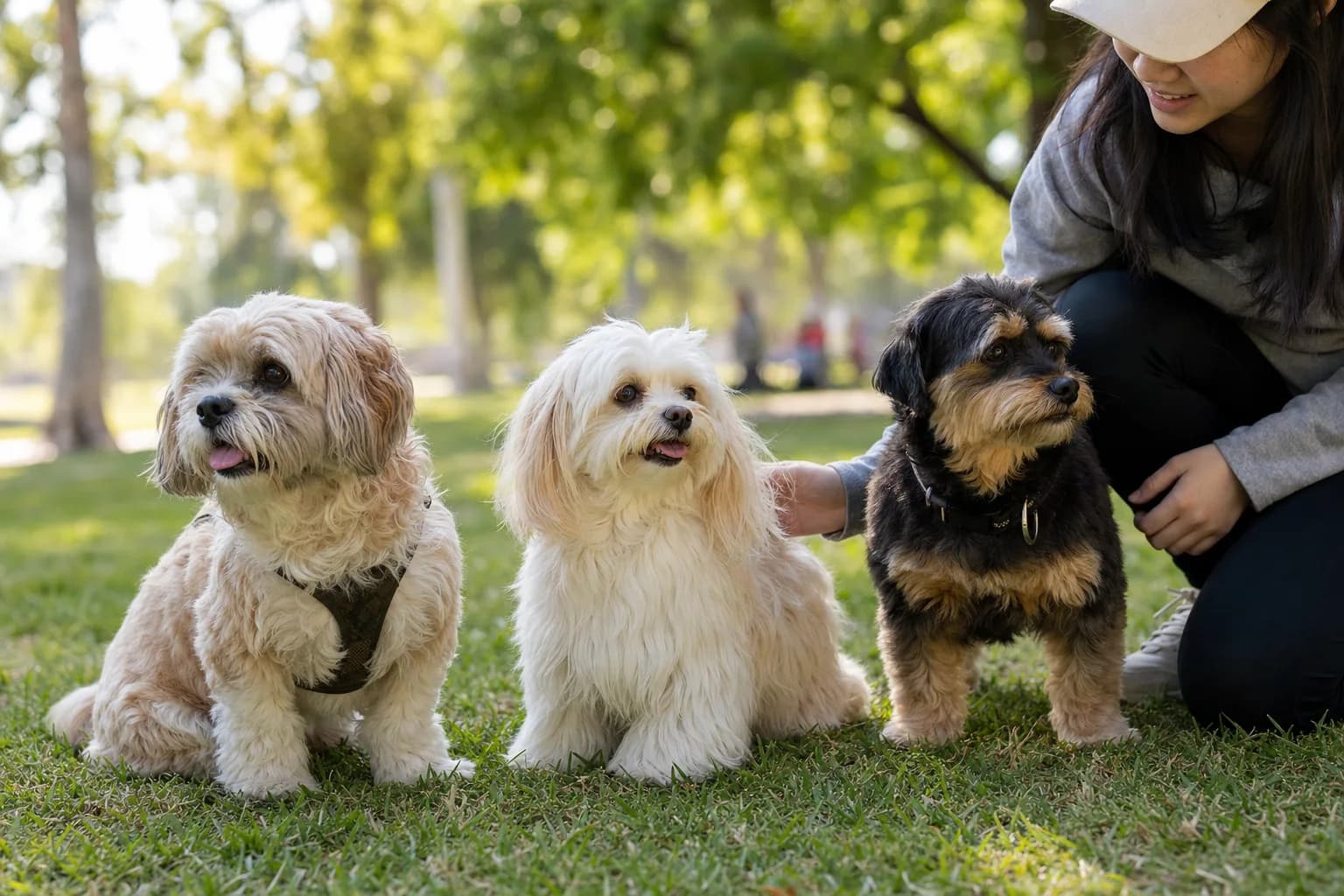
A Shih Tzu mix can inherit any combination of traits from both parent breeds. The mix name does not guarantee adult size, coat, shedding, temperament, muzzle length, or health. The most reliable choice comes from evaluating the individual dog and learning what each parent breed contributes.
This guide compares 12 popular crosses and replaces cuteness rankings with practical owner-fit questions. For purebred Shih Tzu size, temperament, and care, see Petful's complete Shih Tzu guide.

Sign up for expert-backed reviews and safety alerts all in one place.
What can you predict about a Shih Tzu mix?
- 1A first-generation mix receives half its DNA from each parent, but the visible and behavioral result is not a 50-50 average.
- 2Coat type and shedding cannot be guaranteed from a designer name.
- 3Health screening should address both parent breeds and the individual dog's structure.
- 4Meet the dog, review records, and choose for energy, handling, grooming, and temperament rather than appearance alone.
Genes are inherited in combinations. One litter can include puppies with different coats, muzzles, builds, energy, and confidence. Later-generation crosses add more possible combinations unless the breeder has a documented, consistent selection program. Even then, living animals vary.
Adult size can be estimated from the parents and growth, but a broad range is more honest than a precise promise. Coat workload depends on length, curl, density, texture, and how much loose hair is trapped. A dog that sheds less visibly may mat more.
Temperament also reflects early experience, learning, health, and environment. A friendly parent does not guarantee a friendly puppy, but observing stable adult relatives and careful rearing is more useful than relying on the mix label.
Good-dog fit and inherited tradeoffs
Are Shih Tzu mixes good dogs? They can be excellent companions when the individual dog's health, energy, handling needs, coat, behavior, and household fit align with the owner. The mix name cannot supply that answer. What is the downside of a Shih Tzu or Shih Tzu cross? Depending on inheritance, tradeoffs may include intensive grooming, barking, separation distress, training sensitivity, dental crowding, eye exposure, airway limits, heat sensitivity, or another parent breed's health and behavior risks.
Shih Tzu mix lifespan also cannot be calculated by averaging two breed-life estimates. A Maltese Shih Tzu mix may resemble either parent in size, coat, structure, and health, while another dog with the same label differs. Ask about longevity and disease in both parent families and plan preventive care for the individual dog.
What DNA tests can and cannot tell you
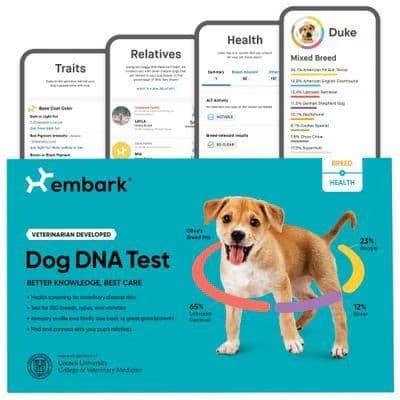
Some owners use DNA testing when ancestry is unknown. An Embark Breed and Health kit combines breed and selected health information, while Wisdom Panel Essential focuses on breed identification. Results can refine questions for the veterinarian; they do not diagnose disease or predict personality.
Petful may earn a commission when you click through to Chewy, at no extra cost to you.
12 Shih Tzu mixes at a glance
| Mix | Other parent | Likely owner-fit question | Coat workload |
|---|---|---|---|
| Shih-Poo | Poodle | Can you provide training and frequent coat care? | Moderate to very high |
| Mal-Shi | Maltese | Do you want a close companion with daily grooming needs? | High |
| Shorkie | Yorkshire Terrier | Can you channel alertness and terrier persistence? | Moderate to high |
| ShiChi | Chihuahua | Can you protect a tiny dog while building confidence? | Low to high |
| Shiranian | Pomeranian | Can you manage barking and a dense coat? | Moderate to high |
| Zuchon | Bichon Frise | Can you maintain a soft coat that mats easily? | High |
| Cava-Tzu | Cavalier King Charles Spaniel | Have both heart and airway risks been considered? | Moderate to high |
| Pug-Zu | Pug | Can you manage heat and breathing conservatively? | Low to moderate |
| Schweenie | Dachshund | Can you prevent jumping and manage a potentially long back? | Low to high |
| Havashu | Havanese | Do you want a social dog and accept regular grooming? | High |
| Bea-Tzu | Beagle | Can you provide scent enrichment and secure containment? | Low to moderate |
| Shinese | Pekingese | Can you evaluate airway, eyes, and heat tolerance honestly? | High |
This table names likely questions, not outcomes. A straight-coated Shih-Poo may shed; a compact ShiChi may be bolder than expected; a Bea-Tzu may inherit more coat than the Beagle side suggests. Ask about the actual parents and individual dog.
Shih-Poo and other Poodle crosses
1. Shih-Poo: Shih Tzu and Poodle
The Shih-Poo is usually produced from a Shih Tzu and Toy or Miniature Poodle. Parent size matters, so "Shih-Poo" alone does not define adult dimensions. Coat may be wavy, curly, or straighter, with variable density and shedding.
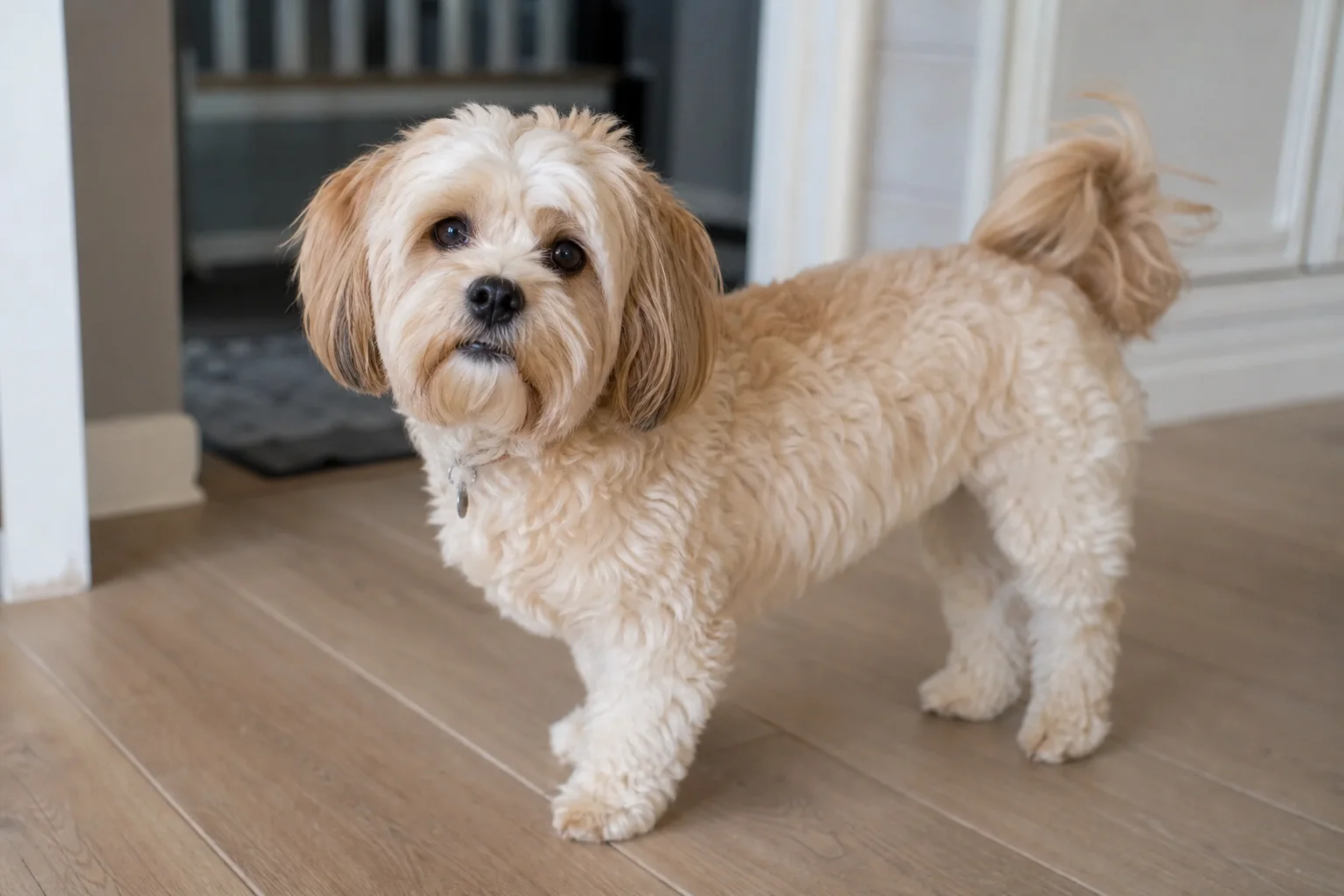
Poodles tend to be athletic, observant, and trainable. Shih Tzus tend to be social companions with modest exercise needs. A mix may be more energetic and mentally busy than an owner expects from a lap-dog label. Use reward-based training, sniffing, and problem solving in addition to walks.
No responsible breeder should promise hypoallergenic status. Allergens occur in dander and saliva, and individual reactions vary. Spend time with the specific dog before adoption when allergies matter. Plan professional grooming every several weeks plus home combing.
Ask for parent-specific health screening and evaluate the puppy's eyes, knees, structure, and breathing. A curlier coat does not cancel risks inherited from the Shih Tzu side.
Popular small companion Shih Tzu mixes
2. Mal-Shi: Shih Tzu and Maltese
A Mal-Shi combines two small companion breeds with long coat ancestry. Many are affectionate and portable, but the coat can tangle quickly and facial hair needs routine cleaning. White or pale hair may make tear staining more visible without identifying the cause of tearing.
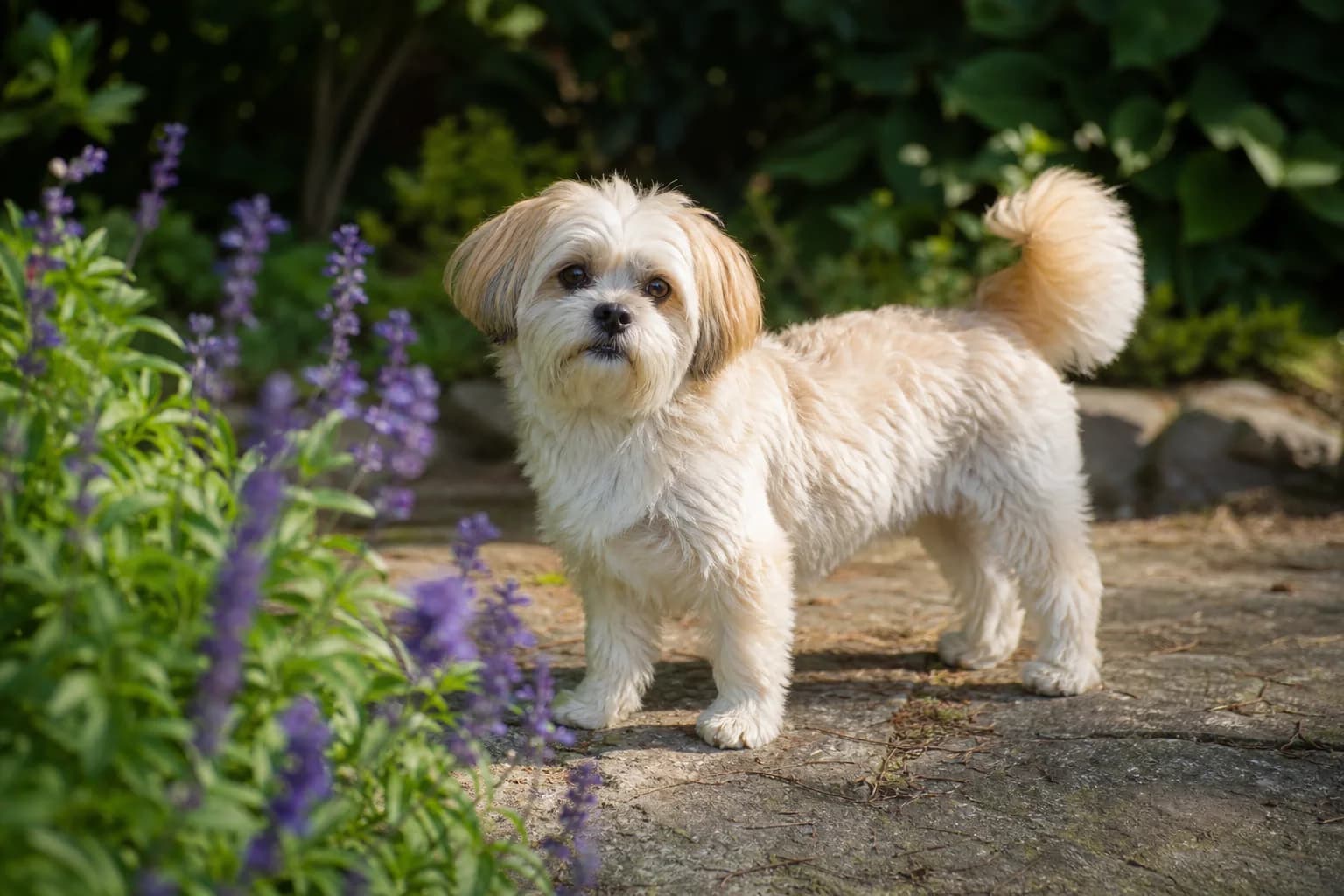
Both parent breeds may prefer close company. Teach alone time gradually instead of assuming two companion breeds create effortless independence. House training requires timing and supervision because a small bladder and weather aversion can complicate the routine.
Meet adults when possible. Look for open nostrils, comfortable movement, clear eyes, stable behavior, and a coat the household can maintain. Tiny-size marketing should not replace health information.
3. ShiChi: Shih Tzu and Chihuahua
A ShiChi can be very small, with coat ranging from short to long and ears that stand, fold, or do something in between. Chihuahua influence may add alertness, speed, and strong attachment to a favorite person. Shih Tzu influence may add a softer coat and more brachycephalic facial features.
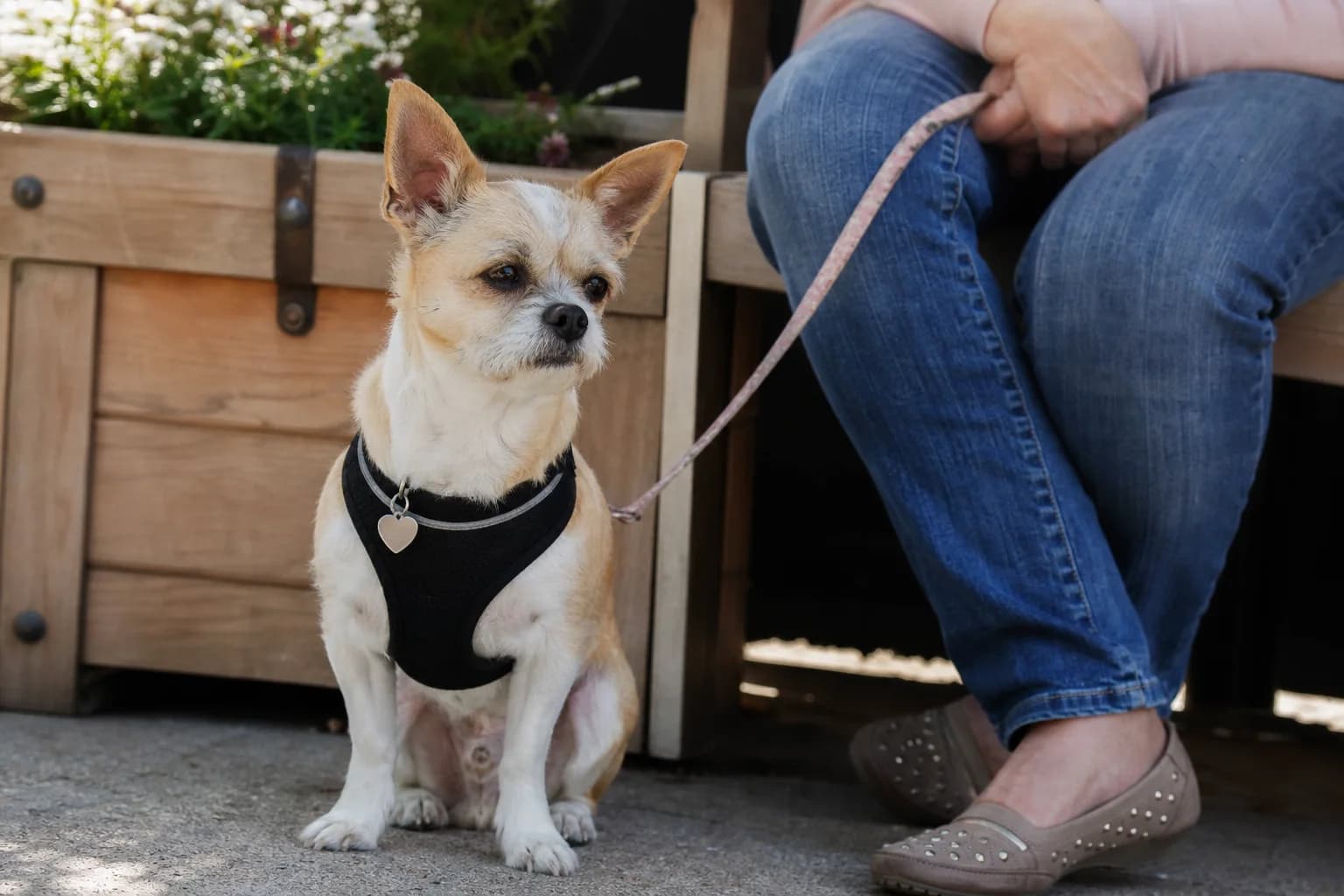
Protect a tiny dog from falls, rough children, and uncontrolled large dogs without carrying it away from every normal experience. A small padded no-pull harness is one walking option after measuring, but it should clear the throat and permit normal shoulder movement. Confidence grows through safe choice, training, and exposure. Barking at visitors or hallway sounds needs management and reinforcement of an alternate behavior.
Dental crowding, kneecap problems, eye vulnerability, and airway function deserve attention. A small harness must fit without compressing the throat.
4. Cava-Tzu: Shih Tzu and Cavalier King Charles Spaniel
The Cava-Tzu may have feathered ears, a soft coat, and an affectionate companion temperament. Many fall into a small, sturdy range, but size and muzzle length vary. Both sides can enjoy close social contact and gentle activity.

Health questions are more important than appearance. Cavalier lines warrant careful cardiac screening, while Shih Tzu lines require honest airway and eye assessment. Ask what was tested, at what age, by which professional, and whether results can be verified.
Long ears and coat need combing. Monitor exercise tolerance and do not normalize coughing, fainting, or noisy breathing. A veterinarian should evaluate those signs.
5. Havashu: Shih Tzu and Havanese
The Havashu joins two social long-coated companion breeds. Expect a dog that may enjoy training, visitors, and family activity, though individual confidence varies. The coat can be straight, wavy, dense, or cottony and usually needs frequent combing.
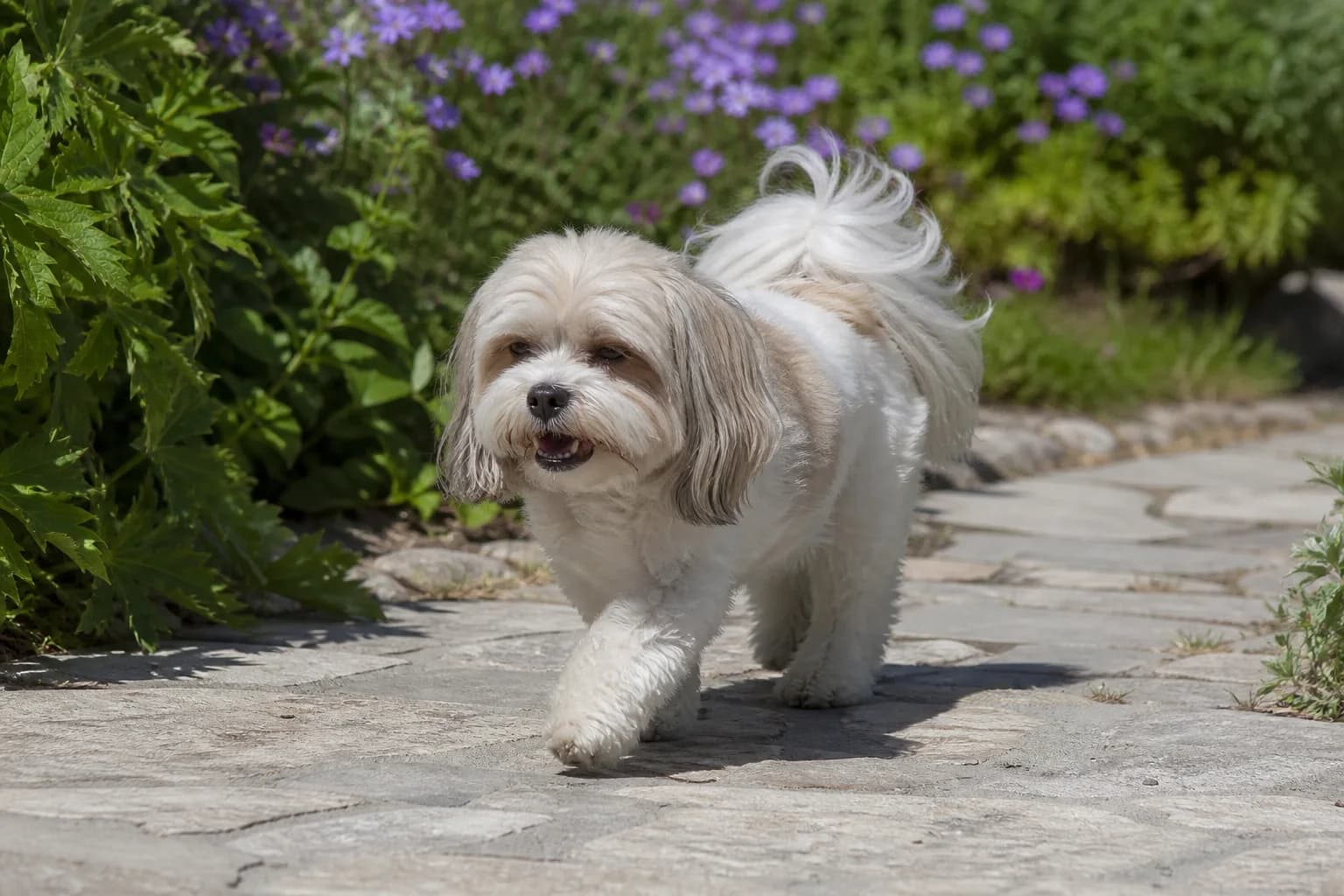
Owners should plan for mat prevention, face care, and professional trims. Teach grooming on a nonslip surface with short reward-based sessions. Exercise can include walks, tricks, scent games, and play rather than hard endurance work.
Assess knees, eyes, teeth, hearing, breathing, and general structure with the veterinary team. A mix can inherit risks from either family; it does not automatically gain hybrid vigor sufficient to cancel them.

Petful may earn a commission when you click through to Chewy, at no extra cost to you.
Terrier, Spitz, and Bichon Shih Tzu mixes
6. Shorkie: Shih Tzu and Yorkshire Terrier
A Shorkie may be compact, silky-coated, alert, and persistent. Yorkshire Terrier ancestry can add prey interest and a quick response to sound. Shih Tzu ancestry may soften energy while retaining strong companionship needs.

Do not mistake tiny size for low training need. Teach quiet, recall, handling, trade, and settle. Use a harness and secure leash because a small dog can move quickly through a doorway. Supervise around rodents and very small pets.
Coat texture determines maintenance. Silky hair tangles behind ears and under harnesses, while a shorter mixed coat may shed more. Dental and kneecap assessment are sensible priorities.
7. Shiranian: Shih Tzu and Pomeranian
The Shiranian may inherit a plush double coat, plumed tail, alert barking, and a compact build. Some have a longer Spitz muzzle; others retain a flatter Shih Tzu face. Heat tolerance and breathing must be judged in the individual.
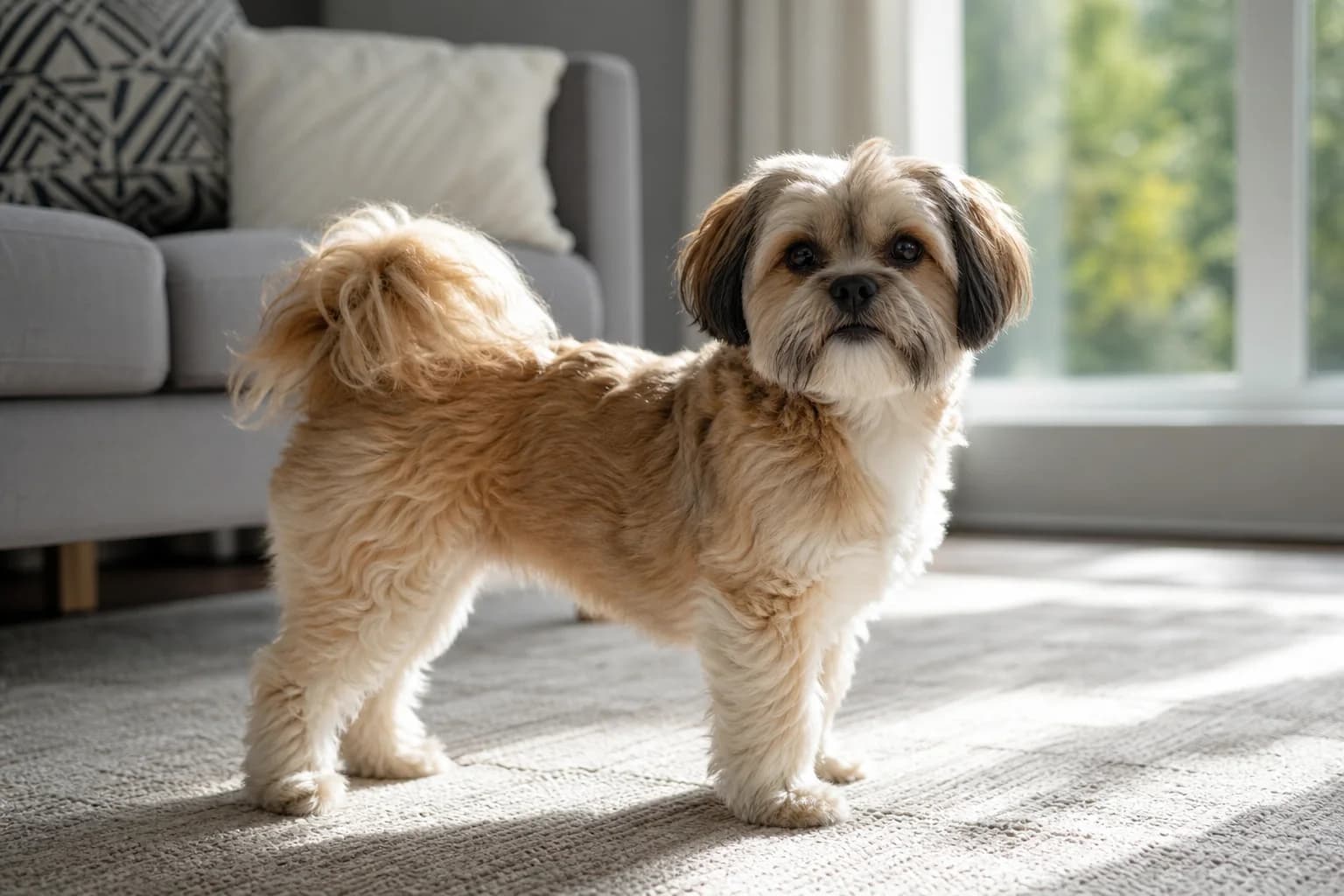
Dense coat needs brushing through to the skin. Shaving a double-coated mix very short may change texture and sun protection, so discuss goals with a skilled groomer. A manageable trim and consistent combing are better than cycles of matting and emergency shave-downs.
Reward quiet observation before alert barking becomes a rehearsed routine. Avoid reinforcing demand barking with immediate pickup or attention.
8. Zuchon: Shih Tzu and Bichon Frise
Also called a Shichon, the Zuchon often has a soft wavy or curly coat and a cheerful companion-dog presentation. The coat can mat rapidly because loose hairs stay within the curls. Low visible shedding is not low maintenance.
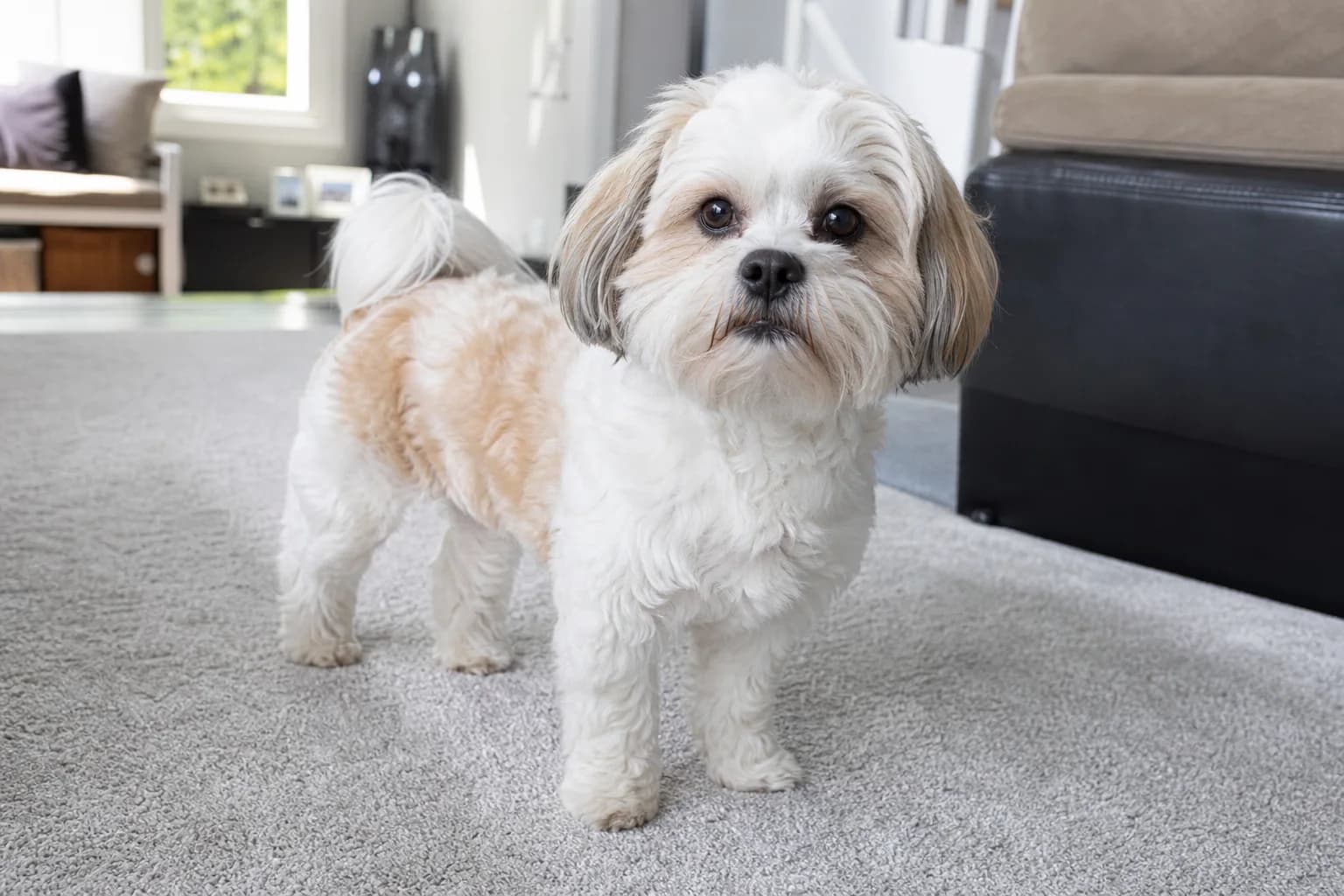
Frequent combing, careful drying, and professional clips are realistic expectations. Social temperament is common in both parent breeds, but separation distress can develop when independence is never taught. Practice short, calm absences from puppyhood.
Ask about knees, eyes, teeth, skin, and parent screening. White coat staining is cosmetic until a medical cause of tearing, licking, or saliva change is identified.
9. Schweenie: Shih Tzu and Dachshund
The Schweenie may combine a longer body and shorter legs with facial furnishings and a variable coat. Structure differs widely. A dog with a pronounced long back should have ramps, controlled jumping, lean body condition, and safe handling.
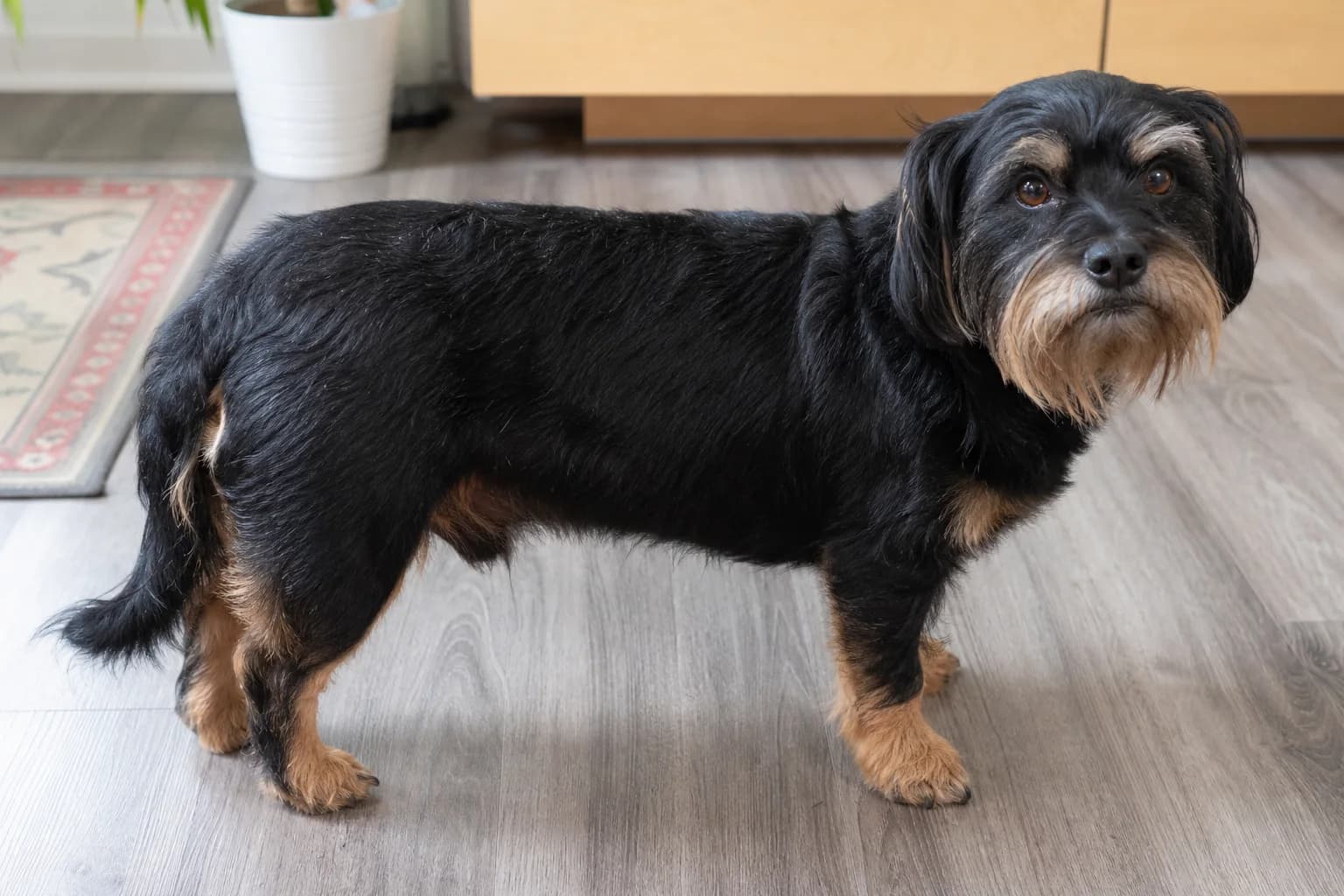
Dachshunds can be scent-driven, vocal, and persistent. Enrichment should include sniffing and food searches. Secure containment matters because chasing a scent can override recall. House training benefits from shelter from bad weather and a consistent schedule.
Ask the veterinarian to assess body condition, back comfort, knees, eyes, teeth, and airway. Lift with chest and hindquarters supported.
10. Bea-Tzu: Shih Tzu and Beagle
A Bea-Tzu may be larger and more active than many companion crosses. Beagle ancestry can add scent drive, food motivation, and vocal expression. Coat may be shorter and easier than a Shih Tzu coat, or longer around ears, chest, and tail.
This mix needs secure fencing and a leash plan. Scent games and measured food puzzles can use natural interests without allowing unrestricted roaming. Keep food and trash secured, and track body condition because appetite can be strong.
The Beagle side does not guarantee a long muzzle, so evaluate breathing. Ask about eyes, ears, teeth, thyroid history, and general orthopedic health in both families.
Flat-faced Shih Tzu crosses
11. Pug-Zu: Shih Tzu and Pug
A Pug-Zu may have a sturdy body, short coat or facial furnishings, and a sociable personality. Both parent breeds are brachycephalic, so this cross can concentrate rather than reduce airway and heat risk.
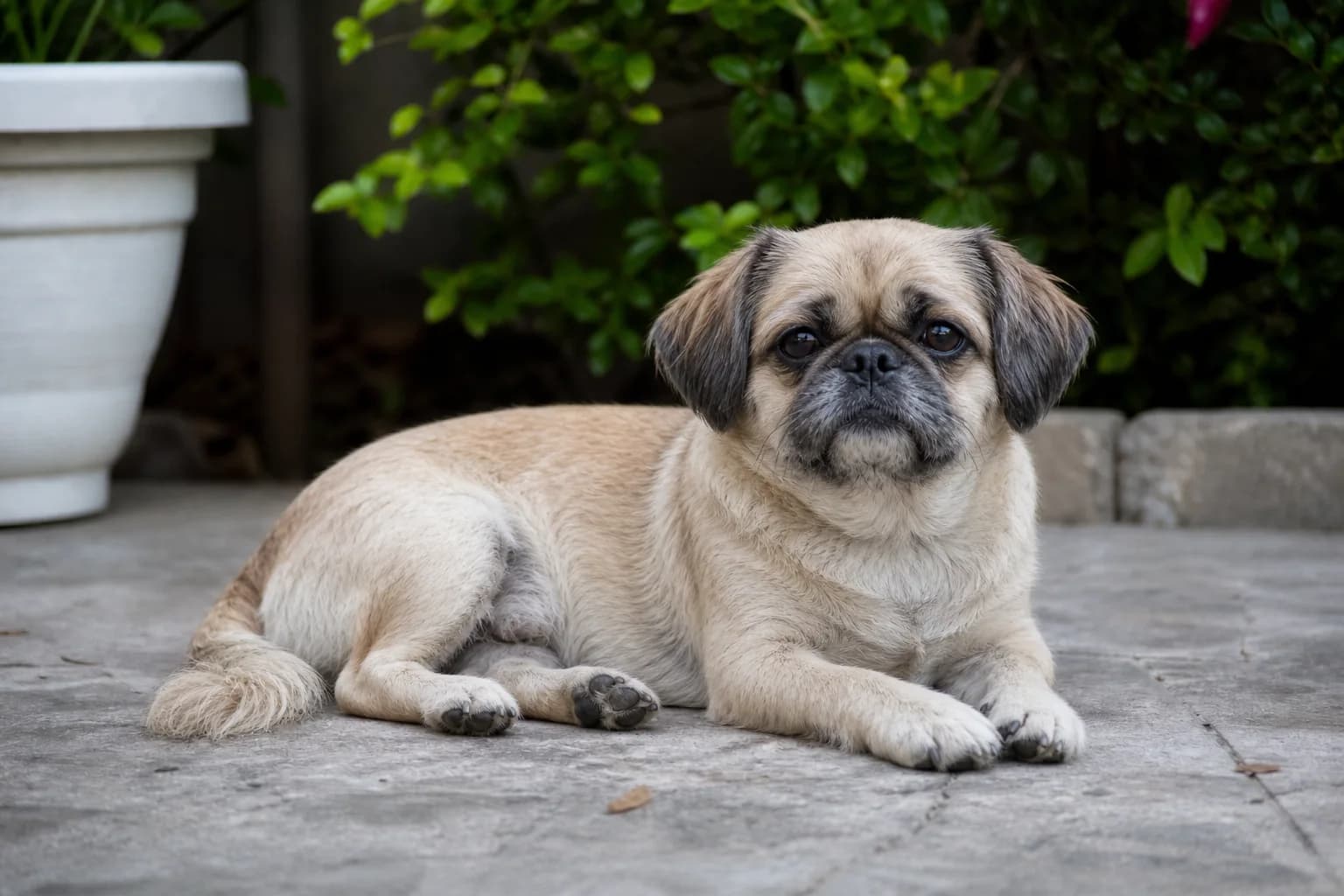
Choose function over an extremely flat look. The dog should breathe comfortably at rest, sleep without repeated distress, move freely, and recover from mild activity. Pinched nostrils, collapse, blue gums, or severe heat intolerance require veterinary assessment.
Keep the dog lean, exercise in cool conditions, and use a harness. Skin folds, eyes, teeth, and nails need regular attention.
12. Shinese: Shih Tzu and Pekingese
The Shinese combines two long-coated brachycephalic companion breeds. Coat care is likely high, and the dog may have a broad head, short legs, prominent eyes, and independent moments alongside strong attachment.
Heat and breathing are central selection questions. Avoid breeders who exaggerate flat faces or tiny size. Assess nostrils, movement, eye protection, and the ability to settle and recover after ordinary play.
Daily facial checks and frequent combing are realistic. Socialize gently, teach handling, and respect a dog that does not want constant carrying.
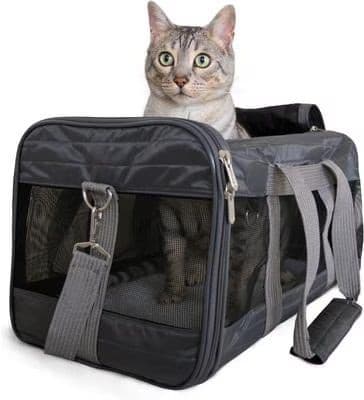
An airline-approved soft-sided carrier with mesh ventilation windows, a top-rated travel pick for cats and small dogs.
Petful may earn a commission when you click through to Chewy, at no extra cost to you.
How to choose a Shih Tzu mix
Start with the life you can offer, then evaluate dogs. Rank the following before coat color or mix name:
What is the best Shih Tzu mix? There is no universal winner. The best match is the individual dog whose adult size, energy, grooming workload, training sensitivity, airway and eye structure, health evidence, and observed temperament fit the household. A low-shedding promise, popular name, or cute photograph should never outweigh those practical measures.
- Adult size and physical handling.
- Daily energy and enrichment.
- Grooming time and professional budget.
- Alone-time schedule.
- Children and other animals.
- Heat and exercise environment.
- Health screening and medical capacity.
- Individual temperament.
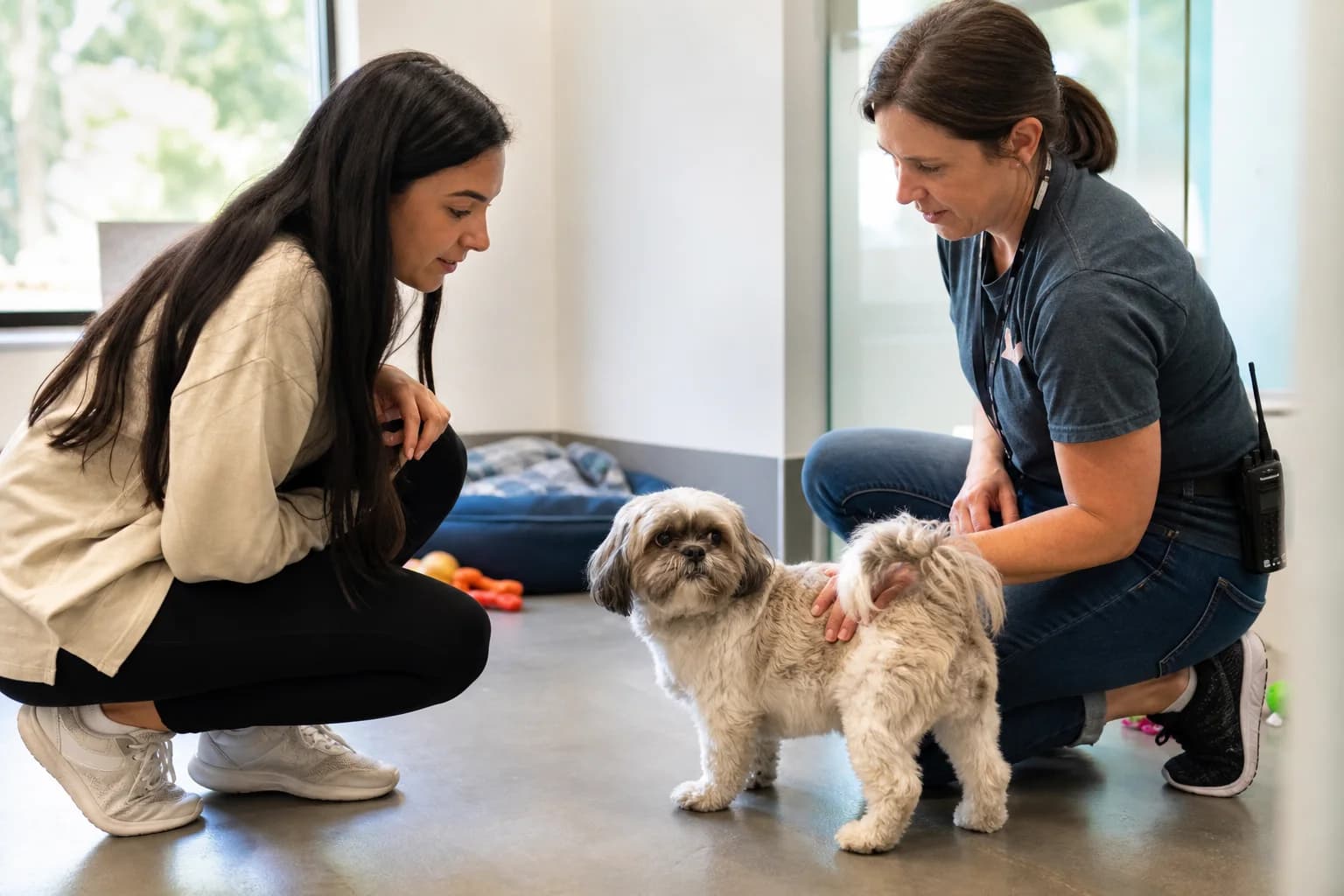
Meet the dog more than once when possible. Observe recovery after excitement, response to handling, interest in food and play, comfort around people, and ability to disengage. A shelter foster home may provide more daily-life information than one kennel meeting.
For a puppy, observe the whole litter and mother, review parent health, and ask how puppies are raised. A seller who promises exact adult weight, no shedding, perfect health, or one fixed temperament is selling certainty that genetics cannot provide.
DNA tests: useful and limited
DNA breed estimates can identify likely ancestry and some genetic variants. Results depend on the company's reference populations and methods. An Embark Breed and Health kit is one combined breed-and-selected-health screen, but it does not measure every disease risk, confirm ethical breeding, or explain behavior by percentages. Share health findings with the veterinarian rather than changing treatment independently.
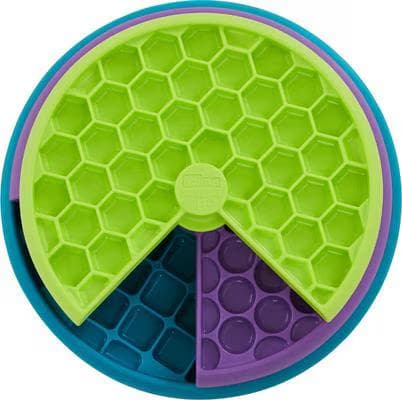
A puzzle such as Lickin' Layers can support supervised enrichment for many small mixes, but choose food allowance and difficulty for the individual dog.
Coat type, shedding, and grooming uncertainty
A Shih Tzu mix may have a straight silky coat, soft cottony coat, dense double coat, loose wave, tight curl, short coat, or a combination across the body. Puppy texture can change with the adult coat. The most honest grooming estimate is a range.
Straight or silky coats
Long straight hair tends to tangle behind ears, beneath harnesses, and at the legs. It may shed less visibly because loose hair remains trapped. Daily or near-daily combing can be necessary. Face and beard care remain important.
Wavy or curly coats
Waves and curls can hold loose hair and form mats close to skin. Surface brushing is not enough. Use a comb to verify every section and plan professional clips. A Poodle or Bichon parent does not guarantee a low-allergen coat.
Dense double coats
Spitz and some other parent breeds can contribute dense undercoat. Seasonal shedding may be substantial. Shaving very short can change texture and does not prevent allergens. Ask a groomer how to remove loose undercoat without injuring skin.
Short mixed coats
A short-haired ShiChi, Bea-Tzu, or Pug-Zu may need less combing but can shed freely. Short hair does not remove nail, dental, ear, skin-fold, or face care. A dog can be low coat-maintenance and still high medical-maintenance.
Before adoption, run a comb through the adult dog, ask when it was last groomed, and request a local estimate. For a puppy, budget for the highest plausible workload until adult texture is clear.
Training and exercise by inherited tendency
Every dog needs reward-based foundation skills: name response, recall, loose-leash walking, settle, handling, trade, and gradual alone time. Parent tendencies help decide which needs extra emphasis.
Companion-breed influence
Shih Tzu, Maltese, Havanese, Bichon, Cavalier, and Pekingese ancestry can contribute strong social attachment. Practice independence before absences become long. Reward resting away from the owner and keep departures uneventful.
Terrier or Dachshund influence
Yorkshire Terrier and Dachshund ancestry can add persistence, alert barking, scent interest, and prey behavior. Provide sniffing, food searches, and structured games. Use secure leashes and gates. Do not punish growling or chase behavior; manage safety and teach alternatives.
Poodle influence
Poodles often bring learning speed and environmental awareness. A Shih-Poo may need more cognitive work than a buyer expects from a small companion. Short shaping sessions, tricks, scent games, and varied walks can prevent boredom.
Beagle influence
Scent can outrank the handler outdoors. A Bea-Tzu needs secure containment, a long line for practice, and reinforcement that competes with environmental rewards. Off-leash freedom in unfenced areas may be unsafe.
Flat-faced influence
Pug, Pekingese, and Shih Tzu ancestry can limit heat and exercise tolerance. Fitness still matters, but hard running, hot weather, and forced distance are poor tests of health. Watch breathing and recovery.
Health screening across both parent breeds
"Mixed breeds are healthier" is too broad to guide a purchase. Genetic diversity can reduce the chance of inheriting two copies of some recessive variants, but it does not remove dominant disease, complex disease, structural problems, or risks shared by both parents.
Ask the breeder to identify screening recommended for each parent breed and show results for the actual parents. A generic DNA panel is not the same as an eye examination, cardiac evaluation, patella assessment, or other phenotype-based test when those are recommended.
Also evaluate function:
- Can each parent breathe quietly and recover from ordinary exercise?
- Are eyes protected and comfortable?
- Does the dog move without lameness?
- Is body condition healthy?
- Is temperament stable during normal handling?
- How old are close relatives, and what health problems occurred?
For an adopted adult with unknown ancestry, create a baseline with the veterinarian. Screening should be based on age, structure, symptoms, examination, and likely ancestry, not a long list of tests ordered only because a DNA report names several breeds.
Household-fit scenarios
Apartment with a hybrid work schedule
A Mal-Shi, Zuchon, or Havashu may fit when barking is managed, bathroom breaks are reliable, and alone time is gradual. The grooming budget may matter more than yard size.
Active family with school-age children
A Bea-Tzu, Shih-Poo, or sturdier Cava-Tzu may enjoy training and outings, but adult supervision, heat management, and individual temperament remain decisive. A small dog should not be carried or chased.
Older adult seeking companionship
An adult mix with known behavior can be easier than a puppy. Evaluate lifting, grooming, stairs, walking pace, and backup care. A very young high-energy cross may be less suitable than a calm fostered adult.
Household with allergies
No Shih Tzu mix can be guaranteed hypoallergenic. Arrange repeated exposure to the specific dog, include other household members, and consult a medical professional about serious allergy risk. Do not rely on coat photos or generation labels.
Multi-pet home
Meet-and-greet behavior, resource management, size differences, prey interest, and rest spaces matter. A breed label cannot ensure cat safety or dog sociability. Introduce gradually and separate when unsupervised until behavior is well understood.
For veterinary visits and travel, measure the individual adult before buying a carrier. A Sherpa small-pet carrier is appropriate only when the dog can stand, turn, and rest comfortably within its dimensions.
Adoption, breeder, and price questions
Mixed dogs are common in shelters and rescues. Adoption lets the family choose an adult whose size and observed behavior are clearer. Ask about medical records, grooming tolerance, house training, alone time, and interactions with other animals.
A breeder producing a planned cross should still health-test both parent breeds, raise puppies appropriately, provide records and a return contract, and avoid claims that mixing automatically prevents disease. Designer branding does not replace responsibility.
How much does a Shih Tzu mix cost? Fees and prices vary widely. Use Petful's Shih Tzu price guide to build a first-year and lifetime budget, then obtain local quotes. Do not pay extra solely for a catchy mix name or unusual color.
- A Shih Tzu mix may inherit airway, eye, dental, kneecap, skin, heart, back, or other risks from either parent family. Verify screening, examine the individual dog, and use veterinary advice rather than assuming the cross cancels disease.
Petful may earn a commission when you click through to Chewy, at no extra cost to you.
Shih Tzu mix lifespan
There is no reliable lifespan number for every Shih Tzu mix. Parent breed, adult size, structure, genetics, body condition, dental health, medical care, and accidents all contribute. A broad range copied across designer-dog pages is not a substitute for a measured population.
Ask about longevity and disease in both parent families. Maintain preventive care and respond to changes. The veterinarian-authored Shih Tzu lifespan guide explains the best breed-specific evidence and why study method matters.
Shih Tzu mix FAQs
There is no best mix for every household. The most suitable dog is an individual whose adult size, energy, coat care, sociability, training needs, health, and tolerance for the home's routine are a realistic match. Evaluate both parent breeds and the actual dog rather than assuming a designer name will combine only the traits you prefer.
Many can be affectionate companions, but family suitability cannot be guaranteed from a breed label. Temperament, early socialization, health, handling history, prey drive, size, and the ages and behavior of children all matter. Supervise interactions, protect the small dog from rough play, and give the dog a quiet retreat that children do not enter.
No. Coat type, shedding, and allergen production vary even within one litter, and no mix name guarantees a reaction-free dog. Allergens also come from dander, saliva, and urine, not hair alone. Spend time with the individual dog in realistic conditions and discuss significant allergies with a medical professional before committing.
Appearance can suggest ancestry but cannot confirm it, especially after grooming changes the silhouette. Records, known parents, and a reputable DNA test can add information. Breed percentages still do not predict exact temperament, health, adult size, or behavior. Veterinary assessment is more useful than visual guessing when a trait raises a medical concern.
Adult size depends on both parents, their family lines, and the individual puppy. A mix with another toy breed may stay small, while a cross with a larger breed can fall well outside the Shih Tzu range. Ask for verified parent weights and adult-relative information, then track growth with a veterinarian instead of relying on a mix-name size promise.
A mix does not have one dependable lifespan. Longevity depends on inherited risks from both sides, body size, breeding practices, airway and structural health, body condition, preventive care, accidents, and access to treatment. Hybrid ancestry does not automatically remove recessive or shared disorders. Review the health of both parent families and care for the individual dog's actual risks.
Prices range from rescue adoption fees to breeder prices in the thousands, depending on source, region, age, claimed cross, and included care. A higher price does not prove health or predictability. Verify the seller, parents, health testing, records, contract, and return policy, then reserve money for grooming, veterinary care, training, equipment, and emergencies.
Testing should reflect the recommendations and known risks of both parent breeds, not just the Shih Tzu side. Ask for named test results that can be independently verified, family health history, and evidence that parents breathe, move, see, and function comfortably. A generic DNA panel or a statement that the parents are healthy is not a complete screening program.
Why a mix name cannot predict the adult dog
A crossbreed name describes reported parent breeds, not a fixed formula. One puppy may inherit a straighter coat and longer muzzle while a littermate inherits a denser coat, shorter face, different adult size, and different behavior. Multigenerational mixes add even more possible combinations. Percentages from a DNA test describe ancestry estimates, not which traits will appear or how strongly.
Evaluate the dog in front of you:
- Measure current weight and body proportions rather than trusting mini or teacup labels.
- Look at nostril openness, breathing noise, exercise recovery, eyes, bite, knees, and movement.
- Run a comb through the coat to learn its real maintenance needs.
- Observe recovery after novelty, handling, play, and brief frustration.
- Ask what the dog does when left, approached while resting, or introduced to other animals.
- Obtain veterinary, shelter, foster, and prior-home records when available.
For a puppy, meet the mother and other available relatives and ask for documented health testing relevant to both parent breeds. Even then, leave room in the budget and routine for the unexpected.
Coat inheritance in Shih Tzu mixes
Mixed coats can be deceptively difficult. A wavy outer appearance may hide a dense soft underlayer that mats close to the skin. A straighter coat may shed more than expected. Facial furnishings collect water and food, while hair in the ears, armpits, harness area, groin, and tail can tangle through friction.
Use a metal comb as the truth test. If it cannot reach the skin smoothly, increase maintenance or choose a shorter professional trim. Ask the groomer which areas mat first and how long the current finish can realistically go between appointments.
Do not buy a Shih-Poo, Zuchon, or another mix solely for an allergy claim. Individual dogs vary in shedding and allergen production, and saliva and dander remain relevant. Spend time with the individual dog before adoption if a household member has allergies and discuss health risk with a clinician.
Questions for a rescue, foster, or breeder
Good questions produce observable information rather than sales adjectives:
- What is known about the parents, previous home, and medical history?
- Has the dog shown breathing difficulty, eye injury, kneecap problems, seizures, skin disease, or digestive signs?
- How does the dog respond to brushing, face handling, nail care, and restraint?
- What happens during alone time, car travel, visitors, children, and other animals?
- What food, bathroom routine, sleep schedule, and training cues are familiar?
- Which claims are documented, and which are estimates?
Ask to see records rather than accepting healthy, hypoallergenic, or vet checked as complete answers. A responsible source is comfortable describing uncertainty and the support available if placement problems appear.
The first month with an adult mix
Keep the first weeks predictable. Schedule a veterinary examination, maintain the known food briefly, introduce grooming in small steps, and prevent uncontrolled greetings. Track bathroom habits, appetite, sleep, alone-time response, breathing, movement, and skin or eye changes.
Avoid testing every claimed trait immediately. A recently rehomed dog may be quiet from stress and become more active later. Build a routine, reward the behavior you want, and expand freedom as the dog's actual patterns become clear.
Compare the parent breeds without averaging them
Do not assume a cross will land neatly between the parents. A Shih Tzu and Poodle mix can inherit the activity and learning style of one parent with the coat difficulty or airway shape of the other. A Maltese Shih Tzu mix may remain a close companion while still varying substantially in adult size, shedding, barking, and handling tolerance.
Build two columns for the parent breeds and prepare for the more demanding outcome in each category:
- Adult size and physical handling.
- Daily exercise and recovery.
- Coat growth, shedding, and professional grooming.
- Trainability, sensitivity, and alone-time behavior.
- Eye, airway, dental, orthopedic, and skin concerns.
- Expected Shih Tzu mix lifespan as a broad individual range, not a guaranteed number.
If either realistic outcome would not fit the household, the mix is not a safe shortcut. Choosing an adult dog whose size, coat, breathing, and behavior can already be observed reduces some uncertainty.
Bottom line
The best Shih Tzu mix is not the one ranked cutest. It is the individual whose size, energy, grooming, structure, health needs, and temperament fit the household. Learn both parent breeds, reject guarantees, and give adult behavior more weight than a designer label.

Coreen Saito is a pet writer and longtime shelter volunteer with more than a decade in animal rescue. She covers cat behavior, breed care, and the small, ordinary science of sharing a life with companion animals, with a particular focus on honest takes about the products and decisions that actually matter. At home in Arizona, she's outranked by Mac (a dog with the loudest opinion in the house), Rebel (a cat who governs by quiet authority), and Meri (an orange tabby who runs the late shift and the laundry basket). She writes about all three, plus the rescues that keep coming through her life, at LifeWithMinty.com.
Sign up for expert-backed reviews and safety alerts all in one place.