Shih Tzu Lifespan: How Long They Live and Senior Care
Shih Tzu lifespan evidence points to many dogs reaching their early teens, but study methods and individual health matter. Learn what affects longevity and how to support comfort through every life stage.

BVMS, MRCVS
Petful is reader supported. As an affiliate of platforms like Amazon and Chewy, we may earn a commission when you buy through links on this page. There is no extra cost to you.
Shih Tzu lifespan is often summarized as one neat range, but the most useful answer separates population evidence from an individual dog's future. A large UK primary-care study reported a median age at death of 12.7 years for Shih Tzus with recorded death-age data. That is a strong breed-specific reference point, not a promise or an expiration date.
This veterinarian-authored guide explains how long Shih Tzus live, what the research actually measured, how the breed tends to age, and which preventive and comfort decisions owners can control. For broad breed traits, see the complete Shih Tzu guide.

Sign up for expert-backed reviews and safety alerts all in one place.
What is the average Shih Tzu lifespan?
- 1A UK VetCompass study reported a median age at death of 12.7 years among Shih Tzus with usable death-age information.
- 2Median age at death is not the same measure as life expectancy from birth.
- 3Individual longevity reflects genetics, body condition, dental health, breathing, injuries, disease, preventive care, and access to treatment.
- 4A new symptom in an older dog deserves assessment rather than being dismissed as normal aging.
The Royal Veterinary College summary reports findings from a VetCompass analysis of 11,082 Shih Tzus under primary veterinary care in the United Kingdom. Of 89 recorded deaths, age at death was available for 85 dogs, producing the reported median of 12.7 years. A median means half of that measured group died younger and half older. It does not say that every healthy Shih Tzu should reach exactly 12.7.
How long do Shih Tzus live in another country, breeding population, or insurance database? The answer can differ because the dogs, calendar years, veterinary access, cause-of-death recording, and statistical method differ. The peer-reviewed study is especially helpful because it states its data source and denominator, allowing readers to judge what the number can and cannot support.
A family should therefore plan for a long relationship while avoiding false certainty. Many Shih Tzus reach their early teens; some die earlier from disease, accident, or severe inherited problems; some live longer. The goal of preventive care is not to chase a record age. It is to protect comfortable, functional years and respond early when the dog's needs change.

Petful may earn a commission when you click through to Lemonade, at no extra cost to you.
What the lifespan numbers actually mean
| Measure | What it describes | What it cannot prove |
|---|---|---|
| Median age at death | The middle death age within a measured set of deceased dogs | An individual dog's remaining years or life expectancy at birth |
| Life expectancy from birth | Estimated average years remaining at birth using age-specific mortality | The maximum age a dog can reach |
| Average age in a clinic population | The mean age of dogs seen during a period | Typical age at death because living dogs are included |
| Anecdotal maximum age | One unusually old reported dog | The normal range or likely outcome for the breed |
| Broad breed estimate | A planning range assembled from several sources | A diagnosis, guarantee, or reason to delay care |
Two web pages can show different numbers and both be describing their data correctly. One may report median age at death, another life expectancy at birth, and a third a broad owner-facing range. Problems begin when those measures are treated as interchangeable or stripped of their population and sample size.
The Dogs Trust breed longevity research program illustrates why larger cross-breed datasets can be valuable for comparison. Breed-level figures still depend on how breeds are identified, how deaths are captured, and which dogs enter the database. Read the methods before ranking one breed above another by a fraction of a year.

Median is not maximum
An owner who hears that a Shih Tzu lived to 18 may assume that careful management should produce the same result. Exceptional ages can be encouraging, but they cannot establish a normal expectation. Conversely, an average does not justify giving up on a healthy 13-year-old. Veterinary decisions belong to the individual dog's condition, goals, and response to treatment.
Recorded death is not the whole life story
Medical records are created for clinical care, not primarily for longevity research. Some deaths occur outside the practice, some causes remain uncertain, and euthanasia decisions reflect disease, suffering, finances, support, and family circumstances. Good research acknowledges those constraints rather than converting every record into a precise biological endpoint.
Why sex-specific numbers are weak here
Searches for male or female Shih Tzu lifespan imply a reliable difference, but small breed-specific death samples are not strong enough to predict an individual outcome by sex. Health history, body condition, airway function, dental care, genetics, injury prevention, and medical access are more useful planning variables. Owners should not select a puppy or make preventive decisions on the assumption that one sex guarantees extra years.
What affects Shih Tzu life expectancy?
Longevity is shaped by risks the owner cannot fully control and habits the owner can influence. Genetics and early development matter. So do body weight, dental disease, safe exercise, heat protection, vaccination, parasite prevention, injury prevention, timely diagnosis, and adherence to treatment.
Shih Tzu life expectancy cannot be predicted accurately from sex alone. Searches for Shih Tzu lifespan male and Shih Tzu lifespan female suggest two dependable numbers, but the available breed evidence does not support that precision. For an individual dog, inherited disease, airway function, body condition, dental health, preventive care, accidents, and access to diagnosis are more useful than a male-versus-female estimate.
The highest-value plan is ordinary and consistent:
- Keep the dog lean enough that ribs are easy to feel under the coat.
- Protect comfortable breathing and avoid heat stress.
- Brush teeth and obtain professional dental assessment when recommended.
- Address painful eyes, ears, skin, anal sacs, joints, and mouth promptly.
- Use a harness that does not tighten over the windpipe.
- Prevent falls, car injuries, toxic exposures, and unsafe interactions with larger dogs.
- Schedule life-stage veterinary visits before a crisis.
These actions do not guarantee a longer life. They reduce avoidable burden and make changes easier to detect.
 Sponsored
Have a health question about your pet?
Talk to a licensed vet at Dutch over video or message, including nights and weekends.
Use code Pets60
Plans start at $12/month · covers up to 5 pets
- Licensed vets in most states
- Rx for 150+ conditions
- 4.7 on Trustpilot
Genetics and responsible breeding
A breeder cannot remove all risk, but transparent health screening, honest family history, functional conformation, and selection for stable temperament matter. Extremely flat faces, very prominent eyes, pinched nostrils, and dogs that cannot exercise comfortably should not be normalized as desirable breed type.
Ask what testing was completed on both parents, what conditions occurred in close relatives, how long relatives lived, and whether the breeder follows dogs after placement. A vague statement that the line is healthy is less informative than named tests, veterinary documentation, and a willingness to discuss problems.
Body condition and nutrition
Excess weight increases the work of movement and can worsen heat and breathing tolerance. A full coat makes visual assessment unreliable, so use hands and regular weights. Your veterinary team can teach a body-condition score and calculate a starting calorie target. Adjust based on trend, not on one feeding-table number.
Choose a complete diet appropriate for life stage. Senior labeling alone does not tell you whether a food suits the dog, and healthy older dogs do not all need the same protein, calorie, or mineral profile. The veterinarian-authored Shih Tzu food guide explains nutritional-adequacy statements, calories, portions, and reasons for individualized advice.
Dental health
Periodontal disease was the most commonly recorded specific disorder in the RVC Shih Tzu study, affecting 9.5% of dogs in the one-year disorder analysis. That percentage describes diagnoses recorded in that population and period; it likely does not capture every stage of dental disease. Small mouths and crowded teeth make prevention especially important.
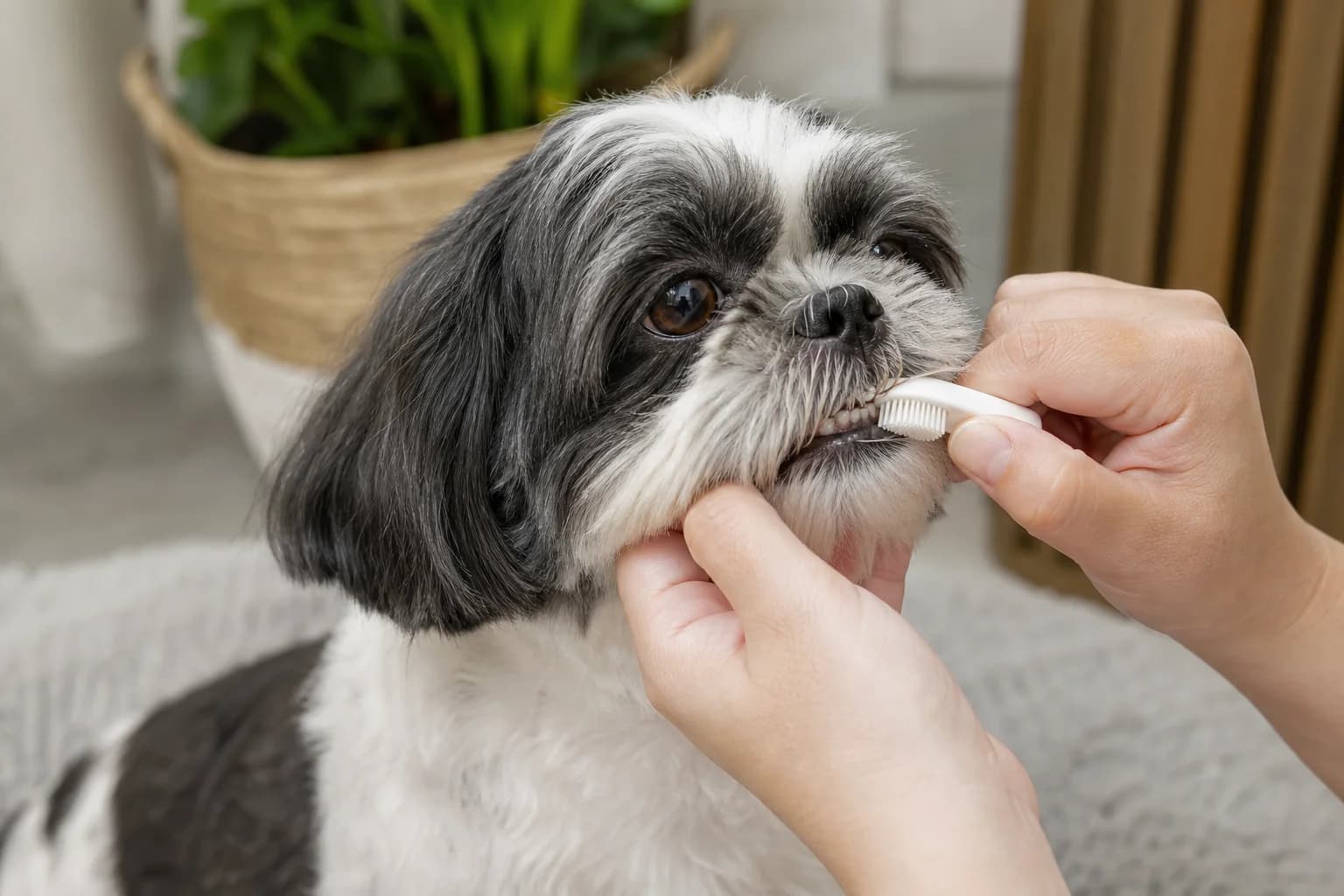
Daily toothbrushing mechanically disrupts plaque before it matures. Start with calm handling and dog-safe toothpaste. A 360-degree finger toothbrush can be one option for a cooperative dog, though owners should choose the tool they can use gently and consistently.
Dental treats may add support when the dog can chew safely and calories are included in the daily total. DentaLife small or medium adult dental treats are sized for smaller dogs, but a treat does not remove established tartar below the gumline and does not replace veterinary dental assessment.
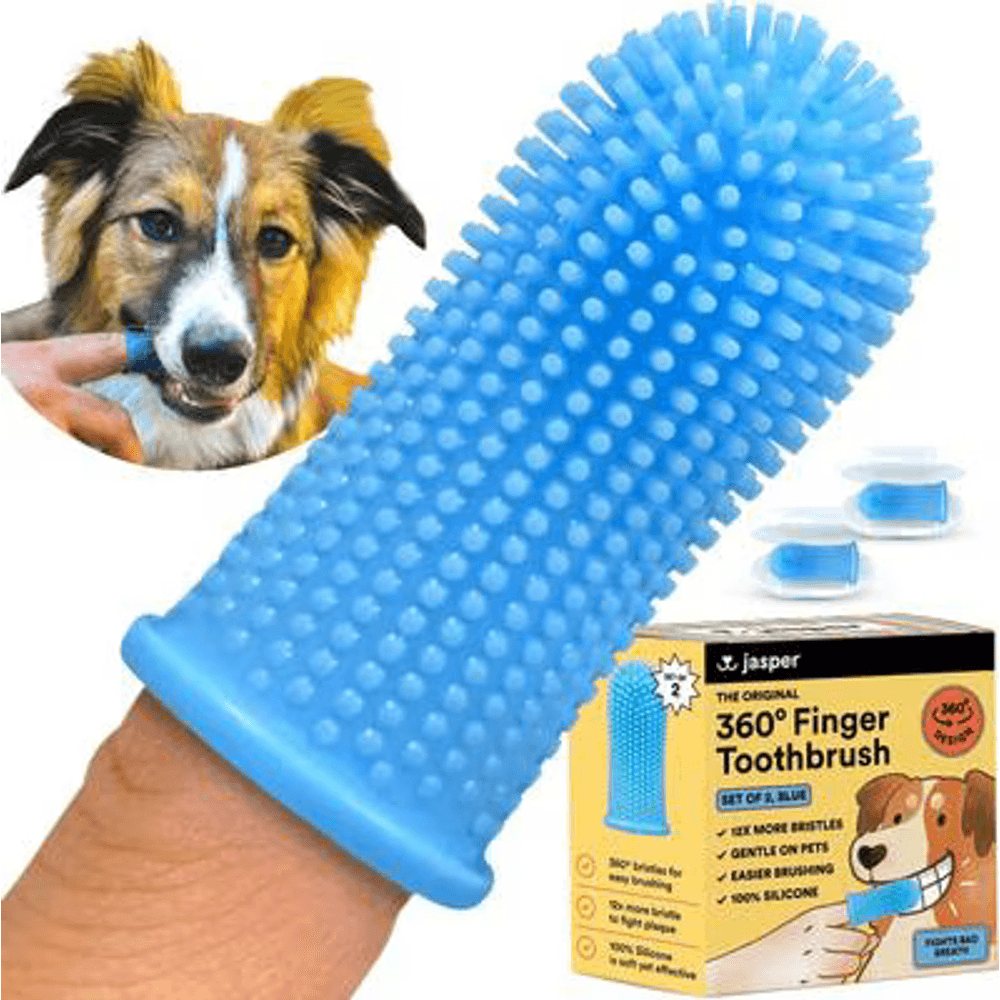
A 360-degree silicone finger toothbrush that brushes every side of a tooth at once. Gentle on gums and ideal for dogs new to brushing or owners who find a handled brush awkward.
Petful may earn a commission when you click through to Chewy, at no extra cost to you.
Preventive care that supports healthy aging
The AAHA canine life-stage guidance emphasizes that needs change from puppyhood through maturity and senior years. Preventive care is not just vaccination. It includes history, physical examination, dental assessment, nutrition, parasite risk, behavior, mobility, reproduction, and appropriate diagnostics.
For a Shih Tzu, owners can make each appointment more informative by bringing:
- A current medication and supplement list.
- The food name, formula, daily amount, and treat estimate.
- Weight changes and body-condition observations.
- Videos of coughing, snoring, limping, unusual breathing, or episodes.
- Notes on thirst, urination, appetite, stool, sleep, and behavior.
- Questions about eyes, teeth, ears, skin, anal sacs, and mobility.
A video matters because intermittent signs often disappear in the examination room. Film from a safe distance without delaying urgent care.
Vaccination and parasite prevention
Risk varies with location, lifestyle, travel, age, and health. A dog who visits grooming salons, boarding facilities, parks, or endemic regions may need a different plan from one with limited exposure. Follow the veterinarian's schedule rather than copying another dog's product or interval.
Older age is not automatically a reason to stop prevention. It is a reason to review benefits, risks, and current health. Parasites and infectious disease can be especially hard on a dog with reduced reserve.
Eyes, ears, skin, and anal sacs
Prominent eyes can be injured by hair, debris, dry surface, trauma, or rubbing. Daily observation is useful because a newly painful eye may be subtle at breakfast and severe by evening. Squinting, holding an eye closed, cloudiness, marked redness, visible injury, or a bulging eye deserves prompt care.
Ear disorders affected 5.5% of dogs in the RVC one-year disorder analysis, and anal sac impaction affected 7.4%. These figures identify common recorded problems, not a schedule for routine treatment. Check for odor, pain, discharge, head shaking, scooting, swelling, or licking, and let the veterinary team determine the cause.
Skin under a long coat can hide redness, moisture, lumps, parasites, and sores. Part the coat during grooming and map any lump by location and size. Photographing a ruler beside a nonurgent surface lump can help track change, but new, growing, painful, ulcerated, or fixed masses need assessment.
Hydration
Fresh water should be easy to reach, particularly for an older dog with mobility or vision changes. A stainless steel Petlibro fountain can encourage access for some dogs, but bowls remain necessary if the dog dislikes moving water or the power fails. Clean any fountain exactly as directed so biofilm does not accumulate.
Common Shih Tzu disorders in the VetCompass evidence
The RVC study reported one-year disorder prevalence as recorded in primary-care records, not as a lifetime probability. Of the 11,082 Shih Tzus in the source population, 2,423 were randomly selected for the disorder analysis and 1,669 had at least one disorder recorded during 2016. The distinction matters: a one-year clinical record measures what was diagnosed in that period, not every problem a dog has ever had.
Specific disorders recorded most often included periodontal disease at 9.5%, anal sac impaction at 7.4%, ear disorder at 5.5%, vomiting at 4.4%, and umbilical hernia at 3.9%. At a broader grouped level, skin disorders, dental disorders, anal sac disorders, and ear disorders were prominent. Percentages can guide surveillance, but they do not diagnose the dog in front of you.
The study found that periodontal disease increased with age; it did not identify a female-versus-male periodontal difference. Age changes risk at a population level without determining one dog's outcome. Recorded diagnoses can reflect age, care-seeking, anatomy, and other factors. The prevention plan remains individual.
How to use prevalence responsibly
Use common disorders to build a checklist for routine appointments. Ask about teeth, ears, skin, anal sacs, weight, eyes, and breathing. Then let history and examination determine priorities. Do not request automatic treatment for a condition the dog does not have, and do not assume an unlisted problem is unlikely enough to ignore.
Prevalence also helps owners notice where grooming and medical care overlap. Ear odor during brushing, a sore patch under a mat, scooting, or reluctance to chew may look like maintenance issues, yet they can signal pain or inflammation that needs diagnosis.
Breathing and heat across the lifespan
A short muzzle can increase resistance to airflow. Some Shih Tzus breathe quietly and exercise comfortably; others have pinched nostrils, an elongated soft palate, crowded upper-airway tissue, or other features that contribute to brachycephalic obstructive airway syndrome. The seriousness is defined by function, not by how common snoring sounds in the breed.
Watch breathing at rest, during sleep, on a cool walk, and during recovery. Increasing noise, gagging, repeated regurgitation, exercise intolerance, sleep disruption, or a need to stop frequently should be discussed with the veterinarian. Film a representative episode if it is safe to do so.
Heat raises the demand for panting. A dog with restricted airflow may not cool efficiently, and extra body fat adds thermal insulation and respiratory workload. Choose cooler times, shorten exposure, use shade and air conditioning, and carry the dog only if doing so does not compress the chest or delay emergency care.
Heat emergencies
Emergency heat signs include frantic or labored panting, thick drool, weakness, vomiting, confusion, collapse, or abnormal gum color. Move to a cooler area, begin veterinarian-directed cooling, and seek urgent care. Ice water immersion and forcing fluids can create additional problems, so call ahead for instructions.
Harness and travel considerations
A small padded no-pull harness is one option after measuring, but any harness should distribute leash pressure across the chest and not ride into the throat. Fit changes with coat length and weight, so check it after grooming. In the car, secure the dog in appropriate restraint or a ventilated carrier, maintain a cool cabin, and never leave the dog unattended in a parked vehicle.
Air travel can impose temperature, stress, and airway demands. Discuss fitness to fly with the veterinarian and check current carrier rules. No accessory makes travel safe for a dog already showing respiratory compromise.
Eye protection and vision changes
The Shih Tzu's large, prominent eyes are exposed to hair, dust, scratches, dry surface, eyelid problems, and blunt trauma. A dog may rub its face, blink more, avoid light, or keep one eye partly closed before the eye looks dramatically abnormal. Painful eyes can deteriorate quickly.
Keep facial hair clean and positioned away from the cornea. Wipe with a soft damp cloth and dry the area. Avoid human redness drops, leftover prescription medication, or products that could contact the eye unless the veterinarian directs their use. A medication appropriate for one eye condition can worsen another.
Age-related cloudiness is not always the same as a cataract, and apparent vision loss can have several causes. Notice whether the dog hesitates in dim light, bumps one side, misses a step, startles when approached, or cannot find a dropped treat. Sudden vision loss is urgent; gradual change still deserves an examination.
Adapting the home for vision loss
For a dog with reduced vision:
- Keep furniture and bowls in consistent locations.
- Add barriers at stairs and pools.
- Use verbal cues before touch.
- Maintain nonslip paths.
- Approach from the side where the dog sees best.
- Preserve sniff walks and other safe activities.
Vision loss changes navigation, not the dog's need for choice, play, and social connection.
Dental disease from plaque to pain
Plaque is a bacterial film that accumulates on teeth. Without regular disruption, minerals harden it into calculus, while inflammation develops at and below the gumline. Visible tartar is only the portion an owner can see. Periodontal pockets, bone loss, loose teeth, and infection require a veterinary oral assessment.
Bad breath should not be dismissed as normal old-dog odor. Other signs include red or bleeding gums, dropping food, chewing on one side, reluctance to take hard treats, pawing at the mouth, facial swelling, or reduced interest in toys. Many dogs keep eating despite significant oral pain.
A professional dental procedure usually requires anesthesia so the team can examine and clean below the gumline, take dental radiographs when indicated, protect the airway, and treat diseased teeth. Anesthesia risk is individualized and managed with examination, diagnostics, monitoring, and a tailored plan. Cosmetic scraping of awake teeth does not address disease below the gumline.
Home care after treatment
Home care resumes after the mouth is comfortable and the veterinarian says it is safe. Brush outer surfaces with gentle motions, reward cooperation, and build duration slowly. If the dog suddenly resists a previously accepted routine, stop and look for pain.
Diagnostic conversations for an aging Shih Tzu
Screening tests are most useful when the owner understands what question they address and what will change based on the result. A senior panel may include blood and urine testing, but age alone does not define the exact menu. Blood pressure, eye pressure, imaging, heart evaluation, endocrine tests, or dental radiographs may be appropriate for a particular history or finding.
Ask four practical questions:
- What condition are we looking for?
- How would a positive or negative result change care?
- Does the dog need fasting, medication adjustment, or sedation?
- When and how will results be communicated?
Normal results are not wasted. They establish a baseline and narrow explanations for a symptom. Abnormal results are not a complete diagnosis by themselves; the veterinarian interprets them with history, examination, trends, and sometimes confirmatory testing.
Tracking trends rather than chasing one value
One weight, kidney value, liver enzyme, or heart rate may be less informative than a consistent change. Keep copies of results or ensure all clinics can access them. Tell the team when the dog was ill, dehydrated, stressed, or taking a new medication because context affects interpretation.
If cost is a constraint, say so early. Ask the veterinarian to rank steps by urgency and decision value. A staged plan is safer than silently skipping care or substituting an online test with unclear clinical meaning.
Medicines, supplements, and polypharmacy
Older dogs may receive several prescriptions. Maintain one list with drug name, strength, dose, time, purpose, prescribing clinic, and refill date. Include supplements, flea and tick products, heartworm prevention, calming products, and over-the-counter items. Bring the actual containers when there is uncertainty.
Never give a human pain reliever unless the veterinarian specifically prescribes it for that dog. Common household medicines can cause gastrointestinal bleeding, kidney injury, liver injury, or neurologic effects. Do not borrow medication from another pet, even when the symptom appears identical.
Supplements should have a defined goal. Ask what evidence supports the ingredient, whether quality control is credible, how benefit will be measured, and whether it interacts with disease or medication. "Natural" does not mean harmless, and multiple products can duplicate ingredients.
Medication red flags
Watch for appetite change, vomiting, diarrhea, sedation, agitation, stumbling, increased thirst, urinary change, bruising, or a new behavior after starting or changing medication. Follow the prescribing clinic's instructions about urgent versus routine contact. Do not abruptly stop steroids, seizure drugs, heart medicines, or behavior medication without guidance.
Making medication easier
Use a written chart, phone reminders, and a weekly organizer kept away from pets and children. Confirm whether a tablet may be split, crushed, or given with food. If administration becomes a daily struggle, ask about another formulation. A plan that cannot be delivered consistently needs revision.
Building an aging-friendly home
Small environmental changes can preserve independence. Place washable nonslip runners on routes between bed, water, door, and family areas. Use low steps with a broad tread, block uncontrolled jumping, and raise or lower bowls only when the change improves comfort for this dog.
Provide several beds with easy entrances and enough support for the dog's preferred sleeping position. Keep one in a quiet area and another near family activity. Warmth helps many older dogs, but heated products must be designed for pets, used according to directions, and positioned so the dog can move away.
Bathroom access may need to become more frequent. An older dog that has an accident may have urinary disease, endocrine disease, pain, cognitive change, or simply an interval that is now too long. Do not punish. Increase opportunities and arrange examination.
Adapting grooming with age
Grooming also needs adaptation. Shorten sessions, use a nonslip mat, support the body, and choose a manageable coat length. Severe matting can pull skin and conceal sores. An older dog who cannot stand through a full groom may need shorter appointments, breaks, medical coordination, or a comfort clip.
Emergency information
Post the regular clinic, nearest emergency clinic, poison service, current diagnoses, medications, allergies, and transport plan where another caregiver can find them. Keep the carrier accessible rather than buried in storage. Practice lifting the dog with chest and hindquarters supported.
If the dog has a chronic condition, ask for explicit red flags. "Call if worse" is less useful than knowing which breathing rate, seizure duration, appetite change, or medication reaction requires immediate action.
 Sponsored
Vet care that's always there
Unlimited video calls and messaging with licensed vets for less than a typical vet visit. One membership covers up to five pets.
Use code Pets60
Plans start at $12/month · covers up to 5 pets
- Licensed vets in most states
- Rx for 150+ conditions
- 4.7 on Trustpilot
Coordinating the senior care team
An older Shih Tzu may see a primary veterinarian, emergency clinic, dentist, ophthalmologist, cardiologist, surgeon, rehabilitation professional, groomer, and pet sitter. Care becomes safer when one current medication and problem list follows the dog.
Ask specialists to send reports to the primary clinic. Tell every prescriber about all medicines and supplements. When two recommendations seem to conflict, request direct clarification instead of choosing one silently. Duplicate pain relievers, overlapping sedatives, or abrupt diet changes can create avoidable harm.
Groomers and sitters also observe useful changes. Ask them to report new lumps, skin odor, coughing, fatigue, difficulty standing, behavior change, or unusual thirst. They should not diagnose, but their repeated contact may reveal a trend the owner has adapted to gradually.
Preparing for anesthesia or procedures
Age alone does not automatically prohibit anesthesia. Risk depends on health, procedure, airway, diagnostics, monitoring, and the team's plan. Ask why the procedure is recommended, what pre-anesthetic testing is appropriate, how the airway will be managed, how temperature and blood pressure will be monitored, and what recovery support is available.
Balance procedural risk against the cost of untreated disease. A painful infected mouth, unstable mass, or vision-threatening eye problem also carries risk. Shared decision-making should compare both paths.
After a hospital visit
Before leaving, confirm medication times, food instructions, activity restriction, wound care, expected recovery, and red flags. Ask for written directions and demonstrate any technique you must perform. Schedule rechecks before supplies run out.
Keep the dog warm, quiet, and on nonslip footing. Separate from other pets if rest is required. A dog that is more sedated, painful, breathless, unable to urinate, repeatedly vomiting, or otherwise outside the expected recovery plan needs a call.
Caregiver capacity is part of the plan
Senior care can involve interrupted sleep, frequent cleaning, lifting, medication, travel, and difficult decisions. Tell the veterinary team what the household can realistically deliver. A plan that depends on four daily treatments may need simplification when one caregiver works long hours or has physical limitations.
Arrange backup before exhaustion becomes a crisis. A trusted sitter, family member, veterinary technician service, or hospice provider may help. Written routines and a medication chart reduce errors. Protecting the caregiver's sleep and physical safety also protects the dog.
When goals change from prolonging life to maximizing comfort, say so plainly. Veterinary teams can prioritize symptom relief, reduce low-value burdens, and define emergency thresholds. This is active care, not abandonment.
Shih Tzu life stages
Life-stage labels are guides, not switches. A robust 10-year-old and a frail 10-year-old need different plans. Track function over time and use the dog's trajectory to decide how often to reassess.
Puppy and young adult
The first years establish body condition, dental handling, grooming cooperation, safe exercise, and a medical baseline. Record normal breathing and gait. Protect the puppy from heat, falls, unsafe dog interactions, and collar pressure. Early eye or airway signs should be evaluated rather than dismissed because the dog is young.
Mature adult
This is the time to notice trend before crisis. A gradual gain in weight, slower recovery, worsening breath, repeated ear inflammation, new snoring, or reluctance to jump may be easy to rationalize. Write down when the change began and whether it is progressing.
When is a Shih Tzu considered senior?
There is no universal birthday. AAHA's life-stage framework treats the senior period as the last portion of the dog's estimated lifespan, but individual variation is substantial. For planning, many Shih Tzus enter more intensive senior monitoring somewhere in the later single digits or early double digits. Your veterinarian should base the label on age, health, and function.
Is 10 years old for a Shih Tzu? It is older adulthood, but many 10-year-olds still have good energy and meaningful years ahead. The useful response is to improve surveillance, not to assume decline is inevitable. Ask whether examination frequency, dental care, blood pressure, laboratory testing, vision, hearing, pain screening, or diet review should change.

Geriatric and frail
Frailty describes reduced reserve, not a fixed age. A frail dog may lose muscle, tire easily, recover slowly from stress, and need help with temperature, traction, toileting, food access, or medication. The care plan should prioritize comfort, predictability, and the activities the dog still values.
How Shih Tzus age and what owners should watch
What does research say about causes of death?
The VetCompass Shih Tzu study grouped recorded causes among a small subset of deaths. Enteropathy, heart disease, and poor quality of life each accounted for 9.6% of deaths with a recorded cause. Those categories are broad, and the numbers came from a limited death sample. They should not be presented as a deterministic list of what a particular Shih Tzu will die from.
"Poor quality of life" is an outcome description rather than one disease. It can reflect several conditions, frailty, pain, or declining function. "Enteropathy" covers intestinal disease; "heart disease" covers more than one diagnosis. The study's value is population context, not self-diagnosis.
What do Shih Tzus usually die from? The honest owner-facing answer is that there is no single dominant cause established by this dataset. Older dogs can develop heart, kidney, liver, endocrine, neurologic, cancer, gastrointestinal, airway, eye, dental, and mobility problems, as well as suffer accidents. Veterinary examination and diagnostics identify what is happening in the individual dog.
Why cause-of-death lists can mislead
- A category may be broad or based on clinical judgment rather than postmortem confirmation.
- Euthanasia records may name the final welfare problem rather than every underlying disease.
- Small samples make percentages unstable.
- Access to diagnostics and treatment affects what is recorded.
- A common nonfatal disorder can greatly affect comfort without being listed as the cause of death.
Use breed data to prioritize observation and prevention. Do not use it to explain away a symptom before the dog has been examined.
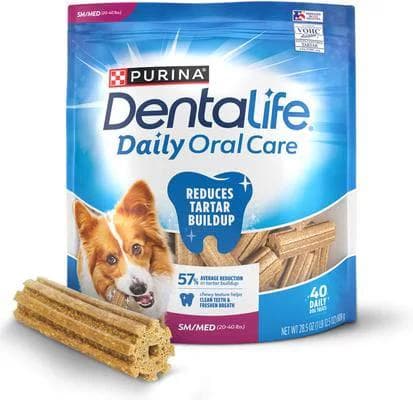
Daily dental chews with a porous, ridged texture designed to help clean teeth and reduce tartar buildup as part of an at-home oral-care routine.
Petful may earn a commission when you click through to Chewy, at no extra cost to you.
A practical senior-care schedule
The right interval depends on disease, medication, and stability, but senior dogs often benefit from more frequent review than young healthy adults. A six-month examination can identify change sooner, while a dog with an active condition may need much closer follow-up. Ask the veterinary team to state what to monitor at home and what should trigger an earlier visit.
Daily
Observe appetite, water access, bathroom habits, breathing, eye comfort, gait, sleep, and willingness to interact. Give medication exactly as directed. Provide traction and a warm, accessible resting place. Note meaningful change, but do not turn every day into an examination that makes the dog avoid you.
Weekly
Brush teeth if the veterinary plan allows, comb the coat, check skin and ears, feel for new lumps, review nails, and assess whether the harness still fits. Watch the dog rise and walk on a nonslip surface. Compare function with the previous week rather than with puppyhood.
Monthly
Record weight when possible, photograph body shape and known lumps, and review medication and food supplies. Check that emergency contacts, transport, and carrier access remain current. For a dog on a calorie-restricted plan, recalculate treats rather than allowing gradual additions.
At veterinary reviews
Discuss trend, not only today's symptom. Ask what each test would change, what side effects to monitor, how pain will be assessed, and what the next decision point is. For chronic disease, request a written plan that distinguishes routine follow-up from urgent change.
Supporting mobility, senses, and cognition
An older Shih Tzu may move less because of pain, weakness, heart or airway limitation, vision loss, fear of slippery floors, or cognitive change. "Slowing down" is an observation, not a diagnosis. Film the dog walking from the side and from behind, note whether stiffness improves after movement, and tell the veterinarian about reluctance on stairs or during grooming.
Use rugs or runners for traction. Add low nonslip steps where furniture access remains appropriate, and block unsafe jumps. Keep bowls, beds, and bathroom access on one level when possible. Continue gentle activity because complete inactivity accelerates loss of muscle and confidence.
Vision and hearing changes call for environmental consistency. Avoid moving furniture without reason, use gates near stairs, approach sleeping dogs gently, and pair touch with predictable cues. Night-lights can help a dog navigate. Sudden blindness, a painful eye, or abrupt disorientation is urgent.
Cognitive changes
Cognitive changes may include altered sleep, house-soiling, staring, getting stuck, vocalizing, or changed social behavior. Similar signs can come from pain, urinary disease, vision loss, medication effects, or other illness. Assessment is necessary before labeling the problem as canine cognitive dysfunction.
Changes that need a veterinary appointment
- Struggling to breathe, blue or gray gums, collapse, seizure activity, severe weakness, repeated unproductive retching, a painful or suddenly enlarged eye, major trauma, or heat illness needs emergency guidance. New weight loss, drinking or urination changes, cough, appetite loss, vomiting, diarrhea, pain, confusion, or mobility decline needs a timely appointment even when the dog is still eating.

What are end-of-life symptoms in a Shih Tzu? There is no single reliable list. Reduced appetite, weakness, altered breathing, pain, incontinence, confusion, withdrawal, restlessness, and loss of mobility can occur near death, but they can also accompany treatable conditions. Contact the veterinary team so the dog is assessed and kept comfortable.
Do not wait for a dog to stop eating completely before discussing quality of life. Many dogs continue to accept favorite foods while pain, panic, breathlessness, nausea, or inability to toilet has become severe. Equally, one bad day does not prove that euthanasia is immediately required. Trend and the dog's most valued functions matter.
Questions to ask at the appointment
- Is this change painful, frightening, nauseating, or exhausting?
- Is there a reversible cause?
- What treatment options exist, and what burden does each place on the dog?
- What improvement should appear, and by when?
- Which signs mean the plan is failing?
- Who should we call after hours?
Clear thresholds reduce crisis decisions and help every family member understand the plan.
Quality of life and end-of-life planning
Quality of life is individual. One Shih Tzu may value meals and lap time; another may live for a slow sniff walk or greeting a familiar person. List three to five activities that define a good day for this dog. Track whether the dog can still enjoy them with reasonable support.
A calendar can show trend, but a simple good-day tally should not become the only decision tool. Consider pain, breathing, anxiety, nausea, hydration, hygiene, mobility, social connection, and recovery after difficult episodes. Ask the veterinarian how each domain can be treated or accommodated.
Palliative and hospice care can focus on comfort when cure is not possible. It still requires a medical plan, medication monitoring, emergency thresholds, and honest review. Natural death is not always peaceful. Discuss euthanasia before a crisis so the family understands the process, location options, and aftercare choices.
Financial planning for senior care
Some insurance policies restrict enrollment or coverage as dogs age. An older-dog insurance information tool can help owners review terminology, but existing conditions, waiting periods, limits, reimbursement, and exclusions vary. No policy should delay immediate care.

304 food-grade stainless steel pet water fountain, 101 oz. The circulating, filtered water encourages cats to drink more, which supports urinary tract and kidney health.
Petful may earn a commission when you click through to Chewy, at no extra cost to you.
Shih Tzu lifespan FAQs
A large UK primary-care study reported a median age at death of 12.7 years among Shih Tzus with usable death-age records. That statistic describes the middle death age in a measured group, not a guaranteed life expectancy for one puppy. Genetics, disease, body condition, dental health, breathing, injuries, preventive care, and access to treatment all affect an individual outcome.
There is no exact birthday. Many enter closer senior monitoring in the later single digits or early double digits, but the veterinarian should consider age, disease, body condition, senses, mobility, cognition, and daily function rather than using a label alone. Screening and visit frequency should be individualized instead of delayed until the dog looks visibly old.
A 10-year-old Shih Tzu is generally in a senior life stage, but age alone does not define frailty or remaining lifespan. Some 10-year-olds remain active and comfortable, while others manage significant disease. Use veterinary examinations, laboratory recommendations, weight and muscle trends, mobility, breathing, appetite, senses, and behavior to guide care rather than comparing the dog with an online age chart.
Available breed studies do not support one universal cause that will predict an individual dog's death. Results depend on the population, record system, period, and how causes are classified. Owners gain more from monitoring known breed concerns, preventing injuries and heat stress, maintaining dental and veterinary care, and investigating new symptoms than from treating one ranked cause as inevitable.
There is no normal age at which every Shih Tzu should slow down. Gradual changes can reflect aging, but reduced walking, reluctance to jump, sleep disruption, irritability, weight change, coughing, or exercise intolerance can also signal pain or disease. Record the pattern and seek veterinary assessment rather than assuming a meaningful decline is simply old age.
Possible warning signs include persistent breathing difficulty, uncontrolled pain, inability to eat or drink enough, repeated collapse, severe confusion or distress, loss of mobility, incontinence that cannot be kept comfortable, and more bad days than good. None should be interpreted from a checklist alone. Contact the veterinary team promptly for examination, treatment options, comfort planning, and emergency guidance.
Breed-specific evidence is not strong enough to promise a meaningful lifespan advantage for one sex. Reproductive status may affect certain health risks, but inherited disease, airway function, body condition, dental health, injury prevention, preventive care, and access to diagnosis are more useful planning factors. Choose and care for the individual dog rather than relying on a sex-based longevity claim.
Yes. Periodontal disease can cause pain, infection, difficulty eating, and chronic inflammation, even when a dog continues to approach food. Daily home care can slow plaque accumulation, while established disease needs veterinary assessment and may require an anesthetized dental procedure. Bad breath, mouth sensitivity, dropping food, facial swelling, or a sudden food preference change deserves attention.
Building a personal healthy-aging baseline
Population studies describe groups, but an owner manages one dog. Create a baseline while the Shih Tzu is well so subtle changes have something concrete to be compared with. Record the dog's normal appetite, water intake, stool, sleep, walking pace, breathing recovery, play, stair use, ability to rise, social behavior, and tolerance of grooming.
A useful monthly home check includes:
- Weight measured on the same reliable scale when possible.
- A hands-on rib, waist, and muscle check beneath the coat.
- Photographs of the eyes, skin, coat, and any monitored lump.
- A short video of walking, turning, rising, and using usual steps.
- Notes on coughing, snoring changes, exercise recovery, accidents, or nighttime restlessness.
- A list of medications, supplements, treats, and actual daily food.
Trends matter more than one imperfect observation. Repeated weight loss, progressive hesitation, increased thirst, reduced interaction, or a changed breathing pattern should be discussed with the veterinary team rather than attributed automatically to age.
Use the same measures over time
Consistency makes the record interpretable. Weigh at a similar time of day, use the same walking route for pace comparisons, and film from the same angle when possible. Note weather, recent grooming, medication changes, and unusual activity so a one-day difference is not mistaken for a long-term decline.
- Keep the baseline practical | A short monthly record is more useful than an elaborate tracker that is abandoned. Bring the trend, videos, and current product list to appointments so the veterinarian can compare function over time.
Plan for care before a crisis
Senior planning also includes access and logistics. Decide which clinic provides urgent care, how the dog will be transported, who can authorize treatment when the primary owner is away, and how medication schedules will be maintained. Keep the carrier or restraint familiar and place veterinary phone numbers where another caregiver can find them.
Discuss quality of life before a severe decline. The goal is not to choose a date in advance. It is to identify the activities that make this individual dog's day meaningful, the signs of uncontrolled pain or distress, and the medical options that could restore comfort. Early conversations make later decisions more informed and less isolated.
Bottom line
The strongest breed-specific study found a median age at death of 12.7 years in the measured Shih Tzu death sample. Use that figure as population context, not a countdown. Lean body condition, dental care, comfortable breathing, eye protection, safe activity, life-stage examinations, and prompt response to change can protect quality of life even though no routine guarantees a particular age.
The most important senior-care habit is refusing to write off new signs as "just old age." Older dogs deserve diagnosis, pain relief, and a plan. When treatment can no longer preserve the functions the dog values, early quality-of-life conversations can prevent a frightening crisis and support a peaceful decision.
BVMS, MRCVS
Dr. Pippa Elliott, BVMS, MRCVS, is a veterinarian with nearly 30 years of experience in companion animal practice. Dr. Elliott earned her Bachelor of Veterinary Medicine and Surgery from the University of Glasgow. She was also designated a Member of the Royal College of Veterinary Surgeons. Married with 2 grown-up kids, Dr. Elliott has a naughty Puggle named Poggle, 3 cats and a bearded dragon.
Sign up for expert-backed reviews and safety alerts all in one place.