Shih-Poo vs Shih Tzu: Differences That Matter
Choosing a Shih-Poo or a Shih Tzu involves more than coat and size. Compare parentage, grooming, breathing questions, records, and individual behavior to understand the care commitment.
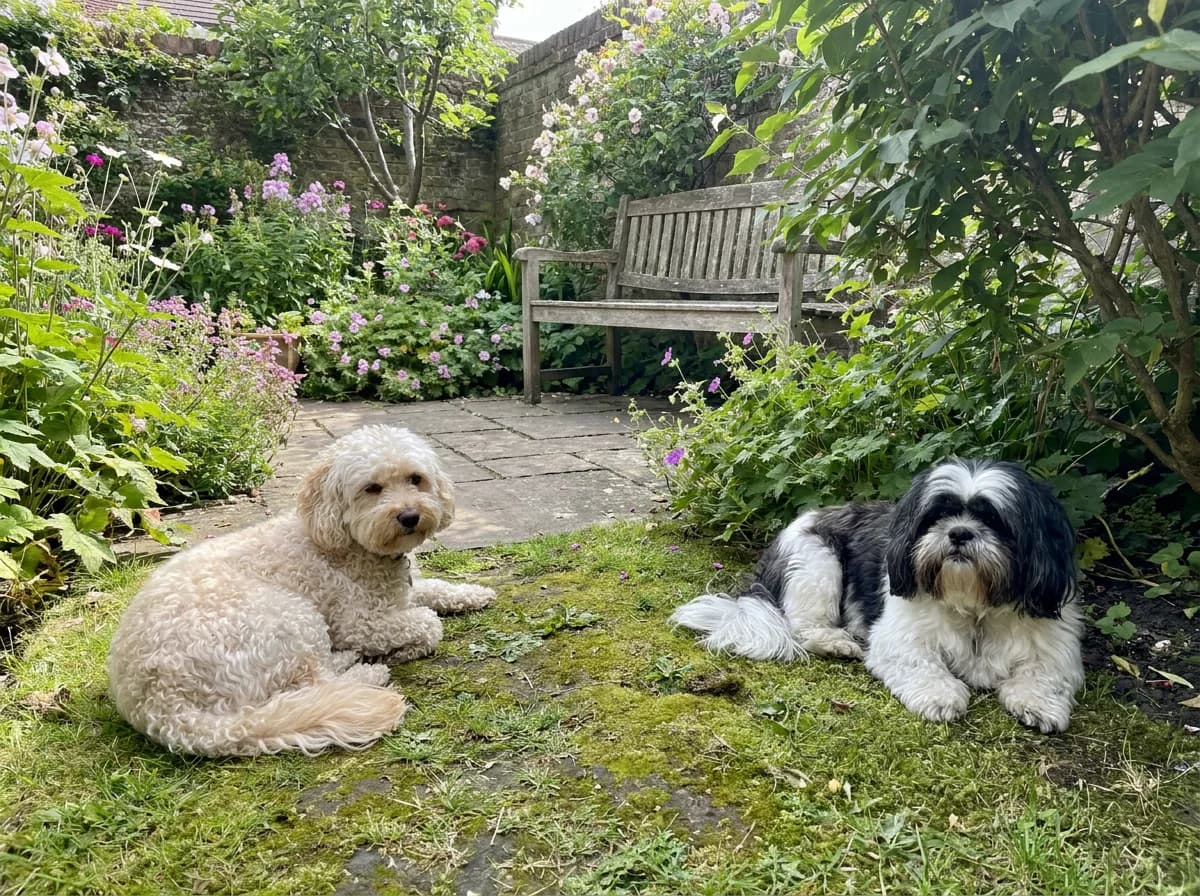
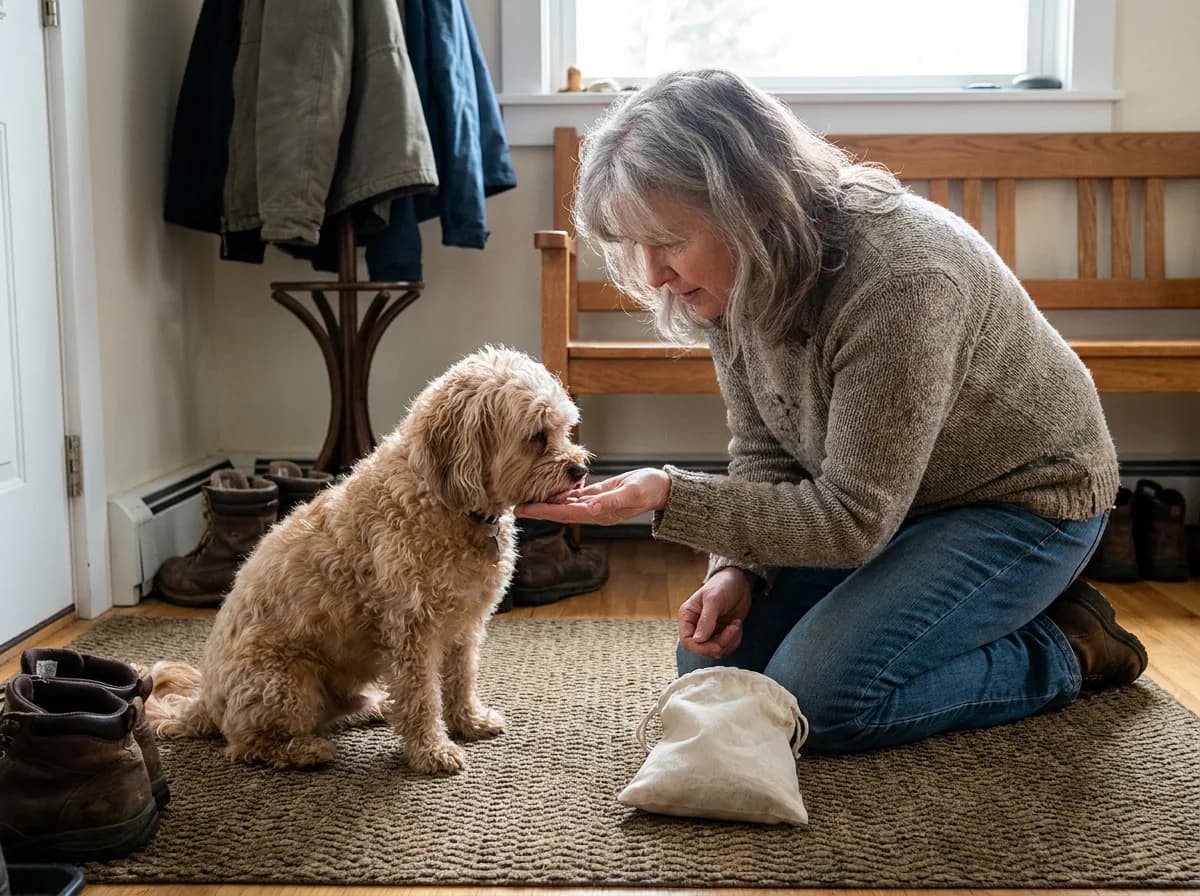
Illustrative photograph; appearance does not verify ancestry or predict an individual dog’s traits.
Petful is reader supported. As an affiliate of platforms like Amazon and Chewy, we may earn a commission when you buy through links on this page. There is no extra cost to you.
The Shih-Poo vs Shih Tzu decision compares a Shih Tzu and Poodle mix with one of its recognized parent breeds. A Shih Tzu has a breed standard; a Shih-Poo does not have the same standardized expectations. Neither fact tells you everything about an individual dog. Use an individual assessment of behavior, records, coat, and physical needs, then decide whether the care commitment fits your household.

Sign up for expert-backed reviews and safety alerts all in one place.
Shih-Poo vs. Shih Tzu: mix or recognized breed?
- 1A Shih Tzu is a recognized breed; a Shih-Poo combines Shih Tzu and Poodle ancestry.
- 2The individual assessment matters more than a promise that the mix is healthier, quieter, or easier.
- 3Compare the real care commitment: grooming, breathing and comfort, training, records, and time together.
A Shih Tzu has a documented breed standard describing the desired physical characteristics of the breed. A Shih-Poo can inherit different combinations of traits from Shih Tzu and Poodle ancestry, including different coat textures and body outlines. That variation is central to the comparison. It is not a flaw, but it makes an exact promise about a puppy less credible.
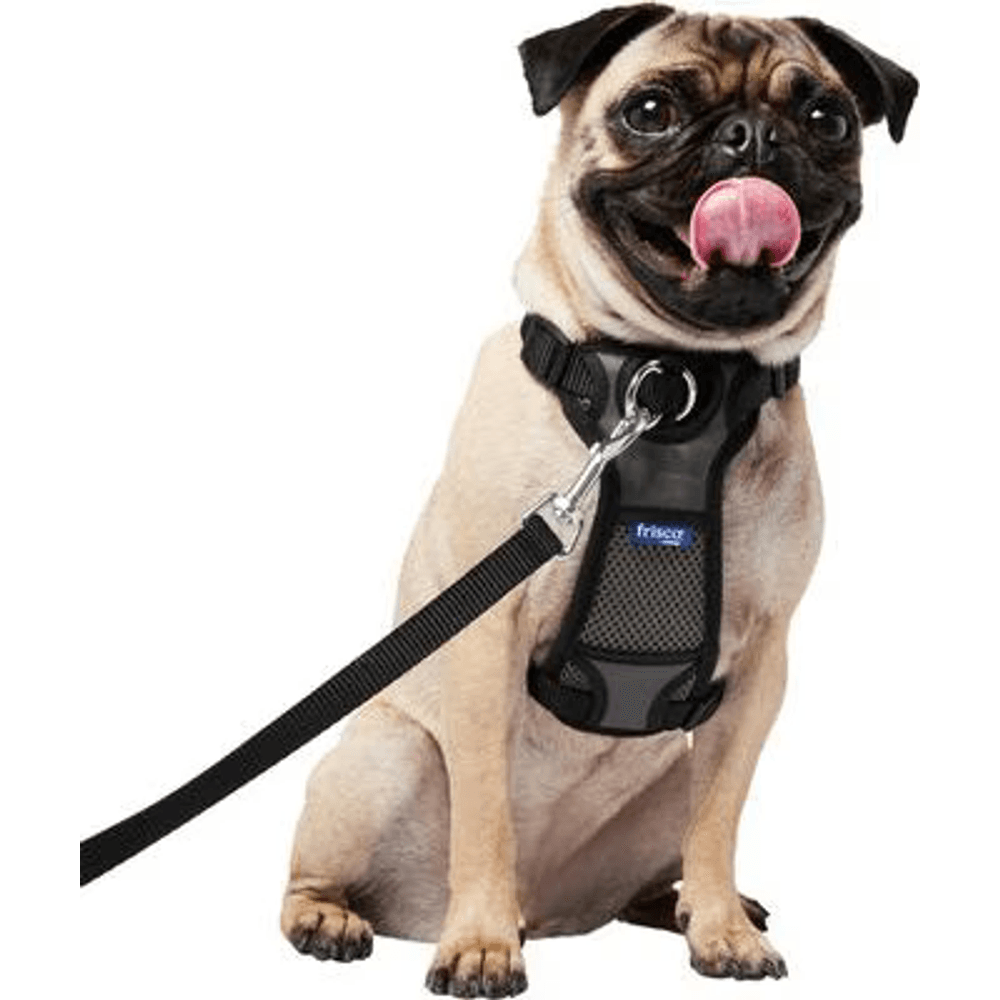
A budget-friendly padded no-pull harness that keeps leash pressure off a coughing dog's neck and windpipe by distributing it across the chest. A simple, affordable way to protect an irritated airway or a collapsing trachea on every walk.
Petful may earn a commission when you click through to Chewy, at no extra cost to you.
For either listing, ask what documentation establishes the description. Registration, pedigree, parent screening, and a veterinary examination answer different questions. A paper with a breed name does not prove advertised personality traits. A rescue's visual identification may also be an informed estimate rather than verified family history.
Clarify the decision before looking at puppies:
- Are you choosing because of a preferred appearance or because of a practical household need?
- Which traits must be known now, and where can you tolerate uncertainty?
- Would an adult dog provide more useful information than a puppy?
- Can you meet the care needs if the coat or temperament differs from your initial expectation?
The Shih-Poo breed guide explains the mix's broader daily routine. The AKC Shih Tzu breed information provides the recognized parent's context. Use both as background, then return to the actual dogs and records in front of you. Neither a purebred description nor a mixed-breed marketing page substitutes for individual assessment.
Adult size, coat, and appearance
The American Shih Tzu Club standard describes an ideal adult weight of 9–16 pounds and shoulder height of 9–10½ inches. These are ideal standard figures, not limits on every individual dog. A Shih-Poo with Toy or Miniature Poodle ancestry is also commonly a small companion. The difference is how much you can infer from the label. A Shih Tzu standard offers a reference; a Shih-Poo's actual parents and development matter particularly strongly. Do not treat a seller's “mini” or “teacup” label as a separate recognized Shih-Poo class.
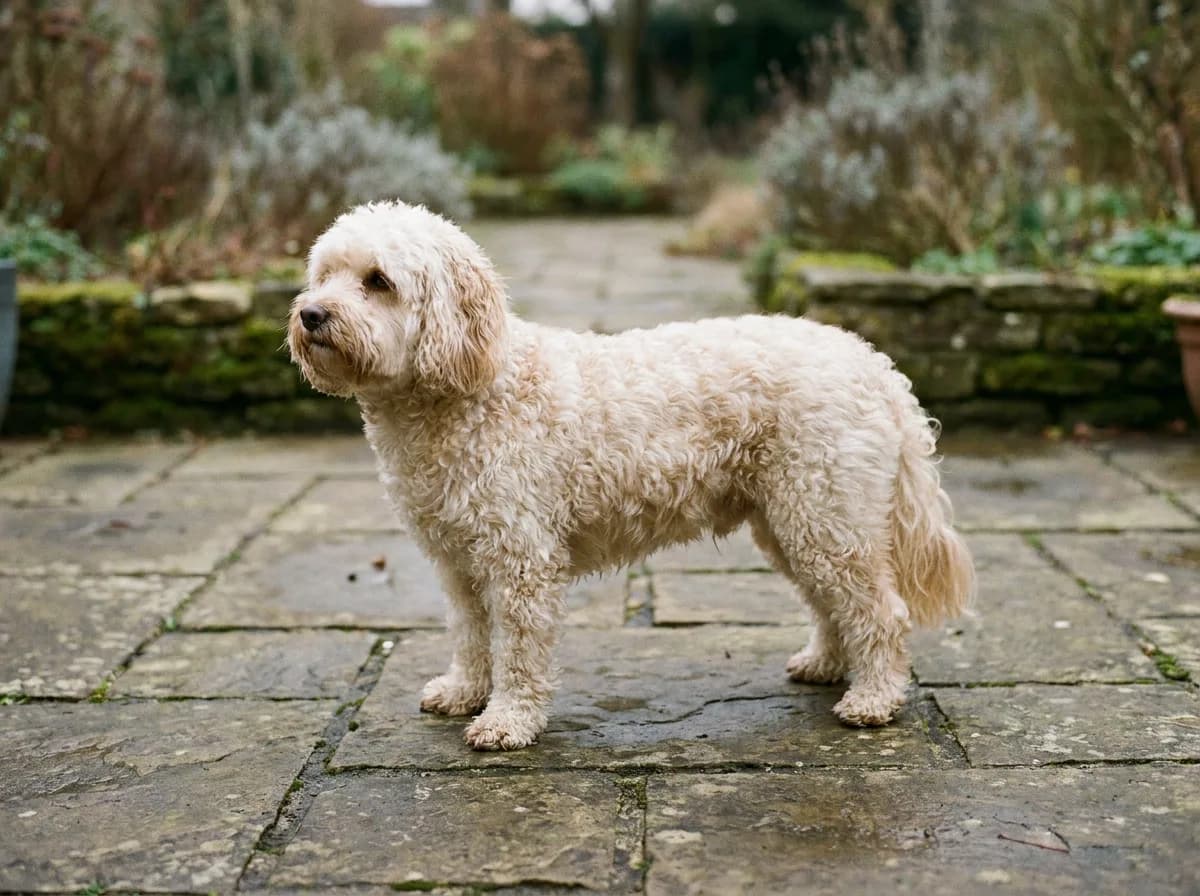
Coat length can make two dogs look more different than their underlying body sizes. A Shih Tzu in a long coat and a Shih-Poo in a short clip are not a fair visual weight comparison. Ask for current measurements or, for a puppy, the adult parents' measurements and an honest description of uncertainty. The Shih-Poo full-grown guide explains how to track development without inventing a universal growth chart.
Petful may earn a commission when you click through to Chewy, at no extra cost to you.
- A breed standard describes a reference, not every dog's health or behavior. For a mix, the actual parents and the individual dog's development add further variation. Measure and assess the dog rather than buying around a label.
When purchasing equipment, body dimensions matter more than a breed name. The Frisco Padded No Pull Harness in Small is one option only when its size chart fits the individual. Check movement and comfort after adjustment, especially around the front legs. A harness with a “no pull” name does not train a dog by itself.
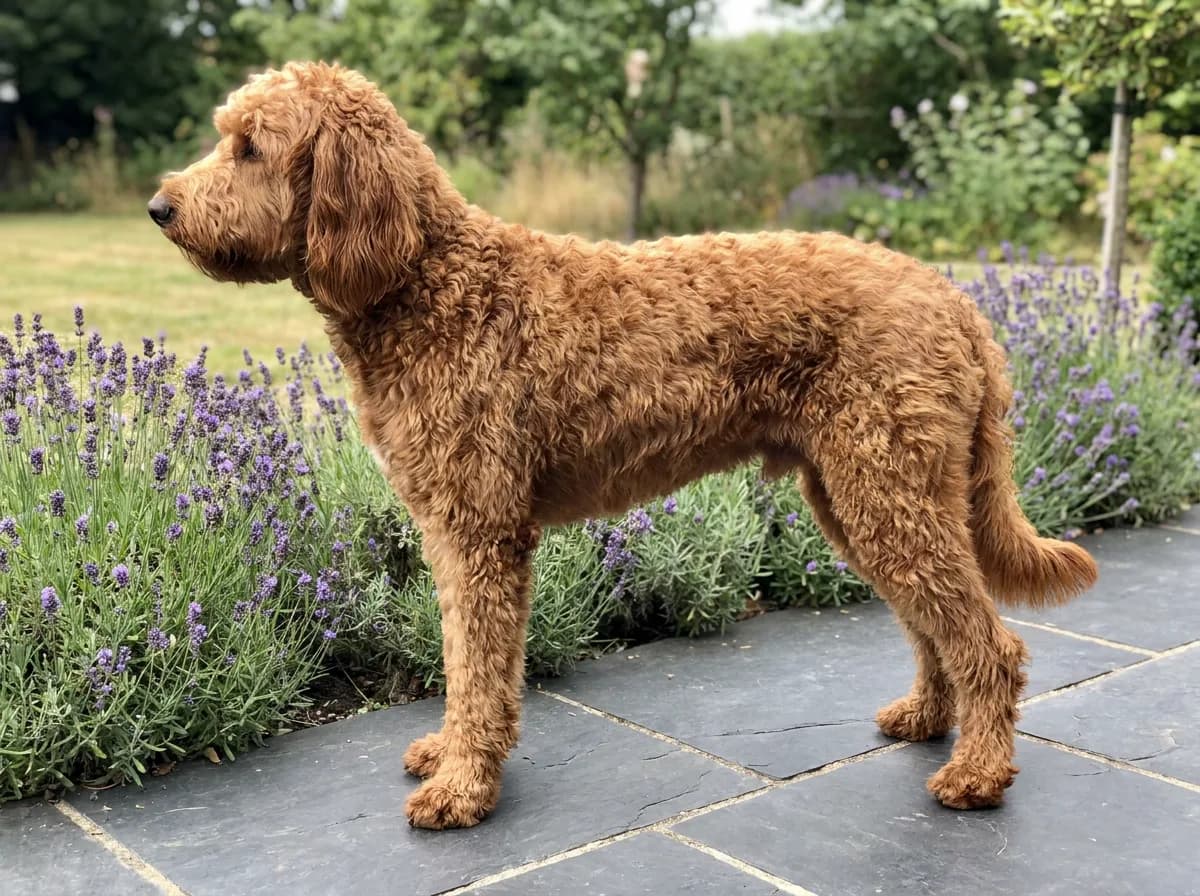
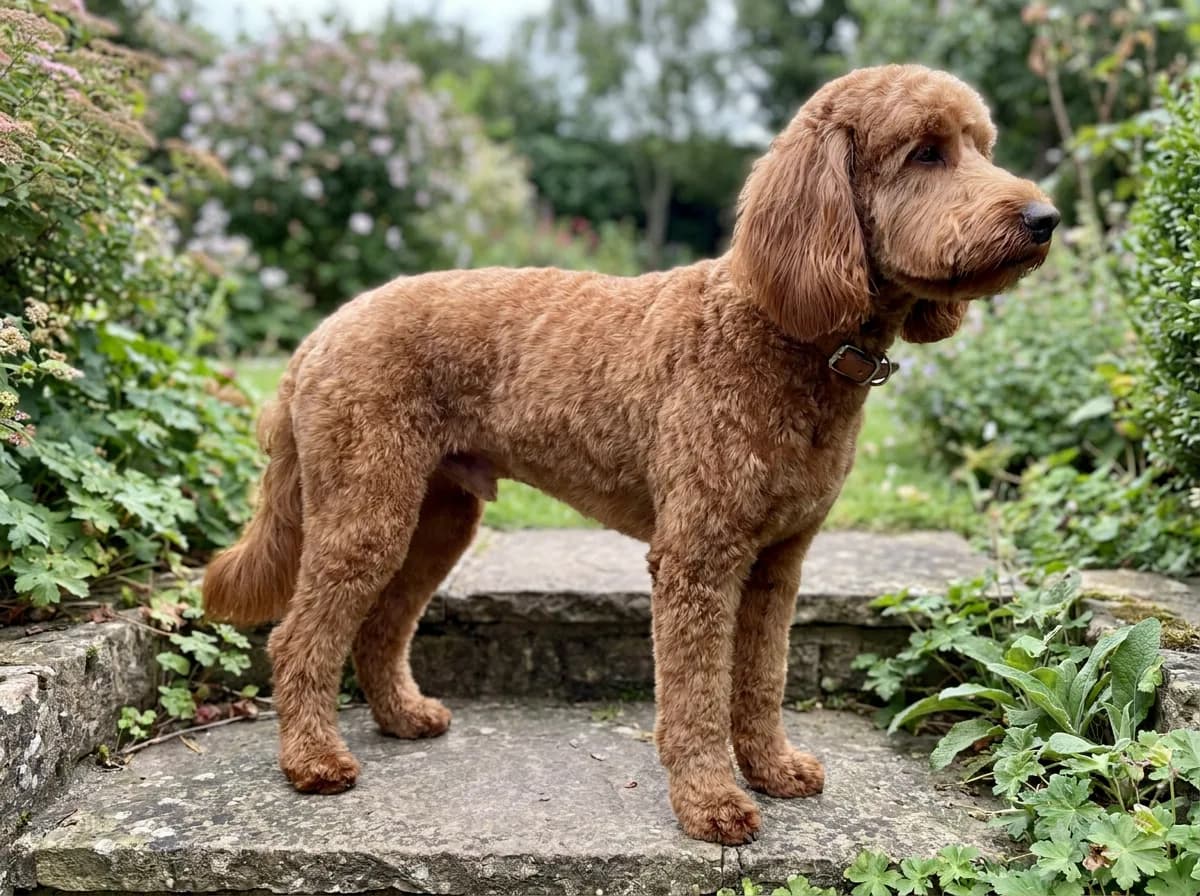
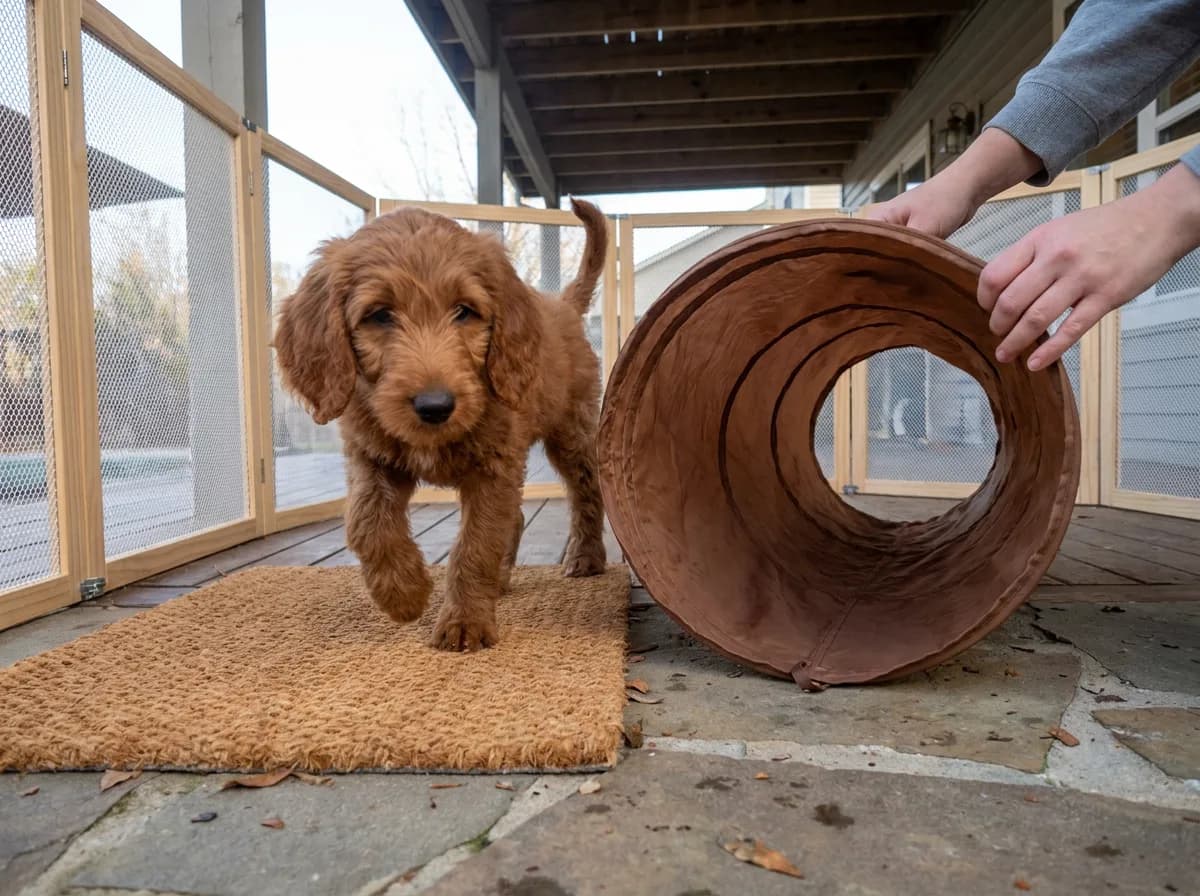
The article images are AI-generated illustrative photographs, not verified examples of ancestry or measured body sizes. Use them to understand the kinds of visible differences to discuss, while relying on the individual dog's records and measurements for a real decision.
Temperament, barking, and family life
Shih Tzu and Shih-Poo temperament descriptions often emphasize companionship. That can be a useful reason to investigate either, but it does not guarantee a dog who enjoys every child, visitor, or handling experience. Watch whether the dog can approach voluntarily, move away, and settle. Ask how it behaves in an ordinary home routine, including the less photogenic moments.
Shih-Poo barking is not automatically greater or less than Shih Tzu barking. Dogs bark for different reasons, including alerting, excitement, frustration, and fear. A dog reacting to a busy window may need a change in its environment; a dog panicking when left alone needs a different plan. Choosing one name over the other does not replace identifying the trigger.
For family life, compare observable needs:
- Does the dog tolerate ordinary gentle handling comfortably?
- Can adults supervise children and prevent rough play or unwanted carrying?
- Is there a protected resting area the dog can use without interruption?
- What happens around other pets, food, and valued resting places?
Training also depends on the individual and your teaching. Break tasks into small steps, reward the behavior you want, and increase difficulty gradually. Do not interpret slow progress as proof of stubbornness inherited from one parent. A confusing cue, difficult environment, or discomfort may explain why a lesson is not working.
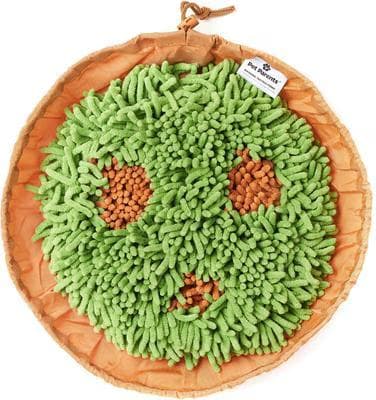
A Pet Parents Forager Snuffle Mat can offer supervised food searching for a dog who uses fabric safely. Use part of the normal measured intake and remove the mat if it is chewed. It is one activity within a routine, not a substitute for interaction or a treatment for separation distress. Your care commitment includes time and observation even when you have useful equipment.
Petful may earn a commission when you click through to Chewy, at no extra cost to you.
Grooming, shedding, and allergy expectations
Both choices need a realistic coat-care plan. A Shih Tzu's long coat can be demanding, while a practical pet trim may be easier to maintain. A Shih-Poo may have a different texture, but curlier or lower-shedding hair can still tangle and require careful brushing and professional grooming. Low visible shedding does not mean low maintenance.

Do Shih-Poos shed a lot compared with Shih Tzus? There is no single amount that applies to every individual. Look at the actual coat and ask about maintenance rather than promising a shed-free home. Neither breed nor mix can guarantee that an allergic person will have no reaction. Discuss significant allergies with the person's clinician and evaluate the actual dog before committing.
Choose a grooming routine in this order:
- Have the coat assessed for texture, tangles, and skin concerns.
- Pick a length that fits the time you can spend maintaining it.
- Learn safe brushing and combing for that coat.
- Agree on professional follow-up and what changes need earlier attention.
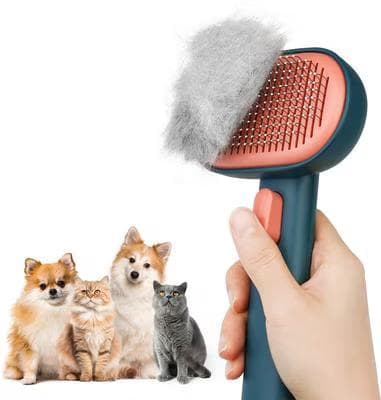
An aumuca Self Cleaning Slicker Brush may be suitable for some coats when used gently; ask the groomer to demonstrate. Earthbath Fragrance Free Shampoo is a dog-labeled option for routine bathing when no different veterinary plan is needed. A product's presence in a routine does not make tight mat removal or treatment of inflamed skin a safe home task.
The Shih-Poo haircuts guide translates style names into practical grooming questions. WebVet's dog-clipper guide explains preparation and stopping points. For either dog, a comfortable maintainable coat is a better outcome than preserving a photograph's style at the expense of the dog's tolerance.
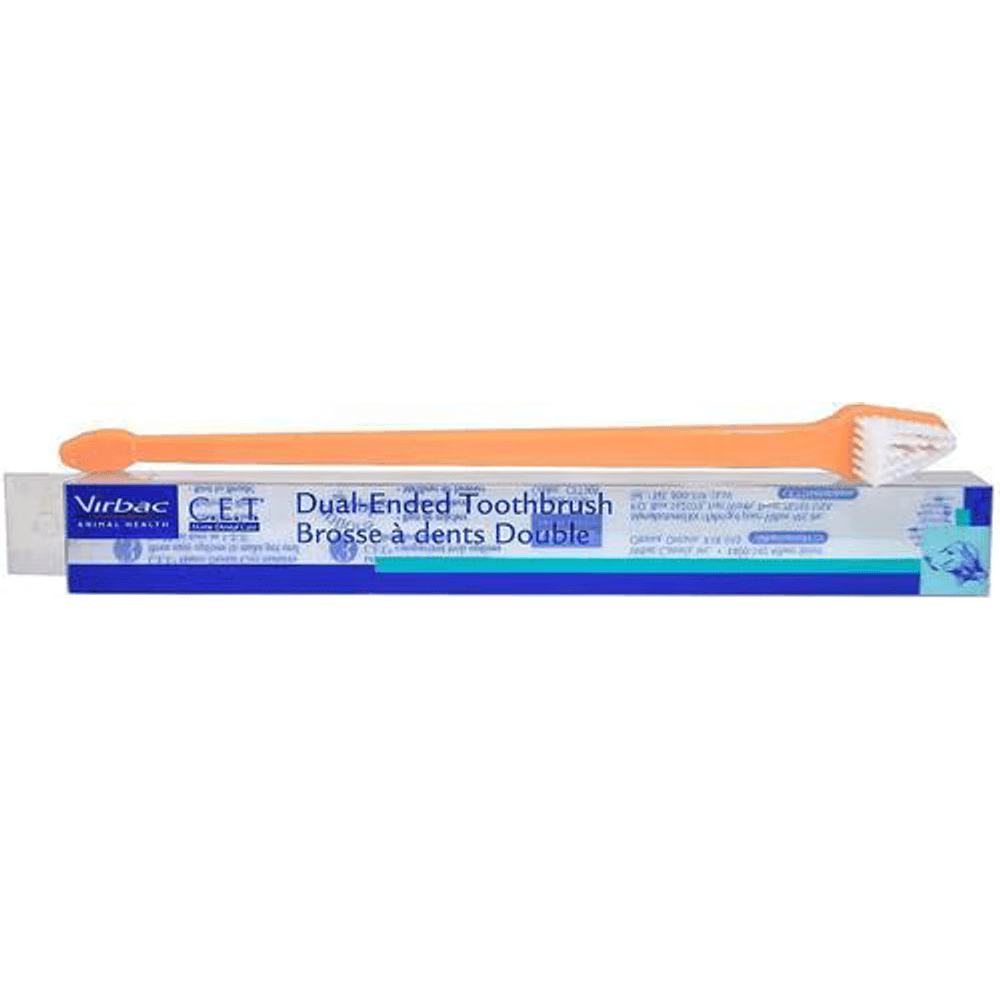
A dual-ended toothbrush with a large and a small head to fit different mouth sizes and reach the back molars where plaque hides. Soft bristles angled for the gumline.
Petful may earn a commission when you click through to Chewy, at no extra cost to you.
Breathing and other health questions
Shih Tzus have a short-muzzled conformation, and some Shih-Poos may also inherit a relatively short muzzle. The mix's name does not guarantee improved breathing, and a longer-looking nose in a photograph does not replace examination. Ask about the individual dog's breathing at rest, exercise tolerance, heat sensitivity, and any veterinary findings or treatment.
- Do not dismiss persistent noisy breathing, collapse, or marked difficulty exercising as an ordinary personality trait. Trouble breathing requires urgent veterinary attention. A veterinarian should assess ongoing concerns and explain appropriate activity and heat precautions. The useful comparison is the actual dog's function and medical history, not a blanket promise that crossing with a Poodle removes risk.
For both dogs, review records for the parents where available and ask about the mouth, eyes, movement, skin, and existing conditions. A normal puppy examination is valuable but cannot predict every future illness. Parent screening can improve information about particular inherited risks without making either dog guaranteed healthy.
Plan for daily oral care
Basic oral-care tools may help create a cooperative routine. The Virbac C.E.T. Dual-Ended Toothbrush and Virbac C.E.T. Poultry Toothpaste are examples of pet-compatible options. Introduce handling gradually and seek advice if the dog resists or seems painful. Do not force a brush into an uncomfortable mouth or interpret a product purchase as replacing dental assessment.
For long-term planning, the Shih-Poo lifespan guide explains why broad longevity figures are not a forecast for an individual. A good comparison acknowledges uncertainty and asks how you will respond if the dog needs more care than expected.
Puppy price and ongoing care
Shih-Poo and Shih Tzu acquisition fees can vary with the source, location, age, and included care. Compare written quotes, not a single advertised number. Ask what medical records, identification, support, and contract terms are included. A premium for color, sex, or an unusually small size does not independently establish quality.
Then compare recurring commitments. Grooming, food, veterinary care, training support, and help during absences can outweigh a modest difference in the initial fee. An adult adoption may involve different completed care and different unknowns from a puppy purchase. The Shih-Poo price guide offers a framework for making those differences visible.
Match equipment to the dog
Avoid buying a collection of accessories before measuring the dog and learning its routine. A Frisco Small Collapsible Travel Bowl may be useful for outings. An Outward Hound Mint 0.75-cup Slow Feeder may suit a dog who can reach the food comfortably, but bowl capacity is not a feeding prescription. Start with safe essentials, then add equipment that solves a real need.
Your budget should also allow for uncertainty. Ask about likely routine costs locally, understand any insurance policy you are considering, and decide how unexpected care would be handled. A dog who costs less to acquire is not necessarily less expensive over its lifetime, just as a higher price does not guarantee lower future costs.
Choose the individual, then plan the routine
An individual assessment should describe the dog you met, the records you saw, and the questions still unanswered. Write those observations down without translating them into flattering labels. “Comfortable being brushed for a brief period” tells you something useful. “Perfect family dog” does not explain what happens during handling, rest, or absence.
| Individual assessment | Shih Tzu reference | Shih-Poo reference |
|---|---|---|
| Parentage | Recognized breed with a standard | Shih Tzu and Poodle family history matters |
| Size and coat | Assess the actual dog within breed context | Expect additional variation from the mix |
| Health questions | Review individual structure, function, and records | Do not assume the cross removes parent risks |
| Care commitment | Grooming, companionship, training, and veterinary care | The same categories, tailored to the individual |
Revisit your ordinary day before committing. Who handles walks and grooming? What happens during travel? Can you support gradual adjustment and alone-time training? Choose the dog whose needs you can meet reliably. If you are also considering another Poodle mix, Shih-Poo vs. Maltipoo addresses that separate comparison without treating any mix as a universal winner.
Questions owners ask
Neither Shih-Poos nor Shih Tzus are universally better companions. A Shih-Poo brings mixed-parent variation, while a Shih Tzu has a recognized breed standard. The individual dog's health, behavior, coat, and care needs still determine suitability. Compare observations and records with your household routine, and choose the dog you can support consistently.
Some Shih-Poos can be left alone for suitable periods after gradual training; others need more support. Age, history, health, and current behavior matter. Arrange care that fits what the dog can handle now and build skills gradually. Persistent panic or escape attempts warrant professional advice. Choosing a Shih Tzu instead would not remove the need for an absence-care plan.
Neither a boy nor a girl Shih Tzu guarantees a better match, calmer temperament, or easier training. Ask about ordinary behavior, handling, social experiences, and medical history, and discuss reproductive-health decisions with a veterinarian. Compare those concrete factors and the support available rather than treating sex as a complete personality description.
How much a Shih-Poo sheds varies with the individual coat. Low visible shedding does not mean no loose hair, no grooming, or guaranteed allergy compatibility. Assess the actual coat and choose a maintainable style. A marked change in shedding, especially with irritated skin or other symptoms, warrants veterinary advice.

Coreen Saito is a pet writer and longtime shelter volunteer with more than a decade in animal rescue. She covers cat behavior, breed care, and the small, ordinary science of sharing a life with companion animals, with a particular focus on honest takes about the products and decisions that actually matter. At home in Arizona, she's outranked by Mac (a dog with the loudest opinion in the house), Rebel (a cat who governs by quiet authority), and Meri (an orange tabby who runs the late shift and the laundry basket). She writes about all three, plus the rescues that keep coming through her life, at LifeWithMinty.com.
Sign up for expert-backed reviews and safety alerts all in one place.