Shih-Poo Full Grown: Size, Weight, and Growth
Understand what parent size can tell you about a full-grown Shih-Poo, why toy and teacup labels have limits, and how to track growth and measure your individual dog for everyday equipment.
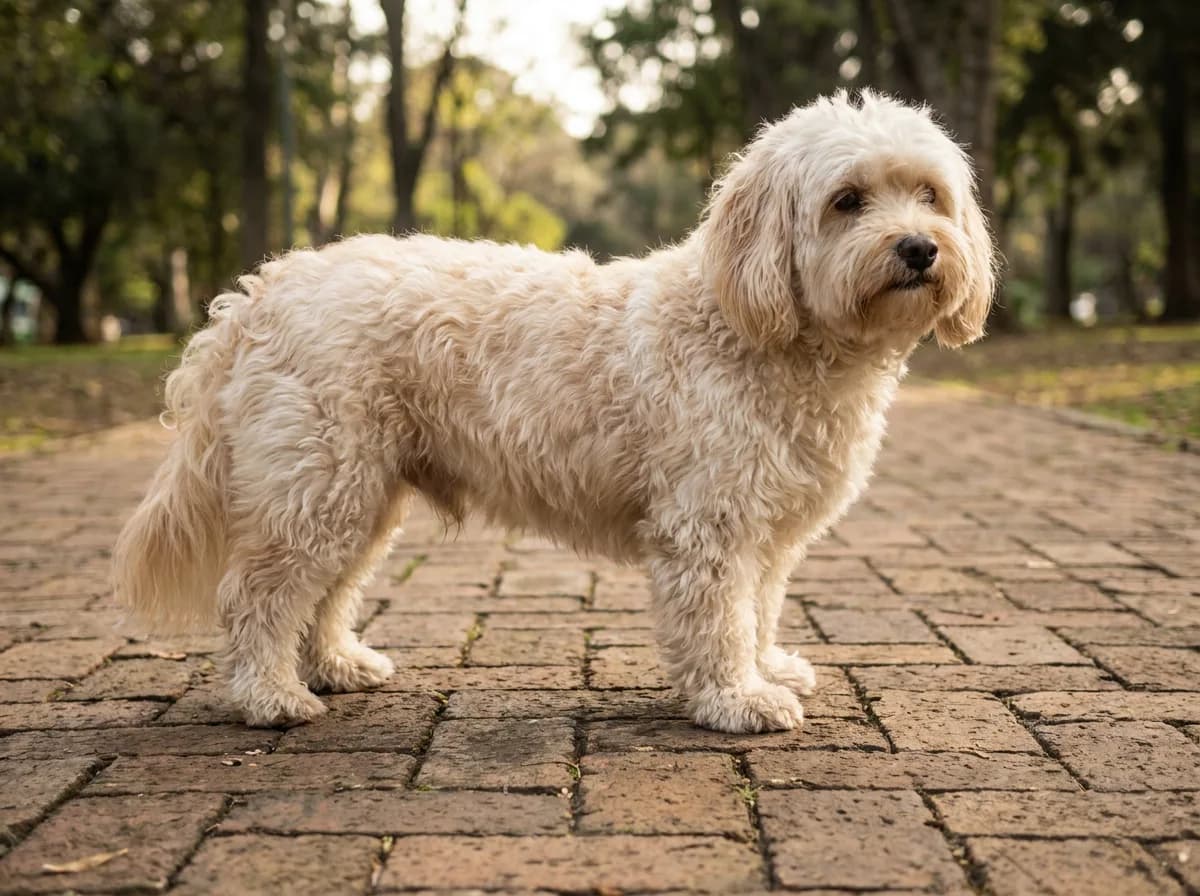
Illustrative photograph; appearance does not verify ancestry or predict an individual dog’s traits.
Petful is reader supported. As an affiliate of platforms like Amazon and Chewy, we may earn a commission when you buy through links on this page. There is no extra cost to you.
A Shih-Poo full grown is a small companion dog whose final size depends on the actual parents and the individual puppy. There is no recognized Shih-Poo size standard or reliable breed-specific formula that turns an eight-week weight into an exact adult weight. Parent measurements, a consistent growth record, and your veterinarian's assessment are more useful than a “teacup” label or a photograph beside a household object.

Sign up for expert-backed reviews and safety alerts all in one place.
How big is a Shih-Poo full grown?
- 1Ask for adult parent measurements and the Poodle parent's actual variety.
- 2Use a growth record to follow the individual, not to force a puppy toward a predicted number.
- 3Measure chest, neck, and body dimensions before purchasing equipment.
For context, the AKC breed weight chart lists Shih Tzus at 9–16 pounds, Toy Poodles at 4–6 pounds, and Miniature Poodles at 10–15 pounds. Those figures describe parent-breed references. They do not set limits for every Shih-Poo, and a parent outside a standard still contributes its actual genetics. Ask what the adult parents weigh, whether that weight reflects healthy body condition, and how their other adult offspring developed.
The most useful questions are concrete:
- Is the Poodle parent a Toy or Miniature, and can that be documented?
- Are both parents fully mature, with recent measured weights rather than estimates?
- Are previous adult offspring available to meet or described in veterinary records?
- Does the puppy's current growth pattern look appropriate to its veterinarian?
Do not average two parent weights and call the result a guarantee. Likewise, a smaller puppy within a litter may not remain the smallest adult. Sex, health, nutrition, and genetic variation complicate simple predictions. If a hard size limit is central to your decision, choosing an adult whose dimensions can be measured reduces uncertainty more than choosing the smallest-looking puppy.
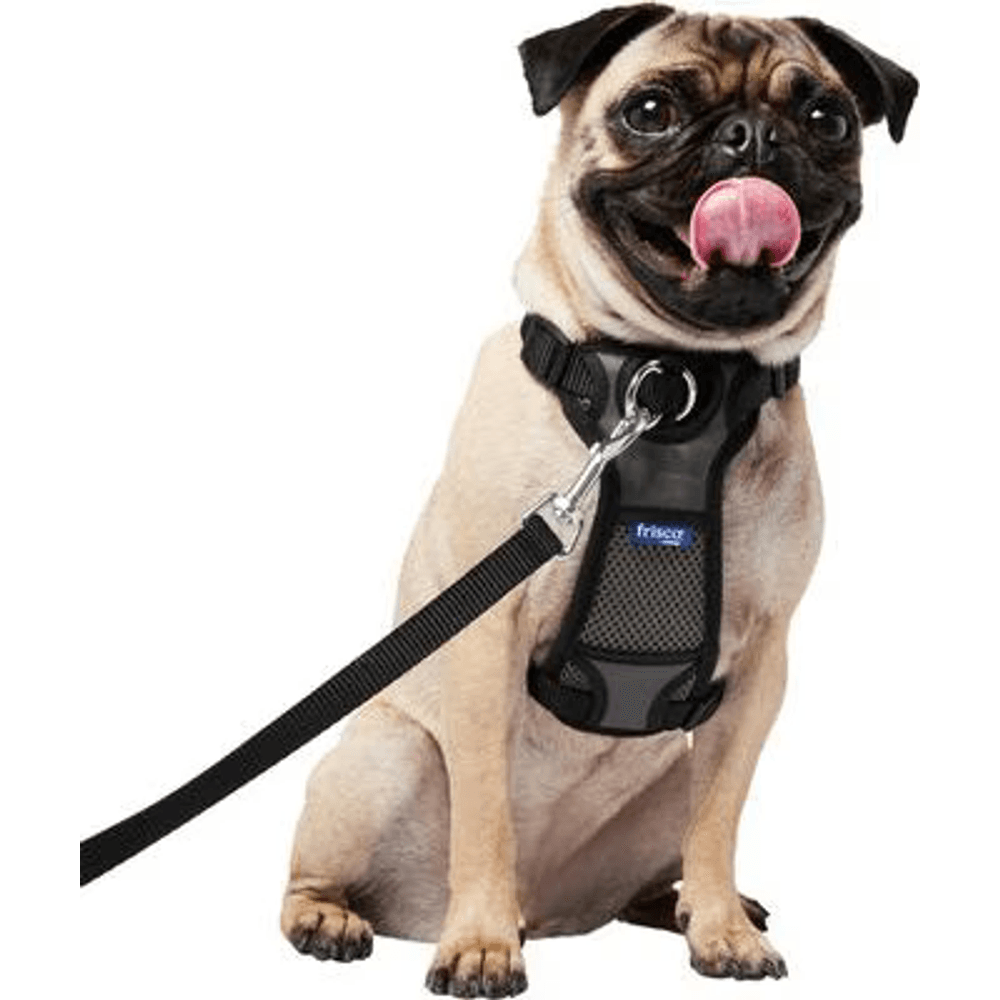
A budget-friendly padded no-pull harness that keeps leash pressure off a coughing dog's neck and windpipe by distributing it across the chest. A simple, affordable way to protect an irritated airway or a collapsing trachea on every walk.
Petful may earn a commission when you click through to Chewy, at no extra cost to you.
Keep the broader care decision in view. Our Shih-Poo breed guide explains why temperament, grooming needs, and tolerance for your routine matter alongside adult weight. A dog who is the right size can still be a poor match if its daily needs cannot be met.
Toy, mini, and teacup labels explained
“Toy Shih-Poo,” “mini Shih-Poo,” and “teacup Shih-Poo” are not standardized classes for this mix. A seller may use toy to describe the Poodle parent, mini to suggest a small adult, or teacup as a marketing term. Ask which meaning is intended. The label is not a substitute for parent records or a careful discussion of uncertainty.
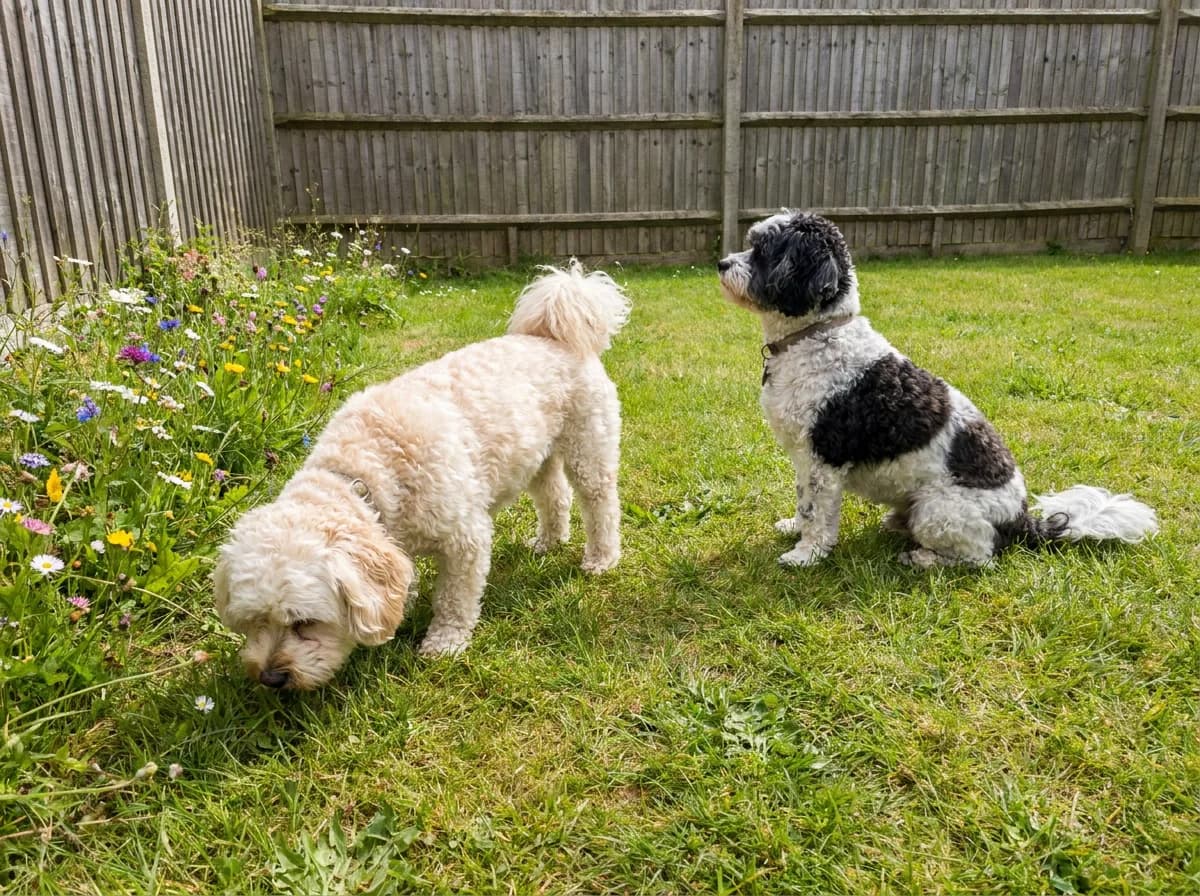
A Miniature Poodle parent does not make the offspring a “miniature Shih Tzu,” and a Toy Poodle parent does not make all offspring fit one very small weight band. Some breeding descriptions also involve a mixed parent rather than a first-generation cross. If the family tree is unclear, the size promise becomes less informative, not more.
- Ask what the label means for the individual dog and request actual parents' measurements. Never restrict food to make a growing puppy fit an advertised size or a preferred equipment category.
Look especially closely at promises tied to a premium price. A claim that a puppy will be unusually tiny should not displace questions about health, development, and the support available after purchase. The Shih-Poo price guide separates seller terminology from the records and recurring care costs that matter.
If you already own a puppy described this way, you do not need to prove the seller's label right. Your job is to support appropriate growth and comfort. Bring the available records to the veterinary team, discuss any concerns, and select food and equipment for the dog in front of you. A thriving dog who becomes larger than expected has not failed a breed standard that never existed.
Petful may earn a commission when you click through to Chewy, at no extra cost to you.
When is a Shih-Poo full grown?
For general orientation, VCA describes small- and medium-breed puppies as reaching adulthood around 10–12 months. That is broader small-dog guidance, not a validated Shih-Poo timetable. Use your dog's growth trend and veterinary assessment to judge maturity. Height, weight, muscle, coat, and behavior do not all finish developing together; a puppy may stop getting much taller while still changing in body composition and coat texture.
Use repeated measurements and your veterinarian's assessment to discuss when your dog is approaching adult size. A single flat reading can reflect the scale, timing, or normal variation; a concerning pattern deserves individual interpretation. Do not decide from a photograph that a puppy is done growing and then make a major feeding change without checking.
The distinction between growth and adult care matters:
- A weight trend helps assess development, but it does not replace body-condition evaluation.
- A longer adult-looking coat does not prove skeletal maturity.
- Sexual maturity and calm adult behavior are different milestones.
- Switching food should follow the dog's development and nutritional needs, not a social-media growth claim.
The VCA guide to feeding growing puppies emphasizes appropriate growth and body condition rather than pushing rapid weight gain. Keep the food name, daily amount, treats, and recent weight readings available for a veterinary conversation. Those details are more useful than trying to remember how much larger the dog looked last month.
As your puppy becomes more confident, continue gentle handling practice. Touching a harness, standing on a scale, and allowing a brief look at paws can all be taught gradually. Reward cooperation and stop before struggling begins. These small skills make future growth checks and ordinary care easier for both the dog and the person handling it.
What adult Shih-Poos can look like
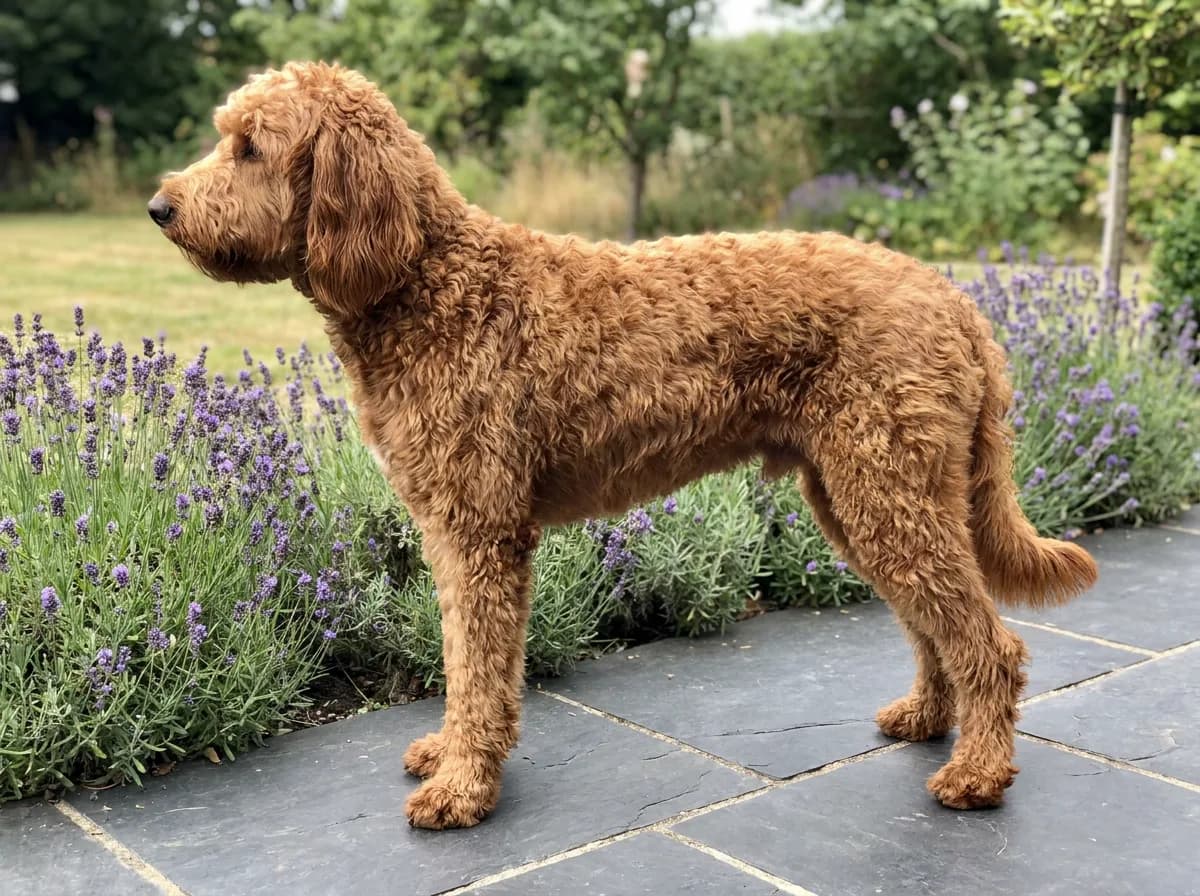
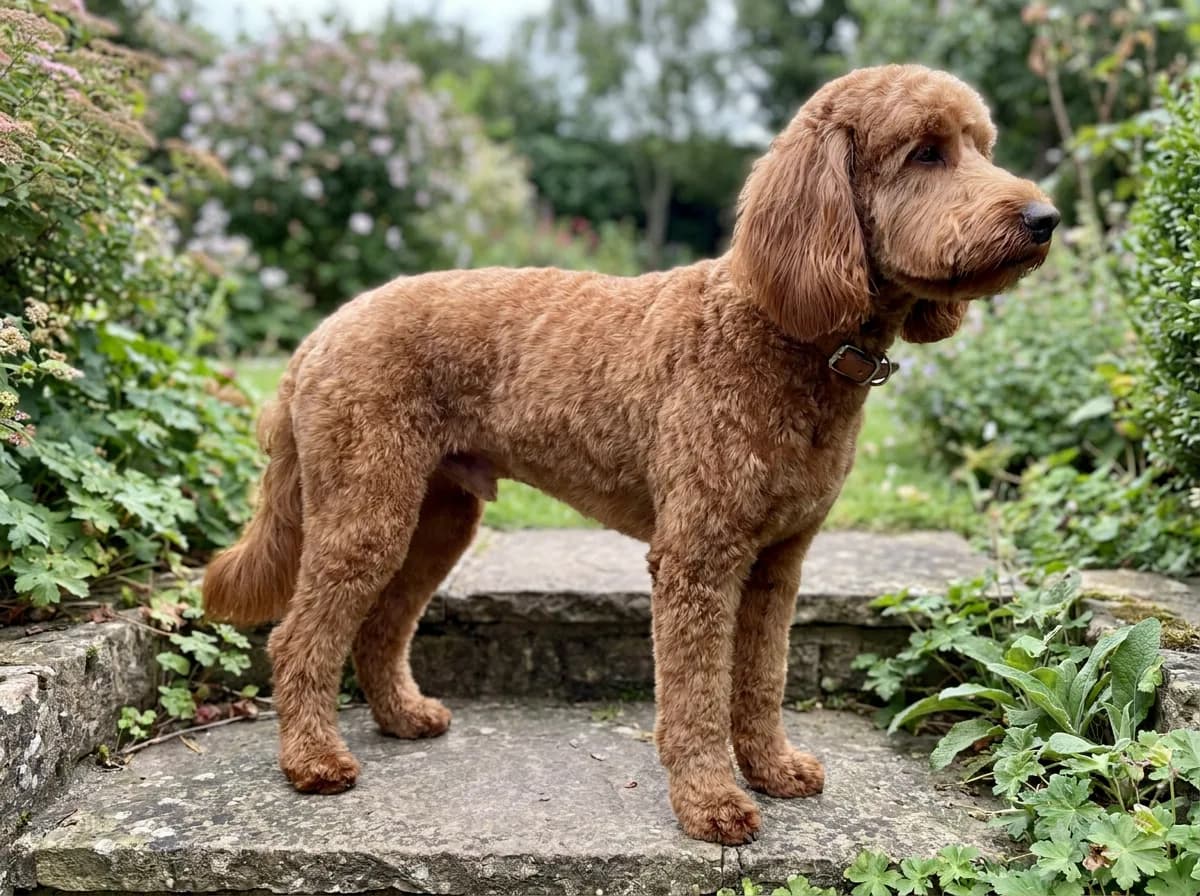
Shih-Poo full-grown pictures can show the range of adult outlines, but photographs do not establish ancestry or weight. An adult may have relatively long legs or a compact outline, a wavy or curlier coat, and a face that looks quite different after grooming. A fluffy silhouette can make one dog appear much larger than another with a short clip.
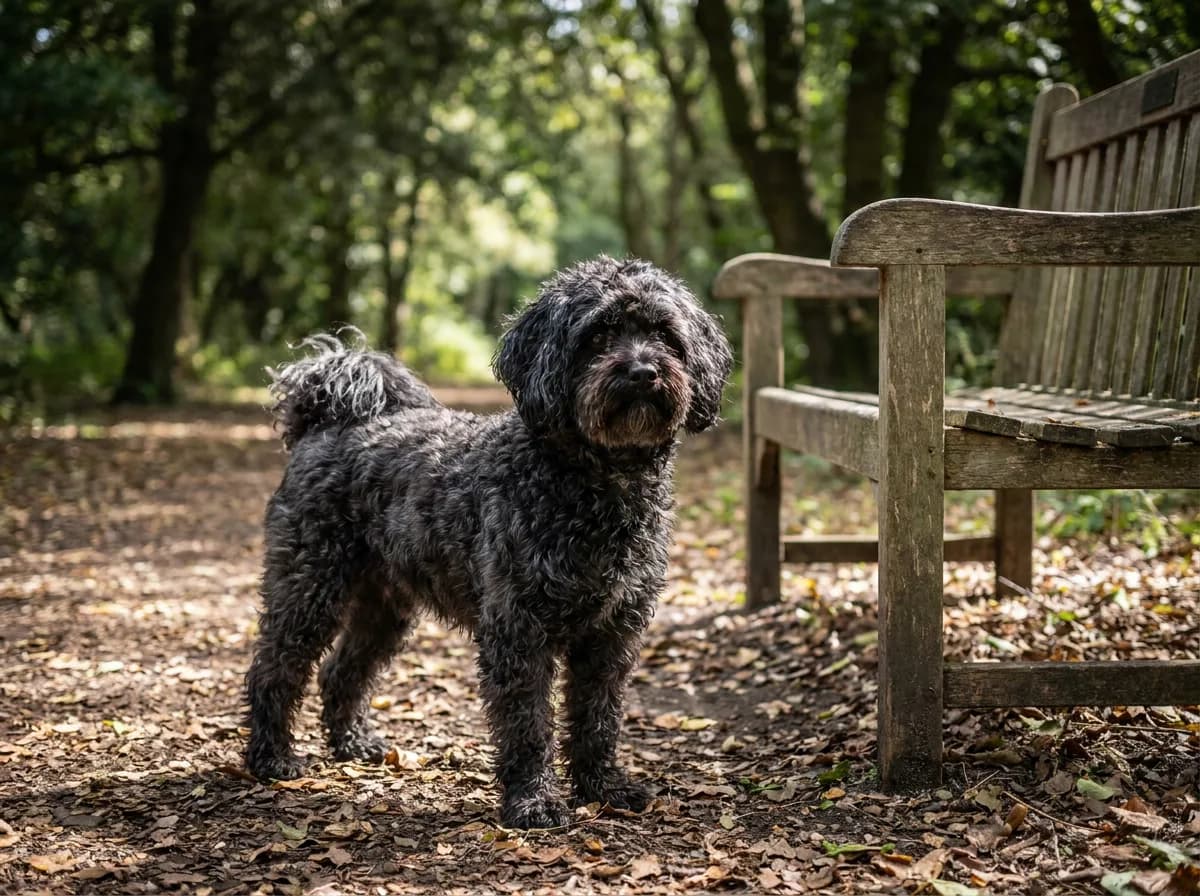
Black Shih-Poos and brown Shih-Poos do not have separate size standards. Coat color cannot tell you how large a puppy will grow. Lighting also changes how a coat looks in a picture, especially black fur where body contours may disappear against a dark background. Use full-body views on level ground when discussing an adult dog's proportions, and ask for actual measurements.
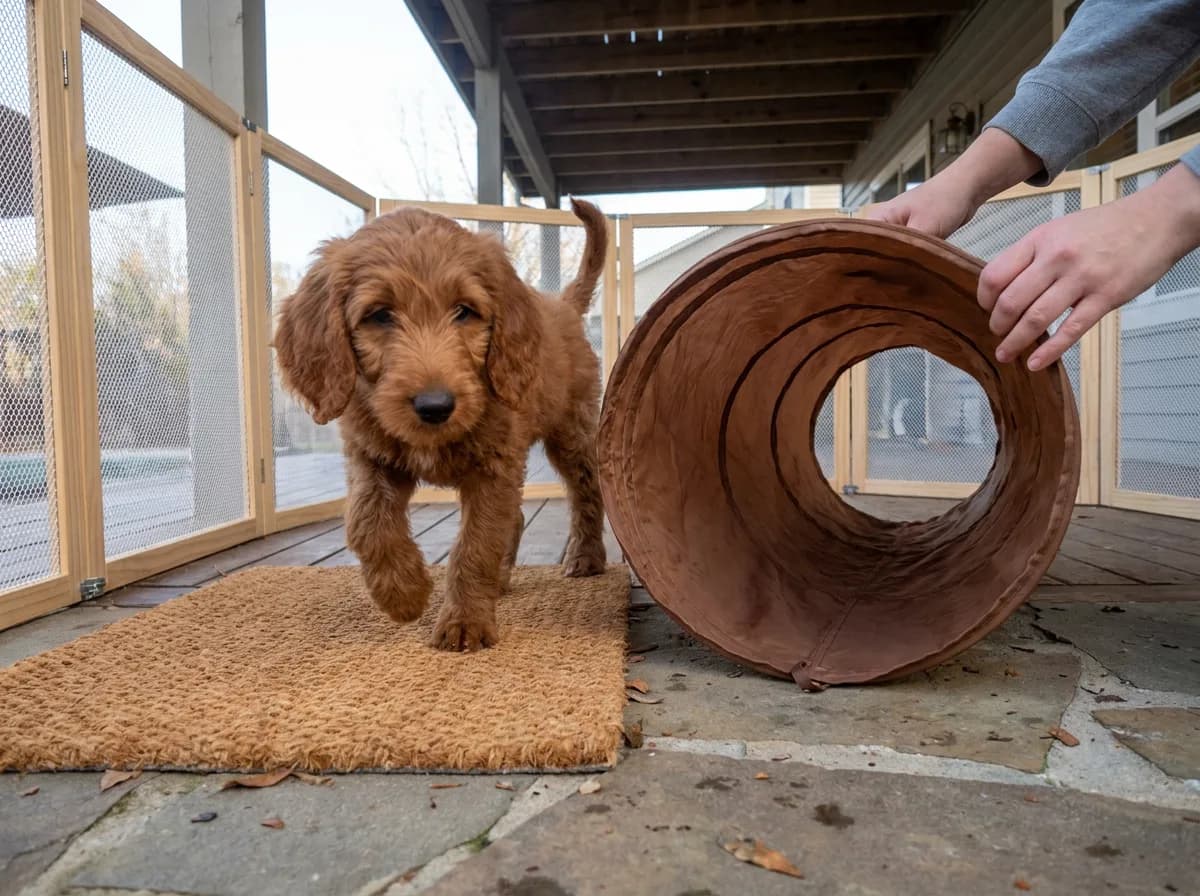
The images in this guide are AI-generated illustrative references. They are not verified pedigrees, a growth series of the same dog, or examples tied to measured weights. They help explain what to look at, such as the body outline and position of a tape measure, while the written guidance explains what the images cannot prove.
Petful may earn a commission when you click through to Chewy, at no extra cost to you.
When comparing pictures, separate three observations:
- Structure: the outline of the torso and legs, while recognizing that posture changes appearances.
- Coat: length and texture, which may conceal the dog's actual body outline.
- Condition: something that requires handling and professional interpretation, not a confident diagnosis from one image.
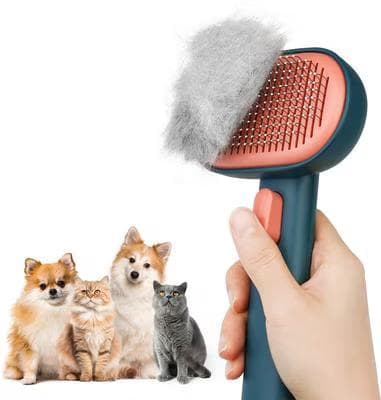
For styling choices, use the Shih-Poo haircut guide. A trim can improve visibility and reduce maintenance without changing skeletal size. An aumuca Self Cleaning Slicker Brush is one possible brushing tool for a suitable coat, but have a groomer demonstrate how to avoid scraping the skin or pulling at tangles. The correct tool depends on texture and handling tolerance, not whether a dog looks like an online example.
Keep a useful growth record
A useful Shih-Poo growth record contains observations you can repeat. Record the date, age if known, weight, scale used, and anything relevant such as an illness, diet change, or appetite change. Ask your veterinarian how often to weigh your particular puppy. More readings are not automatically better if inconsistent methods create confusion or the process upsets the dog.
A Shih-Poo growth chart should be a record of your dog, not a fabricated set of breed-specific weekly target weights. There is no single ideal weight for every Shih-Poo at four months. A veterinarian can interpret a trend using the dog's frame, health, and expected growth, and decide whether a change needs investigation.
Make the record useful rather than elaborate:
- Weigh in similar circumstances on a suitable scale.
- Write the result down immediately with its units.
- Note meaningful changes in intake, energy, stool, or comfort.
- Bring the record and parent information to appointments.
If you use kilograms and pounds, label them clearly and avoid comparing an unlabeled number with a breeder's message. Do not repeatedly weigh a frightened puppy in a way that turns handling into a struggle. Ask the clinic about a calmer approach. An adult-weight calculator may provide an estimate, but a precise-looking output is still based on assumptions and cannot override a concerning growth pattern.
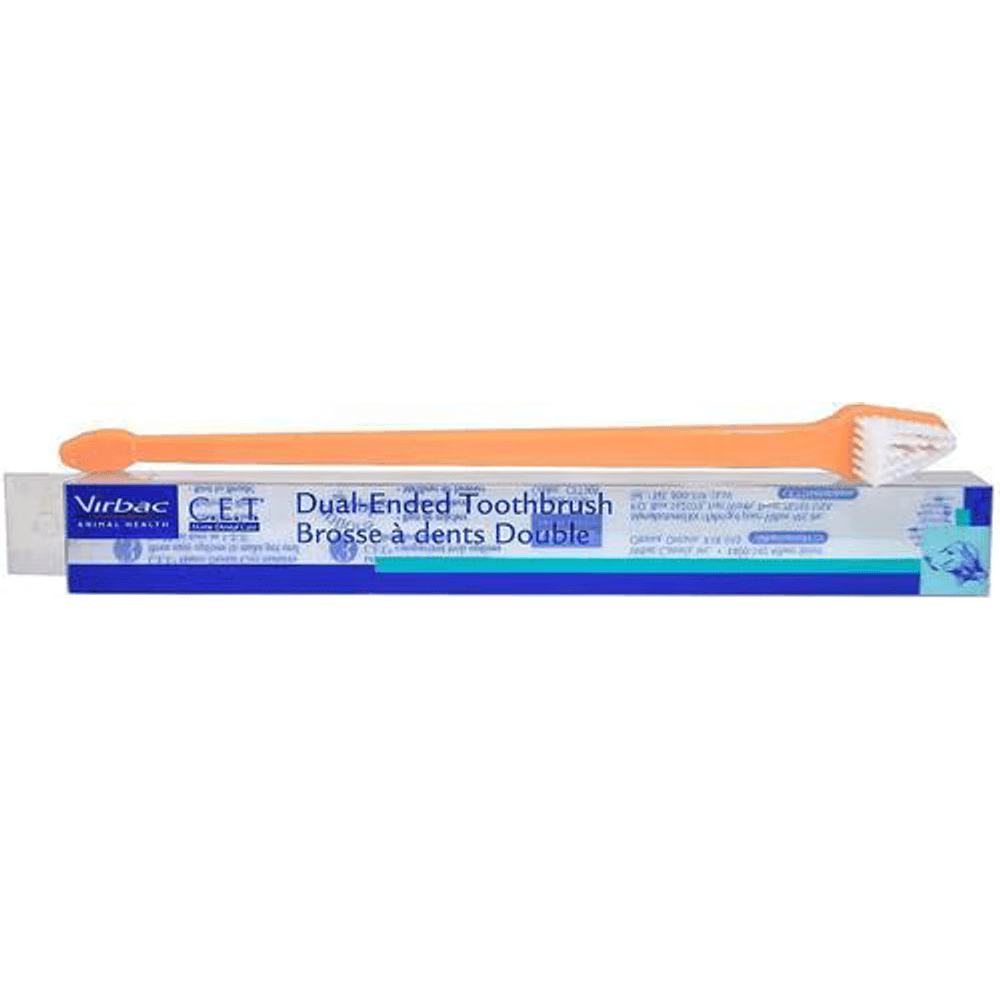
A dual-ended toothbrush with a large and a small head to fit different mouth sizes and reach the back molars where plaque hides. Soft bristles angled for the gumline.
Petful may earn a commission when you click through to Chewy, at no extra cost to you.
Sudden weight loss, poor appetite, weakness, or another marked change should be discussed promptly with a veterinarian. Do not compensate by adding unneeded supplements or dramatically increasing food without understanding the cause. The goal is a healthy individual, not a curve that looks pleasing on a chart.
| Growth-chart record | What to enter | Interpretation limit |
|---|---|---|
| Measurement date | Date and measured weight with units | One reading cannot predict adult weight |
| Measurement method | Scale and any change of equipment | Different methods may not be directly comparable |
| Context | Appetite, food amounts, activity and grooming date | Share changes with the veterinarian |
Turn observations into useful questions
Suppose your puppy weighs more this month but still fits the same harness. That observation alone does not tell you whether the change represents skeletal growth, muscle, or excess body fat. Record the measurement and ask your veterinarian how it fits the dog's body condition and development. Restricting food simply to keep the puppy below an advertised adult weight can interfere with appropriate care.
A haircut can create the opposite impression: a dog suddenly looks much smaller despite an unchanged measured weight. Record grooming dates alongside photographs so that coat volume does not become a misleading growth milestone. Use photographs as context, with comparable position and distance where practical, rather than as a substitute for a scale or hands-on assessment.
Measure the dog before buying equipment
Adult weight is only one part of fit. Two dogs at the same weight can have different chest shapes, neck dimensions, and body lengths. Measure the individual and read the specific manufacturer's instructions every time you change a product. A small in one brand may not match a small in another.
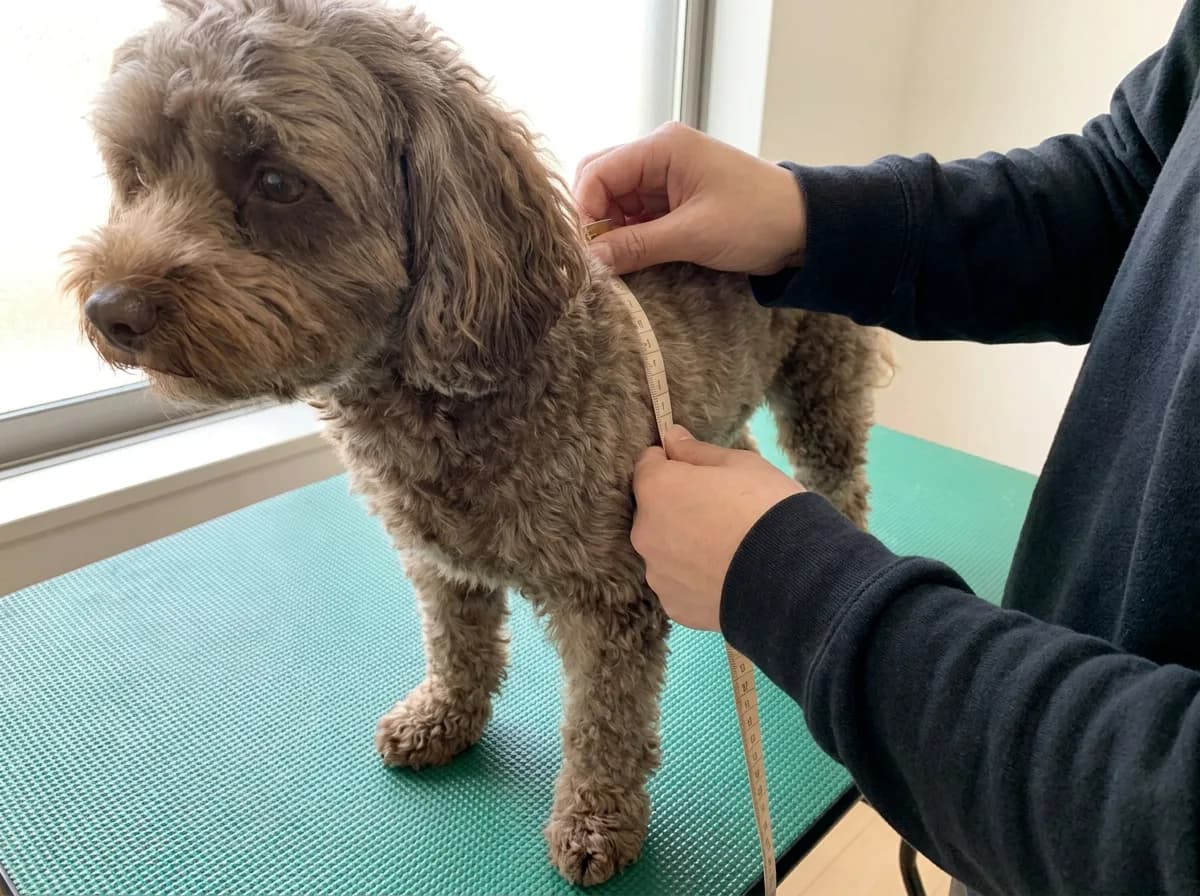
For a harness, check the required chest measurement behind the front legs and any additional neck or body measurements listed. Recheck fit as a puppy grows and observe movement after adjustment. The Frisco Padded No Pull Harness in Small is one option, not a default size for all Shih-Poos. Do not buy it solely because the breed description says “small dog.”
For everyday equipment, consider function as well as capacity:
- A bed should let the dog rest in its preferred position without needing an awkward climb.
- A carrier needs sufficient usable interior space and must meet the carrier's weight and ventilation requirements.
- A feeding bowl should allow comfortable access, not merely hold the full meal.
- A brush or toothbrush should be manageable for the dog's actual coat or mouth.
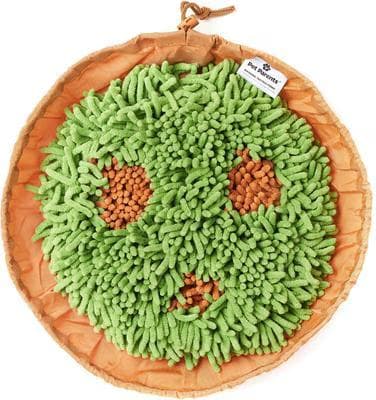
The Outward Hound Mint 0.75-cup Slow Feeder may suit a small portion if the dog can reach the food comfortably. The Frisco Small Collapsible Travel Bowl can hold water during outings; bring enough water for the conditions rather than treating bowl capacity as a drinking allowance. Supervised food searching on a Pet Parents Forager Snuffle Mat can be another option for a dog who does not chew fabric.
Care decisions as your puppy becomes an adult
Use the growth record and parent measurements to update decisions, then keep measuring the living dog. At a routine appointment, ask whether current food, portion sizes, exercise, and equipment remain suitable. Adult size does not eliminate grooming, training, or preventive care needs. It simply changes some of the questions you ask.
The transition is also a good time to make oral care a calm routine. A Virbac C.E.T. Dual-Ended Toothbrush has different head sizes, and Virbac C.E.T. Poultry Toothpaste is formulated for pets. Introduce the tools gradually and ask for help if the dog resists or appears painful. For coat care, a dog-labeled product such as Earthbath Fragrance Free Shampoo should be used according to the label and any veterinary advice about the skin.
| Growth record finding | Decision to revisit | Information to bring |
|---|---|---|
| Harness becomes snug | Recheck and resize equipment | Chest and neck measurements |
| Weight trend changes | Ask whether growth and intake remain appropriate | Dated weights, food, and appetite notes |
| Coat texture changes | Adjust grooming tools and schedule | Groomer assessment and maintenance difficulties |
| Puppy approaches adult size | Review food and activity plans | Parent measurements and veterinary assessment |
For the longer view, our Shih-Poo lifespan guide explains why health planning cannot be reduced to adult size. If you are still choosing between mixes, Shih-Poo vs. Maltipoo compares the practical uncertainties without treating a smaller-looking puppy as the better choice. WebVet's safe clipper-use guide also explains where home grooming should stop and professional handling should begin.
Recheck purchases as the dog changes
Keep the manufacturer's size chart with your equipment notes and remeasure after noticeable growth, a major haircut, or a change in body condition. Observe the dog walking, turning, sitting, and resting in the equipment. A fit that looks acceptable while standing still may rub, restrict movement, or loosen in another position. Follow the specific adjustment guidance for the product rather than assuming one universal finger test settles every fit question.
An adult-size estimate can help you plan for replacement expenses, but it is not a reason to use oversized equipment now. A loose harness may allow escape, while a carrier chosen from a future weight alone may not suit the dog's present dimensions or the intended journey. Choose equipment that fits today and reassess it as the puppy develops. Buying fewer well-fitting essentials initially can be more useful than purchasing an entire matching set around an uncertain prediction.
Questions owners ask
How big a Shih Poo can get depends on the actual family and individual development. There is no guaranteed maximum for every Shih-Poo because the name describes a mix rather than a standardized size class. Ask about the actual Poodle variety and the adult parents' measurements, then follow the individual dog's development. If a fixed size limit is essential, an adult with measurable dimensions is a more dependable choice than a puppy sold with an exact-size promise.
Yes. Littermates can inherit different combinations of traits and need not finish at the same height or weight. Their early size ranking does not guarantee their adult ranking. Follow each puppy's growth and body condition rather than trying to make both match. A veterinarian can interpret a worrying difference in the context of each dog's health.
No. Coat color does not reliably predict adult size. Black and brown Shih-Poos may differ because of parentage and individual development, but color does not explain that difference. Use documented parent measurements and a growth record; photographs can mislead when lighting, coat length, angle, and distance vary.
No. The right amount of food depends on the puppy's diet, age, health, and body condition. Share the feeding amount and weight trend with your veterinarian. Aim for appropriate growth rather than a number supplied by a seller or calculator.

Coreen Saito is a pet writer and longtime shelter volunteer with more than a decade in animal rescue. She covers cat behavior, breed care, and the small, ordinary science of sharing a life with companion animals, with a particular focus on honest takes about the products and decisions that actually matter. At home in Arizona, she's outranked by Mac (a dog with the loudest opinion in the house), Rebel (a cat who governs by quiet authority), and Meri (an orange tabby who runs the late shift and the laundry basket). She writes about all three, plus the rescues that keep coming through her life, at LifeWithMinty.com.
Sign up for expert-backed reviews and safety alerts all in one place.