Shih-Poo Haircuts: Styles and Coat Care
Choose a Shih-Poo haircut for the coat and routine you actually have. Compare practical styles, understand illustrative pictures, and build a clear groomer brief with safe between-visit care.
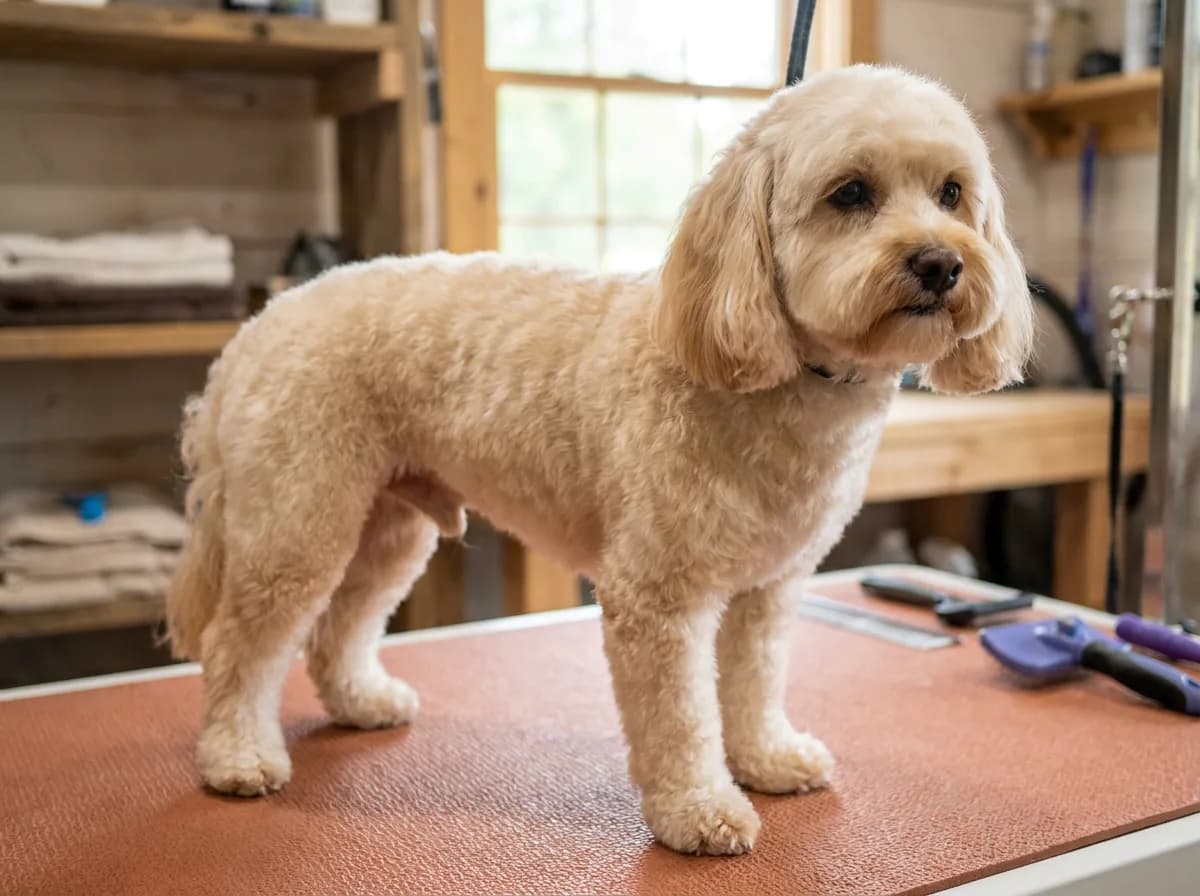
Illustrative photograph; appearance does not verify ancestry or predict an individual dog’s traits.
Petful is reader supported. As an affiliate of platforms like Amazon and Chewy, we may earn a commission when you buy through links on this page. There is no extra cost to you.
The most useful Shih-Poo haircuts are the ones that suit the dog's actual coat and the grooming you can maintain. A short puppy clip, rounded teddy bear face, or longer style can all look appealing, but those names are not precise instructions. Use a groomer brief that specifies the body, face, ears, feet, and home-care commitment, then learn a gentle comb-to-skin check to catch tangles before they become a welfare problem.

Sign up for expert-backed reviews and safety alerts all in one place.
Choose Shih-Poo haircuts for the actual coat
- 1Choose a maintainable length for the actual coat, not a style name alone.
- 2Use a groomer brief to agree on the body, face, ears, feet, and what happens if mats are found.
- 3A gentle comb-to-skin check is more useful than a fluffy surface that hides tangles underneath.
When comparing types of Shih-Poo haircuts, cute pictures and polished images can help explain your preference, but the best reference shows a coat texture reasonably similar to your dog's. Identify what you like about the photograph: the face outline, ear length, visible eyes, or easy-care body. Asking for those details gives the groomer more useful information than requesting an exact copy of a different dog.
A Shih-Poo haircut should start with a coat assessment. Shih Tzu and Poodle ancestry can produce different textures, and puppy hair may change as the dog matures. One dog may have relatively silky hair, another a loose wave, and another a curlier coat. The same requested style can require different preparation, tools, and maintenance on each.
Match the style to your maintenance time
Tell the groomer what you can realistically do between appointments. A longer style is not low maintenance merely because it looks soft. Friction behind the ears, under walking equipment, around the legs, and where the body rests can create tangles that a quick surface brushing misses. A shorter manageable coat may be the kinder choice if daily maintenance is difficult for you or uncomfortable for the dog.
Petful may earn a commission when you click through to Chewy, at no extra cost to you.
Before choosing among Shih-Poo haircut styles, review these factors:
- Texture and condition: whether the coat is straight-looking, wavy, curly, tangled, or already matted.
- Handling tolerance: how the dog responds to brushing, feet being touched, clipper noise, and standing for care.
- Home routine: time, tools, and confidence available between appointments.
- Activities: mud, swimming, harness use, and other sources of friction or debris.
- Comfort: skin problems or painful areas that need veterinary assessment before cosmetic work.
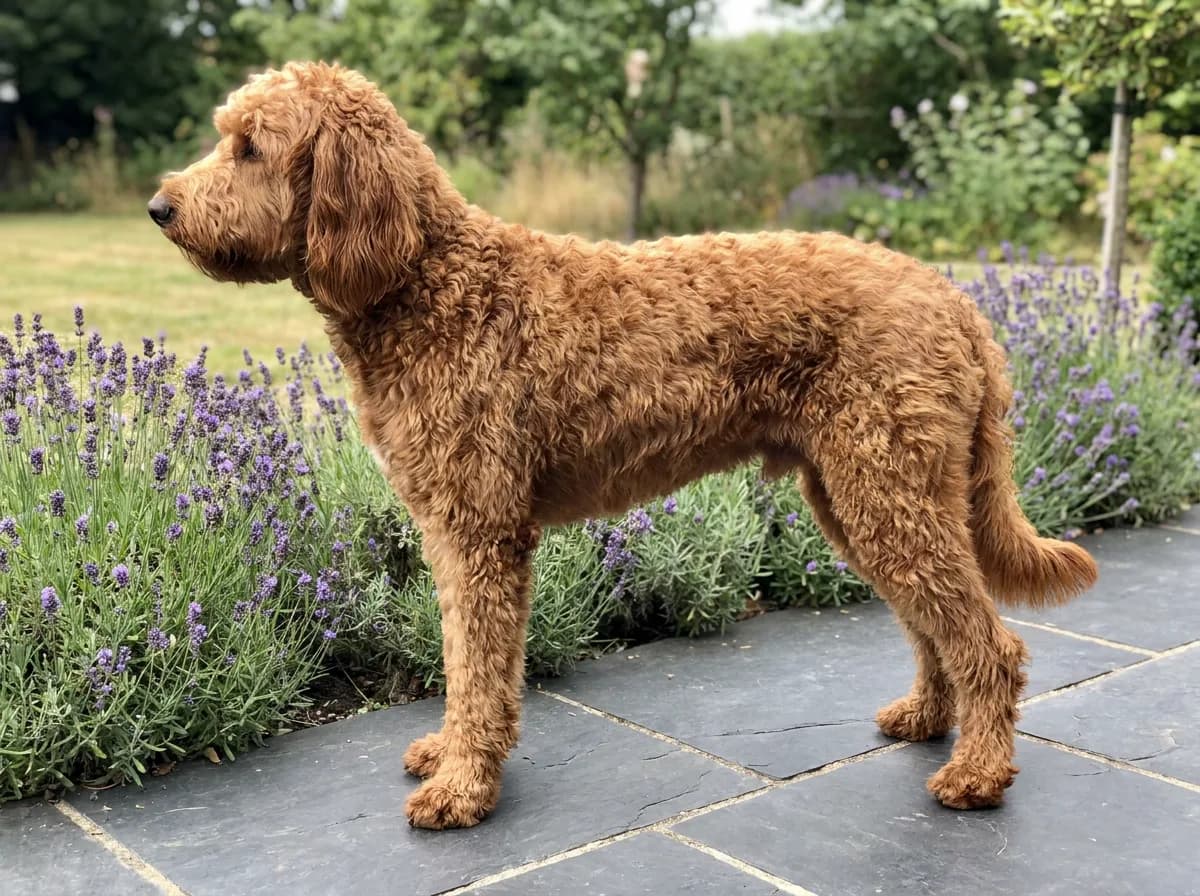
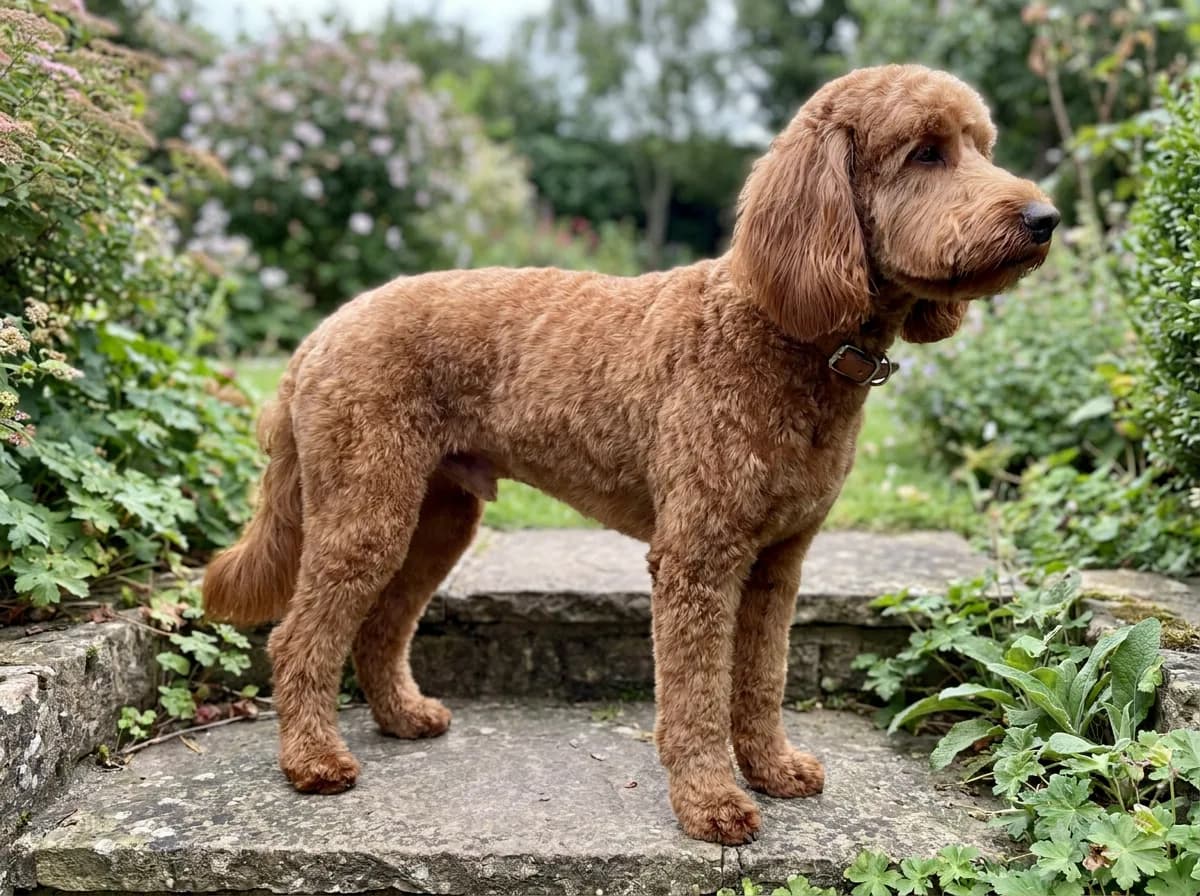
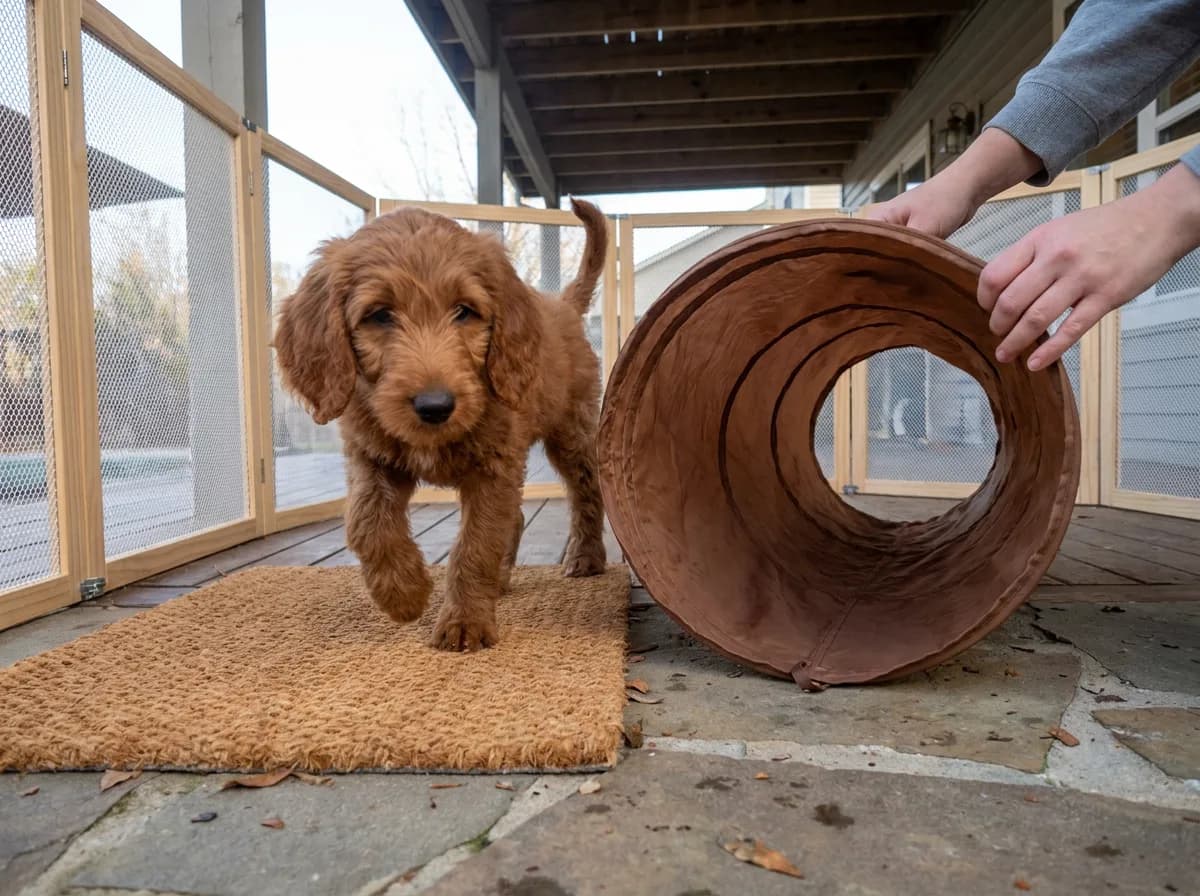
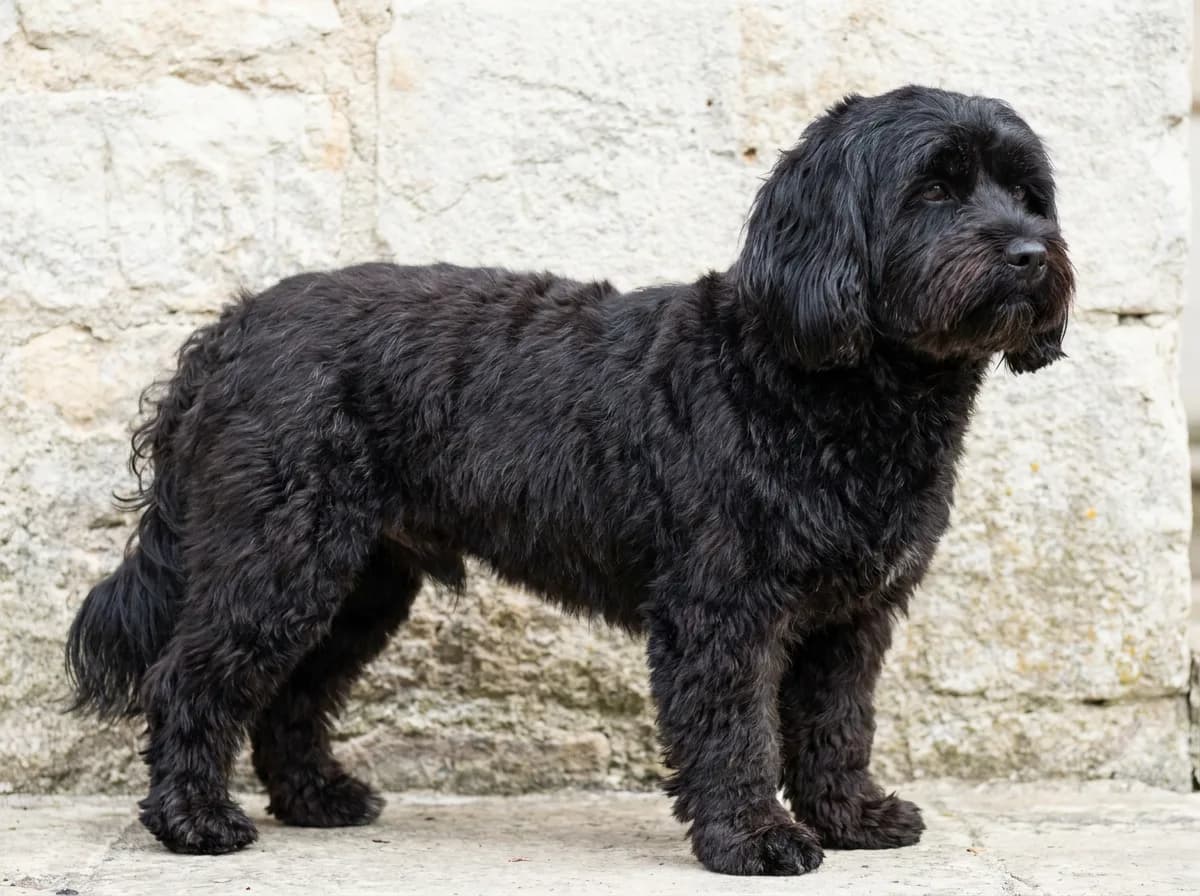
The AI-generated illustrations here are style references. They are not records of verified dogs, a professional's actual clients, or evidence that the pictured coat belongs to a documented cross. Use them to explain a preferred outline, then ask what is possible for your individual dog. Appearance alone cannot confirm ancestry or a safe clip length.
Keep the broader choice in view. The Shih-Poo breed guide explains the everyday care commitment. A haircut can make that commitment more manageable, but it cannot remove the need for brushing, observation, and comfortable handling. There is no style that makes a dog maintenance-free or guarantees allergy compatibility.
Short puppy cut and practical body lengths
A short puppy cut generally means a practical, relatively even body clip with a tidy face, feet, and other details agreed with the groomer. It is not a universal length, and it is not reserved for puppies. An adult Shih-Poo can wear a puppy cut because the phrase describes a look rather than the dog's age.
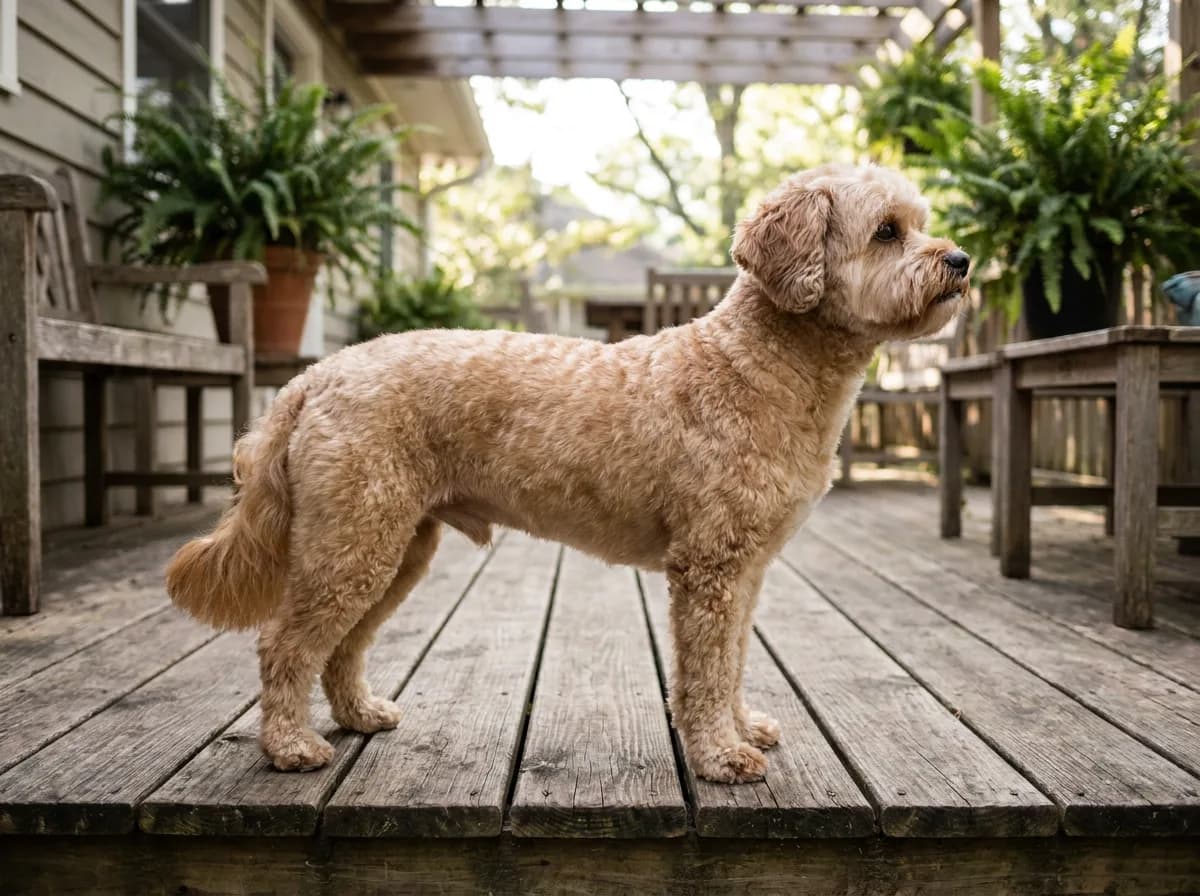
Ask the groomer to show you the proposed finished length instead of relying on the phrase alone. Discuss whether the legs will match the body, how much hair will remain on the ears, and how the face will be shaped. A photograph may help communicate the outline, but coat texture and condition can prevent an exact match. Agree on what matters most: easy combing, visible eyes, tidy feet, or a particular face shape.
- A puppy cut is not one standardized measurement. The individual coat, skin, handling tolerance, and traits inherited from the parents affect the result. Ask the groomer to explain the proposed length and any changes needed for comfort.
A short coat can reduce the time needed to maintain longer hair, but it still needs checks. Skin can be irritated, new tangles can develop in longer areas, and hair around the feet or face may need attention between full appointments. Check equipment fit after a major coat-length change; a harness that looked comfortable through fluff may need readjustment.
For a dog whose measurements match, the Frisco Padded No Pull Harness in Small is one walking option. Remove equipment when it is not needed and check the contact areas during coat care. A harness should not be left on simply to hide a poorly maintained patch of hair, and a short clip does not eliminate the need to check for rubbing.
For a puppy's first appointment, discuss handling and a gradual introduction before requesting a dramatic transformation. The groomer may prioritize a comfortable experience and limited work over completing every cosmetic detail at once. Ask what you can practice at home, such as standing briefly on a nonslip mat or allowing a gentle touch near a paw. Cooperative skills make future appointments easier than pushing through distress.
Teddy bear face with a manageable body
A teddy bear Shih-Poo haircut usually refers to a rounded face with soft-looking edges. The body can be short or longer, so a “teddy bear cut” request does not specify the entire haircut. Explain how round you want the face to look, how the ears should blend, and how the groomer will keep the eyes and mouth area comfortable.
Petful may earn a commission when you click through to Chewy, at no extra cost to you.

The look depends on coat texture and facial structure. A curlier coat can hold a different outline from a silky one, and a photograph taken immediately after drying may look different from the coat at home several days later. Ask the groomer to describe the maintenance the face will need, not only how it will look when you collect the dog.
Make the request specific:
- Keep the eyes clearly visible without leaving hair rubbing them.
- Agree on ear length and how the ear edges will blend with the face.
- Discuss the hair around the mouth and the cleanup it needs after meals.
- Decide whether the body should prioritize a soft appearance or easier maintenance.
Do not attempt delicate scissor work near the eyes because a reference photograph makes it look simple. Dogs can move unexpectedly, and facial skin and eyes are vulnerable. If hair obscures vision or the area is uncomfortable, arrange professional help. Squinting, redness, or discharge is a veterinary question rather than merely a styling problem.
Food and water residue can affect the hair around the mouth. Choose bowls the dog can use comfortably and clean them regularly. A Frisco Small Collapsible Travel Bowl can be useful away from home, but its shape and material still need routine cleaning. If a dog uses a small Outward Hound Mint Slow Feeder, make sure the muzzle reaches food without frustration or repeated rubbing against the design.
A rounded face is a cosmetic choice, not proof that a dog is a particular “teddy bear” breed or that it will stay puppy-like. Pair the look with comfortable handling and a routine you can sustain. If the face repeatedly tangles or cleanup becomes difficult, ask for a more practical variation rather than struggling to preserve a label.
Longer coats, topknots, and styled trims
A longer Shih-Poo coat can be attractive when it is comfortable and maintained all the way through. It also gives debris and tangles more opportunity to accumulate. Discuss whether your dog's texture and tolerance make the intended length realistic. The right answer may change as a puppy's coat develops or as an older dog becomes less comfortable standing for lengthy grooming.
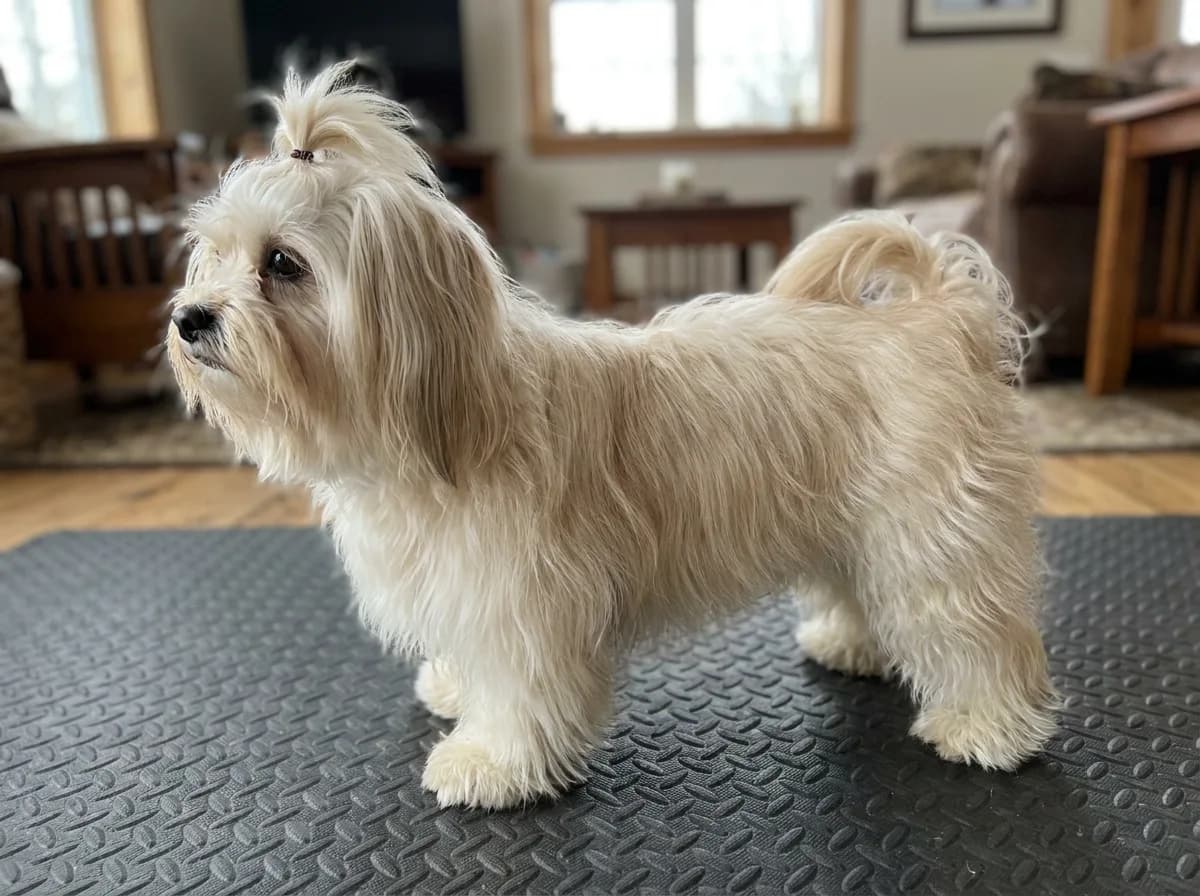
A topknot can hold longer head hair away from the eyes, but it must be fitted and maintained safely. Ask a groomer to demonstrate an appropriate approach for your dog's hair and skin. Avoid tight pulling, loose accessories the dog can swallow, or leaving a band unattended when the dog rubs or paws at it. Check the skin and comfort rather than assuming a decorative style is harmless.
Styled trims sometimes borrow names from other breeds, such as a lamb-style outline, a Schnauzer-inspired face, or Poodle-like shaping. Those names still need translation into actual lengths and contours. They do not establish ancestry, and the coat may not support the same result as the reference breed. Choose a professional who can explain how the proposed style fits the dog in front of them.
Before committing to a longer style, ask:
- Which areas will need daily attention?
- Can a comb pass through the full coat without pulling?
- How long can the dog comfortably participate in home care?
- What should change if maintenance becomes difficult?
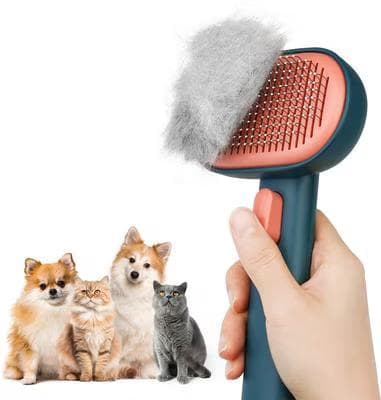
An aumuca Self Cleaning Slicker Brush may help with a suitable coat when a groomer has shown you the technique. It is not a solution for every texture or a license to brush harder. Follow with the appropriate comb and stop if you meet resistance close to the skin. A smooth-looking surface can conceal a compacted layer underneath.
Comfort takes priority over preserving length. If the dog cannot tolerate the routine, the coat repeatedly mats, or life circumstances leave too little time, request a shorter plan. A skilled groomer can explain the tradeoff without treating a practical trim as a failure. Keep the dog's experience at the center of a style decision that is otherwise mainly for the people looking at it.
Black coats, adult dogs, and male or female styles
Black Shih-Poo haircuts follow the same welfare and maintenance principles as cuts for lighter coats. Lighting can hide the outline in a photograph, so bring a clear reference and discuss the shape rather than expecting the groomer to infer it from a dark silhouette. Color does not determine which tools, handling, or length are safe for the individual.
A dual-ended toothbrush with a large and a small head to fit different mouth sizes and reach the back molars where plaque hides. Soft bristles angled for the gumline.
Petful may earn a commission when you click through to Chewy, at no extra cost to you.
Shih-Poo haircuts for males and females do not need separate style rules. A rounded face, short body, or longer ears can suit either sex. Practical needs may differ around areas the groomer assesses for hygiene, but choosing a “male” or “female” look is an owner's aesthetic preference, not a requirement. Do not let a category label displace comfort or maintenance.
For a full-grown Shih-Poo, evaluate the adult coat rather than continuing a puppy routine automatically. Texture, thickness, and the way hair lies can change with maturation. A style that worked for soft puppy hair may require a different approach later. The adult-size and growth guide explains why coat appearance and physical maturity are different observations.
If you are comparing this mix with the purebred parent, Shih-Poo vs. Shih Tzu explains why coat variation matters. A similar-looking photograph does not mean the same grooming appointment or home-care schedule will work for both dogs.
Before-and-after expectations without the guesswork
Before-and-after haircut pictures can make a trim look dramatic, especially when long facial hair is removed and the eyes and body outline become clearer. They can help you discuss a change, but they do not reveal hidden tangles, skin condition, handling tolerance, or what happened during the appointment. An attractive result is not a complete record of the process.
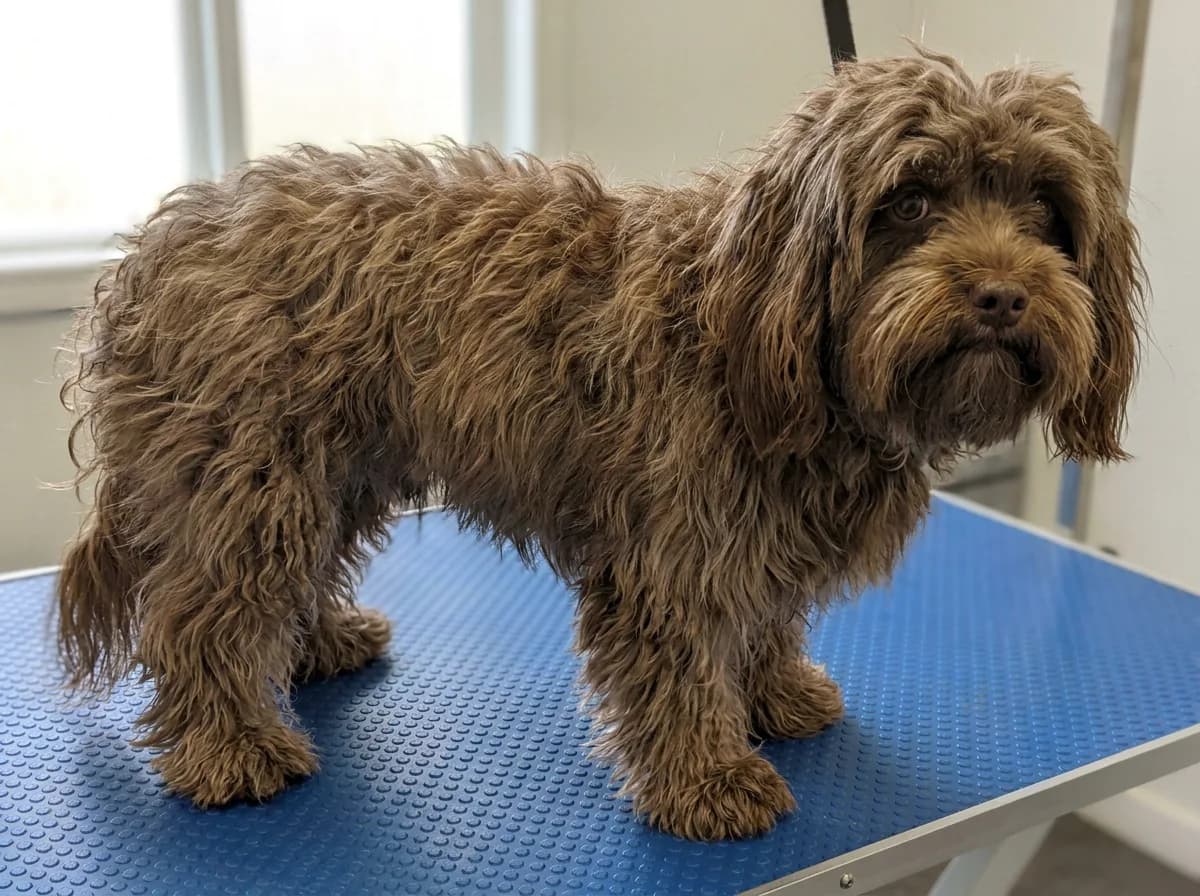
The longer-coat and shorter-clip images here are separate AI-generated illustrations. They are not a before-and-after pair of the same real dog, and they do not prove that a particular coat can safely reach the pictured result. Their purpose is to show how a different length changes the visible outline. Ask a groomer to assess the actual starting coat before agreeing on a transformation.
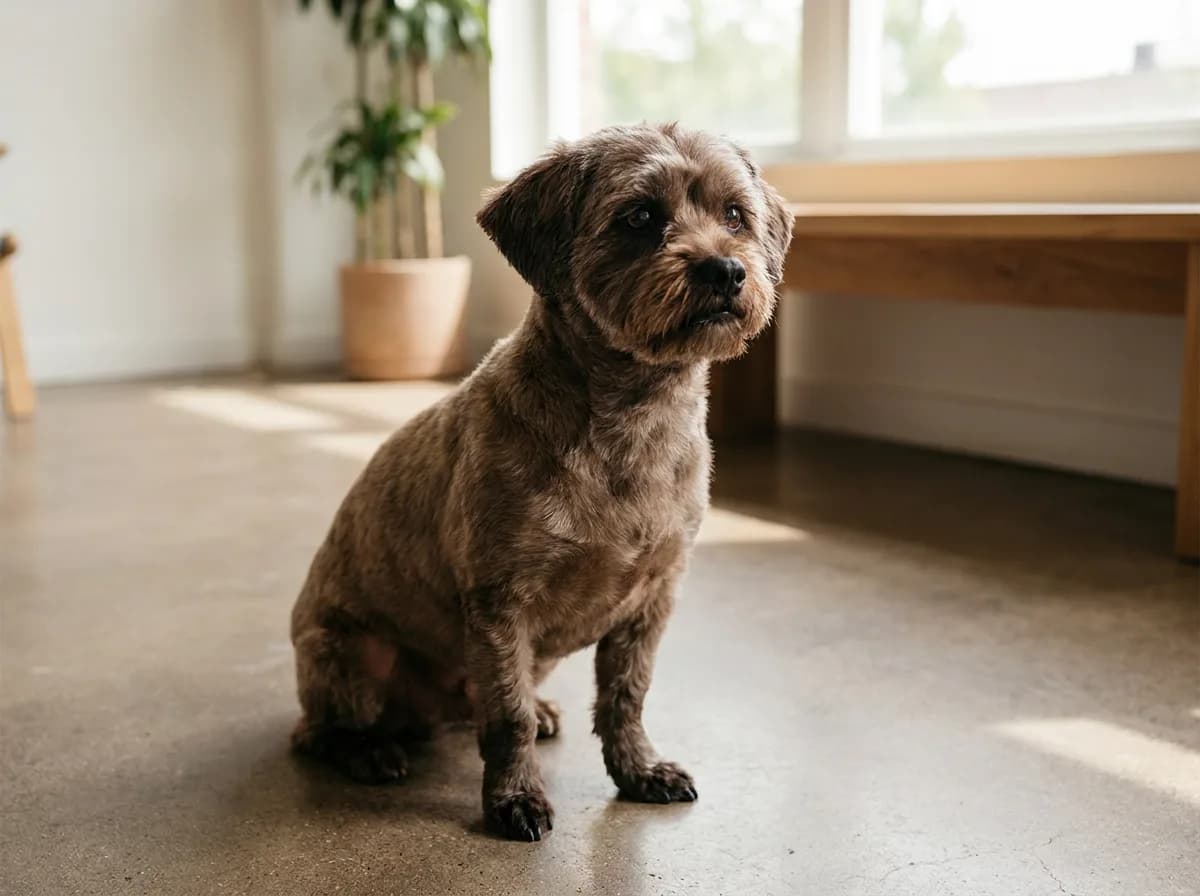
If you want a useful record of your own dog's haircut, take clear photographs on level ground in similar lighting before and after the appointment. Photograph the whole body and the face without forcing an uncomfortable pose. Note what the groomer actually did and what maintenance was advised. That record is more useful at the next appointment than a vague request for “the same as last time.”
Set expectations before work begins:
- Ask the groomer to explain any matting or skin concerns they find.
- Agree whether they should contact you before changing the planned length.
- Make clear that the dog's comfort takes priority over preserving a style.
- Ask what to monitor afterward and when to call the groomer or veterinarian.
Do not interpret every short result as an unnecessary shave. A coat may be more compacted than it appeared on the surface, and painful dematting is not automatically kinder than an appropriate professional clip. Conversely, do not assume any dramatic transformation is safe simply because it photographs well. Ask for an explanation tied to the coat and the dog's welfare.
For cost planning, use the Shih-Poo price and ownership budget guide. Appointment costs can reflect condition, time, handling needs, and services, not just whether the finished cut is called puppy or teddy bear. Understanding the starting coat helps explain the work behind the picture.
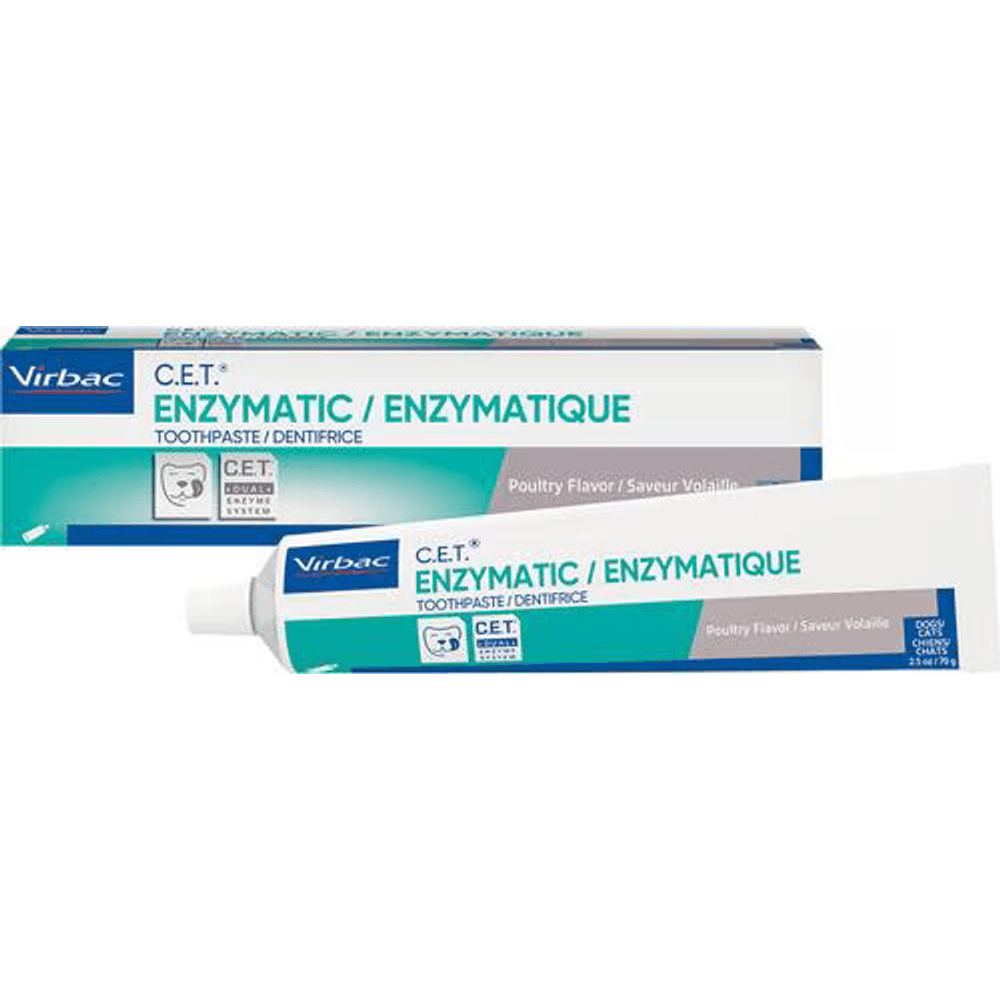
The vet-favorite enzymatic toothpaste. Its dual-enzyme system keeps working between brushings to control plaque and freshen breath, and the poultry flavor makes daily brushing easy.
Petful may earn a commission when you click through to Chewy, at no extra cost to you.
Brush, comb, and check the coat between visits
A gentle comb-to-skin check helps distinguish a genuinely maintained coat from a brushed surface. Have a groomer show you how to part the hair and check manageable sections without scraping skin or pulling. Pay attention to friction areas, including behind the ears, under equipment, and around legs, while keeping sessions short enough for the dog to remain comfortable.
Do not drag a comb through a tight knot. Stop, assess the area, and get professional help when the coat cannot be handled comfortably. Avoid cutting mats out with scissors near the skin: skin can be drawn into a mat and difficult to distinguish from hair. Painful skin, wounds, marked irritation, or a distressed dog are reasons to stop cosmetic work and seek appropriate advice.
A manageable home session can follow this sequence:
- Choose a quiet place with a stable nonslip surface.
- Let the dog become comfortable with brief handling and the tools.
- Work on a small easy section using the technique your groomer demonstrated.
- Check gently with the appropriate comb, without forcing resistance.
- Reward cooperation and finish before the dog needs to struggle to end the session.
Shih-Poo shedding and coat care are related but different. A dog may leave little hair on furniture while retaining loose hair and tangles in the coat. Brushing is not simply a way to keep the sofa clean. It is also an opportunity to notice debris, skin changes, uncomfortable handling, or areas needing professional attention. A sudden major change in shedding or skin condition deserves a veterinary conversation.
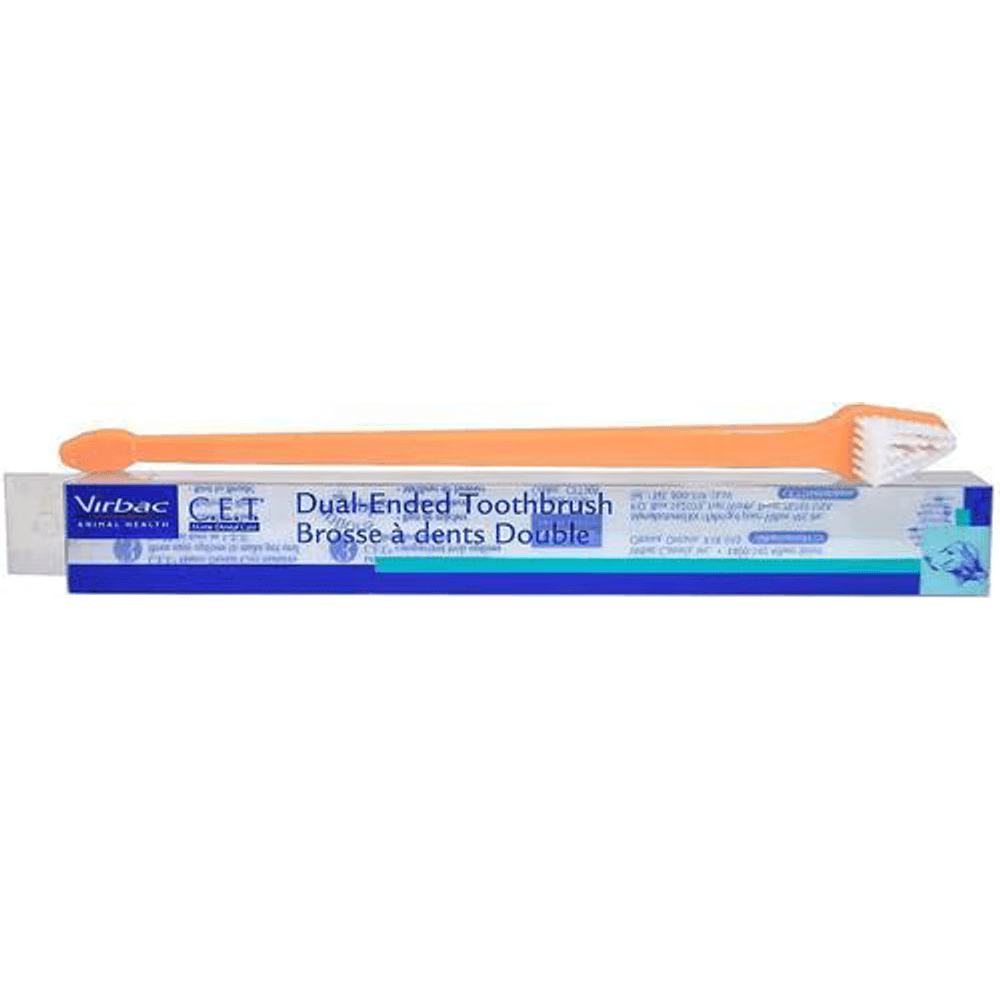
You can also practice other cooperative care separately from brushing. A Virbac C.E.T. Dual-Ended Toothbrush offers different head sizes, and Virbac C.E.T. Poultry Toothpaste is intended for pets. Introduce mouth handling in small steps and seek help for discomfort. Do not combine a difficult haircut session with forceful tooth brushing simply to complete a checklist.
After care, supervised searching on a Pet Parents Forager Snuffle Mat can be an ordinary enrichment activity for a dog who does not chew fabric. Keep it separate from any claim that a toy treats grooming fear. If handling repeatedly causes distress, ask for a cooperative-care plan rather than escalating restraint.
Bathing and the grooming schedule
The best shampoo for a Shih-Poo is one appropriate for its skin and coat; a veterinary prescription takes priority over a general grooming preference. Shih-Poo grooming also includes thorough rinsing and a drying method the dog can tolerate safely.
There is no single bathing or haircut interval that suits every Shih-Poo. Coat length, texture, activities, skin condition, and the home routine all affect the schedule. Ask the groomer what interval keeps the chosen style comfortable, then reassess if tangles develop before the next appointment. A schedule that repeatedly ends in severe mats needs adjusting.
Prepare for a comfortable bath
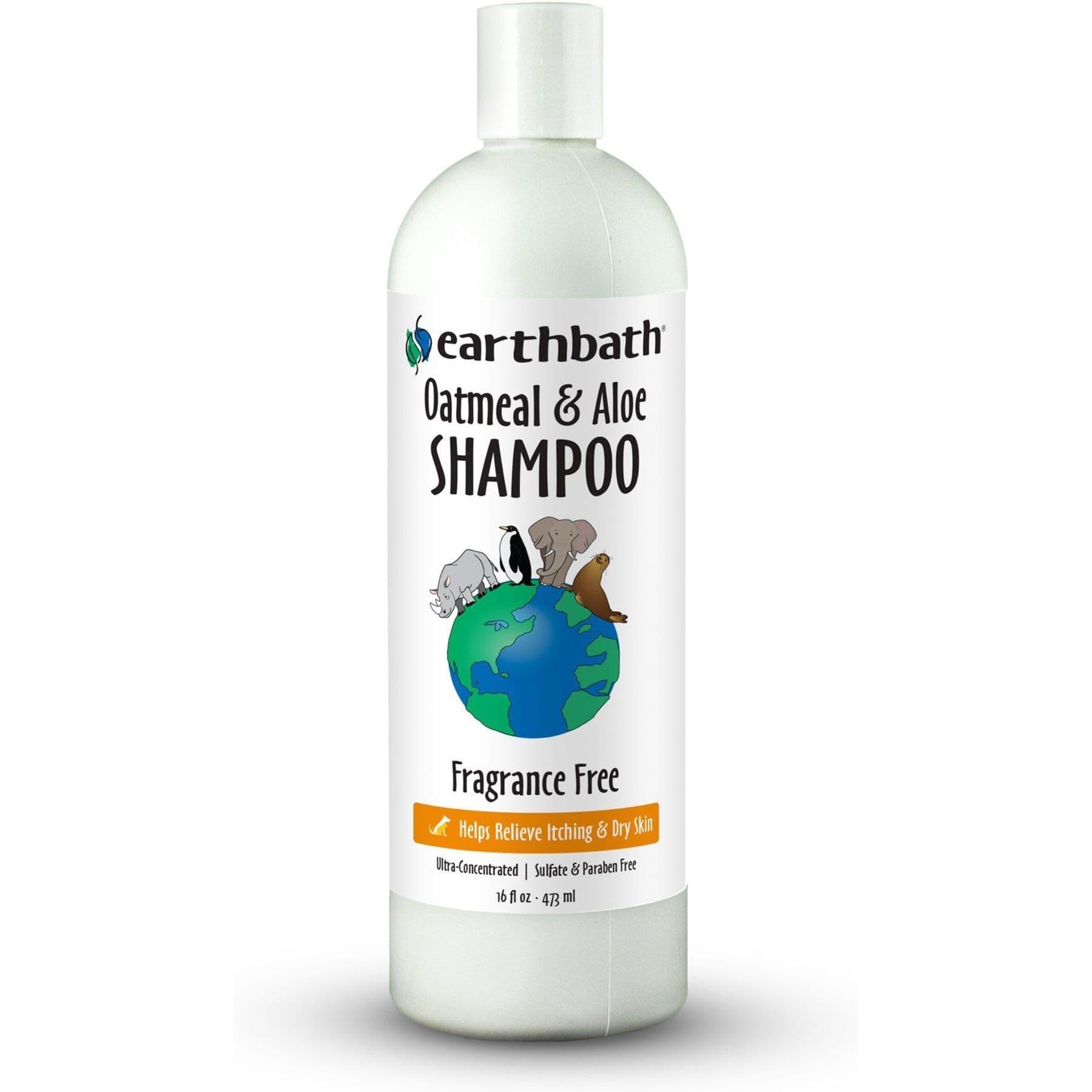
For routine bathing, use a dog-labeled product appropriate for the individual and follow directions. Earthbath Oatmeal & Aloe Fragrance Free Shampoo is one available option when a veterinarian has not recommended something different. Its name does not diagnose itching or replace treatment. Persistent scratching, odor, sores, or recurrent irritation deserve assessment instead of repeated shampoo experiments.
Preparation and drying matter:
- Discuss tangles before bathing; do not assume water will make a matted coat easier to manage.
- Keep water and product away from eyes and avoid directing water into ear canals.
- Rinse thoroughly and dry in a way the dog tolerates safely.
- Never leave a dog unattended with drying equipment or improvise unsafe heat.
WebVet's guide to using dog clippers explains why coat preparation, a dry coat, conservative technique, and attention to blade temperature matter. It also identifies circumstances that should go to a professional. Reading instructions does not make close work around eyes, delicate skin, or severe mats an appropriate first project.
If your dog has a skin or medical condition, follow the veterinarian's bathing instructions rather than an ordinary cosmetic schedule. Tell the groomer about medications, painful areas, and relevant handling restrictions. The Shih-Poo lifespan and health guide explains why changes in comfort and routine deserve attention as a dog ages. A haircut plan can be adjusted without abandoning the goal of a comfortable, clean coat.
Book the next appointment while the current coat is in good condition, not only after you notice a problem. Ask what early signs mean the interval is too long. Consistent maintenance is usually easier to plan around than repeated urgent attempts to correct a coat that has become uncomfortable.
A clear brief to take to your groomer
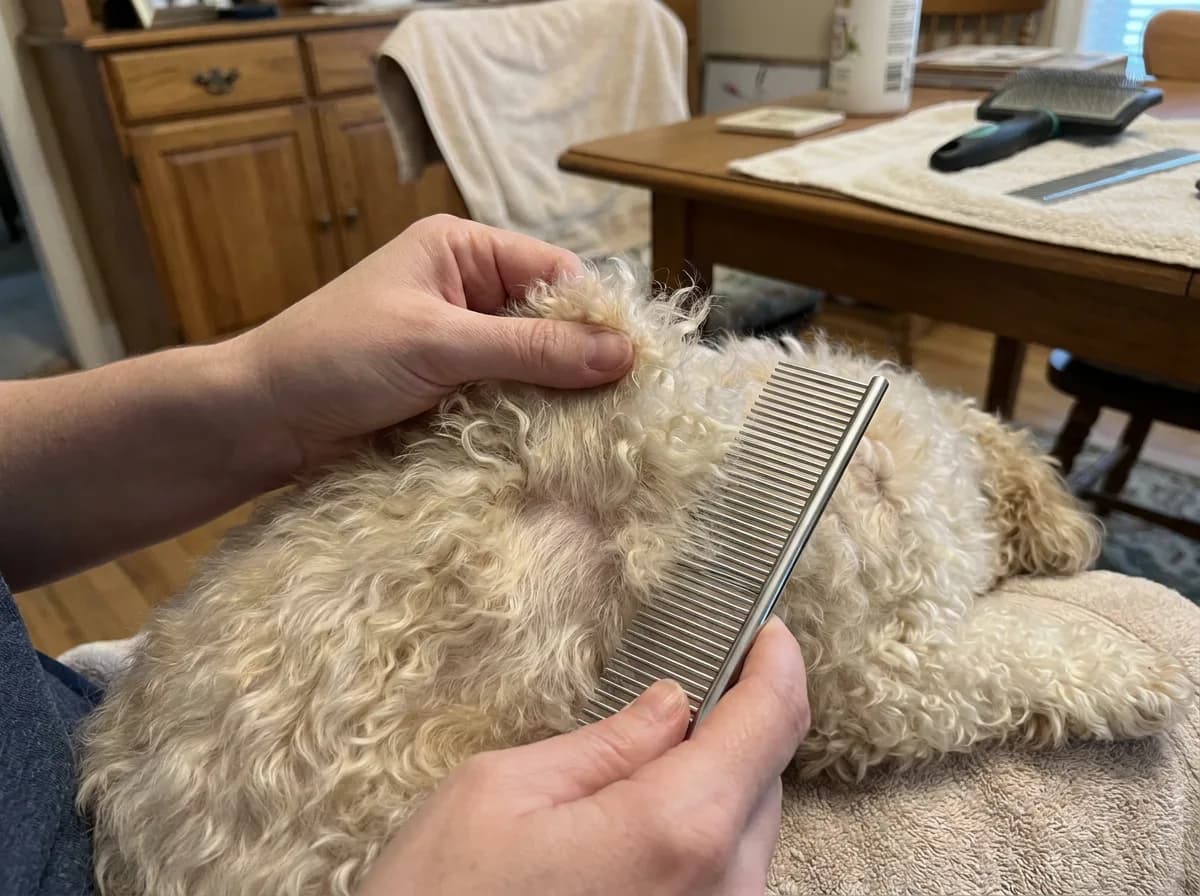
A clear groomer brief states what you want and what the dog needs. Describe the current coat, the amount of home maintenance you can provide, and any handling or health concerns. Bring reference images as conversation tools, then ask the groomer to translate them into lengths and practical details for this individual.
Include a comb-to-skin check in the discussion. Ask whether your current home technique reaches through the coat, which areas you are missing, and what tool or handling change would help. Demonstrating a small section with the groomer can reveal more than buying another brush online. If the dog finds the process difficult, ask for a shorter, achievable routine.
| Groomer brief item | What to agree on | Home follow-through |
|---|---|---|
| Body and legs | Actual finished length and whether they match | Brush and comb as demonstrated |
| Face and ears | Eye visibility, ear length, and mouth-area upkeep | Check comfort and remove ordinary residue gently |
| Coat condition | What happens if mats or skin concerns are found | Use a gentle comb-to-skin check and seek help early |
| Handling | Tolerance, breaks, and limits | Practice brief cooperative care separately |
| Schedule | Next appointment and reasons to return sooner | Adjust before tangles become severe |
Before leaving, ask for the terms the groomer used and record the details you would want repeated. A few notes about length, face, ears, and maintenance make the next appointment clearer. Also record anything you would change, such as a style that looked appealing but required more work than expected. This turns the haircut into an ongoing care plan rather than a series of guesses.
There is no need to preserve a style forever. A puppy's developing coat, an adult's activities, an older dog's comfort, or a change in your schedule can all justify a new plan. The best result is a coat the dog can live in comfortably and you can maintain reliably. The Shih-Poo vs. Maltipoo comparison uses the same practical principle when comparing two similar-looking mixes: evaluate the actual coat and care commitment, not the label alone.
Questions owners ask
The best haircut for your Shih-Poo suits its coat, handling tolerance, and the maintenance you can provide. A practical shorter body with a tidy face is worth discussing, but it is not a universal prescription. Ask the groomer to show the proposed length and explain how to maintain it; a style name alone does not provide those details.
A Shih Poo should be groomed according to its coat texture and handling tolerance. Use a coat-specific plan that combines gentle brushing and comb checks, appropriate bathing, and professional trimming when needed. Learn the technique on your individual dog rather than copying a video without assessment. Stop for pain, tight mats, irritated skin, or distress. A groomer can help choose tools and a manageable schedule, while medical concerns need veterinary advice.
Before cutting your Shih-Poo's hair at home, ask a groomer which tasks are safe for your experience and the dog's coat and tolerance. Do not begin with tight mats, delicate face work, or a distressed dog. If you are taught a simple home clip, use the equipment as directed, prepare the coat appropriately, monitor comfort and blade temperature, and stop whenever safety is uncertain.
Good short haircuts for Shih Poo dogs start with a practical length agreed with the groomer. A short even puppy-style body clip, a practical kennel-style trim, or a shorter body paired with a soft rounded face may be worth discussing. Those names vary between groomers, so agree on actual length and details. The individual coat, skin, and handling needs determine suitability. A short style still needs checks around the face, ears, feet, and equipment contact areas.
On a Shih Tzu, teddy bear commonly describes a rounded, soft-looking face on a pet trim, without one standardized length. A Shih-Poo can borrow that visual idea, but a different coat may produce a different result. Agree on the face, ears, and body separately, with clear eyes and manageable upkeep.
How often a Shih Poo should be groomed depends on its coat length, condition, and maintenance between visits. Agree on an interval with the groomer after assessing the individual coat, desired length, and home maintenance. If tangles or discomfort develop before the next visit, the schedule or style needs changing. Do not wait for a coat to become severely matted simply because an online timetable says the appointment is not due. The right interval is the one that keeps the dog comfortable and the coat manageable.
Ask the groomer how bathing fits your dog's coat, activities, and style, and follow any veterinary skin-care instructions. Use an appropriate dog-labeled product, rinse thoroughly, and dry safely. Persistent odor, itching, or irritated skin warrants assessment rather than increasingly frequent baths.

Coreen Saito is a pet writer and longtime shelter volunteer with more than a decade in animal rescue. She covers cat behavior, breed care, and the small, ordinary science of sharing a life with companion animals, with a particular focus on honest takes about the products and decisions that actually matter. At home in Arizona, she's outranked by Mac (a dog with the loudest opinion in the house), Rebel (a cat who governs by quiet authority), and Meri (an orange tabby who runs the late shift and the laundry basket). She writes about all three, plus the rescues that keep coming through her life, at LifeWithMinty.com.
Sign up for expert-backed reviews and safety alerts all in one place.