Shih-Poo Lifespan: Health Risks and Lifelong Care
Shih-Poo lifespan ranges cannot predict an individual dog's future. Learn how to interpret health claims, keep useful observations, and plan veterinary care and daily support throughout life.

BVMS, MRCVS

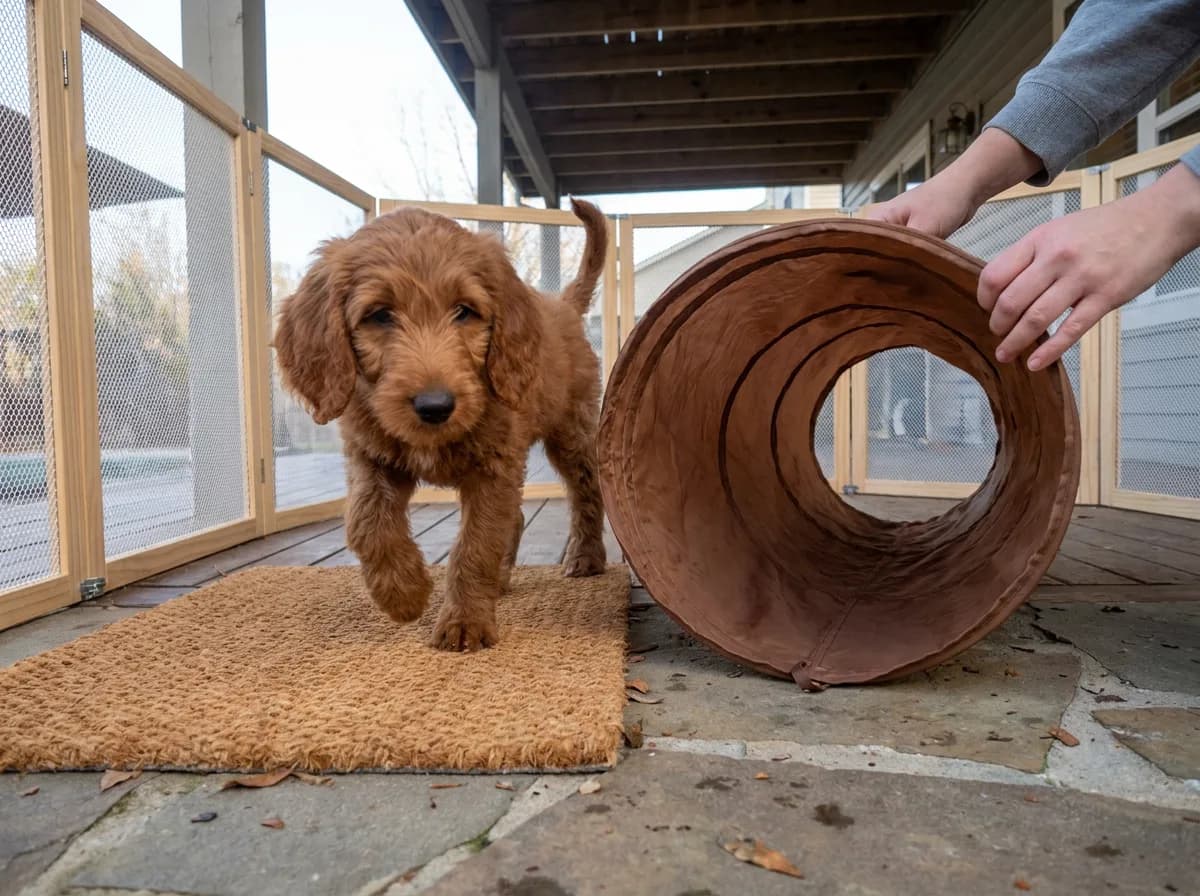
Illustrative photograph; appearance does not verify ancestry or predict an individual dog’s traits.
Petful is reader supported. As an affiliate of platforms like Amazon and Chewy, we may earn a commission when you buy through links on this page. There is no extra cost to you.
PetMD's Shih-Poo profile gives a broad lifespan estimate of 10–18 years. Use that as a guide to the long commitment involved, not as a prediction for your dog or a measured average from a representative Shih-Poo population.
Shih-Poo lifespan depends on the individual dog's parents, medical history, care, and circumstances. Keep a baseline record and a veterinary visit checklist so you can notice changes in your own dog's comfort and function, rather than judging its health by whether its age falls inside a published range.

Sign up for expert-backed reviews and safety alerts all in one place.
What does the Shih-Poo lifespan estimate mean?
- 1A lifespan range cannot predict an individual dog's outcome.
- 2Keep a baseline record of weight, appetite, mobility, breathing, and daily behavior.
- 3Use a veterinary visit checklist to review prevention, oral care, inherited risks, and changes as the dog ages.
Different websites publish different ranges because the mix is variable and the underlying evidence is often limited. Some descriptions draw on parent-breed expectations or general small-dog experience. A precise number can sound reassuring while hiding those limits. Ask what a lifespan figure is based on before using it to compare sellers, insurance, or two individual dogs. A published lifespan range is not a verified record of the oldest Shih-Poo. To assess a longevity anecdote, look for dated birth or veterinary records rather than treating the claimed age as established.
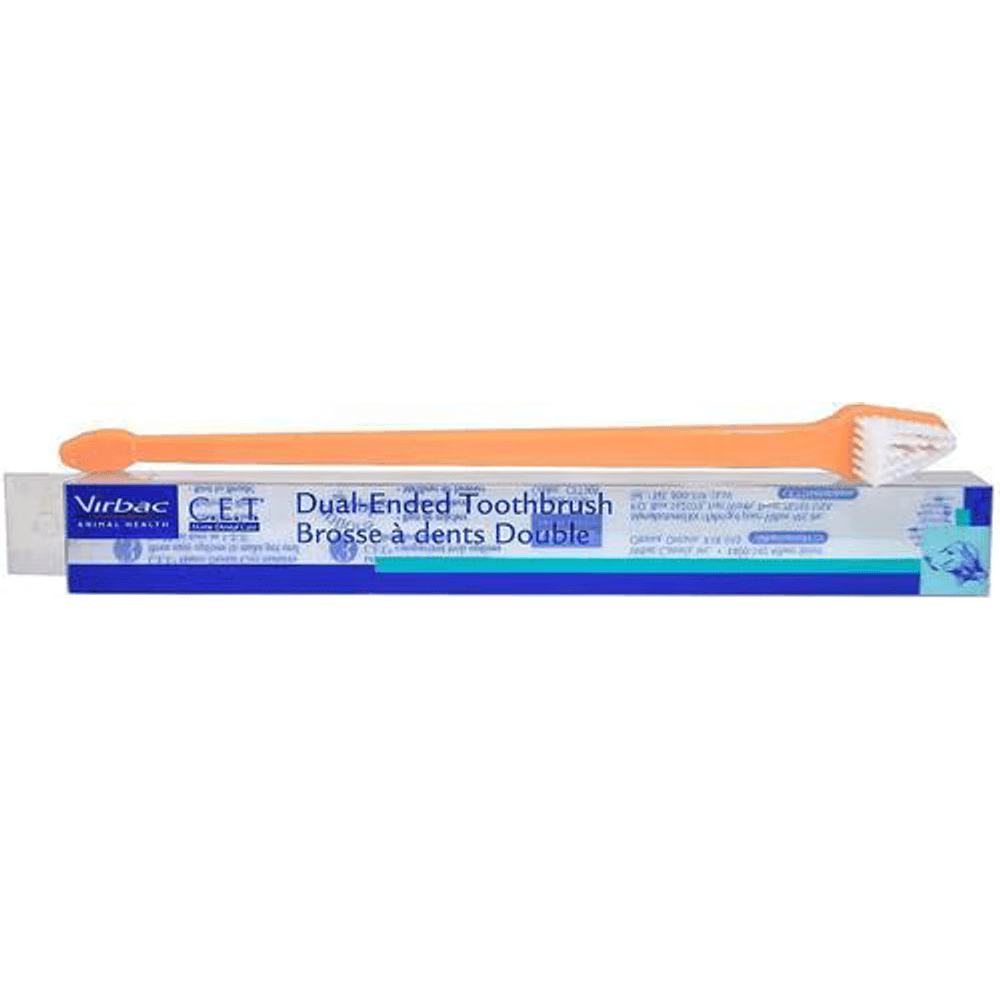
A dual-ended toothbrush with a large and a small head to fit different mouth sizes and reach the back molars where plaque hides. Soft bristles angled for the gumline.
Petful may earn a commission when you click through to Chewy, at no extra cost to you.
Separate three ideas when planning care:
- A published range describes a broad expectation in a guide, with uncertain applicability to your dog.
- A clinical prognosis concerns a particular condition in a particular patient and belongs in a veterinary discussion.
- Quality of life includes comfort, function, and enjoyment, not simply reaching the largest possible age.
There is useful action despite that uncertainty. Arrange an initial record review, keep preventive care current, address discomfort, and notice changes early. None guarantees a particular lifespan. Their value is that they support the dog's health and allow problems to be assessed, rather than leaving you to interpret every change through a breed label.
For a prospective owner, the Shih-Poo breed guide also covers household fit and the everyday commitment. The right decision includes who will care for the dog through work changes, travel, and aging, not just whether puppyhood fits the present schedule.
 Sponsored
Have a health question about your dog?
Talk to a licensed vet at Dutch over video or message, including nights and weekends.
Use code Pets60
Plans start at $12/month · covers up to 5 pets
- Licensed vets in most states
- Rx for 150+ conditions
- 4.7 on Trustpilot
Male and female life expectancy: what we can say
There is not a well-established Shih-Poo-specific lifespan rule that lets you predict an individual outcome from male or female sex alone. A claim that every female will outlive every male, or that one sex offers a set number of extra years, is not justified by the mixed-breed label. Even population-level differences would not determine what happens to one dog.
Discuss reproductive health and the timing of any procedure with your veterinarian based on the individual. The relevant conversation includes the dog's age, health, lifestyle, and medical history. It should not be reduced to a seller's promise that choosing one sex is the simplest way to secure a longer life.
- For an individual puppy, ask about the parents' documented health screening and the puppy's care history. Neither sex, small size, nor mixed ancestry guarantees freedom from disease or a specific lifespan.
Likewise, “teacup” is not evidence of better longevity. Adult size claims need to be assessed separately from health claims, and a puppy should never be underfed to preserve an advertised tiny size. The Shih-Poo full-grown guide explains how to use parent information and growth measurements without treating them as a guarantee.
If you already have a male or female Shih-Poo, the practical next step is the same: collect the available records and create a care plan with your veterinary team. Focus on the dog you can observe and support. Comparing it with an unusually old dog in a social-media story offers little information about what today's symptom or preventive-care decision means.
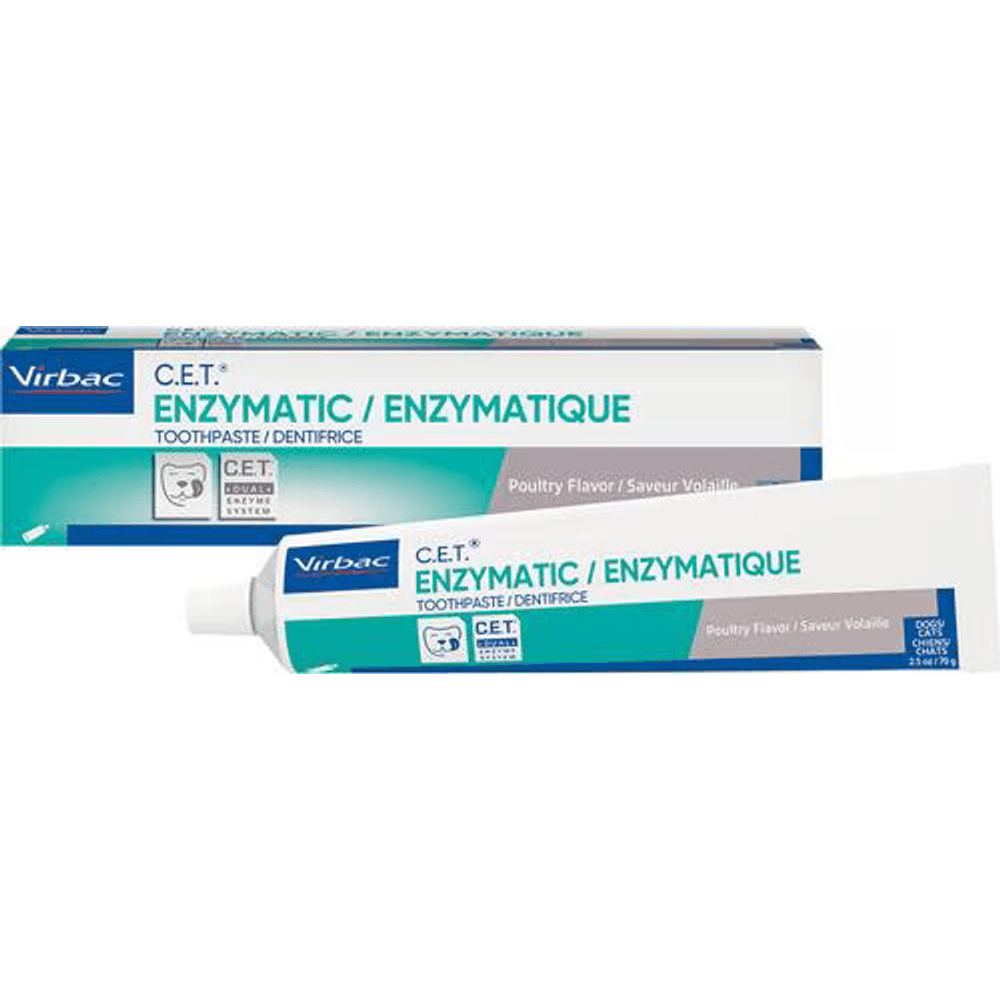
The vet-favorite enzymatic toothpaste. Its dual-enzyme system keeps working between brushings to control plaque and freshen breath, and the poultry flavor makes daily brushing easy.
Petful may earn a commission when you click through to Chewy, at no extra cost to you.
Inherited health risks are not a diagnosis
A Shih-Poo can inherit health problems associated with its Shih Tzu or Poodle family. Mixed ancestry does not automatically erase disease risk, and a list of possible conditions does not mean your dog has or will develop all of them. Ask which concerns apply to the actual parents, what screening was performed, and how the results should be interpreted.
Examples discussed in veterinary breed guidance include kneecap problems, eye conditions, dental disease, and other inherited disorders. A screening panel has limits: it evaluates the conditions it tests for, and results must be connected to the correct parents. A puppy's normal examination is valuable but answers a different question from parental genetic or orthopedic screening.
Use a specific record conversation:
- Ask for the names or identifiers of both parents and copies of their results.
- Ask which conditions were evaluated and whether results need specialist interpretation.
- Ask what health information is available for related adult dogs.
- Ask which concerns cannot be ruled out by the available tests.
For example, ACVS explains patellar luxation as displacement of the kneecap, with assessment and treatment depending on the patient. A skipping gait can be a reason to seek evaluation, but you should not diagnose the condition or determine its severity from a video. Keep a recording of what you see and let the veterinarian examine the dog.
Eyes and breathing also deserve attention to the individual. A dog with a shorter muzzle or prominent eyes may need different practical precautions from a longer-muzzled relative. Persistent eye redness, squinting, discharge, noisy breathing at rest, or poor exercise tolerance should not be dismissed as normal for a cute face. A veterinarian can distinguish a routine care issue from a condition requiring treatment.
The goal is not to avoid every dog with uncertainty. All dogs have uncertainty. It is to obtain honest information, avoid false assurances, and have a plan for recognizing and addressing problems. The Shih-Poo vs. Shih Tzu comparison explains why neither purebred status nor being a cross is a blanket health guarantee.
Daily habits that support long-term health
Daily care should support comfort and appropriate body condition, while leaving medical decisions to the veterinary team. Feed a complete and balanced diet suited to the dog's life stage and health, measure portions consistently, and account for treats. Changes in intake or weight are more informative when you know what the dog has actually been eating.
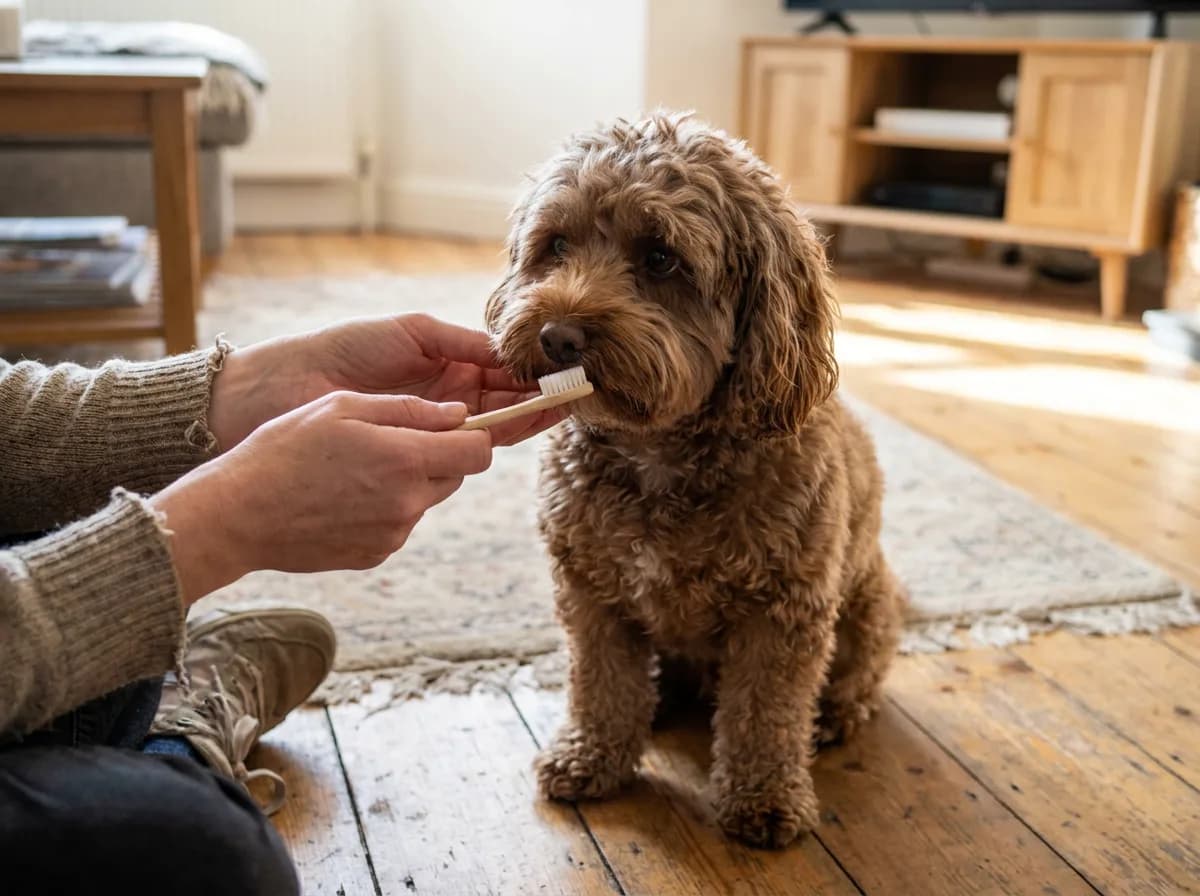
Oral care is particularly worth making manageable. AAHA's oral-health guidance emphasizes regular discussion and assessment rather than waiting until a problem is advanced. Ask the clinic to demonstrate home care your dog can tolerate and explain when professional dental assessment is needed. A dog who resists because its mouth is painful needs that pain assessed, not stronger restraint.
A Virbac C.E.T. Dual-Ended Toothbrush and Virbac C.E.T. Poultry Toothpaste are examples of pet-compatible tools. Choose a comfortable brush head and introduce the process in small steps. These products do not prove a longer lifespan and do not replace veterinary treatment. Reward calm handling and stop if the dog shows discomfort.
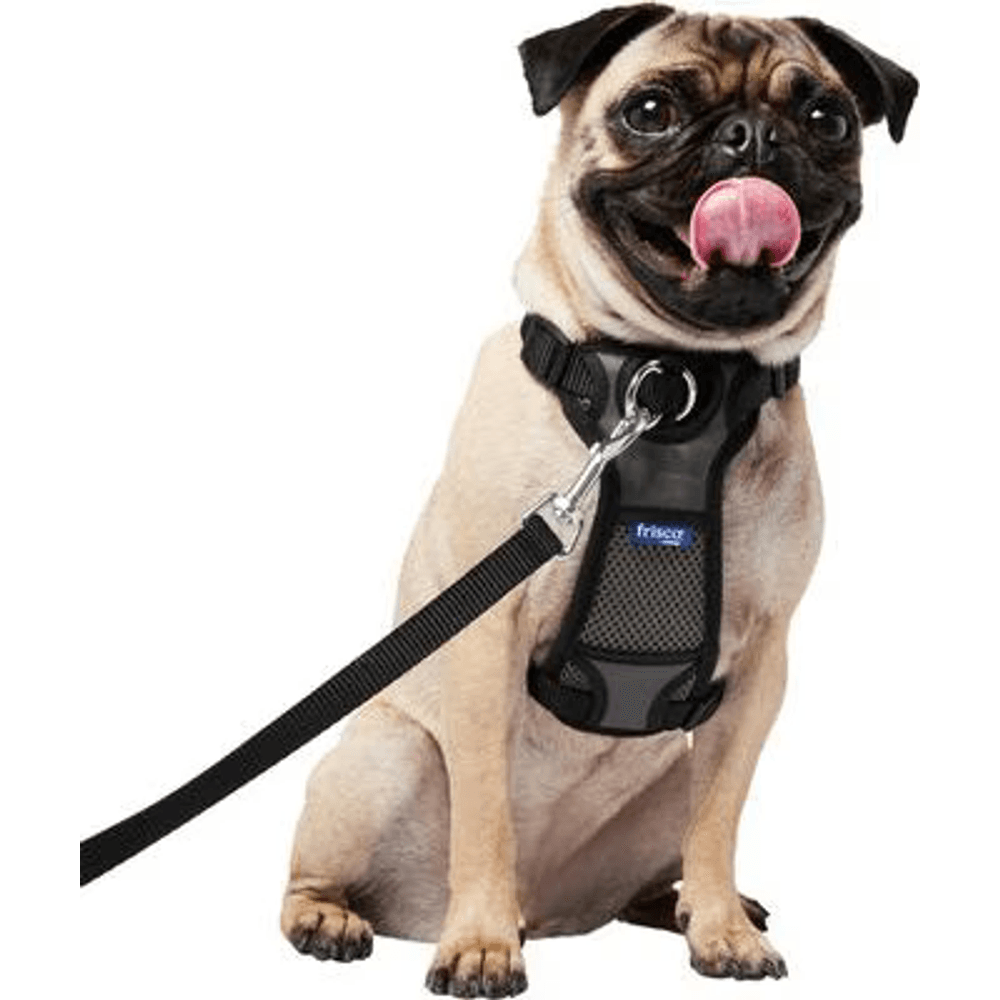
A budget-friendly padded no-pull harness that keeps leash pressure off a coughing dog's neck and windpipe by distributing it across the chest. A simple, affordable way to protect an irritated airway or a collapsing trachea on every walk.
Petful may earn a commission when you click through to Chewy, at no extra cost to you.
Make the rest of the routine equally individual:
- Offer comfortable exercise suited to fitness, weather, and breathing.
- Keep nails and coat manageable so ordinary movement and handling remain comfortable.
- Arrange appropriate parasite prevention with the veterinary team.
- Provide predictable rest and social contact, and address persistent distress.
For walks, measure before choosing a Frisco Padded No Pull Harness in Small. Fit and comfort matter more than the size name. Carry water using a suitable container such as the Frisco Small Collapsible Travel Bowl. A Pet Parents Forager Snuffle Mat can provide supervised food searching for a dog who does not chew fabric; it is enrichment, not treatment for anxiety or cognitive change.
 Sponsored
Vet care that's always there
Unlimited video calls and messaging with licensed vets for less than a typical vet visit. One membership covers up to five pets.
Use code Pets60
Plans start at $12/month · covers up to 5 pets
- Licensed vets in most states
- Rx for 150+ conditions
- 4.7 on Trustpilot
Make veterinary visits more useful
A veterinary visit checklist helps turn a vague concern into useful observations. Bring records from the breeder, rescue, or previous clinic, current medications and supplements, the food name and amount, and any recent measurements. If something happens only at home, a short video or a dated description may be more helpful than trying to reproduce it in the clinic.
Ask about the care that applies now:
- What does the examination show about weight, body condition, mouth, eyes, skin, and movement?
- Which preventive-care decisions depend on lifestyle and local exposure?
- Are there inherited or structural concerns that deserve monitoring or further assessment?
- Which changes should prompt an earlier visit, and which require urgent care?
- When should the next review happen for this individual dog?
The AAHA life-stage checklists illustrate why nutrition, behavior, preventive care, and dental needs are revisited as a dog develops. A care plan is not one list completed at puppy pickup. It changes with the patient, exposure, and findings.
Mention products and home-care difficulties honestly. If you cannot brush the teeth, maintain a longer coat, or give a medication safely, say so. The team can help you find a workable approach. An impressive plan that cannot be carried out is less useful than a realistic routine with follow-up. Cost is also a legitimate part of the discussion; ask about priorities and options before deciding what is possible.
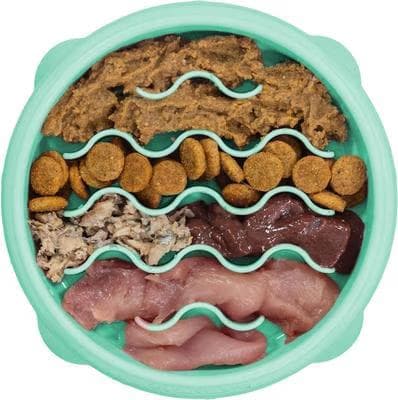
Petful may earn a commission when you click through to Chewy, at no extra cost to you.
Routine grooming supports observation but does not replace diagnosis. A suitable coat may be maintained with an aumuca Self Cleaning Slicker Brush after a groomer shows gentle technique. A dog-labeled product such as Earthbath Fragrance Free Shampoo should follow label directions and any veterinary advice. Persistent itching, wounds, or painful skin need assessment rather than repeated product changes.
Changes to watch as your dog grows older
An older or senior Shih-Poo should be assessed as an individual, not treated as ill simply because it has reached a particular birthday. At the same time, do not dismiss new limitations as inevitable aging. Changes in mobility, appetite, sleep, toileting, interaction, or comfort can have causes worth evaluating and may respond to an adjusted care plan.
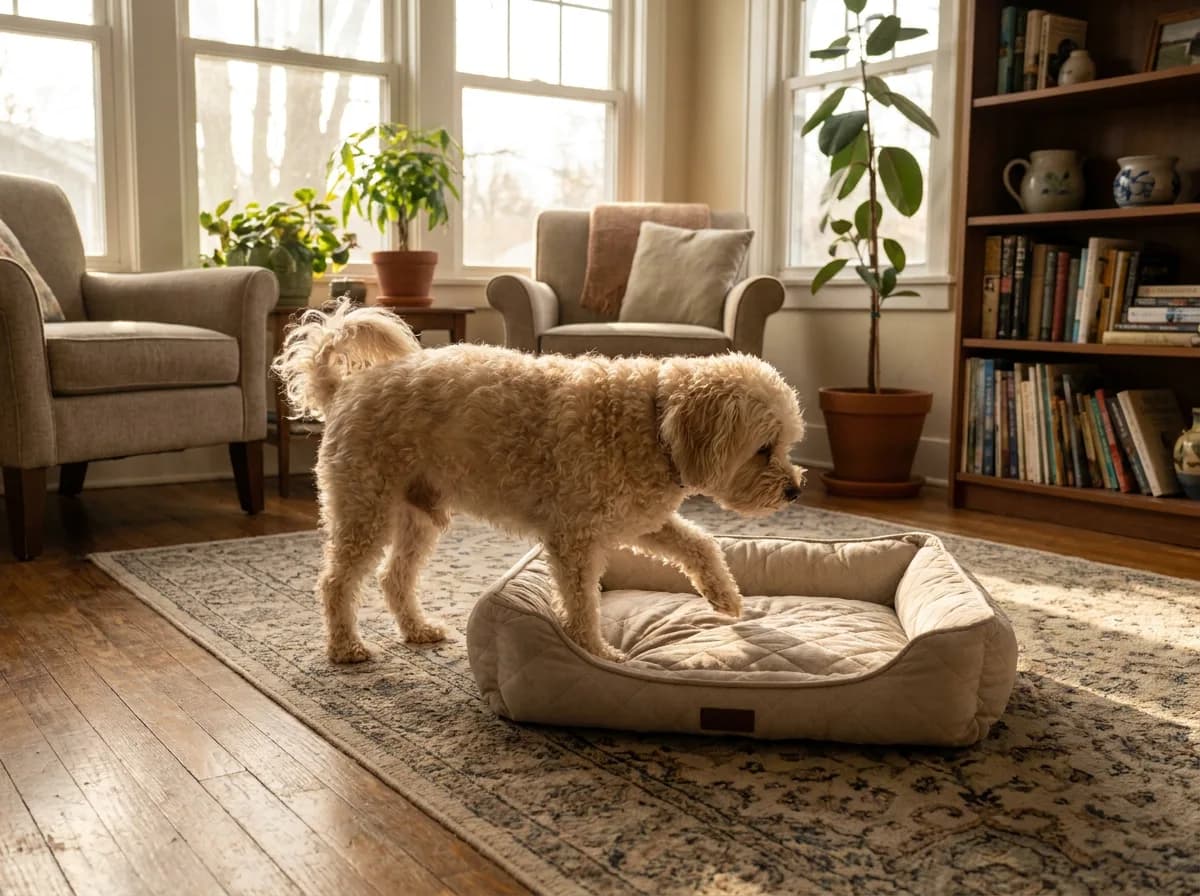
A baseline record makes those changes easier to describe. Note what a normal walk looks like, how easily the dog gets up, whether it uses stairs, how it eats, and how it responds to familiar routines. Record what changed and when. Avoid vague labels such as “just slowing down” when you can describe a concrete event, such as hesitating on a step it previously used comfortably.
Useful observations include:
- A persistent change in drinking, appetite, or weight.
- Difficulty rising, limping, or reluctance to do familiar activities.
- New accidents, confusion, restlessness, or altered sleep patterns.
- Changes in breathing, vision-related behavior, or response to sound.
- Reduced interest in contact, play, or ordinary meals.
Make the environment easier while arranging advice. Nonslip flooring, reachable water, a low comfortable bed, and a predictable routine may help. Do not start human pain medicines or assume a supplement is harmless. Treatment depends on the cause and the dog's other medical needs.
If eating speed or access is a practical issue in an otherwise comfortable dog, consider the bowl shape individually. The Outward Hound Mint 0.75-cup Slow Feeder is not suitable simply because a dog is small; an older dog must still reach the food without frustration or discomfort. A new eating problem should be assessed before you try to solve it with equipment.
Describe the change, not just the age
An older dog who stops jumping onto a familiar chair may be showing pain, a change in vision, reduced confidence, or something else that needs assessment. Calling the behavior “just old age” loses useful information. Prevent risky jumps while you arrange advice, and explain what changed rather than attempting to identify the cause from an online description. Do not give human pain medicine or use another pet's prescription.
Note when the change began, whether it happens consistently, and what else is different. Is the dog reluctant to climb only at night, slower on every walk, or uncomfortable when handled? A short video of naturally occurring behavior may help the veterinary team, but do not repeatedly provoke a difficult movement to obtain one. The aim is a clear history, not a home stress test.
For a senior Shih-Poo, useful follow-up questions include:
- Which familiar activities does the dog still enjoy comfortably?
- Which ordinary tasks have become difficult, and how quickly did that happen?
- What home adjustments are appropriate while the problem is assessed?
- How will we judge whether the agreed care plan is helping?
Keep those questions attached to observable function. Better comfort getting out of bed, easier eating, or renewed interest in an ordinary walk can be more meaningful than expecting a senior dog to behave like a puppy. Ask when to report a lack of improvement or a new symptom, and keep the next review date visible with the care instructions.
If you are comparing mixes before choosing a dog, Shih-Poo vs. Maltipoo explains the individual records and care needs to compare. Neither cross should be chosen on a promise that its name guarantees more years. An adult dog's known history can inform a decision, while a young puppy still has substantial uncertainty ahead.
Plan for lifelong care, not a promised age
A long-term plan combines the baseline record, veterinary visit checklist, practical home routine, and financial preparation. It should be flexible enough to respond to the individual rather than assuming every year will resemble puppyhood. Ask who can help with appointments, medication, grooming, and care during travel if circumstances change.
| Baseline record area | Useful observation | Veterinary visit checklist question |
|---|---|---|
| Weight and intake | Dated weight and usual food amount | Is body condition or the diet plan changing? |
| Mobility | Getting up, walking, and familiar steps | Does this change need examination or support? |
| Mouth and meals | Chewing comfort and handling tolerance | Is dental assessment needed? |
| Daily behavior | Sleep, interaction, and toileting | Could this change reflect a treatable problem? |
The Shih-Poo price and care-budget guide helps separate recurring expenses from unexpected needs. For practical coat maintenance, WebVet's safe dog-clipper guide explains why painful skin, tight mats, or panic are stopping points. A maintainable haircut and cooperative care routine can make observation easier without making a medical claim about lifespan.
Trouble breathing, collapse, severe pain, or a rapid deterioration require urgent veterinary attention. For less dramatic but persistent changes, contact your clinic and explain the observations. Supporting a good life means responding to comfort and function as well as hoping for many years together.
Questions owners ask
Yes, Shih-Poos can have health problems. A Shih-Poo may inherit risks from either parent family and can also develop conditions unrelated to ancestry. The mix's name does not diagnose a problem or prove protection from disease. Review the dog's records and the parents' available screening with a veterinarian, and arrange assessment when you notice a meaningful change.
AAHA describes a dog’s senior stage as roughly the final quarter of its estimated lifespan. That is a general framework, not a fixed Shih-Poo birthday. Discuss life stage with your veterinarian using age, health, function, and medical history; a single birthday does not capture every dog's aging. Ask whether monitoring or care should change now. Records of weight, mobility, sleep, and appetite help that conversation reflect what your dog needs rather than a label alone.
No. A genetic test addresses only the variants it includes and must be interpreted for the actual parents or puppy. It does not exclude every inherited disorder, structural problem, infection, or later illness. Ask what was tested, see the results, and discuss what they establish with a veterinarian.
Yes. A dog may live beyond a published guide range, while another may die earlier. Neither the range nor an exceptional longevity story predicts your dog's outcome. Continue to assess comfort, function, and medical needs with your veterinarian, whether the dog's age is inside or outside a website's estimate.
BVMS, MRCVS
Dr. Pippa Elliott, BVMS, MRCVS, is a veterinarian with nearly 30 years of experience in companion animal practice. Dr. Elliott earned her Bachelor of Veterinary Medicine and Surgery from the University of Glasgow. She was also designated a Member of the Royal College of Veterinary Surgeons. Married with 2 grown-up kids, Dr. Elliott has a naughty Puggle named Poggle, 3 cats and a bearded dragon.
Sign up for expert-backed reviews and safety alerts all in one place.