Puggle: Temperament, Care, and Family Fit
A Puggle combines Pug and Beagle ancestry, but individual needs vary. Explore family fit, training, grooming and costs, with practical ways to prepare for life with this affectionate mix.

BVMS, MRCVS

Tan Puggle with floppy ears and a moderate muzzle outdoors.
Petful is reader supported. As an affiliate of platforms like Amazon and Chewy, we may earn a commission when you buy through links on this page. There is no extra cost to you.
A Puggle is a Pug Beagle mix: usually a sturdy, affectionate dog with floppy ears, a short coat and a strong interest in whatever smells interesting. The appeal is easy to understand. The practical question is whether your household can provide companionship, patient training and secure daily exercise for a dog whose traits are not completely predictable.
Some Puggles lean toward the Pug’s companion-dog habits; others bring more of the Beagle’s vocal, scent-following energy. A household that enjoys sniffing walks, short training sessions and close companionship may be a good fit. Someone who needs a reliably silent dog or expects long days alone to be effortless should assess that match carefully. Meeting the individual dog tells you more than assuming the cross always produces a particular personality.

Sign up for expert-backed reviews and safety alerts all in one place.
What is a Puggle?
Dog mix or Australian animal?
In Australia, “puggle” also names a baby echidna or platypus. Those animals are unrelated to this dog mix. Here, Puggle refers to Pug–Beagle ancestry, with no single breed standard that fixes every adult’s appearance.
- 1A Puggle has Pug and Beagle ancestry, but no single appearance or temperament is guaranteed.
- 2Plan for daily walks, scent-based enrichment, reward-based training and regular company.
- 3Choose equipment and portions for the individual dog rather than the breed label.
Puggles are mixed-breed dogs rather than a breed with one established standard. That matters when a seller describes a puppy as a guaranteed size, permanently quiet or automatically suitable for every family. Parentage gives useful context; it cannot settle those questions on its own. Hill’s Puggle profile explains the lack of a fixed breed standard and the variation that can result from the cross.
Ask about both parents, the puppy’s early environment and what the dog has actually experienced. An adult rescue Puggle offers a different kind of information: the foster carer may already know how that dog behaves on walks, responds to visitors or copes with a short absence. Specific observations are more useful than a generic promise that Puggles are easy.
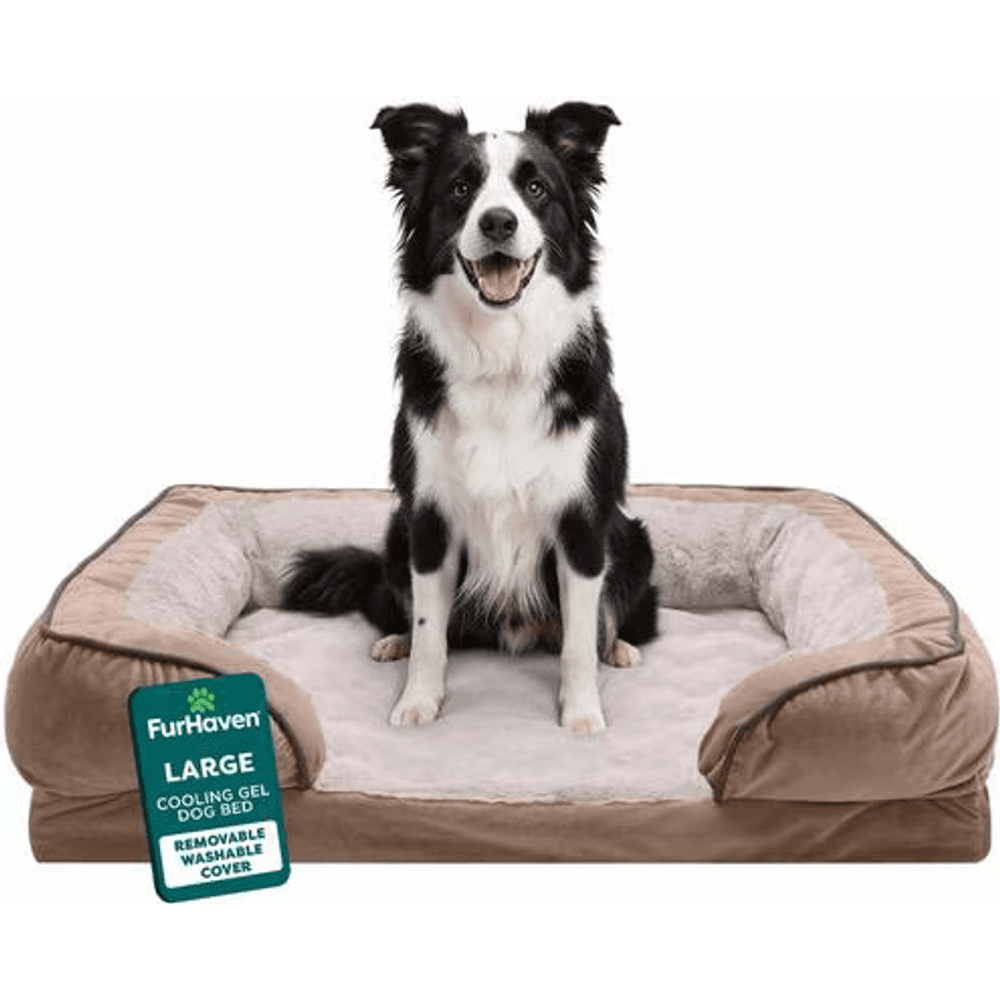
An orthopedic sofa bed with three bolstered sides for dogs who like to rest their head and joints against a cushion. The supportive foam base cradles hips and elbows, a comforting spot for an older or shaky dog to settle.
Petful may earn a commission when you click through to Chewy, at no extra cost to you.
- Pug ancestry: may contribute a compact build, close companionship and a shorter muzzle.
- Beagle ancestry: may contribute floppy ears, an enthusiastic nose and a carrying voice.
- The individual dog: brings its own learning history, confidence and preferences to the mix.
Beagle Pug mix describes the same parent-breed combination. It does not establish which parent was the mother or guarantee a particular face, size or temperament. Similarly, a black coat does not make a Puggle a purebred black Pug; our black Pug guide explains the difference between coat color and breed identity.
Is a Puggle a good family dog?
Puggle temperament and personality vary. Look for observations from ordinary days: how the dog settles after play, responds to a child moving nearby and handles a visitor entering the home. A calm meeting is useful, but repeated behavior tells you more than one greeting.
A Puggle can be a good family dog when the family enjoys daily interaction and can supervise children, protect rest time and train consistently. Being sociable does not mean a dog enjoys being hugged, chased or picked up. Give the Puggle a way to leave an interaction and teach children to let a sleeping or eating dog remain undisturbed.
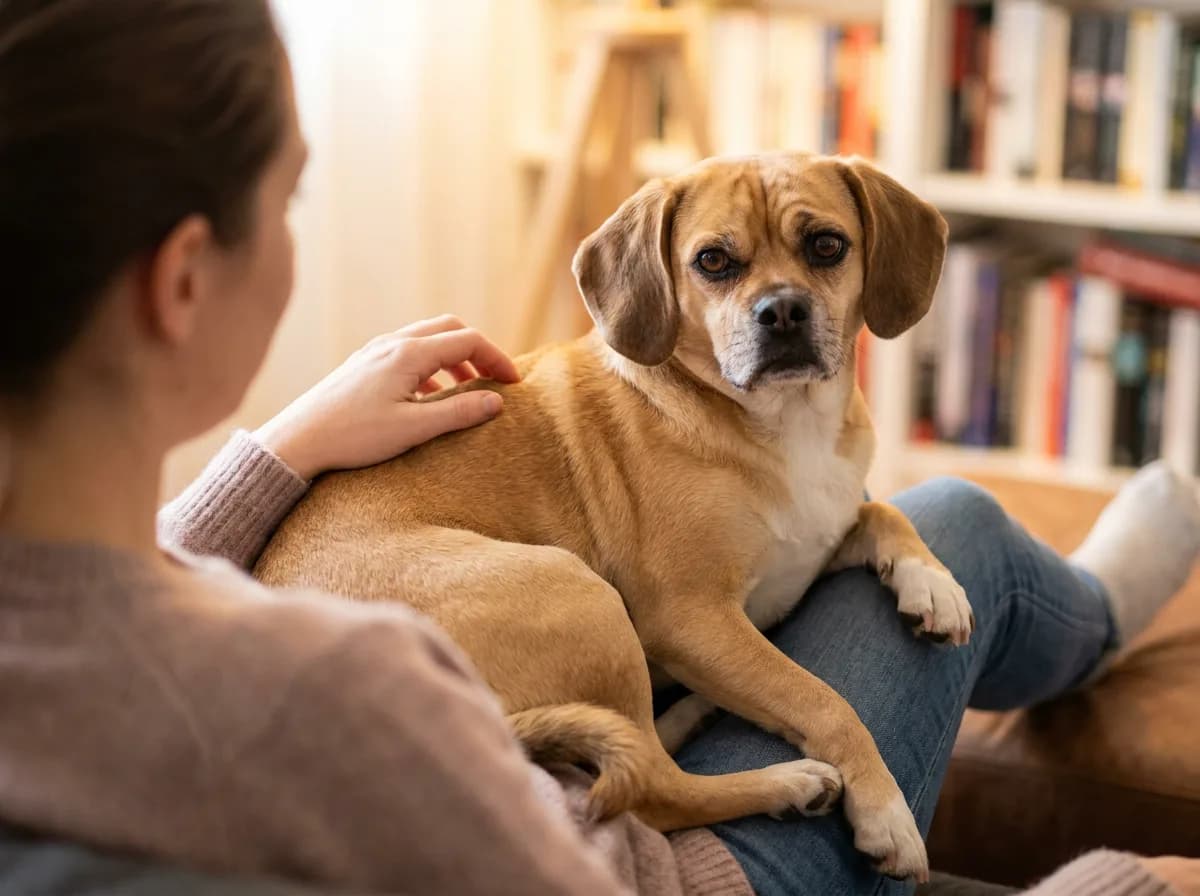
Build a quiet resting area before arrival. A low, roomy bed such as the FurHaven Velvet Waves orthopedic sofa bed can provide a defined place to settle; choose the dimensions by the dog’s stretched-out sleeping position. The useful feature here is a comfortable rest space, not a promise that a particular bed will fix behavior or prevent a medical problem.
| Your household | What a Puggle needs | Useful preparation |
|---|---|---|
| Children are present | Supervised contact and an escape from attention | A resting area children leave alone |
| You have a yard | Safe boundaries despite interesting smells | Check the secure fence and gates |
| People work away from home | An absence plan that suits this individual | Arrange toilet breaks and companionship |
| You enjoy training | Short, repeatable opportunities to earn rewards | Build daily training into normal routines |
| You prefer silence | A realistic response to barking or baying | Meet the dog and ask about known triggers |
Other pets also need introductions rather than an assumption of instant friendship. Use distance, barriers and controlled sessions at first. Reward calm behavior and allow each animal a separate retreat. A dog who is relaxed around one household cat may still chase an unfamiliar animal running outdoors, so past success does not remove the need for supervision.
Adult size and appearance
Most breed guides describe the Puggle as a small-to-medium dog, but parents and breeding history affect the adult result. A broad chest, a longer back or a shorter muzzle can change how two dogs of similar weight look and how their equipment fits. A puppy’s label is not a reliable substitute for measurements.
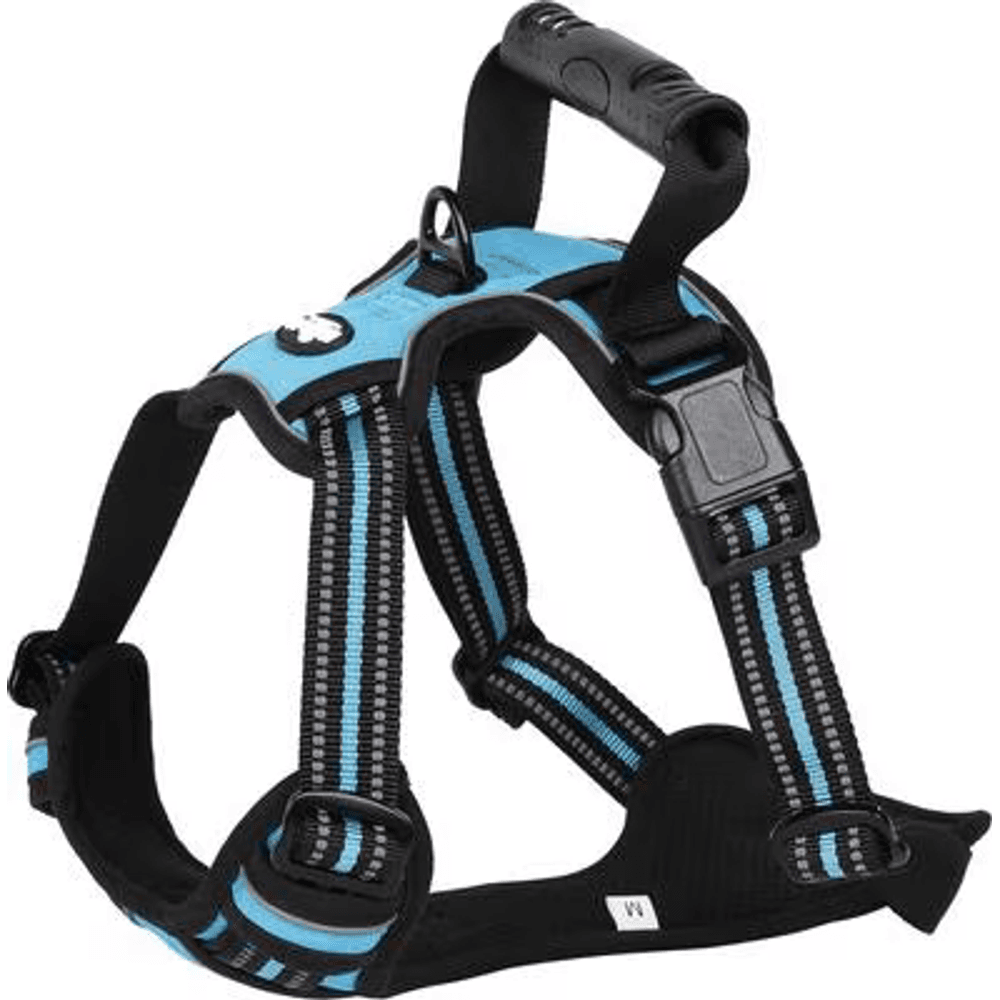
A padded, reflective no-pull harness that spreads leash pressure across the chest instead of the throat, the switch most vets recommend for a dog with a cough, a collapsing trachea, or any airway irritation so the leash never presses on
Petful may earn a commission when you click through to Chewy, at no extra cost to you.
The dedicated full-grown Puggle guide explains adult proportions and how to measure for a harness, bed and carrier. Keep that size decision separate from temperament: a smaller Puggle does not necessarily need less training or show less enthusiasm on a scent trail.
Check a harness around the widest part of the chest and use the maker’s size chart. The EliteField padded reflective harness is one option to compare if the listed small size matches your dog’s measurements. A harness should stay secure without rubbing the armpits or restricting movement. WebVet’s harness-versus-collar guide explains the different walking roles of each.
Training a scent-driven companion
Beagle scent-seeking and daily companionship both need space in the plan: allow a secure sniffing walk, a short reward-based practice session and time to settle near the household. Avoid assuming that a long walk alone meets every social and training need.
A Puggle may understand a cue and still find an interesting smell more rewarding in that moment. Start new skills in a quiet room, then increase distractions gradually. Repeating a cue more loudly rarely makes the surroundings less interesting. Instead, make the next repetition easier and reward the response you want.
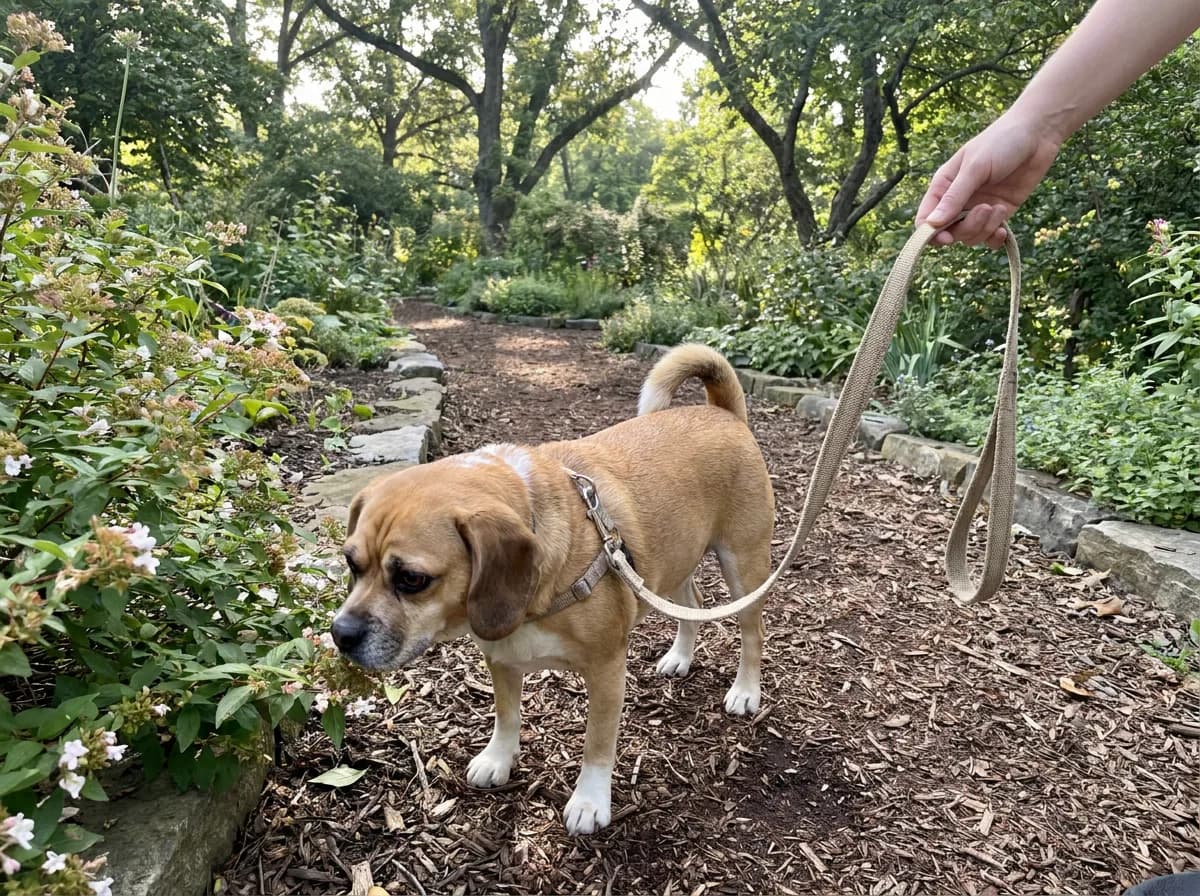
Use short sessions for recall, a hand target, waiting at doors and walking with a loose lead. These are practical skills that improve everyday safety. Keep a lead attached outdoors unless you are in a securely enclosed area; a good recall in the living room is not evidence that a dog will ignore wildlife or a food scent.
For secure walks, check the harness buckles and lead clip before opening the door. Start on a quieter route, keep enough distance from exciting animals that your Puggle can respond to you, and reward a check-in before following the next scent. A walk can include plenty of sniffing while still having clear boundaries around roads, open gates and unfamiliar dogs.
- Practise the cue where your dog can succeed.
- Mark and reward the desired action promptly.
- Add one small distraction instead of changing everything at once.
- Finish before frustration replaces attention.
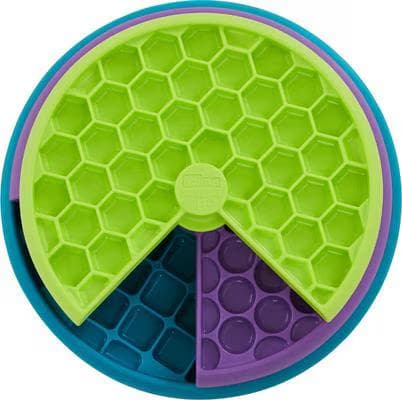
Food-search games let the nose work without requiring a long, fast outing. A beginner setup with the Nina Ottosson Lickin’ Layers puzzle feeder can make part of the usual meal more engaging. Supervise, start at an easy level and remove the toy if your dog tries to chew it apart. Count the food inside as part of the daily ration.
Practice settling as deliberately as active games. Reward the dog for lying on a mat while you read or prepare dinner. For time alone, build up from absences the dog can already handle and arrange help if your schedule exceeds that comfort level. Distress is a reason to adjust the plan, not to keep extending the absence and hope the dog learns to tolerate it.
Petful may earn a commission when you click through to Chewy, at no extra cost to you.
Toilet training and a first-week routine
Give a newly arrived Puggle frequent opportunities to use the chosen toilet area, especially after waking, eating and play. Go along so you can reward the behavior immediately. Keep supervision manageable indoors, clean accidents thoroughly and adjust the timing rather than punishing after the event. An adult rescue may also need to learn a new home's doors and schedule.
Keep the first week predictable: familiar food, a quiet sleeping area, short introductions and a few clear household rules. Decide who handles morning outings and care during work hours before the dog arrives. A puppy should not have to learn toilet training, long absences and every neighborhood distraction on the same day.
Use the nose as a reward
On a secure walk, sniffing itself can reward checking in with you. Ask for a behavior the dog knows, acknowledge the response and then allow investigation of a safe patch of ground. This gives scent exploration a place in the walk rather than making every interesting smell a battle over the lead.
Indoors, start a food-search game with a few visible pieces from the appropriate food allowance. Increase difficulty only after the dog understands the game, and supervise around any objects that might be swallowed or torn apart. A puzzle feeder is one option, but simple supervised games can also provide variety.
Do Puggles bark a lot?
Puggles can be vocal, including alert barking and a Beagle-like bay, but frequency varies with the individual and situation. Visitors, outdoor animals, excitement and frustration can all prompt noise. Ask the current carer about known triggers, then record when barking occurs, how long it lasts and what helps the dog settle.
Watch the pattern for several days. A dog that barks at the same window may benefit from blocking that view and rewarding calm behavior elsewhere. A dog that becomes vocal only when left alone needs a different assessment. Barking is information about the situation; the most useful response addresses the reason and gives the dog a behavior it can successfully repeat.
Petful may earn a commission when you click through to Chewy, at no extra cost to you.
- Offer exercise and sniffing opportunities before a predictable quiet period.
- Reward a pause or a calm response before excitement builds.
- Keep arrivals low-key when greetings trigger prolonged noise.
- Seek qualified help when vocalizing accompanies panic, destructive escape attempts or a sudden behavior change.
Daily feeding and grooming
Feed a complete and balanced diet appropriate for the dog’s life stage and measure portions. Package directions provide a starting point, while weight trends and body condition help you and your veterinarian judge whether that amount is suitable. Training treats and puzzle-food portions count too. Different dogs with the same breed label can need different amounts.
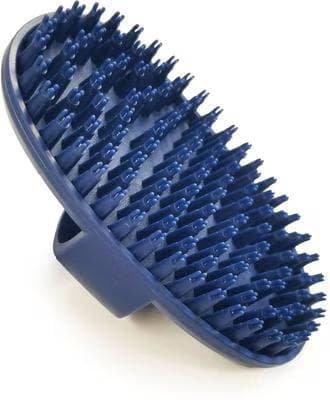
The short coat makes clipping less of a project than it is for many curly-coated mixes, but it does not make the Puggle non-shedding. Regular gentle brushing removes loose hair and gives you a chance to notice changes in the skin. The Four Paws Magic Coat grooming glove and curry brush is a short-coat tool to consider if your dog finds its contact comfortable; avoid pressing hard or working over irritated skin.
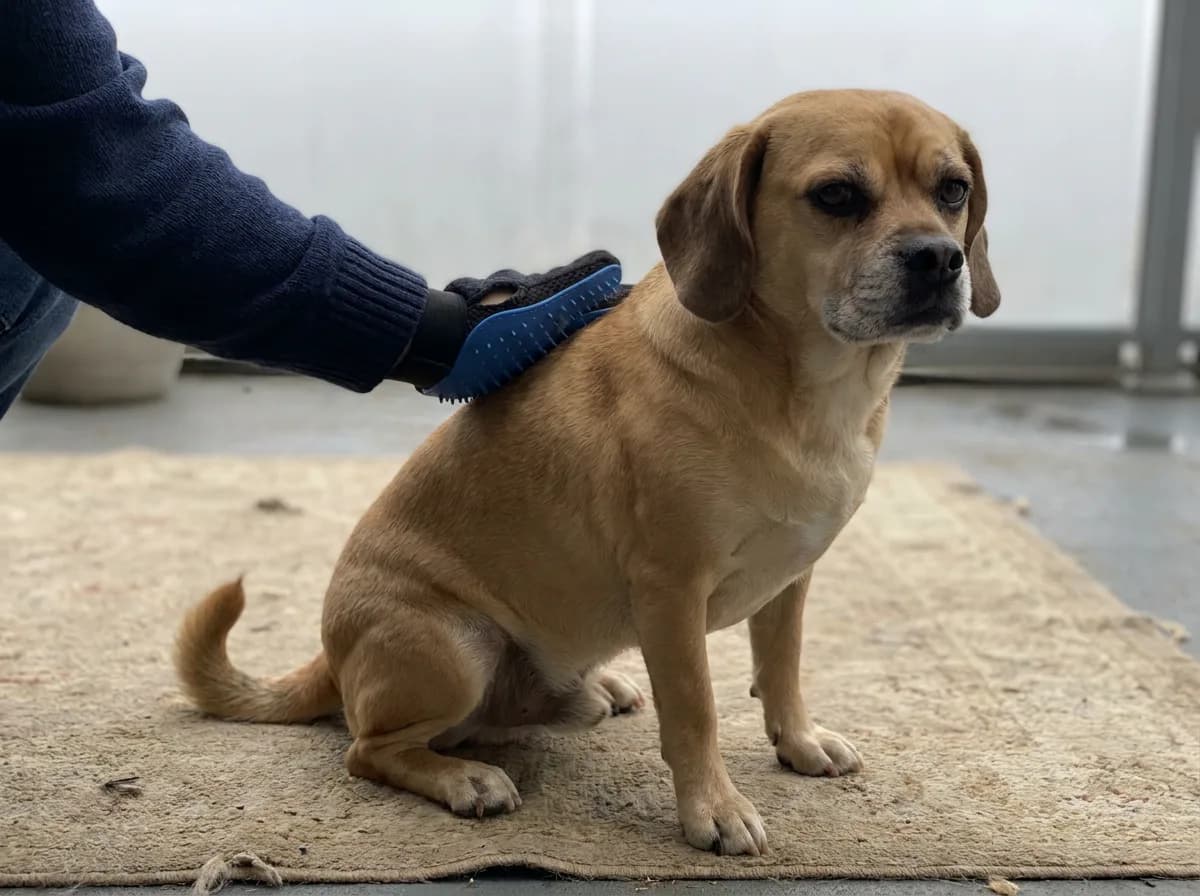
Keep routine care manageable by teaching cooperation in small steps:
- Briefly touch a paw, reward, and finish before the dog pulls away.
- Introduce brushing with a few comfortable strokes rather than a long first session.
- Look at the ears and skin folds, if present, without probing or applying unneeded products.
- Build a toothbrushing routine using a dog-safe toothpaste and an appropriately sized brush.
For dental care, a Virbac C.E.T. dual-ended toothbrush and dog-safe enzymatic toothpaste are options for gradual training. Let your dog become comfortable with handling before attempting a full brushing session. Pain, bleeding or a sudden refusal of mouth handling deserves professional attention rather than firmer restraint.
If you are choosing a paste, our dog toothpaste guide explains the product differences and what dental claims actually mean.
Shedding and allergy expectations
Yes, Puggles shed. A short coat can leave hair on upholstery and clothing even when it does not need elaborate styling. Prepare for routine brushing, washable bedding and ordinary cleaning rather than buying the mix as a non-shedding dog. A grooming glove is useful only if the dog tolerates its feel and you use gentle pressure.
Puggles are not reliably hypoallergenic. The ACAAI's pet-allergy guidance explains why hair length alone does not determine allergy risk. If allergies are a deciding factor, address that before adoption rather than expecting baths or a particular brush to make the household symptom-free.
Keep feeding consistent across the household
Choose one place to record the day's measured food and rewards. If several people train the dog, give them portions from the same planned allowance so each person does not unknowingly add another meal's worth. A puzzle filled at lunchtime still counts as food, even when it feels like a toy.
Bring the product name, feeding amount and treat routine to veterinary visits. The AAHA nutrition guidelines emphasize nutritional assessment alongside body and muscle condition. The practical goal is a plan that matches the individual dog, not a fixed cup amount copied from another Puggle owner.
Do Puggles like to cuddle?
Many Puggles enjoy close contact with familiar people, but cuddling is an individual preference. A dog may choose to lean against you while disliking being held tightly, or enjoy attention after a walk while preferring space at bedtime. Offer contact and pause to see whether the dog moves back for more.
Teach children the same pause-and-check habit. Turning away, leaving or becoming tense means the interaction should stop. A comfortable dog can choose closeness when it knows it can also choose distance. That is a better foundation for companionship than expecting affection on demand because a breed guide calls Puggles cuddly.
How much do Puggles cost?
Comparing breeders and rescue placements
For Puggle breeders, breeding practices and records matter more than a cute litter photograph. Ask for both parents’ identity and screening records, the puppy’s care history and a written contract. A rescue placement can be another route, with its own assessment and transfer fee. Ask directly which dog is available rather than treating an old listing as current stock.
Two breeder pages checked in September 2026 advertised Puggle puppies at $1,200 and $1,500: Pugglesville lists $1,200 excluding shipping, while Rainbowland Puggles lists $1,500 with possible variations. These are advertised examples, not a national average or an assessment of either seller. Confirm the current quote and availability directly.
The cost of getting a Puggle also depends on whether you adopt or buy, your location and what care is included. Ask for a written breakdown and compare the complete package rather than paying a premium for a “rare,” “mini” or “perfect family dog” label. Rescue and rehoming fees are set by the individual organization or caretaker.
Budget beyond the purchase
Your ongoing budget matters at least as much as the acquisition fee. Include food, routine veterinary care, preventive products recommended for your location, training, a walker or sitter when needed, and a reserve for unexpected expenses. A low purchase price does not necessarily produce a low-cost year of ownership.
Before paying, establish:
- Who owns the dog and what records will transfer with it.
- Which examinations, vaccinations and other care have already been completed.
- What the seller or rescue knows about temperament and early socialization.
- What support or return arrangements apply if the placement does not work.
Health and lifespan planning
A mixed-breed label does not guarantee freedom from inherited or conformation-related health problems. The individual dog’s build, family history and veterinary findings matter. Plan routine appointments and tell the veterinarian about changes in breathing, movement, appetite or activity rather than assuming they are normal for the mix.
Our Puggle lifespan and lifelong-care guide takes the deeper look at longevity estimates and health questions. For this household-fit decision, the practical point is simple: choose a dog whose daily needs you can meet, and leave room in the budget and schedule for care throughout adulthood and old age.
Puggle questions
A Puggle is a mixed-breed dog with Pug and Beagle ancestry, rather than a breed with a single established breed standard. That is why appearance, adult size and behavior can vary. Ask about the actual parents and the individual dog instead of using the name as a guarantee of particular traits.
The word can also refer to a young echidna, and it is sometimes used informally for a young platypus. That animal-name usage is separate from the dog discussed here. In a dog adoption listing or breed guide, Puggle ordinarily means a dog with Pug and Beagle ancestry, so the surrounding context matters.
Potentially, when its exercise, toilet breaks, company and sound-related needs are met. A smaller frame does not guarantee quiet behavior. Ask about barking during absences and responses to hallway noise, then plan care and training around the actual building and work schedule.
Usually not if avoiding shed hair is essential. Puggles have short coats, but they shed and can leave hair on furnishings and clothes. Gentle brushing and routine cleaning help manage loose hair; they do not turn the dog into a non-shedding or allergy-free pet.
Indoor recall is not proof of recall around wildlife, traffic or exciting scents. Use a lead or a securely enclosed area while building skills in gradually more distracting settings. Reward check-ins and give safe sniffing opportunities rather than testing an unproven recall beside a road.
BVMS, MRCVS
Dr. Pippa Elliott, BVMS, MRCVS, is a veterinarian with nearly 30 years of experience in companion animal practice. Dr. Elliott earned her Bachelor of Veterinary Medicine and Surgery from the University of Glasgow. She was also designated a Member of the Royal College of Veterinary Surgeons. Married with 2 grown-up kids, Dr. Elliott has a naughty Puggle named Poggle, 3 cats and a bearded dragon.
Sign up for expert-backed reviews and safety alerts all in one place.