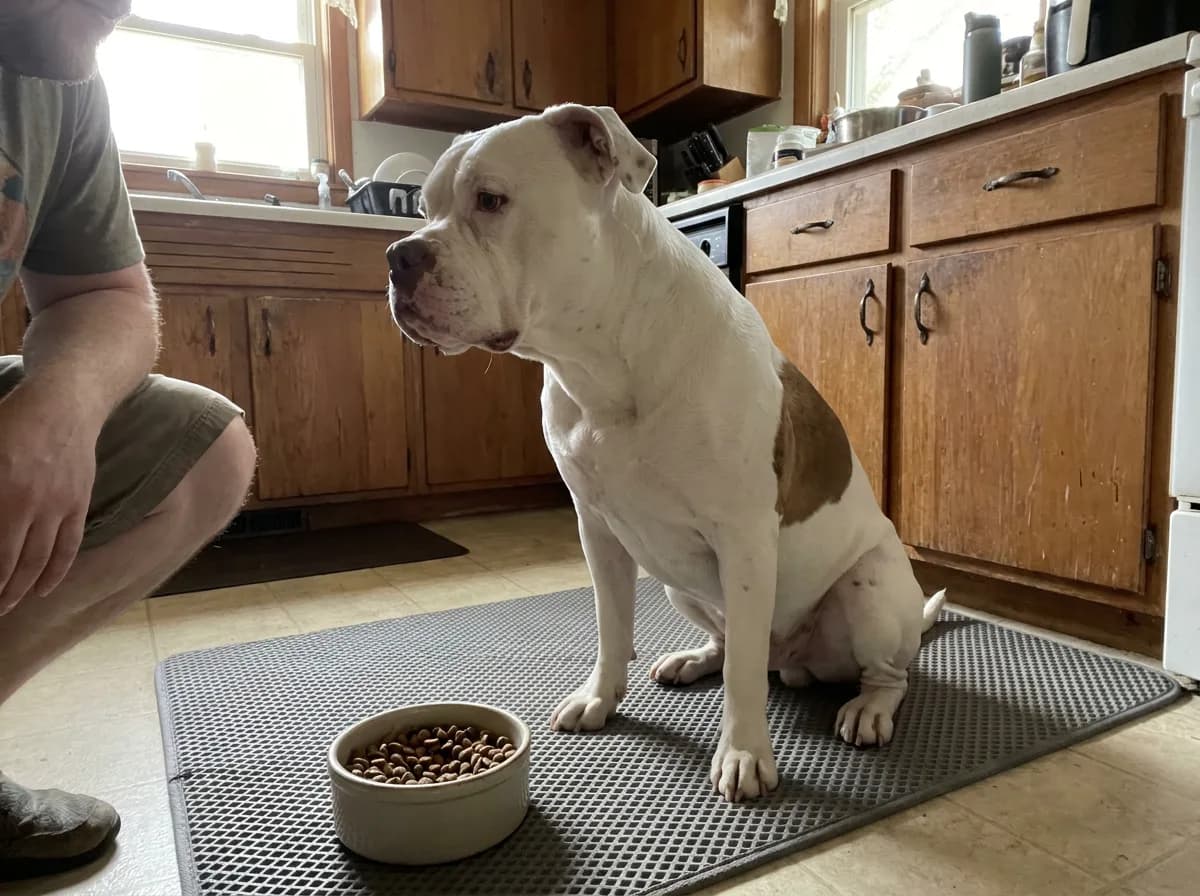
Black Pug: Coat, Care, Health, and Buying Questions
Black is a recognized Pug coat color. Compare black and fawn coats, understand the limits of rarity and price claims, and use a practical checklist to evaluate a breeder or rescue.

Black Pug sitting on a cream-colored armchair in a bright room.
Petful is reader supported. As an affiliate of platforms like Amazon and Chewy, we may earn a commission when you buy through links on this page. There is no extra cost to you.
A black Pug is a Pug with a black coat, one of the breed's recognized colors. That coat can be a perfectly reasonable preference, but it does not establish that a puppy is rare, healthier, calmer, or worth a higher price. Choose the individual dog by its needs, documented history, and suitability for your home.
The useful comparison goes beyond photographs: what can a seller actually substantiate, which care decisions depend on the dog, and what should you ask before paying a deposit? Those questions matter whether you are meeting a puppy or adopting an adult.

Sign up for expert-backed reviews and safety alerts all in one place.
Is a black Pug a separate breed?
No. Black describes a coat color within the Pug breed. The American Kennel Club's Pug standard recognizes black and fawn. A listing that presents a black dog as an entirely separate Pug breed is confusing color with breed identity.
- 1A black Pug is a Pug with a recognized coat color.
- 2Color cannot establish pedigree, breathing function, or a particular personality.
- 3Ask for identifiable records and meet the individual dog before making an acquisition decision.
Color genetics can explain pigment without answering those other questions. UC Davis's Veterinary Genetics Laboratory describes how the dominant black variant interacts with other coat-color genes. Its test concerns inheritance of that variant. A color test is not a general health examination or proof that a dog belongs to a particular breed.
Ask what a document measures before treating it as reassurance. “DNA tested” could mean a color test, a disease-associated test, or something else. Request the actual report, the laboratory, and the dog's identifying details. A long list of tests is less useful than knowing whether each one answers a relevant question.
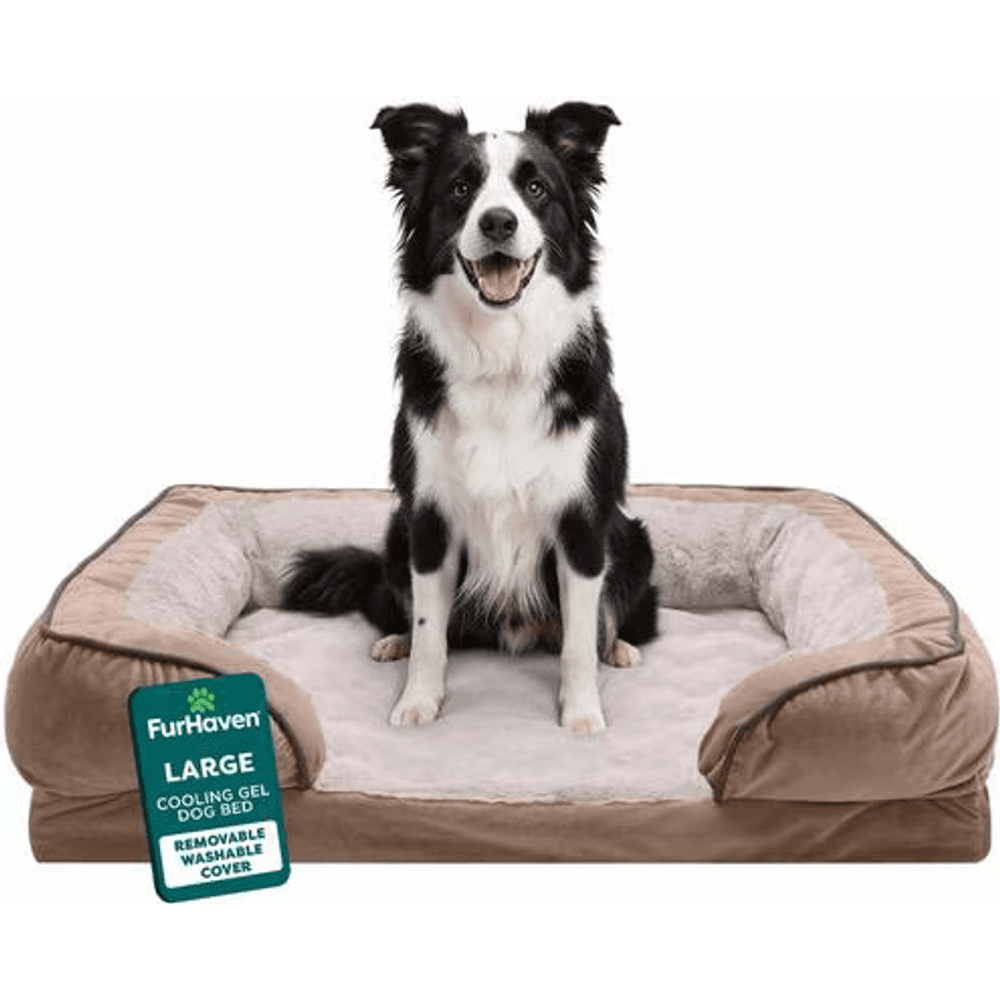
An orthopedic sofa bed with three bolstered sides for dogs who like to rest their head and joints against a cushion. The supportive foam base cradles hips and elbows, a comforting spot for an older or shaky dog to settle.
Petful may earn a commission when you click through to Chewy, at no extra cost to you.
What dominant black means
In genetics, dominant describes how a variant can be expressed when inherited. It does not mean that black must be the most common color in a population. UC Davis also explains that other genes influence the resulting appearance. You cannot estimate a color's frequency simply because a variant is called dominant.
That distinction matters when a listing turns a genetic term into a sales claim. A named coat-color result may help explain inheritance. It still needs to be read for its actual purpose, and it cannot substitute for the separate information you need to choose a companion.
A Pug crossed with a Beagle is a different case: our Puggle guide explains that mix and links to adult-size and lifespan guidance. A black coat alone does not establish either purebred Pug or Puggle ancestry.
Black vs. fawn Pugs: what changes and what does not
The clear difference is visible coat color. A fawn Pug has a lighter body coat with dark markings; a black Pug has a predominantly black appearance. Neither color is inherently the better choice for a companion. Pick the dog whose care and behavior needs you can meet, then consider your appearance preference.

The side-by-side image is a coat reference. It cannot establish ancestry, breathing ability, coat density, or temperament. Those limitations apply equally to a breeder's professional photograph and an informal adoption picture.
When comparing listings, ask for ordinary daylight photographs and a recent, unhurried video as well as posed portraits. Dark fur can lose detail in an underexposed image, while filters can change its apparent shade. Look for a clear view of the whole dog and ask when the images were taken. For practical household decisions, compare these details instead:
- Cleaning: Hair may show differently against different fabrics. That is a visibility issue, not a reliable measurement of how much a dog sheds.
- Equipment: Measure the dog, regardless of color or a seller's size description.
- Activities: Base outings on the individual dog's comfort and veterinary advice.
- Learning: Ask about established habits and use consistent, reward-based training.
For your own records, photograph the dog against a simple background with the light falling onto the coat rather than from behind. Save an unfiltered copy. Clear identification photos can be useful if the dog is lost, and consistent lighting also makes later coat comparisons easier. This is documentation, not an attempt to make every ordinary photograph look like a studio portrait.
Evaluate unusual appearance claims
A black Pug puppy's photograph cannot establish why it has unusual markings or appears to have blue eyes. Ask for current unfiltered pictures, identification records, and a veterinary assessment of any eye concern. An eye that has changed appearance needs clinical advice, not speculation about a rare color. Similarly, patches of white or tan do not prove a particular ancestry from a photograph alone.
Distinguish a cute puppy portrait from the information you need about an adult companion. Ask to see the same puppy clearly from more than one angle and find out the photograph's date. Images can help you understand visible differences, but neither a flattering portrait nor a color label predicts mature size, coat, or personality.
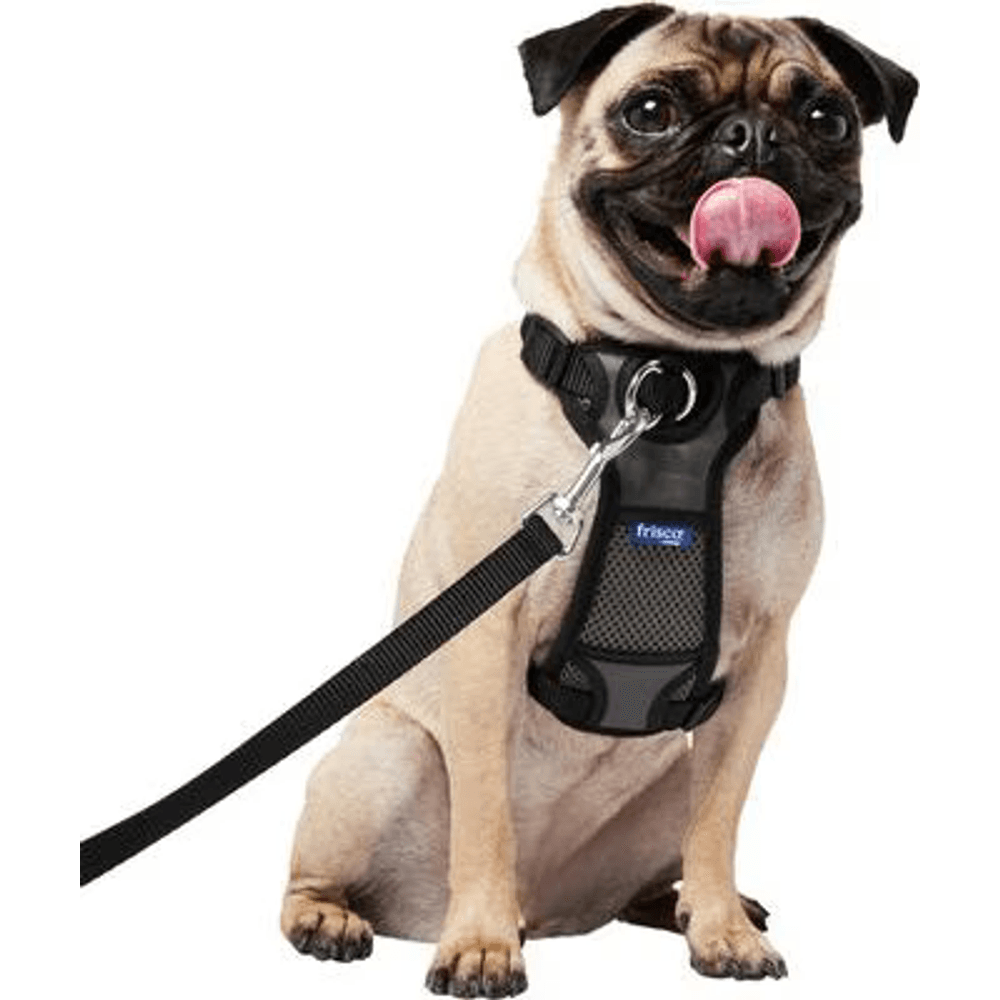
A budget-friendly padded no-pull harness that keeps leash pressure off a coughing dog's neck and windpipe by distributing it across the chest. A simple, affordable way to protect an irritated airway or a collapsing trachea on every walk.
Petful may earn a commission when you click through to Chewy, at no extra cost to you.
Are black Pugs good pets?
Black Pugs can be good companions for people able to meet Pug care needs. There is no sound basis here for ranking them above or below fawn Pugs as pets. An individual dog's behavior, comfort, prior learning, and household fit are more useful than a personality claim attached to its coat.
Start a meeting without demanding an immediate cuddle. Let the dog approach or keep some distance, and ask the caregiver what happens during an ordinary day. A dog that is quiet in an unfamiliar place may behave differently after settling in. One visit should inform your questions, not become a guarantee about future behavior.
Useful observations include:
- Whether the dog can disengage from attention and rest.
- How the caregiver helps it recover from a mild everyday surprise.
- What handling the dog currently accepts comfortably.
- Which situations need management, training, or further professional assessment.
Prepare a resting place before bringing the dog home. The FurHaven Velvet Waves Orthopedic Sofa Bed, Large is one optional roomy choice if its usable surface and entrance suit your dog and your floor space. A smaller dog does not automatically need a Large bed, and the orthopedic label does not make the bed a treatment.
If companionship is your main goal, ask about the kind of company this dog enjoys. Sitting nearby, interactive play, and physical contact are different preferences. A caregiver who can describe those differences gives you something useful to plan around. A seller who promises every black puppy will be a lap dog does not.
How rare is a black Pug?
Black is a recognized Pug color, but there is no defensible universal rarity percentage to give from the sources available here. The AKC standard establishes color recognition; it does not count how many black Pugs exist. A shortage of local listings is not a census of the breed.

Check what a rarity claim actually counts
If someone supplies a percentage, ask what population it describes. Registrations in one country, dogs advertised on one website, and puppies in one kennel are different groups. A useful figure needs a defined population, time period, and method. Without those, an exact number can create more confidence than the evidence warrants.
Imagine seeing two black puppies among twenty advertisements. That tells you about those advertisements at that moment. Some may represent several puppies, duplicate listings, or dogs already placed. Turning that count into “ten percent of Pugs are black” would be an unjustified leap.
Treat urgency separately from color. A breeder may legitimately have a waiting list, but you still need time to review records and terms. “Rare color, deposit today” does not supply either. Be willing to wait for a suitable dog rather than let a scarcity claim decide for you.
What does a black Pug cost?
There is no verified national black-Pug price average in this guide. As a broad marketplace reference, Good Dog's Pug buyer guide currently lists a general Pug puppy range of $1,600–$2,500. That is the marketplace's stated range for Pugs, not a black-specific average or a promise about the dog you will find.

Small, soft chicken-recipe rewards for short adult-dog training sessions. Portion into tiny pieces and include treats in the daily calorie budget.
Petful may earn a commission when you click through to Chewy, at no extra cost to you.
A quote should explain what you are paying for. Request the total, deposit terms, included veterinary records, any transport charge, and the contract before committing. Ask whether a quoted difference is for color alone or includes a concrete difference in services. An unsupported premium does not become a health benefit because it appears on an invoice.
Compare two written quotes on the same basis:
- The amount due now and the full amount due later.
- What records and care accompany this specific dog.
- Refund, return, and cancellation conditions.
- Expenses that remain your responsibility after collection.
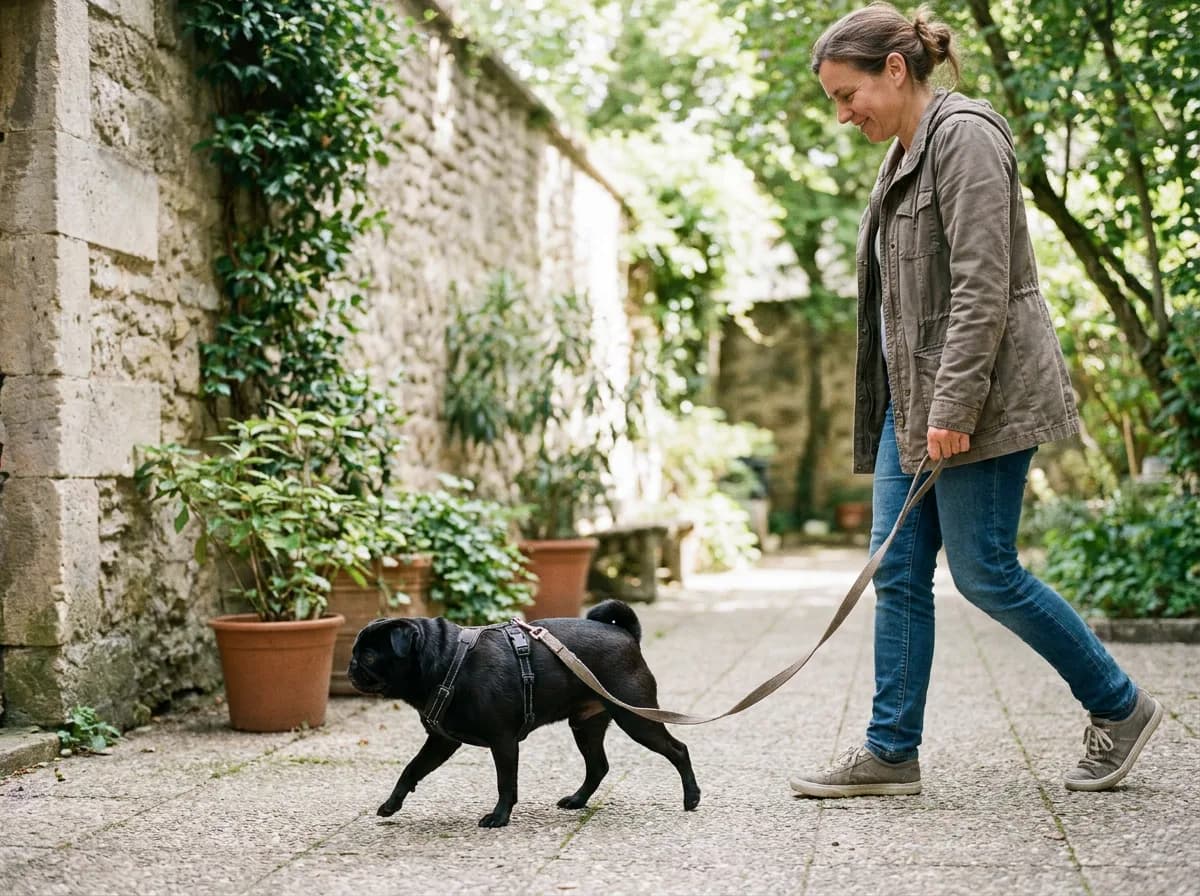
Equipment should follow measurements, not marketing labels. The Frisco Padded No Pull Harness, Black, Small is an option only if its size chart fits your dog's neck and chest. Check movement and rubbing after fitting it. “No pull” is a product name, not a promise that equipment teaches loose-leash walking.
The purchase or adoption payment is only the starting expense. Our Pug breed guide's cost section explains a transparent first-year planning example and ongoing care categories. Keep a veterinary contingency separate from any amount you are willing to pay for a preferred appearance.
Read a health guarantee as a contract
If a quote includes a health guarantee, read what it requires and what remedy it offers. Look for deadlines, documentation requirements, and whether it promises reimbursement, a return, or another arrangement. The existence of a guarantee does not predict that the dog will remain healthy. Do not mentally subtract future veterinary costs because the word appears in an advertisement.
Keep a copy of the listing and the final written agreement together so you can identify any differences before signing. If a term is unclear, have the seller clarify it in writing. This is particularly useful when an advertised color premium disappears into an unexplained package price.
Coat changes, grooming, and shedding
Do not buy a black Pug on a guarantee of little or no shedding. Color alone is not a dependable shopping shortcut for coat maintenance. Ask how the particular dog is groomed, what amount of loose hair the caregiver sees, and whether there has been a recent change.
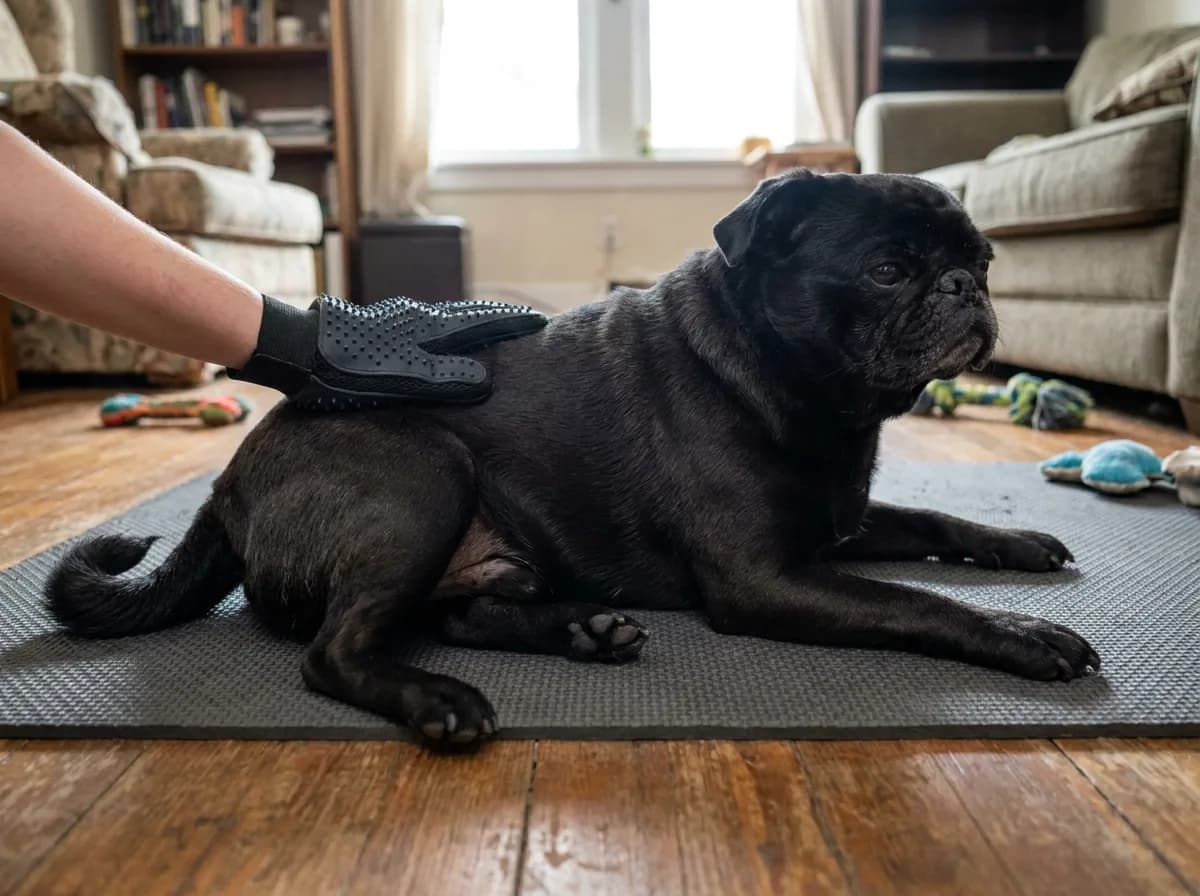
Use a gentle tool appropriate for a short coat and introduce it in brief, comfortable sessions. Let the dog investigate the tool, touch an easy area lightly, and pause. Avoid scraping repeatedly at one patch because the brush continues to collect hair. A grooming session should not become a test of how much handling the dog will tolerate.
Small rewards can help make cooperative handling pleasant. Zuke's Mini Naturals Chicken Recipe treats, 10-ounce pouch are one option if the ingredients and portion size suit your dog. Account for treats in the day's intake, and stop to reassess if the dog is uncomfortable rather than using food to push through distress.

Collapsible silicone travel bowl with a carabiner that clips to a leash or bag, so your dog always has fresh water on walks, hikes, and car trips.
Petful may earn a commission when you click through to Chewy, at no extra cost to you.
Document a change before trying to fix it
A coat may look different under different lighting. If you notice a new rusty tint, thinning area, or unusual texture, compare it in ordinary daylight and note whether the change is localized or widespread. Do not assume that a picture online explains your dog's change or start supplements to make the coat look darker.
Take a clear photograph, record when you first noticed it, and note new grooming products, scratching, or other changes. This gives your veterinarian a more useful history than “the black is fading.” It also helps distinguish a camera effect from a persistent difference you can see in person.
The Merck Veterinary Manual's hair-loss guidance explains that abnormal hair loss can have several causes and that accompanying signs help guide assessment. Bald patches, irritated skin, persistent itching, or a marked change warrant veterinary advice. Coat color itself is not a diagnosis.
Keep a manageable care record
Use one short note for grooming dates, products used, and any areas the dog dislikes being touched. If more than one person provides care, this prevents repeated attempts on a sore spot or accidental product changes. Record observations plainly, without labeling them as allergies or infections before assessment.
Health checks matter more than coat color
A black coat does not remove the health concerns associated with Pug anatomy. The Royal Veterinary College's 2022 VetCompass research found substantially greater health risks in Pugs than in the comparison population. It does not justify a claim that black Pugs are protected from those problems.

Ask specifically about breathing assessment rather than accepting “healthy color” or a quiet photograph. Brachycephalic obstructive airway syndrome, or BOAS, concerns impaired breathing associated with flat-faced anatomy. A dog can need assessment even if its appearance seems typical for the breed.
The Royal Kennel Club's Respiratory Function Grading Scheme assesses eligible dogs from twelve months of age and recommends repeat assessment every two years. For a puppy, ask about the parents' results and arrange your own veterinary care. Parent results cannot guarantee the puppy's future breathing function. Petful's Pug health guide explains the breed's health problems and why a longer-looking muzzle or retro label needs more scrutiny than a photograph.
Prepare for an ordinary outing
Plan warm-weather outings conservatively and keep them flexible. The Frisco Silicone Collapsible Travel Bowl, Small, 1.5 cup can make water easier to offer away from home. Carry water too; a bowl is simply useful equipment and does not make an unsuitable outing safe.
Use WebVet's dog heatstroke guide when preparing your household's emergency plan. The decision about whether to go out should depend on the dog and conditions, not an assumption that one coat color makes a Pug heat tolerant.
Choosing a breeder or rescue
Separate a seller's claim from the record that could support it. A responsible discussion should leave you understanding the dog's needs and the limits of what is known. For an adult rescue, incomplete ancestry may be unavoidable; a candid account of those gaps is more useful than invented certainty.
| Claim | Evidence to request | What it cannot establish |
|---|---|---|
| Rare black coat | Population source, date, and definition of rare | A few local listings cannot establish breed-wide rarity. |
| Healthier because black | Relevant clinical and family health records | Color is not a guarantee of health or normal breathing. |
| DNA tested | Original report with test name and dog identity | A color result does not answer unrelated health questions. |
| Breathing checked | Named assessment, date, result, and examiner | One result cannot guarantee lifelong function. |
| Guaranteed low shedding | Individual care history and precise written terms | A promise does not establish a reliable color-based shedding rule. |
| Fully health tested parents | Identifiable results for the relevant breed tests | Completed testing is not the same as every result being normal. |
For breeding dogs, compare the available paperwork with the Pug Dog Club of America's health-testing guidance, including its listed eye, patella, and Pug dog encephalitis susceptibility testing. These tests address different questions. Ask a veterinarian to explain a result you do not understand rather than accepting the phrase “all clear.”
Match the records to the dog
Read names and identifying information across the contract, test reports, and veterinary records. A parent result should identify the parent whose history is being discussed. Ask the seller to explain discrepancies before money changes hands; do not try to resolve them from resemblance in photographs.
For example, a listing might show an impressive laboratory certificate but omit the animal's identity. Your next step is to request the complete relevant report and an explanation of whose result it is. If the seller instead repeats that black puppies are healthier, the original question remains unanswered.
- Save the records you receive and write down what is missing. A promised document is not a reviewed document. Settle material questions about identity, health history, and contract terms before paying a nonrefundable deposit.
Ask about support after placement
Find out who you can contact about early difficulties, what support is offered, and what the return process involves if the match fails. Have those terms in writing. A friendly conversation is useful, but it should not be your only record of an important commitment.
For a fostered adult, request practical observations about care and handling rather than a polished personality label. Ask what the foster has tried, what remains difficult, and what the next caregiver will need to continue. An accurate description of ongoing needs lets you decide whether your household can provide that care.
Work with an incomplete history honestly
A rescue may know very little about a dog's parents or early life. Separate those unknowns from what the organization can document now: veterinary visits, current medications, observed routines, and the care recommended after adoption. Ask which information came from a previous owner and which the current caregiver has observed firsthand.
You can make an informed adoption decision without pretending every gap has been filled. For example, a foster may report that a dog accepts brushing on its back but avoids face handling. That observation helps you prepare for a gradual handling plan and discuss discomfort with your veterinarian. It is more actionable than guessing a personality from coat color.
Use the same approach when information conflicts. Save both accounts, identify what needs checking, and bring the relevant records to the first appointment. A useful handover makes uncertainty visible so the next caregiver can follow up. It does not require the rescue to invent a pedigree or promise a problem-free future.
Daily care beyond coat color
Once you have evaluated the color-specific claims, use the complete Pug breed profile for family fit, feeding, daily routines, sleep arrangements, and general health planning. If you are bringing home a young dog, our Pug puppy guide covers the practical first-year routine. Build the plan around the dog you meet and the support you can provide.
Black Pug FAQs
No. Visible markings alone cannot establish ancestry. Pedigree documentation and any relevant registration rules answer different questions from a photograph. If ancestry matters to your decision, ask for records and verify what they actually establish rather than making a conclusion from one patch of hair.
Choose weather protection according to conditions, individual comfort, and fit. Black fur does not decide whether a coat is needed. Clothing should allow comfortable movement and toileting without rubbing or tightening around the neck. Watch the dog during use and remove unsuitable clothing.
There is no coat-color reason to choose a whitening product for a black Pug. Use a dog-safe grooming product suited to the individual dog's skin and follow its directions. Ask your veterinarian about irritation or an unexplained coat change before trying a cosmetic treatment.

Coreen Saito is a pet writer and longtime shelter volunteer with more than a decade in animal rescue. She covers cat behavior, breed care, and the small, ordinary science of sharing a life with companion animals, with a particular focus on honest takes about the products and decisions that actually matter. At home in Arizona, she's outranked by Mac (a dog with the loudest opinion in the house), Rebel (a cat who governs by quiet authority), and Meri (an orange tabby who runs the late shift and the laundry basket). She writes about all three, plus the rescues that keep coming through her life, at LifeWithMinty.com.
Sign up for expert-backed reviews and safety alerts all in one place.