Pomchi Full Grown: Size, Weight, and What to Expect
Understand what parent size can tell you about a growing Pomchi, how to record shoulder height and weight, and why equipment fit and body condition matter more than a teacup label.

BVMS, MRCVS
Petful is reader supported. As an affiliate of platforms like Amazon and Chewy, we may earn a commission when you buy through links on this page. There is no extra cost to you.
Seeing a Pomchi full grown tells you more about that individual dog than a puppy's coat, a “teacup” label, or a weight calculator can. A Pomchi combines Pomeranian and Chihuahua ancestry, but the parents' small size does not create a guaranteed adult weight for every puppy.
The useful approach is to collect parent information, measure consistently, and follow the dog's weight trend alongside body condition. That gives you a better basis for choosing equipment and discussing growth with your veterinarian.

Sign up for expert-backed reviews and safety alerts all in one place.
Pomchi Full Grown: A Range, Not a Promise
A full-grown Chihuahua Pomeranian mix is generally a small companion, but there is no single measured Pomchi size chart that can promise your puppy's adult dimensions. Shoulder height, weight trend, and information about the actual parents are more useful than a size label alone. The broader Pomchi guide explains the cross and its variable traits. Before relying on a breeder’s size estimate or newborn photograph, use the Pomchi puppy guide to check the source, parent records, and written terms.
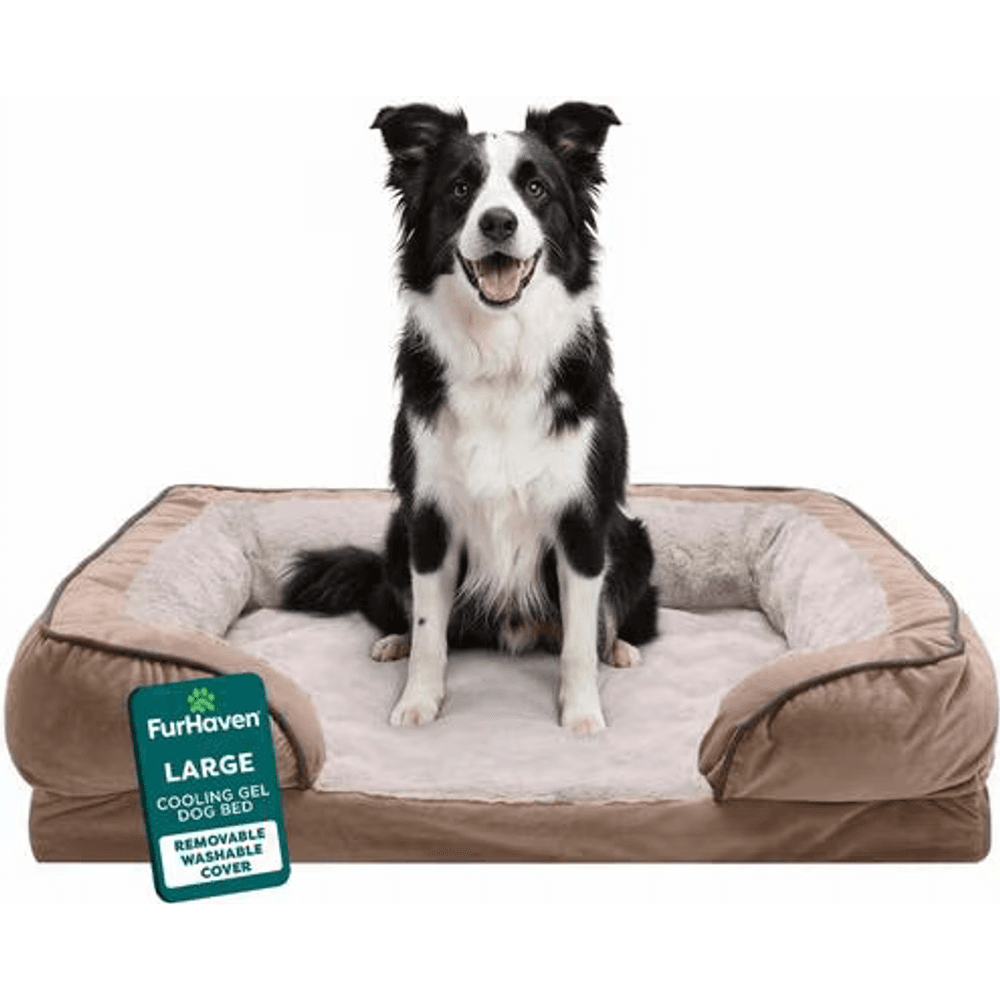
Removable-cover sofa bed. Check usable sleeping space and entry height against your dog’s posture and mobility; no medical or calming outcome promised.
Petful may earn a commission when you click through to Chewy, at no extra cost to you.
| Information | What it can tell you | Limit |
|---|---|---|
| Actual parents' adult measurements | Family context for a puppy estimate | Puppies need not match either parent exactly |
| Repeated shoulder height | Change in skeletal dimensions over time | Position and measuring technique affect the result |
| Weight trend on the same scale | Whether body weight is changing | Weight includes fat and muscle as well as growth |
| Body condition assessment | Whether condition suits the dog's frame | A fluffy outline can be misleading |
| Toy, micro or teacup label | How a seller describes the dog | Not a verified adult-size guarantee |
Published estimates can be surprisingly firm. For example, PetMD's Pomchi profile describes adults as no more than 7 pounds and 8 inches. Treat that as the source's general description, not a proven upper limit for every mixed dog. A particular Pomchi may fall outside an online estimate without the number alone establishing a health problem.
Measurements also make home purchases less speculative. Compare the usable sleeping area and entry height of a FurHaven sofa-style bed with the dog’s actual resting posture. The linked Large size may take more floor space than a small dog needs; a roomy bed is a preference, not a growth target.
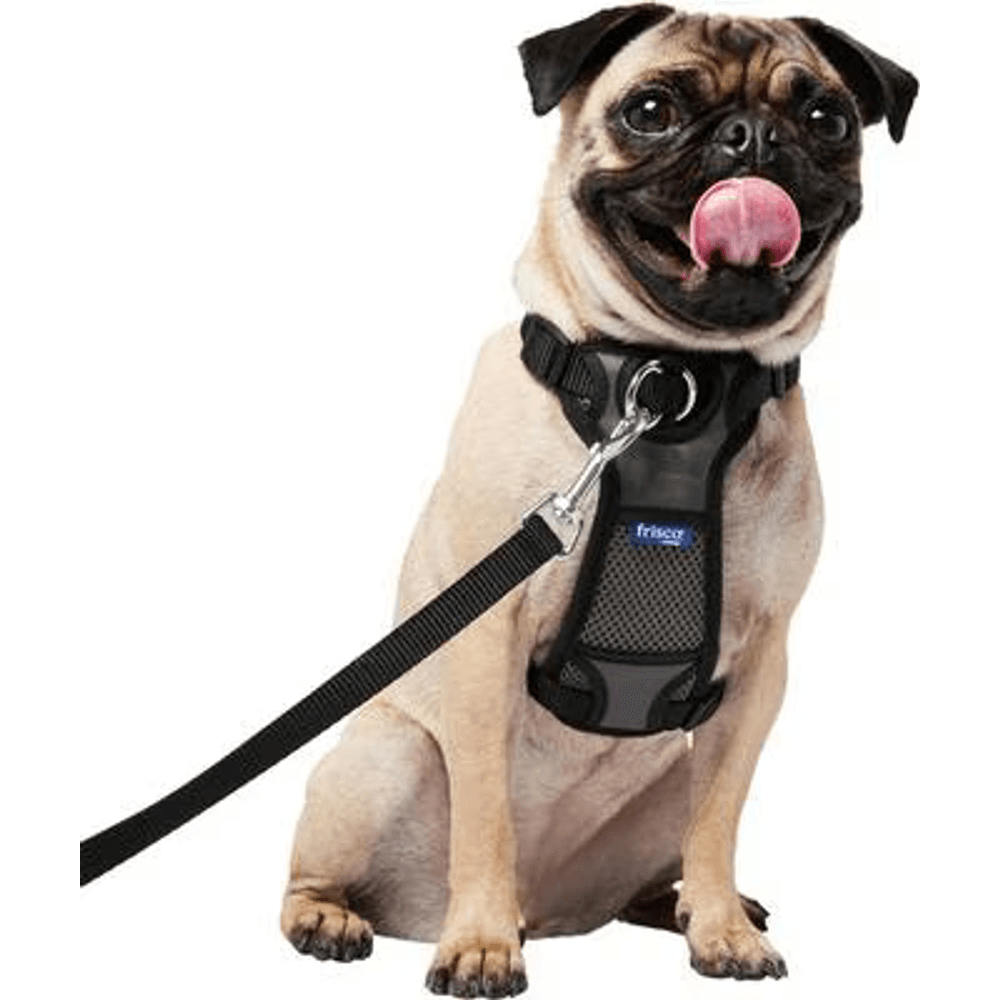
Check this Small harness against actual measurements and the current size chart. Adjust and test indoors; no-pull wording is not an escape-prevention guarantee.
Petful may earn a commission when you click through to Chewy, at no extra cost to you.
The parent standards provide a different kind of information. The AKC Pomeranian profile gives a 3–7-pound range, while the Chihuahua profile specifies a weight not exceeding 6 pounds. These describe the parent breeds, not a growth rule for their offspring. They also do not mean every pet parent in a litter's family has those exact dimensions.
- Ask for the actual parents' adult weights, rather than breed averages alone.
- Clarify whether those weights were recorded recently and at healthy condition.
- Ask about adult siblings or previous litters when that information is documented.
- Keep an estimate flexible when parentage or age is uncertain.
Use current measurements when shopping. A product marked Small may fit one Pomchi and be much too loose for another. The Frisco padded harness is an option to compare against the manufacturer's measurements, not a guaranteed fit for this cross. Check the exact size range before choosing it.
“Toy Pomchi,” “micro Pomchi,” and “teacup Pomchi full grown” do not establish separate, standardized size varieties. A small puppy can still grow beyond a seller's prediction. Never restrict food to keep a dog within an advertised category, and do not assume that the smallest available puppy is the best fit for your household.
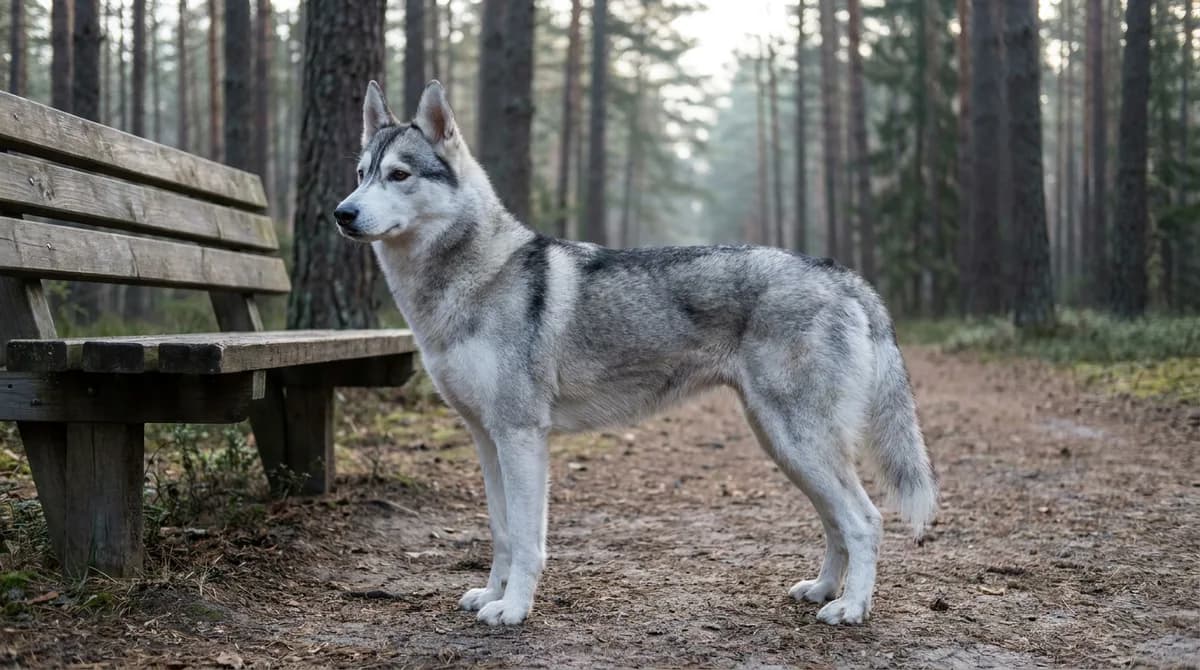
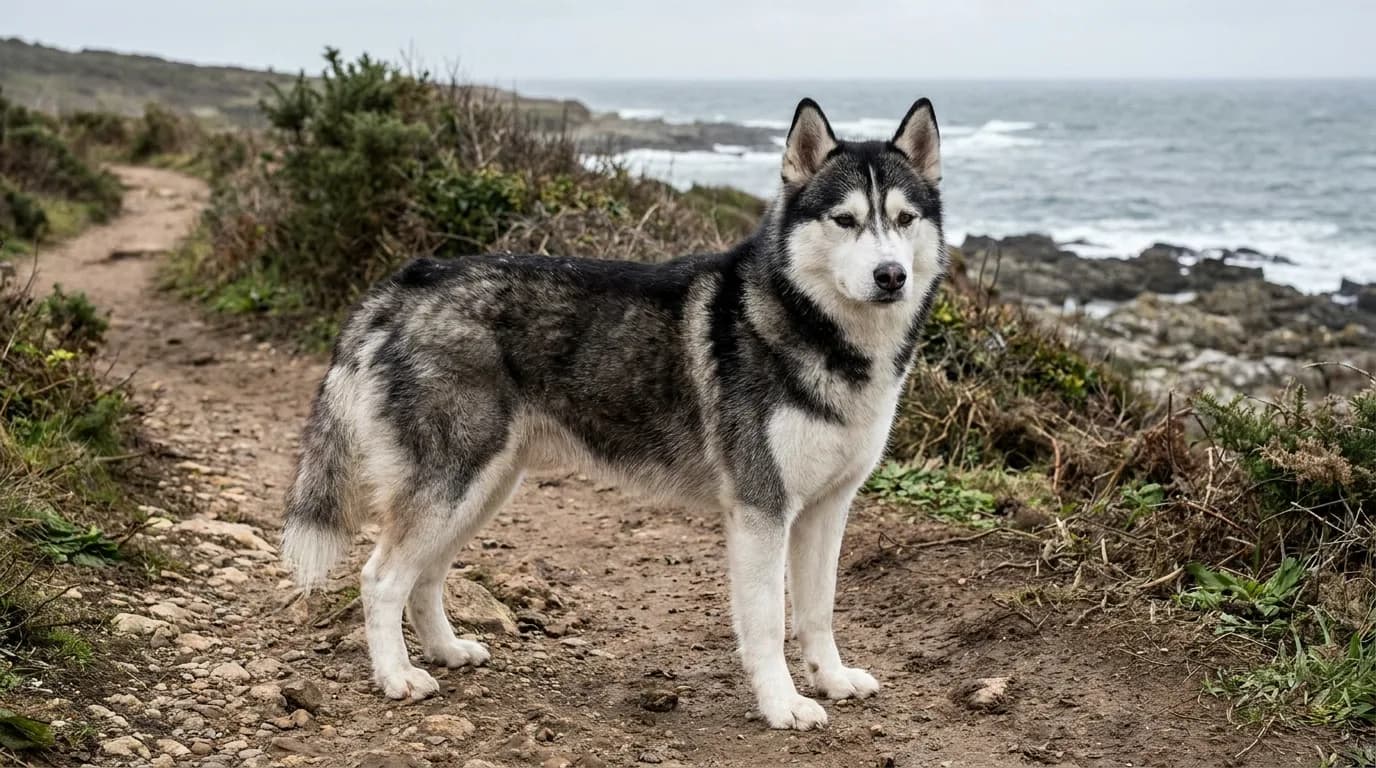
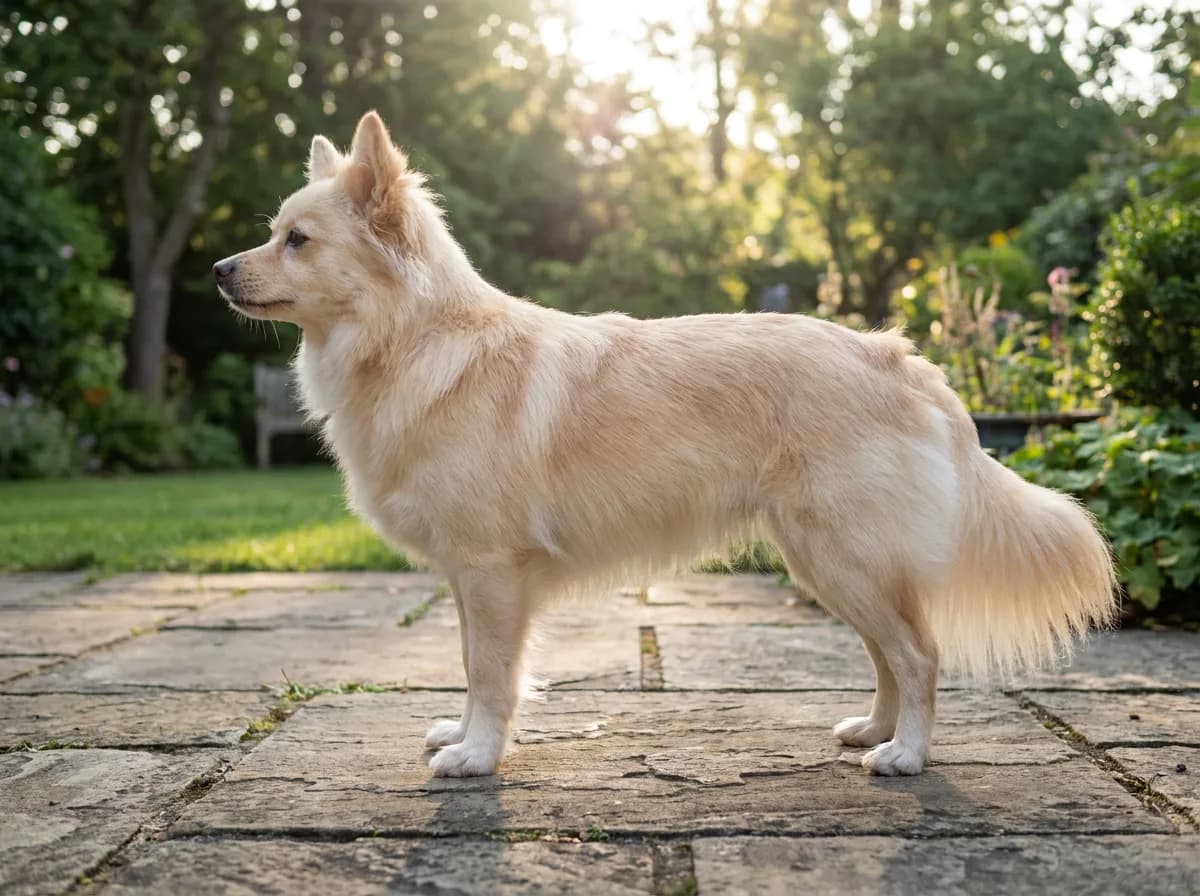
A short-haired full-grown Pomchi can look narrower than a fluffy adult with similar measurements. A white coat can also photograph differently from a dark one. Full-grown Pomchi pictures help you see variation, but a camera angle, coat length, or object in the background cannot replace measurements.
How to Measure and Track Pomchi Growth
Make a simple growth record for your own dog instead of treating a month-by-month internet chart as a target. Use the same units and equipment each time, and record circumstances that could affect the reading. A 4-month-old Pomchi's weight is one observation; multiplying it by a fixed number does not reliably determine adulthood.
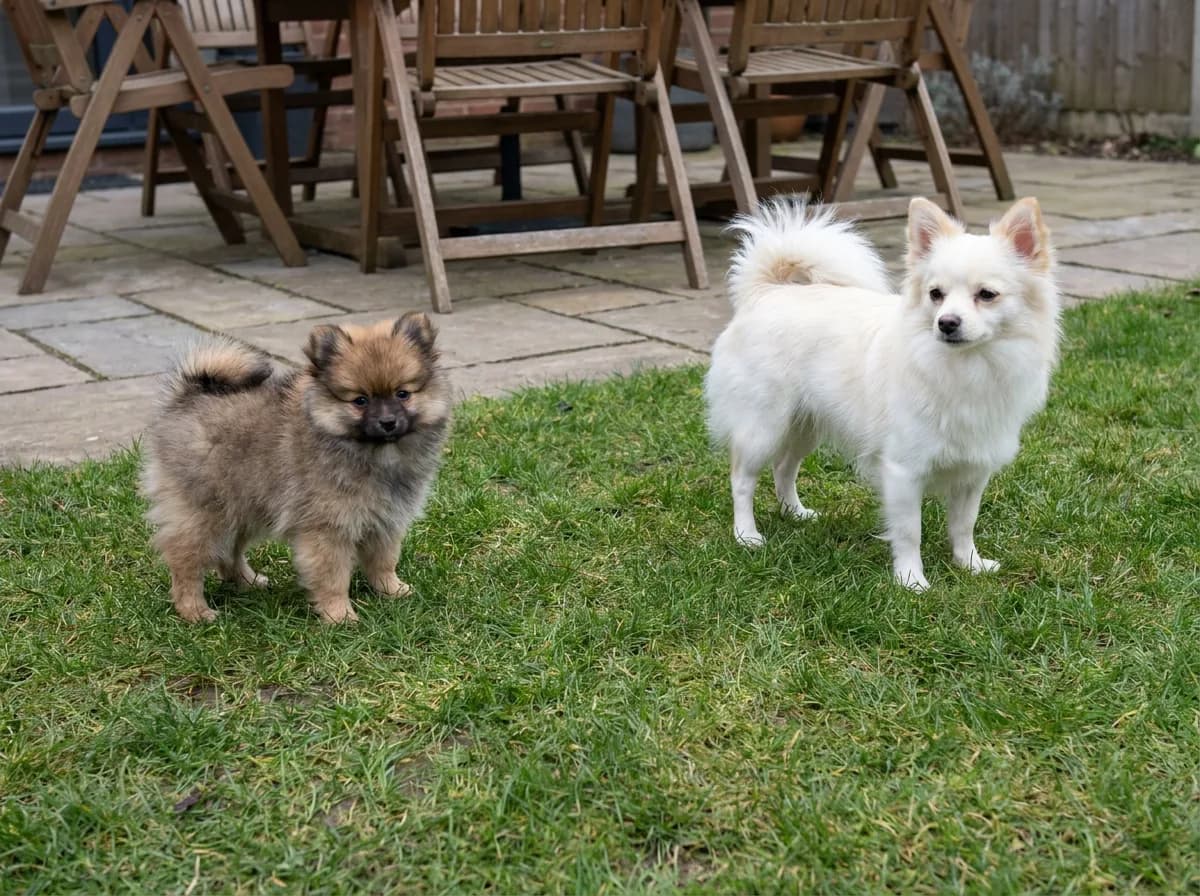
The puppy and adult shown are separate dogs, not before-and-after measurements of the same individual. Comparing two dogs can illustrate different proportions, but it cannot validate a growth prediction for either one.
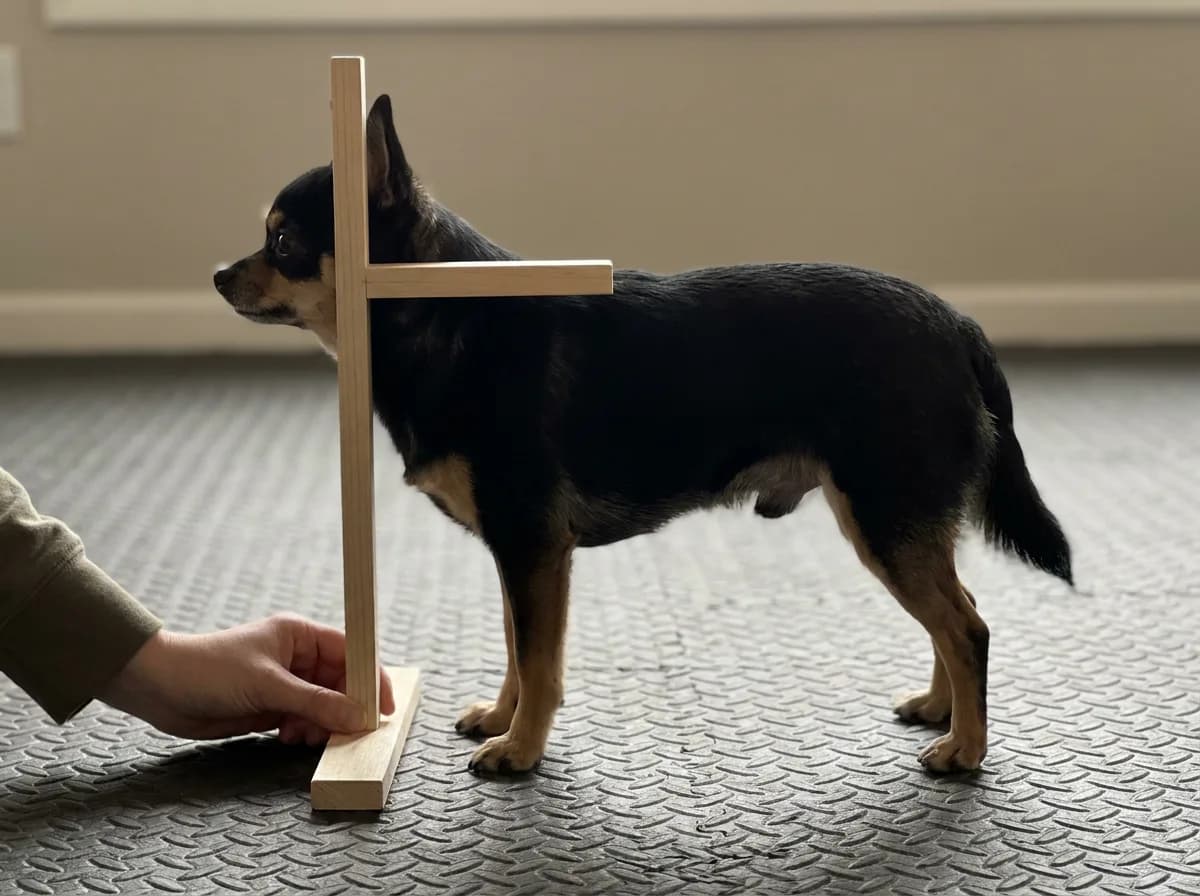
For shoulder height, choose a level, nonslip floor and let the dog stand naturally. Measure vertically from the floor to the top of the shoulders, rather than the head or ear tips. Keep the dog comfortable and avoid stretching the legs into position. A second person can reward standing quietly while you take the reading.
For brief measuring practice, Pet Botanics training treats can be divided into pieces appropriate for the dog. Reward a comfortable stand, include rewards in daily food intake, and pause if the dog moves away rather than holding it rigidly for a reading.
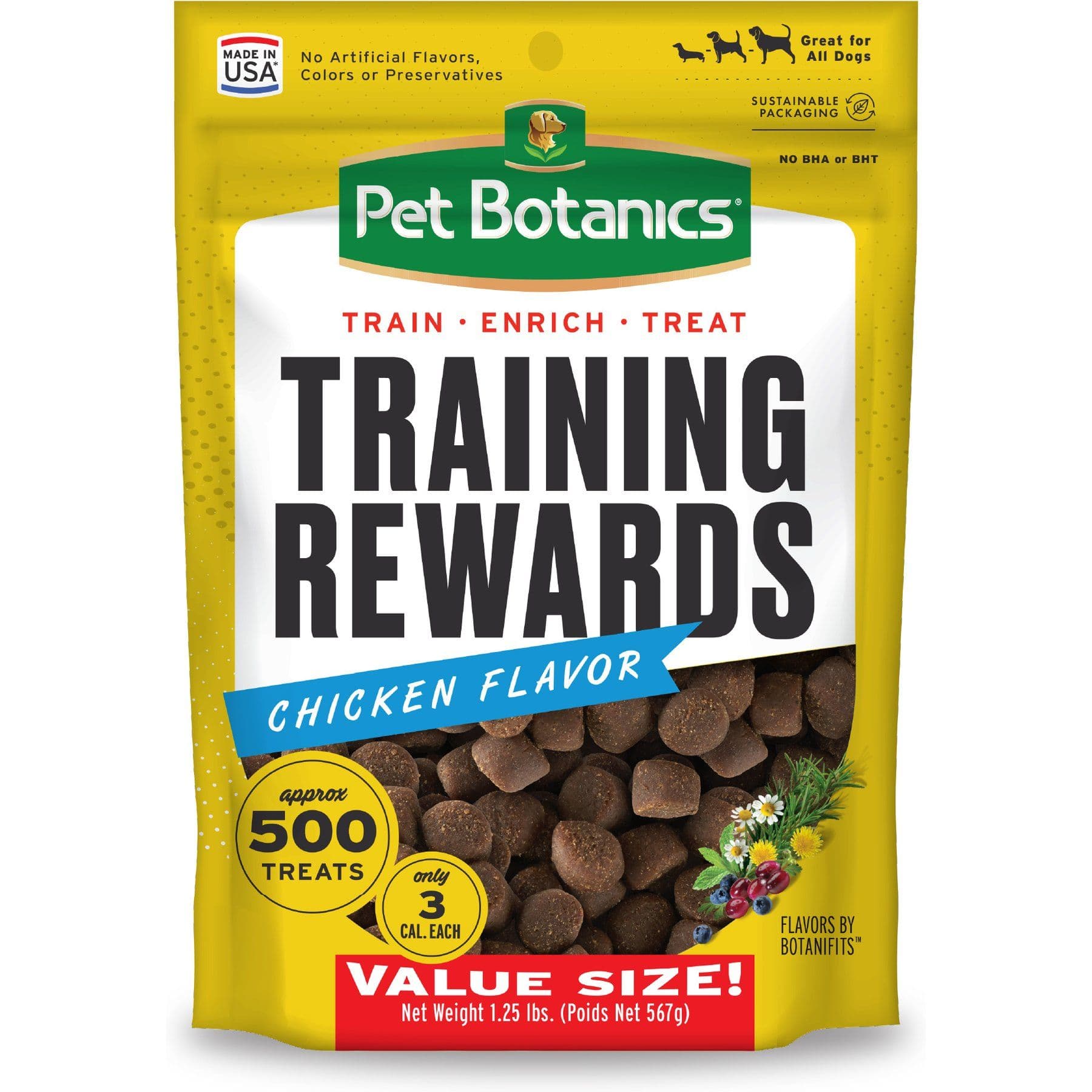
Small training rewards when ingredients suit your dog. Divide into appropriate pieces and count them in daily food intake.
Petful may earn a commission when you click through to Chewy, at no extra cost to you.
- Record the date and the dog's known or estimated age.
- Record weight on a suitable, stable scale using consistent units.
- Record shoulder height when the dog can stand comfortably.
- Note body condition, appetite, activity, and any recent illness.
- Record chest and neck measurements when checking equipment fit.
- 1Measure shoulder height from a level floor to the top of the shoulders.
- 2Follow a weight trend rather than reacting to one reading.
- 3A miniature or teacup label cannot validate a puppy-weight multiplication formula.
Ask your veterinary team which weighing interval and scale make sense for your puppy. Very small changes may be difficult to distinguish on an ordinary bathroom scale. If a home reading seems implausible, check the units and equipment and arrange a more reliable measurement rather than making a large feeding change immediately.
The most useful Pomchi weight chart is one that records the dog's own course and helps identify changes worth discussing. A claimed Pomchi average weight does not show whether your individual dog is thriving. Bring the log to appointments so your veterinarian can interpret it alongside examination findings.
What Changes as a Pomchi Matures
Adult appearance involves more than getting taller. Coat density, outline, and proportions may change as a puppy matures, while the individual timetable varies. There is no reliable birthday on which every Pomchi's final size, coat, and behavior become fixed at once.
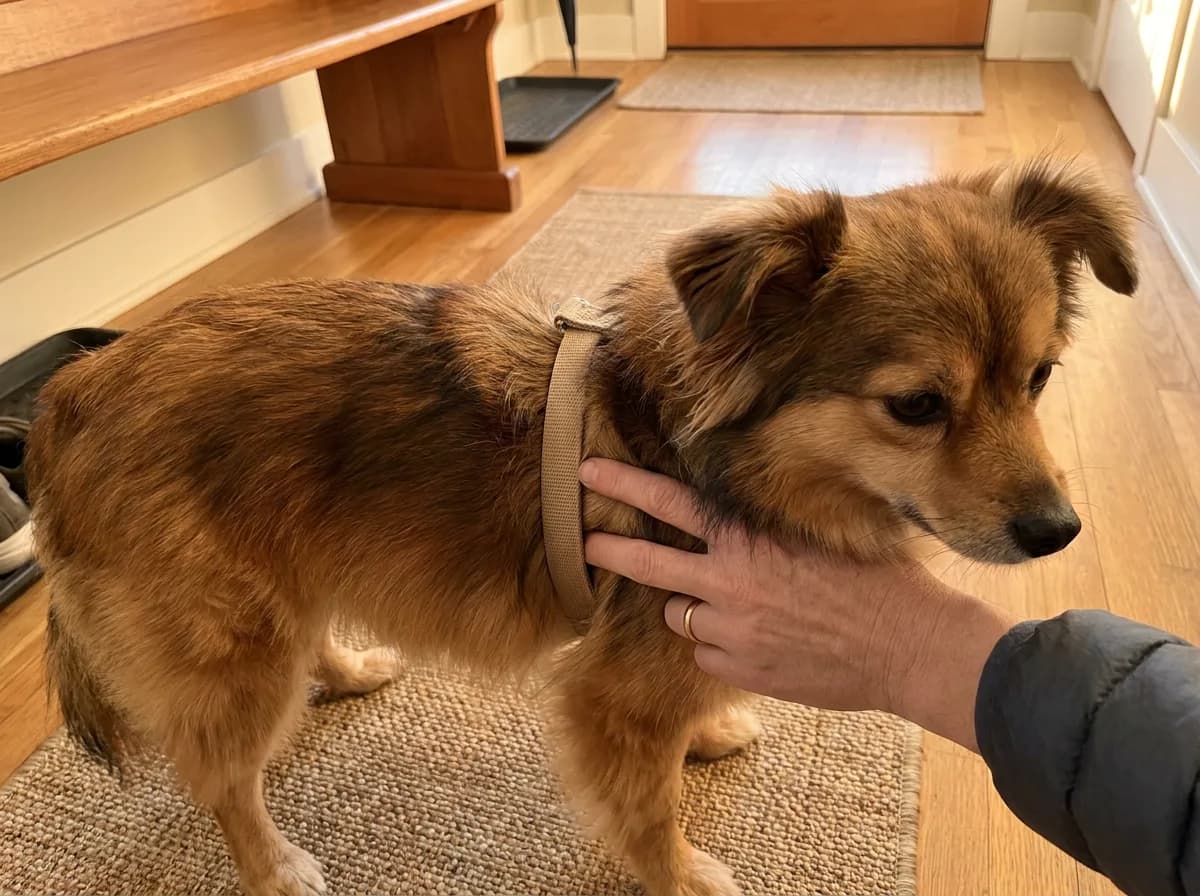
Recheck equipment even when a dog seems to have stopped growing taller. A fuller coat or a change in condition can alter how a harness sits. Feel beneath the hair rather than judging a strap's position from the surface of the coat, and watch the dog move after every adjustment.
For everyday walks, the Frisco six-foot traffic leash is an option if the clip and weight suit the dog’s fitted equipment. Check the connection before leaving home. Its six-foot length is for close walking, not distance-recall practice.
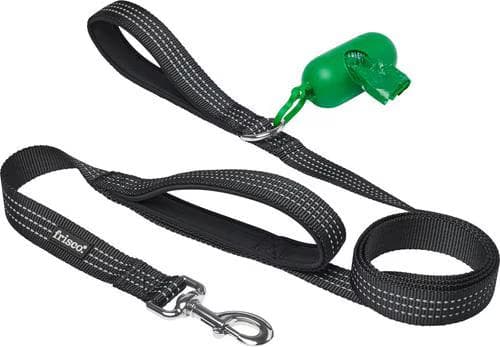
Six-foot leash for supervised everyday walks when the clip and weight suit your dog. Not a long line for distance recall.
Petful may earn a commission when you click through to Chewy, at no extra cost to you.
The Pomchi coats and grooming guide explains why a short coat and a longer, denser coat need different handling. A grooming appointment may make a dog look smaller without changing body weight. Record coat changes separately from the measurements you use to assess growth.
- Compare photographs taken from similar angles and distances.
- Keep the dog standing naturally rather than judging size while curled up.
- Record any haircut or major seasonal shedding alongside photographs.
- Avoid using coat fullness as a reason to increase or restrict food.
Growing up also does not automatically resolve barking, fear, or overexcitement. Pomchis can learn useful household skills, but intelligence and family suitability cannot be inferred from adult size. Reward-based training and respectful handling matter throughout life. Consult the main Pomchi guide for temperament and household-fit considerations rather than treating small stature as proof of an easy family dog.
Fit Harnesses, Beds, and Home Spaces to the Dog
- Measure chest circumference at the point specified by the manufacturer.
- Check neck fit and the position of straps behind the front legs.
- Watch for rubbing, restricted movement, or a harness that rotates excessively.
- Test fit in a secure indoor space before relying on it outdoors.
- Recheck after growth, weight change, or substantial coat change.
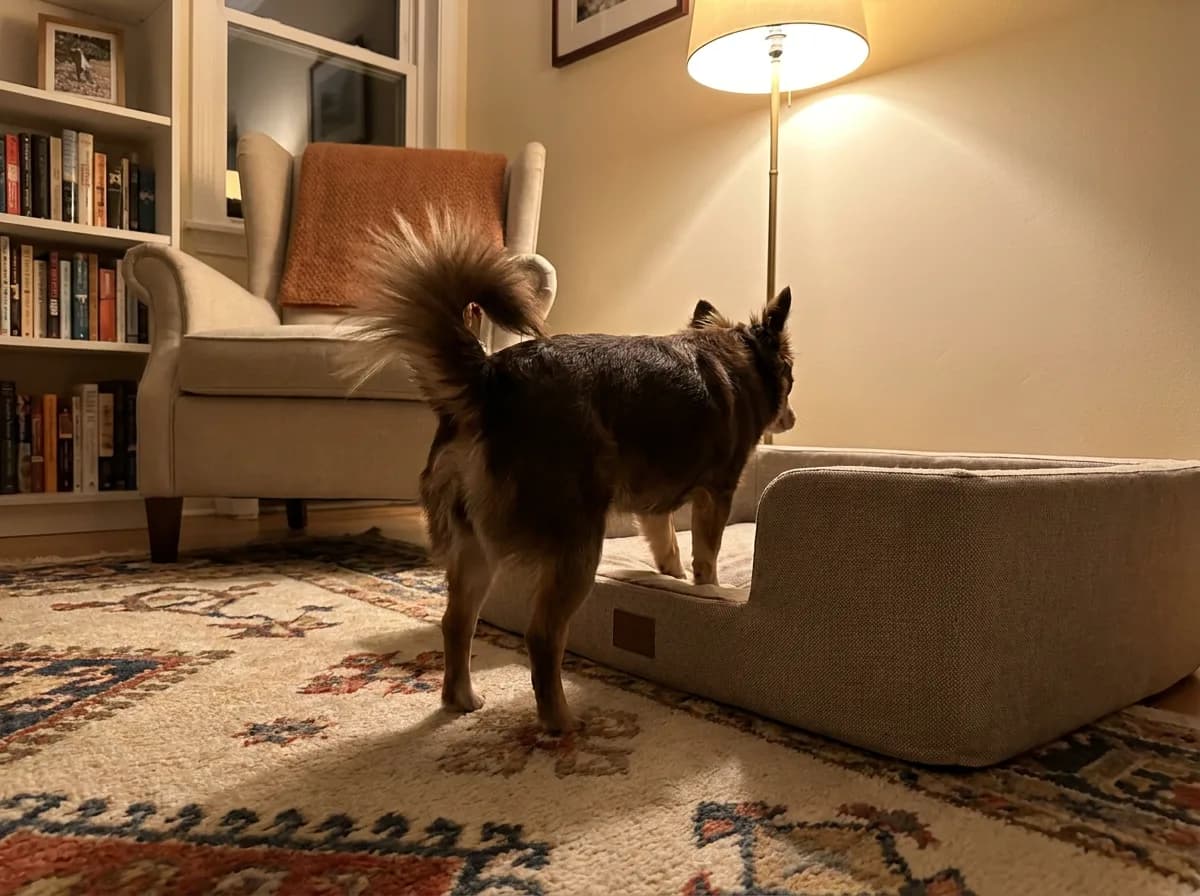
A bed should accommodate the dog's preferred sleeping position and allow easy entry. A low bed can be practical for a small dog without requiring a jump. For a carrier, check that the dog can stand naturally, turn, and rest comfortably, then verify any separate transport rules that apply to your journey.
Walk through the home at the dog's level. A gap beneath a gate, a stair edge, or a route behind heavy furniture may matter more to a tiny adult than the square footage of the room. Arrange safe floor-level resting and handling spaces, and teach visitors to watch where the dog is before moving doors or furniture.
When Growth or Body Condition Warrants a Check
Whether a Pomchi is overweight cannot be decided from a number or a fluffy silhouette alone. Ask your veterinary team to demonstrate a gentle rib check and explain body condition for your dog. The WSAVA body-condition chart considers the ribs, waist, and abdominal outline, while muscle condition is assessed separately.
A description such as “fat Pomchi” is less useful than specific observations about changing weight, how easily the ribs can be felt, and the dog's comfort. Do not start a growing puppy on a restrictive diet because they exceed an online estimate. Your veterinarian can distinguish normal variation from a feeding or health concern.
- Arrange an assessment for unexpected weight loss or a concerning change in growth.
- Mention appetite changes, persistent digestive signs, or unusual tiredness.
- Report discomfort, limping, or reluctance to move rather than attributing it to size.
- Bring the measurement log and the exact food and portion details.
The Pomchi lifespan and health guide covers broader health questions. A growth record supports that care, but it cannot diagnose a condition. Seek prompt help if a small puppy becomes weak, collapses, or seems acutely unwell instead of waiting for the next scheduled weigh-in.
Pomchi Full Grown Questions
PetMD describes adult Pomchis as up to 7 pounds and 8 inches tall, but that profile is not a guaranteed upper limit for every Pomeranian–Chihuahua cross. Ask about the actual parents and adult relatives, then follow your puppy’s measurements over time. For an adult, current shoulder height and weight are more useful than a toy or teacup label.
No. Take a chest measurement and any other measurements the specific manufacturer requires, then perform a fit check on the dog. Size names differ between products. A harness should remain secure and comfortable while the dog moves, and its fit needs checking again as the dog grows or changes condition.
No. Coat volume can conceal or exaggerate the body's outline. A gentle rib check and a body condition assessment give more useful information than appearance alone. Ask your veterinarian to demonstrate the assessment, especially before changing a puppy's food amount or starting an adult weight-management plan.
No separate teacup growth standard is established for this cross. Treat the label as a seller’s description and ask for dated weights, the parents’ adult measurements and the puppy’s veterinary records. A very small puppy still needs adequate nutrition; restricting food to preserve a label is not a safe growth plan. Choose equipment from current measurements and assess body condition with your veterinary team.
BVMS, MRCVS
Dr. Pippa Elliott, BVMS, MRCVS, is a veterinarian with nearly 30 years of experience in companion animal practice. Dr. Elliott earned her Bachelor of Veterinary Medicine and Surgery from the University of Glasgow. She was also designated a Member of the Royal College of Veterinary Surgeons. Married with 2 grown-up kids, Dr. Elliott has a naughty Puggle named Poggle, 3 cats and a bearded dragon.
Sign up for expert-backed reviews and safety alerts all in one place.