Pomchi Lifespan and Common Health Concerns
Put Pomchi lifespan claims in context and build a practical care plan. Learn which dental, kneecap, and airway concerns to discuss, what screening can show, and when symptoms need prompt attention.

BVMS, MRCVS
Petful is reader supported. As an affiliate of platforms like Amazon and Chewy, we may earn a commission when you buy through links on this page. There is no extra cost to you.
A Pomchi lifespan estimate is not a forecast for an individual dog. This Pomeranian–Chihuahua cross does not have a well-established, representative longevity study in the evidence used for this guide. Broad numbers repeated online should not be presented as a measured Pomchi average or a promise about how long your companion will live.
What you can use is a practical care plan: understand relevant parent-breed concerns, keep up with preventive care, and respond to changes in your own dog. Dental health, kneecap problems, and airway symptoms deserve discussion with your veterinarian, but none can be diagnosed from the Pomchi label alone.

Sign up for expert-backed reviews and safety alerts all in one place.
Pomchi Lifespan: What the Estimates Mean
An average lifespan needs a defined population, reliable ages, and a clear method of recording deaths. A range on a breed-description page may instead summarize experience, borrow parent-breed figures, or repeat another website. Without knowing the method, you cannot treat those numbers as a longitudinal study of Pomchis.
For parent-breed context, the AKC lists Pomeranians at 12–16 years and Chihuahuas at 14–16 years. Neither range establishes a measured Pomchi average, and averaging them does not predict an individual dog’s lifespan. Inherited traits, health history, environment, and care still matter.

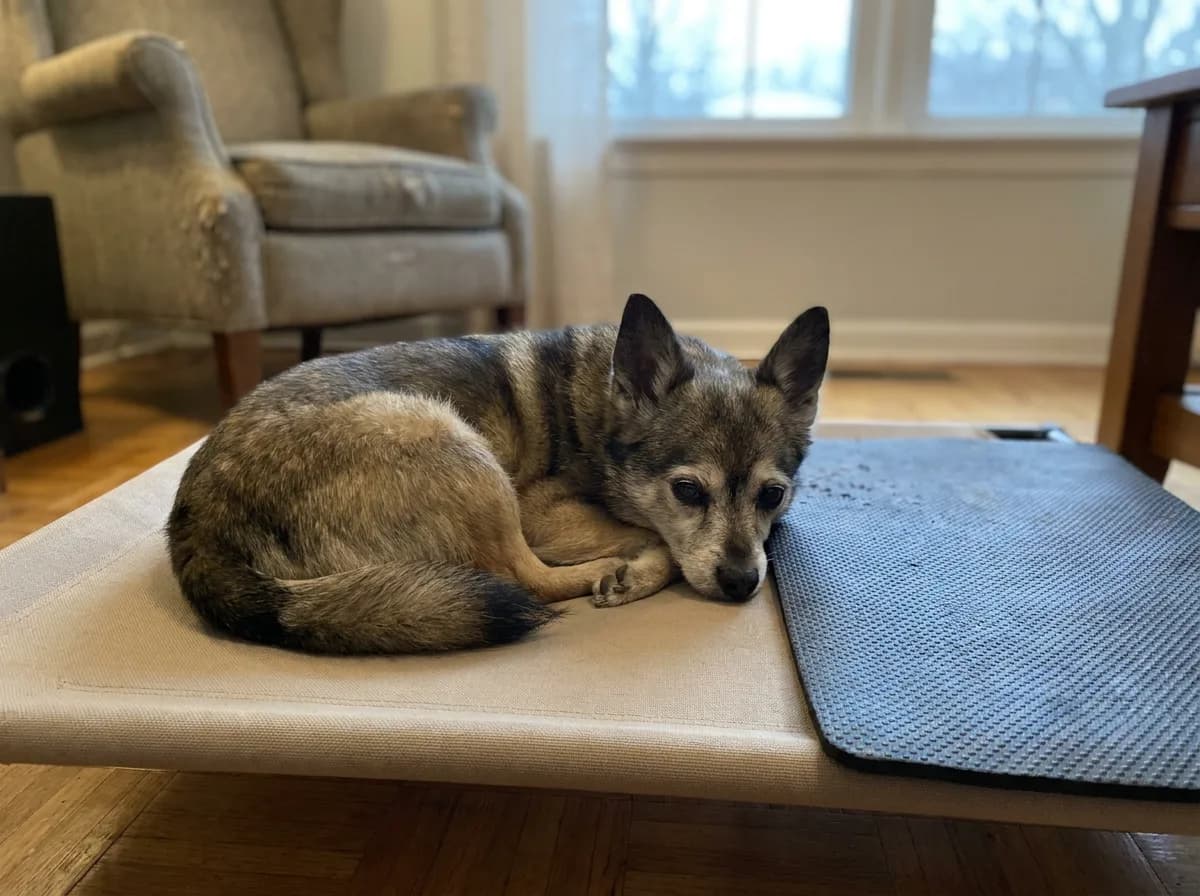
Removable-cover sofa bed. Check usable sleeping space and entry height against your dog’s posture and mobility; no medical or calming outcome promised.
Petful may earn a commission when you click through to Chewy, at no extra cost to you.
| Question or observation | Type of information | Useful next step |
|---|---|---|
| A parent or close relative had a diagnosed condition | Family-history discussion | Bring the actual diagnosis and records to your veterinarian |
| The dog seems well and needs a care plan | Routine prevention | Review oral care, nourishment, activity, and preventive appointments |
| A new limp, recurring cough, or eating difficulty appears | A symptom needing assessment | Contact the clinic and describe what changed |
| Breathing difficulty, blue gums, or collapse occurs | Potential emergency | Seek urgent veterinary care rather than waiting for a routine visit |
| An online lifespan range causes concern | An uncertain population estimate | Discuss the dog's current findings and individual needs |
Comfortable everyday arrangements are more actionable than an age prediction. If considering a FurHaven sofa-style bed, compare the usable area and entry height with your dog’s resting posture and ability to step in. A product described as orthopedic is not a diagnosis or a substitute for assessing new difficulty rising.
Sex and color do not supply a personal forecast
The evidence here does not establish separate Pomchi lifespan averages for males and females, or for black and white coats. A female Pomchi is not assigned a reliable life expectancy simply by sex, and coat color does not tell you how many years a dog will live. Specific health findings need their own assessment rather than a broad category-based prediction.
If you have family records, ask what they actually describe. A relative that lived unusually long is encouraging without proving that every related puppy will do the same. A reported cause of death may be uncertain, and dogs lost to follow-up cannot be assumed healthy. Keep those limits visible when discussing family longevity with a breeder.
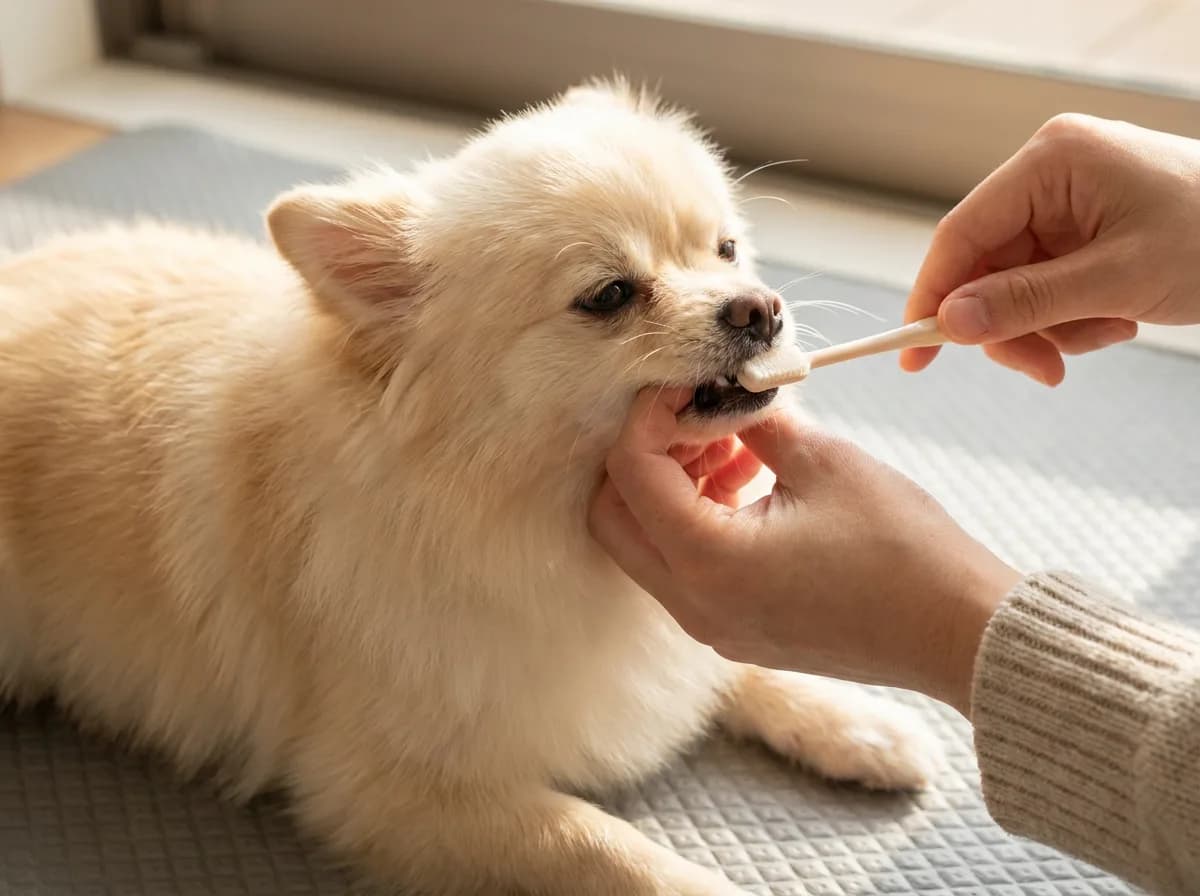
For a home dental routine, a Jasper 360 finger toothbrush may suit some dogs if it fits comfortably and allows safe handling. A tiny mouth may need a different tool. Ask your veterinary team which brush and dog toothpaste are appropriate, introduce toothbrushing gradually, and stop if the dog appears painful or distressed.
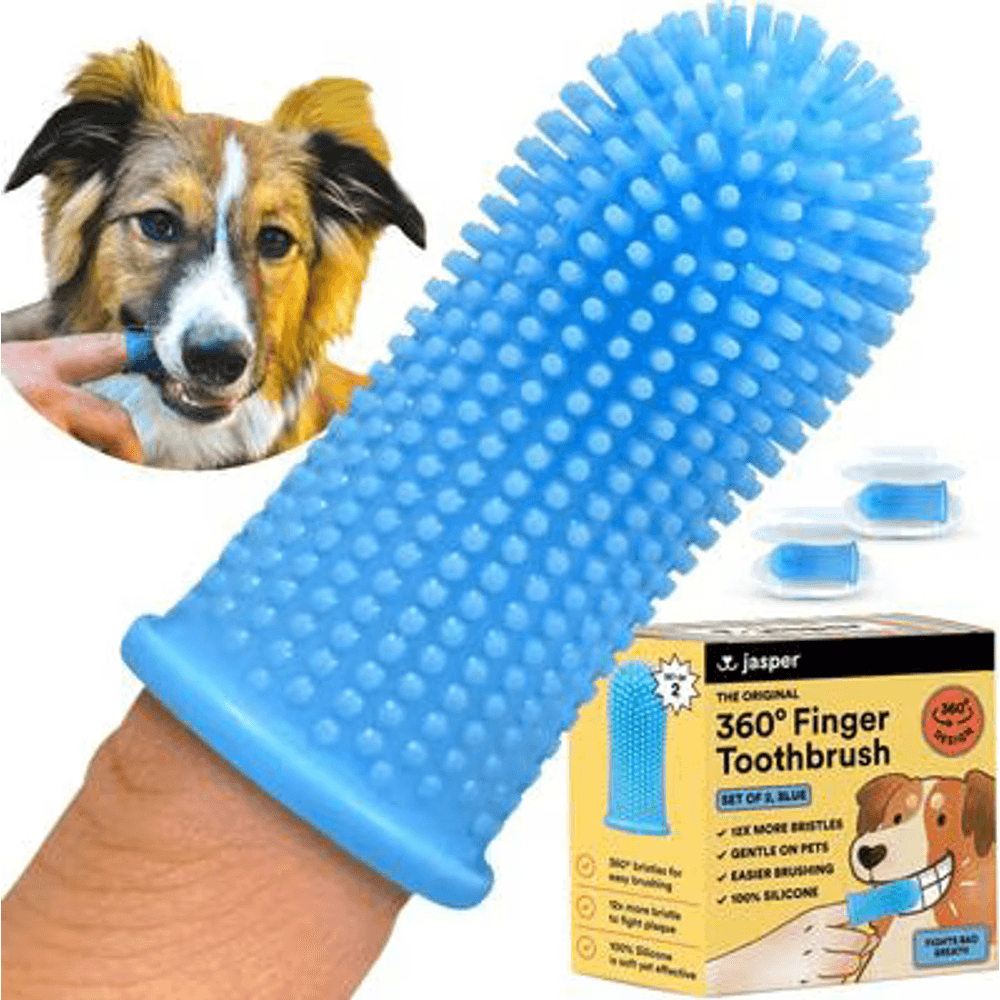
Finger toothbrush only if it fits comfortably. Ask your veterinary team to demonstrate; stop for pain or use a smaller tool.
Petful may earn a commission when you click through to Chewy, at no extra cost to you.
- Ask for documented family information when it is available.
- Distinguish a confirmed diagnosis from an owner's suspicion.
- Keep your dog's examination findings and care record current.
- Notice changes in comfort and daily function rather than focusing only on age.
- Use lifespan estimates as context, not as a deadline or guarantee.
Health Concerns to Discuss With Your Pomchi’s Veterinarian
Parent-breed risks help identify questions worth asking. They do not establish how common a condition is in Pomchis, and they do not mean your dog will develop it. Treatment should follow an individual examination and diagnosis, not a list of possible problems copied from two parent breeds.
- 1Use parent-breed information to guide questions, not diagnose your dog.
- 2Routine prevention and prompt assessment serve different purposes.
- 3Breathing difficulty needs urgent attention, regardless of an online breed description.
Dental and gum disease
Bad breath, difficulty eating, or oral discomfort should not be dismissed as normal for a small dog. Cornell's dental-care guidance explains that plaque-related disease can progress from gum inflammation to damage supporting the teeth. Brushing supports prevention; it does not replace assessment or professional treatment of established disease.
Ask your veterinarian to demonstrate a suitable home routine and decide whether the mouth needs treatment before you begin. A dog that resists brushing may be uncomfortable rather than stubborn. Do not force a brush into a painful mouth or assume that a dog continuing to eat has no dental problem.
Kneecap problems
Patellar luxation means the kneecap moves out of its normal groove. The American College of Veterinary Surgeons identifies both Chihuahuas and Pomeranians among affected small breeds. Some dogs intermittently lift a hind leg or skip; others have more persistent difficulty. Those observations justify examination but do not confirm the diagnosis by themselves.
Management depends on the findings, severity, and effect on the dog. Not every diagnosed case needs the same treatment, and a short video cannot replace an orthopedic examination. Ask what changes should trigger reassessment and whether activity or the home setup needs adjustment. Do not manipulate the kneecap yourself or try to make the dog walk through discomfort.
Coughing and airway concerns
Cornell's tracheal-collapse guidance describes a condition affecting small dogs, including Pomeranians, that can cause persistent coughing. A cough can have other causes, so a honking sound is not a home diagnosis. Examination and appropriate testing determine what is happening.
Some affected dogs benefit from medical management and changes that reduce triggers, but a harness is not a cure and there is no single treatment for every coughing dog. Follow the veterinarian's plan and report changes in frequency, effort, or recovery. Breathing difficulty, blue gums or tongue, or fainting requires emergency care.
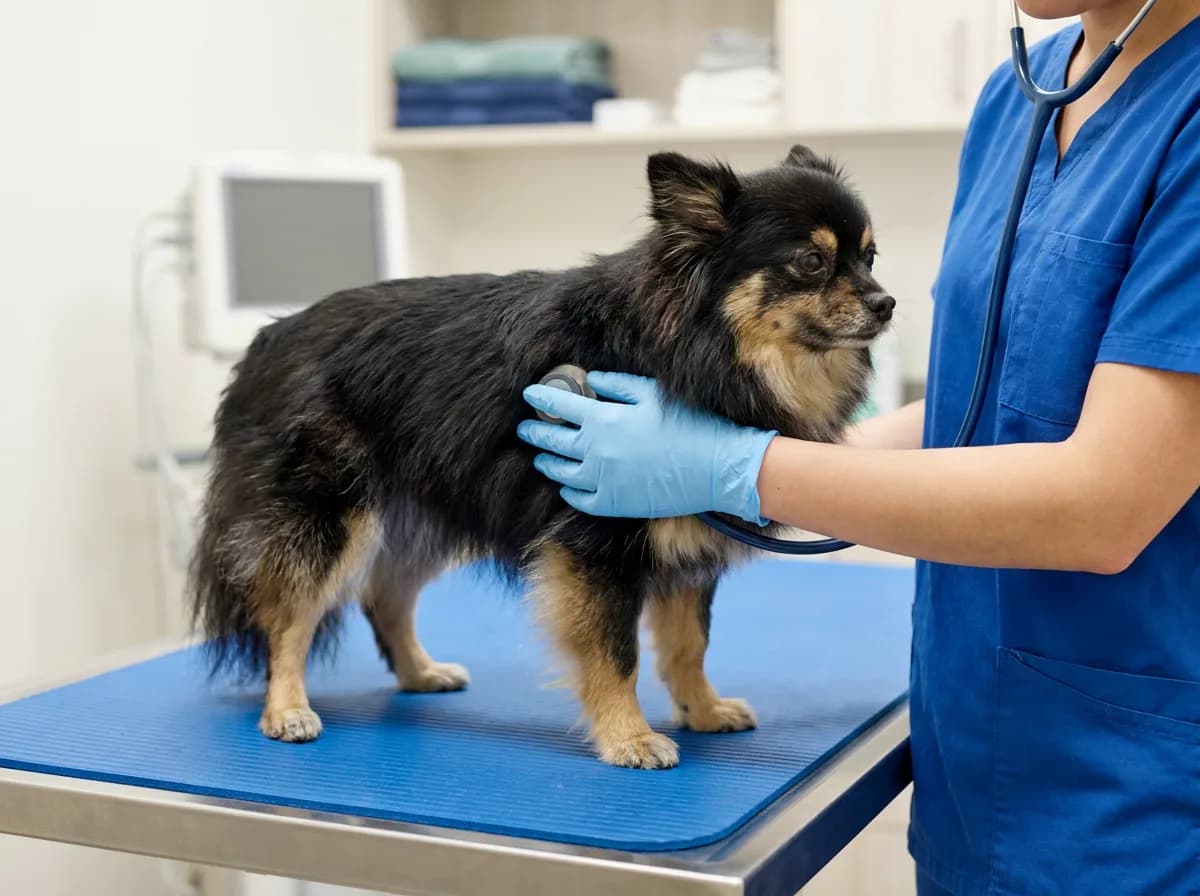
For walks, the Frisco Padded No Pull Harness in Small is a possible option only when its measurements fit your dog. Compare the requested neck and chest dimensions with the product chart and check movement and security on the dog. The Small label does not fit every Pomchi, and no-pull wording is not a treatment for an airway condition or a substitute for loose-leash training.
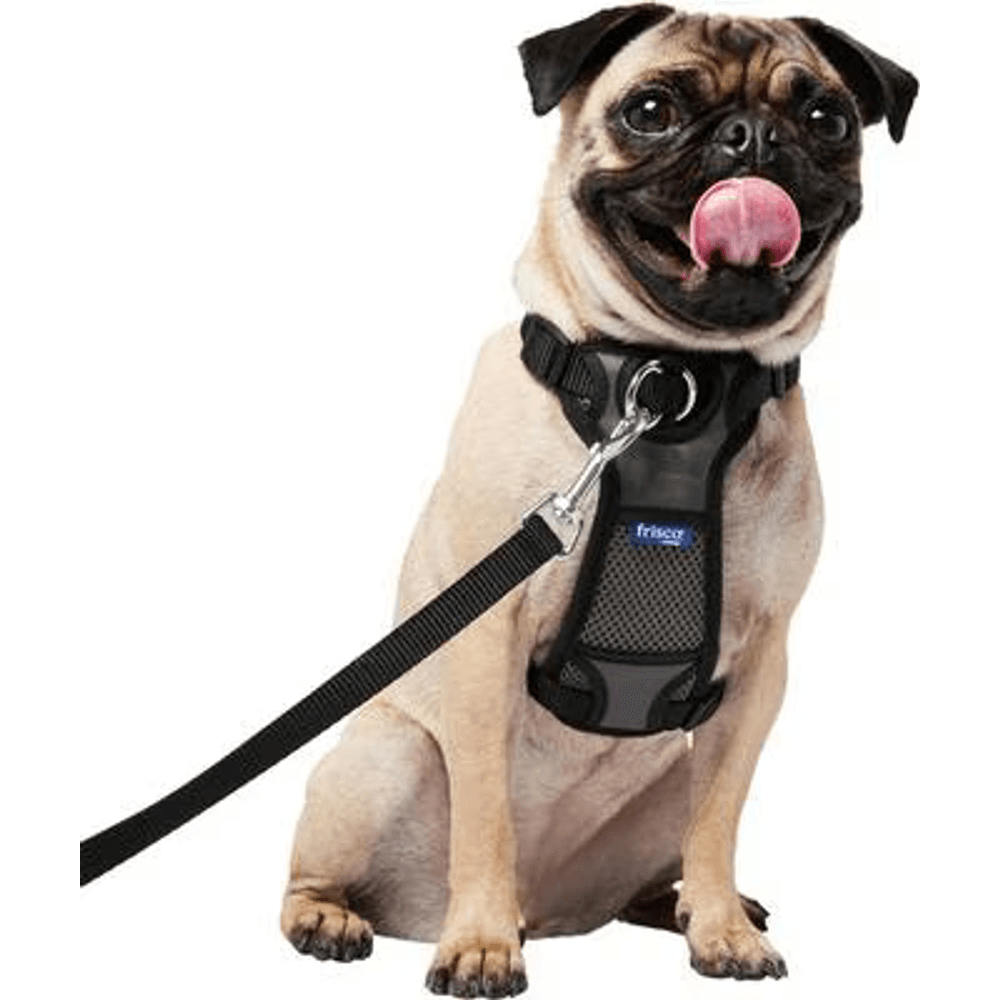
Check this Small harness against actual measurements and the current size chart. Adjust and test indoors; no-pull wording is not an escape-prevention guarantee.
Petful may earn a commission when you click through to Chewy, at no extra cost to you.
Individual and reproductive health
For a female Pomchi, discuss reproductive status, any pregnancy possibility, and relevant symptoms with the veterinarian rather than assuming a separate universal set of female health issues. Males also need care based on their own history and examination. Decisions about sterilization, testing, and follow-up should reflect the individual dog and the clinical discussion.
- Bring the current medication and supplement list.
- Describe when each symptom began and whether it is changing.
- Mention known family diagnoses without treating them as your dog's diagnosis.
- Ask what the recommended treatment is intended to accomplish.
- Confirm when to return or seek urgent help if the situation changes.
A Life-Stage Prevention Plan
Use a care plan that changes with the dog. At an initial puppy or adoption visit, bring all available records and discuss feeding, preventive care, identification, oral care, and safe activity. In adulthood, review the routine against current body condition and findings. In later life, pay particular attention to changes that affect comfort, mobility, eating, and interaction.
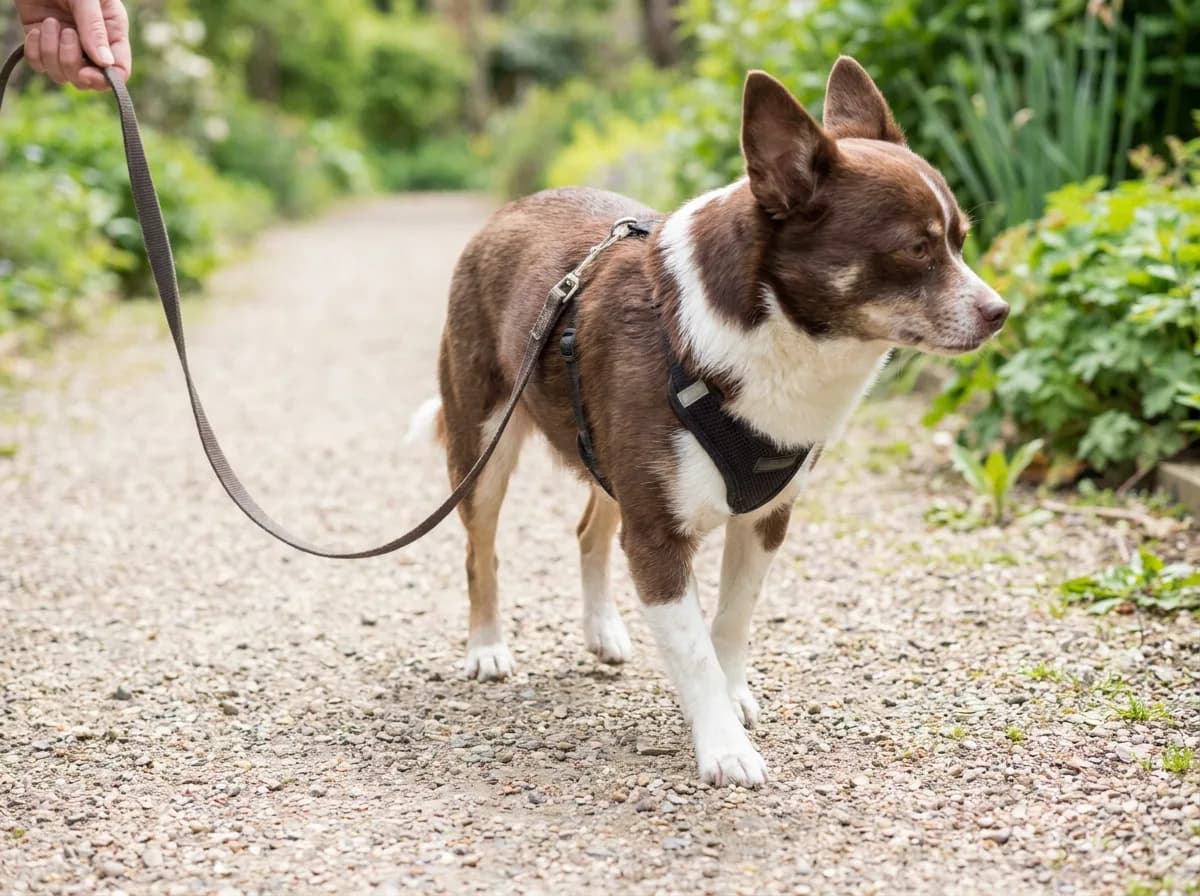
Brief, comfortable handling practice can use small pieces of Pet Botanics training treats when their ingredients fit the dog’s diet. Count them in daily intake and use only the handling your dog can tolerate; a reward is not a reason to continue through pain.
The Pomchi breed guide covers the cross's variable size, behavior, and household needs. Neither intelligence nor a small body removes the need for training and supervised activity. Adjust walks and play to the individual dog's age, health, and response rather than using a fixed breed-wide exercise prescription.
Make the routine workable
A prevention plan is easier to maintain when its tasks are clear. Know which appointments are due, who gives any prescribed medication, and where the records are kept. Ask the clinic to clarify instructions you do not understand, especially when more than one person cares for the dog.
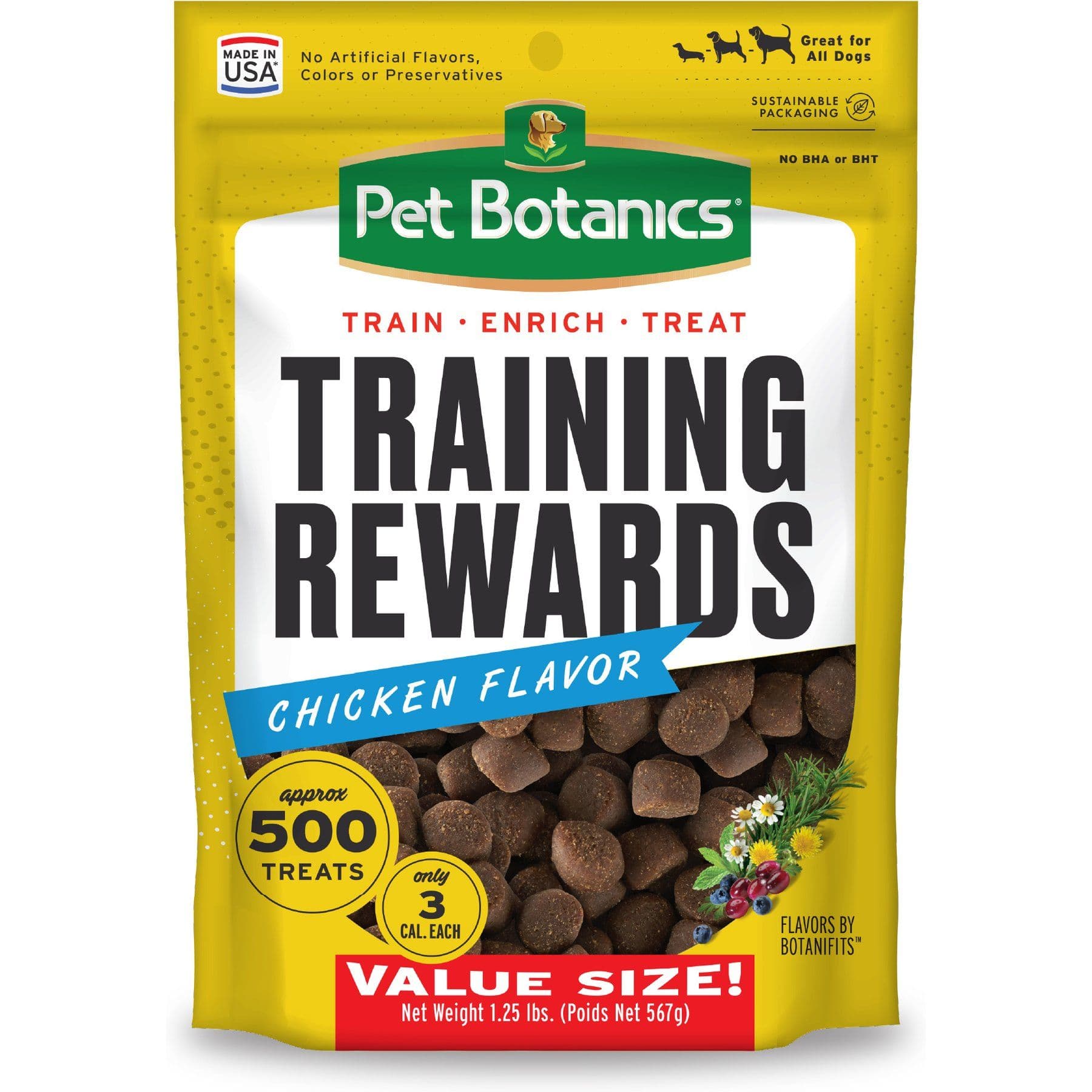
Small training rewards when ingredients suit your dog. Divide into appropriate pieces and count them in daily food intake.
Petful may earn a commission when you click through to Chewy, at no extra cost to you.
- Keep a current food and treat record for nutrition discussions.
- Track weight together with body condition rather than relying on coat volume.
- Follow the veterinarian's vaccination and parasite-prevention plan.
- Practice calm handling before grooming and examinations become urgent.
- Keep the clinic and after-hours contact details accessible.
Coat care also creates opportunities to notice changes. Our Pomchi coats and grooming guide explains how to work with the actual coat rather than assuming every Pomchi needs the same routine. Unexpected hair loss, irritated skin, or discomfort should be assessed separately from ordinary grooming needs.
Adapt to an older dog's needs
Keep track of what has become difficult. A dog that avoids a slippery floor, takes longer to rise, or no longer enjoys a familiar outing may need an assessment and a more comfortable arrangement. Do not assume every change is unavoidable aging, and do not push the dog to match a younger animal's activity.
Make useful observations before the visit: appetite, drinking, sleep, interaction, movement, and ability to perform ordinary routines. Record the change without trying to name the disease. A clear account of what your dog could do before and what is different now helps the veterinarian prioritize questions.
- Provide stable footing along frequently used routes.
- Keep water and resting areas easy to reach.
- Adjust activities around comfort and professional advice.
- Note whether prescribed care produces the expected improvement.
- Discuss quality of life and support needs openly as circumstances change.
Symptoms That Need Prompt or Emergency Care
Separate a routine prevention question from a new symptom. Do not wait for a scheduled checkup when a dog is struggling to breathe or has collapsed. Contact an emergency veterinary service immediately for breathing difficulty, blue gums or tongue, or fainting; these are emergency signs identified in Cornell's airway guidance.
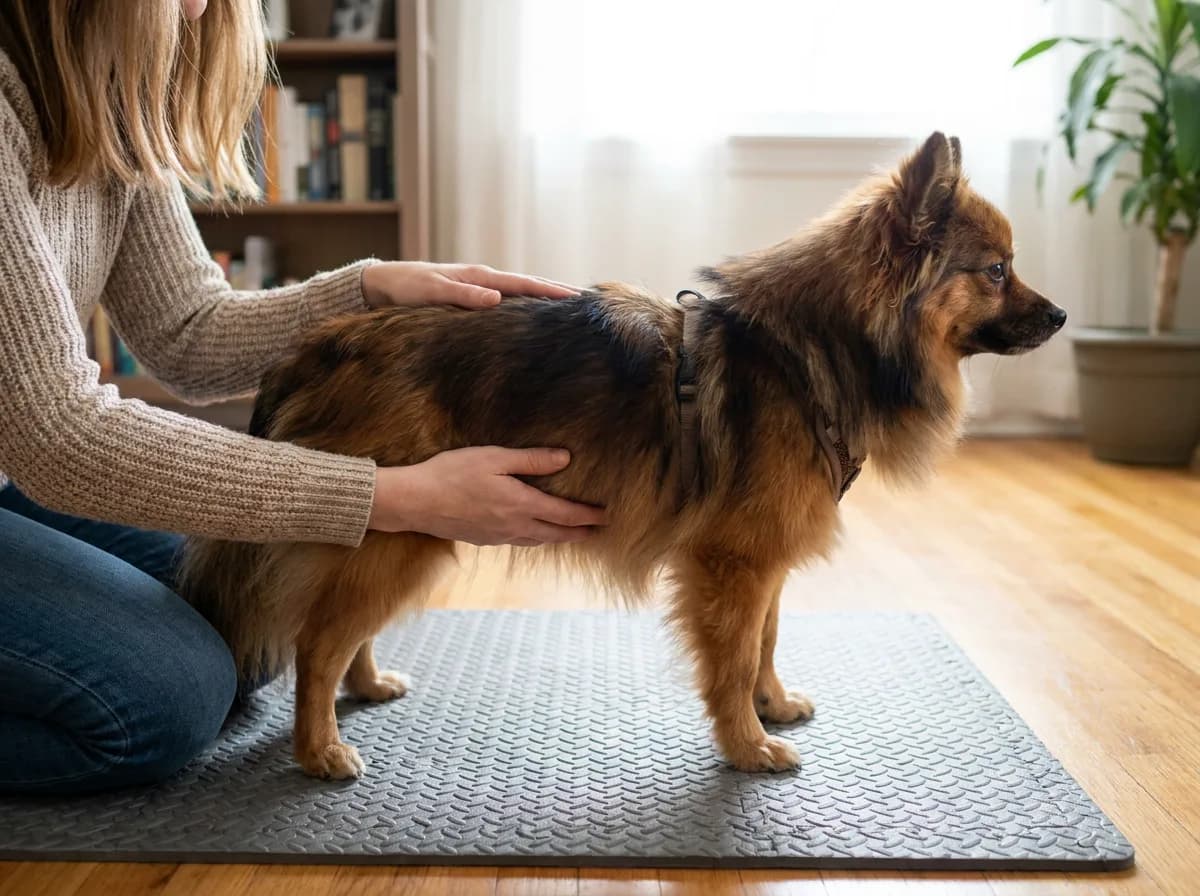
A dog that is stable but has recurring coughing, a new limp, eating difficulty, or a meaningful change in normal behavior still needs veterinary advice. Call the clinic, describe what is happening, and follow its timing recommendation. If the situation worsens while you are waiting, contact the team again rather than assuming the original plan still applies.
- State the main change first and when it began.
- Describe breathing effort, alertness, and whether the dog can move normally.
- Mention medications, relevant diagnoses, and possible recent exposures.
- Share a brief video only if recording will not delay care or stress the dog.
- Follow the clinic's transport instructions and avoid unnecessary handling.
A body-condition check belongs to routine monitoring when the dog is comfortable, not emergency treatment. Ask your veterinarian to show you how to assess beneath a fuller coat. Do not squeeze the chest, repeatedly provoke coughing, or perform home tests to decide whether respiratory distress is serious.
What Parent Health Testing Can and Cannot Predict
Ask for actual parent-health records when considering a puppy. The useful information includes which dog was tested, what was assessed, the result, and when the assessment occurred. A statement that both parents are healthy is less informative than records that can be matched to their identities and interpreted appropriately.
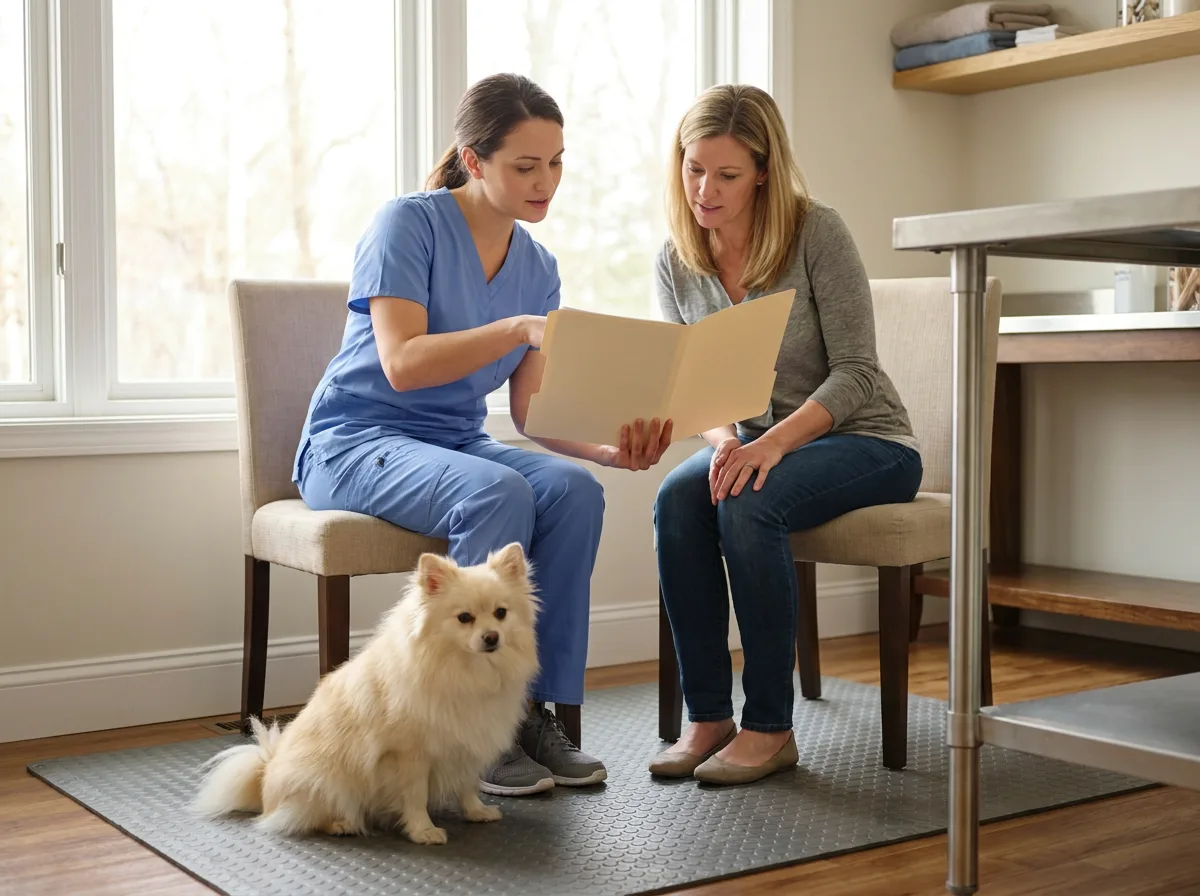
Screening reduces uncertainty about the specific conditions assessed. It does not rule out all inherited conditions, all later disease, or every problem that can arise during growth. A DNA panel and a physical examination answer different questions; neither should be presented as a universal health certificate.
- Request the original results or a verifiable record, not only a summary.
- Match the records to the parents named for the litter.
- Ask what the tests do and do not assess.
- Discuss significant findings with your veterinarian before committing.
- Keep family information available for your dog's future care.
The Pomchi puppies guide covers breeder assessment, adoption, price questions, and purchase records. Price does not determine health quality, and a crossbreed label does not guarantee an advantage over either parent breed. Consider the actual pairing and documentation rather than an assurance that mixing breeds removes inherited risk.
For a dog already in your home, incomplete family records do not prevent useful care. Start with the current examination, observed history, and a prevention plan you can maintain. Good records improve decisions, but the immediate task remains caring for the individual dog in front of you.
Pomchi Lifespan and Common Health Concerns Questions
Parent-breed risks make dental health, kneecap problems, and airway symptoms useful topics to discuss, but they do not establish Pomchi-specific disease rates. An individual examination is needed to assess your dog, and treatment depends on the diagnosis. Bring actual symptoms and records rather than assuming the crossbreed name identifies the problem.
Yes. A population estimate, even when well supported, does not set a maximum for individual longevity. Many online Pomchi ranges also lack a defined study population. Focus on current health, comfort, and appropriate care rather than treating an internet number as a deadline.
No. A Pomchi can still develop inherited conditions associated with its family. Parent testing is valuable, but screening limits remain because no test covers every inherited condition or later health problem. Evaluate actual records and the individual dog rather than accepting a blanket hybrid-health promise.
There is no well-established Pomchi-specific population average in the sources used here. For context, the AKC lists Pomeranians at 12–16 years and Chihuahuas at 14–16 years, but combining those ranges does not produce a measured lifespan for their cross. Ask about documented family longevity and keep the focus on your dog’s current health, comfort and preventive care. An online estimate cannot predict the number of years an individual dog will live.
BVMS, MRCVS
Dr. Pippa Elliott, BVMS, MRCVS, is a veterinarian with nearly 30 years of experience in companion animal practice. Dr. Elliott earned her Bachelor of Veterinary Medicine and Surgery from the University of Glasgow. She was also designated a Member of the Royal College of Veterinary Surgeons. Married with 2 grown-up kids, Dr. Elliott has a naughty Puggle named Poggle, 3 cats and a bearded dragon.
Sign up for expert-backed reviews and safety alerts all in one place.