Pomchi Coats and Grooming: Short Hair vs. Long Hair
Learn how to assess a Pomchi’s coat length, density, and tangles, then choose gentle brushing, bathing, and trimming that suit the individual dog rather than a haircut label.

BVMS, MRCVS
Petful is reader supported. As an affiliate of platforms like Amazon and Chewy, we may earn a commission when you buy through links on this page. There is no extra cost to you.
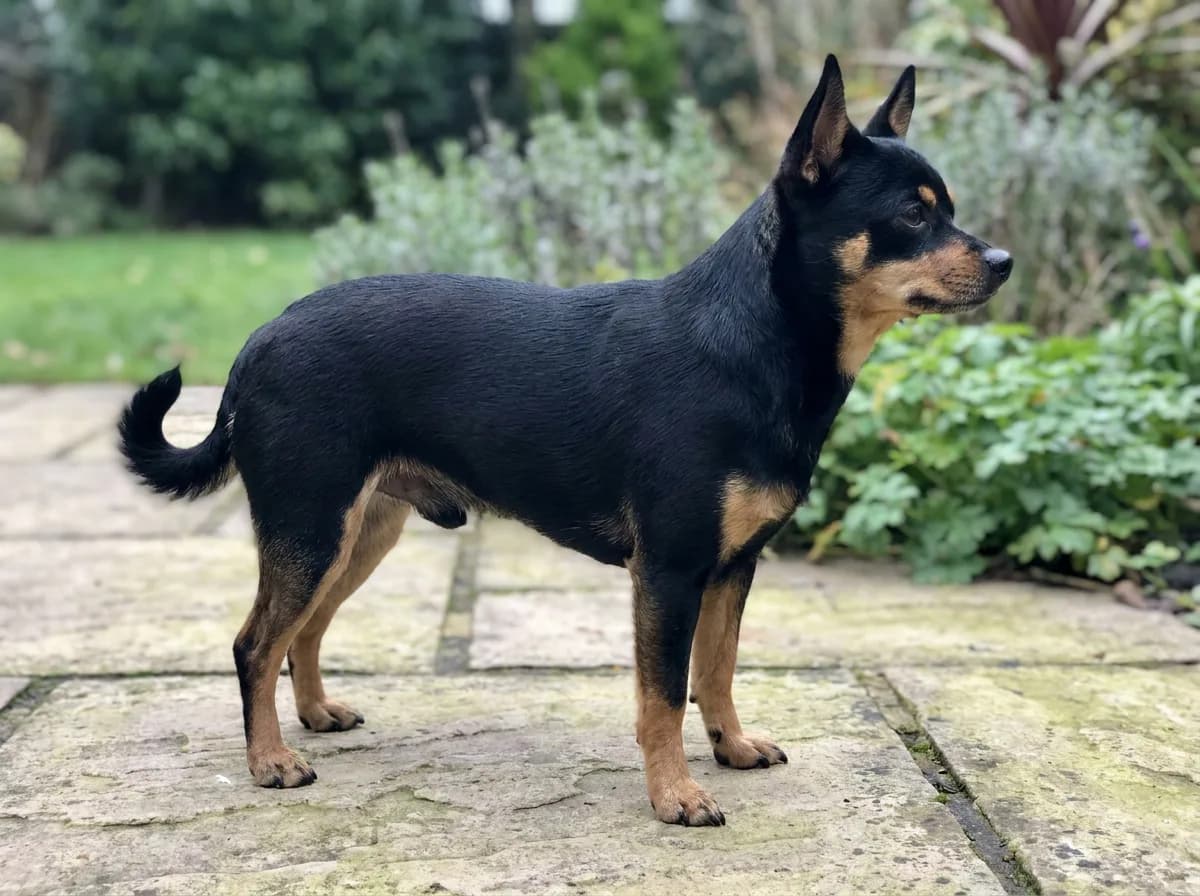
A Pomchi coat can be short and close-fitting, longer and feathered, or thick enough to hide a soft undercoat. The right grooming routine starts with those observable features. The name of this Pomeranian and Chihuahua mix does not tell you which brush to buy or which haircut will suit the dog.
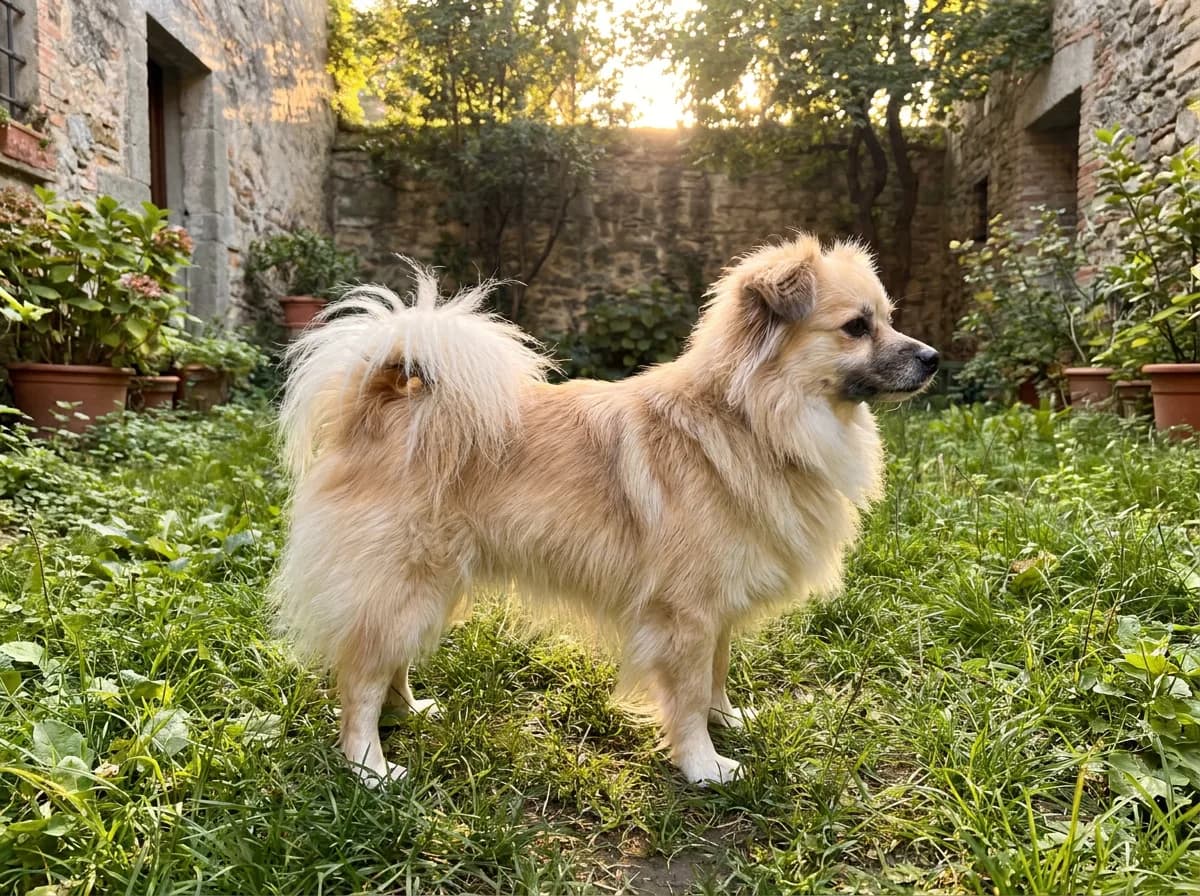
Look at hair length, feel the density gently, and check where tangles form. Those three checks are more useful than choosing a style from a photograph of another Pomchi.

Sign up for expert-backed reviews and safety alerts all in one place.
Short-Haired and Long-Haired Pomchis: What to Look For
A short-haired Chihuahua Pomeranian mix may have little feathering, while a long-haired Pomchi may carry longer fur around the ears, chest, legs, and tail. Length alone does not reveal undercoat density. Part a small area of clean, dry fur gently and look at the hairs beneath the outer layer without tugging or scratching the skin.
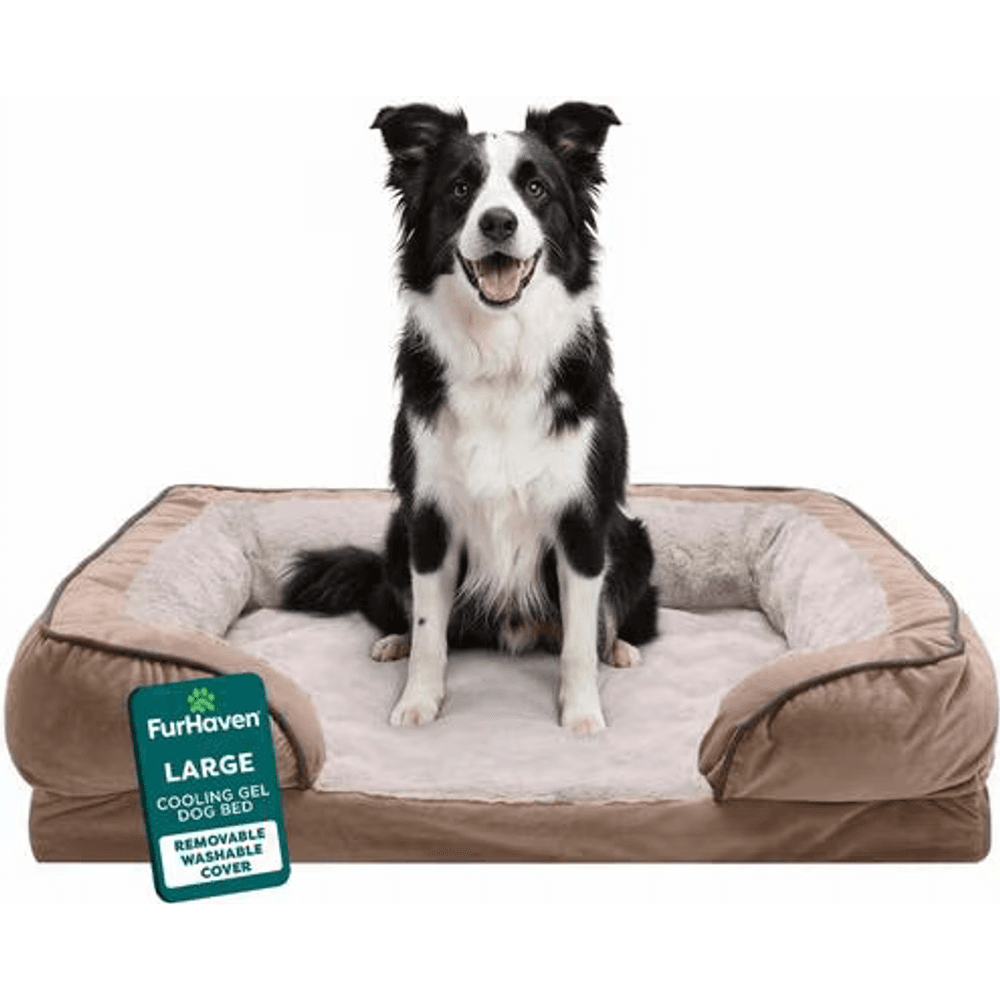
Removable-cover sofa bed. Check usable sleeping space and entry height against your dog’s posture and mobility; no medical or calming outcome promised.
Petful may earn a commission when you click through to Chewy, at no extra cost to you.
| Feature | What to check | Practical starting point |
|---|---|---|
| Short, close-fitting hair | Loose hairs and skin comfort | Gentle soft brushing without scraping |
| Long outer hair | Feathering and friction-area tangles | Work in small sections and check with a comb |
| Dense undercoat | Soft hair beneath the longer outer layer | Ask a groomer to demonstrate a suitable brush and light pressure |
| Uneven or thinning patches | Redness, itching or a recent change | Seek veterinary advice before treating it as a haircut problem |
A washable resting setup helps keep loose coat from collecting throughout the home. The FurHaven sofa bed with removable cover is one option if its usable area and entry suit your dog and room. Follow its cleaning instructions; a bed cover collects hair but does not reduce shedding.
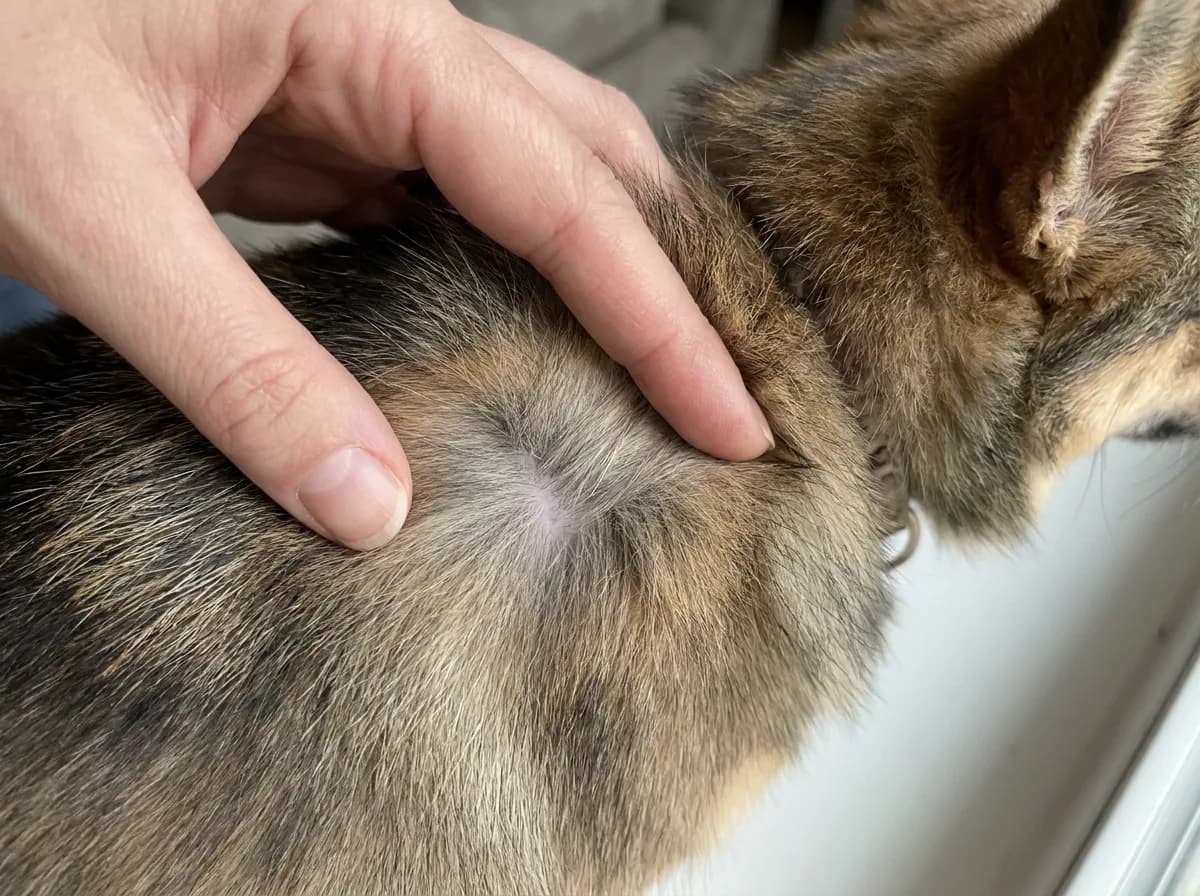
Examine more than the dog’s back. Friction-area tangles can develop behind the ears, beneath a harness, and where the legs meet the body. A smooth-looking surface does not prove that the deeper coat is clear. Use your fingers gently first; if the fur feels tightly packed or the dog objects, do not force a brush through it.
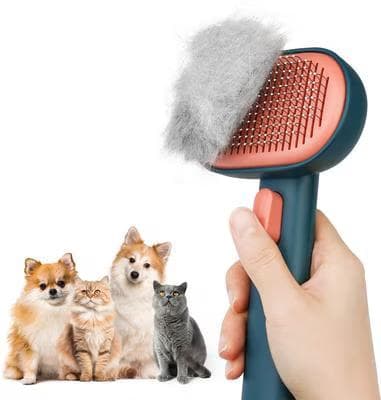
Slicker for gentle coat care if its pins and size suit your dog. Use light pressure; stop if it pulls or causes discomfort.
Petful may earn a commission when you click through to Chewy, at no extra cost to you.
Coat color is a separate feature. A black short-haired Pomchi does not need a different brushing technique simply because the hair is black. Likewise, white or cream fur does not establish a softer coat. Our Pomchi guide explains the cross’s broader appearance and personality without treating one look as a breed standard.
Choose tools before a haircut style
For a longer coat, the aumuca slicker brush is a tool to consider after checking the head size and pin feel against your dog’s coat and tolerance. It is not automatically the right choice for a sparse, close-fitting coat. Ask for a demonstration if you are unsure how much pressure is appropriate.
Haircut names are equally unreliable descriptions of coat structure. A “teddy bear cut” usually describes a rounded finished outline, while a “lion cut” leaves selected areas longer and takes others much shorter. Neither name tells you how much protective outer hair will remain. Before choosing any Pomchi haircut style, have the groomer assess the actual coat and explain the planned length.
How a Pomchi Coat Can Differ From a Long-Haired Chihuahua’s
A long-haired Chihuahua is a Chihuahua with the breed’s long-coat variety. A Pomchi has Pomeranian and Chihuahua ancestry and may inherit a different combination of coat traits. The AKC describes the Chihuahua’s smooth and long coats; the Pomeranian profile describes its abundant double coat. Those parent descriptions help explain the possible variation, but do not identify an individual mixed dog from a photograph.
Two dogs with similar feathered tails can therefore need different brushing. Compare density at the skin and how easily a comb travels through the hair, rather than assuming a Pomchi needs the same routine as the long-haired Chihuahua next door.
Build a Pomchi Grooming Routine Around the Coat
Begin with short sessions on a nonslip surface where the dog can stand comfortably. Let the dog investigate the tool and reward calm participation. Match the size of the brush head and the pressure to the dog; a small body does not make rough brushing harmless.
Tiny pieces of Pet Botanics training treats can reward a brief, comfortable brush stroke. Check ingredients and include the rewards in daily intake. Food should support willing participation, not distract the dog while you pull through a painful tangle.
- Start with a small, accessible area rather than tackling the most tangled spot first.
- Brush with light strokes through small sections, checking that the tool reaches the relevant hair without scraping skin.
- Check behind the ears, under the harness, and along leg feathering with your fingers and a suitable comb.
- Pause when the dog pulls away, stiffens, or becomes distressed.
- Ask a groomer to manage tight mats instead of cutting toward skin with household scissors.

Small training rewards when ingredients suit your dog. Divide into appropriate pieces and count them in daily food intake.
Petful may earn a commission when you click through to Chewy, at no extra cost to you.
Pomchis can shed, including short-haired dogs. Longer strands may be more visible on furniture, while short loose hairs can still collect in clothing. Adjust your brushing schedule to what you observe: how quickly tangles return, how much loose hair is present, and whether the dog stays comfortable between sessions. There is no reliable cross-wide amount of shedding to promise. Before deciding to shave a Pomchi, have a groomer assess the coat; the haircut discussion below explains why routine close clipping is unsuitable for some coats.
Pomchis are not hypoallergenic dogs. The American Academy of Allergy, Asthma & Immunology explains that pet allergens occur in substances including dander and saliva, and that there are no truly hypoallergenic dog breeds. A short haircut or reduced visible shedding does not remove that issue. Someone with symptoms should discuss their individual situation with an allergist.
- 1Match brushing to hair length and undercoat density.
- 2Check friction-area tangles gently, especially behind ears and beneath equipment.
- 3Ask for help with tight mats rather than pulling harder or cutting close to skin.
Bathing and Drying a Small Dog
Brush or assess tangles before a bath so you do not discover a tightly matted area only when the dog is wet. Prepare towels, a nonslip surface, and a suitable dog shampoo before starting. Keep the session calm and follow the product directions, including any age restrictions and dilution instructions.
For ordinary cleaning, Burt’s Bees Oatmeal Dog Shampoo is one option to consider. Oatmeal shampoo’s routine uses and limits are different from treating a skin condition. A nonmedicated shampoo does not diagnose or treat allergies, infection, or unexplained itching. If the skin is sore, ask your veterinarian which product to use before trying a different cosmetic wash.

Nonmedicated shampoo for ordinary cleaning of a healthy coat. Follow the label; ask a veterinarian about unexplained irritation.
Petful may earn a commission when you click through to Chewy, at no extra cost to you.
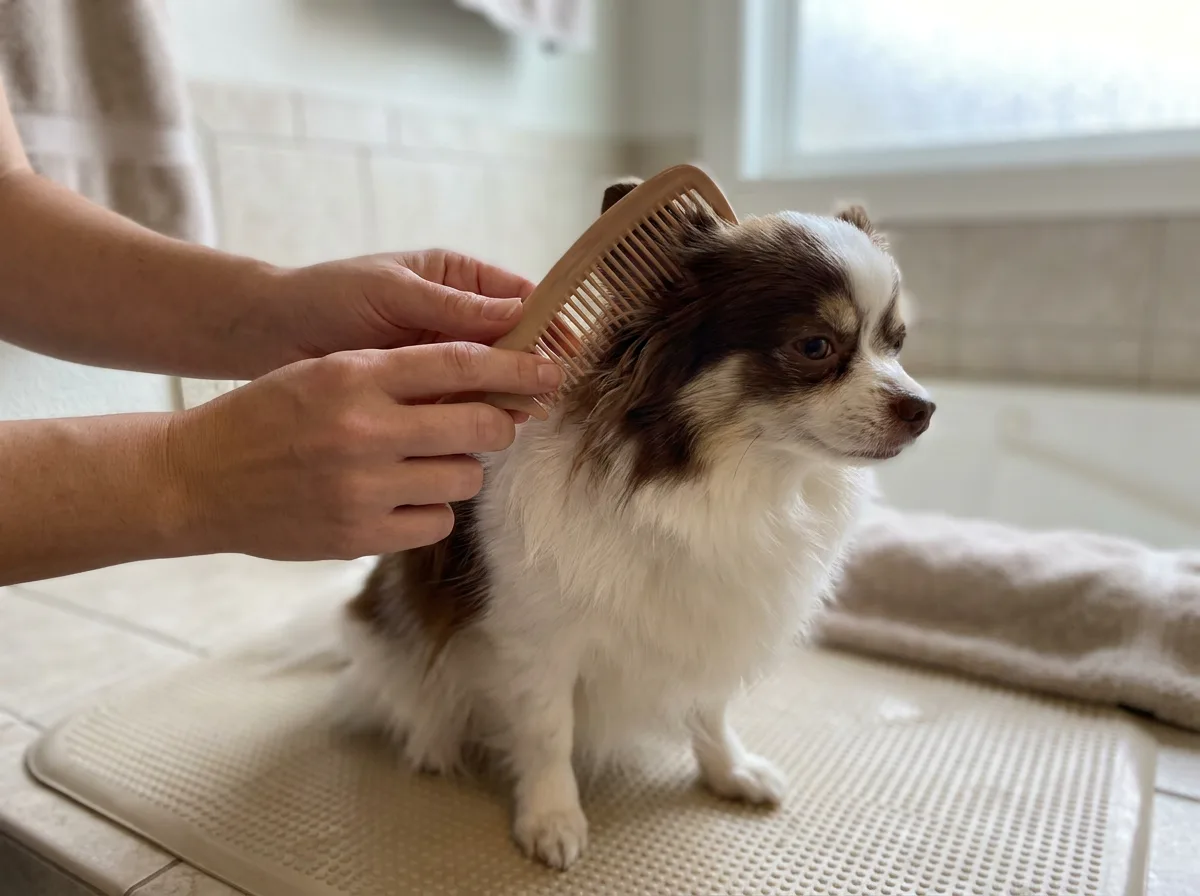
- Use comfortably lukewarm water and keep shampoo away from the eyes.
- Rinse thoroughly, including beneath longer chest and leg hair.
- Blot with a towel rather than vigorously rubbing tangly fur.
- If using a dryer, keep the temperature comfortable and stop if the dog is frightened or the skin becomes hot.
- Check that dense areas have dried, rather than judging only the outer surface.
There is no single bathing interval for every Pomchi. A muddy walk, coat density, skin condition, and the dog’s tolerance all affect the plan. A groomer can demonstrate drying technique; a veterinarian should guide bathing when a skin condition is present.
Haircuts: What to Discuss With a Groomer
Bring a reference photograph if it helps describe the outline you like, but ask what is achievable with your dog’s coat. Discuss practical goals such as keeping foot feathering tidy, preventing soiling, and making regular combing manageable. The dog’s comfort matters more than reproducing another dog’s silhouette.
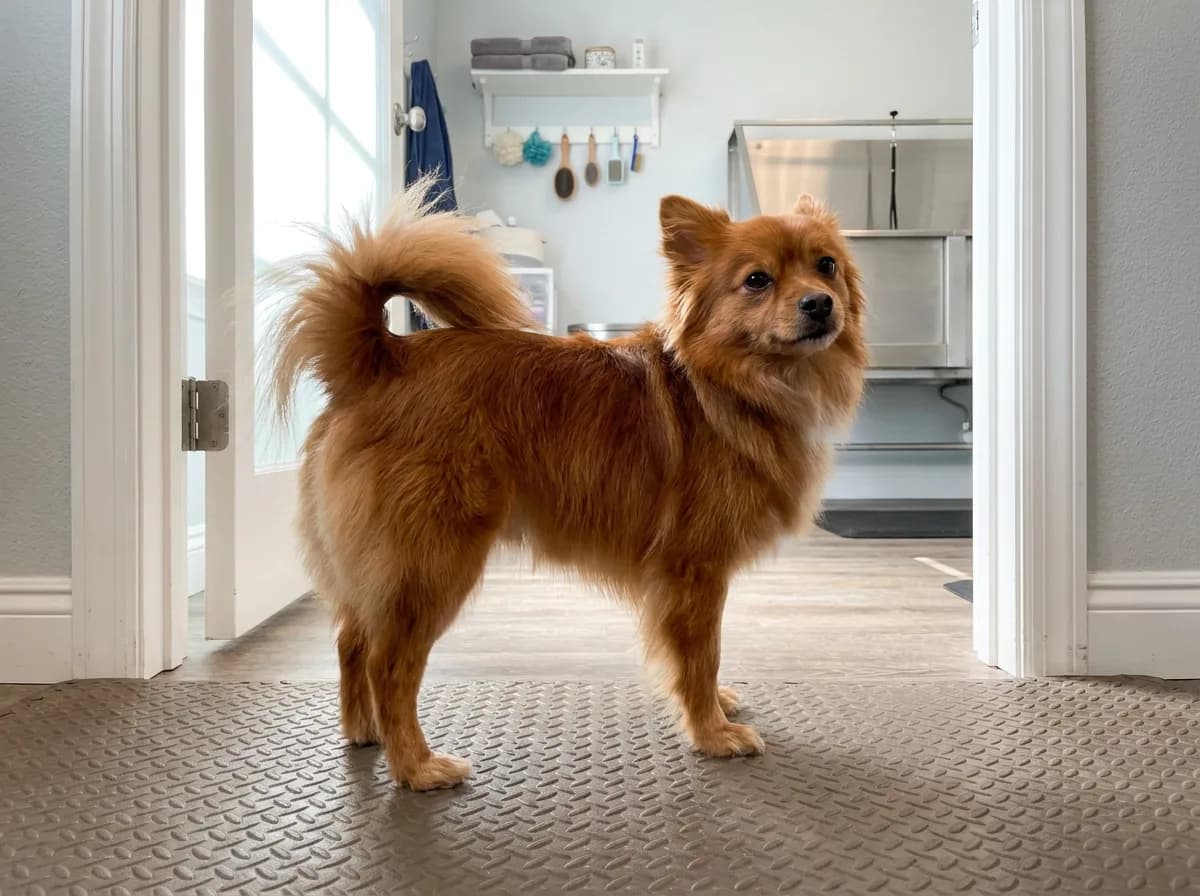
A blanket instruction to shave every Pomchi is inappropriate. The AKC’s double-coat grooming guidance advises against routine shaving of double-coated dogs and describes circumstances in which severe matting changes the decision. A medically necessary clip or humane removal of tight mats is different from selecting a close cosmetic cut.
Before approving a teddy bear or lion style, clarify:
- Which areas will be shortened and how much length will remain.
- Whether the proposed work is a light outline trim or close clipping.
- Whether mats make the preferred style uncomfortable or impractical.
- What maintenance the finished coat will require at home.
Do not insist on painful dematting to preserve hair length. Ask the groomer to explain the options and involve your veterinarian if skin injury or a medical problem is suspected.
Puppy Coat Changes and Skin Problems
A puppy coat can change in fullness and feel as the adult texture develops. That does not create a fixed timetable for every mixed-breed dog. Take occasional photographs in similar lighting and note changes in brushing needs, rather than expecting your puppy to match a particular Pomeranian growth picture. When choosing a puppy, photographs of newborn coats cannot substitute for the breeder and parent-record checks in our Pomchi puppy guide.
Fuller fur can also make a dog look larger without a corresponding change in body size. Our full-grown Pomchi guide explains how to use measurements and body condition instead of judging weight through a fluffy outline. Recheck harness contact as the coat changes so rubbing does not go unnoticed.
- Arrange a veterinary assessment for persistent itching, inflamed skin, sores, or new bald areas.
- Mention changes in appetite, energy, or weight alongside changes in the coat.
- Bring details of recent shampoos, parasite products, grooming, and diet changes.
Do not assume a sparse coat is simply a normal puppy phase, or that a particular color predicts a shorter life. The Pomchi health and lifespan guide covers individual risk and preventive care. Grooming can help you notice a problem; it cannot determine its cause.
Pomchi Coats and Grooming Questions
Yes, a Pomchi may have a dense undercoat beneath longer guard hairs, but hair length alone cannot confirm it. On clean, dry fur, part a small area gently and look for the softer layer beneath the outer hairs. Ask a groomer to demonstrate if you are unsure. That assessment helps you choose tools and discuss trimming; a fluffy photograph is not enough to decide that a close clip is suitable.
The individual coat matters more than the cross’s name. Seasonal loose hair may make shedding more noticeable, but short-coated Pomchis also shed. Track your own dog’s pattern and seek advice if hair loss is patchy or accompanied by skin discomfort.
Yes. The puppy coat can give way to an adult texture with different fullness or feathering, without following a fixed timetable for every Pomchi. Keep occasional photographs in similar lighting and note whether tangles develop faster or the harness sits differently. Reassess the routine from those changes rather than copying another puppy’s age chart. Sudden bald patches, itching or irritated skin need a veterinary assessment rather than an assumption that the puppy is growing up.
BVMS, MRCVS
Dr. Pippa Elliott, BVMS, MRCVS, is a veterinarian with nearly 30 years of experience in companion animal practice. Dr. Elliott earned her Bachelor of Veterinary Medicine and Surgery from the University of Glasgow. She was also designated a Member of the Royal College of Veterinary Surgeons. Married with 2 grown-up kids, Dr. Elliott has a naughty Puggle named Poggle, 3 cats and a bearded dragon.
Sign up for expert-backed reviews and safety alerts all in one place.