Pomchi Colors: Common Coats and Markings
Describe Pomchi colors by separating the main shade from markings such as sable, tan points, parti, and merle. Learn how photos, changing coats, and breeder labels can shape what you see.

BVMS, MRCVS

Petful is reader supported. As an affiliate of platforms like Amazon and Chewy, we may earn a commission when you buy through links on this page. There is no extra cost to you.
Pomchi colors are easiest to describe in two parts: the main shade of the coat and the pattern of lighter or darker areas. Black, cream, red, and chocolate describe broad color impressions. Sable, tan points, parti, and merle describe patterns that can accompany a color label. One dog may need more than one term.
A Pomchi is a Pomeranian–Chihuahua cross, so there is no single shared Pomchi color standard that makes every breeder's label equivalent. Use photographs to describe what is visible, then use records and appropriate testing for questions about ancestry or genetics. An unusual color name does not establish rarity, health, or value.

Sign up for expert-backed reviews and safety alerts all in one place.
Pomchi Colors: Black, White, Cream, Red, and Chocolate
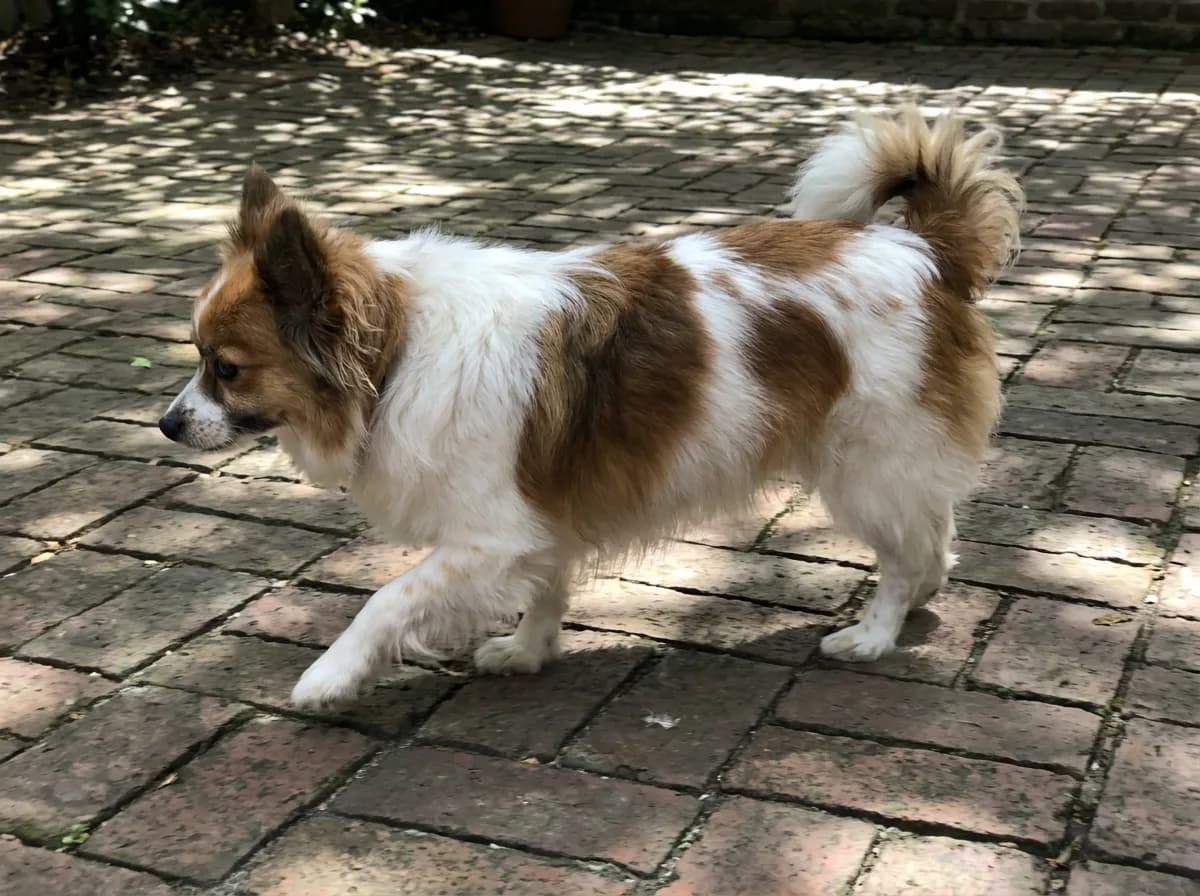
Start with a plain description before deciding which specialized label to use. A predominantly black dog may also have white chest markings. A brown dog may have white patches or tan points. Base color and coat pattern answer different questions, so black-and-white and black-and-tan are more informative than calling both dogs simply black.
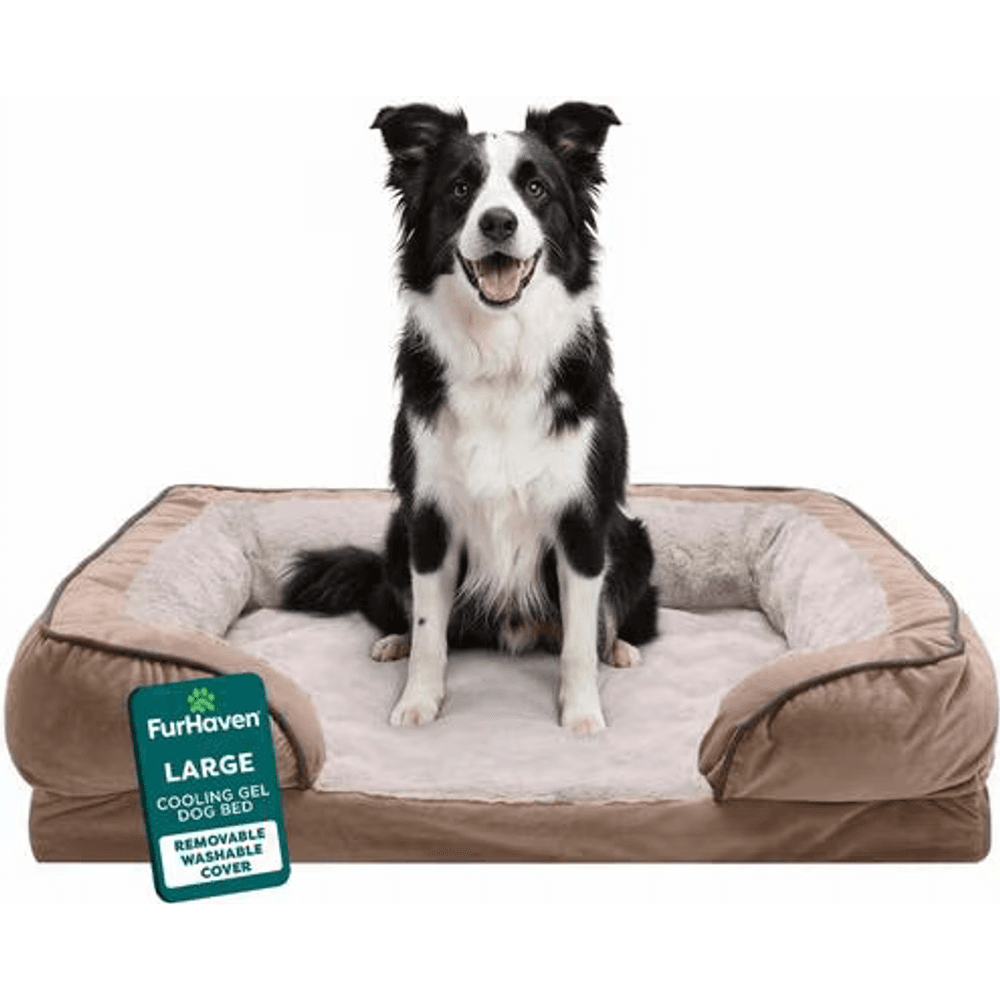
Removable-cover sofa bed. Check usable sleeping space and entry height against your dog’s posture and mobility; no medical or calming outcome promised.
Petful may earn a commission when you click through to Chewy, at no extra cost to you.
The parent-breed standards show why there is room for variation. The AKC Pomeranian standard allows a broad range of colors and patterns, while the AKC Chihuahua standard allows solid, marked, or splashed colors. Those are parent-breed standards, not a genetic prediction or a new standard for their cross.
| Visible description | Base color or shade | Coat pattern to describe separately |
|---|---|---|
| Mostly black | Black | White chest marking, tan points, or other visible areas |
| White or cream | White-looking or warm pale shade | Any colored patches or shading |
| Red | Warm reddish coat | Dark tips, ear shading, or contrasting patches |
| Brown or chocolate | Brown-looking coat | White patches or lighter points |
| Black-and-white | Black and white visible areas | Distribution of white markings |
| White-and-brown | White and brown visible areas | Location and extent of brown patches |
| Gray or blue-looking | Cool gray impression | Mottling or solid-looking distribution |
For ordinary care, spend on a setup that fits the dog rather than matching a coat-color label. A FurHaven sofa bed with removable cover can provide a resting spot if its usable sleeping area, entry height and footprint suit your home. Neither its color nor its orthopedic product name establishes a health benefit for your Pomchi.
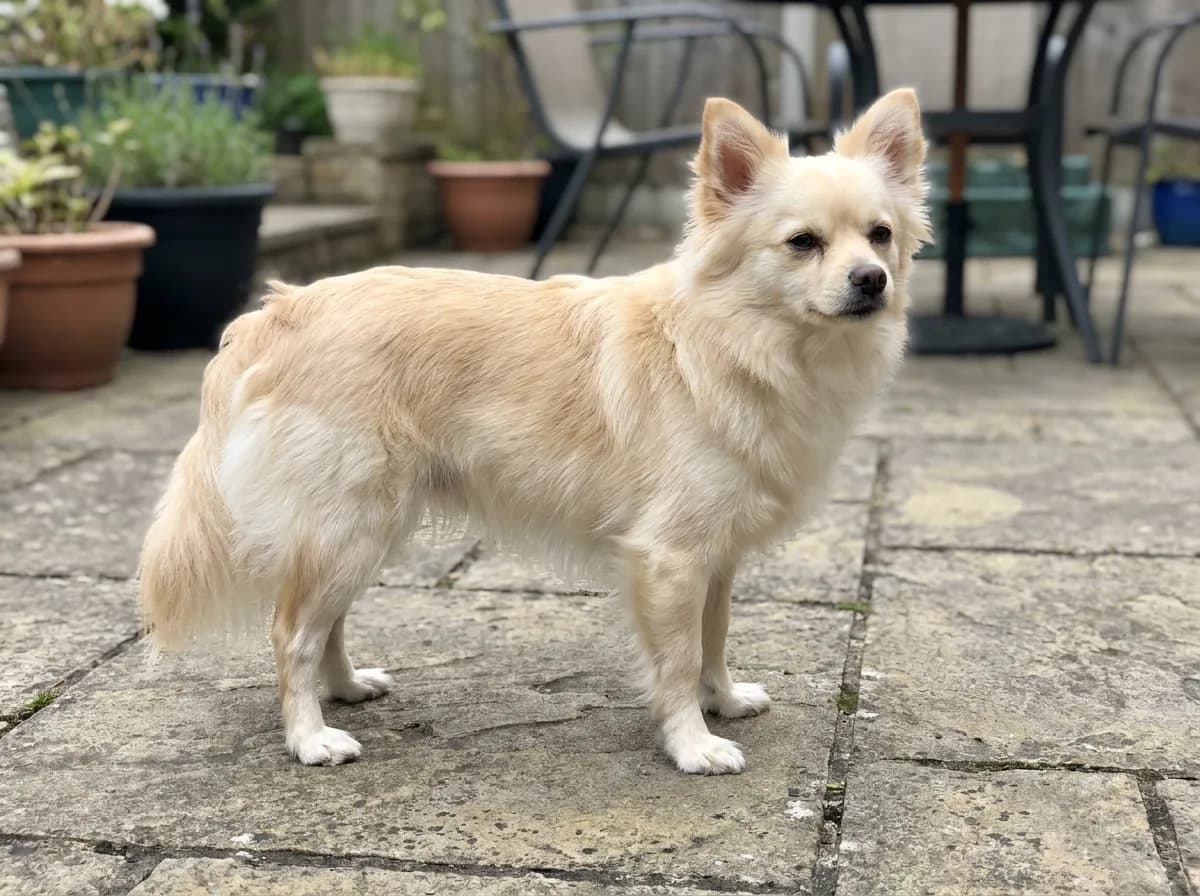
White and cream can be difficult to distinguish in warm indoor light. A cream Pomchi has a warmer overall impression than a white-looking coat, but exposure and reflected light can alter both. Ask for a dry-coat photograph in neutral daylight if a seller's description seems different from the pictures.
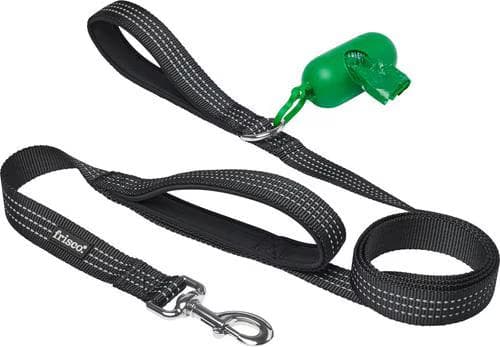
Six-foot leash for supervised everyday walks when the clip and weight suit your dog. Not a long line for distance recall.
Petful may earn a commission when you click through to Chewy, at no extra cost to you.
Brown and chocolate are sometimes used loosely in advertisements. Describe the visible brown pigment without assuming a photograph confirms a genetic result. Similarly, a black-and-brown Pomchi may be described more precisely by noting where the lighter areas appear rather than treating that wording as a separate variety.
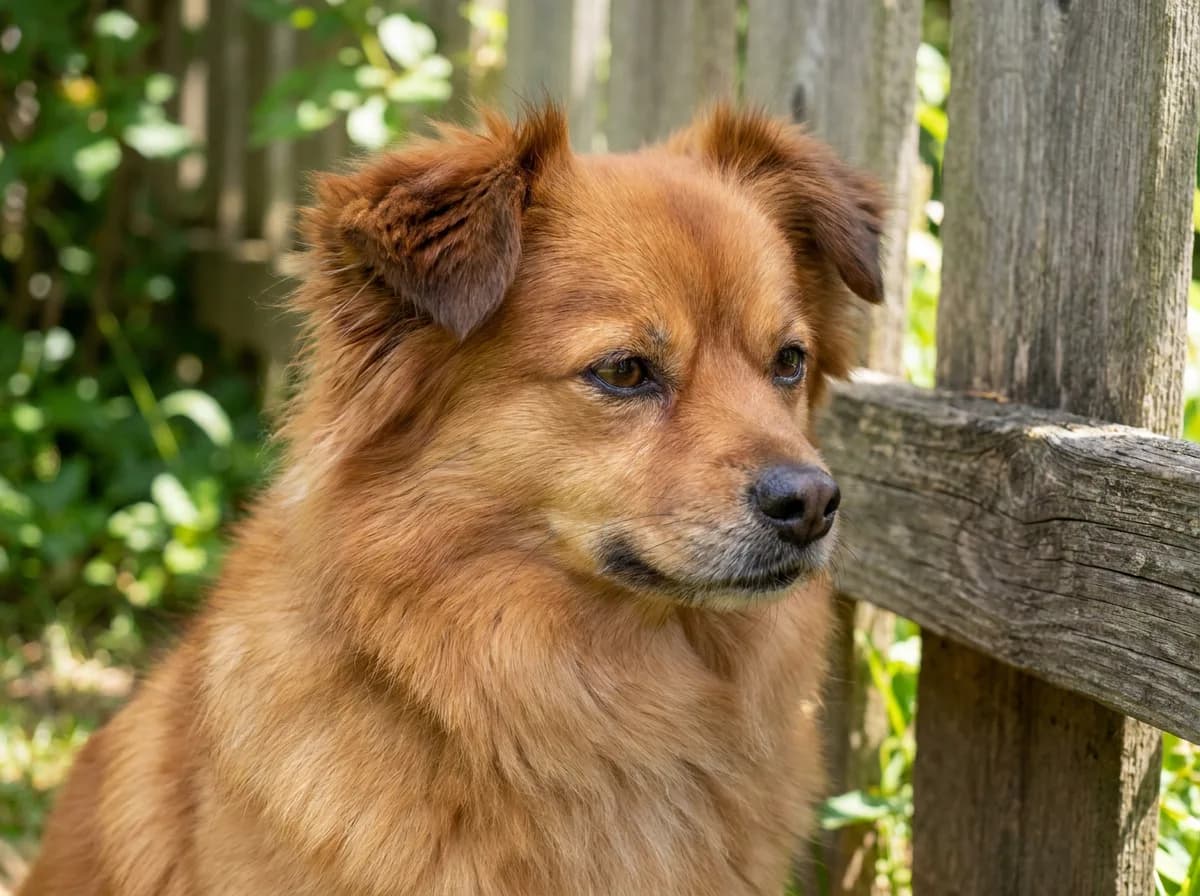
When taking outdoor reference pictures, keep the dog on suitably fitted equipment in a secure setting. The Frisco six-foot traffic leash is an everyday walking option when its clip and weight suit the dog; it is not a reason to unclip the dog for a better photograph.
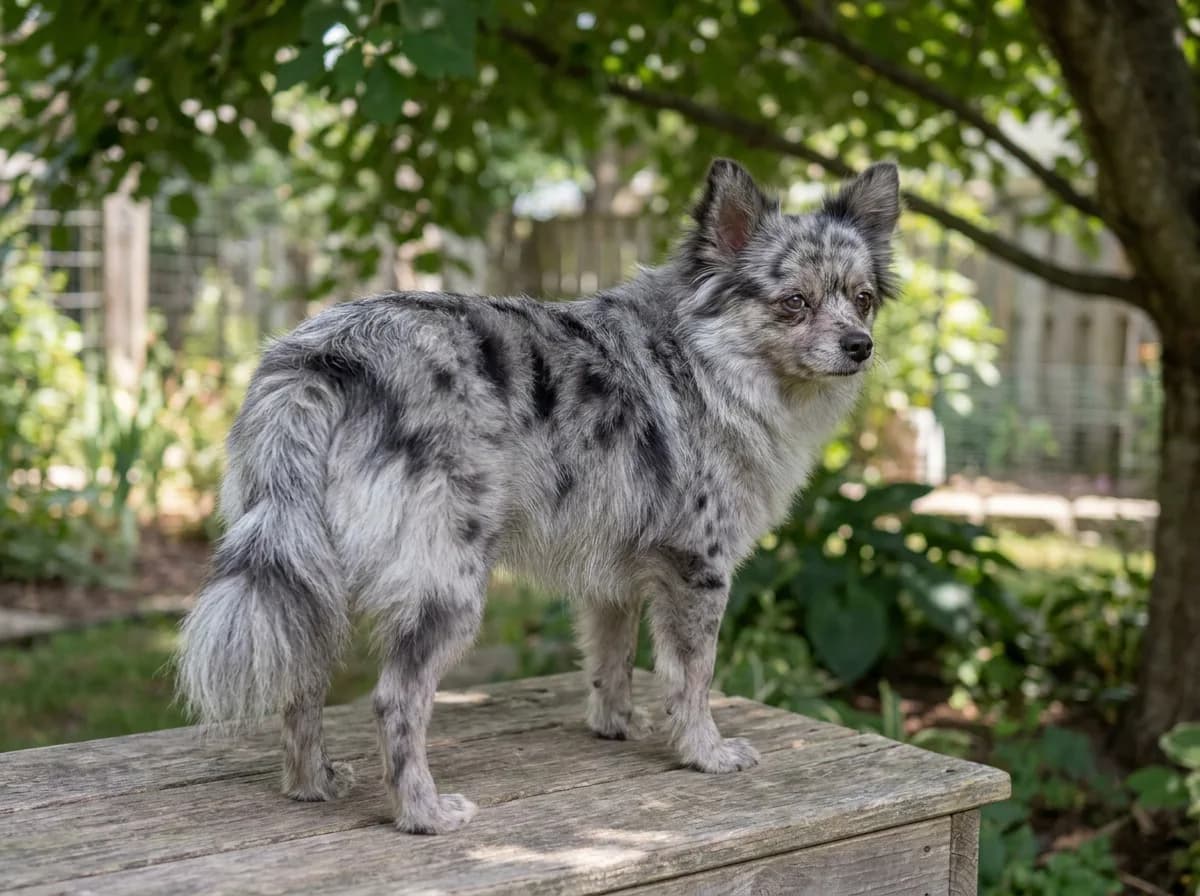
Blue, grey, and lavender labels need particular care because everyday color language and genetic terminology are not interchangeable. A blue merle description combines a color impression with a pattern; blue alone does not mean merle. Ask what the seller means, which records support any genetic claim, and whether the same dog was photographed under different lighting.
- Describe the main visible shade first.
- Add the location of white, tan, or darker areas.
- Note whether dark tips or irregular mottling are visible.
- Keep the registered or breeder label separate from your visual description.
- Avoid a genetic conclusion based on color balance in a photograph.
Sable, Tan Points, Parti Coats, and Merle Markings
A pattern tells you how colors are distributed. A tan Pomchi can have darker shading, and a tri-color Pomchi can combine white areas with dark pigment and tan markings. These descriptions can overlap. They do not identify separate breeds or prove that every dog given the same label has the same ancestry.
- 1Describe base color and coat pattern separately.
- 2One dog can have more than one accurate appearance label.
- 3Neither a striking pattern nor a rare-color claim proves health, ancestry, or value.
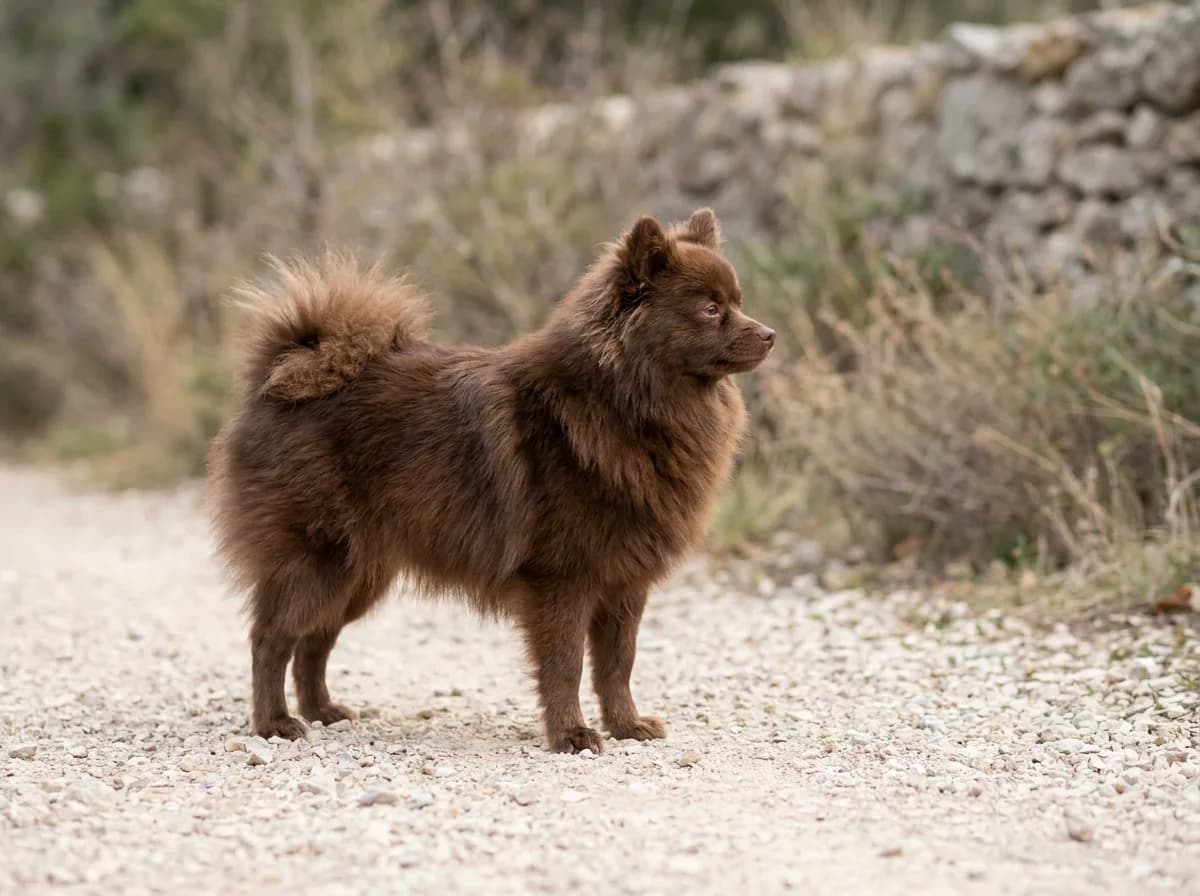
The aumuca Self Cleaning Slicker Brush is one option if its pins and size suit the dog's coat. Use light pressure and inspect the result; the product name does not establish suitability for every Pomchi. A brush that removes visible loose hair may still leave tangles beneath longer furnishings.

Slicker for gentle coat care if its pins and size suit your dog. Use light pressure; stop if it pulls or causes discomfort.
Petful may earn a commission when you click through to Chewy, at no extra cost to you.
Compare the distribution, not just the shade
Sable describes darker-tipped hair over a lighter-looking coat. Tan points are contrasting lighter areas in recognizable locations, such as the face and lower legs. Parti descriptions concern white areas alongside colored patches. Looking at the whole dog helps distinguish these patterns better than a cropped headshot.
Merle produces an irregular mottled appearance, but its genetic expression can be subtle or complex. The UC Davis Veterinary Genetics Laboratory explains that some merle variants can show little visible pattern and that genetic testing is needed to establish the relevant status. A photograph cannot reliably determine whether a dog carries one or two variants.
- Look at both sides of the body when possible.
- Distinguish scattered dark tips from continuous patches.
- Note facial points and white areas separately.
- Ask for test results when a breeding claim depends on merle genetics.
- Do not treat a color description as a complete breeding or health assessment.
Merle also deserves a health conversation when a pairing is being considered. UC Davis describes potential health problems in double-merle offspring and discourages breeding two merle dogs. That does not mean every visibly merle dog is unhealthy, or that every white dog is double merle. Have actual results interpreted by a qualified professional instead of diagnosing from markings.
Why Pomchi Color Labels Vary
Pomchi is a crossbreed name, and the words used by breeders, owners, and registries may not line up exactly. One person may say cream sable while another emphasizes the darker hair and says shaded cream. Ask for a description of the dog and the reason for the label rather than assuming every disagreement reflects a different animal.

Nonmedicated shampoo for ordinary cleaning of a healthy coat. Follow the label; ask a veterinarian about unexplained irritation.
Petful may earn a commission when you click through to Chewy, at no extra cost to you.
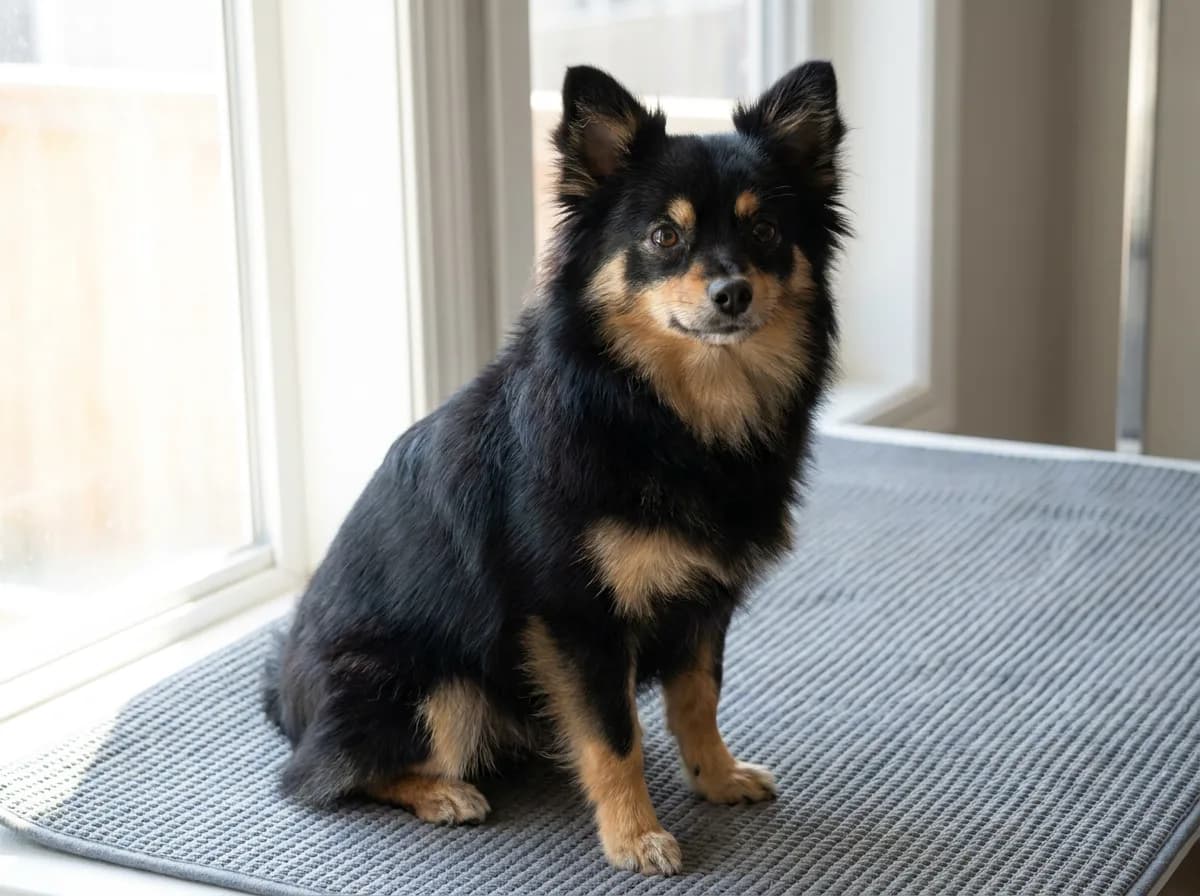
The Pomchi guide explains the cross's variable appearance and household considerations. Whether a Pomchi is a good fit depends on the individual dog and your routine. A preferred coat shade is a reasonable preference, but it cannot answer questions about sociability, handling, training, or life with other pets.
For routine cleaning of a healthy coat, Burt's Bees Oatmeal Dog Shampoo is a nonmedicated option to consider according to its label. Rinse and dry appropriately. A grooming product should not be used to validate a color claim or treated as a remedy for an undiagnosed skin problem.
A rare-color premium needs evidence beyond an appealing photograph. Without a defined population and reliable records, a seller cannot establish frequency simply by choosing an unusual name. Compare the actual documentation, care, and support offered rather than treating a price difference as proof that one color is more valuable.
- Ask whether the label describes appearance or a documented test result.
- Check that photographs and records identify the same dog.
- Request current pictures instead of relying only on puppy images.
- Keep color preference behind health records and household fit.
What Color Cannot Tell You About a Puppy
Coat pigment does not provide an individual temperament assessment. Meet the dog when possible, ask how it behaves in ordinary situations, and distinguish a brief first meeting from an established behavior history. A darker or lighter coat is not a reliable shortcut for predicting confidence, affection, or ease of training. Before committing on the strength of a newborn photograph or a kennel’s color claim, check the source and parent records using the Pomchi puppy guide.
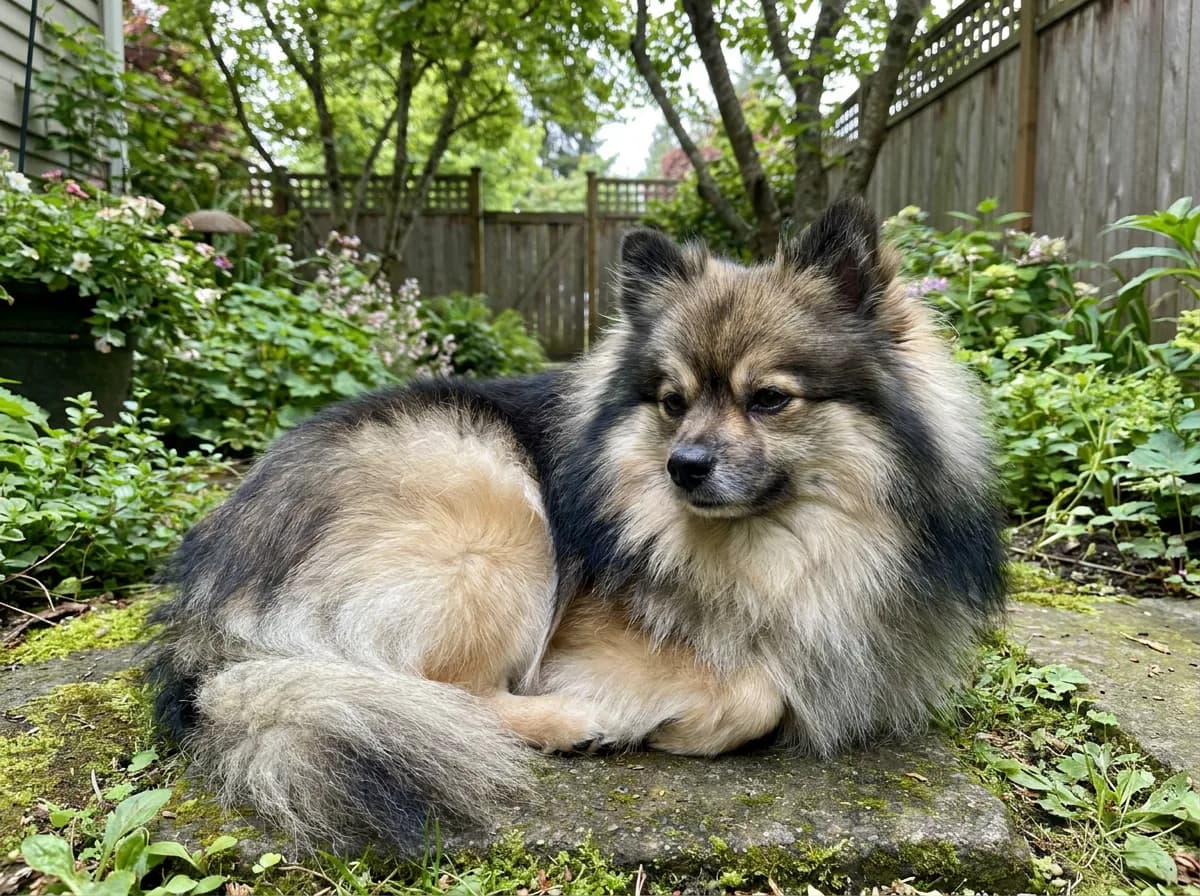
“Puppy uglies” is an informal label for the uneven or less fluffy appearance some dogs have as their puppy coat changes. Fullness, shading, and visible markings may change as the adult coat develops. Compare dated photographs in similar light: wet hair and camera exposure can also make the coat look different.
For longevity, inherited-risk questions, and preventive care, use the Pomchi lifespan and health guide. Do not assume that black, white, chocolate, or another broad shade predicts a lifespan. When a specific genetic pattern raises a health question, examine the actual records and clinical findings rather than extending that concern to every similarly colored dog.
Choosing Care by Coat Texture
Choose grooming tools for the hair's length, density, and tendency to tangle, not for its color. Two cream Pomchis may need different routines if one has a close coat and the other has fuller furnishings. A black coat does not automatically require different brushing from a similarly textured pale coat.
The Pomchi coats and grooming guide covers texture, shedding, and maintenance in more detail. Part fuller hair gently and check underneath rather than brushing only the visible surface. A suitable rounded-tooth comb can help assess a section, but do not pull through resistance or continue when the dog is uncomfortable.
- Use short sessions on stable footing.
- Match the tool to the actual coat and dog's tolerance.
- Check areas where hair rubs beneath equipment.
- Ask a groomer for help with tight tangles.
- Seek veterinary advice for persistent itching, irritated skin, or unexpected hair loss.
Pomchi Colors Questions
No. Coat pigment is not an individual temperament assessment. Look at the dog's behavior, upbringing, experiences, and response to your household rather than assuming that one shade is friendlier or easier to train. Ask for specific observations and allow time to assess the individual.
Not necessarily. The adult coat may differ in shading, fullness, and the visibility of markings. Lighting differences can also make photographs look inconsistent. Compare dated images taken in similar conditions, and treat predictions about the final shade as expectations rather than guarantees.
No. Blue describes a cool gray-looking color impression, while merle describes an irregular mottled pattern. A blue-merle label combines the two descriptions. Look at the distribution of darker and lighter areas, but do not use a photograph to determine genetic status: some merle variants have subtle expression. If a breeding decision depends on the result, ask for the actual test report and qualified interpretation.
A rare-color label alone is not a sound reason to pay more. Ask what population and records support the claim, then compare the actual puppy’s documented care, parent records, contract and support. An unusual photograph or a higher asking price does not establish frequency or better health. It is reasonable to prefer a color, but keep that preference separate from the evidence needed to choose a responsible source.
BVMS, MRCVS
Dr. Pippa Elliott, BVMS, MRCVS, is a veterinarian with nearly 30 years of experience in companion animal practice. Dr. Elliott earned her Bachelor of Veterinary Medicine and Surgery from the University of Glasgow. She was also designated a Member of the Royal College of Veterinary Surgeons. Married with 2 grown-up kids, Dr. Elliott has a naughty Puggle named Poggle, 3 cats and a bearded dragon.
Sign up for expert-backed reviews and safety alerts all in one place.