Morkie Lifespan: Health Risks and Senior Care
Understand what Morkie lifespan estimates mean, which health concerns to discuss with your veterinarian, and how an observation log and practical care plan can support your dog's senior years.

BVMS, MRCVS

Appearance alone does not establish ancestry or predict adult size.
Petful is reader supported. As an affiliate of platforms like Amazon and Chewy, we may earn a commission when you buy through links on this page. There is no extra cost to you.
PetMD's Morkie guide gives an estimated lifespan of 11 to 15 years. Other breed profiles use somewhat different ranges. These are broad breed-guide estimates, not results from a single definitive Morkie survival study or a promise that a healthy puppy will reach the upper end.
Morkie lifespan estimates commonly reach into the early-to-mid teens, but a breed-mix label cannot tell you how long one dog will live. This Maltese-Yorkshire Terrier cross has a small body and two long-lived parent breeds, yet inherited conditions, individual medical history, accidents, and access to care all affect the outcome.
The useful goal is to plan for many years of care while responding to the dog you have today. That means establishing a veterinary baseline, maintaining comfortable daily routines, and noticing changes early. No food, supplement, grooming product, or lifestyle checklist can guarantee a particular lifespan.
- 1A lifespan range is a planning estimate, not a prediction for an individual Morkie.
- 2Discuss parent health screening, dental care, weight, and preventive care with your veterinarian.
- 3New pain, appetite changes, coughing, or altered behavior deserve assessment rather than being dismissed as old age.

Sign up for expert-backed reviews and safety alerts all in one place.
How long do Morkies live?
Average lifespan, life expectancy, and maximum recorded age are also different ideas. An average describes a population under particular conditions. A maximum refers to an unusually old individual whose age must be documented. Neither tells an owner exactly how many years remain for a current dog.

Enzymatic dog toothpaste made with aloe, neem oil, and baking soda.
Petful may earn a commission when you click through to Chewy, at no extra cost to you.
| Morkie lifespan question | What helps answer it | What to avoid |
|---|---|---|
| How long should I plan to provide care? | A long-term financial and household plan | Treating the upper estimate as a guarantee |
| Is my dog aging normally? | Examinations and changes from its own baseline | Comparing only with another dog's age |
| Does a diagnosis shorten life? | The veterinarian's assessment of severity and treatment response | Applying a general breed range to a specific illness |
| Is a longevity claim credible? | Verifiable records and a clear definition | Unsourced oldest-dog stories |
If your Morkie already has a medical condition, ask the treating veterinarian which factors influence prognosis. The diagnosis, stage, response to treatment, and other health issues matter more than an online lifespan number. It is reasonable to ask what to watch for and when the plan should be reassessed, even when a precise prediction is impossible.
 Sponsored
Have a health question about your dog?
Talk to a licensed vet at Dutch over video or message, including nights and weekends.
Use code Pets30
Plans start at $11/month · covers up to 5 pets
- Licensed vets in most states
- Rx for 150+ conditions
- 4.7 on Trustpilot
Why lifespan estimates vary
Morkies are a variable cross rather than a standardized research population. Studies of Maltese or Yorkshire Terriers can provide context, but their results should not simply be averaged and presented as a measured Morkie lifespan. Exceptional age stories also need dated records: the sources used here do not establish an independently verified record for the longest-living Morkie. A reported maximum age would not predict another dog's lifespan.
There is no reliable basis here for assigning every male Morkie one life expectancy and every female another. Sex can be relevant to an individual health discussion, but it does not justify a precise male-versus-female forecast for this mix. Ask about the dog's history, care, and current findings instead of choosing by an unsupported longevity ranking.
- A small body does not rule out dental disease, inherited conditions, injury, or age-related illness. “Teacup” is a marketing label, not a medical category with a proven longer lifespan.
Size also changes everyday handling. Prevent falls from furniture, supervise interactions with much larger dogs, and use equipment that fits. The full-grown Morkie size guide explains practical measurements and why adult-size estimates should not substitute for individual assessment.
Morkie health problems and family history
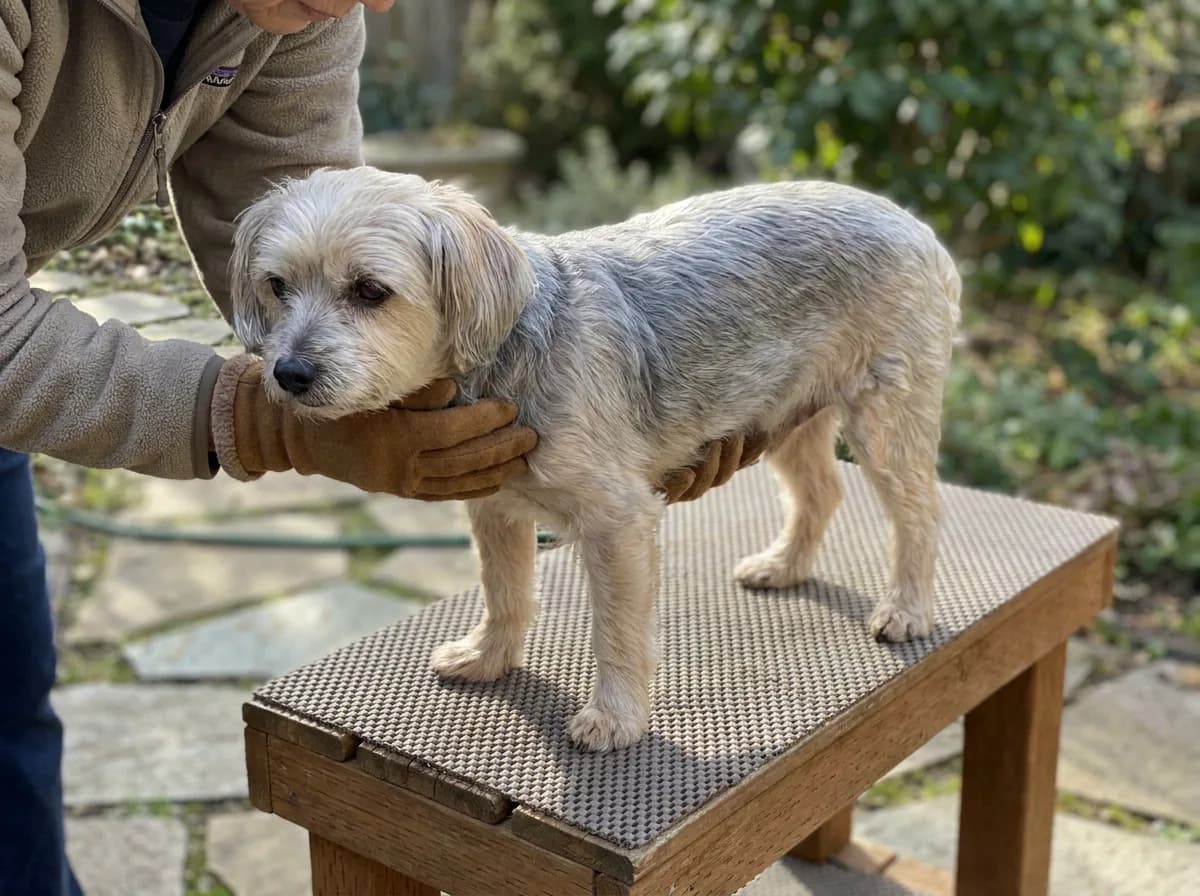
A Morkie can inherit health risks from either parent breed. That does not mean every dog will develop every condition discussed below, or that mixing breeds automatically removes those risks. Before acquiring a puppy, ask for the parents' screening records and let your veterinarian help distinguish meaningful evidence from a general “vet checked” claim.
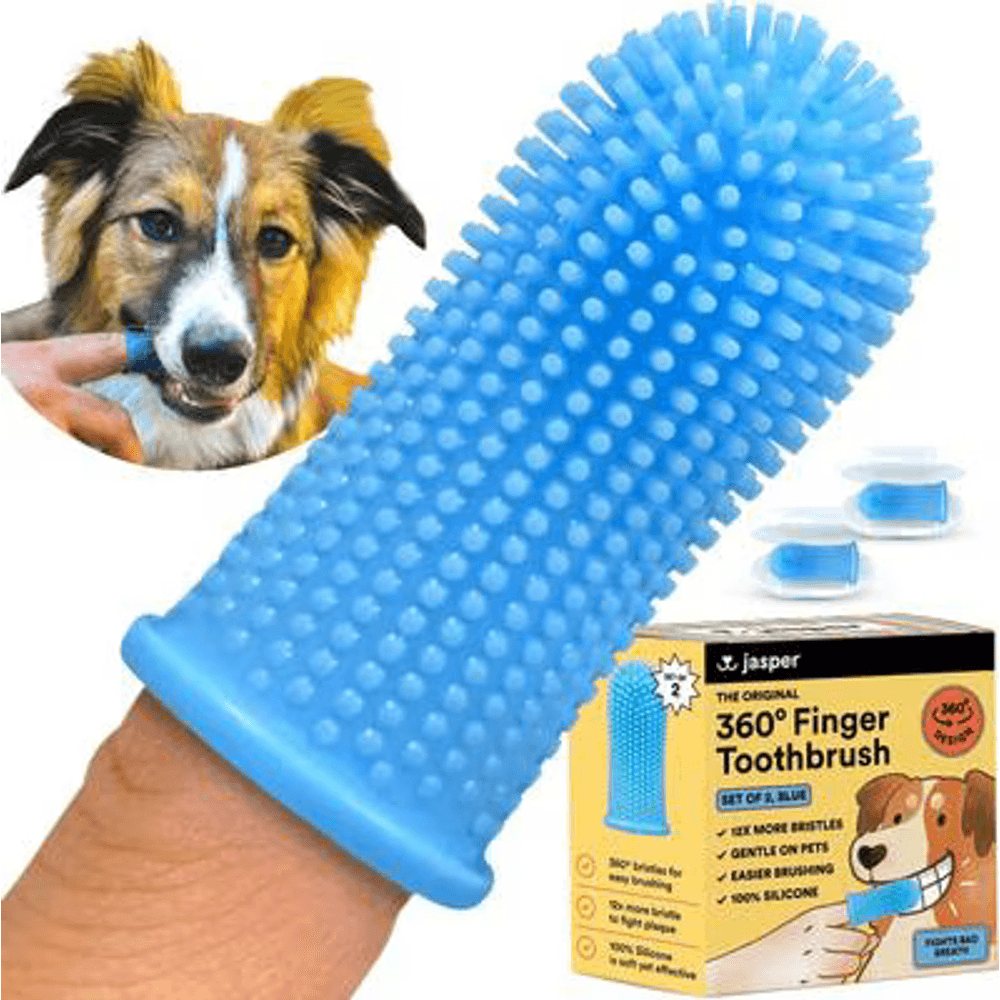
A 360-degree silicone finger toothbrush that brushes every side of a tooth at once. Gentle on gums and ideal for dogs new to brushing or owners who find a handled brush awkward.
Petful may earn a commission when you click through to Chewy, at no extra cost to you.
The American Maltese Association's health statement, hosted by the American Kennel Club, identifies patellar and congenital-heart evaluation among its recommendations. Ask which evaluations were performed, on which parent, and what the actual results showed. A puppy examination, DNA ancestry test, and parent health screening answer different questions.
Knees, teeth, and mouth comfort
Patellar luxation means a kneecap moves out of its normal position. Small dogs, including both parent breeds, can be affected. An intermittent skip, limp, or reluctance to use a leg warrants veterinary attention; do not assume the movement is simply a cute small-dog habit. The AKC's explanation of luxating patellas describes why assessment and severity matter.
Dental and oral problems deserve equal attention. Bad breath, dropping food, chewing differently, bleeding gums, or reluctance to have the face touched are reasons for an examination. An underbite is not automatically an emergency, but the veterinarian should check whether teeth contact soft tissue or create other problems. Do not judge mouth comfort only by whether the dog continues eating.
Breathing and liver-related concerns
Cornell's tracheal-collapse guidance identifies small breeds, including Yorkshire Terriers, among affected dogs. A recurring honking cough requires a veterinary assessment because coughs can have different causes. A harness may reduce pressure from a walking lead on the neck, but it cannot diagnose or cure airway disease.
Congenital liver blood-vessel abnormalities are another issue to discuss when family history or symptoms warrant it. The Merck Veterinary Manual lists Yorkshire Terriers and Maltese among toy breeds associated with extrahepatic shunts. Diagnosis requires veterinary testing; owners should not try to manage suspected liver disease by changing protein intake on their own.
- Seek emergency veterinary help for trouble breathing, collapse, seizures, severe weakness, or blue or very pale gums. Do not wait for a routine appointment or try a grooming product, supplement, or online remedy first.
If your Morkie seems sick, describe the symptoms rather than guessing at a diagnosis. For itching, skin irritation, hair loss, ear discomfort, vomiting, diarrhea, or a change in behavior, record when the problem began and any changes in food, products, medicines, or routine. Tell the veterinary team whether appetite, activity, or comfort changed too. Teething in a puppy and painful teeth in an adult need different advice; a broad breed label cannot identify the cause. Describe what you see rather than diagnosing allergies or relying on a vague label such as “Morkie syndrome.” Ask for the name of any diagnosed condition and the veterinary records behind it. Squinting, redness, colored eye discharge, or cloudiness warrant prompt veterinary assessment. Severe trauma to the eyeball needs emergency care.
Symptoms and preventive decisions
Ask separately about spay or neuter timing, dental prevention, and screening recommended for your dog. Twitching, shaking, repeated unusual movement, or a suspected seizure should be described accurately; a safely captured video may help your veterinarian understand what happened. If the dog collapses, struggles to breathe, or has a seizure emergency, seek urgent veterinary care. Online breed information should not delay that assessment.
Hypoglycemia means low blood sugar. A veterinarian should assess weakness or other concerning signs, especially in a puppy. Describe what actually happened, including when the dog last ate and how it behaved, rather than trying to diagnose it from a list of breed-associated conditions.

Petful may earn a commission when you click through to Chewy, at no extra cost to you.
Dental care, weight, and everyday prevention
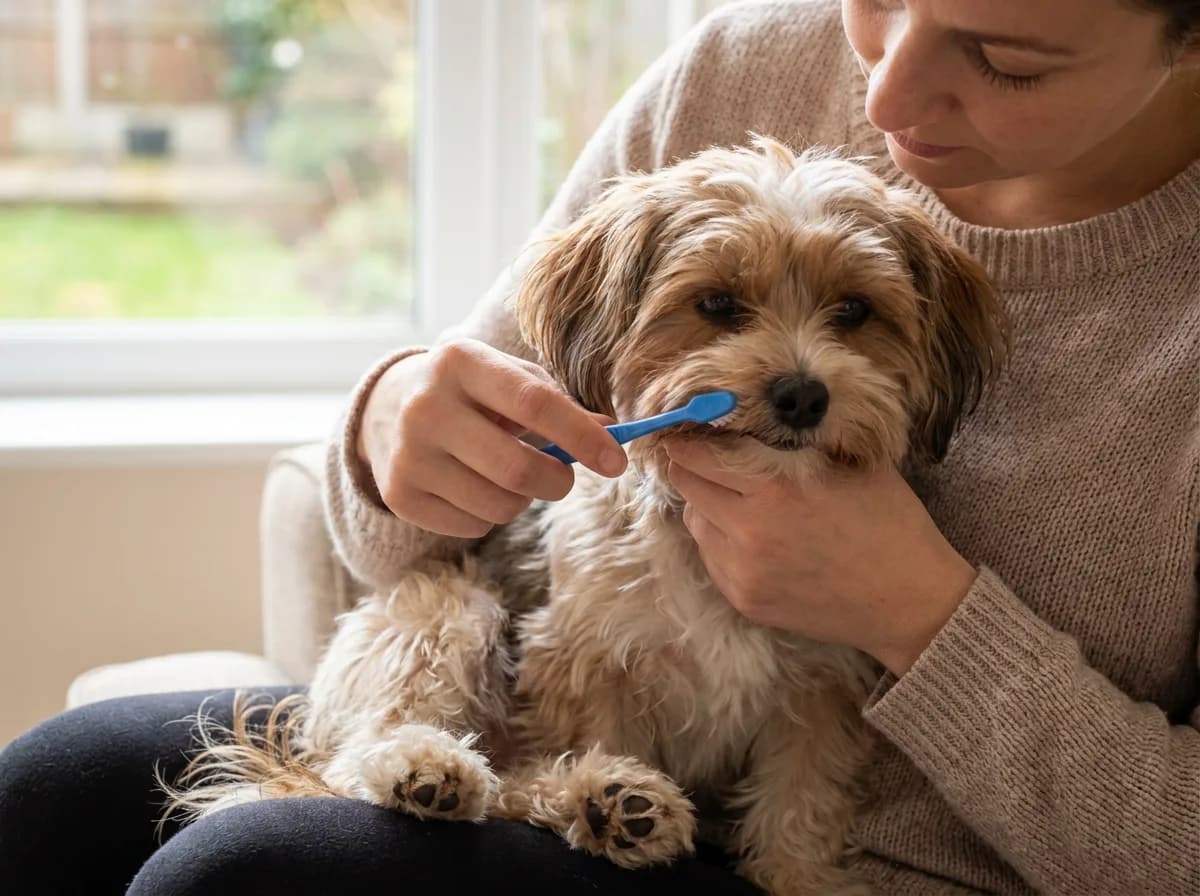
Create a manageable routine before a problem develops. Ask your veterinarian to demonstrate mouth handling and brushing using a small tool the dog accepts. AAHA's dental-care guidance explains why home care and professional examinations serve different purposes. Brushing does not replace treatment for painful or established dental disease.
Vet's Best Enzymatic Dog Toothpaste, 3.5 oz is one dog-specific toothpaste option. A Jasper 360 Dog Finger Toothbrush & Storage Case may work if its size is comfortable in the mouth; a smaller pet toothbrush may suit a tiny Morkie better. Introduce handling gradually and stop if the dog appears painful rather than forcing the brush against resistance. Petful’s guide to best dog toothpaste has the full breakdown.
- Keep routine examination and vaccination plans current with your clinic.
- Discuss parasite prevention appropriate to location and exposure.
- Track body weight together with body and muscle condition.
- Feed a complete diet appropriate to age and medical needs.
- Include treat calories when discussing the feeding plan.
Ask for a feeding recommendation based on your dog's condition rather than a breed label alone. A small amount of extra food can be meaningful for a very small dog, while unexplained weight loss is not automatically a sign that an old dog needs a different commercial food. WebVet's guide to complete and balanced dog food explains the nutritional-adequacy concept.
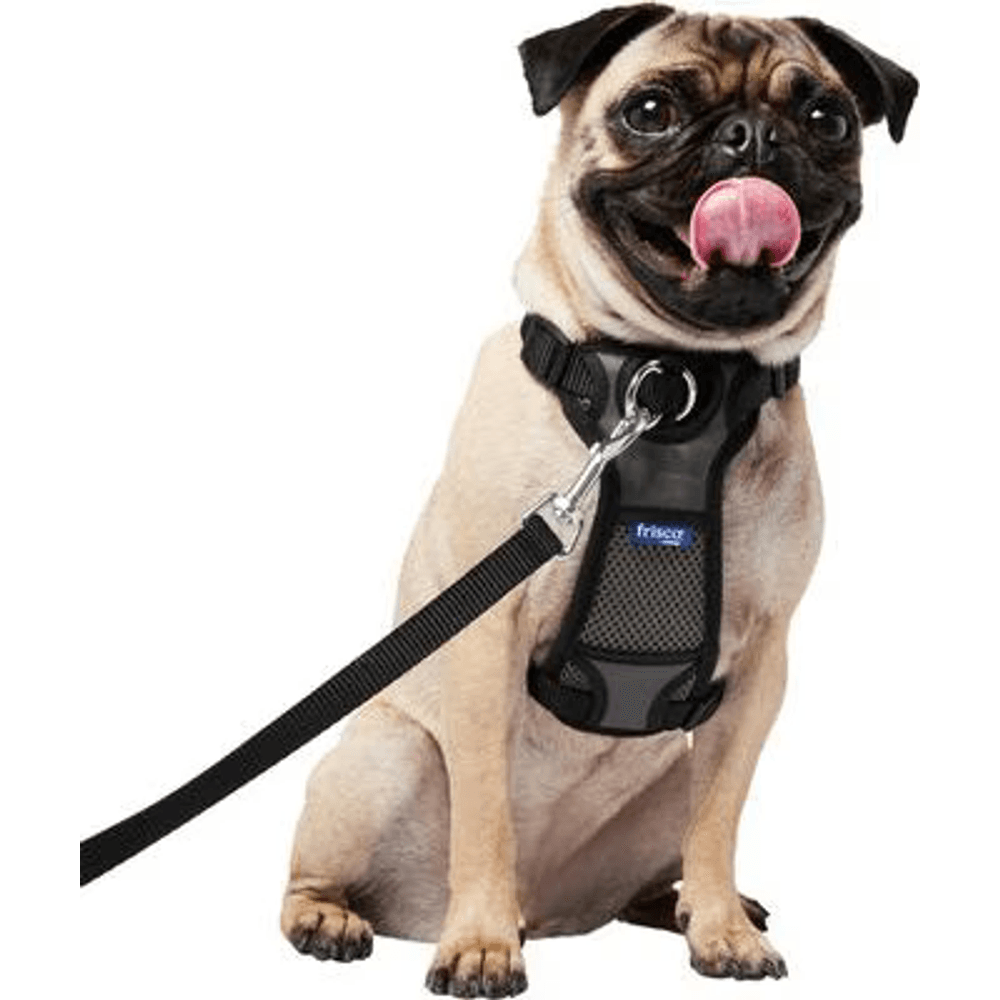
A budget-friendly padded no-pull harness that keeps leash pressure off a coughing dog's neck and windpipe by distributing it across the chest. A simple, affordable way to protect an irritated airway or a collapsing trachea on every walk.
Petful may earn a commission when you click through to Chewy, at no extra cost to you.
Gentle coat care also gives you regular opportunities to notice changes. An aumuca Self Cleaning Slicker Brush can be used on an appropriate coat with light pressure and a groomer's guidance. It is not a treatment for skin disease. If bathing is appropriate, TropiClean Hypo-Allergenic Gentle Coconut Puppy & Kitten Shampoo is an option only when its directions suit the dog and the veterinarian has not prescribed a different approach.
For leash walking, evaluate the Frisco Padded No Pull Dog Harness, Black, Small against the actual manufacturer's measurements. It may be too large for some Morkies. Correct fit matters more than the product name, and a dog with breathing symptoms still needs clinical care. WebVet's harness-versus-collar guide explains the equipment distinction.
 Sponsored
Vet care that's always there
Unlimited video calls and messaging with licensed vets for less than a typical vet visit. One membership covers up to five pets.
Use code Pets30
Plans start at $11/month · covers up to 5 pets
- Licensed vets in most states
- Rx for 150+ conditions
- 4.7 on Trustpilot
Senior Morkie changes to discuss with your vet
Keep a senior observation log that describes changes from your dog's usual behavior. Write down when a change started, whether it is getting worse, and any circumstances that seem to trigger it. Short videos of walking or coughing can be useful if they can be recorded without delaying care or stressing the dog.
Ask about examination frequency as your dog ages. AAHA's senior-pet guidance recommends more frequent veterinary visits for older pets, including six-month examinations. Your veterinarian can individualize the schedule and testing based on age, history, medication, and current findings.
| Observation to record | Useful detail for the clinic |
|---|---|
| Appetite or drinking change | Start date, amount, other symptoms |
| Mobility or sleep change | Which movements are difficult, nighttime pattern |
| Coughing or reduced stamina | Frequency, triggers, any breathing difficulty |
| Toileting change | Accidents, straining, frequency, visible blood |
| Behavior or orientation change | New confusion, sensitivity, avoidance, or restlessness |
Do not assume every change means an untreatable decline. A dog that resists grooming may be uncomfortable; a dog that has accidents may have a medical problem as well as a routine issue. Evaluation helps distinguish the possibilities. Likewise, sudden severe symptoms should not be managed by waiting to complete a week of notes.
Bring a veterinary visit checklist: current foods and supplements, all medications, new symptoms, questions about pain and dental comfort, and any handling difficulties. Tell the team about practical constraints, such as difficulty giving pills or stressful travel. Do not start human medicines or change a prescription based on an online symptom list.
Record changes without diagnosing them
If your Morkie will not eat, tell the clinic how long it has been, how much water the dog is drinking, and whether energy or other symptoms have changed. Contact the clinic promptly rather than assuming an older dog has become picky. Trouble breathing, collapse, severe weakness, or repeated seizures requires urgent care.
If you suspect reverse sneezing, record the event safely and ask the clinic how to distinguish it from a cough or breathing problem. Dogs having repeated or worsening episodes should be assessed. This is especially important when symptoms accompany weakness, poor appetite, or altered breathing. Do not wait weeks for a significant new problem to resolve on its own.
Comfort and quality of life in later years
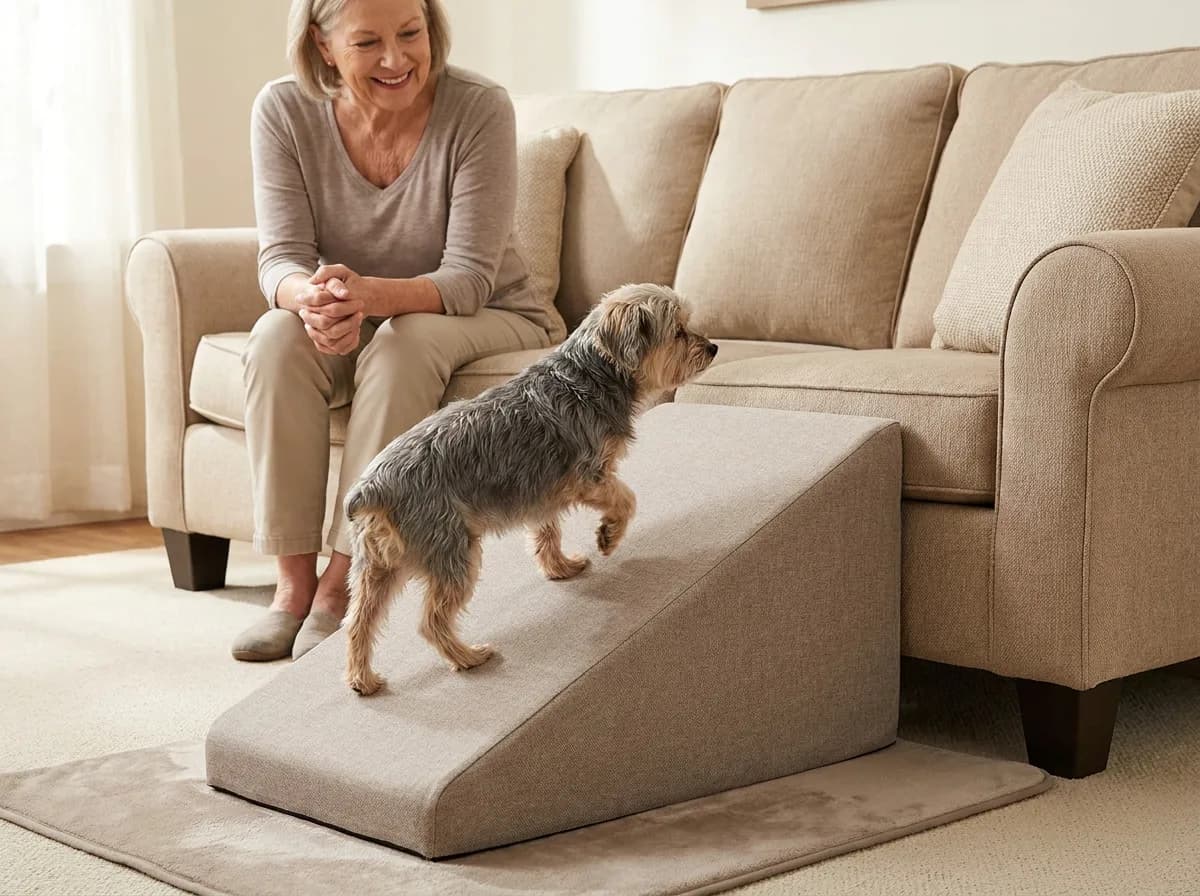
Make the environment easier to navigate when the dog needs it. Nonslip routes, easy access to water, a low comfortable rest area, and carefully introduced ramps can reduce everyday obstacles. Do not force a dog to use a ramp it fears or assume a new reluctance to jump is only behavioral; discuss possible pain with the veterinarian.
Grooming can be adapted to shorter, more comfortable sessions. A practical trim may reduce pulling and time spent standing. The Morkie haircut guide explains how to discuss maintenance with a groomer. Earth Rated Unscented Grooming Wipes may help with routine external coat cleanup when appropriate, but sore skin, persistent soiling, and odor need assessment rather than concealment.
Plan financially as well as physically. The Morkie cost guide separates routine expenses from emergency funding. Ask for written treatment estimates and explain budget limitations early so the clinical team can discuss suitable options. Financial planning does not predict which illnesses will happen, but it can make decisions less rushed.
Revisit what a good day looks like
Quality of life includes comfortable movement, rest, interaction, appetite, and the activities the individual dog enjoys. If a serious condition develops, ask the veterinary team how to assess good and difficult days and when to revisit treatment goals. That conversation should be based on the dog's condition, not an arbitrary age threshold.
For prospective owners comparing small companions, see Morkie vs Yorkie and Morkie vs Maltipoo. Neither comparison can rank the future health of two individual puppies. The Morkie breed guide covers the daily companionship and training commitment that continues throughout life.
Morkie lifespan questions
Morkies can have health issues, but a diagnosis requires an individual examination. Morkies can develop inherited conditions associated with the Maltese or Yorkshire Terrier and health problems that affect dogs generally. Risk does not mean certainty. Ask for parent screening records before acquiring a puppy, establish an individual veterinary baseline, and report changes such as altered eating, coughing, limping, or unusual behavior. A breed label cannot diagnose a symptom or guarantee freedom from disease.
A 7-year-old Morkie is not necessarily frail or near the end of life. Seven years is a useful time to discuss senior-care planning. Ask your veterinarian how the dog's history and examination affect its life-stage plan. Review dental comfort, weight, mobility, and behavior, and arrange the examination schedule and testing appropriate to that individual.
This guide does not name a record holder because a reliable independently documented longest-living Morkie record was not established in the sources checked. Online owner stories can describe unusually old dogs, but a claimed age needs verifiable records before it becomes a confirmed record. Use longevity anecdotes as stories rather than as a forecast or a benchmark your own dog must reach.
BVMS, MRCVS
Dr. Pippa Elliott, BVMS, MRCVS, is a veterinarian with nearly 30 years of experience in companion animal practice. Dr. Elliott earned her Bachelor of Veterinary Medicine and Surgery from the University of Glasgow. She was also designated a Member of the Royal College of Veterinary Surgeons. Married with 2 grown-up kids, Dr. Elliott has a naughty Puggle named Poggle, 3 cats and a bearded dragon.
Sign up for expert-backed reviews and safety alerts all in one place.