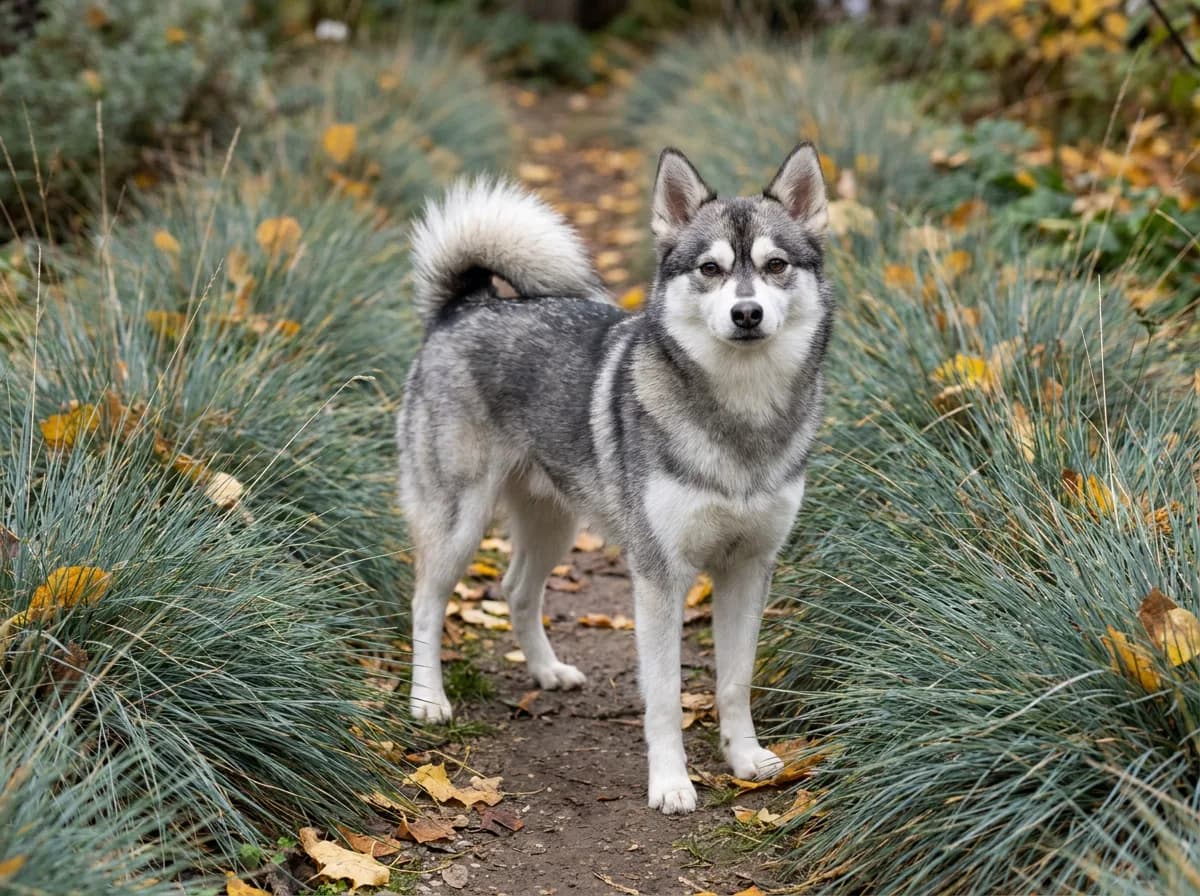
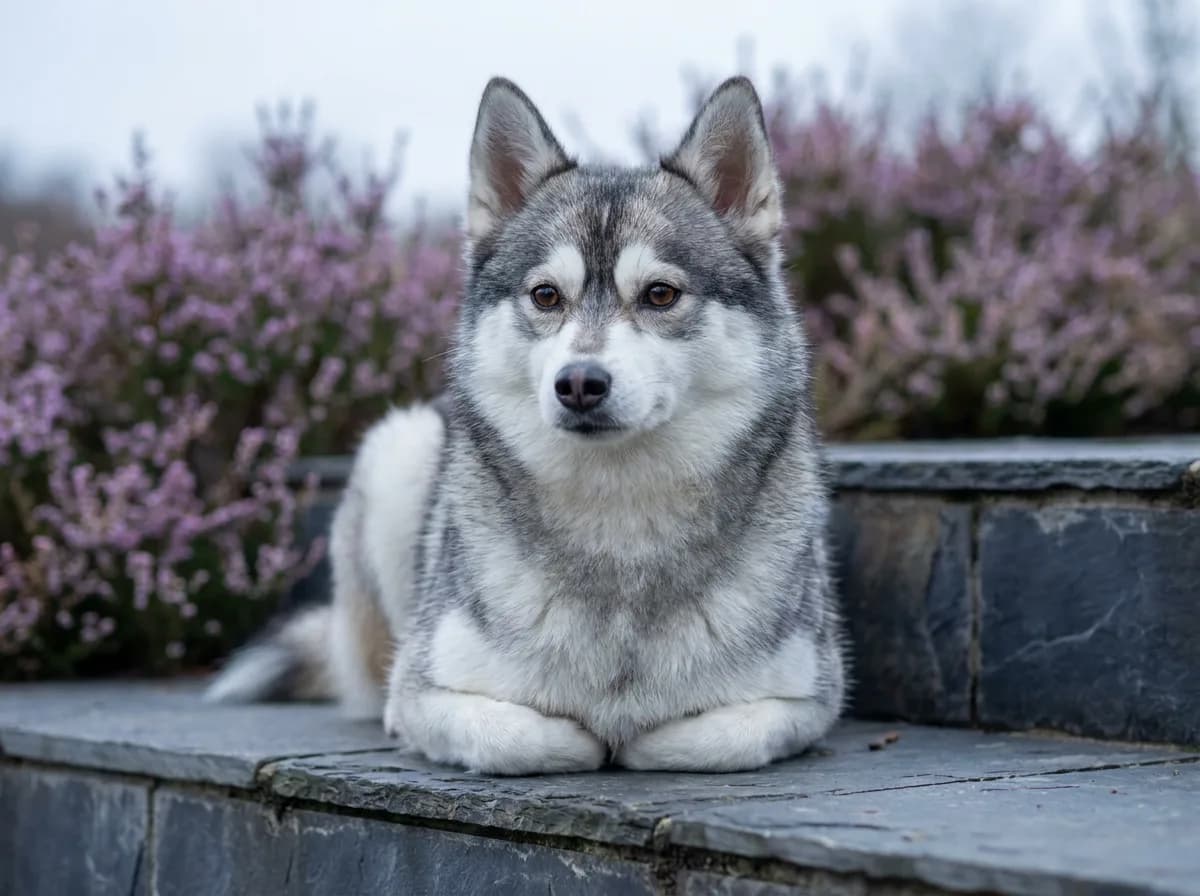
Morkie: Temperament, Puppies, and Everyday Care
Learn what living with a Morkie involves, from temperament and puppy selection to barking, grooming, training, and daily care, with practical questions to help you judge the individual dog's fit.
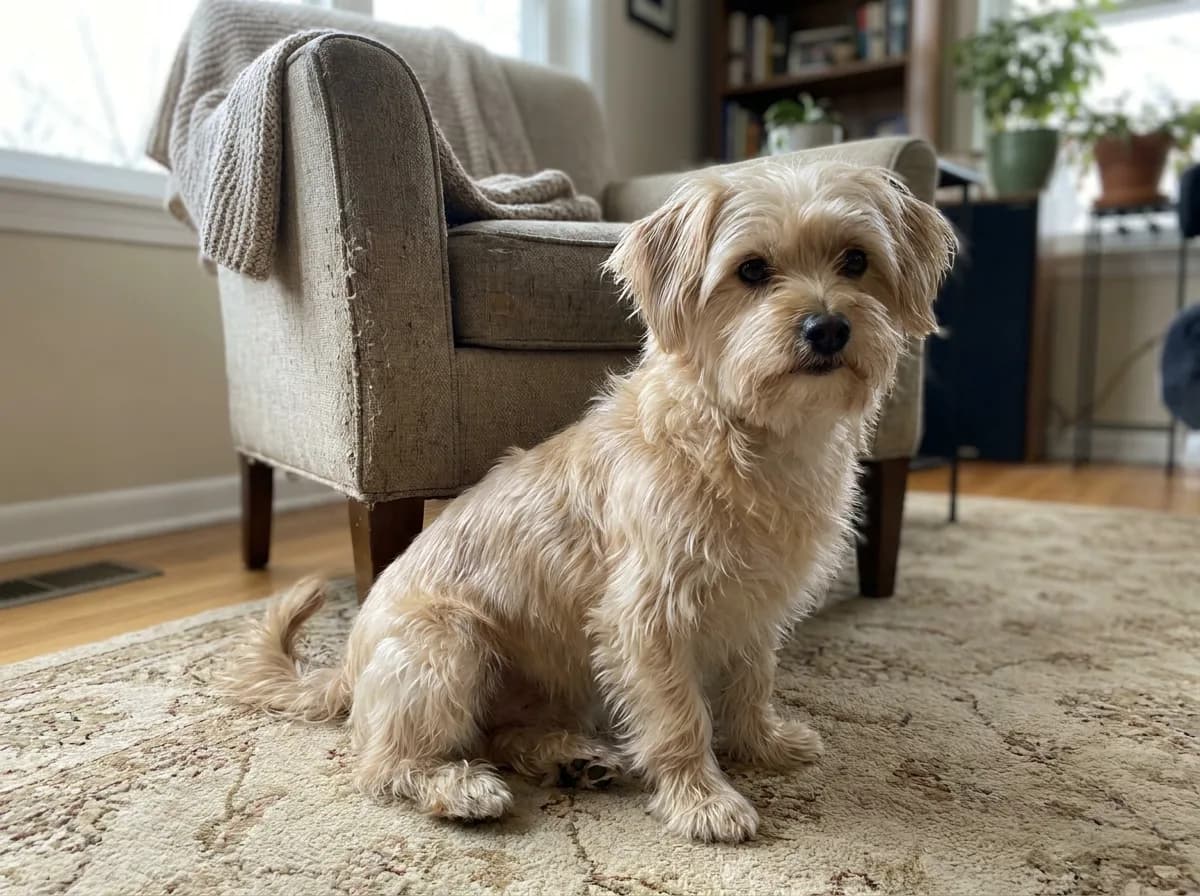
Appearance alone does not establish ancestry or predict adult size.
Petful is reader supported. As an affiliate of platforms like Amazon and Chewy, we may earn a commission when you buy through links on this page. There is no extra cost to you.
A Morkie is a Maltese-Yorkshire Terrier mix: a small companion dog with a variable appearance, a coat that needs regular care, and a personality that deserves more consideration than a cute puppy photo. Many enjoy close company and lively play, but no mix label guarantees a quiet, easy, or allergy-safe dog.
Before bringing one home, think about your ordinary Tuesday. Who handles toilet breaks, grooming, walks, and company while you work? Can children interact gently with a small dog? Is there a calm place to rest? Those questions tell you more about the likely fit than whether a listing calls the puppy a teddy bear, toy, or teacup Morkie.
- 1Morkie means Maltese crossed with Yorkshire Terrier, with individual variation in looks and behavior.
- 2Expect an ongoing commitment to coat care, dental care, reward-based training, and companionship.
- 3Meet the dog and inspect records rather than relying on tiny-size or hypoallergenic marketing claims.

Sign up for expert-backed reviews and safety alerts all in one place.
What is a Morkie?
The Morkie combines two established small breeds: the Maltese and the Yorkshire Terrier, also called the Yorkie. You may see names such as Maltese-Yorkie mix, Yorktese, Malkie, or Morkshire Terrier. These descriptions identify the intended ancestry; they do not establish a single breed standard for every puppy's weight, coat, or temperament.
The American Kennel Club's Maltese description describes a toy companion with a long coat. Its Yorkshire Terrier description highlights the terrier history beneath the polished appearance. A Morkie may inherit different combinations of those traits, and littermates need not look or behave alike.
| Morkie ownership question | Practical expectation |
|---|---|
| What is the mix? | Maltese and Yorkshire Terrier ancestry |
| Is there one guaranteed adult size? | No; investigate parent size and individual growth |
| Is the coat maintenance-free? | No; low shedding can still involve substantial grooming |
| Is it suitable for a small home? | Possibly, if activity, barking, company, and safe handling are addressed |
| Is it automatically allergy-safe? | No dog can guarantee that |
A Morkie Poo is a different label, usually used when Poodle ancestry is added to the mix. It should not be treated as interchangeable with the two-breed Morkie discussed here. Ask what the parents actually are whenever a name is unclear, particularly if coat expectations or adult size influence your decision.

A budget-friendly padded no-pull harness that keeps leash pressure off a coughing dog's neck and windpipe by distributing it across the chest. A simple, affordable way to protect an irritated airway or a collapsing trachea on every walk.
Petful may earn a commission when you click through to Chewy, at no extra cost to you.
Reading ancestry claims
To understand a Morkie’s origin, start with the names of both parents: this crossbreed combines Maltese and Yorkshire Terrier ancestry. In common crossbreeding notation, F1 means the first cross of the two parent breeds; F1b means a backcross to one of those breeds; and F2, or second generation, means two first-generation crosses bred together. GANA’s explanation of generation notation illustrates these terms for Goldendoodles; it is not a Morkie registry standard. Ask which actual dogs were crossed, because a label alone does not document ancestry. An AKC or CKC reference attached to a parent does not make every Morkie a recognized purebred breed. Ask exactly which registry issued which record.
Morkie appearance, colors, and puppy pictures

Cute Morkie puppy photos often highlight soft faces and small proportions, but a photograph cannot prove parentage or health. Ask for the puppy's age and veterinary records, and arrange to see the actual dog and its environment when possible. A very close camera angle can hide scale and make evaluation harder.
Coat colors can include cream, white, tan, brown, black, and combinations of those shades. Some dogs resemble the Yorkshire Terrier side more strongly, while others look closer to the Maltese. A dark puppy's coat may change as it matures. No color should be treated as proof of a superior temperament, a healthier dog, or a guaranteed final appearance.

A hairless appearance should prompt questions about clipping or hair loss, not an assumption that this is a separate Morkie variety. Ask a veterinarian about unexplained thinning or bald patches. Ears may be more upright or more folded, and the hair may lie differently across individuals. A rounded haircut can produce a teddy bear outline without changing the dog's ancestry. Morkie pictures showing different coats are examples of variation, not a checklist an individual must match. The images in this guide are AI-generated illustrations, not documented dogs available for sale. Ask for an unobstructed view of the eyes and a full-body photograph that includes the tail. Face trimming and the way a dog holds its tail can change the outline in a picture; meet the actual dog before treating those details as fixed breed features.
If your main question is how a puppy will look when fully grown, see the adult Morkie size and appearance guide. It explains why parent measurements and repeated growth records are more useful than a promise attached to one attractive image.
Interpreting coat descriptions
Listings may use color descriptions such as gold, chocolate, silver, sable, apricot, or parti. If a listing calls the coat blonde, gray, fluffy, or tri-colored, ask which shade, texture or markings it means and view the dog in ordinary daylight. An unusual blue-merle or brindle claim needs documented parentage; the color itself cannot establish Maltese-Yorkshire Terrier ancestry. In the AKC glossary, parti-color means two or more distinct colors, including white; it describes markings, not a separate Morkie breed.

Petful may earn a commission when you click through to Chewy, at no extra cost to you.
Some coats lie straighter; others look wavy or curly. A haircut can change that impression, so ask to see the whole dog as well as a close-up of the coat. Thin hair or a bare patch needs assessment rather than being dismissed as a new color or texture.
Morkie temperament, barking, and family life
Morkies can be affectionate, playful, alert companions: a good fit for someone who enjoys close daily company. The disadvantages emerge when that company is difficult to provide; affection does not always mean quiet or undemanding. A dog that notices every sound outside may bark frequently, while one strongly attached to its caregiver may need careful help learning to settle independently. Evaluate the individual rather than assuming the mix will combine only the easiest traits of its parents.
Ask what barking looks like in the dog's current home. Does it announce a visitor and settle, react to every passing person, or vocalize when left alone? Those patterns suggest different needs. Rewarding calm behavior and changing the environment may help, but persistent fear or distress calls for a more specific assessment.
- Consider noise tolerance, available company, grooming time, safe handling, resident pets, and a protected rest area. A small floor plan can work; an unsuitable daily routine is harder to solve.
Families should plan for the dog's physical vulnerability as well as its sociability. Teach children to interact calmly at floor level and let the dog move away. Supervise contact with bigger dogs, even friendly ones whose play may be too rough. Avoid allowing a small dog to be carried from room to room by children simply because it is light enough to lift.
Some Morkies enjoy lap time and close contact; others prefer affection without being held. Notice how the dog communicates comfort. A growl, avoidance, stiffness, or repeated lip licking during handling is a reason to change the interaction and seek help if needed, not a reason to insist that a “cuddly breed” should tolerate it.
An apartment can be suitable when the dog receives appropriate activity and can cope with the surrounding sounds and schedule. Think about hallway traffic, elevators, toilet access, and whether barking will be difficult to manage. Size alone does not make a dog suited to long hours alone or a busy building.
- Write down who will provide toilet breaks, company, grooming, and training on an ordinary workday. If a task has no one available to do it, arrange support before bringing the dog home.
Assess behavior instead of adjectives
Morkie temperament and personality descriptions are useful only when the caregiver can explain the behavior behind them. Ask what “energetic” means during a normal day, whether an “alert” dog settles after a visitor arrives, and what makes a dog described as “stubborn” struggle. Male or female is not a personality assessment. Ask about interactions with dogs and cats, and arrange introductions with space to retreat. A dog called protective may actually be frightened of strangers; ask whether it can watch a visitor calmly from a comfortable distance.
Licking, including frequent licking that needs assessment in context, growling, puppy biting, clingy behavior, and apparent aggression need context. A dog that seems hyper may need rest, a better routine, or a different training plan; a sudden behavior change also deserves veterinary attention. Do not punish a growl or try to force a frightened dog to accept handling. Reduce the trigger, prevent bites, and get qualified help. To stop barking, investigate its cause rather than expecting one command to solve every situation.
There is no fixed age when every Morkie calms down. The AKC’s guide to adolescence explains that this developmental period varies between dogs and that training should continue through it. Maturity may change activity patterns, but it does not teach household rules automatically. Assess sleep, suitable activity, consistent teaching and the individual dog’s ability to settle rather than waiting for one birthday to solve the problem.

Tearless, pH-balanced shampoo for puppies 12 weeks and older.
Petful may earn a commission when you click through to Chewy, at no extra cost to you.
Training, potty training, and time alone
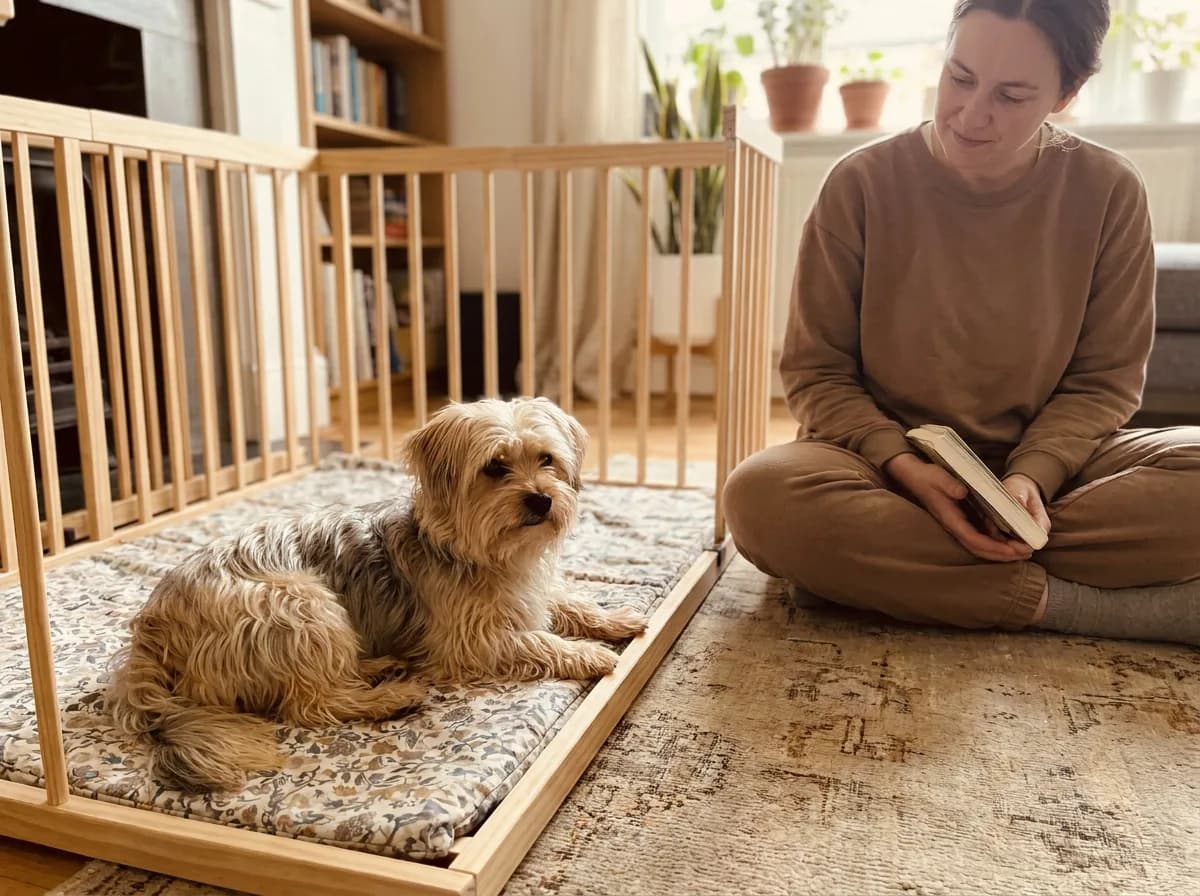
Use discipline to teach household rules through rewards and a consistent routine. Before teaching tricks, begin with ordinary skills that improve daily life: responding to a name, coming when called in a safe area, settling on a mat, accepting gentle handling, and toileting in the intended place. Keep sessions brief enough that the dog remains engaged. Reward the behavior you want and make the next repetition easy to understand.
The American Veterinary Society of Animal Behavior's position statements support reward-based training. Describing a Morkie as smart or stubborn can obscure a confusing cue, an overly difficult environment, or a reward the dog does not value. Adjust the teaching plan rather than escalating punishment.
Potty training has no fixed completion deadline: consistency, age, health and prior learning all matter. If a puppy keeps peeing in the house, review the timing and supervision rather than blaming the breed. For potty training, also called housebreaking, offer frequent appropriate opportunities around waking, eating, and play. Supervise between breaks and reward toileting in the chosen place promptly. If using an indoor toilet area, keep its location and surface consistent rather than moving it repeatedly. Clean accidents thoroughly and do not punish a puppy after the event.
- Keep a short record of successful toilet times and accidents.
- Look for patterns in meals, naps, play, and access outside.
- Reduce unsupervised freedom while the routine is being learned.
- Ask the veterinarian about sudden changes or signs of discomfort.
Being alone is another skill, but separation distress is not simply a training failure. Ask what the dog currently tolerates and start from a manageable level. A camera may help you observe behavior during short absences without guessing from the condition of the room afterward. If the dog panics, vocalizes persistently, or cannot settle, arrange qualified support and a practical care plan.
WebVet's separation-anxiety guide explains the problem in more detail. A second dog, a larger crate, or an exciting toy is not a guaranteed solution. Your work schedule and the dog's demonstrated ability to cope should determine whether a caregiver, modified routine, or professional help is needed.
Introduce a crate as a comfortable resting space gradually; never use confinement as punishment. How long a Morkie can be left alone depends on the individual. Start with a short absence the dog can handle, then watch its response. Age, toileting needs, prior experience, and signs of distress determine what is manageable. An arbitrary all-day target does not.

Enzymatic dog toothpaste made with aloe, neem oil, and baking soda.
Petful may earn a commission when you click through to Chewy, at no extra cost to you.
Do Morkies shed, and are they hypoallergenic?
Morkies are often described as low-shedding, but that does not mean they never lose hair. Hair can remain caught in the coat, and tangles can form even when the home looks relatively free of shed hair. Expect regular brushing or combing and a trim that matches what you can maintain.
“Hypoallergenic” is a particularly important claim to question. According to the American College of Allergy, Asthma and Immunology, dogs produce allergens and no breed can reliably promise not to cause an allergic reaction. Low shedding does not remove allergens from saliva, skin, or other sources. Discuss a known allergy with an allergist before committing to a dog.
Choose tools for the actual coat
For an appropriate coat, an aumuca Self Cleaning Slicker Brush, Green can be one tool in the routine. Ask a groomer to show gentle technique and how to use a suitable comb to check beneath the surface. Do not pull repeatedly at painful mats; a professional can advise whether the coat needs a shorter trim.
TropiClean Hypo-Allergenic Gentle Coconut Puppy & Kitten Shampoo, 20 oz is a bathing option if the age and use directions suit your dog. The name does not make the dog allergy-safe for people. Ask your groomer about rinsing and drying the actual coat, and seek veterinary advice for skin irritation before experimenting with different products.
For small external cleanup tasks, Earth Rated Unscented Dog Grooming Wipes may be useful when used according to the label. They do not replace bathing, ear treatment, or eye care. Our Morkie haircut and grooming guide compares practical styles and explains what to ask a groomer.
Finding a puppy or adopting an adult
Look for evidence of care rather than a perfect advertisement. Ask how puppies are raised, which routine experiences they encounter, what the parents are like, and which parent health evaluations have been completed. Request records linked to the actual dogs. “Vet checked” is not the same as documented screening of both breeding parents.
Meet the puppy and mother in an appropriate setting when possible, and read the contract before paying. Confirm what the fee includes, what happens if a health issue is identified, and what support or return arrangements exist. Pressure to send money immediately should not replace time to check details.
An adult Morkie from a rescue or responsible rehoming situation may offer more information about final size, coat, and established behavior. Ask why the dog needs a new home, how it copes with absences, and whether there is any bite, medical, or medication history. Honest limitations allow you to prepare; vague reassurances do not.
Plan the ongoing commitment
Use the Morkie price and first-year budget guide to compare acquisition with ongoing care. A free or inexpensive dog can still need substantial treatment, grooming, or support. Do not choose a smaller puppy because an advertisement treats tiny size as automatically better.
Ask for the ordinary care history
Before bringing a Morkie puppy home, ask what it eats, where it sleeps, how toilet trips work, and how it responds to gentle handling. Keep the first day quiet and preserve familiar routines while arranging a veterinary visit and transferring records. Ask about play biting, overtired behavior, and who will answer care questions after the puppy comes home.
Feeding, exercise, and a realistic daily routine

How much a Morkie should eat depends on its food and individual needs. Ask your veterinarian for a feeding plan suited to the dog's age, body condition, and health. Small portions still need nutritional adequacy, and treats count toward the daily total. A puppy needs an age-appropriate schedule rather than being fed like an adult simply because both fit in the same small bowl. WebVet explains what makes dog food complete and balanced. PetMD’s Morkie guide suggests three or four meals daily for puppies and typically two or three for adults. Tailor the schedule and total daily food amount with your veterinarian.
Build activity around comfortable movement and exploration. Suitable walks, sniffing, gentle play, and simple learning games can all contribute. Let the dog rest, adapt for weather and health, and do not assume a tiny dog should be carried everywhere or pushed to match a larger dog's pace.
For walking, Frisco Padded No Pull Dog Harness, Black, Small is one option only when its actual chest and neck ranges fit the dog. Some Morkies need a different size or design. Check for rubbing and escape risk indoors before relying on new equipment outside, and recheck fit as a puppy grows.
A first-week routine
| Part of the day | Starting task | What to observe |
|---|---|---|
| After waking | Toilet opportunity and a calm start | Appetite, energy, toileting pattern |
| Between active periods | Short learning or exploration, then rest | Whether the dog can settle comfortably |
| During handling practice | Brief gentle coat or paw contact with rewards | Signs of comfort or avoidance |
| Before bed | Toilet opportunity and a predictable quiet period | Sleep and nighttime needs |
Daily dental care is easier to establish gradually than to introduce when the mouth already hurts. Vet's Best Enzymatic Dog Toothpaste is a dog-specific option. A Jasper 360 Dog Finger Toothbrush can work if it fits comfortably, although a smaller pet brush may suit some Morkies better. Ask the veterinary team for a demonstration and do not force brushing over pain.
Build the feeding and activity record
For a Morkie feeding guide, use the chosen food's instructions as a starting point and review the amount with your veterinarian. Record the daily food amount, meals, treats, appetite, weight, and body condition; a generic puppy feeding chart cannot account for every food's calorie density. The best dog food for the individual is appropriate to its life stage and medical needs, whether the suitable diet is dry or another complete format. Ask before substituting homemade food or human foods for a balanced diet.
Eating, playing, exercise, and sleeping habits should form a sustainable routine. Choose toys that suit the dog's size and chewing behavior, supervise their use, and retire damaged items. Small training treats still contribute to the day's intake. If a puppy is not eating normally or seems unwell, seek veterinary advice instead of repeatedly switching foods. When raising a Morkie, start with a simple routine. Choose suitable products for these essential supplies:
- Safe resting equipment and a quiet place to sleep.
- Appropriate feeding items and a written meal plan.
- Grooming tools chosen for the actual coat.
- Gradual activity and enough time for rest.
Size, lifespan, grooming, and comparison guides
Keep the ownership decision connected to the specific question you still need answered. Our full-grown Morkie guide covers adult size and growth records. The Morkie lifespan and health guide explains estimates, inherited-condition discussions, preventive care, and senior changes without predicting an individual dog's future.
If the remaining question is which small companion to choose, compare Morkie vs Yorkie or Morkie vs Maltipoo. Those pages focus on ancestry, daily care, and practical fit. Neither turns a breed description into a guarantee about the dog you will meet.
Morkie questions
A Morkie can be a good dog for a compatible household. The useful question is whether you can provide gentle handling, grooming, dental care, training, activity, and enough company. Meet the individual dog and ask about its normal behavior rather than relying on the mix's reputation. A small body does not automatically make ownership easy or suit every family.
Not all Morkies bark a lot; individual dogs differ. Ask whether the dog reacts to visitors, outside activity, excitement, or being left alone, and observe how easily it settles afterward. Match the response to the cause using humane training and environmental changes. Persistent distress needs assessment rather than assuming the dog is simply being stubborn or noisy.
Morkies can be high maintenance for a household unprepared for coat care. Regular coat maintenance, dental attention, training, and companionship can take more time than a puppy photo suggests. A manageable haircut and predictable routine help, but they do not remove those responsibilities. Ask a groomer and veterinarian what the individual needs, then compare that work with the time and budget your household can sustain.

Coreen Saito is a pet writer and longtime shelter volunteer with more than a decade in animal rescue. She covers cat behavior, breed care, and the small, ordinary science of sharing a life with companion animals, with a particular focus on honest takes about the products and decisions that actually matter. At home in Arizona, she's outranked by Mac (a dog with the loudest opinion in the house), Rebel (a cat who governs by quiet authority), and Meri (an orange tabby who runs the late shift and the laundry basket). She writes about all three, plus the rescues that keep coming through her life, at LifeWithMinty.com.
Sign up for expert-backed reviews and safety alerts all in one place.