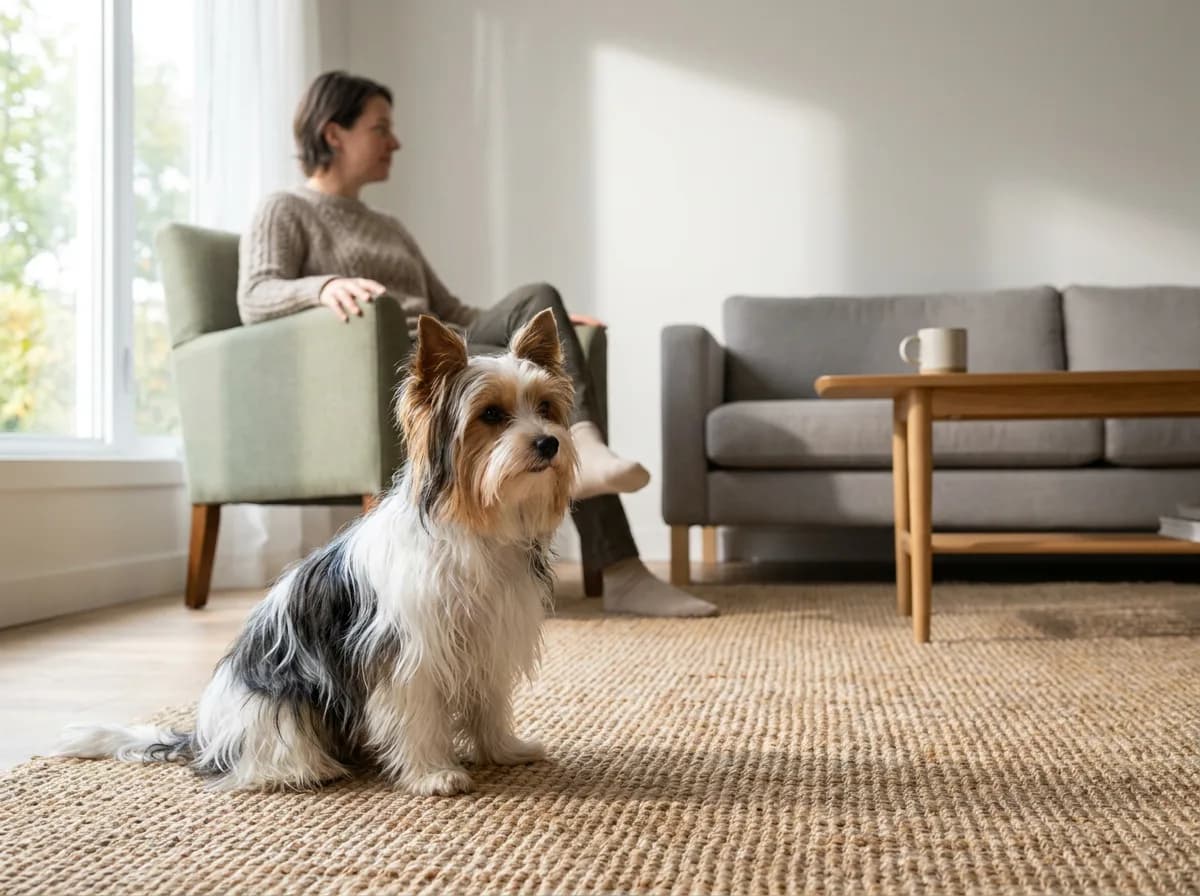
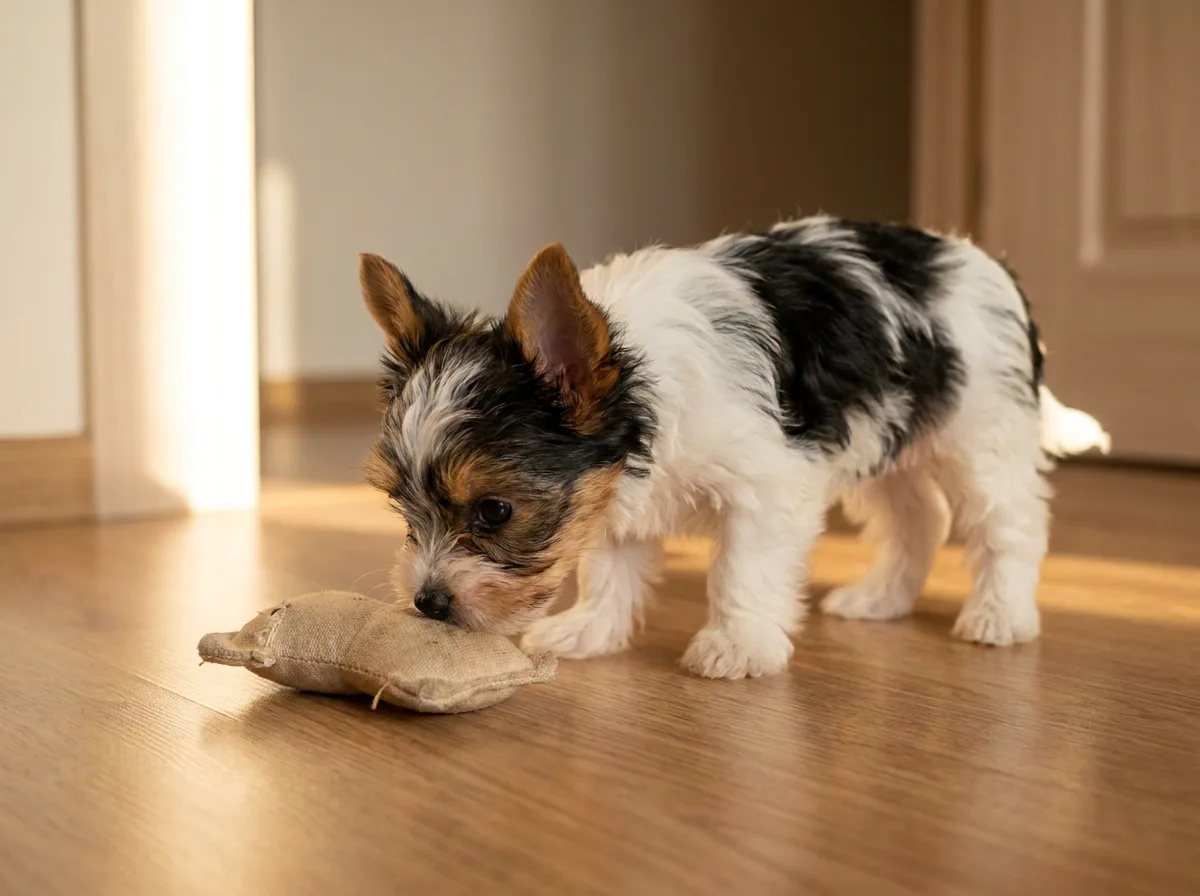
Chihuahua Temperament, Training and Family Fit
Understand Chihuahua temperament through socialization, reward-based training, barking plans, family fit and cooperative handling without small-dog stereotypes.
Petful is reader supported. As an affiliate of platforms like Amazon and Chewy, we may earn a commission when you buy through links on this page. There is no extra cost to you.
Chihuahua temperament and Chihuahua personality are often reduced to words such as bold, loyal, feisty or aggressive. Those labels hide the information owners need: what the individual dog does, in which setting, at what distance and how quickly the dog recovers.
Chihuahuas are fully trainable dogs. Their small size changes safety and equipment choices, not the need for social learning, reward-based training, household rules and respectful handling.

Sign up for expert-backed reviews and safety alerts all in one place.
Chihuahua Temperament, Training and Family Fit at a glance
- 1Chihuahuas can be alert, affectionate and lively, but individual dogs vary
- 2Records and direct observation should guide behavior decisions
- 3Small size does not excuse barking, biting or fear, and it does not justify punishment
- 4Safe socialization builds positive experience without forced contact
- 5Family fit depends on supervision, handling, other pets and the individual dog's history
Chihuahua temperament at a glance
The AKC Chihuahua profile describes the breed as charming, graceful and sassy, while the Chihuahua Club of America breed standard includes terrier-like qualities of temperament. These are breed descriptions, not promises about every dog.
Chihuahua personality is best understood through repeated observations in relevant settings. Appearance, seller wording and documented records answer different questions, and none can replace watching how the dog responds and recovers. This separation keeps a flattering description, fearful snapshot or seller promise from outweighing dated behavior history, current health evidence and the household's ability to manage the actual dog safely.
| Evidence | Practical comparison | Weak shortcut | Next action for the individual dog |
|---|---|---|---|
| Direct observation | What happened before, during and after the behavior? | Calling the dog mean, jealous or stubborn | Record trigger, distance, body language and recovery |
| Known history | Where has the behavior occurred before? | Assuming a puppy or rescue has no history | Ask for dated, setting-specific examples |
| Health assessment | Could pain, sensory change or illness contribute? | Treating sudden behavior as purely training | Contact the veterinarian |
| Training response | Which reward and difficulty produce success? | Repeating a cue while the dog is overwhelmed | Lower difficulty and reinforce |
| Household routine | Can people manage doors, children, pets and rest? | Expecting breed personality to solve fit | Write a shared management plan |
Read behavior, not reputation
A bark, growl or retreat is information. Note the dog's distance from the trigger, posture, movement, ability to eat and time to recover. A dog who startles and recovers may need a different plan from one who remains unable to function.
Petful may earn a commission when you click through to Chewy, at no extra cost to you.
Avoid comparing bites or fear by body size. A Chihuahua can be injured when warnings are ignored, and people can be injured by a small dog. Early management and qualified help protect everyone.
Compare the individual dog, available records and household routine before deciding whether a temperament tendency fits the home or which training priority comes first.
What to verify before you decide
- Use documented evidence such as dated behavior history, veterinary findings and specific examples of triggers, distance, body language and recovery. Professional guidance from a veterinarian or qualified reward-based behavior professional can interpret those details more safely than labels such as aggressive, jealous or stubborn.
Why small does not mean untrainable
Why small does not mean untrainable becomes clear when a Chihuahua is treated as a capable learner instead of an accessory. Are Chihuahuas aggressive? No breed label can answer that for an individual. Aggression describes behavior in context, not a fixed moral trait. Fear, pain, guarding, handling, frustration, learned outcomes and inadequate distance can all influence growling, snapping or biting, while safe management and reward-based teaching can change practical responses.
Common small-dog training gaps
Owners may unintentionally teach difficult patterns when they:
- Pick the dog up whenever a trigger appears without also building coping skills.
- Allow jumping or doorway rushing because the dog is easy to move.
- Force handling because a tiny dog can be restrained.
- Skip house-training supervision and blame bladder size.
- Permit children or visitors to corner, chase or lift the dog.
- Punish growling and remove an early warning signal.
Management is still useful. Picking up a Chihuahua can prevent an unsafe encounter when done carefully. The goal is to pair immediate safety with a longer plan that teaches comfortable alternatives.
Train at Chihuahua level
Work on a non-slip surface and deliver rewards where the dog does not need to jump. Bend or sit rather than looming. Use short sessions and stop before fatigue or frustration. Small pieces help prevent training calories from overwhelming the daily food plan.
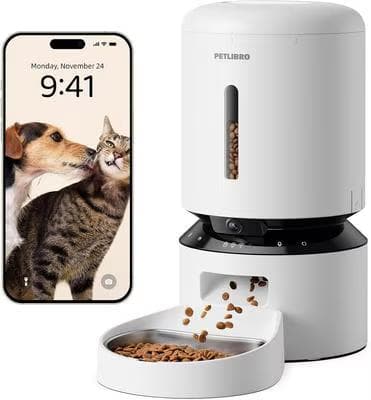
If scheduled meals help preserve a predictable training routine, the Petlibro Granary WIFI Automatic Cat and Dog Feeder with Camera is one tracked option to compare for portion accuracy, cleaning, power backup and kibble compatibility. It should not replace observing appetite.
Before using the Petlibro Granary WIFI Automatic Feeder, weigh several portions and subtract training food from the daily allowance. Food delivery alone does not teach calm behavior.
Socialization and confidence building
Chihuahua socialization means helping the dog learn that people, animals, environments, sounds and handling can be safe. It is not a race to maximize contact. Quality, choice and recovery matter.
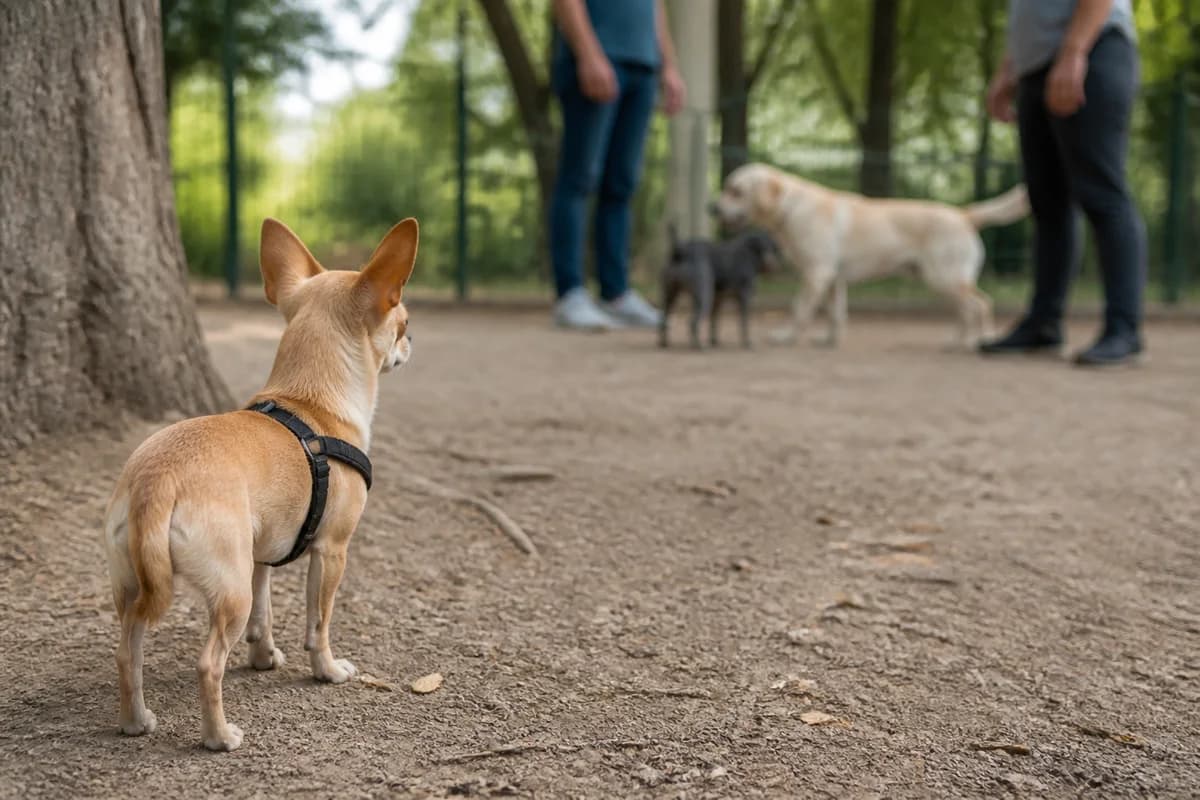
Socialization and confidence building work together when exposure stays below the dog's coping threshold and the dog retains a choice to approach, pause or move away.
Work under threshold
Choose a distance where the Chihuahua can notice a trigger and still eat, sniff, turn away or respond to a familiar cue. Pair the sight or sound with something the dog values, then leave before stress accumulates. Reduce distance only when behavior remains loose and recoverable.
Signs you may be too close include freezing, hard staring, repeated lip licking, trembling, frantic scanning, tucked posture, refusing food, lunging or inability to disengage. Increase distance and simplify. Do not force a greeting to prove the dog is friendly.
Build a confidence ladder
Break an experience into easier steps. Carrier work might progress through:
- Looking at the open carrier.
- Taking a reward near the entrance.
- Placing front feet inside.
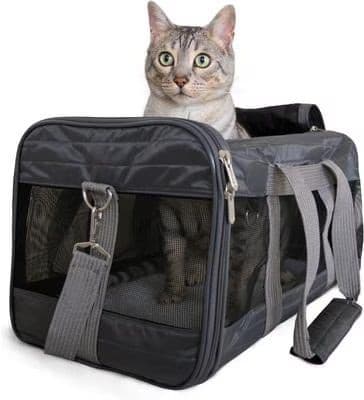
An airline-approved soft-sided carrier with mesh ventilation windows, a top-rated travel pick for cats and small dogs.
Petful may earn a commission when you click through to Chewy, at no extra cost to you.
- Entering and leaving freely.
- Settling briefly with the door open.
- Tolerating a short closure.
- Practicing brief movement before a real trip.
The Sherpa Original Deluxe Airline-Approved Dog and Cat Carrier is one tracked option to compare with measured body size, ventilation and escape risk. The phrase airline-approved does not guarantee acceptance by a specific provider.
Use the Sherpa Original Deluxe Carrier only after checking current dimensions and rules. Never use confinement as punishment or leave a distressed dog to panic.
Reward-based Chihuahua training
Dog training for Chihuahuas should teach behaviors that improve safety, communication and daily life. Decide exactly what success looks like before adding a cue.
WebVet's dog training schedule guide offers a comfort-first way to turn these skills into a predictable routine.
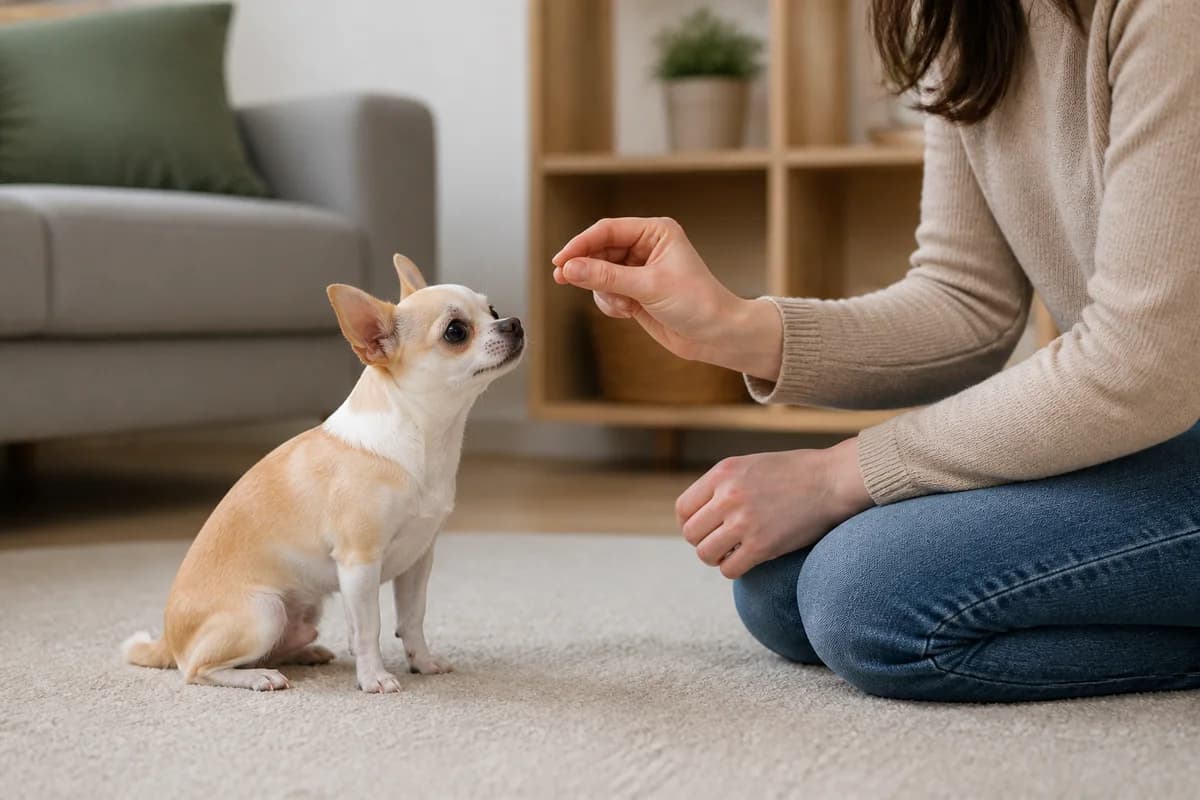
How to train a Chihuahua is not a secret breed method. Arrange an achievable behavior, mark the success, deliver a valued reward and raise difficulty gradually.
High-value foundation skills
Prioritize:
- Response to name and recall.
- Hand target for voluntary movement.
- Mat settle away from doors and food preparation.
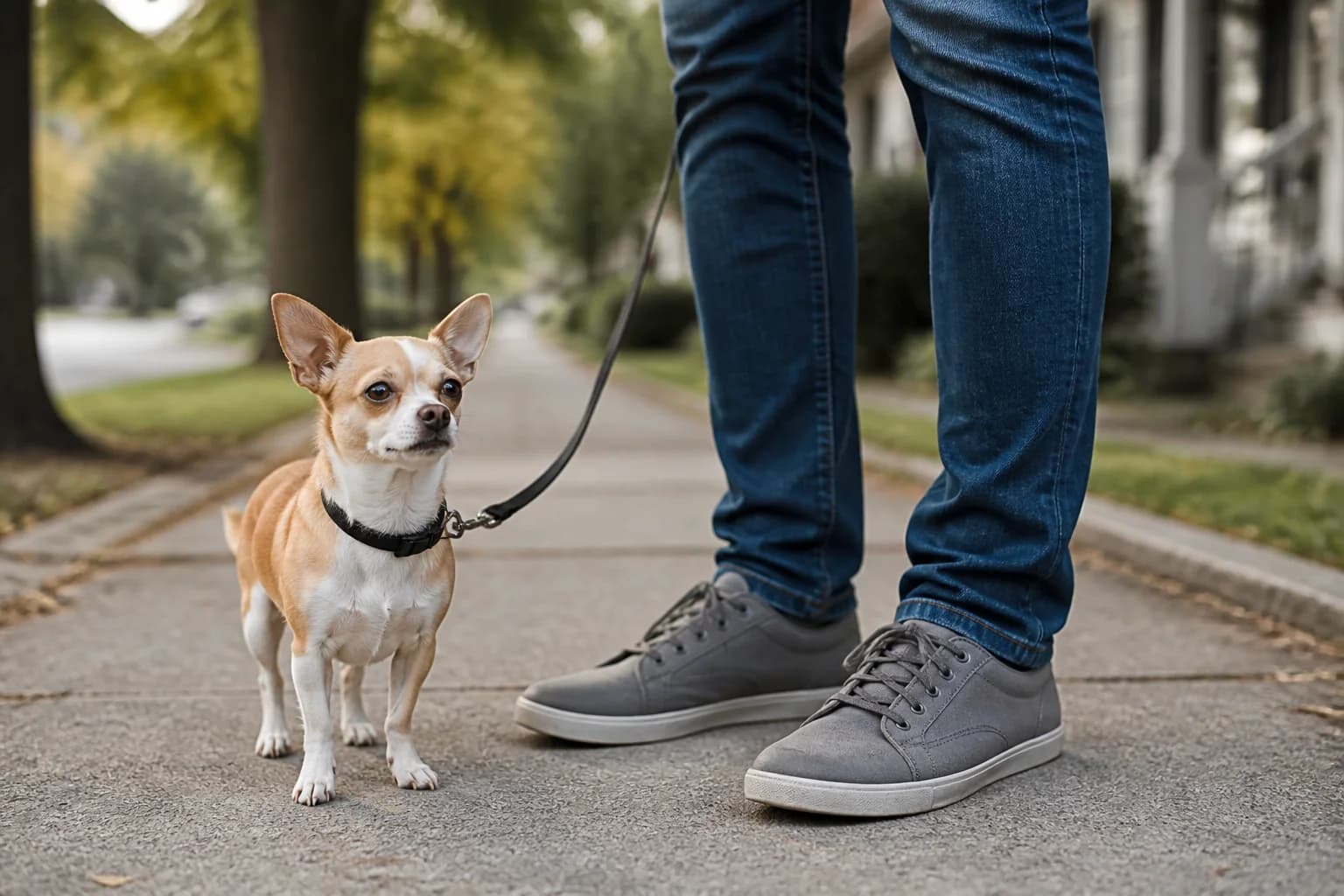
- Comfortable harness and leash behavior.
- Wait at exterior doors and vehicle exits.
- Drop, trade and leave-it foundations.
- Carrier entry and calm confinement.
- Cooperative paw, ear, mouth and body handling.
Teach one small step at a time. Mark the correct response consistently and deliver the reward promptly. If performance falls apart, reduce distraction, duration or distance rather than repeating the cue louder.
Harness and walking practice
The EliteField Padded Reflective No Pull Dog Harness in Small is one tracked option to compare with neck, chest, movement and the ability to back out. Manufacturer size labels are not standardized.
Introduce the EliteField Small Padded Reflective Harness through brief rewarded contact before fastening it. Check for rubbing and refit growing dogs. A harness does not make pulling safe or replace training.
House training with data
Take the Chihuahua to the chosen location after waking, eating, play and confinement. Reward immediately after elimination. Supervise or use a safe area when you cannot watch. Clean accidents thoroughly and adjust the interval.
Keep a log of time, food, water, activity, location and accidents. Sudden house-soiling, straining, increased thirst or urinary change warrants veterinary guidance. Punishment can teach hiding without teaching the correct location.
Use a one-week training cycle
A short written cycle makes progress easier to see and keeps household members consistent. Choose one safety skill and one daily-life skill for the week. Define the exact starting behavior, reward and environment before beginning.
For each session, record:
- The cue or setup used.
- Location and distraction level.
- Number of easy successful repetitions.
- Reward the dog chose.
- Signs of fatigue, fear or frustration.
- The one variable to change next time.
Change only duration, distance or distraction at first, not all three. If the dog succeeds in the kitchen but cannot respond on the sidewalk, return to a quieter threshold rather than assuming the cue is ignored deliberately.
Keep practice brief and distribute it through normal routines. A name response can happen before a doorway opens. A hand target can guide the dog onto a scale. A mat settle can be reinforced while a caregiver prepares food. This approach makes training relevant without creating long, exhausting sessions.
Teach comfortable alone time gradually
Close attachment does not mean a Chihuahua should never practice independence. Begin when basic needs are met and the dog is calm. Offer a safe resting area, step away for a moment and return before distress. Increase time in small increments based on the dog's response.

A padded, reflective no-pull harness that spreads leash pressure across the chest instead of the throat, the switch most vets recommend for a dog with a cough, a collapsing trachea, or any airway irritation so the leash never presses on
Petful may earn a commission when you click through to Chewy, at no extra cost to you.
Use a camera only to observe, not to call repeatedly through a speaker. Watch for pacing, panting, vocalizing, escape attempts, inability to eat or failure to settle. Significant separation distress needs an individualized plan from a veterinarian or qualified behavior professional, not a strategy of letting the dog cry it out.
Before leaving, confirm safe temperature, water, toileting, confinement and the absence of collar or chew hazards. A puppy's age and medical needs may limit how long any alone-time practice can be.
Barking, alert behavior and settling
Chihuahua barking can serve alerting, distance-seeking, excitement, frustration or learned attention. Identify the function before choosing a response.
Change the environment first
Reduce rehearsals with window film, white noise, distance from the entry, scheduled rest and a mat away from the door. Management creates space for learning; it is not a failure.
Teach a simple sequence:
- A sound occurs at a manageable level.
- The handler marks the dog for orienting without escalating.
- Food is delivered on a mat away from the trigger.
- The dog practices a brief settle.
- The session ends before repeated barking builds momentum.
Do not shout over barking, use startling devices or punish growling. Suppression can increase fear or remove warning behavior without changing the underlying emotion.
Measure settling, not silence
The goal is not a dog who never vocalizes. Track how quickly the Chihuahua can disengage from a trigger, orient to the handler, move to a resting place and resume normal behavior. Shorter recovery often matters more than eliminating the first alert bark.
Reward spontaneous quiet choices throughout the day, including looking away from a window, lying down during household movement and returning to a mat after a sound. These moments build a history before a difficult visitor situation.
If barking worsens suddenly, occurs during sleep, accompanies confusion or pain, or follows sensory change, contact the veterinarian. A training plan cannot rule out a medical cause.
Enrichment should support settling
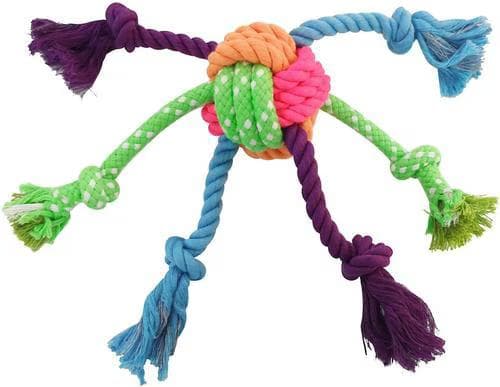
The Frisco Fetch Colorful Ball Knot Rope Dog Toy in Small/Medium is one tracked toy to compare by actual size, fiber integrity and the dog's chewing style. Supervise play and remove loose strands.
Use the Frisco Small/Medium Ball Knot Rope Toy for interactive play only if the Chihuahua can grip it comfortably. It is not a treatment for anxiety or compulsive behavior and should not be left with a dog who destroys or swallows rope.
Chihuahuas with children, visitors and pets
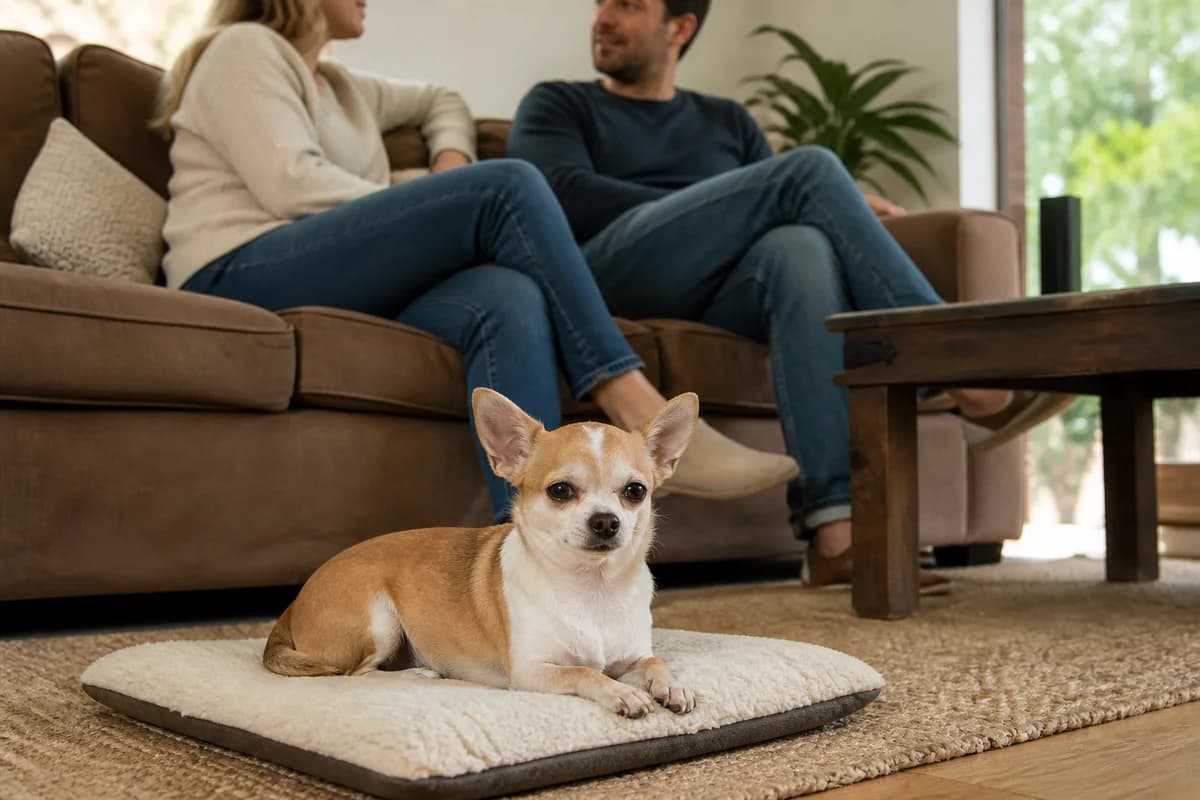
Are Chihuahuas good family dogs? They can be, when the individual is comfortable and adults enforce safe interaction. Small size increases the consequences of being dropped, stepped on, cornered or overwhelmed.
Rules for children
Adults should teach children to:
- Sit and allow the dog to approach.
- Pet gently on the body rather than reaching over the head.
- Never lift, chase, squeeze or wake the dog.
- Leave food, chews, toys and resting areas alone.
- Stop when the dog turns away, stiffens or seeks distance.
- Call an adult instead of solving a dog conflict.
Supervision means an adult is close enough to intervene, not merely in the same building. Use gates and separate activities when attention is divided.
Petful may earn a commission when you click through to Chewy, at no extra cost to you.
Visitors
Give the Chihuahua a protected area before opening the door. Visitors should ignore the dog initially and avoid leaning, staring or reaching. The dog does not need to greet everyone.
Reinforce calm observation and voluntary approach. If barking escalates, increase distance. Repeated exposure at an overwhelming level is not socialization.
Dogs and cats
Match individuals and manage size differences. Introduce dogs with space, parallel movement and short sessions when appropriate. Avoid loose, chaotic play with a much larger dog. Separate food, high-value items and resting places.
For cats, protect elevated and gated escape routes. Prevent chasing and reward calm disengagement. A prior history with one cat does not guarantee safety with every cat.
Petful's main Chihuahua breed guide helps families connect temperament with exercise, grooming and daily care. The Chihuahua puppies guide covers source observations and early preparation.
Make a visitor and pet safety map
Walk through the home before a real interaction. Identify the secure exterior door, gated transition area, separate feeding zones, resting spaces and route to the yard. Check whether a visitor could accidentally release the dog or whether a larger pet can reach the Chihuahua's retreat.
Assign adult roles:
- One person manages the dog before the door opens.
- One person greets the visitor and explains the no-contact plan.
- Children remain in a separate supervised activity during arrival.
- Other pets are separated until arousal settles.
- The dog receives rewards for calm behavior at a safe distance.
This plan prevents the first chaotic minutes from becoming the training session. If the Chihuahua cannot settle, keep separation in place. Access to a visitor or pet is not required for success.
For repeated conflict between household animals, consult qualified professionals. Do not stage confrontations to see who wins, and do not rely on the Chihuahua's small size as protection.
Comfortable handling and cooperative care
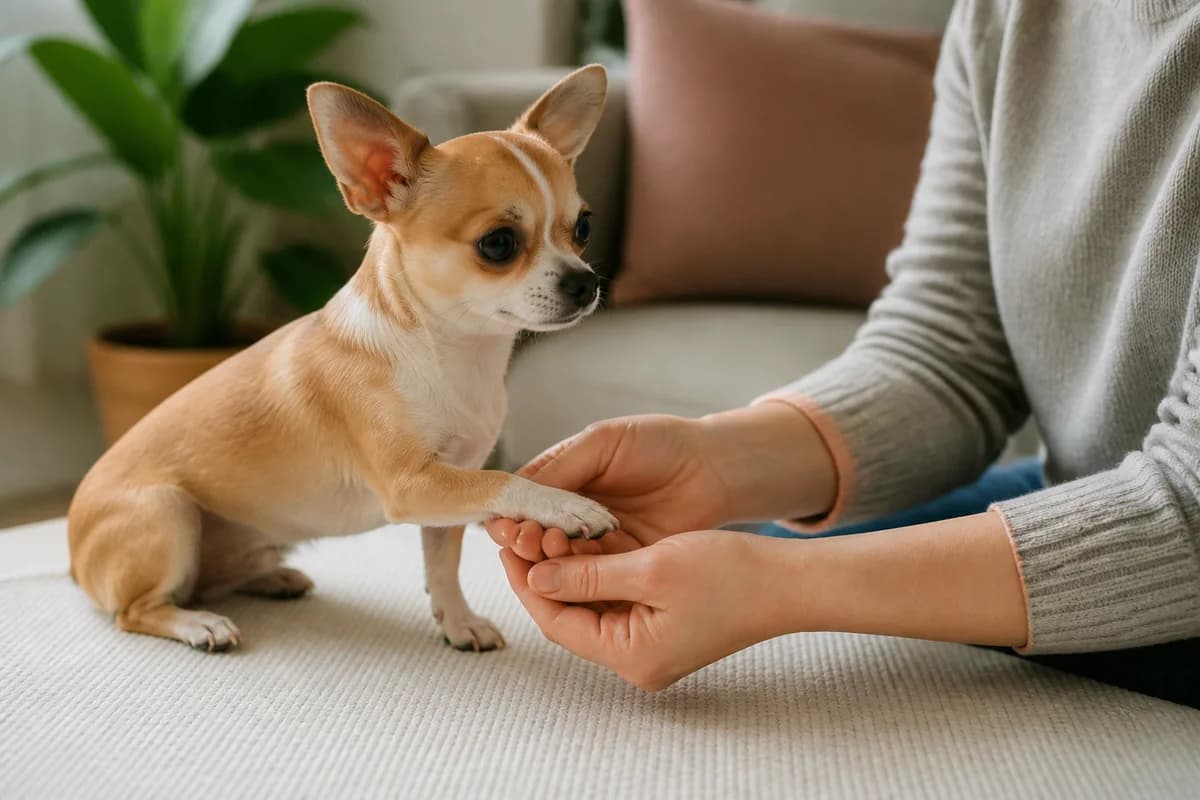
Chihuahua handling should preserve physical support and choice. Sudden biting during touch may reflect pain, fear or a learned response. A new behavior change deserves veterinary assessment.
Teach consent cues
Choose a start position, such as the dog placing a chin on a towel or stepping onto a mat. Touch briefly, reward and stop. Build duration only while the dog remains comfortable. Allow a pause signal by teaching that lifting the chin or stepping away ends contact.
Practice separate skills for:
- Paw touch and nail-tool presence.
- Lip lift and dog-safe toothbrush approach.
- Ear touch and visual inspection.
- Harness placement and fastening.
- Towel contact and gentle brushing.
- Being lifted with chest and rear supported when necessary.
Never hold the dog down to finish routine grooming. Ask a veterinarian, groomer or qualified trainer for a lower-stress plan when fear or pain blocks care.
Know when training is not enough
Seek veterinary guidance for sudden irritability, touch sensitivity, sleep change, appetite change, limping, confusion or altered elimination. Petful's DVM-authored Chihuahua health issues and lifespan guide addresses medical warning signs.
Petful's Chihuahua size, weight and growth guide supports safer equipment and lifting decisions. Behavior work should never require a dog to push through possible pain.
Choose qualified help
Ask a prospective trainer or behavior consultant to explain methods, education, experience with the presenting behavior, safety plan and coordination with veterinary care. Avoid promises of an instant cure, guaranteed result or dominance-based explanation for every problem.
Urgent safety takes priority. Separate the dog from situations that have produced bites, use physical barriers and prevent unsupervised access while help is arranged. If a bite occurs, attend to human medical needs and follow local reporting requirements. Do not punish the dog after the event, when the learning opportunity and context have passed.
Keep a factual incident record with date, setting, people and animals present, trigger, distance, body language, contact, injury and recovery. This is not a public blame document. It helps the veterinary and behavior team assess patterns and risk.
Build a behavior plan from function
For one priority behavior, write what happens before it, the behavior itself and what follows. This simple sequence helps identify whether barking gains distance, attention, access, play or relief from handling. It does not prove motive, but it guides safer experiments.
Suppose the Chihuahua barks when a visitor enters. The plan might include:
- Managing the dog behind a secure gate before the door opens.
- Increasing distance until the dog can eat and orient to the handler.
- Reinforcing a mat behavior while the visitor remains neutral.
- Ending the session before recovery deteriorates.
- Repeating with the same low difficulty before adding movement or speech.
Define success as an observable change, such as recovering within two minutes or completing three easy mat repetitions. Do not define it as being good. Review the record after several sessions, not one unusually quiet or difficult day.
If the behavior serves to avoid touch, do not remove escape and continue handling. Teach voluntary participation and coordinate with a veterinarian when pain is possible. If the behavior protects food or a resting area, prevent access conflicts before attempting exercises.
Review safety and progress together
Every plan needs a safety layer, a teaching layer and a review point. Safety prevents rehearsal and injury now. Teaching builds the replacement behavior. Review determines whether the dog is improving, stalled or becoming more distressed.
Escalate sooner when a bite has caused injury, triggers are expanding, recovery is worsening or household members cannot follow management consistently. A qualified professional can observe details an online description misses. Emergency separation may be necessary while help is arranged.
Reward-based does not mean permissive. Doors can remain closed, access can be delayed and play can pause while the dog learns a safer response. The difference is that consequences are planned to teach, not to frighten or overpower the dog.
Is this the right dog for your household?
- Many Chihuahuas enjoy close companionship and interactive learning when household fit is strong
- Small spaces can support meaningful training and enrichment
- Practical skills can improve transport and cooperative care
- Alert behavior can be redirected into predictable routines
- Tiny size creates handling and injury risks
- Barking and stranger caution may need steady management
- House training can require frequent opportunities
- Children and large pets need supervision based on individual behavior
The right household views a Chihuahua as a capable dog and provides safe boundaries without forcing interaction. It can manage visitors, protect rest, supervise children and pets, and seek professional help before fear or aggression becomes entrenched.
Chihuahua Temperament, Training and Family Fit FAQs
Chihuahuas can have behavioral issues, just as any dog can, but a breed label does not diagnose the individual. Record triggers, body language and recovery, then review verified records for health or behavior changes. The clear next step is ruling out pain or illness, managing safety and using qualified reward-based help when fear, barking or aggression persists.
Chihuahua pros can include close companionship, portability, alertness and enjoyment of interactive training. Cons can include injury risk from tiny size, careful handling needs and structured work for barking, fear or house training. Use verified records and direct observation for the specific dog. A clear next step is comparing those needs with the household's real supervision and training capacity.
Do not force Chihuahua handling, punish growling, allow rough child or large-dog play, ignore fear because the dog is small, or delay care for sudden behavior change. Review verified records and the context of the warning behavior. The clear next step is creating distance and safety, then obtaining veterinary or qualified reward-based help before attempting harder exposure.
The most important thing about Chihuahua temperament is that breed tendencies describe a population, while the individual dog's history, health, observed behavior and household context determine the plan. Make a practical comparison of triggers, recovery, training response and daily routine. Judge the individual dog from repeated evidence rather than treating loyal, aggressive or stubborn as a complete explanation.
The evidence you should verify for Chihuahua temperament includes documented evidence through dated observations, known history, veterinary findings and response to controlled reward-based training. Record triggers, distance, body language and recovery. Seek professional guidance from a veterinarian for sudden change and from a qualified reward-based professional when safety or progress requires a tailored plan.
After learning about Chihuahua temperament, an owner should next write the household's top safety and skill priorities, prevent rehearsals and establish veterinary care. Check household fit against children, visitors, other pets, work hours and handling needs. Observe individual behavior, then begin short reward-based sessions where the dog can succeed and record progress.
Sources

Coreen Saito is a pet writer and longtime shelter volunteer with more than a decade in animal rescue. She covers cat behavior, breed care, and the small, ordinary science of sharing a life with companion animals, with a particular focus on honest takes about the products and decisions that actually matter. At home in Arizona, she's outranked by Mac (a dog with the loudest opinion in the house), Rebel (a cat who governs by quiet authority), and Meri (an orange tabby who runs the late shift and the laundry basket). She writes about all three, plus the rescues that keep coming through her life, at LifeWithMinty.com.
Sign up for expert-backed reviews and safety alerts all in one place.