Chihuahua Lifespan and Health Issues
Learn how Chihuahua lifespan and health planning connect to screening, dental care, heart and airway signs, mobility, healthy weight and aging through every life stage.

BVMS, MRCVS
Petful is reader supported. As an affiliate of platforms like Amazon and Chewy, we may earn a commission when you buy through links on this page. There is no extra cost to you.
Chihuahua lifespan is commonly discussed as a breed average, but no number predicts how long an individual dog will live. Genetics, preventive care, dental health, body condition, injuries, environment and access to timely treatment all influence the outcome.
This veterinary-authored guide explains Chihuahua health issues as planning considerations, not diagnoses. Use the dog's examination findings and records with your veterinarian. Seek prompt care for serious or rapidly changing symptoms rather than waiting to see whether they match a breed list.

Sign up for expert-backed reviews and safety alerts all in one place.
Chihuahua Health Issues and Lifespan at a glance
- 1Chihuahuas are often described as a long-lived breed, but an individual lifespan cannot be promised
- 2Individual dogs vary, so records and direct observation should guide personal care
- 3Dental disease, heart concerns, kneecap problems, airway signs, eye issues and neurologic symptoms deserve informed monitoring
- 4Parent screening and a puppy's veterinary record answer different questions
- 5Collapse, breathing trouble, seizures, severe pain or rapid decline require prompt veterinary guidance
Chihuahua lifespan at a glance
A lifespan estimate describes a population, not a countdown for one dog. A healthy young Chihuahua may later develop disease, while a dog with a chronic condition may enjoy good quality of life with appropriate management. Sex, coat, color, head-shape labels and teacup marketing do not provide a reliable personal forecast.
How long do Chihuahuas live? Breed estimates can frame expectations, but only ongoing veterinary evidence and the individual dog's changing health can guide personal planning.
| Evidence | Practical comparison | Limit for the individual dog | Next step |
|---|---|---|---|
| Breed pattern | Conditions discussed more often in the breed | Whether this dog has or will develop one | Use it to plan screening and observation |
| Parent screening | Results for identified breeding dogs | A guarantee for every puppy | Verify registered identities and complete results |
| Veterinary record | Documented findings, care and due dates | What happened outside the record | Review it with the current veterinarian |
| Home observation | Changes in appetite, breathing, movement, behavior and elimination | A diagnosis or cause | Record details and call the veterinarian |
| DNA ancestry or health report | Specific variants or ancestry estimates within test limits | A complete clinical assessment | Discuss relevant results with a veterinarian |
Quality of life matters with length
Track comfort and function as a Chihuahua ages. Useful observations include appetite, water intake, sleep, toileting, willingness to move, breathing, social interaction and recovery after ordinary activity. A calendar or short video can help the veterinarian assess change over time.

Petful may earn a commission when you click through to Chewy, at no extra cost to you.
Do not normalize a change because a dog is old or a Chihuahua. New coughing, exercise intolerance, limping, confusion, house-soiling, appetite loss or handling sensitivity deserves veterinary discussion.
Appearance, seller wording and documented records answer different questions. Compare the individual dog, available records and household routine before deciding which breed-level concerns need a specific veterinary question or monitoring plan.
What to verify before you decide
- Breed-level risk helps plan questions. Documented evidence from verified parent screening informs inherited-risk decisions. The individual dog's current veterinary findings guide care, with professional guidance from the veterinarian. None of these layers can replace the others, and no product result guarantees health.
For a breeder puppy, review the current AKC parent-club health testing requirements and understand the OFA CHIC program. Verify results under the sire's and dam's registered identities rather than accepting the phrase health tested.
An Embark Breed and Health Dog DNA Test Kit is one tracked consumer test to compare if ancestry or its listed variants answer a real question. Read the current test scope, sample requirements, privacy terms and limitations. A negative consumer DNA result does not rule out all inherited or acquired disease.
If considering the Embark Breed and Health Dog DNA Test, share relevant findings with the veterinarian and do not use the report to change medication, breeding plans or medical care on your own. Formal screening, physical examination and clinical diagnostics remain distinct.
Common Chihuahua health issues
Chihuahua health problems should be understood by body system and symptom, not used as a self-diagnosis checklist. Some conditions are inherited, some acquired, and many occur in other breeds as well.
 Sponsored
Have a health question about your pet?
Talk to a licensed vet at Dutch over video or message, including nights and weekends.
Use code Pets30
Plans start at $11/month · covers up to 5 pets
- Licensed vets in most states
- Rx for 150+ conditions
- 4.7 on Trustpilot
A practical monitoring framework
Organize concerns into five questions:
- What changed? Describe the exact symptom or behavior.
- When did it begin? Note sudden versus gradual onset.
- How severe is it? Record frequency, duration and recovery.
- What else changed? Include appetite, drinking, stool, urination, sleep and medication.
- What evidence exists? Bring records, photographs or short videos when safe.
This framework gives the veterinary team more useful information than saying a dog seems off. It also helps distinguish an urgent change from a stable issue already under care.
Signs that should not wait
Contact a veterinarian or emergency service promptly for:
- Difficulty breathing, blue or very pale gums, or collapse.
- Seizure activity, severe disorientation or inability to stand.
- Repeated vomiting or diarrhea, especially with weakness.
- Inability to keep water down or marked dehydration.
- A swollen painful abdomen or unproductive retching.
- Inability to urinate or repeated straining.
- Serious trauma, uncontrolled bleeding or severe pain.
- Sudden eye injury, squinting or visible eye change.
- Rapid deterioration of any kind.
Online breed information cannot determine severity. If you are uncertain whether a symptom is urgent, call a veterinary professional and describe what you see.
Dental disease and home care
Chihuahua dental problems deserve early attention because a small mouth can have crowded teeth and owners may miss changes until eating is affected. Dental disease can cause pain even when a dog continues to eat.
WebVet also explains how food texture relates to canine dental health and why it does not replace home or veterinary care.
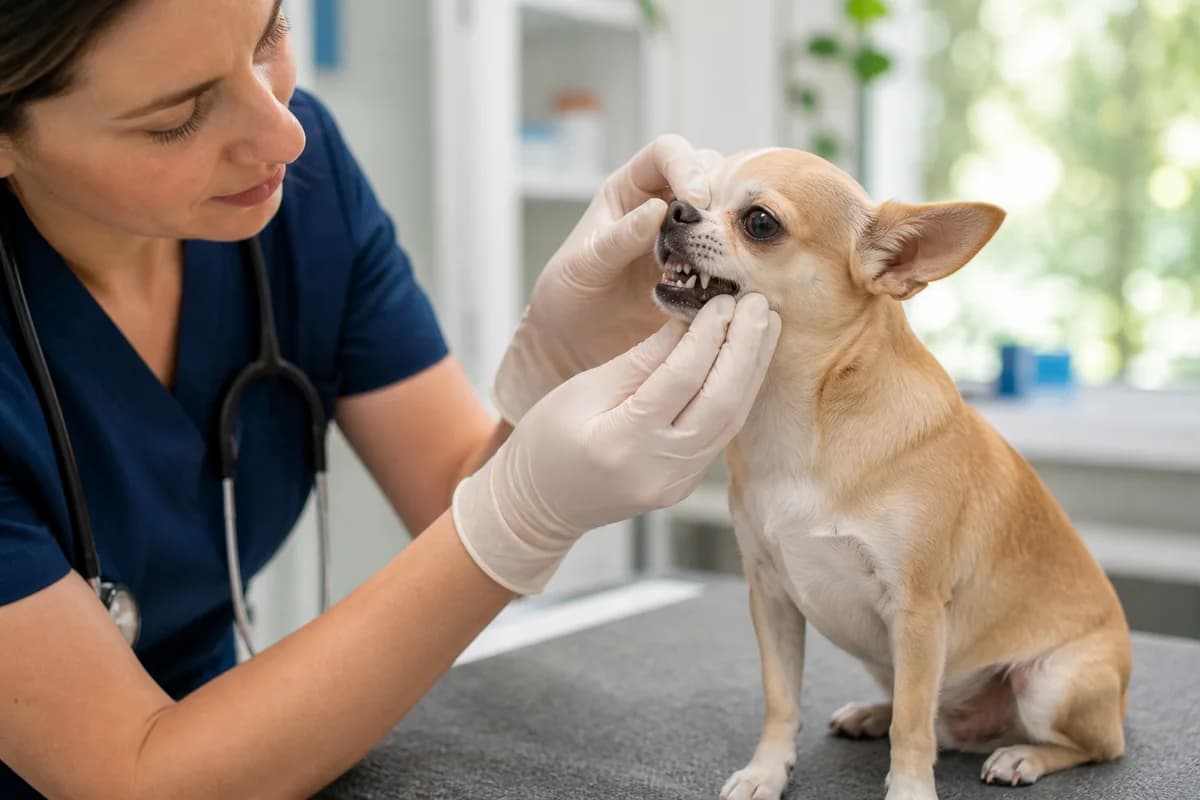
Watch for bad breath, red or bleeding gums, visible tartar, loose teeth, dropping food, chewing on one side, facial swelling, pawing at the mouth or new reluctance to have the face touched. These signs require veterinary evaluation. Do not scrape teeth at home or give human pain medication.
Petful may earn a commission when you click through to Chewy, at no extra cost to you.
Build home care gradually
Ask the veterinarian what daily care is appropriate. Introduce a dog-safe toothbrush and toothpaste in brief rewarded steps. Begin with comfortable lip lifting before increasing contact. Stop if the dog shows pain or marked fear.
Dental chews must match the dog's current weight, chewing style and health. The Ark Naturals Brushless Toothpaste Small Dental Dog Treats are one tracked small-dog product to compare against the manufacturer's current weight range and veterinary advice. A small label is not an automatic fit for every Chihuahua, so confirm individual eligibility.
If a veterinarian recommends an appropriately sized dental chew, supervise every use and count its calories. Before offering an Ark Naturals Small Brushless Toothpaste Dental Treat, verify the current directions, weight range and chewing safety. A chew cannot remove established disease or replace a professional dental plan.
Heart, airway and neurologic concerns
Chihuahua heart problems may first appear as a murmur found during examination or as changes noticed at home. Coughing, faster or harder breathing, reduced stamina, fainting, restlessness or abdominal enlargement can have multiple causes. Report them to a veterinarian rather than assuming normal aging.
Record breathing without provoking symptoms
When the dog is fully asleep and comfortable, your veterinarian may ask you to count resting breaths for a set period. Follow the clinic's instructions and record the time, position and result. Do not exercise a dog to test breathing, and do not delay care when effort is obvious.
Chihuahua tracheal collapse is a phrase owners may encounter when a small dog coughs, but a cough alone does not establish the diagnosis. Heart disease, infection, airway irritation and other problems can produce overlapping signs. Use a well-fitted harness rather than pressure on the neck, and seek veterinary assessment for persistent or distressing cough.
Neurologic and eye changes
Seizures, weakness, circling, severe pain, sudden imbalance or altered awareness need veterinary attention. A rounded skull or open fontanelle discussion does not allow an owner to diagnose hydrocephalus or predict outcome from appearance.
Chihuahuas also have prominent eyes that can be vulnerable to irritation or injury. Squinting, redness, cloudiness, discharge, rubbing or a visible wound should be evaluated promptly. Eye problems can worsen quickly.
Knees, mobility and injury prevention
Chihuahua luxating patella refers to abnormal movement of the kneecap, but skipping, limping or holding up a leg can have several causes. A veterinarian must examine the dog and decide whether imaging or treatment is appropriate.
Knees, mobility and injury prevention should be considered together because a gait change can reflect joint disease, pain, trauma or another cause. Protect the dog from avoidable falls while seeking a veterinary assessment instead of assuming every skip is the same problem.
Notice patterns in movement
Record which leg is affected, what activity preceded the change, whether the dog bears weight, how long it lasts and whether pain is present. A short safe video can be useful because some dogs move normally at the clinic.
Reduce avoidable injury by supervising furniture access, using non-slip surfaces and preventing rough play with much larger animals. Ramps or steps are useful only when stable, correctly angled and taught gradually. Do not force activity through pain.
Body condition affects mobility. Excess weight adds load to small joints, while unexplained weight loss may signal disease. Petful's Chihuahua size, weight and growth guide helps owners track measurements without substituting a chart for a veterinary assessment.
Health screening and breeder records
Chihuahua health testing is most useful when the results can be linked to the correct dogs and interpreted in the context of the breed. A certificate image without a registered identity or issuing organization is difficult to verify.
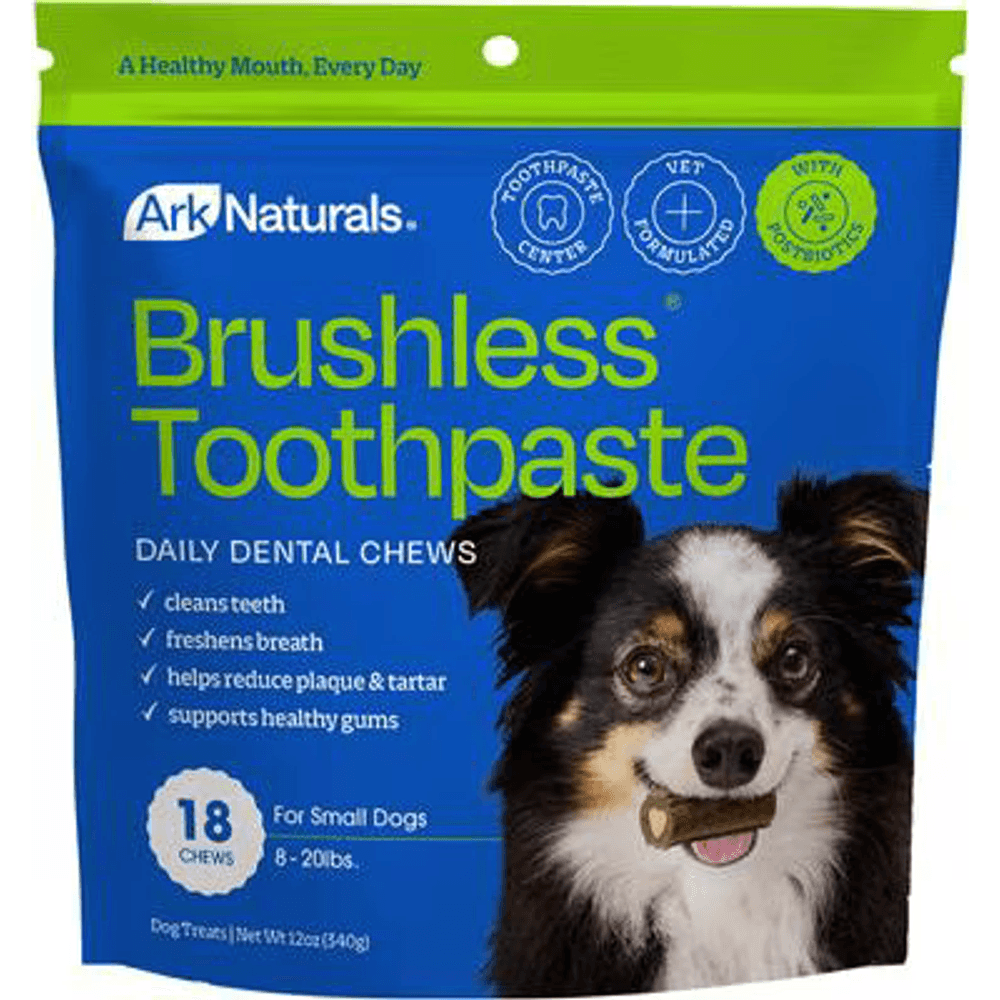
Brushless dental chews for small dogs with a toothpaste center that cleans teeth, reduces plaque and tartar, and freshens breath as they chew. A no-brushing daily option for dogs 8 to 20 pounds.
Petful may earn a commission when you click through to Chewy, at no extra cost to you.

Ask for complete evidence
For a breeder litter, request:
- Registered names and identifiers for the sire and dam.
- The current breed-specific screening list.
- Complete results, not only the tests described as clear.
- The issuing organization and date.
- The puppy's individual veterinary record.
- Known health history in related dogs when available.
- Written disclosures and an independent examination window.
Search the OFA CHIC database information using registered identities when applicable. A CHIC number generally indicates completion and public availability of the program's specified tests, not that every result was normal or that every possible disease was assessed. Read the actual record.
Petful's Chihuahua puppies and buying-safely guide covers breeder, adoption, contract and scam checks. Screening cannot make an unsafe transaction safe.
Healthy weight and preventive care
A Chihuahua healthy weight is determined by body condition, muscle, frame and veterinary assessment, not a competition to reach the smallest possible number. The AVMA healthy-weight guidance encourages owners to work with their veterinarian on an appropriate plan.
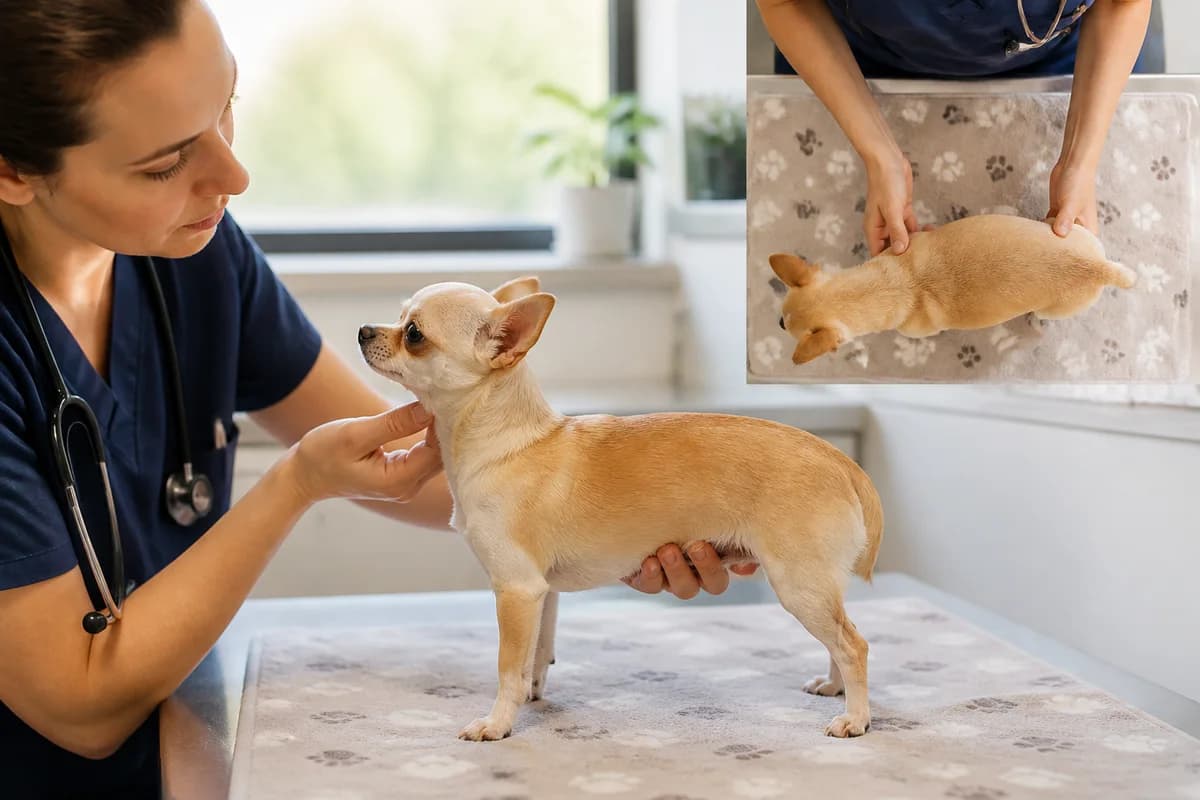
Measure the whole daily intake
Record food, treats, chews, toppers and medication foods. Weigh the dog consistently and discuss meaningful change with the veterinarian. Feeding labels are starting points, and a tiny scoop difference can represent a meaningful portion of a Chihuahua's day.
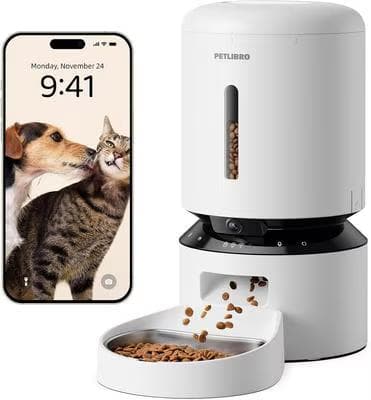
If timed meals support an established plan, the Petlibro Granary WIFI Automatic Cat and Dog Feeder with Camera is one tracked product to compare for portion accuracy, kibble compatibility, cleaning and power backup. Test multiple portions with a kitchen scale.
The Petlibro Granary WIFI Automatic Feeder cannot interpret body condition, appetite change or illness. Keep a manual feeding plan and contact the veterinarian when eating changes unexpectedly.
Preventive visits are individualized
Routine care may include examinations, vaccination, parasite prevention, dental assessment, laboratory testing or age-related monitoring based on the individual and location. Ask the veterinarian what is due and why. Keep the microchip registry and emergency contacts current.
Petful's best dog food for Chihuahuas is a separate product comparison. No food list can diagnose disease or replace a plan for a dog with appetite change, dental pain or a prescribed diet.
 Sponsored
Vet care that's always there
Unlimited video calls and messaging with licensed vets for less than a typical vet visit. One membership covers up to five pets.
Use code Pets30
Plans start at $11/month · covers up to 5 pets
- Licensed vets in most states
- Rx for 150+ conditions
- 4.7 on Trustpilot
Prepare for a more useful veterinary visit
Bring organized information rather than trying to remember every change in the exam room. A short, dated summary should identify the main concern, onset, frequency, triggers and recovery. Include all food, treats, supplements and medication, even products purchased without a prescription.
Useful materials include:
- The complete prior veterinary record and current problem list.
- Medication names, strength, dose, schedule and last administration.
- A measured food and treat log.
- Weight dates from the same reliable scale when available.
- Short videos of coughing, limping, tremors or unusual behavior when safely obtained.
- Resting observations recorded without provoking a symptom.
- Questions ranked by urgency so the most important are addressed first.
Do not stop prescribed medication, change a dose or add a supplement because a symptom appears on a breed list. Contact the prescribing clinic. Human pain relievers and other household medicines can be dangerous to dogs, and a Chihuahua's small size makes casual dosing particularly risky.
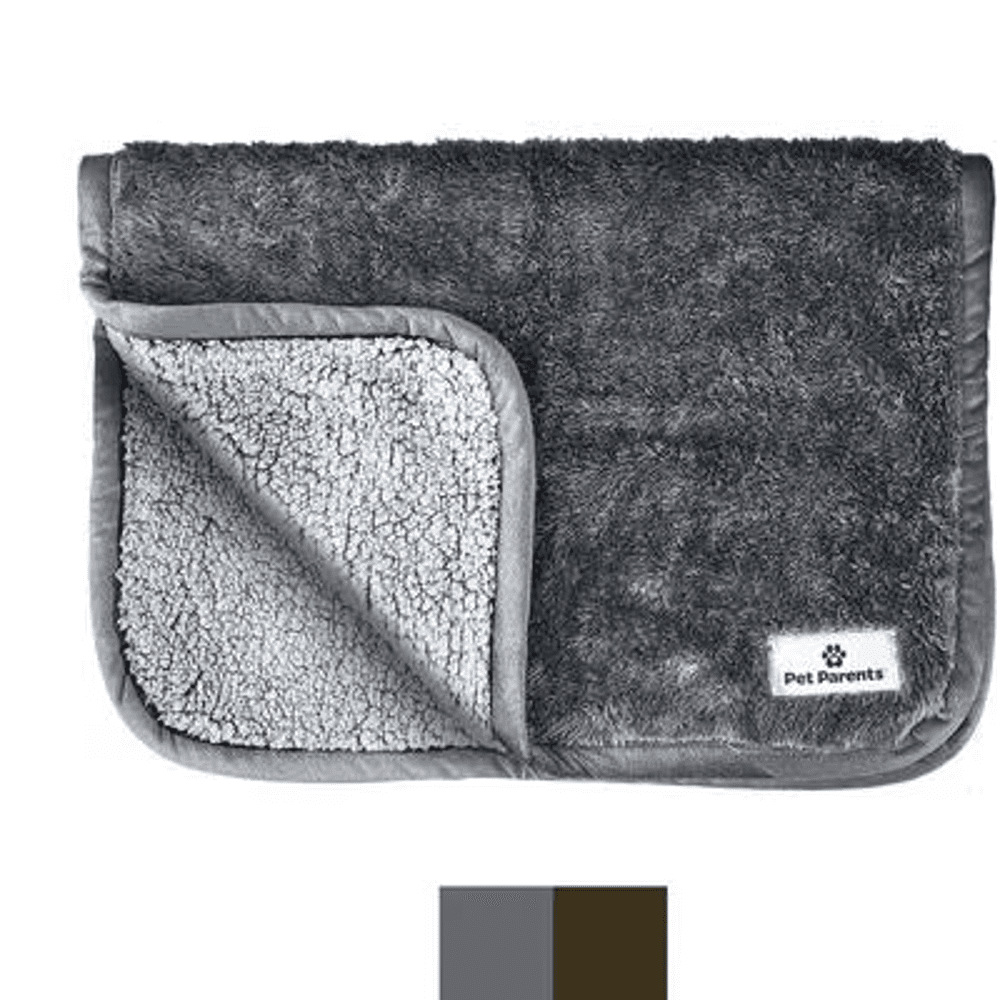
A plush, waterproof sherpa blanket that gives a cold or shivering dog a warm, cozy layer to curl into. The hidden waterproof lining protects the bed, couch, or car seat, and the whole thing is machine washable.
Petful may earn a commission when you click through to Chewy, at no extra cost to you.
Create a home monitoring baseline
Record ordinary function while the dog is well. Note usual appetite, water habits, stool, urination, sleep, walking comfort, breathing, social interest and tolerance of gentle handling. A baseline makes a real change easier to recognize.
Use consistent observations rather than constant testing. For example, weigh at an interval recommended by the veterinarian and use the same scale when possible. Photograph body condition from similar angles. Count food and treats from the whole household, not only one caregiver.
If several people share care, keep one log. Mark who gave each medication and when. Duplicate dosing, missed doses and inconsistent feeding can result when information is split across messages or memory.
Plan for urgent care before it is needed
Save the regular clinic, nearest emergency hospital and poison-control contact information. Confirm transportation and payment options. Keep the carrier accessible and practice calm entry when the dog is well.
An emergency plan should include:
- Current medication and allergy information.
- A recent weight and the dog's identifying details.
- Microchip number and owner contact information.
- The route to urgent and emergency care.
- A backup caregiver authorized to seek treatment.
- Financial arrangements that do not require delaying a call.
Calling ahead can help a clinic prepare, but do not delay transport when instructed to come immediately. If exposure to a possible toxin occurs, retain the package and contact a veterinary professional or animal poison-control service. Do not induce vomiting unless specifically directed.
Review preventive care after every life change
Moving, travel, a new pet, altered exercise, pregnancy in the household, aging or a new diagnosis can change risk and routine. Ask whether parasite prevention, vaccination, diet, monitoring or handling plans need adjustment. Preventive care is not a fixed checklist copied from another dog.
A yearly plan should state what the veterinarian is monitoring and which changes should trigger an earlier visit. That shared plan is more actionable than a generic promise that the breed is healthy or long-lived.
Turn breed concerns into appointment questions
A useful health plan does not ask the veterinarian to screen for everything without context. It turns known breed discussions and the dog's record into focused questions that can be answered through examination, history and appropriate diagnostics.
For dental care, ask:
- What is the current periodontal finding?
- Which home-care method is safe and realistic for this dog?
- What changes should trigger an earlier dental assessment?
- Are chewing products appropriate for the dog's size and teeth?
For heart and breathing concerns, ask:
- Was a murmur or rhythm change heard, and what follow-up is recommended?
- Which resting observations would be useful at home?
- Does the current cough or exercise change require diagnostics?
- What signs mean the dog should be seen urgently?
For knees and mobility, ask:
- What did the orthopedic examination find?
- Is the gait change painful, intermittent or progressive?
- Which activity and surface changes are appropriate now?
- When should the dog be rechecked?
For neurologic or eye concerns, describe the exact event and bring a safe video when possible. Ask what competing causes are being considered and what evidence would distinguish them. Avoid demanding a diagnosis based solely on a breed-associated phrase found online.
Write the clinician's answers in plain language before leaving. Include what to monitor, the next action, the timeframe and the urgent-care threshold. If medication is prescribed, confirm the name, dose, route, schedule, storage and what to do after a missed dose or possible reaction.
This question framework does not replace clinical judgment. It helps owners move from a generic Chihuahua health problems list to an individualized plan with documented next steps.
Keep health evidence current and transferable
Schedule the next review before the current information becomes stale. Screening obtained for a breeding decision, a puppy examination and a senior recheck each have different timeframes and purposes. Label the date and intended use on every record.
When a second opinion is needed, transfer the complete file rather than only the conclusion. Include laboratory reports, imaging, medication history and response to treatment. Complete evidence helps the next clinician understand what was found, what remains uncertain and which changes occurred afterward.
Chihuahua lifespan and healthy aging
Healthy aging means adjusting care as function changes rather than waiting for a birthday label. Senior dogs may need more frequent examinations, easier access to food and water, non-slip footing, warmth, medication support, shorter activity sessions or changes to dental and sensory care.
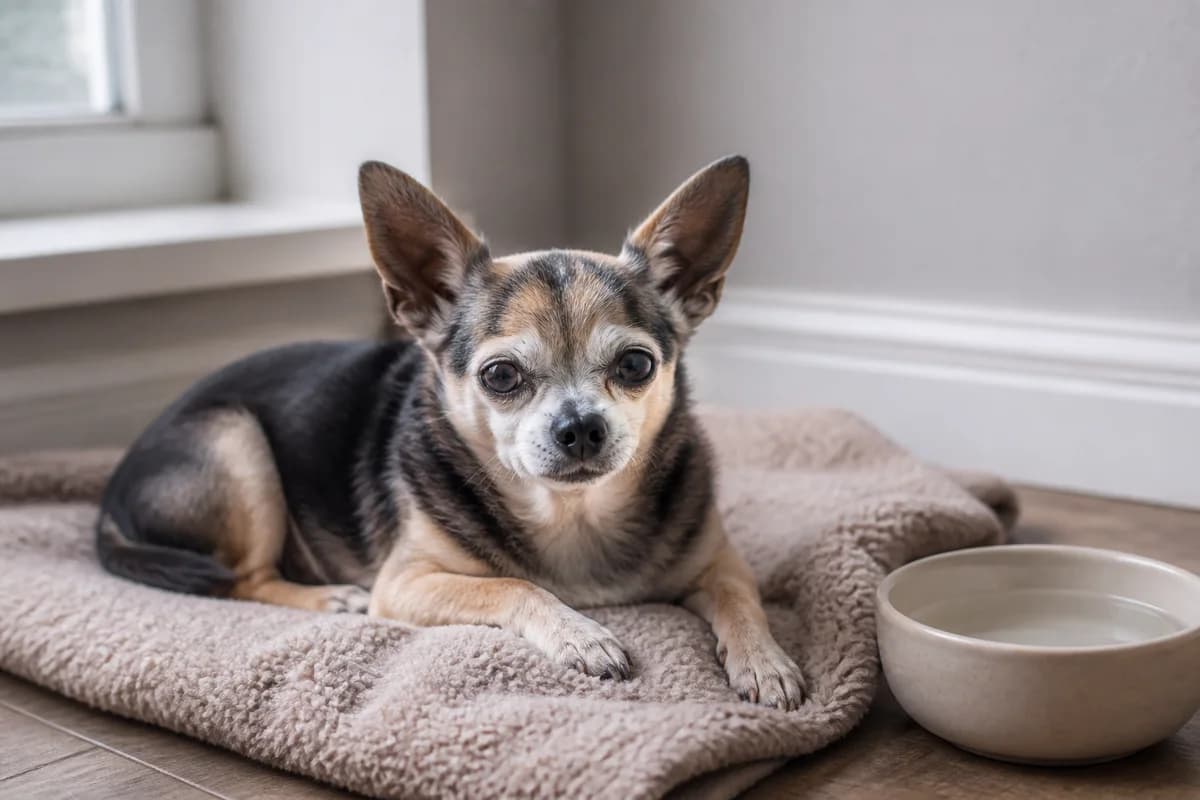
The Pet Parents Pawtect Waterproof Small Blanket is one tracked washable layer to compare for measured resting space, warmth, laundering and chewing behavior. A blanket can improve comfort or protect bedding, but it cannot treat pain, incontinence or temperature-regulation problems.
When using the Pet Parents Pawtect Small Blanket, keep water and exits accessible and watch for tangling or chewing. New restlessness, accidents, stiffness or seeking unusual warmth needs medical consideration before an equipment change.
Track function over time
Review these areas monthly for an older Chihuahua:
- Appetite, water intake and body condition.
- Mouth comfort and ability to pick up food.
- Breathing at rest and recovery after activity.
- Mobility on ordinary household surfaces.
- Vision, hearing and response to familiar cues.
- Sleep, toileting and ability to settle.
- Interest in people, exploration and favorite activities.
Share trends with the veterinarian. Small adaptations made early can preserve choice and comfort, while a sudden change may require urgent assessment.
Is this the right dog for your household?
- A long-lived companion can share many life stages with a family when household fit is strong
- Small size can simplify some mobility adaptations
- Weight and daily function are practical to track
- Screening and records improve informed planning
- Dental and preventive care require sustained attention
- Tiny size increases injury risk and makes portion errors meaningful
- Breed risk cannot predict one dog's individual behavior or medical outcome
- Long lifespan can bring years of age-related care and cost
Choose the breed only if the household can provide routine and urgent veterinary care, dental care, safe handling and a changing senior-care plan. Petful's main Chihuahua breed guide connects health planning to daily temperament, exercise and grooming needs.
Chihuahua Health Issues and Lifespan FAQs
The most common cause of death in Chihuahuas cannot be named reliably for every dog because patterns vary by population, age and record quality. Breed statistics cannot diagnose or predict an individual outcome. Review verified records with the veterinarian, including heart, dental, metabolic and injury history. The clear next step is an individualized preventive and monitoring plan rather than chasing one universal cause.
Whether male or female Chihuahuas live longer cannot be predicted dependably from sex alone. Genetics, preventive care, body condition, disease, injury, environment and access to treatment are more useful planning factors. Use verified records for the specific dog and make the clear next step a veterinary baseline that identifies current risks instead of assuming sex predicts longevity.
What triggers Chihuahua anger may include fear, pain, guarding, handling, surprise or learned history, but anger is not a medical diagnosis. Review verified records for health or behavior changes and observe the context safely. A clear next step for sudden behavior change is veterinary assessment, followed by qualified reward-based behavior help when needed.
The most important thing about Chihuahua lifespan is that a breed estimate describes a population, not one dog's future. Make a practical comparison between population risks and the individual dog's examination findings, records, comfort and daily function. Track meaningful changes over time and respond promptly instead of using age, sex, color or a seller label as a personal forecast.
The evidence you should verify for Chihuahua lifespan includes documented evidence in the veterinary record, current examination, parent screening when applicable, body-condition history and dated changes in appetite, breathing, movement, behavior and elimination. Seek professional guidance from the veterinarian when interpreting records or choosing screening. Appearance, sex and seller wording cannot substitute for clinical findings.
After learning about Chihuahua lifespan, an owner should next establish a veterinary baseline, organize records, confirm preventive and dental plans, track weight and daily function, and save urgent-care contacts. Make sure the care schedule supports household fit. Record individual behavior and health changes with dates, then contact the veterinarian promptly when comfort, breathing, movement or appetite changes.
Sources
BVMS, MRCVS
Dr. Pippa Elliott, BVMS, MRCVS, is a veterinarian with nearly 30 years of experience in companion animal practice. Dr. Elliott earned her Bachelor of Veterinary Medicine and Surgery from the University of Glasgow. She was also designated a Member of the Royal College of Veterinary Surgeons. Married with 2 grown-up kids, Dr. Elliott has a naughty Puggle named Poggle, 3 cats and a bearded dragon.
Sign up for expert-backed reviews and safety alerts all in one place.