Chihuahua Size, Weight and Growth Guide
Understand Chihuahua size, breed-standard weight, puppy growth, accurate measurement, healthy body condition and equipment fit without forcing a chart.

Petful is reader supported. As an affiliate of platforms like Amazon and Chewy, we may earn a commission when you buy through links on this page. There is no extra cost to you.
Chihuahua size is very small, but one height or weight number cannot tell you whether an individual dog is healthy, purebred or finished growing. Breed standards, a puppy's measured trend and veterinary body-condition assessment answer different questions.
This guide explains adult Chihuahua weight, puppy growth stages, accurate measurement and equipment planning without turning an online chart into a feeding target or diagnosis.

Sign up for expert-backed reviews and safety alerts all in one place.
Chihuahua Size, Weight and Growth Guide at a glance
- 1The Chihuahua breed standard uses a weight ceiling rather than a required height
- 2Individual dogs vary, so records and direct observation matter more than a single number
- 3A healthy individual may not match a show-ring number, especially when ancestry is unknown
- 4Puppy growth should be judged as a trend with veterinary input, not forced toward a chart
- 5Measure the actual dog before buying a carrier, harness, feeder or bedding
Chihuahua size at a glance
The Chihuahua Club of America breed standard states that a well-balanced little dog should not exceed 6 pounds. The AKC Chihuahua profile places the breed in the Toy Group. That show standard is useful breed context, not a medical limit or proof that every Chihuahua-labeled dog must weigh less than 6 pounds.
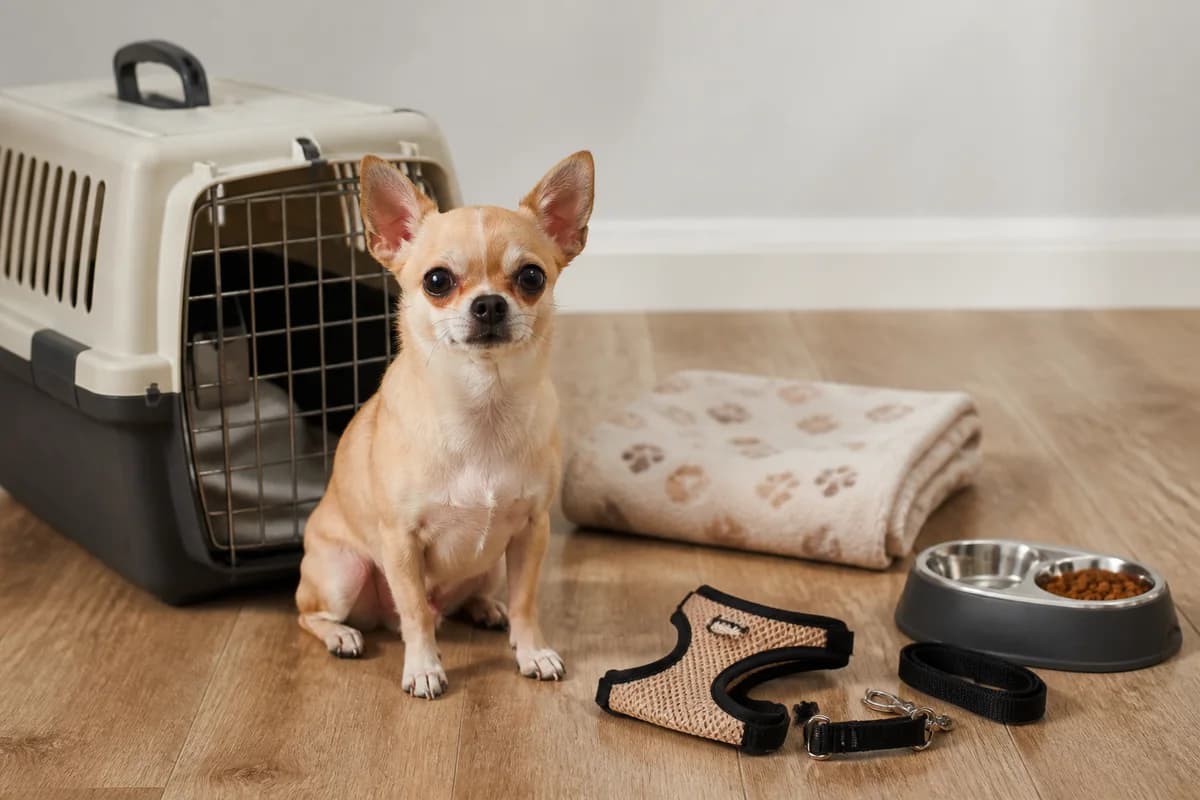
Chihuahua size is best understood through current weight, height, body condition, age, health and documented ancestry when that question matters. Breed tendencies describe populations, not every individual dog. Appearance, seller wording and documented records answer different questions, so use the dog's measured trend and veterinary assessment before changing food, exercise or equipment to chase a label.
| Measure | Practical comparison | Limit for the individual dog | Best use |
|---|---|---|---|
| Scale weight | Current mass and change over time | Body fat, muscle or ancestry by itself | Track consistently and discuss meaningful change |
| Height at withers | Stature on a level surface | Health, quality or maturity alone | Equipment and proportion context |
| Body condition | Fat coverage and visible or palpable shape | Exact calorie need without a full assessment | Veterinary weight-management plan |
| Parent size | A clue for a breeder puppy | Guaranteed adult size | One part of a growth discussion |
| Breed standard | The ideal used in conformation | A diagnosis or pet eligibility rule | Present the promised comparison, map, budget, or life-stage framework in a native accessible table with clear labels and source-limited values |
How big do Chihuahuas get?
Chihuahuas remain toy-sized dogs, but pets can be above or below a standard figure for many reasons. Frame, sex, age, muscle, body fat, reproductive status, health and ancestry can affect the number. A shelter label based on appearance is not documentary ancestry.
Petful may earn a commission when you click through to Chewy, at no extra cost to you.
Use a practical comparison:
- Compare the dog with its own prior measurements.
- Compare weight with body condition and muscle.
- Compare a puppy's trend with veterinary findings and parent information.
- Compare equipment with current body dimensions, not a breed label.
Compare the individual dog, available records and household routine before deciding whether a weight trend, equipment size or seller claim is meaningful.
What to verify before you decide
- The breed standard describes an ideal. Documented evidence in a growth record shows change. A veterinary assessment provides professional guidance about the individual dog's condition and development. Do not use one as a substitute for the other two.
If a seller promises an exact adult Chihuahua size, request the puppy's dated weights, sire and dam adult measurements, registered identities and veterinary findings. Even complete records cannot guarantee a final number. Teacup, micro and miniature are marketing labels rather than separate recognized Chihuahua varieties.
Petful's Chihuahua puppies, breeders, adoption and buying safely guide covers records and marketing claims. Price, color and head shape do not prove size or pedigree.
Adult weight and breed standard
Chihuahua weight discussions often confuse three questions: What does the breed standard say? What does this dog weigh? Is this weight healthy for this individual? Those answers may not be identical.
The 6-pound standard boundary
The Chihuahua Club of America standard says that a well-balanced dog should not exceed 6 pounds and that a smaller dog is preferred when two are otherwise equal in conformation. This is show-ring language. It should not encourage owners to restrict food to make a pet reach a number.
A Chihuahua-labeled adult above 6 pounds may have a larger frame, mixed ancestry, excess body fat or some combination. Appearance cannot determine which explanation applies. A veterinarian can assess body condition and health; documented pedigree or a suitable ancestry test addresses a different question.
Why the scale can change
Short-term variation can reflect meals, water, elimination, scale error and weighing method. Longer changes can reflect calorie balance, activity, growth, aging, medication or disease. Use the same scale, similar timing and stable surface when practical.
Contact a veterinarian about unexplained gain or loss, reduced appetite, increased thirst, vomiting, diarrhea, weakness, abdominal enlargement or another meaningful change. Do not simply adjust food to chase the prior number.
Chihuahua puppy growth stages
Chihuahua puppy weight changes rapidly early in life, but puppies do not all grow on the same schedule. Birth weight, litter size, parent size, nutrition, health and age at measurement influence the curve. A Chihuahua growth chart cannot diagnose a problem or promise adult size.
Think in stages, not target numbers
Use broad developmental priorities:
- Young puppy: frequent appropriate meals, warmth, veterinary care and careful monitoring matter more than comparing with internet photos.
- Transition home: preserve the known diet initially, establish a baseline and watch appetite, stool, hydration and energy.
- Active growth: update food portions with veterinary guidance, teach calm measurement and refit equipment often.
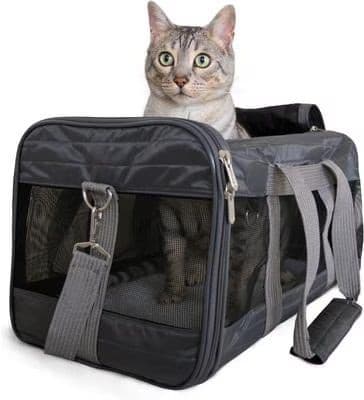
An airline-approved soft-sided carrier with mesh ventilation windows, a top-rated travel pick for cats and small dogs.
Petful may earn a commission when you click through to Chewy, at no extra cost to you.
- Approaching maturity: growth slows, but body composition and behavior continue changing.
- Adult maintenance: shift from growth tracking to healthy-condition and function tracking.
Sudden lethargy, weakness, tremors, collapse, repeated vomiting or inability to eat warrants prompt veterinary guidance, particularly in a very small puppy. Do not wait for the next scheduled weigh-in.
Keep a useful growth log
For each entry, record date, age, weight, scale, time relative to meals and any illness or diet change. Add body-condition notes from veterinary visits. A connected series is more useful than comparing one measurement with a generic range.
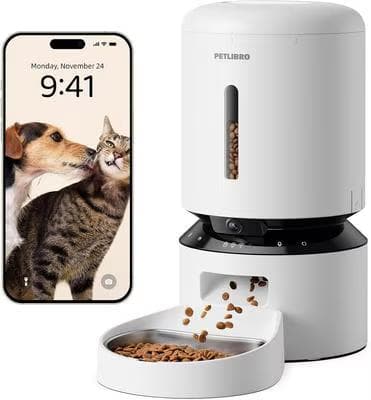
If timed meals support a veterinarian-directed plan, the Petlibro Granary WIFI Automatic Cat and Dog Feeder with Camera is one tracked option to compare for portion accuracy, kibble compatibility, cleaning and power backup. Test dispensed portions with a kitchen scale.
The Petlibro Granary WIFI Automatic Feeder cannot respond to low appetite, illness or changing growth needs. Keep a manual plan and observe the puppy eating.
Interpret growth without false precision
Online charts often project adult weight by multiplying an early puppy measurement. That can look exact while hiding major uncertainty about age, scale accuracy, health, ancestry and individual growth timing. Treat any projection as a rough planning signal, never a promise or feeding instruction.
When a puppy's trend concerns you, check the evidence before drawing a conclusion:
- Was the birth date verified or estimated?
- Were all weights taken on the same scale and under similar conditions?
- Has the puppy recently changed homes, diet or medication?
- Has appetite, stool, water intake or energy changed?
- Are the sire and dam records linked to the puppy's documented identity?
- What did the veterinarian observe about body condition and development?
Two puppies at the same age can differ while both are healthy. The meaningful question is whether each puppy is developing appropriately for its own frame and medical context. A flatter week, sudden loss or rapid gain deserves discussion when it departs from the puppy's pattern or occurs with symptoms.
Keep nutrition separate from size marketing
Do not reduce meals to produce a teacup outcome or add unbalanced calories to force rapid growth. Feed a complete and balanced diet appropriate to life stage, follow veterinary guidance and count training rewards within the daily total. Petful's best dog food for Chihuahuas is a separate commercial comparison, not a personalized prescription.
Very small puppies may have limited reserves, which makes missed meals or illness more concerning. Ask the puppy's veterinarian for an individualized feeding schedule and clear instructions about what signs require a call. Never improvise sugar, supplements or medication based on a social post.
Update the record after major events
Mark vaccination visits, illness, surgery, medication, food transitions and changes in household routine on the growth log. These dates give a future clinician context that a row of numbers lacks. Preserve the original veterinary record rather than rewriting it into a homemade chart.
How to measure height and weight
Consistent technique reduces noise. Do not force a frightened dog into position or risk a fall for a measurement that can wait.
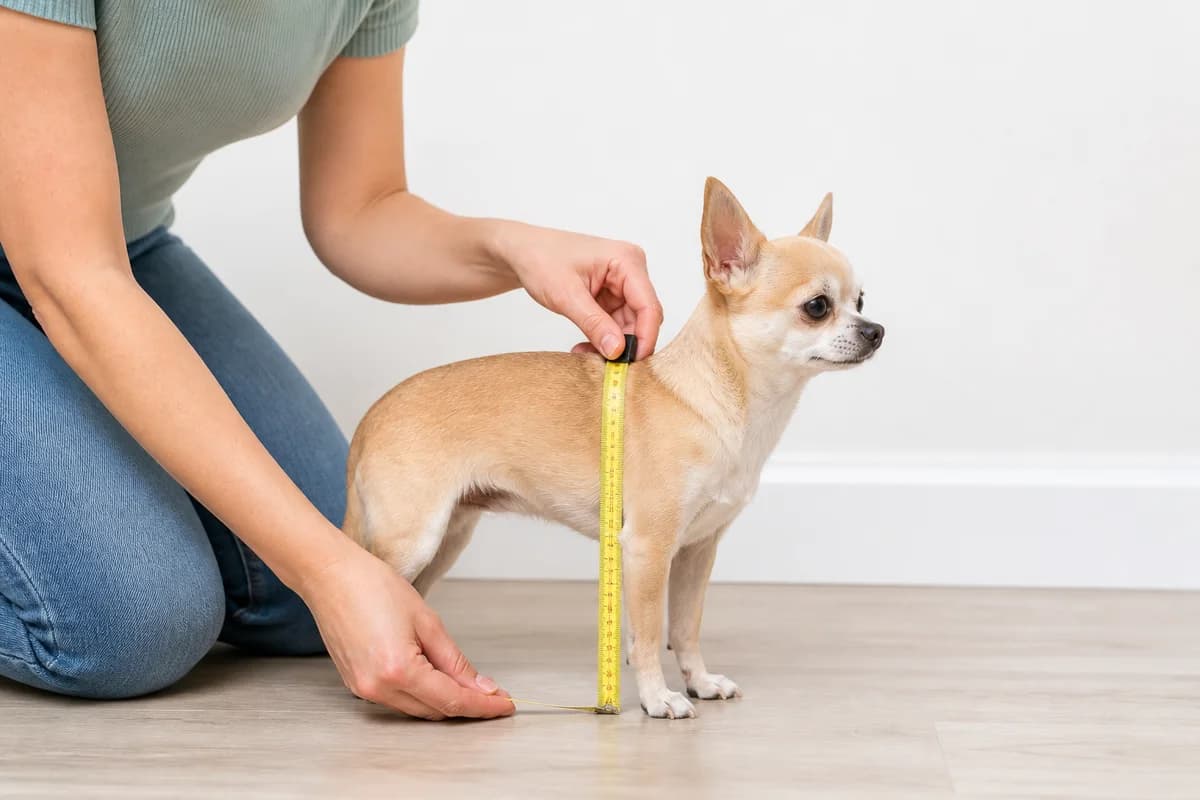
Weigh a Chihuahua safely
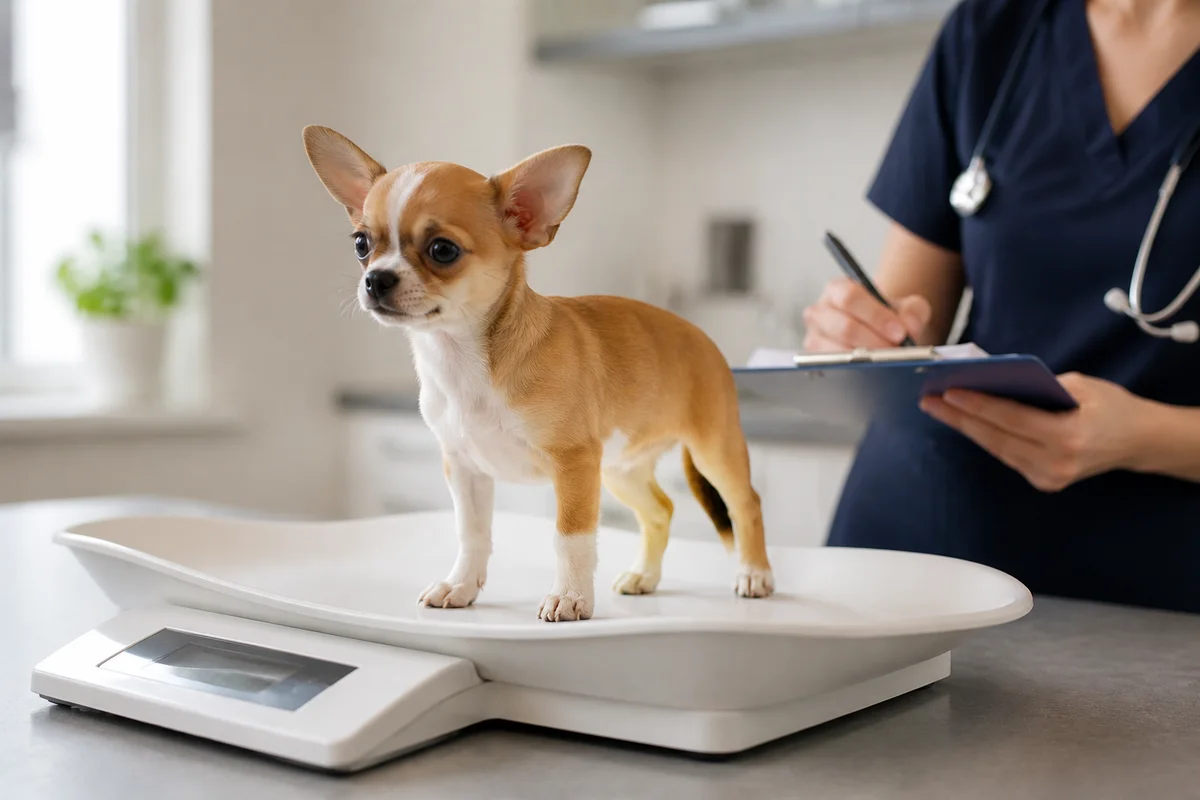
Use a stable scale suitable for small increments. Place it on a hard level surface and teach the dog to step on with rewards. If using the difference between your weight while holding the dog and your weight alone, understand that a household scale may miss small changes.
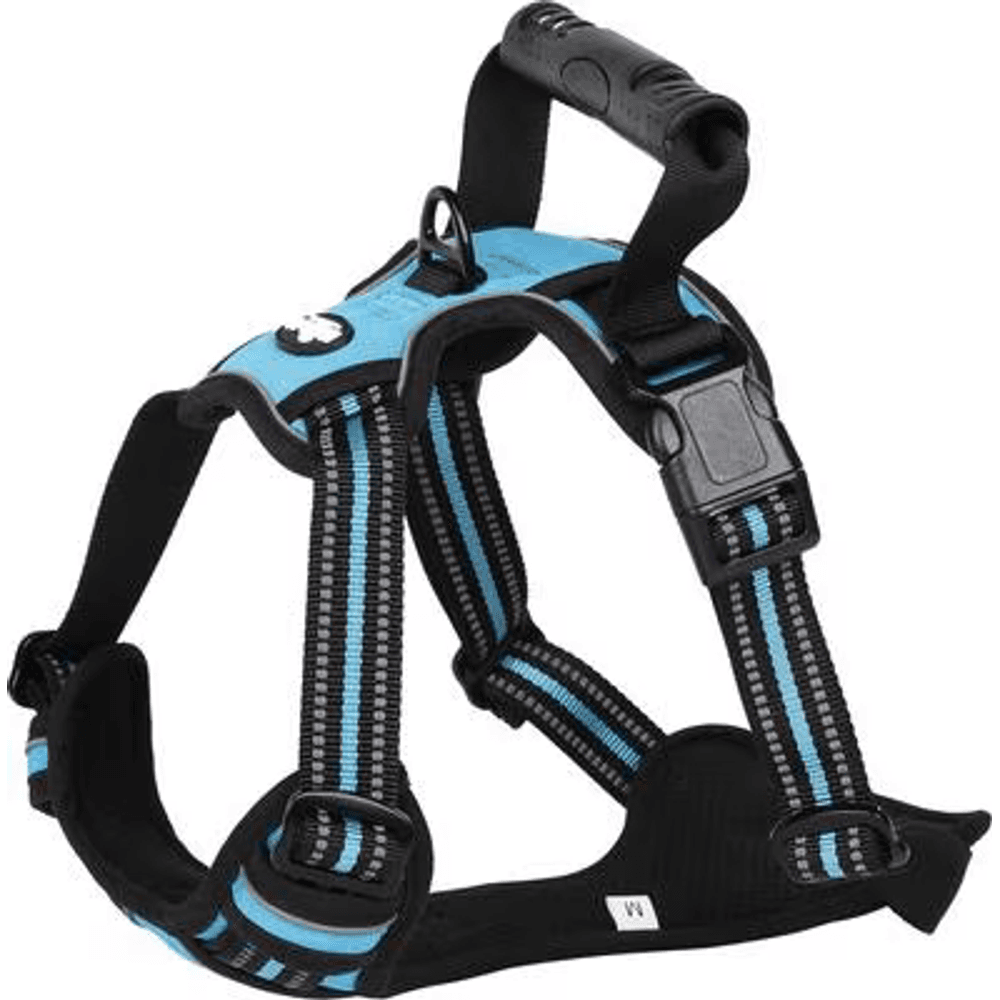
A padded, reflective no-pull harness that spreads leash pressure across the chest instead of the throat, the switch most vets recommend for a dog with a cough, a collapsing trachea, or any airway irritation so the leash never presses on
Petful may earn a commission when you click through to Chewy, at no extra cost to you.
Record the result rather than relying on memory. For a very small puppy, ask the veterinary team which scale and frequency are appropriate. Excessive home weighing can create worry without improving care.
Measure Chihuahua height
Height is measured from the floor to the top of the withers, the highest point of the shoulder blades, while the dog stands naturally on level ground. Use a flat object across the withers and measure vertically to the floor.
Do not measure to the top of the head or ears. Have a helper reward the dog, and stop if the Chihuahua crouches, twists or becomes worried. Repeat later rather than pressing the dog into a pose.
Measure for equipment
Product sizing may require:
- Neck circumference at the location specified by the maker.
- Chest girth around the widest ribcage.
- Back length from the relevant product points.
- Standing height and nose-to-tail-base body length for a carrier.
- Sleeping posture and full body length for bedding.
Follow the current manufacturer's diagram because labels such as Small are not standardized. Allow space for movement without creating an escape opening.
Healthy body condition versus a chart
Chihuahua healthy weight is best evaluated through body condition, muscle and medical context. The AVMA healthy-weight guidance recommends partnering with a veterinarian rather than using a universal number.
If the scale changes unexpectedly, WebVet's guide to unexplained dog weight loss or gain covers patterns worth sharing with a veterinarian.
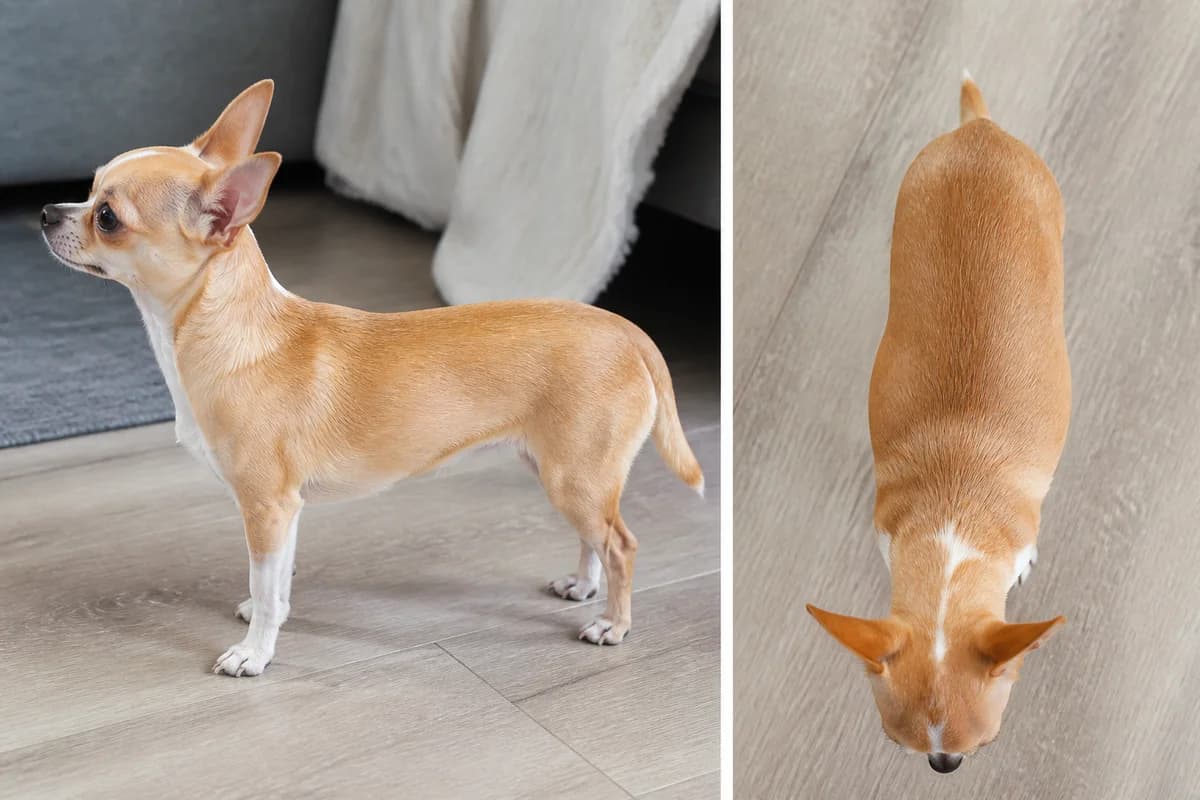
What an assessment considers
A veterinary body-condition assessment looks at fat coverage over the ribs and other landmarks, visible waist and abdominal tuck, while also considering coat and frame. Muscle condition is separate. An older dog can lose muscle without looking dramatically lighter.
Ask the veterinarian to show you what appropriate rib coverage feels like on your dog. Photographs from the side and above, taken in similar positions, can support trend monitoring but do not replace hands-on assessment.
Distinguish fat, muscle and frame
Scale weight combines bone, muscle, fat, organs and fluid. Two Chihuahuas can weigh the same and have different body conditions. A dog with a larger frame may be lean at a weight that is above the show standard, while a very small-framed dog can carry excess fat at a lower number.
Muscle condition also changes the picture. Aging, orthopedic pain, neurologic disease and reduced activity can contribute to muscle loss. A dog may lose muscle while gaining fat, leaving total weight deceptively stable. Ask the veterinarian to assess both body and muscle condition.
Use hands-on and functional clues together:
- Can the ribs be felt with the amount of coverage the veterinarian demonstrated?
- Is a waist visible from above when coat does not obscure it?
- Does the abdomen have an appropriate contour from the side?
- Is muscle over the spine, shoulders, skull and thighs changing?
- Can the dog rise, walk and use ordinary surfaces comfortably?
These observations support a conversation, not a diagnosis. New weakness, pain, reluctance to jump, difficulty rising or a suddenly altered gait requires veterinary assessment.
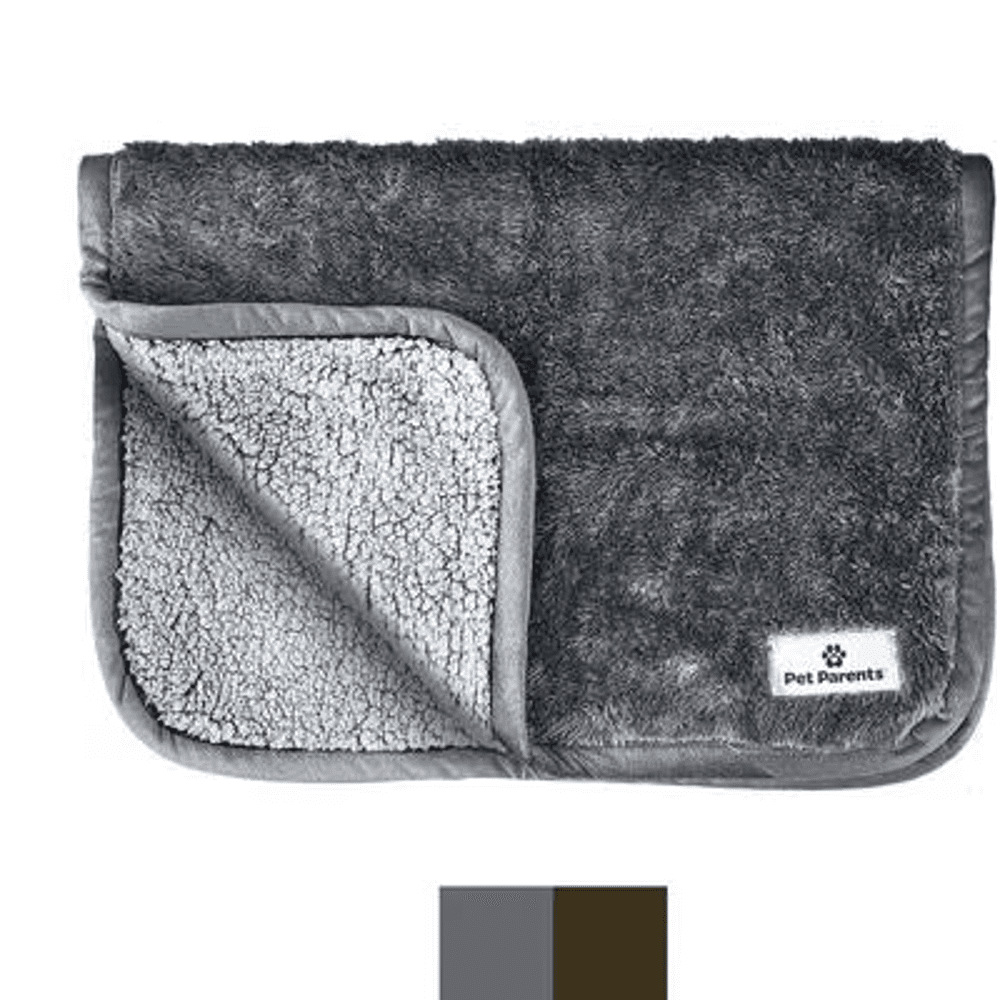
A plush, waterproof sherpa blanket that gives a cold or shivering dog a warm, cozy layer to curl into. The hidden waterproof lining protects the bed, couch, or car seat, and the whole thing is machine washable.
Petful may earn a commission when you click through to Chewy, at no extra cost to you.
Recheck after a feeding change
Agree on a recheck interval instead of changing portions repeatedly. Measure food with the tool recommended for that diet and keep household treats visible in the log. If multiple caregivers feed the dog, assign one daily allowance so portions are not duplicated.
A weight-management plan should preserve appropriate nutrition and safe progress. Rapid loss, persistent hunger, vomiting, diarrhea, lethargy or another concerning sign warrants a call rather than a more aggressive restriction.
Record the veterinarian's target as a condition and review date, not only a scale number that might be misunderstood later.
Adjust from evidence
If a change is recommended, calculate total daily calories from meals, treats, chews and shared food. Make adjustments at the pace the veterinarian advises and recheck condition. Rapid restriction can be unsafe, especially for a small puppy or dog with illness.
Petful's DVM-authored Chihuahua health issues and lifespan guide covers medical context and warning signs. The main Chihuahua breed guide connects size with exercise, handling and daily care.
Planning equipment for a very small dog
Chihuahua carrier size and Chihuahua harness size should come from current measurements, not an adult breed average. Recheck growing puppies and any dog whose weight or coat changes.
Carrier fit
The Sherpa Original Deluxe Airline-Approved Dog and Cat Carrier Bag is one tracked soft-sided option to compare with standing height, body length, ventilation, structural support and escape risk. Provider acceptance rules vary.
When evaluating the Sherpa Original Deluxe Carrier, verify current dimensions and make sure the Chihuahua can lie naturally and reposition. Introduce the carrier gradually and secure it for travel according to current guidance.
Harness fit
The EliteField Padded Reflective No Pull Dog Harness in Small is one tracked option to compare with neck, chest and movement. Check whether the dog can back out and whether straps rub behind the front legs.
Recheck the EliteField Small Padded Reflective Harness at every use for a growing puppy. A harness does not make pulling safe or replace reward-based walking practice.
Bedding and home scale
The Pet Parents Pawtect Waterproof Small Blanket is one tracked washable layer to compare by measured resting area, laundering, warmth and chewing behavior. A tiny product label does not ensure safe use.
Place the Pet Parents Pawtect Small Blanket where it cannot block airflow, water or an exit. New cold-seeking, stiffness or house-soiling needs medical consideration rather than only different bedding.
Choose a scale that is stable, readable at small increments and safe for the dog's footing. If home readings conflict with the veterinary scale, use the clinic trend for medical decisions.
Keep an equipment refit record
Small dogs can escape through a surprisingly small fit error, and growing puppies can outgrow equipment between routine checks. Record the product, stated size, relevant measurements, fitting date and the next review date. Photograph strap placement while the dog stands naturally.
For a harness, check:
- Neck and chest measurements against the current maker diagram.
- Clearance behind the front legs.
- Freedom of shoulder movement.
- Whether two fingers fit where the maker recommends.
- Whether the dog can reverse out under light, controlled testing.
- Buckles, stitching and fabric for wear.
For a carrier, record standing height, body length and comfortable lying posture. Confirm ventilation, closure security and structural support. Provider limits are separate from dog fit, so review both before travel.
For feeding equipment, measure the actual bowl opening and observe posture. A Chihuahua should be able to approach and withdraw without another pet blocking access. Portioning devices require repeated output checks because a small error can be meaningful relative to the daily amount.
For bedding and home spaces, observe how the dog sleeps rather than choosing by the word Small. A curled sleeper and a dog who stretches fully may need different usable areas. Keep water and exits clear.
Recheck after growth or wear
Review equipment after growth, weight change, coat development, chewing damage or a mobility issue. Do not wait for the scheduled date when rubbing, escape attempts or reluctance appears. Replace unsafe gear rather than adding makeshift ties or padding that could catch.
This record also improves budgeting. It shows which items were outgrown, which failed and which lasted, so future purchases respond to evidence instead of another generic Chihuahua size chart.
Share the current fit plan
Store the record with receipts and current product instructions. If another caregiver uses the equipment, show them how it should sit on the dog and which wear or escape signs mean it should not be used. A correct purchase can become unsafe when fitted differently.
During travel, pack the prior size only as an emergency spare when it remains safe. Never assume a puppy can squeeze into an outgrown carrier for one short trip. Re-measure before booking transport because provider limits and the dog's dimensions both matter.
Is this the right dog for your household?
- Toy size can simplify transport and indoor management when household fit is strong
- Measurements are easy to record with cooperative training
- Small food portions can reduce some routine expense
- Adult equipment occupies little space
- Small weight errors can be proportionally meaningful
- Falls, rough play and escape gaps pose real risks
- Growing puppies need frequent refitting
- Breed-standard numbers cannot predict individual behavior or serve as feeding targets
The right household respects the Chihuahua as a dog, not an accessory or a number. It can provide safe surfaces, measured equipment, appropriate nutrition, training and veterinary care without pursuing an artificially tiny body.
Petful's Chihuahua colors and coat types guide explains how coat length affects appearance and grooming, while color itself does not prove size or ancestry.
Chihuahua Size, Weight and Growth Guide FAQs
There is no reliable universal least-wanted dog breed because adoption demand changes by place, time and available population, and the label says nothing useful about Chihuahua size. Review verified records and the needs of the individual dog. The clear next step is evaluating household fit and care capacity rather than using a popularity claim to accept or reject a dog.
Yes, 15 pounds is big relative to the Chihuahua show standard's 6-pound ceiling, but the number alone cannot distinguish a larger frame, mixed ancestry, excess body fat or another cause. Review verified records and prior weights instead of assuming. The clear next step is a veterinary body-condition and health assessment for that individual dog before changing food or activity.
A Chihuahua is a toy breed and is generally classified as a very small dog, not a medium dog. Product size labels still vary among manufacturers and do not replace measurements. Use verified records for age and health context. The clear next step is measuring the individual dog's chest, height, length and weight before selecting equipment or a care plan.
The most important thing about Chihuahua size is that the breed standard, scale weight and body condition answer different questions. Make a practical comparison of current measurements, prior trend, frame and veterinary findings. The individual dog should not be fed or restricted to force a show-ring number, a teacup promise or a generic growth-chart projection.
The evidence you should verify for Chihuahua size includes documented evidence through dated measurements, consistent weighing, veterinary body and muscle condition, parent sizes when relevant and ancestry if that question matters. Seek professional guidance when size or weight changes unexpectedly, conflicts with body condition or accompanies symptoms. Appearance and a single home measurement are not a clinical conclusion.
After learning about Chihuahua size, an owner should next establish a safe measurement baseline, ask the veterinarian to demonstrate body-condition assessment and measure the dog for each product. Confirm that the plan supports household fit, including stairs, travel and safe handling. Track individual behavior around equipment and meaningful weight changes rather than chasing a generic growth chart.
Sources

Coreen Saito is a pet writer and longtime shelter volunteer with more than a decade in animal rescue. She covers cat behavior, breed care, and the small, ordinary science of sharing a life with companion animals, with a particular focus on honest takes about the products and decisions that actually matter. At home in Arizona, she's outranked by Mac (a dog with the loudest opinion in the house), Rebel (a cat who governs by quiet authority), and Meri (an orange tabby who runs the late shift and the laundry basket). She writes about all three, plus the rescues that keep coming through her life, at LifeWithMinty.com.
Sign up for expert-backed reviews and safety alerts all in one place.