Cavalier King Charles Spaniel Price and Lifetime Cost
A Cavalier's purchase price is only one part of the budget. Plan for verified sourcing, setup, grooming, food, preventive care, and medical uncertainty.

Petful is reader supported. As an affiliate of platforms like Amazon and Chewy, we may earn a commission when you buy through links on this page. There is no extra cost to you.
A Cavalier King Charles Spaniel price can range from a rescue adoption fee to several thousand dollars for a puppy, but acquisition is only the first line in the budget. The responsible number includes setup, food, training, grooming, preventive care, insurance or savings, and the breed's meaningful medical uncertainty.
- 1Do not judge a source by price alone.
- 2Build a first-year budget before paying a deposit.
- 3Treat grooming and preventive care as predictable recurring costs.
- 4Use insurance, savings, or both to prepare for high-variance medical care.
- 5Verify every included service and health record in writing.

Sign up for expert-backed reviews and safety alerts all in one place.
Cavalier purchase and adoption price
Live results show why one national "average" is misleading. Asking prices vary by region, source, age, training, transport, and what is included. Rescue fees may include an examination, vaccines, microchip, or spay or neuter. A breeder's price may include registration, early veterinary care, socialization, and support, but the buyer must verify each item.
Price does not prove quality. A high amount can fund careful health testing and puppy care, or it can be marketing. A low amount can reflect rescue subsidy, an adult rehome, missing care, a scam, or a seller trying to move puppies quickly.

Petful may earn a commission when you click through to Lemonade, at no extra cost to you.
Before paying, use the Cavalier puppy sourcing guide to verify parent identity, cardiac, eye, patella, and hip records, living conditions, veterinary documents, contract terms, and return support.
First-year Cavalier costs
| Category | Lower-cost scenario | Middle scenario | Higher-cost scenario |
|---|---|---|---|
| Acquisition | Local rescue fee | Responsible local breeder | High regional price plus travel |
| Initial veterinary care | Records largely current | Exam, vaccines, preventives, microchip | Added diagnostics or treatment |
| Home setup | Essential bed, gate, bowls, harness | Durable fitted supplies and training setup | Premium travel and home-management gear |
| Food and treats | Measured complete diet | Mid-priced complete diet | Higher-cost format or prescribed diet |
| Grooming | Mostly home maintenance | Home care plus professional visits | Frequent professional support |
| Training and services | Group class | Class plus private help | Intensive behavior or care services |
| Risk plan | Starter emergency savings | Insurance plus deductible reserve | Larger reserve and broad coverage |
Replace every phrase in this table with local quotes. A realistic worksheet records due dates as well as annual totals because adoption, supplies, examination, training, and premiums can arrive in the same month.
A secure small-dog harness, washable bed, gate, bowls, identification, grooming tools, and vehicle restraint are common setup items. Buy for the individual dog's measurements. Avoid a giant shopping trip before meeting an adult rescue or receiving the puppy's current sizes and routine.

Petful may earn a commission when you click through to Chewy, at no extra cost to you.
For budget planning, a current Lemonade pet insurance quote lets you compare the premium, deductible, reimbursement rate, waiting periods, and exclusions before a need arises. The OneisAll cordless clipper and paw-trimmer kit can support maintenance between appointments, but noise training, cool blades, nonslip footing, and a safe stopping point are essential. Measure standing height and body length before comparing the Sherpa soft-sided carrier, and verify the exact car or airline rules that apply to the trip.
A 30-day cash check
Add these figures before committing:
- Acquisition and any transport.
- Independent veterinary examination and immediate care.
- Insurance premium, waiting periods, deductible, and exclusions.
- Essential supplies and food transition.
- Training or behavior support.
- A reserve that remains after all first-month bills are paid.
If the budget reaches zero on pickup day, the timing is not safe. Waiting is less costly than being unable to respond to illness, injury, or a failed placement.
Annual and lifetime Cavalier budget
Recurring costs include food, preventives, routine examinations, vaccines as appropriate, dental care, grooming, licensing, training refreshers, and travel or pet care. High-variance costs include emergencies, chronic disease, specialist workups, medication, advanced imaging, surgery, and end-of-life care.
The health and lifespan guide explains why cardiac and neurologic planning matters. Do not multiply one annual estimate by an assumed lifespan and call it precise. Costs change with age, inflation, region, health, and household choices.

An airline-approved soft-sided carrier with mesh ventilation windows, a top-rated travel pick for cats and small dogs.
Petful may earn a commission when you click through to Chewy, at no extra cost to you.
Insurance, savings, or both
Compare policies before a diagnosis appears. Review waiting periods, breed exclusions, pre-existing-condition language, reimbursement method, annual limits, dental coverage, rehabilitation, specialist care, prescription rules, and premium changes. Keep enough cash or credit to pay the clinic if reimbursement arrives later.
A separate reserve remains valuable even with insurance. It can cover deductibles, excluded care, travel, boarding, or a lapse in reimbursement. A simple pet budget planner can help, but an ordinary spreadsheet works if it is updated.
Why Cavalier puppies cost so much
Responsible breeding has real costs: health screening, stud and dam care, pregnancy and delivery risk, neonatal monitoring, veterinary care, identification, registration, safe socialization, quality food, facilities, and lifetime return support. Small litters and complications can raise cost per puppy.
That explains why a carefully produced puppy may be expensive. It does not mean every expensive puppy is carefully produced. Ask for documents and evaluate the whole program. Do not pay a premium for "rare," "teacup," "mini," or guaranteed adult size.
Verify a seller before paying

- Stop when a seller changes the pickup location, refuses a live conversation, will not identify the parents, cannot show records, demands wire transfer, gift card, crypto, or surprise shipping insurance, or uses immediate loss of the puppy to force a deposit. Verify identity and welfare first.
Use a traceable payment method and make sure the recipient matches the contract. Confirm who bears transport, examination, registration, microchip, vaccine, and return expenses. Save the listing, messages, contract, and receipts.
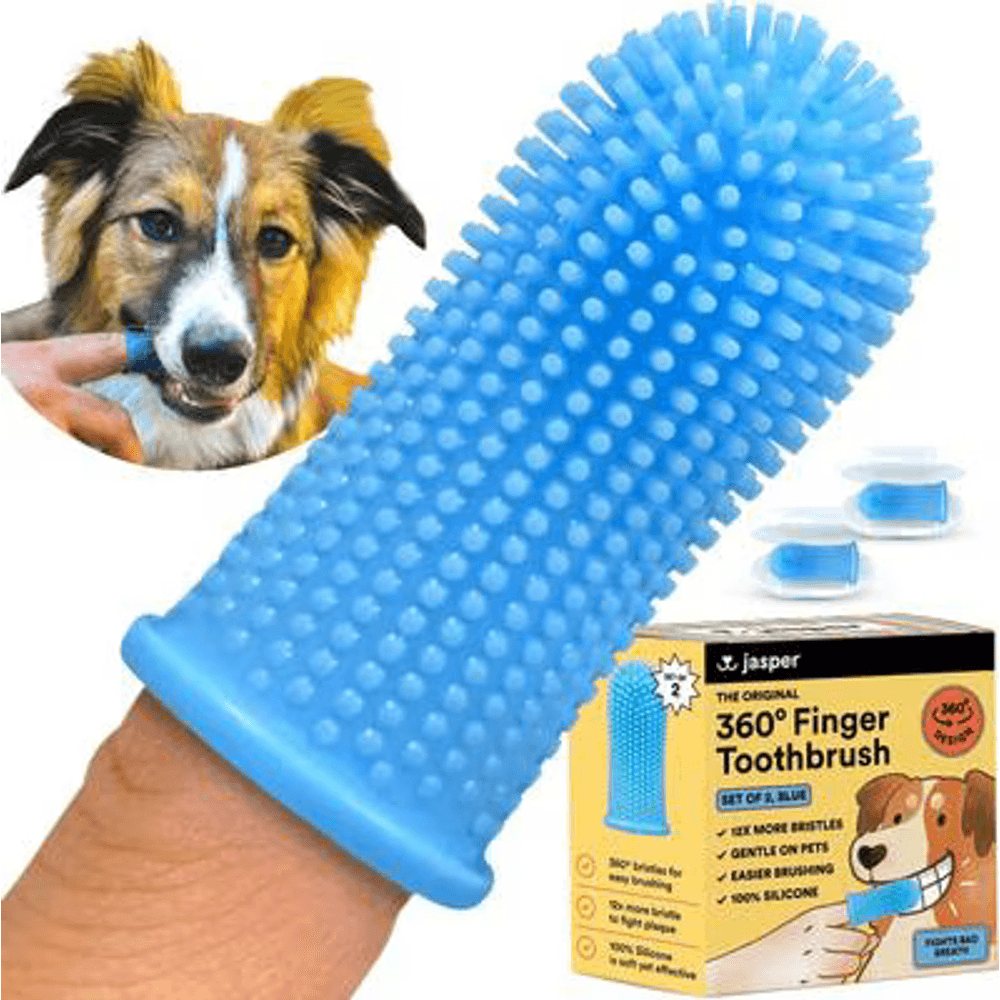
A 360-degree silicone finger toothbrush that brushes every side of a tooth at once. Gentle on gums and ideal for dogs new to brushing or owners who find a handled brush awkward.
Petful may earn a commission when you click through to Chewy, at no extra cost to you.
For gradual home dental care, the Jasper finger toothbrush is one size-conscious option to discuss with a veterinarian and introduce without forcing the mouth open. Choose rest space by sleeping posture and mobility; the FurHaven orthopedic sofa bed is one washable-cover option to measure against the dog's full stretched length. For walking equipment, measure the neck and chest before trying the Frisco padded no-pull harness, then recheck movement and strap clearance after the coat or weight changes.
Food costs for a Cavalier
Compare calories and daily cost, not bag price alone. A smaller serving of a calorie-dense food may cost differently than expected, while treats, toppers, and waste can quietly increase the monthly total. The Cavalier food guide explains label adequacy, manufacturer questions, body condition, and medical-diet boundaries.
Cavalier vs. King Charles Spaniel terminology
Confirm which breed a seller means. The Cavalier and King Charles Spaniel, called the English Toy Spaniel in the United States, are separate breeds. An ambiguous label can distort size, availability, care, and price comparisons. See the Cavalier vs. King Charles Spaniel guide.
Build a local quote worksheet
National prices are orientation, not a household budget. Costs vary by location, source, veterinary market, travel, coat care, insurance structure, and the individual dog's health. Replace generic ranges with written local quotes before committing.
Create four columns:
- Required before arrival.
- Due during the first 30 days.
- Recurring monthly or annual costs.
- High-variance costs that need insurance, savings, or both.
Collect at least two realistic quotes for veterinary care, training, grooming, boarding or pet sitting, and insurance if it is being considered. Record what each quote includes. A low number that excludes examination fees, diagnostics, taxes, travel, or required add-ons is not directly comparable with an inclusive estimate.
Compare acquisition scenarios
A purchase, adoption, private rehome, or breed-rescue placement can have different upfront fees, records, support, and included care. The lowest acquisition fee is not automatically the lowest total risk, and a high purchase price does not prove responsible breeding.
For each scenario, document:
- Fee and payment schedule.
- Transport, lodging, and time off work.
- Veterinary records and care already completed.
- Parent health evidence when applicable.
- Supplies, food, medication, and transition support included.
- Return policy and who helps if the placement fails.
- Unresolved health or behavior needs.
An adoption fee may include some preventive care, but the dog may still need follow-up. A puppy price may include a contract and records, but the owner still needs an independent veterinary relationship and a full first-year plan.
Price health evidence separately from marketing
Health testing costs money, but price alone cannot show that it occurred. Ask for results that identify the parents and can be verified through the issuing organization or evaluator. A seller should explain why the pairing was chosen and disclose known issues in relatives.
Do not pay a premium for:
- A color described as exclusive or investment quality.
- A tiny-size label that is not part of the breed standard.
- A vague health guarantee without actual screening records.
- Registration used as a substitute for welfare and testing.
- Immediate availability presented as proof of quality.
Paying more may support careful breeding and rearing when the evidence is real. It may also support branding. Verify before interpreting the number.
Map the first-year cash flow

The first year concentrates costs because acquisition, setup, veterinary establishment, training, growth-related gear changes, and routine care overlap. Put likely expenses on a calendar instead of treating them as one distant total.
Before arrival
Prioritize secure transport, identification, a safe rest area, gates or barriers, food and water equipment, a measured supply of the current diet, cleanup materials, and a properly fitted harness and leash. Buy for the dog's current size and needs. Large bundles often include items that do not fit or are never used.
First month
Budget for a veterinary handoff, record review, food, parasite guidance, replacement identification, and unexpected follow-up. A puppy may need a training class or individual help. An adult may need dental, skin, ear, pain, or behavior evaluation that was not obvious during handoff.
Remainder of year one
Plan for preventive visits, vaccines based on the veterinary plan, medication, food, grooming, nail and dental care, training, licensing where required, travel care, and replacement of worn equipment. Puppies may outgrow harnesses and resting areas.
Spread known bills into monthly sinking funds. A predictable annual charge becomes easier when money is reserved every month.
Separate fixed, recurring, and variable expenses
Fixed setup costs happen once or infrequently. Recurring costs include food, preventive care, grooming support, medication, and routine supplies. Variable costs are harder to predict and may include diagnostics, specialty care, emergency visits, behavior support, travel, or changes in diet. The Nina Ottosson Lickin' Layers puzzle feeder is one durable enrichment expense to price, with food counted in the daily ration and every session supervised.
Use three scenario labels:
- Baseline: ordinary routine care with no major disruption.
- Supported: adds regular grooming, a walker or sitter, training, and a stronger medical reserve.
- High-need: includes ongoing medication, diagnostics, specialty consultation, therapeutic diet, or frequent hired care.
The goal is not predicting the dog's exact future. It is testing whether the household remains stable when the budget moves away from baseline.
Estimate food by calories and days
Package price does not reveal cost per day. Find calories per cup, can, pouch, or gram, estimate the veterinary-guided daily amount, and calculate how many feeding days the package provides. Include treats, chews, toppers, and waste from opened wet food.
Recalculate when:
- The puppy grows or moves to adult maintenance.
- Body condition changes.
- Activity changes.
- A veterinarian recommends a different calorie target.
- A therapeutic or limited diet becomes necessary.
- Package size, formula, or price changes.
Do not underfeed to preserve a budget. If an appropriate diet is unaffordable, revisit the full ownership plan before acquisition.
Budget grooming by task, not breed label
Coat length, home skill, dog tolerance, local labor, and desired trim affect cost. Some owners handle brushing, bathing, drying, and nail care at home but still use a professional for comfort trims or difficult tasks. Home grooming also requires tools, products, laundry, time, and learning. When budgeting home bathing, TropiClean Papaya & Coconut 2-in-1 shampoo and conditioner is one consumable to price after checking skin tolerance and rinsing directions. For the maintenance tasks behind those quotes, see the Cavalier shedding and coat-care guide.
Ask a groomer:
- What the standard visit includes.
- How coat condition changes the price.
- Whether dematting is attempted or a shorter comfort trim is recommended.
- How often this individual may need appointments.
- What home care prevents extra time and discomfort.
The cheapest schedule is not one that allows mats to become painful. Prevention protects welfare and reduces emergency grooming.
Plan routine veterinary care
Ask local clinics about examination fees, preventive visits, vaccines, parasite testing, baseline screening, dental assessment, and after-hours access. Do not assume all services are bundled.
The quote worksheet should distinguish:
- Routine examination.
- Diagnostic testing.
- Medication and dispensing.
- Imaging or procedures.
- Referral or specialty evaluation.
- Recheck fees.
- Emergency or overnight charges.
Breed risk makes access to diagnostic and specialty care relevant even when the dog is currently healthy. The health guide explains the conditions to discuss without predicting that every Cavalier will need every service.
Compare insurance on coverage, not premium alone
A low premium can come with a high deductible, lower reimbursement, annual limits, exclusions, waiting periods, or reduced coverage for examination fees and rehabilitation. Read the policy wording available for the actual state and dog. A current Lemonade pet insurance quote is one example to place beside other policies using the same coverage checklist.
Record:
- Annual or per-condition deductible.
- Reimbursement calculation and whether it uses the invoice or a benefit schedule.
- Annual, lifetime, or condition limits.
- Waiting periods and effective date.
- Pre-existing-condition rules.
- Hereditary and congenital condition treatment.
- Examination, dental, rehabilitation, medication, and specialty-care terms.
- How premiums may change over time.
Insurance transfers some financial risk, but it may require paying the clinic first. Keep accessible funds for deductibles, noncovered items, and reimbursement timing.
Build an emergency reserve
Choose a reserve target based on local emergency and specialty estimates, not a generic number copied online. Keep it liquid and separate from routine spending. Refill it after use.
A reserve also supports:
- Urgent transport.
- A second opinion.
- Temporary boarding during caregiver illness.
- Medication while a claim is pending.
- Equipment changes after injury.
- Follow-up visits after an emergency.
Credit availability is not the same as savings. Interest, approval, and repayment can turn one veterinary event into a longer financial problem.
Price professional support before it is urgent
Training, behavior consultation, dog walking, boarding, and in-home sitting vary substantially. Ask about qualifications, methods, group size, cancellation policies, medication handling, emergency procedures, and whether trial visits are available.
A puppy may need:
- A well-run socialization or foundations class.
- Individual support for fear, handling, or household integration.
- Midday care when the workday is too long.
- Gradual boarding preparation before travel.
An adult may need decompression support, a behavior plan, or care that accommodates medication and medical restrictions. Price the realistic service, not the cheapest listing.
Include travel and housing friction
Pet deposits, monthly pet rent, breed or size policies, cleaning fees, and damage responsibility affect housing. Travel may require a sitter, boarding, health records, carrier, vehicle restraint, lodging fee, or schedule changes. For airline-style travel, measure the dog and compare the Sherpa Original Deluxe carrier with the current carrier rules for the exact trip.
Run one normal travel scenario and one emergency scenario:
- Who can care for the dog?
- What does that care cost per day?
- Can the caregiver give medication?
- Where does the dog go if the owner is hospitalized?
- What records and authorization are needed?
If the answer depends on an informal favor, confirm the person is willing and able.
Verify payment safety
Before sending money, confirm identity, location, dog, records, contract, and pickup or transport plan through more than one channel. Search images and text for reuse. A video call can help, but it does not replace document verification.
Avoid:
- Payment urgency linked to another buyer.
- Gift cards, cryptocurrency, or other hard-to-reverse methods.
- Unexpected insurance, crate, climate, or airport fees after a deposit.
- A courier contacting the buyer from a newly created account.
- Refusal to provide a signed contract before payment.
- A seller whose name, phone, location, and payment recipient do not align.
Walk away from a suspicious transaction. The cost of losing a deposit is not a reason to send more.
Model lifetime affordability
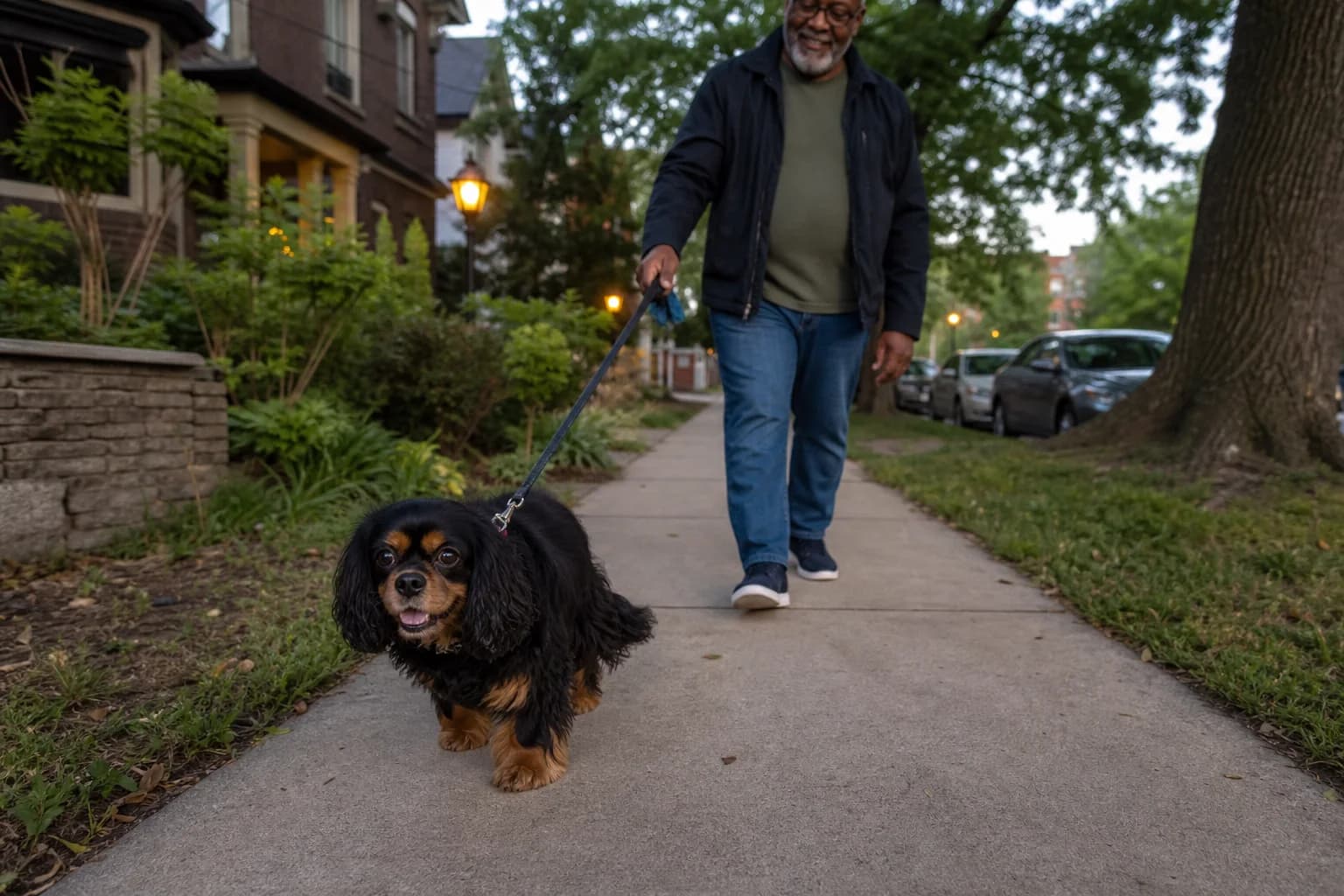
Do not multiply one annual estimate by lifespan and call the result precise. Food, labor, premiums, medication, housing, and care needs change. Instead, model stages.
Young dog stage
Include training, changing equipment, preventive care, social care, and the possibility of early diagnostic work. Energy and supervision needs may also create hired-care costs.
Mature adult stage
Routine expenses may stabilize, but grooming, dental care, screening, medication, or insurance premiums can change. Revisit body condition and food cost rather than leaving the puppy budget on autopilot.
Senior or medically complex stage
Transport, frequent visits, diagnostics, medication, therapeutic food, mobility support, and caregiver time may increase. Not every dog follows the same path, but the plan should survive a higher-need period.
Review the model annually and after any diagnosis, move, work change, or policy renewal.
Make the go or no-go decision
Add the acquisition fee, first-month amount, monthly baseline, annual sinking funds, emergency reserve, and one high-need scenario. Then compare the total with current savings and cash flow without using hoped-for overtime, bonuses, or future raises.
The plan is ready when:
- Required care can be paid without missing household essentials.
- An emergency does not depend on one uncertain credit source.
- Hired care is available for ordinary schedule gaps.
- The household can keep saving after acquisition.
- Every adult agrees on spending priorities.
Waiting, adopting a different dog, or choosing not to acquire one is safer than starting with a budget that works only while the dog remains inexpensive.
Turn annual bills into monthly reserves
List every predictable annual or occasional expense, estimate its next due date, and divide the amount across the months remaining. Keep the reserve separate from ordinary spending so a license, preventive visit, grooming appointment, or boarding deposit does not compete with groceries.
Possible sinking funds include:
- Routine veterinary care.
- Dental assessment and treatment planning.
- Grooming and coat equipment.
- Training or behavior support.
- Boarding, sitting, or travel.
- Replacement harnesses, beds, carriers, and gates. A washable FurHaven orthopedic sofa bed is one replacement resting surface to price by size and support needs.
- Insurance deductible or noncovered care.
Update the contribution when quotes or due dates change.
Review renewals and price changes

Food, medication, services, rent, and insurance can change. A budget that clears acquisition may become tight later if it assumes every current price is permanent.
At each renewal or annual review:
- Record the old and new cost.
- Check whether coverage or package size changed.
- Recalculate cost per day or month.
- Compare alternatives on equivalent services, not headline price.
- Increase sinking funds before the next bill.
Do not switch medication, diet, or medical coverage solely on price without understanding the clinical or policy consequences.
Budget for an adult or senior placement
An adult dog may avoid some puppy setup and training costs, but it can arrive with dental, skin, ear, mobility, medication, behavior, or diagnostic needs. Ask for complete records and arrange an independent assessment.
Price the first months with uncertainty:
- Veterinary examination and record reconciliation.
- Laboratory work or imaging if recommended.
- Dental evaluation.
- Medication refills.
- Grooming correction.
- Training or decompression support.
- Equipment sized to the actual dog.
An older dog can be a wonderful fit when the household budgets for the dog presented, not for an assumption that adoption includes every needed service.
Decide what can be economized safely
Saving money is responsible when welfare stays intact. Compare generic medication with veterinary approval, ask about preventive-care scheduling, measure food to reduce waste, maintain the coat before mats form, and use durable equipment that fits.
Do not economize by:
- Skipping evaluation of pain or breathing change.
- Stretching medication without direction.
- Feeding less than the dog needs.
- Delaying severe mat removal.
- Using unsafe transport.
- Choosing an unqualified provider for a high-risk task.
The best budget cuts waste and marketing, not necessary care.
Count caregiver time
Time is not a line on a receipt, but it affects affordability. Walking, grooming, training, transport, veterinary waiting, medication, shopping, cleanup, and arranging care all compete with work and family responsibilities.
Estimate hours per week for:
- Daily movement and enrichment.
- Meals, medication, and cleanup.
- Brushing, bathing, and nail or dental care.
- Training and household management.
- Appointments and transport.
- Booking walkers, sitters, groomers, or boarding.
If the household does not have the hours, price the qualified service that will provide them. An unpaid task does not become optional because it was omitted from the cash budget.
Compare quotes on equivalent scope
Put services side by side and normalize what is included. A grooming quote may or may not include nails, ears, dematting, or a specific trim. A training price may cover a group session, private visit, follow-up, or travel. A veterinary estimate may separate diagnostics, medication, and rechecks.
Before choosing, ask:
- What exact service is included?
- What could add cost?
- What credentials or oversight apply?
- What cancellation or emergency policy applies?
- What outcome and follow-up are realistic?
Choose the service that safely meets the need, then place its full cost in the plan.
Include fees around the advertised price
Ask whether taxes, transport, health certificates, microchip registration, licensing, deposits, payment processing, or required supplies are separate. Request the full written amount before paying.
A deposit should have clear terms explaining whether it is refundable, when it transfers to another litter or dog, and what happens if the source cancels the placement. Do not rely on a verbal promise after money changes hands.
Keep a dated copy of every term.
Stress-test the plan with a lost-income month
Recalculate the budget for a month in which one caregiver loses hours, takes unpaid leave, or faces another major household bill. Keep food, medication, veterinary care, safe transport, and necessary hired care intact.
Ask:
- Which optional purchases stop first?
- How many months can reserves cover routine care?
- Is the emergency fund separate from rent and food?
- Can another caregiver provide time without risking their job?
- What payment options have been confirmed in advance?
A resilient ownership plan protects essential care without assuming every month will be financially ordinary.
Keep records for reimbursement and taxes
Store invoices, itemized estimates, policy documents, claim decisions, and payment confirmations. Record the date, provider, dog identity, diagnosis wording supplied by the clinic, and what remains unpaid.
Ordinary pet expenses are generally personal, but legal and tax treatment can depend on jurisdiction and circumstances. Ask a qualified local professional rather than treating an online deduction claim as part of the affordability plan.
Return to the complete Cavalier breed guide before committing. The price decision should include the adult dog's companionship, training, grooming, exercise, and health workload, not only the amount due at pickup.
Cavalier price FAQs
A responsibly bred puppy can reflect cardiac, eye, patella, and hip screening, careful parent selection, pregnancy and neonatal care, veterinary work, identification, socialization, facilities, and lifetime support. Small litters and delivery complications also affect cost. However, price is not proof. Verify the parents, results, living conditions, veterinary record, contract, and return policy instead of accepting expense as a quality certificate.
Build the first-year budget from local written quotes rather than one national average. Include acquisition, an independent veterinary examination, any missing preventive care, identification, fitted supplies, complete food, grooming, training, licensing, transport, insurance or emergency savings, and deposits or taxes. Put each amount on a monthly cash-flow calendar, because several large bills can arrive before pickup or during the first 30 days even when the annual total looks manageable.
A rescue or rehome often has a lower acquisition fee, and that fee may include an examination, vaccines, microchip, or spay or neuter. It is not automatically the lowest total-cost path. Compare each acquisition scenario by included care, verified records, transport, immediate medical or training needs, and return support. A higher breeder price also does not prove health testing or responsible care, so evaluate evidence separately from price.
Recurring care can include complete food, preventives, routine examinations, vaccines as appropriate, dental care, grooming, licensing, training refreshers, travel, and pet care. Insurance premiums may rise, and deductibles or exclusions still require cash. Keep a separate reserve for high-variance needs such as emergencies, chronic disease, specialist workups, medication, imaging, surgery, and end-of-life care. Review actual bills and renewals annually instead of repeating the first-year estimate.
Stop when a seller will not identify the parents, refuses a live conversation or verifiable records, changes the pickup location, or pressures an immediate deposit. Wire transfers, gift cards, cryptocurrency, surprise transport insurance, and copied photos are major payment red flags. Confirm the recipient, puppy, environment, full written price, deposit terms, veterinary record, contract, and return support before money changes hands. A low price or a premium price can both be used in a scam.

Coreen Saito is a pet writer and longtime shelter volunteer with more than a decade in animal rescue. She covers cat behavior, breed care, and the small, ordinary science of sharing a life with companion animals, with a particular focus on honest takes about the products and decisions that actually matter. At home in Arizona, she's outranked by Mac (a dog with the loudest opinion in the house), Rebel (a cat who governs by quiet authority), and Meri (an orange tabby who runs the late shift and the laundry basket). She writes about all three, plus the rescues that keep coming through her life, at LifeWithMinty.com.
Sign up for expert-backed reviews and safety alerts all in one place.