Cavalier King Charles Spaniel Health Problems and Lifespan
Cavaliers can be joyful companions, but the breed has meaningful heart, neurologic, eye, knee, and hip risks that make screening and follow-up important.

BVMS, MRCVS
Petful is reader supported. As an affiliate of platforms like Amazon and Chewy, we may earn a commission when you buy through links on this page. There is no extra cost to you.
Cavalier King Charles Spaniel health problems deserve honest attention before and throughout ownership. The breed is strongly predisposed to myxomatous mitral valve disease and is also associated with Chiari-like malformation and syringomyelia, eye disease, patella luxation, hip dysplasia, ear and dental problems, and other individual conditions. Risk is not a diagnosis, but it makes screening and prompt assessment important.
- 1Cavaliers have several important breed-associated health risks, especially heart and neurologic disease.
- 2A 2022 UK life-table study estimated 10.45 years of life expectancy at birth for the breed population it measured.
- 3Population statistics cannot predict one dog's lifespan.
- 4Verify breeding health clearances and keep regular veterinary follow-up.
- 5Breathing distress, collapse, seizure, severe pain, or a suddenly painful eye needs urgent guidance.

Sign up for expert-backed reviews and safety alerts all in one place.
Do Cavaliers have a lot of health problems?
Yes, the breed has a substantial inherited-disease burden, but that answer needs context. A predisposition means risk is higher or clinically important in the population. It does not mean every Cavalier has every disease, or that a healthy-looking puppy can be cleared by appearance.
A UK primary-care study of Cavaliers found cardiac disorders, dermatologic issues, eye disorders, gastrointestinal problems, and dental disease among recorded concerns. Referral and research populations can show different frequencies because they answer different questions. Owners should use the evidence to plan care, not to diagnose at home.

Petful may earn a commission when you click through to Lemonade, at no extra cost to you.
Cavalier lifespan
A 2022 UK VetCompass life-table study estimated 10.45 years of life expectancy at birth for Cavalier King Charles Spaniels in its measured population, with a 95% confidence interval of 10.26 to 10.62 years. That is a population estimate from one country and period, not a countdown for an individual dog.
Life expectancy at birth, median age at death, and a broad breed range are different measures. Individual outcome reflects genetics, body condition, disease, accidents, access to care, treatment response, and chance. A dog already alive and healthy at an older age also has a different remaining-life question from a newborn puppy.
| Measure | What it describes | What it cannot tell you |
|---|---|---|
| Life expectancy at birth | Estimated years from birth under the study's age-specific mortality | One puppy's exact future |
| Median age at death | Middle observed death age in a measured group | Maximum lifespan or remaining years |
| Breed range | Broad planning language from references | A guarantee or treatment decision |
| Current clinical status | Findings in the individual dog today | Future outcome without follow-up |
Use the number to support preventive planning, savings, and realistic expectations. A stable home dog scale can make weight trends easier to record between visits, but it does not replace examination. Do not use an age number to dismiss a symptom as "old age" or to assume a young dog is protected.
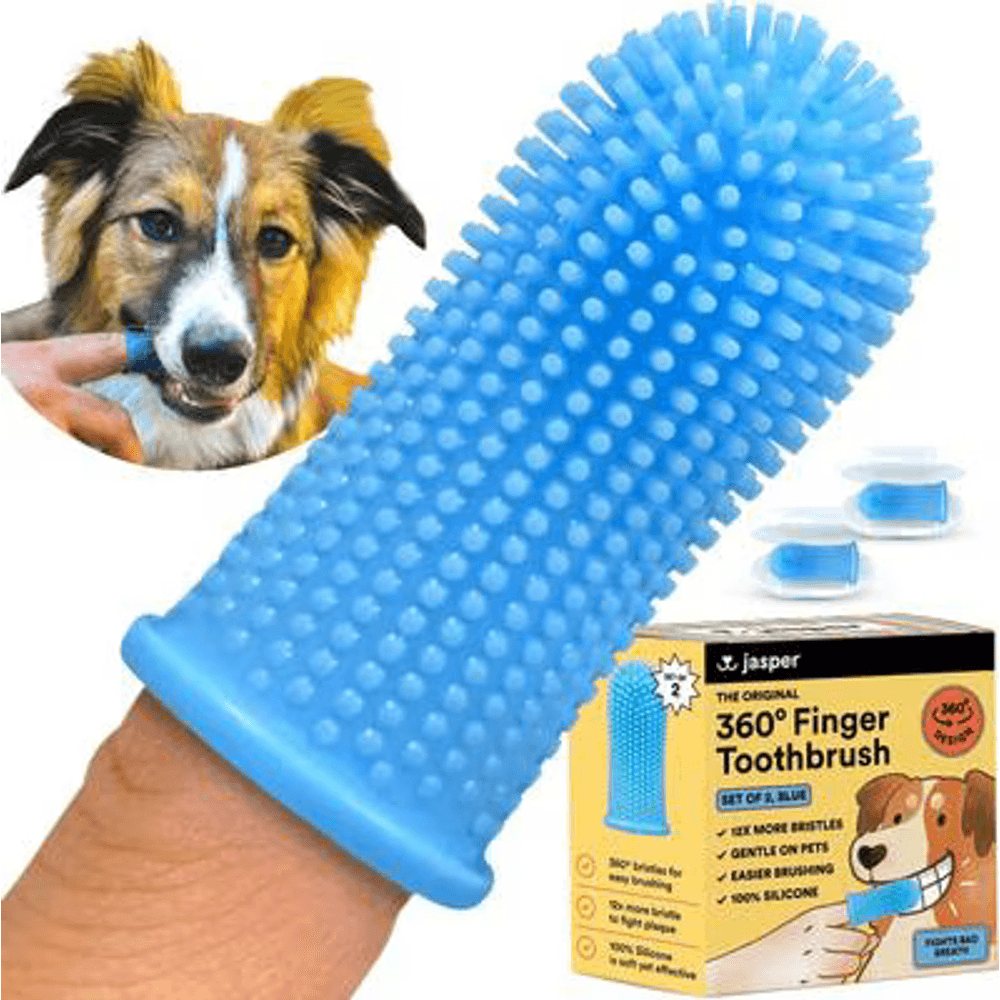
A 360-degree silicone finger toothbrush that brushes every side of a tooth at once. Gentle on gums and ideal for dogs new to brushing or owners who find a handled brush awkward.
Petful may earn a commission when you click through to Chewy, at no extra cost to you.
For budget planning, a current Lemonade pet insurance quote lets you compare the premium, deductible, reimbursement rate, waiting periods, and exclusions before a need arises. For gradual home dental care, the Jasper finger toothbrush is one size-conscious option to discuss with a veterinarian and introduce without forcing the mouth open. The DentaLife dental treats are one dental-treat option to discuss with a veterinarian while accounting for calories, chewing style, and choking risk.
Heart disease and mitral valve disease
Myxomatous mitral valve disease changes the valve between the left atrium and ventricle. A veterinarian may first detect a murmur, but murmur presence and loudness do not by themselves define every stage. The 2019 ACVIM consensus guidelines describe diagnosis and management by stage, including dogs at risk, dogs with structural disease but no heart-failure signs, and dogs with clinical heart failure.
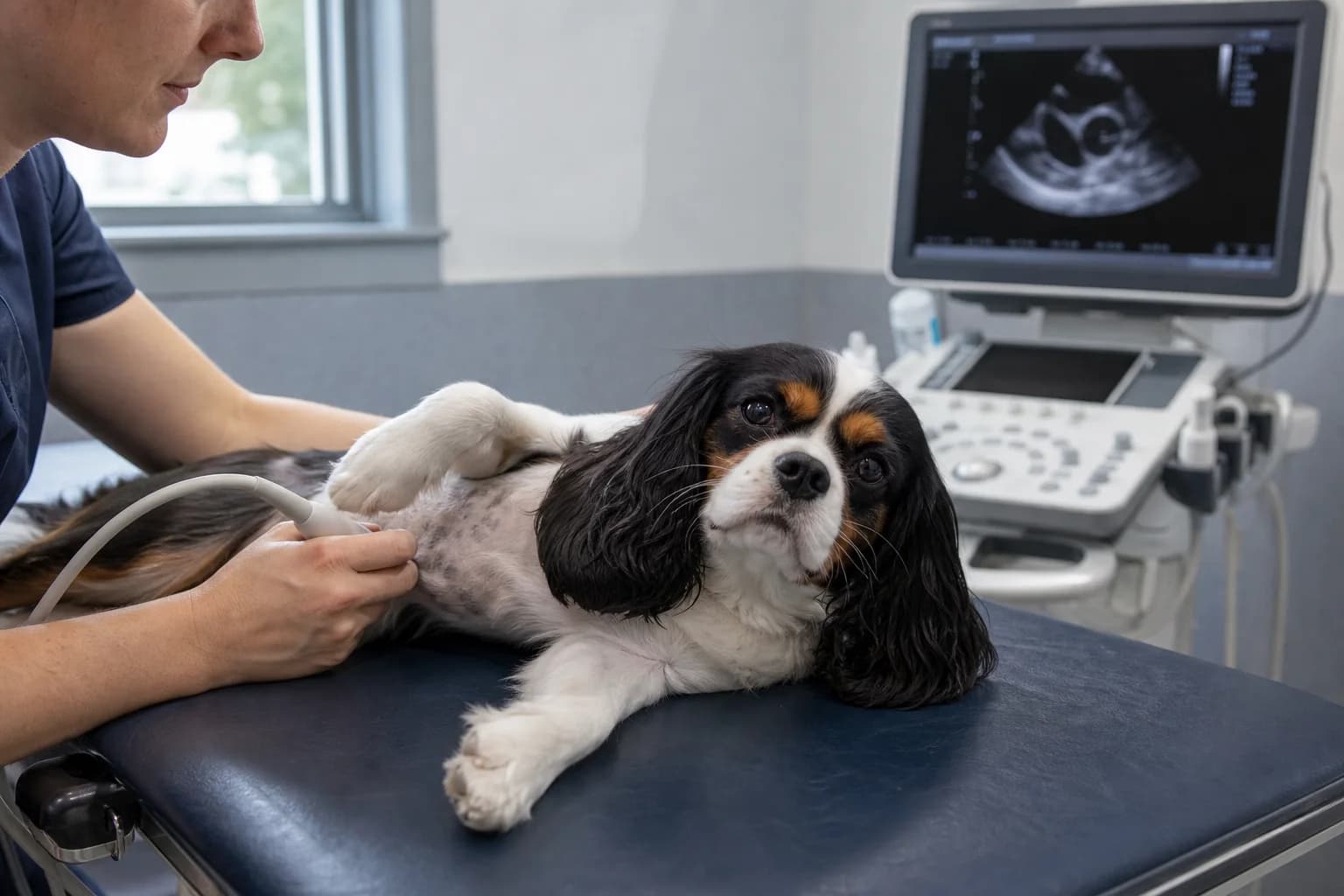
What is the leading cause of death for Cavaliers? UK Kennel Club mortality research reported a higher proportional mortality from cardiac disorders in Cavaliers than across the overall study population, including heart failure and cardiomyopathy categories. That supports heart disease as a major mortality concern, but an individual cause of death still requires medical determination.
Routine examination matters even when the dog acts normal. If a murmur is found, the veterinarian may discuss blood pressure, chest imaging, echocardiography, resting respiratory observations, or cardiology referral based on the case. Do not start medication or sodium restriction from an internet stage guess.
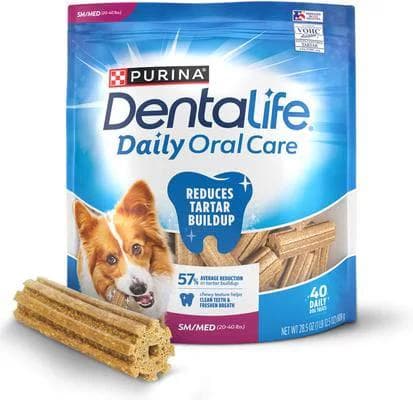
Daily dental chews with a porous, ridged texture designed to help clean teeth and reduce tartar buildup as part of an at-home oral-care routine.
Petful may earn a commission when you click through to Chewy, at no extra cost to you.
Chiari-like malformation and syringomyelia
Chiari-like malformation describes a skull and brain relationship associated with altered cerebrospinal-fluid flow. Syringomyelia means fluid-filled cavities form within the spinal cord. Research has documented a high burden in Cavaliers, but MRI findings and clinical signs do not align perfectly in every dog.
Possible signs include neck or shoulder sensitivity, yelping, reluctance to jump or use stairs, unusual posture, weakness, rubbing, or "air scratching" near the neck without skin contact. Ear, skin, orthopedic, dental, and other pain can resemble parts of this picture, so a video and detailed history help the veterinarian sort the possibilities.
Never provoke pain to test a theory. Sudden severe pain, inability to walk normally, collapse, or a major neurologic change needs urgent guidance.
 Sponsored
Have a health question about your pet?
Talk to a licensed vet at Dutch over video or message, including nights and weekends.
Use code Pets60
Plans start at $12/month · covers up to 5 pets
- Licensed vets in most states
- Rx for 150+ conditions
- 4.7 on Trustpilot
Other health problems in Cavaliers
Eye disease can cause redness, cloudiness, discharge, squinting, rubbing, vision change, or a suddenly painful eye. Patella luxation may appear as intermittent skipping, while hip and other orthopedic disease can affect gait, jumping, stairs, or willingness to exercise. Ear disease, dental disease, obesity, and skin problems also influence comfort and quality of life.
An annual or more frequent examination based on age and health creates a trend. Weight, body condition, heart sounds, dental status, eyes, ears, skin, joints, and behavior all provide useful baselines.

An orthopedic sofa bed with three bolstered sides for dogs who like to rest their head and joints against a cushion. The supportive foam base cradles hips and elbows, a comforting spot for an older or shaky dog to settle.
Petful may earn a commission when you click through to Chewy, at no extra cost to you.
Health screening before and after adoption
The Cavalier King Charles Spaniel Club, USA recommends a cardiac clearance by a board-certified veterinary cardiologist, eye screening by a board-certified veterinary ophthalmologist, patella evaluation, and hip radiographs submitted to OFA before breeding, with periodic follow-up for heart, eyes, and patellas.
Ask for the registered names of both parents and open the records yourself. A CHIC number indicates the breed-specific required results were made public, not that every result was normal. Read the actual results and dates.
Use the responsible Cavalier puppy guide to combine health evidence with living conditions, socialization, veterinary records, and contract support.
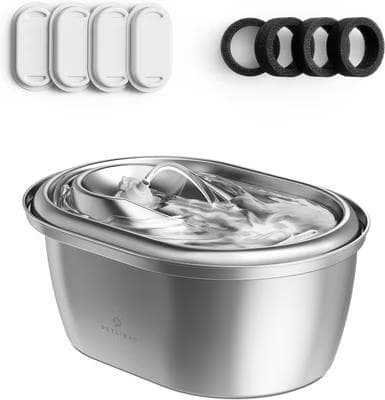
304 food-grade stainless steel pet water fountain, 101 oz. The circulating, filtered water encourages cats to drink more, which supports urinary tract and kidney health.
Petful may earn a commission when you click through to Chewy, at no extra cost to you.
Choose rest space by sleeping posture and mobility; the FurHaven orthopedic sofa bed is one washable-cover option to measure against the dog's full stretched length. The Petlibro stainless-steel fountain is one water-station format to compare for capacity, cleaning access, filter cost, and whether the dog actually prefers moving water. Use only pet-safe toothpaste, such as Virbac C.E.T. enzymatic pet toothpaste, after veterinary guidance; human toothpaste is not an appropriate substitute.
A practical Cavalier health monitoring plan
Keep a simple baseline:
- Current medication, preventives, supplements, and diet.
- Weight and body-condition trend.
- Comfortable walking distance and recovery.
- Resting sleep respiratory observations if the veterinarian recommends them.
- Appetite, water intake, stool, urination, sleep, and behavior.
- Short videos of a new cough, scratch, gait, or pain episode.
- Copies of screening, imaging, laboratory, and referral reports.
Bring trends to appointments. A small ventilated travel carrier can support safer transport after calm acclimation. Data does not replace examination, but it can show timing and change more clearly than memory.
- Struggling or open-mouth breathing at rest, blue or gray gums, collapse, seizure activity, severe weakness, major trauma, a swollen painful abdomen, repeated unproductive retching, inability to stand, intense uncontrolled pain, or a suddenly painful or enlarged eye needs urgent veterinary guidance. Call ahead when possible.
Nutrition and medical diets
The best routine food is complete and balanced for life stage, measured to body condition, and tolerated by the individual. Heart, kidney, digestive, allergic, or obesity concerns can change the decision. The veterinarian-led Cavalier food guide explains the general selection framework, but an individual medical diet belongs with the treating team. If the veterinary plan supports slower eating, the Outward Hound 0.75-cup slow feeder is one small-dog format to test with a measured portion; it is a pacing tool, not a treatment for disease.
Establish a health baseline before symptoms
A useful baseline is more than a note that the dog looked healthy at adoption. Transfer records, identify what was actually examined or tested, establish a veterinarian, and record normal appetite, activity, gait, breathing, sleep, elimination, body condition, and behavior.
Bring:
- Parent screening records when available.
- The dog's vaccination, parasite, medication, and diagnostic history.
- Food, treats, supplements, and measured amounts.
- Any cough, fainting, pain, scratching, digestive, balance, or mobility observations.
- Videos of intermittent episodes that can be recorded safely.
The baseline helps a veterinary team interpret change. It does not predict that disease will or will not occur.
Understand heart monitoring
Mitral valve disease is an important breed concern, but owners should not diagnose its stage from a cough or a home device. A veterinarian evaluates history and examination findings and may recommend imaging, blood pressure, radiographs, laboratory work, or specialist assessment based on the individual.
The ACVIM consensus guidance describes professional staging and management of myxomatous mitral valve disease. Treatment depends on stage and findings. Medication appropriate for one stage may not be appropriate for another.
Record and report:
- Coughing pattern and triggers.
- Reduced stamina or slower recovery.
- Fainting, collapse, or weakness.
- Breathing effort or rate changes at rest.
- Abdominal enlargement, appetite change, or weight change.
Trouble breathing, collapse, blue or very pale gums, or severe weakness requires urgent veterinary attention.
Home observations without self-diagnosis
When the veterinarian recommends monitoring, use the same conditions and method each time. A calm sleeping respiratory count can be more interpretable than a count taken after play, heat, fear, or excitement, but the veterinary team should explain how and when to measure it.
Do not change medication, salt, water access, or exercise because of one internet threshold. Contact the treating team with the observation and context.
Recognize possible neurologic pain

Chiari-like malformation and syringomyelia can be associated with pain and neurologic signs. The peer-reviewed overview explains the condition and its complexity. A single behavior does not confirm it, and absence of one classic sign does not rule it out.
Possible observations to discuss include:
- Repeated scratching near the neck or shoulder that may not contact the skin.
- Sensitivity around the head, neck, shoulders, harness, or grooming.
- Sudden yelping or reluctance to jump, climb, or play.
- Changes in sleep, posture, gait, balance, or limb use.
- Avoidance of touch that was previously comfortable.
Video can help when an episode is intermittent, but do not provoke pain to capture it. Keep notes on duration, context, side of the body, recovery, and medication timing.
Safer daily handling
Use a well-fitted harness when advised, provide nonslip surfaces, and prevent jumping when pain or instability is suspected. Lift with the chest and rear supported rather than pulling under the front legs. Let the veterinarian guide activity and equipment for the individual.
Pain can also come from ears, teeth, eyes, skin, joints, back, or injury. A careful examination is needed.
Eye health deserves prompt attention
Eye problems can progress quickly and may be painful. Seek prompt veterinary care for squinting, holding an eye closed, marked redness, cloudiness, trauma, sudden discharge, unequal pupils, a visible foreign body, or apparent vision change.
Routine owner checks can note:
- Symmetry and comfort.
- New discharge or staining.
- Rubbing at the face.
- Collision with objects or hesitation in dim light.
- Change after grooming, outdoor activity, or bathing.
Do not use leftover drops or human eye medication unless a veterinarian directs it. Some products can worsen particular eye injuries.
Knees, hips, gait, and mobility
Patellar, hip, spinal, soft-tissue, and neurologic problems can all affect movement. Watch the dog walk toward, away, and across your view on a level nonslip surface. Note skipping, limping, shortened stride, reluctance to rise, stair hesitation, or difficulty getting comfortable.
Keep movement observations useful:
- Record when the change began.
- Note whether it followed exercise, a fall, grooming, or rest.
- Film a short natural walk if safe.
- Avoid repeated testing that worsens pain.
- Restrict risky activity and contact the veterinarian.
An intermittent limp still deserves attention, especially when it recurs.
Ears, skin, and dental health
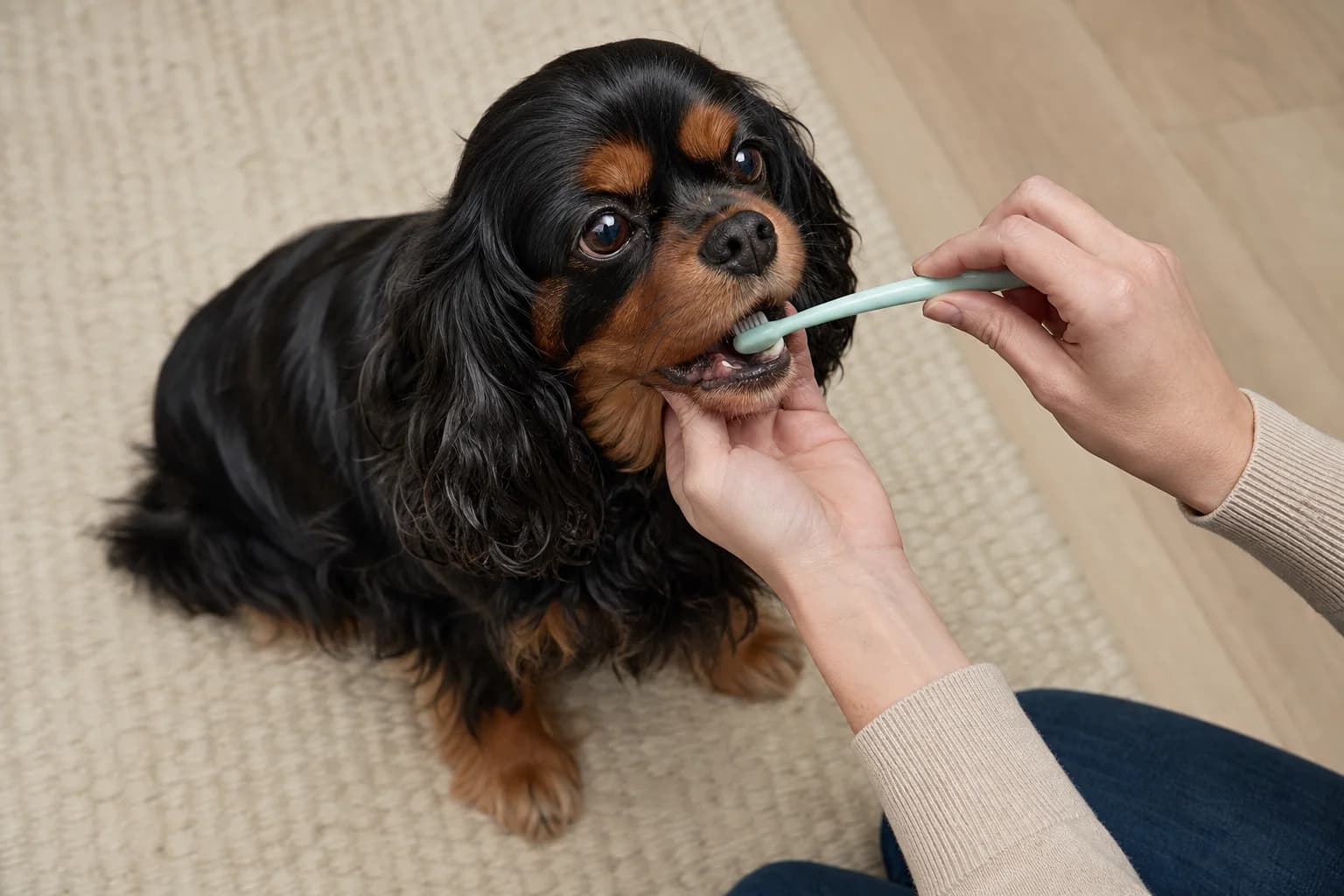
Feathered ears can hide moisture, debris, skin change, or discomfort. Check the visible ear and surrounding skin without inserting tools into the canal. Head shaking, odor, discharge, redness, swelling, or pain needs veterinary assessment.
Skin and coat changes may reflect parasites, infection, allergy, nutrition, hormonal disease, pain, or grooming problems. Document location, season, products, food, prevention, and other symptoms instead of cycling through treatments.
Dental disease can cause pain that is easy to miss. Ask the veterinary team to assess teeth and gums, demonstrate home care, and explain when professional treatment is indicated. Bad breath is not a harmless breed trait.
Read health-testing documents critically
The Cavalier King Charles Spaniel Club's health-testing guidance is a starting point for what to request from a source. A statement that parents are vet checked is not the same as named, current, breed-relevant evaluations.
For every document, verify:
- Registered name or permanent identification.
- Exact test or examination.
- Result and date.
- Evaluator or registry.
- Whether the dog was the appropriate age.
- Whether repeat evaluation is recommended.
Ask about siblings, prior litters, parents, and older relatives. Screening lowers uncertainty but cannot guarantee a puppy's future.
 Sponsored
Vet care that's always there
Unlimited video calls and messaging with licensed vets for less than a typical vet visit. One membership covers up to five pets.
Use code Pets60
Plans start at $12/month · covers up to 5 pets
- Licensed vets in most states
- Rx for 150+ conditions
- 4.7 on Trustpilot
Continue screening after adoption
Parent testing does not end the owner's responsibility. The individual dog needs routine examinations and follow-up tailored to age, findings, family history, and symptoms. Keep records portable so emergency, primary, and specialty teams can see the same history.
A yearly planning conversation can cover:
- Heart examination and whether additional assessment is indicated.
- Eyes, gait, joints, pain, ears, skin, teeth, and body condition.
- Medication and supplement reconciliation.
- Diet and calorie review.
- Exercise tolerance and behavior change.
- Emergency and referral access.
The appropriate schedule may be more frequent when disease is present or monitoring changes.
Build a life-stage monitoring plan
Puppy and young adult
Focus on source records, growth, body condition, vaccination and parasite plans, safe socialization, gait, eyes, ears, dental development, and a consistent relationship with the clinic. Introduce cooperative handling before it is urgently needed.
Mature adult
Compare current findings with the baseline. Do not dismiss reduced activity, sleep change, coughing, scratching, or touch sensitivity as personality. Revisit calorie needs and keep exercise appropriate to the dog's condition.
Senior or medically complex dog
Monitor comfort, mobility, appetite, hydration, sleep, elimination, interaction, medication effects, and the ability to perform valued daily activities. More frequent reassessment may be needed, but age alone does not explain every change.
When a Cavalier needs urgent care
Know where routine, urgent, emergency, and specialty care are located before a crisis. Store the dog's medication list, diagnoses, allergies, identification, insurance information if applicable, and the primary clinic's contact details.
Seek urgent or emergency guidance for:
- Trouble breathing, collapse, severe weakness, or blue or pale gums.
- Seizure, sudden inability to stand, or severe unremitting pain.
- Eye trauma or sudden vision concern.
- Repeated vomiting with inability to keep water down.
- Suspected toxin ingestion.
- Major injury, uncontrolled bleeding, or rapidly expanding swelling.
Call ahead when possible and follow transport instructions. Do not delay for an online diagnosis.
Track quality of life in ordinary terms
Quality of life is not one score and should be discussed with the veterinary team. Keep notes about comfort, sleep, appetite, hydration, elimination, mobility, interest in people, enjoyment of routines, and recovery after activity.
Choose several activities the dog values, such as sniffing outside, eating comfortably, resting near family, or greeting a familiar person. A repeated loss of those activities, increasing pain, or more difficult days is meaningful information.
The purpose of tracking is not to force a date. It is to recognize trends, improve symptom control, and make compassionate decisions with the treating team.
Reconcile medications and supplements
Keep one current list for every veterinary team. Include prescription medication, parasite prevention, over-the-counter products, chews, oils, powders, and supplements. Record dose, schedule, reason, prescriber, and last administration.
Before adding or stopping anything, ask:
- Could it interact with heart, pain, seizure, digestive, or other medication?
- Does it add meaningful calories, sodium, or another nutrient?
- Could it affect laboratory testing or anesthesia?
- What outcome should be monitored?
- When should it be stopped or reviewed?
Natural does not mean interaction-free. Never change a cardiac or neurologic medication because of an online claim.
Coordinate primary and specialty care
When several clinics are involved, designate where the complete record lives and who communicates changes. Bring reports back to the primary veterinarian and confirm that medication lists match.
A concise update contains:
- New diagnosis or working diagnosis.
- Test results and imaging reports.
- Medication changes.
- Activity and diet instructions.
- Recheck date and responsible clinic.
- Signs that require earlier contact.
Coordination reduces duplicated testing, conflicting instructions, and missed follow-up.
Prepare for anesthesia and procedures
Anesthesia decisions depend on the individual procedure, examination, medical history, current medications, and diagnostic findings. Tell the veterinary team about cough, fainting, breathing change, neurologic signs, prior reactions, and every product the dog receives.
Follow the clinic's fasting, medication, arrival, and discharge instructions exactly. After discharge, call for difficulty breathing, collapse, uncontrolled pain, repeated vomiting, bleeding, or any sign named in the written instructions.
Keep a one-page monitoring sheet
A long record is useful only if the important changes are visible. Maintain a current summary with diagnoses, medications, allergies, diet, body weight and condition trend, normal activity, and the next recommended recheck.

Add dated observations for:
- Coughing, breathing, fainting, or weakness.
- Pain, scratching, sensitivity, gait, or balance.
- Appetite, vomiting, stool, thirst, and urination.
- Eye, ear, skin, dental, or coat change.
- Sleep, interaction, and ability to enjoy normal routines.
Bring the sheet and relevant videos to appointments. Record the veterinary team's interpretation rather than turning the sheet into a self-diagnosis tool.
Plan comfortable transport
Practice entering a stable carrier or vehicle setup before the dog is ill. Keep nonslip bedding, identification, and a medication list ready. For a painful or weak dog, call the clinic for lifting and transport advice. Support the chest and rear, avoid pressure on the neck, and do not force a distressed dog into a position that worsens breathing. Measure standing height and body length before considering the Sherpa soft-sided carrier, and verify the exact vehicle or airline rules; the product is not a substitute for crash-conscious transport planning.
Record normal before travel
Before travel, note the dog's current medication, appetite, activity, breathing, and veterinary contacts. Bring enough prescribed medication in labeled packaging and identify care near the destination. A change away from home is easier to explain when the normal baseline is written down.
Review the plan after every diagnosis
A diagnosis can change exercise, diet, medication, anesthesia planning, travel, grooming, and emergency thresholds. Ask the treating team for written instructions and the next decision point.
Confirm who monitors the condition, which observations matter at home, when testing repeats, what side effects need contact, and which signs require urgent care. Update every caregiver and discard obsolete instructions so two plans are not followed at once.
The complete Cavalier breed guide puts medical planning beside daily care and household fit. The breed-name comparison prevents health records for an English Toy Spaniel from being mistaken for Cavalier evidence.
Cavalier health FAQs
The breed has important predispositions, especially myxomatous mitral valve disease and Chiari-like malformation with syringomyelia, plus eye, knee, hip, dental, ear, skin, and other problems. That does not diagnose one dog. Verify breeding clearances, establish veterinary baselines, monitor changes, and seek timely assessment rather than assuming every symptom is breed-normal. Breed risk is not an individual diagnosis.
Population research identifies cardiac disease as a major mortality concern in Cavaliers, and UK Kennel Club mortality data found higher breed-level proportional mortality from heart failure and cardiomyopathy categories than in the overall study population. An individual dog's cause of death cannot be inferred from breed alone. Regular cardiac examination and stage-appropriate veterinary care matter.
A 2022 UK VetCompass life-table study estimated 10.45 years of life expectancy at birth for Cavaliers in its measured population, with a 95% confidence interval of 10.26 to 10.62 years. That population estimate is not a countdown for one dog. Individual outcome reflects genetics, body condition, disease, accidents, access to care, treatment response, and chance, and an older living dog poses a different remaining-life question.
The breed club recommends cardiac clearance by a board-certified veterinary cardiologist, eye screening by a board-certified veterinary ophthalmologist, a patella evaluation, and hip radiographs submitted to OFA before breeding, with periodic follow-up for heart, eyes, and patellas. Ask for both parents’ registered names, then open the records and read the results and dates. A CHIC number means required results were public, not that every result was normal.
Seek urgent or emergency guidance for trouble breathing, collapse, severe weakness, blue or pale gums, a seizure, sudden inability to stand, severe unremitting pain, repeated fainting, a painful eye, persistent vomiting, abdominal swelling, suspected toxin exposure, or rapidly worsening neurologic signs. Know the nearest appropriate clinic before a crisis and bring the dog’s medication list, diagnoses, allergies, identification, and relevant records. Do not wait for a routine appointment when the dog is unstable.
Establish a health baseline for appetite, activity, gait, breathing, sleep, elimination, body condition, behavior, medications, and comfortable walking recovery. Record meaningful changes with dates and short videos when useful, but do not diagnose from a home log. Follow the veterinarian’s schedule for examinations and any cardiac, eye, orthopedic, or other monitoring. Contact the clinic sooner when a change is persistent, painful, progressive, or paired with urgent signs.
Primary veterinary sources
BVMS, MRCVS
Dr. Pippa Elliott, BVMS, MRCVS, is a veterinarian with nearly 30 years of experience in companion animal practice. Dr. Elliott earned her Bachelor of Veterinary Medicine and Surgery from the University of Glasgow. She was also designated a Member of the Royal College of Veterinary Surgeons. Married with 2 grown-up kids, Dr. Elliott has a naughty Puggle named Poggle, 3 cats and a bearded dragon.
Sign up for expert-backed reviews and safety alerts all in one place.