Cavalier King Charles Spaniel Puppies: What to Know
Cavalier puppies need careful sourcing, early socialization, gentle training, grooming practice, verifiable health records, safe home preparation, and a realistic adult-care plan.

Petful is reader supported. As an affiliate of platforms like Amazon and Chewy, we may earn a commission when you buy through links on this page. There is no extra cost to you.
Cavalier King Charles Spaniel puppies are affectionate, observant companions who need careful source screening, early health records, gentle training, safe socialization, and coat handling from the beginning. A sweet puppy photo cannot answer the most important questions about parents, welfare, health testing, or lifetime support.
- 1Verify the puppy's identity, living conditions, veterinary record, and both parents' health clearances before paying.
- 2Avoid sellers who use urgency, rare color, tiny size, or shipping pressure in place of evidence.
- 3Begin reward-based training and grooming handling immediately.
- 4Plan for close companionship, a health budget, and the adult dog's needs, not only the puppy stage.

Sign up for expert-backed reviews and safety alerts all in one place.
How to find a Cavalier puppy responsibly
Start with evidence, not a listing. The Cavalier King Charles Spaniel Club, USA recommends cardiac clearance by a board-certified veterinary cardiologist, an eye screening by a board-certified veterinary ophthalmologist, a patella evaluation, and hip radiographs submitted to OFA before breeding. Ask for the registered names of both parents and verify current results.
| Evidence | What to verify | Red flag |
|---|---|---|
| Parent identity | Registered names and relationship to the litter | Only first names or stock photos |
| Health screening | Named cardiac, eye, patella, and hip results | "Vet checked" with no reports |
| Living conditions | Where the dam and puppies live and how they are handled | Parking-lot handoff or changing pickup site |
| Veterinary record | Dates, products, microchip, and clinic details | Blank booklet or unverifiable entries |
| Contract | Health terms, return clause, and responsibilities | No contract or no return support |
| Payment | Traceable recipient matching the source | Wire, gift card, crypto, or surprise transport fee |
Petful may earn a commission when you click through to Lemonade, at no extra cost to you.
A health clearance reduces uncertainty but cannot guarantee one puppy's outcome. It is still far more useful than a seller's promise. Ask why the pairing was chosen, what appeared in relatives, how puppies are socialized, and what happens if the placement fails.
Use the Cavalier price guide to compare total cash needs. Price alone does not distinguish a responsible source from a risky one. Rescue can also be an excellent route when the organization is transparent about known behavior and medical needs.
Cavalier puppy home setup

Create one easy-to-supervise zone before pickup. Include a washable bed, water, a right-sized rest area, safe chew choices, nonslip footing, and barriers around stairs, cords, medication, food, and small objects. A washable small-dog bed and adjustable puppy gate can support management, but no product replaces supervision.
Plan the first week around sleep, bathroom trips, small measured meals, short play, and quiet exploration. Too many visitors, stores, outings, and handling demands can overwhelm a puppy. Socialization means carefully paired positive exposure, not uncontrolled contact with every dog or person.

Petful may earn a commission when you click through to Chewy, at no extra cost to you.
For budget planning, a current Lemonade puppy insurance quote lets you compare the premium, deductible, reimbursement rate, waiting periods, and exclusions before a need arises. For a managed puppy zone, compare panel spacing, height, and room layout before choosing the Frisco configurable gate and playpen, and never leave an unsafe climber unsupervised. Measure standing height and body length before comparing the Sherpa soft-sided carrier, and verify the exact car or airline rules that apply to the trip.
Cavalier puppy training
Cavaliers are often responsive to food and social rewards, but a puppy can appear "hard to train" when sessions are too long, criteria change, the environment is distracting, or the puppy needs sleep or a bathroom break. Teach one small behavior at a time. Mark the correct choice, reward promptly, and stop while the puppy still wants to work. For brief supervised play, the Frisco small/medium rope ball toy is one reward option; replace it if fibers loosen or the puppy starts swallowing pieces.
Why are Cavaliers so hard to train? They are not uniquely incapable. Many are sensitive, people-focused dogs, which means harsh handling can create hesitation rather than clarity. Use five-minute sessions for name response, recall, settling, trade, leash following, handling, and bathroom routines. Prevent rehearsals of chewing, chasing, and door rushing through management.
For a safe food reward, use part of the puppy's meal or tiny soft treats. A small treat pouch helps timing, but daily extras should remain a small share of calories.
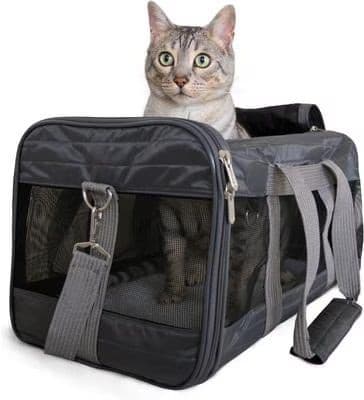
An airline-approved soft-sided carrier with mesh ventilation windows, a top-rated travel pick for cats and small dogs.
Petful may earn a commission when you click through to Chewy, at no extra cost to you.
Feeding, grooming, and veterinary care
Keep the puppy on the current food initially unless a veterinarian recommends a change. Confirm that the package carries a complete-and-balanced nutritional adequacy statement for growth, then measure the daily amount and divide it into age-appropriate meals. The Cavalier food guide explains adequacy, calories, manufacturer questions, and body condition.
Begin gentle ear, mouth, paw, face, and comb handling when the puppy is relaxed. Pair a brief touch with a reward, then release. The goal is not to finish a full groom on day one. It is to build a cooperative dog who can be brushed, examined, and treated safely. For gradual dental care, use only pet-safe toothpaste such as Virbac C.E.T. enzymatic toothpaste after veterinary guidance; human toothpaste is not an appropriate substitute.
- A puppy who repeatedly vomits, has persistent diarrhea, refuses food and is weak, struggles to breathe, collapses, has a seizure, develops a painful eye, may have swallowed a toxin or object, or changes suddenly should not be managed with internet remedies. Small puppies can decline quickly.

A budget-friendly padded no-pull harness that keeps leash pressure off a coughing dog's neck and windpipe by distributing it across the chest. A simple, affordable way to protect an irritated airway or a collapsing trachea on every walk.
Petful may earn a commission when you click through to Chewy, at no extra cost to you.
For walking equipment, measure the neck and chest before trying the Frisco padded no-pull harness, then recheck movement and strap clearance after the coat or weight changes. The Nina Ottosson Lickin' Layers puzzle feeder can turn part of a measured meal into supervised enrichment; start easy and remove it if frustration or chewing replaces problem-solving. A Pet Parents Forager snuffle mat can slow a supervised search game when its food is counted in the daily ration and the dog is not allowed to shred or swallow the fabric.
Health records and lifespan
The puppy's record should identify vaccines and other treatments by date and product, not simply say "up to date." Arrange an independent veterinary examination soon after arrival. Discuss parasite prevention, vaccination, feeding, body condition, dental care, handling, and any breeder or rescue records.
The veterinary Cavalier health and lifespan guide covers mitral valve disease, Chiari-like malformation and syringomyelia, eyes, knees, hips, screening, and population-level lifespan evidence. It owns the lifespan question because a puppy guide cannot turn a broad estimate into an individual prediction.
Cavalier vs. King Charles Spaniel terminology
The Cavalier King Charles Spaniel and King Charles Spaniel are separate breeds. In the United States, the King Charles Spaniel is called the English Toy Spaniel. Resolve any ambiguous listing with the registered breed and parent records, then use the side-by-side comparison before choosing.
Verify a source before discussing color or pickup
Treat the first conversation as evidence gathering. A responsible source should be willing to discuss the dogs' daily lives, why the pairing was chosen, what health testing was completed, how puppies are raised, and what happens if an owner cannot keep the dog. Urgency, a polished website, or a familiar registry name does not answer those questions.
Ask for:
- The registered identities and permanent identification of both parents.
- Verifiable cardiac, eye, patella, hip, and other current breed-club-recommended results.
- The date and evaluator for each result, not a cropped screenshot without context.
- The puppy's veterinary record, parasite plan, feeding routine, and known health findings.
- A written contract that covers return support, disclosure, and responsibilities.
- A live view of the puppy and environment when an in-person visit is not possible.
Compare names, dates, and identification across documents. A DNA panel may add information, but it does not replace examinations and imaging that evaluate the heart, eyes, joints, or other clinical concerns.
Read the environment, not the sales script
Puppies should have safe footing, clean rest areas, access to their mother when age appropriate, and calm human handling. Ask how the source introduces household sounds, different surfaces, grooming, brief separations, car travel, and veterinary care. Socialization is controlled positive exposure, not overwhelming a puppy with nonstop novelty.
Red flags include:
- Many unrelated breeds or crosses always available.
- Meeting only in a parking lot without a credible welfare reason.
- Refusal to identify parents or let results be verified.
- Guarantees that the puppy cannot develop a condition.
- Pressure to pay immediately by an irreversible method.
- Shipping or handoff plans that ignore weather, age, stress, or safe transport.
Plan the first 72 hours
Keep arrival quiet. Show the puppy one toilet area, one rest area, water, and the small part of the home that can be supervised. Do not pass the puppy between visitors or schedule a tour of public places. The first job is helping the puppy eat, eliminate, sleep, and feel safe.

Use the source's current food and schedule initially unless the veterinarian directs otherwise. Record what the puppy actually eats, drinks, passes, and does. Contact a veterinarian promptly for repeated vomiting or diarrhea, marked lethargy, trouble breathing, collapse, pain, inability to keep water down, or refusal to eat in a young puppy.
A simple arrival log includes:
- Meal offered and amount eaten.
- Water intake observations.
- Toilet time, location, and stool quality.
- Sleep periods and restlessness.
- Medication or parasite treatment already given.
- Coughing, nasal discharge, itching, limping, or other changes.
Build a toilet routine
Take the puppy to the same appropriate area after waking, eating, drinking, play, training, and before rest. Supervise closely indoors or use a safe pen or tether arrangement when active supervision is impossible. Reward immediately after the puppy finishes in the correct place.
An accident is information about timing or management. Quietly clean with an appropriate enzymatic product and change the schedule. Punishment can teach a puppy to hide elimination without teaching where to go.
At night, keep the rest area near enough to notice waking. Very young puppies may need overnight toilet opportunities. Extend the interval gradually based on the individual, not on a rigid promise that every puppy should sleep through by a certain date.
Protect sleep and teach settling
Puppies need substantial sleep and often become mouthier, faster, or less responsive when overtired. A rest area should be comfortable, quiet, and separated from household traffic. It is not a place for punishment.
Teach settling in small steps:
- Place a comfortable mat near the caregiver.
- Reward voluntary orientation to or lying on the mat.
- Offer a safe chew or part of a meal when appropriate. For supervised food enrichment, the Nina Ottosson Lickin' Layers puzzle feeder can use part of the daily ration; remove it if chewing replaces problem-solving.
- Practice while the room is calm before adding normal activity.
- Release the puppy before frustration builds.
If confinement causes escalating distress, reduce difficulty and reassess the setup. A trainer can help distinguish ordinary protest, unmet needs, and panic.
Socialize without flooding
The goal is a puppy who can notice the world and recover, not a puppy who greets everyone. Pair new sights, sounds, surfaces, people, handling, and transport with distance, choice, food, or play. Leave while the puppy is still coping.
Useful exposures may include:
- People with varied movement, clothing, voices, and mobility equipment.
- Household appliances at a controllable distance.
- Grass, pavement, carpet, rubber, metal, and stable novel surfaces.
- Calm vaccinated dogs selected for appropriate behavior.
- Brief car rides and handling that resembles veterinary and grooming care.
- Observation of traffic, children, bicycles, and dogs without forced contact.
Follow the veterinarian's disease-risk guidance for local public spaces. Social development and infection prevention both matter, so the plan may use carried observation, clean private locations, or a well-run puppy class rather than unfiltered contact.
Train the skills that prevent future conflict

Use short sessions and reward-based methods. Begin with name response, following a hand target, recall, trading objects, gentle leash movement, handling, and a station cue. End while the puppy is engaged. The Frisco dual-handle traffic leash offers a closer control handle for short practice walks, but handling skill and fit still matter.
For biting, first check sleep, toilet needs, hunger, excitement, and access to appropriate chew items. Redirect to a toy, pause interaction when needed, and avoid games that encourage hands as targets. Persistent hard biting, guarding, fear, or inability to settle deserves qualified help.
For jumping, reward four paws on the floor before attention. Manage greetings with a leash, gate, or scattered food so the puppy does not rehearse launching at people. Every family member should use the same plan.
Practice being apart
Constant contact during the first week can make later separation feel abrupt. Begin with seconds of comfortable distance while the puppy is fed, resting, or engaged with a safe item. A gate that preserves visual contact may be easier than a closed door. The Frisco configurable dog gate and playpen is one visual-barrier option to measure against the room, panel spacing, and the puppy's climbing behavior.
Watch for relaxed body posture, normal eating, and the ability to settle. Return before escalating vocalization or frantic escape behavior. Increase duration slowly and vary departure cues so shoes, keys, or a bag do not always predict a long absence.
Create a grooming consent routine

Place the puppy on a nonslip surface. Touch an ear, paw, chest, or tail briefly, reward, and stop. Introduce the brush and comb as neutral objects before making long strokes. Check the skin after every session. The aumuca self-cleaning slicker brush is one brush to introduce with light pressure before attempting longer coat-care sessions.
Practice:
- Looking at eyes and lifting ear leather without probing the canal.
- Brief paw holds and nail-tool proximity.
- Lifting lips and touching teeth with veterinary guidance.
- Brushing small coat sections, followed by a comb check.
- Wearing and removing a properly fitted harness. The Frisco padded no-pull harness is one adjustable option to measure against the growing puppy's neck and chest.
Sudden resistance can signal fear, tangled coat, skin irritation, ear discomfort, dental pain, or another medical issue. Do not force through a change in behavior.
Organize the veterinary handoff
Book the first appointment according to the veterinarian's advice and bring every record. Ask the clinic to reconcile vaccinations, parasite prevention, microchip information, diet, growth, and any findings noted before handoff.
Prepare a one-page summary:
- Puppy name, birth date, sex, weight history, and identification.
- Food brand, exact product, measured amount, and meal schedule.
- Vaccines, medications, deworming, and adverse reactions.
- Parent health records and contract details.
- Current symptoms or behavior changes.
- Questions about safe socialization, feeding, dental care, and emergency access.
Keep original documents and store a secure digital copy. Good records make future decisions easier and reduce the risk of repeating or missing care.
Schedule a progress review
At two and four weeks, review eating, sleep, toilet progress, handling, alone time, training, social exposure, and veterinary follow-up. Change one part of the plan at a time so the household can tell what helped.
If the puppy is losing skills, becoming more fearful, struggling to settle, or showing pain or illness, seek qualified guidance. Development is not a reason to wait through a safety or medical concern.
The complete Cavalier breed guide helps the household compare puppy appeal with adult companionship, exercise, grooming, training, and health responsibilities.
Cavalier puppy FAQs
Cavaliers are not inherently incapable learners. A puppy often struggles when sessions are long, rewards arrive late, rules change, or sleep, bathroom, fear, or distraction needs are missed. Use very short reward-based sessions, teach one criterion at a time, prevent unwanted rehearsals with gates and supervision, and build difficulty gradually. Sudden reluctance or touch sensitivity can reflect pain and needs assessment.
Ask for the registered identities of both parents and verify current results rather than accepting “vet checked.” The breed club recommends cardiac clearance by a board-certified veterinary cardiologist, eye screening by a board-certified veterinary ophthalmologist, a patella evaluation, and hip radiographs submitted to OFA before breeding. Read the actual reports and dates, because a registry entry or CHIC number does not mean every result was normal.
Keep the arrival quiet and limit the puppy to one supervised area with water, a rest space, and a consistent toilet location. Use the source’s same food and schedule initially unless the veterinarian advises otherwise. Prioritize eating, drinking, eliminating, sleeping, and feeling safe instead of visitors or public outings. Record changes and contact a veterinarian promptly for repeated vomiting or diarrhea, marked lethargy, breathing trouble, collapse, pain, or refusal to eat.
Take the puppy to the same toilet area after waking, eating, drinking, play, training, and before rest. Supervise indoors, or use a safe pen or tether arrangement when direct supervision is impossible. Reward immediately after elimination in the correct place. Treat accidents as timing or management information, clean them quietly with an enzymatic cleaner, and adjust the schedule. Punishment can teach hiding without teaching where to go.
Socialization means controlled positive exposure, not making the puppy greet everyone. Introduce sights, sounds, surfaces, people, handling, transport, and calm animals at a distance where the puppy can eat, play, choose, and recover. Keep sessions brief and leave while the puppy is still coping. Avoid flooding, forced contact, and unsafe public exposure; coordinate disease-risk precautions and suitable outings with the puppy’s veterinarian.

Coreen Saito is a pet writer and longtime shelter volunteer with more than a decade in animal rescue. She covers cat behavior, breed care, and the small, ordinary science of sharing a life with companion animals, with a particular focus on honest takes about the products and decisions that actually matter. At home in Arizona, she's outranked by Mac (a dog with the loudest opinion in the house), Rebel (a cat who governs by quiet authority), and Meri (an orange tabby who runs the late shift and the laundry basket). She writes about all three, plus the rescues that keep coming through her life, at LifeWithMinty.com.
Sign up for expert-backed reviews and safety alerts all in one place.