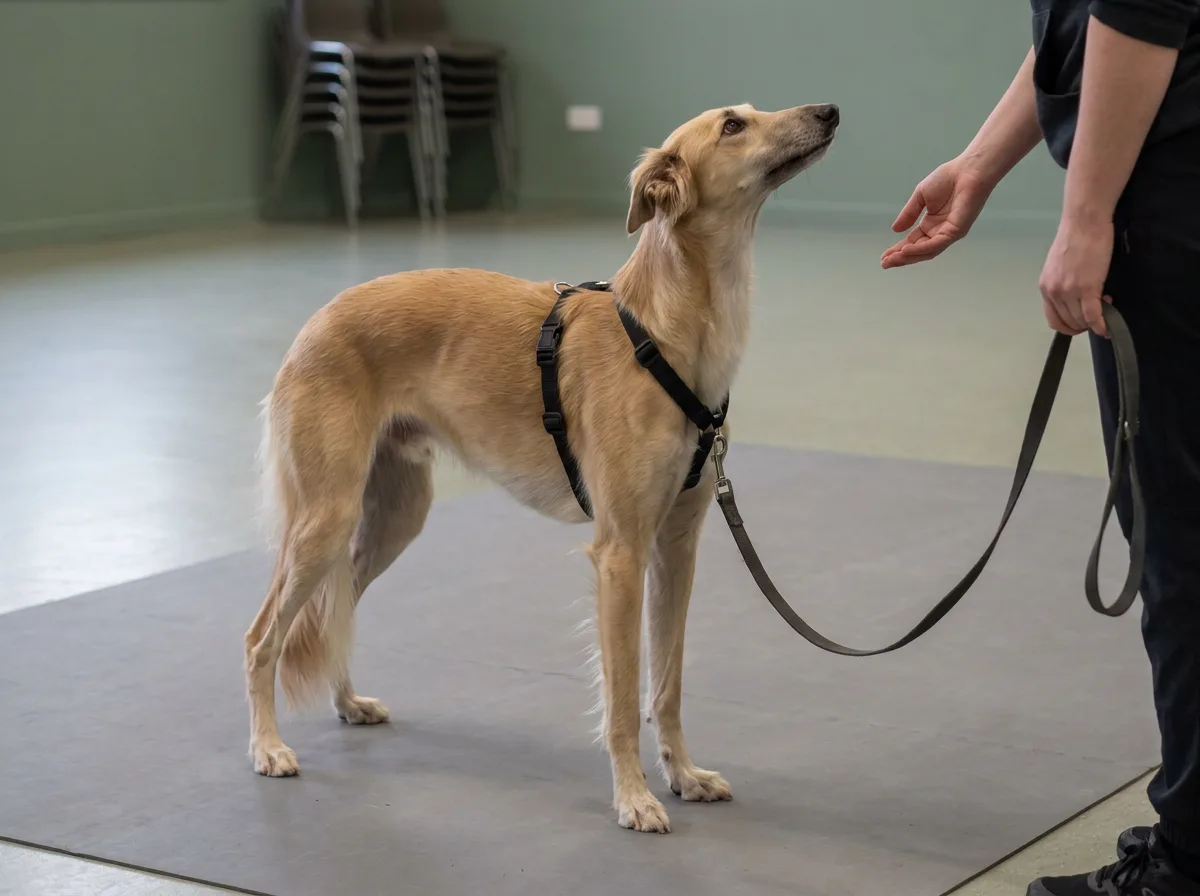
Cane Corso Size, Weight and Growth Guide
Cane Corso growth varies by sex, genetics and body condition. Use adult ranges and stage-based guidance without treating a chart as a diagnosis for safer planning.

Petful is reader supported. As an affiliate of platforms like Amazon and Chewy, we may earn a commission when you buy through links on this page. There is no extra cost to you.
Cane Corso size is best understood through adult height, proportional weight, measured growth over time, and body condition. The AKC profile lists males at 25 to 27.5 inches at the withers and females at 23.5 to 26 inches. It describes weight as proportionate to height and notes that adults often weigh more than 100 pounds rather than setting one mandatory weight target.
A Cane Corso growth chart should never become a prescription for making a puppy heavier. Genetics, sex, nutrition, health, body condition, and measurement method all affect the record. Use trends from the same dog and involve a veterinarian when growth, appetite, movement, or body condition changes.

Sign up for expert-backed reviews and safety alerts all in one place.
Cane Corso Size, Weight and Growth Guide at a glance
A practical evaluation separates four decisions: standard adult proportions, the individual dog's current measurements, healthy body condition, and equipment fit. Individual dogs can vary, and an impressive weight does not prove health, breed identity, athletic condition, or quality.
- 1Adult males are listed at 25 to 27.5 inches and females at 23.5 to 26 inches at the withers in the AKC profile
- 2Official guidance emphasizes weight proportional to height rather than one required number
- 3Track a puppy's trend with consistent measurements and veterinary context
- 4Choose food and equipment for measured size, life stage, body condition and behavior
- 5Breed tendencies describe populations, not every individual dog. Records, direct observation and professional findings answer different questions, and the household routine determines what will be practical.
Use the same scale, floor, measuring method, and time of day whenever practical. A consistent imperfect household record is often more useful for trend spotting than unrelated measurements taken under different conditions.

Petful may earn a commission when you click through to Chewy, at no extra cost to you.
Cane Corso size at a glance
How big do Cane Corsos get? They are large, muscular mastiff-type dogs. The AKC Cane Corso profile provides the official height ranges above and describes a powerful, athletic build. The Cane Corso Association of America supplies parent-club breed context. Check the current standard when formal evaluation matters.
The framework below uses clear comparison labels and source-limited values. Its separate categories and careful distinctions prevent an adult standard, a household growth record, and a veterinary body-condition assessment from being treated as the same evidence.
| Decision | Most useful evidence | What not to do |
|---|---|---|
| Adult height context | Current official standard measured at the withers | Predict one puppy's exact adult height from breed name alone |
| Current weight | Same calibrated scale and dated record | Compare readings from different scales as if identical |
| Growth trend | Repeated height, weight, appetite, condition, and veterinary notes | Force a puppy toward an online monthly target |
| Healthy size | Veterinary assessment plus visible and hands-on body condition | Treat the heaviest dog as the healthiest or best bred |
| Equipment | Dog and product measurements, posture, behavior, and room | Buy only from a large or XL marketing label |
Large or XL depends on the system
Is a Cane Corso a large or XL dog? As a breed, the Cane Corso is clearly large. XL is not one universal biological category. Food companies, crates, harnesses, airlines, landlords, insurers, and veterinary equipment may each use different thresholds.
Use the exact system in front of you. Record chest girth for harness sizing, full body length and standing height for a crate, sleeping stretch for a bed, and current body weight for a product with a load limit. Never assume one XL label will fit across brands or uses.
A scheduled feeder may help coordinate meals, but capacity and portions must match the dog and veterinary plan. Compare the Petlibro Granary WiFi feeder with the volume, cleaning routine, bowl access, and supervision your household requires.
Adult weight and sex differences
Cane Corso weight varies with sex, frame, height, muscle, body condition, and individual development. Current search summaries commonly repeat estimates near 100 to 110 pounds for males and 85 to 100 pounds for females, but these are broad planning figures gathered from mixed sources. The AKC standard's more important boundary is proportionality to height.
A male Cane Corso weight can fall outside a popular online range without a photograph or number establishing whether the dog is healthy, overweight, underweight, unusually tall, or misidentified. The same applies to females. A veterinarian needs the actual dog, history, examination, and sometimes testing to interpret an unexpected number.
Height and weight answer different questions
Height describes stature at the withers. Weight combines bone, muscle, organs, fat, hydration, stomach contents, and measurement conditions. Two dogs of equal height can weigh differently because their frames and body conditions differ.
Use these descriptions rather than a prestige label:
- Within standard height context: The measured height can be compared with the current breed standard.
- Proportionate appearance: The dog's build looks balanced for its frame, pending hands-on assessment.
- Body-condition finding: A veterinarian or trained assessor considers ribs, waist, abdominal contour, muscle, and health context.
- Weight trend: Repeated scale measurements show direction and rate, not quality by themselves.
Petful's Cane Corso breed profile provides the broader breed overview. This guide focuses on measurement and growth without changing the protected breed profile.
Very high weights need context, not admiration
Can a Cane Corso weigh 200 pounds? A scale can display that number, but the number alone cannot show whether the dog is accurately identified, exceptionally large, carrying excess body fat, affected by illness, or measured correctly. It is not a breed target and should not be pursued through overfeeding.
Confirm the scale, remeasure the dog, assess body and muscle condition, and involve a veterinarian when weight is far outside the dog's prior trend or comes with mobility, breathing, appetite, thirst, or energy changes. The health guide covers the clinical interpretation in detail. This size guide keeps the boundary simple: extraordinary weight requires better evidence, not a more dramatic label.
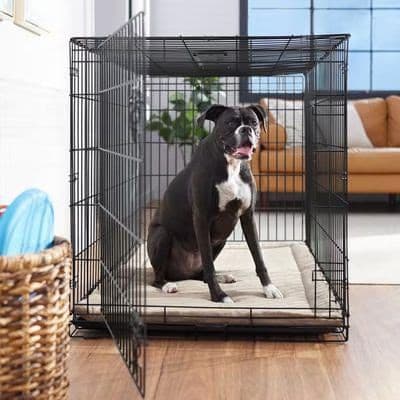
A crate should fit posture rather than a typical male or female weight. Compare the internal dimensions and divider options of the Frisco X-Large Fold & Carry wire crate with the dog's standing, turning, and resting measurements.
Petful may earn a commission when you click through to Chewy, at no extra cost to you.
Cane Corso puppy growth stages
Cane Corso puppy weight changes quickly, but puppies do not all grow in identical monthly steps. A non-prescriptive Cane Corso growth chart should show which evidence to collect at each stage, not order every puppy to reach a fixed number by a birthday.
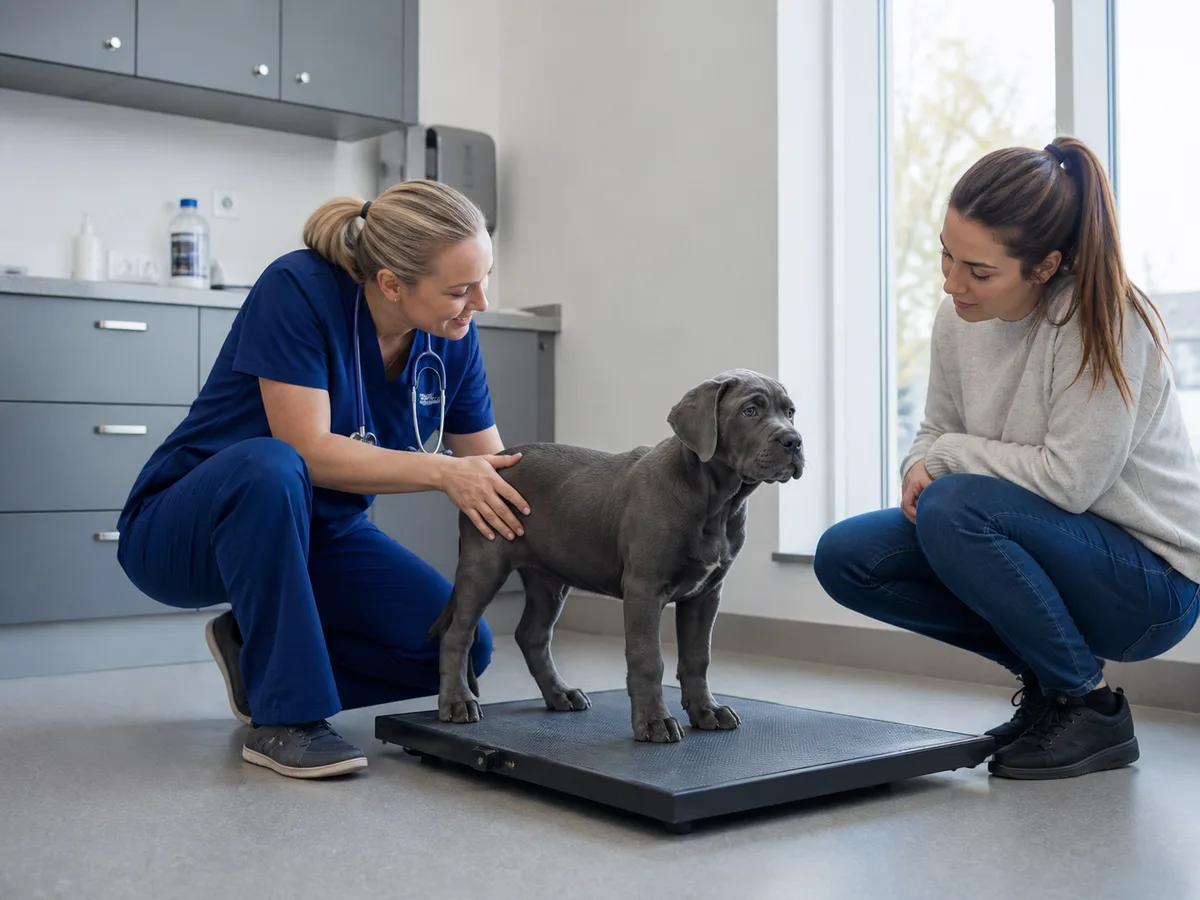
The planned image shows a Cane Corso puppy at a routine weigh-in on a veterinary scale. The value becomes useful when it is dated, connected to the same puppy, and interpreted beside appetite, diet, body condition, movement, health, and prior measurements.
A stage-based growth framework
Use broad life-stage tasks instead of invented monthly targets:
- Early puppy stage: Establish the puppy's identity, veterinary baseline, current diet, feeding plan, weight, body condition, and any health concerns.
- Rapid growth period: Measure consistently, adjust feeding only with appropriate guidance, protect safe movement, and watch for abrupt trend changes.
- Adolescence: Continue height and weight records while strength, coordination, chest, and muscle change; update handling and equipment.
- Approaching adulthood: Compare mature height context, body condition, function, and veterinary findings rather than pursuing extra mass.
- Adult maintenance: Track meaningful change from the dog's own stable baseline and reassess after illness, surgery, medication, or activity change.
Keep a growth log that can be reviewed
Record date, age, weight, height if safely measured, diet, amount offered, appetite, treats, stool changes, activity, medications, body-condition notes, and the scale used. A simple photo from the side and above can provide visual context, but it does not replace hands-on assessment.
Bring the log to veterinary visits. Do not change food dramatically, add supplements, or restrict calories to chase an online line without professional input. A sudden measurement jump may be a scale or data-entry problem, while a real change may require clinical assessment.
Review the trend before reacting to one point
When a reading looks surprising, first decide whether the change is confirmed. Check that the scale was zeroed, the dog was fully on the platform, the same units were used, and the date was entered correctly. Repeat the measurement under similar conditions when it is safe to do so.
Then compare more than weight:
- Height change since the last reliable measurement.
- Body-condition and muscle notes from the same period.
- Appetite, diet, treats, stool, thirst, and medication changes.
- Activity, gait, energy, sleep, and recovery after exercise.
- Recent illness, surgery, stress, travel, or change in caregiver.
- Whether the dog is moving from one broad developmental stage into another.
A growth spurt can change height before the body fills out, while a plateau can occur without meaning development is complete. The goal is not a smooth line. It is a record detailed enough for a veterinarian to distinguish likely measurement noise, expected individual variation, and a change that warrants assessment.
The Cane Corso puppy buying guide explains how parent size and records can inform a sourcing conversation without guaranteeing the puppy's adult dimensions.
How to measure height and weight
Cane Corso height is measured at the withers, the highest point of the shoulder blades, while the dog stands naturally on a level surface. Do not measure to the top of the head or force the dog into an exaggerated pose.
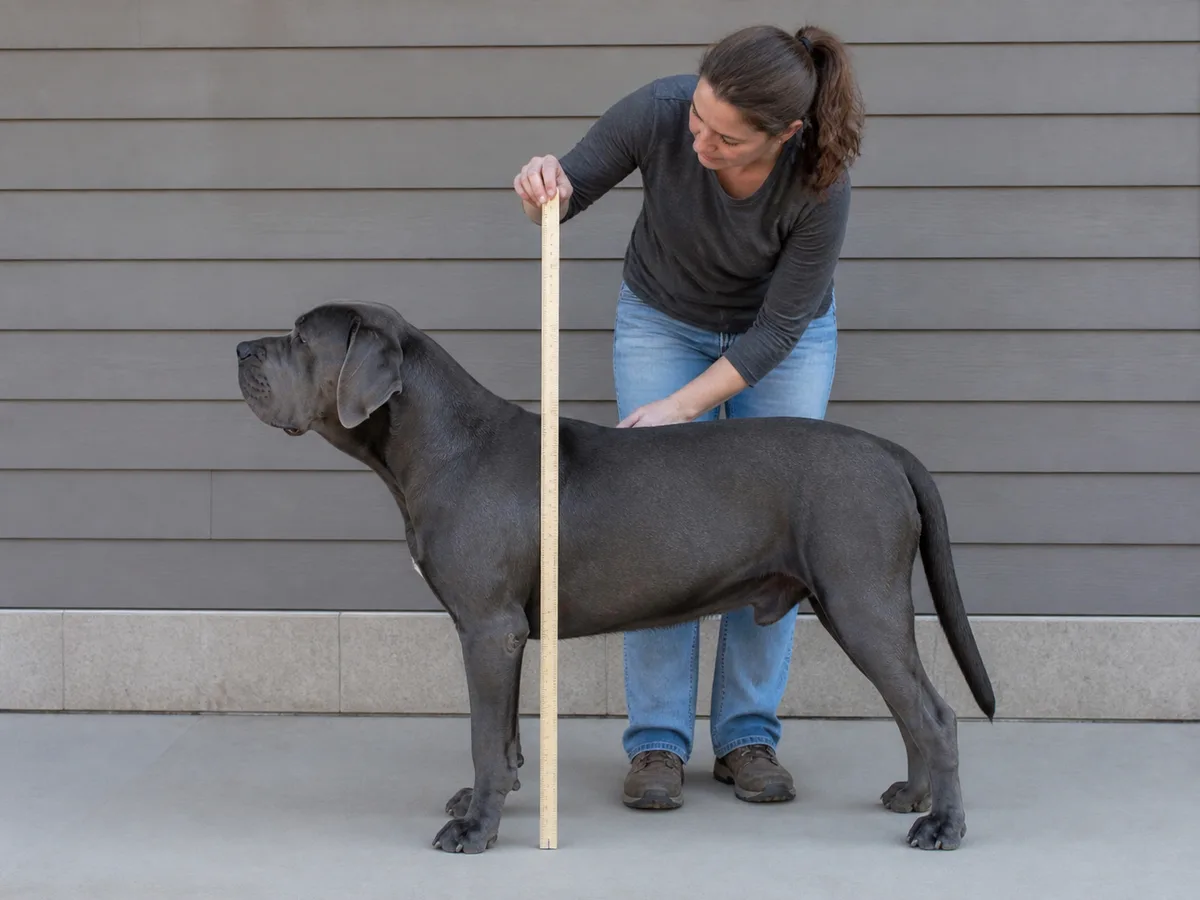
The planned photograph shows an owner measuring a calm Cane Corso at the withers on a level floor. Safety and cooperation matter more than obtaining a number on the first attempt.
Measuring height at home
Use a flat wall, a level floor, a rigid book or carpenter's level, and a tape measure. Have a second person reward the dog if that keeps the posture relaxed.
- Stand the dog squarely without pulling the head upward.
- Locate the top of the withers by touch.
- Place the rigid edge level across the withers to the wall.
- Mark or measure the vertical distance to the floor.
- Repeat once after the dog relaxes and record the method and date.
Stop if the dog is worried, painful, defensive, or unable to stand comfortably. A veterinarian or experienced professional can help obtain a safer measurement.
Weighing a large dog
A veterinary walk-on scale is usually the most practical option for an adult. Confirm that the scale reads zero, the dog is fully on the platform, and no handler is supporting weight. Note the time relative to meals and elimination when comparing close readings.
Home methods that require lifting become unsafe as the dog grows. Do not risk a fall or handler injury for a data point. Ask the clinic whether a brief scale visit is available and use the same scale when possible.
Reduce avoidable measurement error
Take two readings rather than repeating until you get the number you expected. If they differ materially, record both and note why the dog moved or the tool shifted. Round consistently and preserve the original unit so conversions do not create false precision.
Common sources of error include:
- Measuring to the head instead of the withers.
- Using carpet, a sloped driveway, or another uneven surface.
- Pulling the neck up or asking the dog to crouch.
- Reading a tape at an angle rather than vertically.
- Weighing while a leash, handler, or part of the dog is off the platform.
- Comparing a home scale, clinic scale, and shipping scale as if calibrated alike.
- Switching between pounds and kilograms without labeling the conversion.
Add the method to every entry. That simple note helps a future reader understand whether a difference reflects the dog or the measurement process.
A properly fitted walking harness requires a separate chest-girth measurement. Compare the PetSafe Easy Walk harness in Medium/Large only with the current sizing chart and the individual dog's measurements. The named size may not fit a mature Cane Corso.
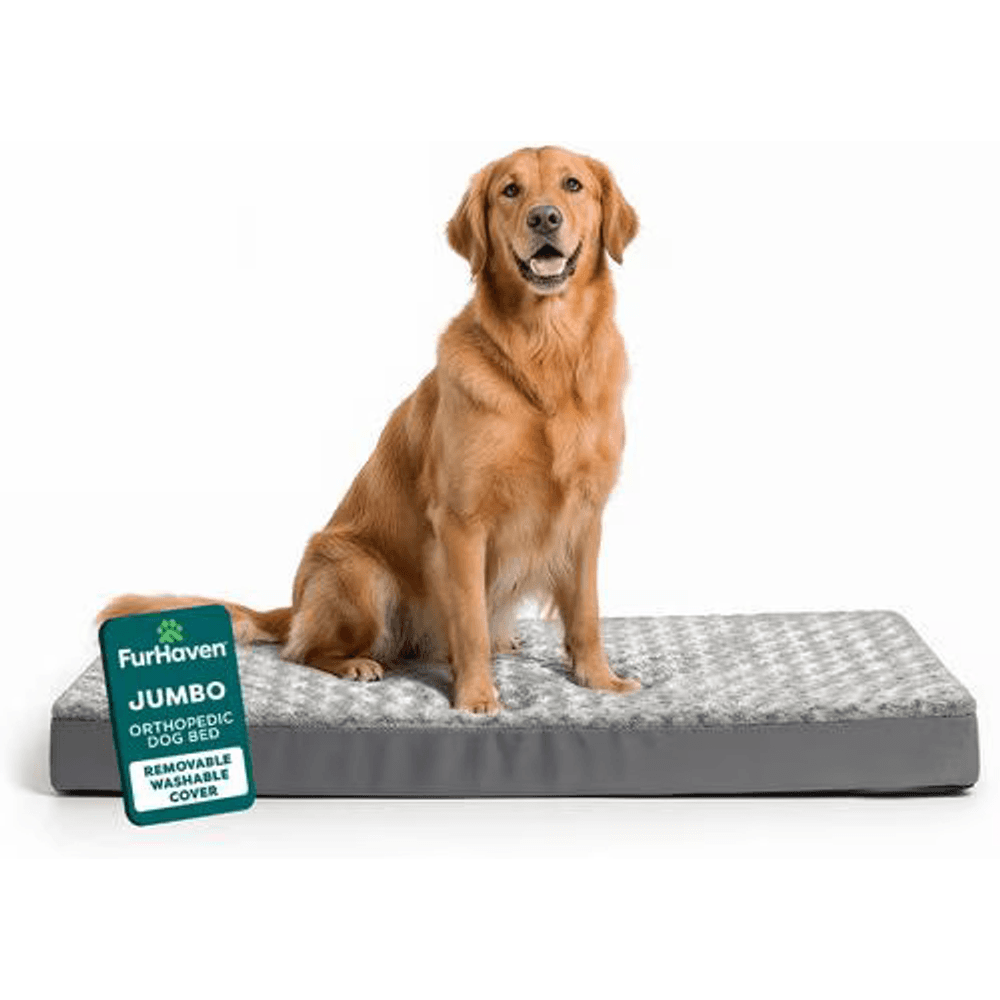
A plush orthopedic foam mattress that cushions aging joints and pressure points, giving a stiff or trembling senior dog warm, supportive rest.
Petful may earn a commission when you click through to Chewy, at no extra cost to you.

Petful may earn a commission when you click through to Chewy, at no extra cost to you.
Healthy body condition versus a chart
Cane Corso healthy weight is an individual clinical and body-condition question, not the point where a scale matches an internet average. The American Veterinary Medical Association healthy-weight guidance recommends involving a veterinarian in weight and feeding decisions.

The planned reference shows a fit adult Cane Corso from the side and above so the waist and rib area have context. A photograph can prompt questions, but coat, angle, posture, muscle, and camera distortion limit what it can establish.
Look, feel, and assess function
Body-condition assessment commonly considers whether ribs can be felt with an appropriate covering, whether a waist is visible from above, and whether the abdomen has a contour from the side. Muscle condition, mobility, pain, age, and medical history also matter. Ask your veterinarian to show you how to assess the individual dog.
Track these changes:
- Ribs becoming much easier or harder to feel.
- Waist or abdominal contour changing over a short period.
- Appetite, thirst, stool, energy, breathing, or exercise tolerance changing.
- Difficulty rising, reluctance on stairs, lameness, stiffness, or altered gait.
- Muscle loss despite stable scale weight.
- Rapid gain or loss on the same scale.
Do not use a published male Cane Corso weight to justify excess body fat, and do not restrict a growing puppy because another dog weighs less. The correct response to uncertainty is assessment, not competition.
Planning equipment by adult size
Plan equipment from measured adult dimensions while expecting replacements during growth. Crates, beds, harnesses, vehicle spaces, gates, and feeding stations solve different fit problems, so one XL label cannot answer all of them. For a configurable barrier, compare the Frisco Steel 8-Panel Configurable Dog Gate and Playpen by height, anchoring, spacing, room layout, and the dog's ability to push or climb.
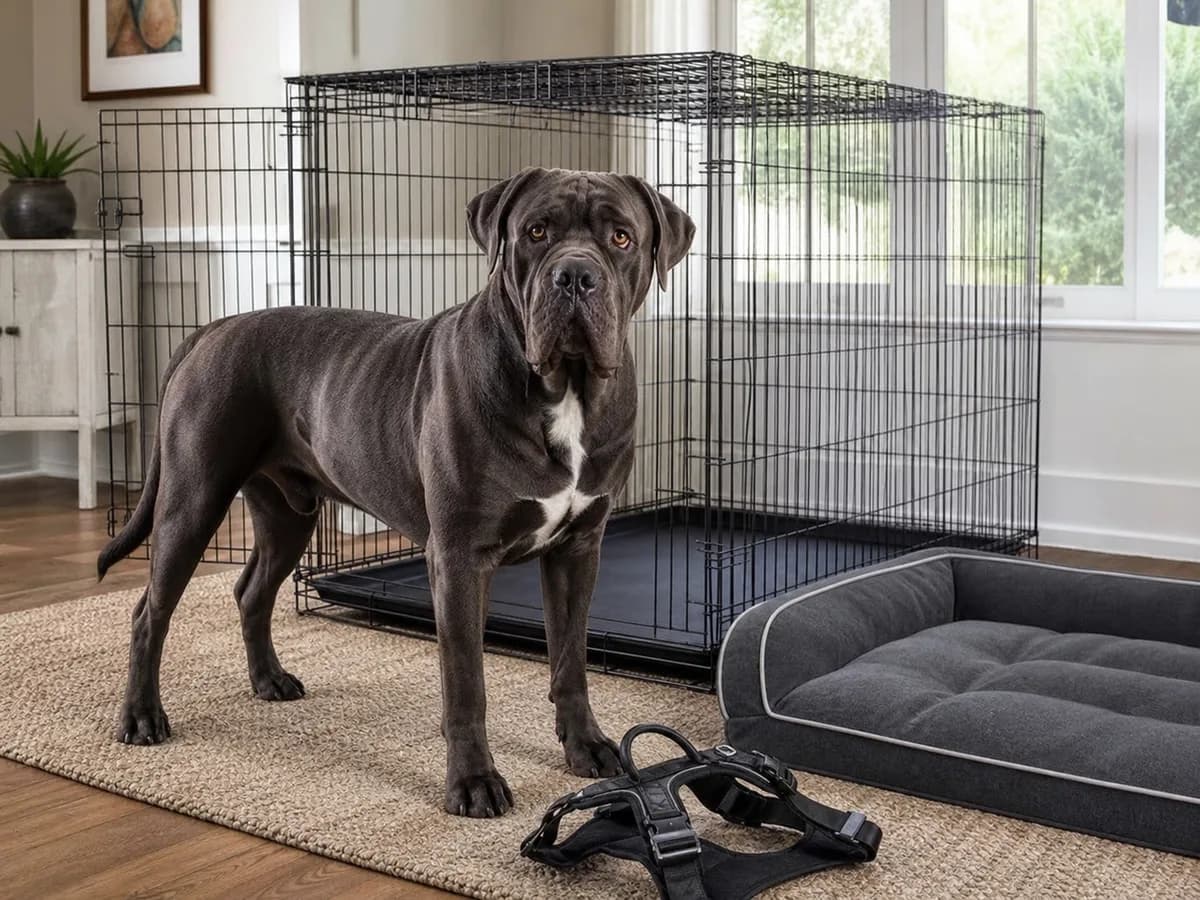
The planned image shows an adult Cane Corso beside an appropriately sized crate, jumbo bed, and harness. The relationship between dog and equipment is the evidence, not the size name printed on a package.
Crate, bed, and harness checks
For a crate, verify internal length, width, and height, door clearance, posture, divider use, and construction. The Frisco X-Large wire crate is one dimensional reference, not an automatic breed match.
For a bed, measure the dog's relaxed and stretched sleeping area, then add room for position changes. The FurHaven NAP Ultra Plush Orthopedic Deluxe bed in Jumbo is one option to compare for surface area, support, cover cleaning, room fit, and chewing behavior.
For a harness, measure the locations required by that manufacturer's chart and recheck fit during growth. The PetSafe Easy Walk harness must be evaluated by its current chart and adjustment range. A poor fit can rub, restrict movement, or allow escape. Equipment control is only one part of the plan. Petful's Cane Corso temperament, training and family suitability guide explains the handling skills, management routines, and household decisions that a correctly measured harness or crate cannot provide.
Plan the route, vehicle, and handling space
Equipment fit includes the space around the product. Measure the doorway through which an assembled crate must pass, the vehicle cargo opening, the floor area needed for a stretched bed, and the distance a handler needs to turn safely with the dog. A product can fit the dog yet fail the room or transport route.
Check:
- Whether the adult dog can enter the vehicle without a dangerous jump.
- Whether a crate door can open fully without blocking an exit.
- Whether the bed creates a trip hazard or traps heat in its chosen location.
- Whether the harness can be put on and adjusted without unsafe restraint.
- Whether a sick or injured adult could be transported by the available caregivers.
- Whether veterinary and boarding facilities can accommodate the dog's measured size and handling needs.
These questions convert adult dimensions into a household plan. They are more useful than choosing every item marked giant, mastiff, or XL.
Feeding equipment and body condition
Portion decisions belong to the feeding and veterinary plan, not the equipment. The Petlibro Granary WiFi feeder may support scheduling in some homes, but owners still need to confirm dispensed amounts, monitor appetite, clean the unit, and adjust the plan as growth and health change. If fast eating is an identified household concern, the JW Pet Skid Stop 6-cup Slow Feeder Dog Bowl is one bowl to compare by capacity, stability, cleaning, and muzzle access; it does not set calorie needs or portions.
A jumbo bed can remain useful into later life if it stays supportive and clean. Reassess the FurHaven Jumbo bed when the dog's mobility, sleeping posture, skin, temperature preference, or chewing changes.
When growth or weight needs veterinary input
Cane Corso health issues are owned in depth by Petful's veterinary-authored Cane Corso health and lifespan guide. For size tracking, contact a veterinarian about rapid or unexplained weight change, poor growth, persistent appetite change, repeated vomiting or diarrhea, unusual thirst, pain, swelling, lameness, weakness, breathing change, or loss of function.
Seek urgent or emergency guidance for collapse, severe breathing difficulty, a distended painful abdomen, repeated unproductive retching, inability to stand, major trauma, or rapid deterioration. Do not delay care while searching for a growth-chart explanation.
Bring the measurement context
Take the growth log, diet and treat details, medication and supplement list, parent information if known, photographs over time, and scale method. A veterinarian may confirm the reading, assess body and muscle condition, examine movement, and decide whether clinical testing is appropriate.
What to verify before you decide
Records and professional guidance should outweigh a dramatic size claim. Verify the dog's identity, age, measurement method, scale, official standard, body condition, veterinary findings, and equipment dimensions. Appearance is not documentary proof, and size cannot establish ancestry, health, power, or value.
- Do not feed extra calories or supplements to make a Cane Corso reach a social-media weight. Growth targets should support the individual dog's body condition, function and veterinary plan, not a competition for the largest number.
Is this the right dog for your household?
Household fit factors include space, secure management, transport, training, veterinary handling, equipment replacement, and the ability to care for a dog that may exceed 100 pounds. Individual behavior can vary, and physical size magnifies both good management and preventable mistakes.
- The household measures the individual dog before choosing equipment
- Replacement gear and large-dog care are included in the budget
- Decisions use body condition, function and individual records rather than online size prestige
- The home cannot safely separate visitors or transport the adult
- Essential equipment does not fit or veterinary access is impractical
- The owner pursues maximum weight rather than proportion, function and health
Cane Corso Size, Weight and Growth Guide FAQs
The Cane Corso is a large, powerful mastiff-type dog. Retail size labels such as XL are not standardized, so measure the individual dog before buying crates, beds, harnesses or travel equipment. Plan for adult strength as well as dimensions, and choose products by the maker's measurement chart and weight limits rather than by breed name alone.
A claimed 200-pound Cane Corso is far outside the size most owners should expect and may reflect exaggeration, mixed ancestry or an unhealthy body condition. Weight alone does not establish quality or strength. Verify the dog's measurements and records, and ask a veterinarian to assess body condition rather than pursuing an extreme number as a breed goal.
The breeds have overlapping size ranges, and an individual Cane Corso may be taller or heavier than an individual Rottweiler. A breed-level answer cannot predict two specific dogs. Compare actual height, length, weight and body condition when making equipment or handling decisions, and do not use exaggerated size claims as evidence of health, pedigree or suitability.
Most height growth occurs before complete physical maturity, while muscle and chest development may continue afterward. The timing varies with sex, genetics, nutrition and the individual puppy. Track steady development at veterinary visits and avoid forcing a puppy to match an online chart. Sudden changes or poor body condition deserve professional assessment.
A healthy weight is based on the individual dog's frame and body condition, not the largest number associated with the breed online. Ribs, waist, abdominal tuck and muscle should be assessed together. Ask a veterinarian to confirm body condition and feeding needs, particularly during growth, because deliberate overfeeding can stress developing joints without creating healthy size.

Coreen Saito is a pet writer and longtime shelter volunteer with more than a decade in animal rescue. She covers cat behavior, breed care, and the small, ordinary science of sharing a life with companion animals, with a particular focus on honest takes about the products and decisions that actually matter. At home in Arizona, she's outranked by Mac (a dog with the loudest opinion in the house), Rebel (a cat who governs by quiet authority), and Meri (an orange tabby who runs the late shift and the laundry basket). She writes about all three, plus the rescues that keep coming through her life, at LifeWithMinty.com.
Sign up for expert-backed reviews and safety alerts all in one place.