Cane Corso Puppies: Breeders, Adoption and Buying Safely
A Cane Corso puppy search requires health records, temperament transparency and a serious training plan before money changes hands or committing to a source.

Petful is reader supported. As an affiliate of platforms like Amazon and Chewy, we may earn a commission when you buy through links on this page. There is no extra cost to you.
Cane Corso puppies grow into powerful guardian dogs, so a safe search starts with adult-dog reality rather than a cute listing photo. Before paying a deposit, verify who bred or placed the puppy, meet the puppy and its environment when possible, review health and identity records, and decide whether your household can provide structured socialization, reward-based training, secure management, and lifelong veterinary care.
This is a records-first guide, not a list of endorsed Cane Corso breeders, rescues, or sellers. Individual dogs can vary. A pedigree, screening result, parent-club connection, shelter label, price, or appearance supplies one piece of evidence, not a guarantee of health, temperament, ancestry, or family fit.

Sign up for expert-backed reviews and safety alerts all in one place.
Cane Corso Puppies at a glance
A practical evaluation begins with the commitment: a Cane Corso puppy needs careful sourcing, early positive exposure, consistent handling, secure boundaries, and an owner prepared for a very strong adult. The safest search slows down before money changes hands and treats every seller claim as something to document.
- 1Start with the adult dog you are preparing to live with, not the puppy photo
- 2Verify seller identity, parent records, health screening, veterinary care and contract terms
- 3Observe temperament and handling without treating one short visit as a prediction
- 4Plan socialization, training, equipment and veterinary care before pickup because individual dogs can vary
- 5Breed tendencies describe populations, not every individual dog. Records, direct observation and professional findings answer different questions, and the household routine determines what will be practical.
Use this sequence before you apply, reserve, or adopt:
- Define the adult-dog skills and management your household can sustain.
- Verify the breeder, rescue, foster, or shelter and the puppy's identity.
- Review parent, health, veterinary, and contract records.
- Observe the puppy, adult relatives when available, and living conditions.
- Price the first year and confirm a pickup, training, and veterinary plan.
Petful may earn a commission when you click through to Chewy, at no extra cost to you.
Cane Corso puppies: start here
The phrase Cane Corso puppy can describe a documented purebred puppy, a dog whose ancestry is partly known, or a shelter puppy labeled from appearance. Those are different evidence situations. Appearance is not documentary proof, and neither a black mask nor a mastiff-shaped head establishes ancestry. Ask what is known, what is documented, and what remains uncertain.
The Cane Corso Association of America is the U.S. AKC parent club and provides a useful starting point for breed standards and responsible ownership context. A club listing or registry record can help organize a search, but it is not a blanket endorsement. You still need to verify each person, dog, record, environment, and contract yourself. Petful's Cane Corso breed profile supplies the broader history, appearance, care, and ownership context, while this guide narrows the decision to sourcing, records, early development, and safe preparation.
Here is a practical way to compare the evidence. Keep breed tendencies, documentary evidence, direct observation and professional findings from being treated as interchangeable.
| Evidence level | What it can help establish | What it cannot prove by itself |
|---|---|---|
| Identity records | Registered name, pedigree, microchip, breeder or rescue trail | Current health, future behavior, or ethical practices |
| Parent health results | Which named adults received specific screening and recorded results | That the puppy is free of every inherited or acquired condition |
| Veterinary record | Care documented for the named puppy to date | Future health or the accuracy of unrelated seller claims |
| Direct observation | Current handling, recovery, curiosity, environment, and interactions | Lifelong temperament from one short visit |
| Written contract | Payment, transfer, return, health, and support terms | That every verbal promise is true or enforceable everywhere |
Start with your household, not a seller filter
Before searching Cane Corso puppies for sale, write down who will train, exercise, feed, transport, supervise, and pay for the dog. Include visitor routines, children, resident animals, fences, shared entrances, travel, rental or insurance restrictions, and access to a qualified reward-based trainer.
A puppy should not be purchased as a shortcut to protection. Guardian tendencies may be part of breed context, but the Cane Corso temperament and training guide explains what households should evaluate. It explains why safe management, early socialization, repeated observation, and individual behavior matter more than slogans about loyalty or power.
Plan for adult size now
The puppy-sized carrier, bed, gate, and feeding setup will not remain adequate. Petful's Cane Corso size, weight and growth guide covers adult proportions, measuring, growth monitoring, and body condition. Use the expected adult range to plan doorways, vehicle space, secure barriers, veterinary handling, and replacement equipment without trying to predict one puppy's final number. For adult-size planning, compare the FurHaven NAP Ultra Plush Orthopedic Deluxe Bed in Jumbo by measured sleeping area, step-on height, cover care, and room fit.
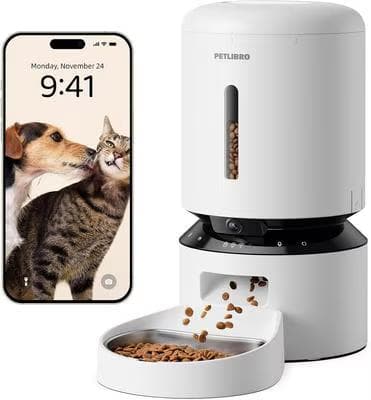
A timed feeding routine can help a household coordinate meals, but it does not choose portions or replace supervision. If it fits your plan, compare the capacity and camera features of the Petlibro Granary WiFi feeder with the actual food volume, bowl access, and feeding instructions your veterinarian recommends for the puppy.
How to evaluate Cane Corso breeders
Cane Corso breeders should be evaluated through evidence and access, not polished websites or urgency. A responsible conversation includes the reason for the litter, identities and ages of the parents, temperament and health history, screening records, puppy-raising practices, veterinary care, placement criteria, contract terms, and what happens if the owner can no longer keep the dog.
Ask the same core questions of every breeder:
- Can you meet the puppy and dam in the normal living environment, live or by a verifiable real-time video when distance makes an initial visit impossible?
- What are the registered names and permanent identification details for both parents?
- Which health screenings were completed, on which dogs, by which organizations, and what are the results?
- How are puppies handled and exposed to normal household sounds, surfaces, people, confinement, grooming, and transport?
- What veterinary care has the individual puppy received, and which records transfer at pickup?
- What does the contract say about deposits, health, registration, breeding rights, return, and lifetime rehoming?
- How does the breeder decide whether a puppy and household are a reasonable match?
The answers should remain consistent across conversation, documents, and direct observation. A seller who supplies a health-result screenshot should also provide enough identifying information for you to connect the result to the named parent and, when available, verify it in the issuing database.
Ask how puppies are matched
A thoughtful placement process looks beyond coat color, sex, or birth-order preference. Ask what the breeder has observed about each puppy's recovery, activity, frustration tolerance, engagement, handling, and response to new situations. Those observations should be described as current behavior, not a promise that one puppy will become protective, easygoing, dominant, or ideal with children.
Share your household honestly, including experience, work schedule, visitors, resident animals, training access, fencing, and limits. A breeder who asks detailed questions may be trying to reduce mismatch rather than create an obstacle. Still, the matching conversation is one evidence source. You remain responsible for checking records, observing the puppy, obtaining professional guidance when needed, and deciding whether the lifelong management plan is realistic.
What you should be able to observe
No single behavior predicts adulthood, but the environment should let you see how puppies are raised. Look for clean, safe space; appropriate contact with the dam; normal movement; opportunities to rest; and calm, humane handling. Ask how the breeder responds when a puppy is worried, overexcited, tired, or reluctant.
Be cautious when a seller stages only a parking-lot handoff, refuses live access, cannot connect records to named dogs, offers several unrelated breeds continuously, or pressures you to pay before ordinary questions are answered. A legitimate explanation can exist for a specific limitation, but it should not erase the need for verifiable evidence.
A heavy-duty crate can be part of a safe sleep and transport plan, not a punishment or substitute for training. Measure the dog and vehicle rather than buying by breed name alone. The Frisco X-Large Fold & Carry wire crate is one size reference to compare with your puppy's current needs, expected growth, divider options, and safe clearance.

Petful may earn a commission when you click through to Chewy, at no extra cost to you.
Temperament, parents and early handling
Cane Corso puppy temperament develops through genetics, prenatal and early conditions, learning, health, social experience, and continuing management. Meeting the dam and, when possible, the sire or other adult relatives can add context. It does not guarantee that every puppy will behave like an adult relative.

Watch how the adult dog and puppy respond to ordinary events without provoking them for a reaction. Useful observations include recovery after a mild surprise, willingness to engage or disengage, comfort with familiar handling, ability to rest, and the handler's response to uncertainty. Avoid anyone who deliberately frightens, corners, restrains, or teases a puppy to demonstrate toughness.
Socialization is not forced contact
Early socialization should create safe, positive, age-appropriate experiences. It is not a race to meet the greatest number of strangers or dogs. Quality matters: the puppy should have distance, choice, short sessions, rest, and a handler who notices stress before the puppy is overwhelmed.

Ask what the puppy has experienced and how those experiences were introduced:
- Different safe floor surfaces and household sounds.
- Gentle grooming, nail handling, collar or harness introduction, and veterinary-style touch. For a measured-fit introduction, the PetSafe Easy Walk Dog Harness is one harness to compare with the current sizing chart and the puppy's movement.
- Brief separation and comfortable confinement.
- Car travel and calm observation of the world from a safe distance.
- Carefully selected healthy dogs rather than uncontrolled dog-park exposure.
- Adults with varied appearances and movement, without forced greetings.
After pickup, continue with a qualified trainer who uses reward-based methods and can work with a powerful guardian breed. Punishment may suppress warnings without resolving fear or discomfort. If behavior changes suddenly, if the puppy appears painful, or if safety is at risk, involve a veterinarian and an appropriately qualified behavior professional.
For planned confinement outside the crate, a secure gate or pen can create a predictable rest area while the puppy learns household routines. The Frisco 8-panel configurable gate and playpen should be evaluated for height, anchoring, spacing, placement, and the individual puppy's climbing or pushing behavior before use.
Health screening and puppy records
Cane Corso health testing is parent-specific and result-specific. Ask for the registered name or permanent identification attached to every result, the type and date of screening, and the issuing organization. The Cane Corso Association of America health page describes parent-club health priorities, while the OFA CHIC program explains how breed-specific screening records can be organized.

Screening does not make a puppy risk-free. It helps buyers understand whether named parents received recommended evaluations and what those results showed. A result for one relative cannot be reassigned to another dog, and a DNA panel alone is not a replacement for every examination or imaging-based evaluation relevant to the breed.
Separate parent records from puppy records
Create two folders. The parent folder should contain pedigree, identity, and health screening tied to the adults. The puppy folder should contain the sale or adoption agreement, individual veterinary record, vaccination and parasite-control history, microchip information, registration transfer if applicable, and any health certificate needed for transport.
Before pickup, ask your own veterinarian when the puppy should be examined and which records to bring. Petful's Cane Corso health issues and lifespan guide covers joint, eye, heart, weight and healthy-aging concerns in detail. Do not diagnose a puppy from breed risk, and do not dismiss signs because a parent passed screening.

Petful may earn a commission when you click through to Chewy, at no extra cost to you.
Cane Corso adoption and rescue
Cane Corso adoption can be a responsible path when a rescue, shelter, or current owner is transparent about what is known and unknown. A Cane Corso rescue may have a documented pedigree for some dogs and only a visual breed label for others. Treat the label as a description when ancestry records are absent.
Ask for available veterinary history, microchip details, intake source, bite or incident disclosures where legally permitted, behavior observations across settings, foster-home notes, handling needs, medication, current diet, and return support. A shelter visit captures one environment. Foster observations over time can add context, but neither guarantees future behavior in your home.
Match the dog you can verify
An adolescent or adult may offer more observable information about size, handling, energy, and current behavior than a young puppy. That can help a household make a more grounded decision. It can also reveal training, medical, or management needs that require specific resources.
Ask how the organization introduces resident dogs, cats, children, or visitors, and whether the assessment involved controlled observations rather than assumptions. If a placement involves safety concerns, get professional guidance before bringing the dog home. Do not stage risky introductions to test a claim.

A durable rubber dog toy that can be stuffed with treats and selected by the manufacturer's size guide; supervise use and retire it when damaged.
Petful may earn a commission when you click through to Chewy, at no extra cost to you.
Contracts, deposits and scam red flags
A Cane Corso puppy scam often uses urgency, copied photos, inconsistent identity details, unavailable records, or payment methods that are hard to reverse. The Federal Trade Commission's pet-scam guidance recommends researching the seller, searching images and listing text, and using safer payment practices rather than paying a stranger who refuses normal verification.
Pause before payment when you see:
- A demand to pay immediately because several unnamed buyers are waiting.
- Refusal to show the live puppy with a verifiable person or environment.
- Photos, ages, sexes, names, or locations that change across messages.
- A surprise shipping, insurance, temperature-control, or crate fee after the first payment.
- Gift card, wire, cryptocurrency, or other hard-to-recover payment demands.
- Documents with mismatched names, dates, microchips, or issuing organizations.
- A contract that arrives only after the deposit or omits return and refund terms.
Read the contract before sending a deposit
The agreement should identify the parties and puppy, total amount, deposit status, payment schedule, pickup or delivery terms, included records, registration terms, health provisions, return expectations, and what happens if the placement cannot continue. Laws vary, so seek local legal guidance for contract questions rather than assuming a generic template controls every transaction.
Keep copies of the listing, messages, invoice, contract, payment receipt, veterinary and screening documents, and shipping details. If the evidence conflicts, pause. Losing a rushed opportunity is safer than escalating payments to make an uncertain transaction feel complete.
Durable enrichment can support supervised settling and training, but the toy must fit the puppy's size, chewing style, and condition. Consider the KONG Classic, Large only after checking current sizing guidance, supervising use, and replacing it if it becomes damaged.
Prepare for pickup and the first weeks
The first weeks should prioritize safety, sleep, predictable routines, veterinary follow-up, toilet training, short reward-based lessons, and controlled exposure. Avoid an exhausting parade of visitors and outings. A young puppy needs recovery time and careful infection-risk decisions guided by a veterinarian.

Prepare these systems before arrival:
- A secure sleep and rest area with a crate that allows safe posture and can be adjusted as the puppy grows.
- Barriers that prevent access to doors, stairs, kitchens, children, and resident animals when active supervision is not possible.
- A feeding plan based on the food, schedule, body condition, and veterinary advice rather than an automatic breed portion.
- A pickup and first examination appointment with copies of every record.
- A trainer or class selected for reward-based methods, safe group size, and guardian-breed experience.
- An emergency contact and transport plan for a dog that will become difficult to lift.
The Frisco X-Large wire crate may suit part of a growth plan when its measurements, divider, door placement, and construction match the dog and room. A crate is not secure simply because it is labeled X-Large. Recheck fit and condition as the puppy grows.
A Frisco configurable gate and playpen can divide a room or protect an entry when properly configured, but no portable barrier is escape-proof. Supervise early use, anchor the setup as directed, and move it if the puppy rehearses climbing, chewing, or pushing.
Cane Corso puppy price
How much does a Cane Corso puppy cost? There is no single durable national price that tells you what a specific puppy or placement should cost. Geography, age, pedigree, registration, included veterinary care, screening records, transport, and contract terms can all change a quote. A higher amount does not prove ethical practices, health, temperament, or identity.
Petful's Cane Corso price guide covers dated acquisition ranges and lifetime budgeting. Use it to separate the deposit and purchase or adoption fee from first-year equipment, training, food, preventive veterinary care, insurance choices, and emergency reserves. Ask for an itemized current quote rather than applying an old range to every seller.
The Petlibro Granary WiFi feeder can be compared as a scheduling tool for a suitable household, not as a substitute for choosing food or monitoring growth. The KONG Classic, Large is likewise an optional supervised enrichment purchase, not evidence that a puppy package is complete.
What to verify before you decide
Records and professional guidance should carry more weight than sales language. Verify identity, parent results, the puppy's veterinary history, direct access, contract terms, and the practical plan for an adult dog. Appearance is not documentary proof, and no single certificate predicts the entire future.
- Stop if the seller cannot connect the live puppy, named parents, health records and contract to one consistent identity. Do not let scarcity, color, protection claims or a shipping deadline replace ordinary verification.
Use a final decision sheet with four columns:
- Documented: Identity, pedigree, parent screening, veterinary care, microchip, and written terms you can verify.
- Observed: Living conditions, handling, recovery, activity, and interaction you saw directly.
- Professionally assessed: Findings from your veterinarian, qualified trainer, or other appropriate professional.
- Still uncertain: Ancestry without records, adult temperament, final size, future health, and unsupported seller claims.
Is this the right dog for your household?
A Cane Corso can fit a prepared household that values training, management, veterinary care, and realistic guardian-breed responsibility. The same puppy may be a poor match where supervision is inconsistent, access cannot be controlled, the budget has no room for training or emergencies, or family members disagree about rules.
- Prepared owners can plan structured reward-based training, secure management, large-dog equipment, veterinary care and daily involvement
- A careful household can verify records, repeat observations and seek professional support
- Early planning can make puppy routines and adult-dog expectations more realistic
- Limited control at doors or shared spaces can make mistakes high consequence
- No plan for visitors or resident animals can create preventable risk
- Breed reputation cannot replace evaluation of the actual dog because individual behavior varies
Household fit factors should be written, not assumed. Decide who handles morning care, training, exercise, transport, introductions, veterinary visits, and emergencies. Revisit the decision with the adult size and lifespan in mind. Individual behavior can vary, and the safest answer may be to wait or choose a dog whose verified needs better match the home.
Cane Corso Puppies FAQs
Cane Corso puppy prices vary widely with location, documented parent screening, breeder practices, pedigree claims and included support. A high price does not prove responsible breeding. Compare contracts, health records, living conditions and temperament practices, then budget separately for veterinary care, secure equipment, training, food and the emergency needs of a powerful large-breed dog.
Verify the breeder's identity, the parent dogs, recommended health-screening results, the puppy's veterinary records and the written contract. Ask how puppies are socialized and matched to homes, and confirm any registry results independently. A responsible breeder should discuss management and temperament honestly, avoid urgency and provide a clear return policy for the dog's lifetime.
Ask for verifiable results that match current parent-club guidance, including orthopedic, cardiac and eye evaluations where recommended. Confirm records directly in the relevant database when possible. A commercial DNA panel can add information but does not replace every clinical screening. Review the specific results with your veterinarian or another qualified professional if anything is unclear.
Yes. Breed rescues and shelters may have Cane Corsos or similar mastiff-type dogs needing homes. Ask for all available health and behavior history, learn how the dog responds to handling, visitors and other animals, and confirm the organization's return support. Adoption still requires a realistic budget, secure management, training and local housing or insurance checks.
Watch for copied images, prices that create urgency, refusal to use live video, unverifiable health documents, inconsistent seller details and demands for unusual payment methods. Search images and contact information independently, confirm records with their issuing organizations and never pay simply because a seller claims another buyer is waiting. A legitimate transaction should withstand careful verification.
Prepare secure confinement, safe gates, correctly sized walking equipment, identification, a food transition and an early veterinary appointment. Arrange reward-based training before the puppy arrives and agree on household rules for doors, visitors, children and other pets. Because an adult Cane Corso is powerful, calm handling and consistent management should begin while the puppy is small.

Coreen Saito is a pet writer and longtime shelter volunteer with more than a decade in animal rescue. She covers cat behavior, breed care, and the small, ordinary science of sharing a life with companion animals, with a particular focus on honest takes about the products and decisions that actually matter. At home in Arizona, she's outranked by Mac (a dog with the loudest opinion in the house), Rebel (a cat who governs by quiet authority), and Meri (an orange tabby who runs the late shift and the laundry basket). She writes about all three, plus the rescues that keep coming through her life, at LifeWithMinty.com.
Sign up for expert-backed reviews and safety alerts all in one place.