Basenji Lifespan: What Research and Health Tests Show
Compare Basenji lifespan estimates with the 2024 UK study, understand what Fanconi and other health tests establish, and organize practical care and observations as your dog ages.

BVMS, MRCVS
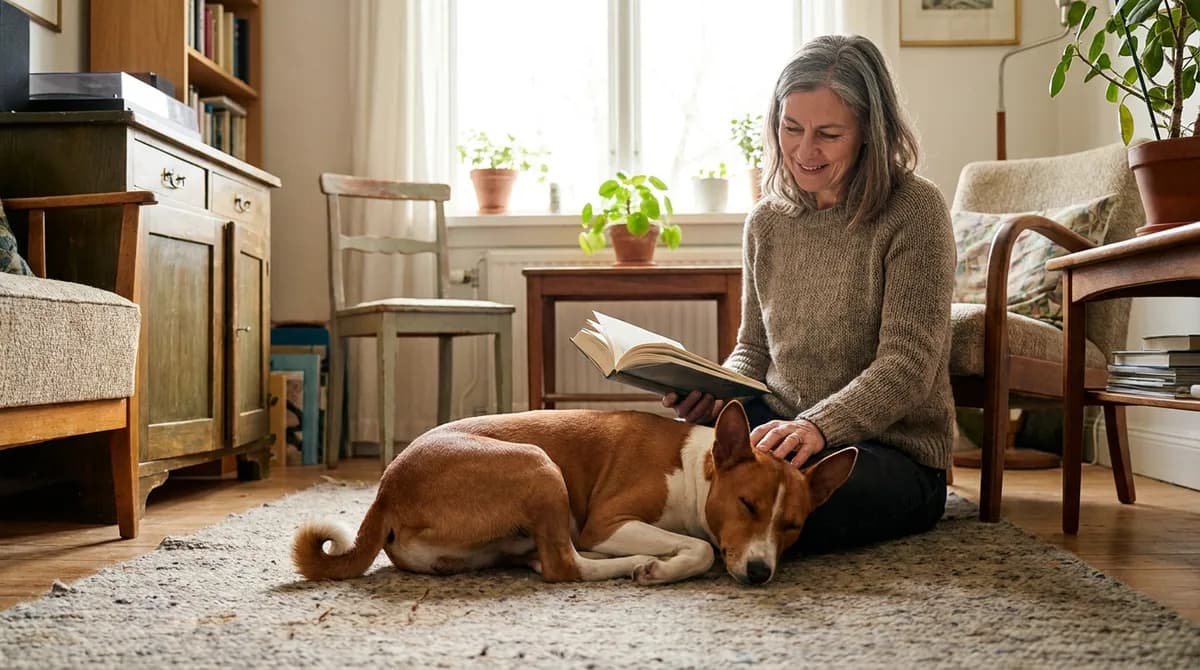
Plan care around the individual dog rather than a predicted lifespan.
Petful is reader supported. As an affiliate of platforms like Amazon and Chewy, we may earn a commission when you buy through links on this page. There is no extra cost to you.
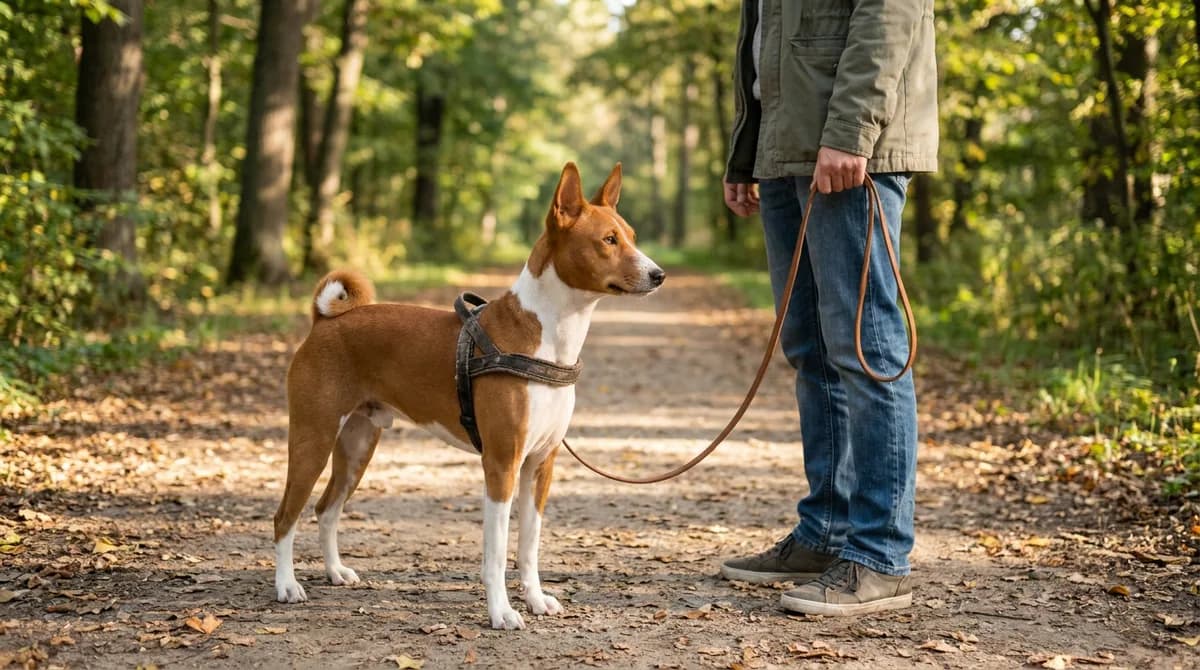
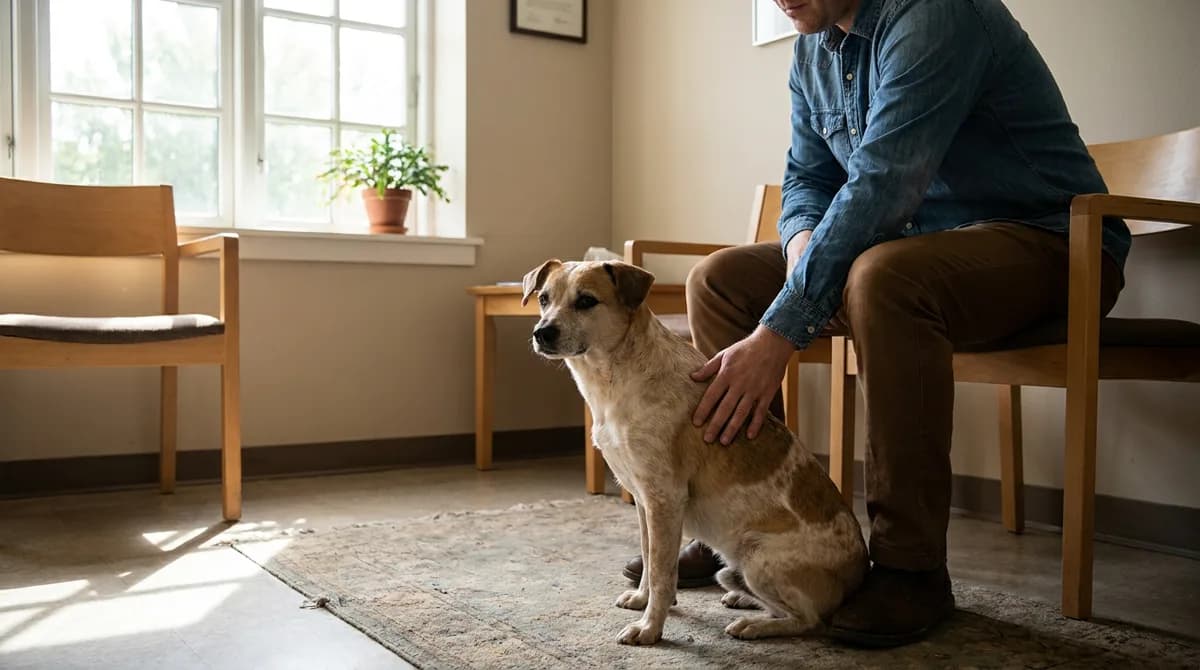
Basenji lifespan figures need a little context. The Basenji Club of America gives a general estimate of 13–14 years, while a 2024 UK study estimated a median lifespan of 12.1 years for its Basenji subgroup. These reference estimates describe different kinds of evidence, not a deadline for your dog.
For an owner, the practical work is to understand the records you have, arrange appropriate veterinary care and notice changes over time. A genetic result can answer a specific inherited-risk question. It cannot reveal exactly how long a dog will live.

Sign up for expert-backed reviews and safety alerts all in one place.
How long do Basenjis live?
The Basenji Club of America, or BCOA, describes a general lifespan of 13–14 years. The Dogs Trust 2024 research table reports a 12.1-year median for 92 Basenjis, including 30 deceased dogs. Keep those labels attached when comparing the figures.
People often ask for the average lifespan of a Basenji, but average can obscure the distinction between a general breed estimate and a calculated statistic. The study's median is not a measured arithmetic mean, and the club's estimate is not the same study result expressed as a range. Averaging the two would create a new number without a defensible meaning.
Use longevity information to prepare for continuing care:
- Keep identifiable health records and laboratory reports.
- Establish veterinary care that reflects age, findings and individual needs.
- Plan for ordinary expenses and unexpected illness.
- Adjust activity, access and rest when the dog needs help.
- Report changes without assuming they are inevitable consequences of age.
An older Basenji is still an individual. One dog may remain comfortable with a familiar routine while another needs changes sooner. Birth date, medical history and current findings are more useful for decisions than trying to infer age or health from a gray muzzle.
Basenji Breed Guide: Personality, Sounds and Care
Basenjis are alert, independent hounds that can be affectionate with familiar people. Their short coat does not remove the need for exercise, handling practice and secure outdoor management. Our Basenji breed guide explains the broader daily routine. Understanding what is normal for your Basenji dog makes it easier to notice a change in appetite, activity, social contact or comfort later.
Preventive care through each life stage
A useful care plan changes with the dog. Discuss examinations, vaccination, parasite prevention, nutrition, oral care and any recommended monitoring with your veterinary team. There is no single package that guarantees longevity, and buying more products does not necessarily provide better care.
Start with comfort in the ordinary environment. The dog should be able to reach water, rest and move through the home without repeatedly struggling. When choosing a bed, compare the actual sleeping area with the dog's stretched-out position and consider how easily it can step on and off.
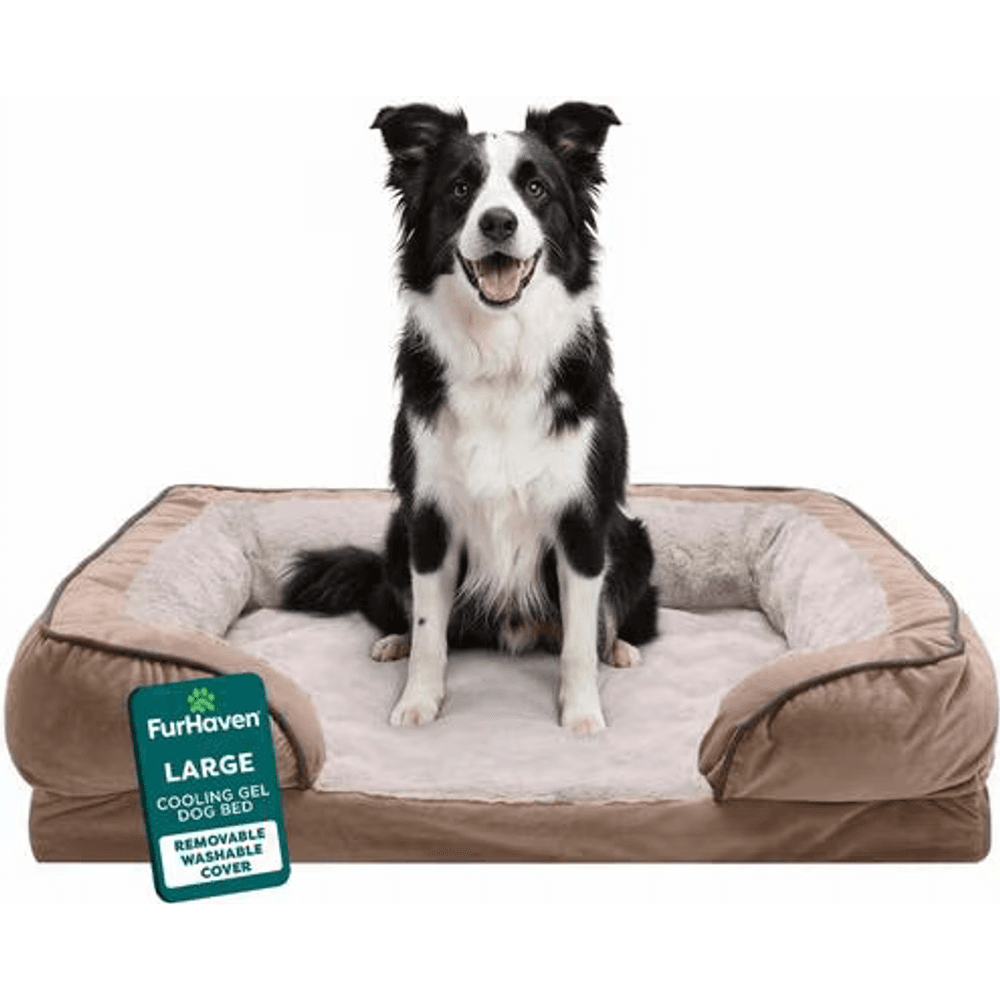
Compare the FurHaven Velvet Waves bed with your dog's sleeping size and access needs. Comfortable rest is its purpose, not a lifespan promise.
Petful may earn a commission when you click through to Chewy, at no extra cost to you.
Build a useful baseline in puppyhood
Bring the available breeder or rescue records to the first veterinary visit. Include the puppy's own documents and any identified parent screening. Ask which findings apply directly to the puppy, which describe inherited risk through the parents, and what follow-up remains appropriate.
Create one accessible record with:
- The dog's identity and known birth date.
- Vaccination and parasite-prevention history.
- Laboratory and screening reports.
- Current food, feeding amounts and treats.
- Medication or supplement names and instructions.
- Contact details for the regular clinic and emergency service.
Teach comfortable participation in everyday handling. Brief, rewarded practice with looking at the mouth, touching paws and stepping onto a low platform can make future care easier. Work within the puppy's comfort and stop before restraint becomes a struggle. Your veterinary team can show you an appropriate approach.
Dental care deserves its own routine. Introduce mouth handling gradually and ask which brush and dog toothpaste suit the individual. Do not force a finger or tool into the mouth of a dog that resists or appears painful. New difficulty chewing, bleeding or reluctance to accept familiar handling should be discussed with the clinic.
The Jasper 360 finger toothbrush is one home-care option for a dog already comfortable with that approach. WebVet's dog dental health guide explains how ordinary home care fits alongside professional assessment. A brush does not remove the need for veterinary dental treatment when indicated.
Questions for routine visits
Prepare a few practical questions for routine appointments rather than leaving with a general instruction to monitor the dog:
- Which part of the care plan is due next, and when?
- What should prompt an earlier call?
- Who should receive records from another clinic or laboratory?
- Are there handling exercises that would make the next visit easier?
- How should you contact the practice about a nonurgent concern?
Write down the agreed next step before leaving. If an instruction is unclear, ask the team to explain it in terms you can follow at home. A plan is most useful when you know what to do, what to observe and when to return.
For a puppy, also ask how age and vaccination status affect activities and appointments. Follow the individualized advice rather than copying another litter's schedule. Keep the plan with the records so everyone caring for the dog works from the same information.
Maintain a consistent adult routine
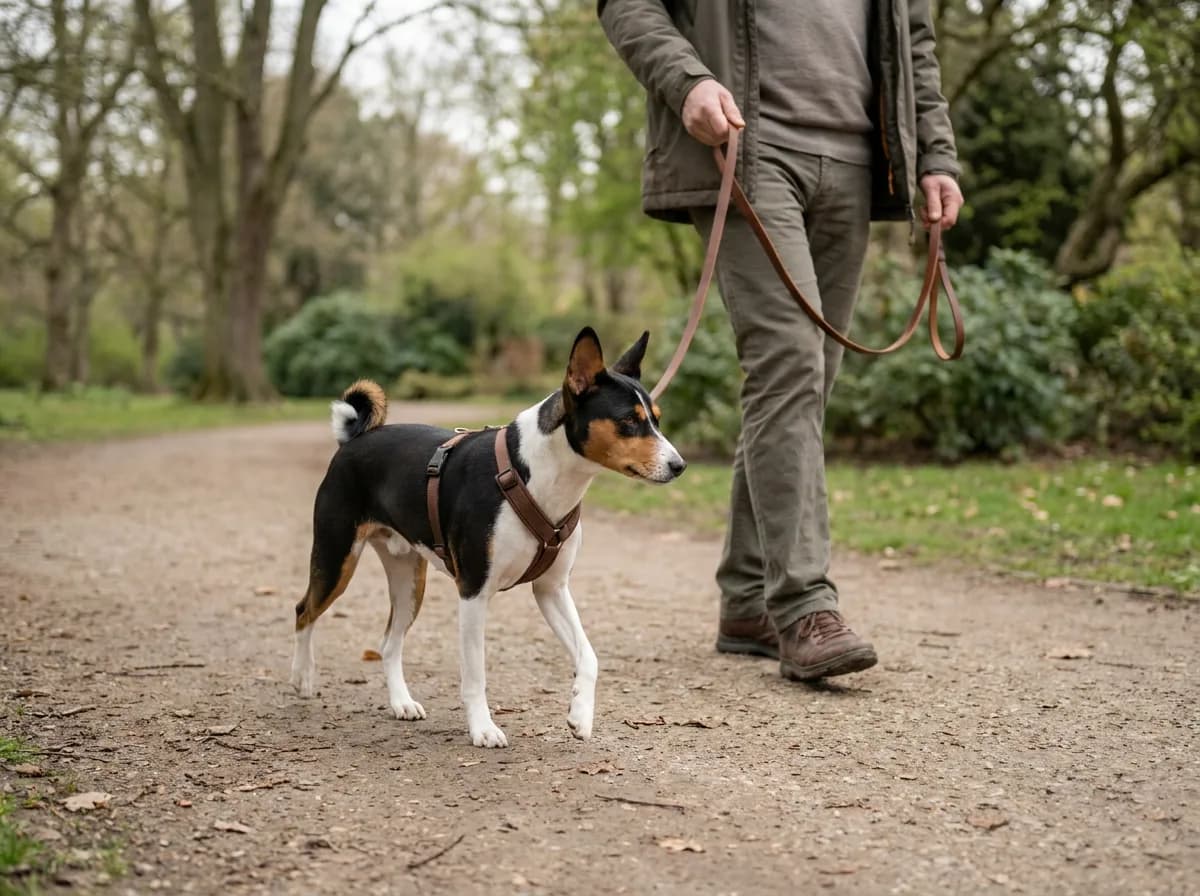
During adulthood, consistency makes changes easier to recognize. Know what the dog normally eats, how it moves on familiar routes and whether its drinking and toileting pattern has changed. You do not need to turn every day into a medical examination; a reliable ordinary routine gives later observations context.
Review food quantities when activity or body condition changes. Include training rewards and enrichment food in the overall allowance instead of treating them as invisible extras. Ask your veterinarian about a suitable body condition and feeding plan rather than choosing a target from another owner's dog or a breed photograph.
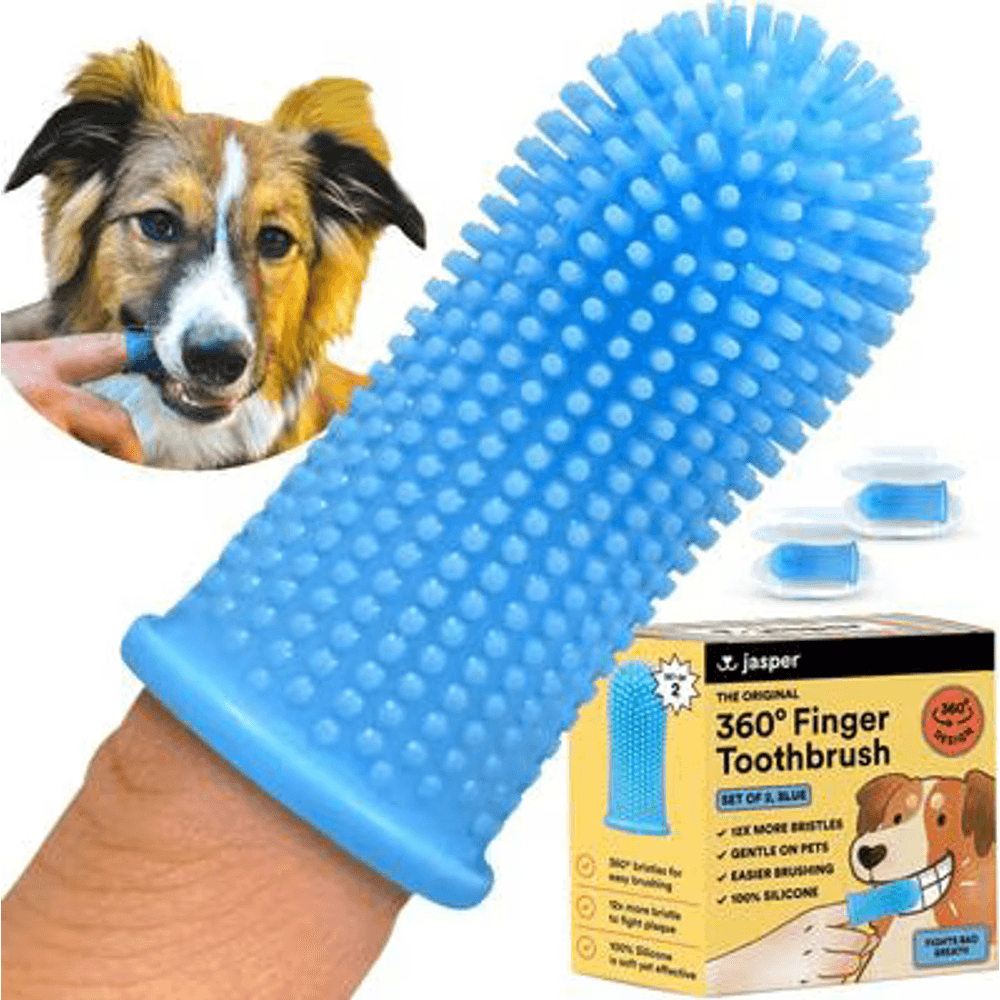
Consider the Jasper finger toothbrush if your dog comfortably accepts mouth handling. Use an appropriate dog toothpaste and follow veterinary guidance.
Petful may earn a commission when you click through to Chewy, at no extra cost to you.
At routine appointments, explain changes that might otherwise seem unrelated:
- A familiar walk now takes more effort.
- The dog leaves part of a meal or takes longer to eat.
- It asks to go outside more often.
- It avoids an activity or resting position it previously used.
- A household change has altered exercise, feeding or time alone.
Continue secure exercise and opportunities to investigate. A manageable walk, a supervised search or short training practice can provide engagement without requiring a fixed daily mileage. Adjust the activity to weather, health and the dog's response, and discuss persistent limitations rather than trying to push through them.
A simple activity record can help when something changes. Note the route or game, how the dog participated and how it behaved afterward. “Stopped twice on the usual flat route and was reluctant to rise later” gives the veterinarian more information than “seems older.” Do not deliberately repeat an activity that appears painful just to obtain another observation.
Adapt the routine as needs change
Make adjustments around the actual difficulty. If the dog slips on a particular surface, consider traction in that location. If it struggles to reach a usual resting place, provide an accessible alternative. Keep pathways clear and avoid repeatedly moving essential items when the dog relies on a familiar arrangement.
Comfort aids support daily life but do not establish a diagnosis. The FurHaven Velvet Waves bed is an option to compare by dimensions and access; its product category does not prove that it treats a particular condition. If a dog cannot settle comfortably or rise as usual, discuss the change instead of relying on a new bed alone.
Keep enjoyable activities achievable:
- Offer an activity the dog has previously enjoyed.
- Make access and footing comfortable.
- Allow pauses and an easy way to stop.
- Note whether participation or recovery differs from usual.
- Ask for advice if difficulty persists or progresses.
Keep care manageable for the household
A care plan needs to work on an ordinary busy day as well as immediately after a veterinary visit. Decide who gives prescribed medication, who records changes and who arranges follow-up. If more than one person provides care, use one shared record so a dose or task is not accidentally repeated or missed.
For any prescribed treatment, retain the clinic's directions and confirm questions with the prescribing team. Do not alter an instruction because another Basenji owner uses a different schedule. Two dogs with the same breed or even the same diagnosis may have different findings and treatment needs.
Before a caregiver or sitter takes over, provide:
- The current written routine and veterinary contact details.
- The exact feeding and treatment instructions they need.
- The dog's usual toileting, activity and resting pattern.
- Any movement or handling restrictions from the veterinary team.
- Changes that should prompt a call rather than waiting for your return.
Travel and moving home can also interrupt routine care. Arrange the transfer of records, identify where follow-up will take place and check supplies before the change. Keep the original laboratory reports available even if the new clinic receives a summary, since the precise test name and interpretation may matter.
When ongoing care becomes more demanding, ask the clinic to help prioritize. Clarify which tasks are essential now, which observations will guide the next decision and whether a different approach would be easier for the dog or caregiver. Do not quietly abandon a difficult part of the plan or add an unverified remedy because the instructions feel overwhelming.
Daily comfort is a useful focus for that conversation. Describe the dog's ability to:
- Rest comfortably and eat its usual meals.
- Move to water, toileting areas and resting places.
- Enjoy familiar interactions without being pressured to participate.
A good day is defined by the individual's needs, not by matching a younger dog's activity. These observations help the veterinary team discuss support without pretending they can be converted into a precise lifespan forecast. Agree on how follow-up will happen, including who will review your observations and what should prompt an earlier call. If the dog has several ongoing needs, ask for the plan in priority order. That gives the household a clear next action and reduces the risk that an important change gets lost among routine tasks.
Basenji Temperament: Training, Alone Time and Family Fit
Basenjis can form close bonds and enjoy affection, while preferences for cuddling and company vary. Independence can make training more demanding when motivation and context are overlooked. Our Basenji temperament guide explains reward-based practice, gradual alone-time skills and temperament with other dogs. Those continuing management needs can be a downside for an unsuitable household. New withdrawal, handling sensitivity or trouble coping with familiar routines should not automatically be attributed to personality.
Fanconi syndrome and what genetic testing means
Fanconi syndrome is an important Basenji health consideration because it affects kidney-tubule function. The UC Davis Veterinary Genetics Laboratory's Fanconi information describes an inherited form associated with a variant in the FAN1 gene and an autosomal recessive pattern.
In a recessive condition, the number of copies of the relevant variant matters. A carrier has one copy; a dog with two copies has a different risk category. A Fanconi test result should therefore be read using the laboratory's actual interpretation, not reduced to a vague statement that the dog tested positive.
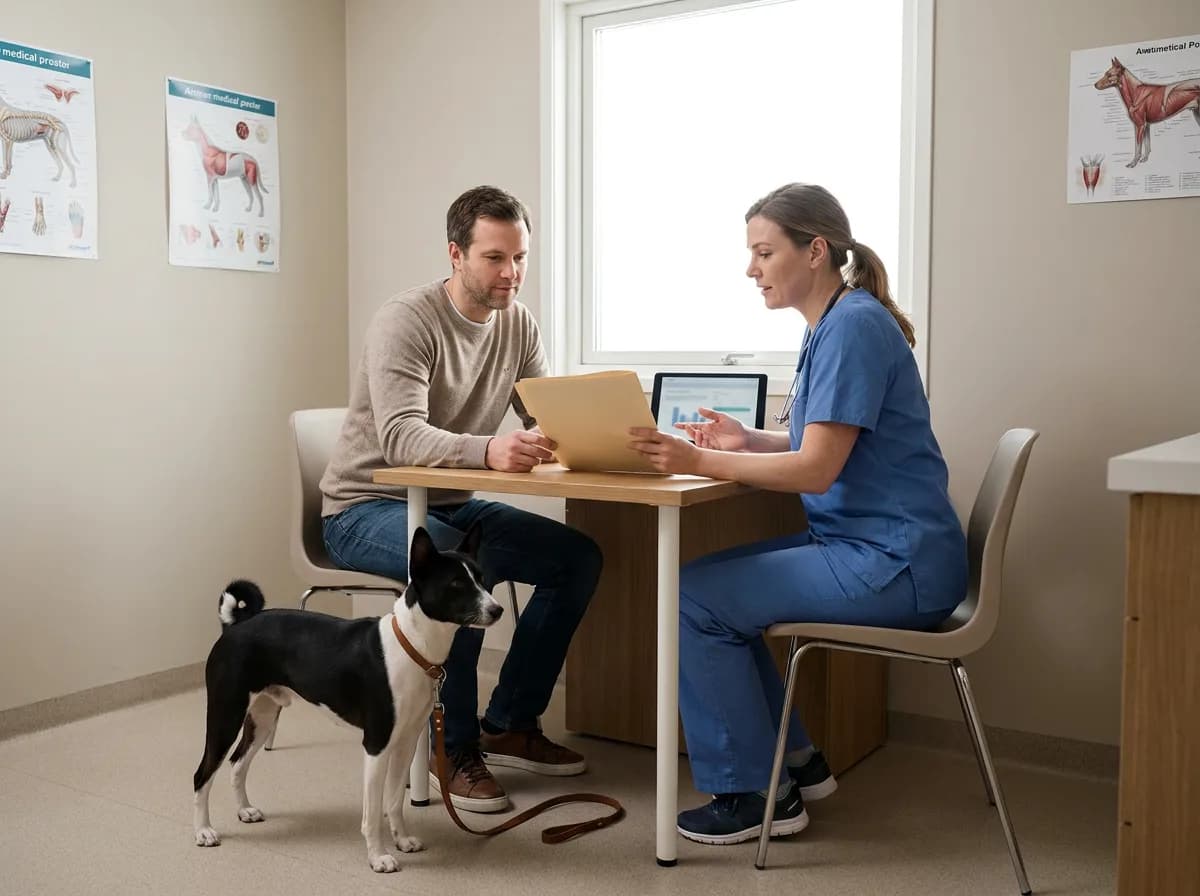
The DNA result describes the tested inherited variant. It is different from an examination, blood test or urine assessment investigating the dog's current condition. Screening is not diagnosis: an inherited-risk category and clinical evidence answer related but distinct questions.
| Result category | Meaning for the specified FAN1 variant | What to do with the information |
|---|---|---|
| Clear | The tested variant was not detected | Keep the original report; this is not a general health clearance |
| Carrier result | One copy of the tested recessive variant | Ask for the laboratory's category interpretation; carrier is not equivalent to clinically affected disease |
| Two-copy or affected-risk category | Two copies of the tested recessive variant | Discuss appropriate clinical assessment and monitoring with your veterinarian |
| Any genetic category | Information about the specific inherited variant | Screening is not diagnosis; current signs need their own evaluation |
UC Davis describes clinical signs commonly emerging at 4–8 years, including increased thirst and urination and sometimes weakness or weight loss. Glucose can appear in urine despite normal blood glucose. These findings require veterinary interpretation; the age range is not a reason to ignore signs in a younger or older dog.
In particular, do not decide that urine glucose means diabetes or that a DNA result alone explains every urinary change. The veterinarian needs the history, examination and appropriate testing to understand what is happening. A home observation can start that conversation, but it cannot replace it.
When discussing the report, ask:
- Which variant was tested, and what is the exact result?
- Does the report identify my dog correctly?
- Does this category call for further clinical assessment?
- What changes should I report between visits?
- Which follow-up tests or observations are appropriate for this dog?
A normal-looking puppy can carry inherited information that is relevant later. Conversely, a carrier label does not mean the dog is already suffering from Fanconi syndrome. Avoid confusing a breeding-risk discussion with a diagnosis of current illness.
For a prospective puppy, the BCOA advises reviewing both parents' results and using appropriate clear-parent information for relevant recessive tests. Keep the original records and have unclear combinations explained. A verbal assurance that the parents were health tested does not identify which condition was tested, the result or the animals to which it applies.
If a dog develops increased thirst, more frequent urination, unexplained weight loss or weakness, contact the veterinary clinic rather than waiting for the next routine check. Keep water available. Do not start a supplement protocol or change prescribed treatment based on a breed article; management must reflect the dog's clinical findings.
Everyday enrichment alongside care
A supervised food search can be adjusted to the dog's interest and ability. Keep the setup easy enough to use without frustration, account for the food in the daily allowance and remove materials the dog tries to chew or swallow. It should be an optional activity, not a test of how youthful the dog remains.
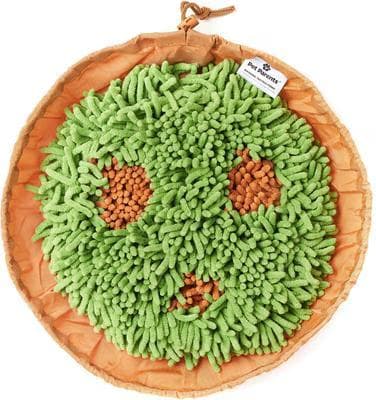
Use the Pet Parents Forager for supervised food searching suited to your dog. Count the food in its allowance and remove chewed material.
Petful may earn a commission when you click through to Chewy, at no extra cost to you.
The Pet Parents Forager provides one such searching surface. Check whether the dog can reach and use it comfortably, and supervise the session. A food puzzle is not a treatment for illness or evidence that an older dog is healthy simply because it participates.
Other health records to ask for
The BCOA health guidance discusses more than Fanconi testing. It includes progressive retinal atrophy testing, ongoing eye examinations and thyroid and hip screening. These records belong together, but they are not interchangeable.
The UC Davis Basenji health panel includes tests for Fanconi syndrome, Basenji progressive retinal atrophy and pyruvate kinase deficiency. Panel contents should be checked by their named tests. A package described as comprehensive still addresses its listed variants rather than every possible inherited or acquired disease.
| Record | What it addresses | What remains separate |
|---|---|---|
| Fanconi DNA test | The listed FAN1 variant | Current kidney and general health assessment |
| PRA-BJ1 DNA test | The specified Basenji PRA-associated variant | Other causes of eye disease and ongoing eye examinations |
| Pyruvate kinase DNA test | The named inherited variant included in the panel | Other causes of illness and any clinical assessment needed |
| Clinical eye examination | Eye findings at the examination | Genetic reports and future changes |
| Thyroid and hip records | The particular evaluation documented | Other health systems and later clinical findings |
| Every report | Identity-matched records, date, laboratory or examiner and result | A verbal summary does not replace the original record; panels cover listed variants |
The UC Davis Basenji PRA test concerns a recessive variant in the SAG gene. Affected adult dogs can develop difficulty seeing in low light, with progression toward blindness. The BCOA notes that PRA-BJ1 does not explain every case of progressive retinal atrophy in Basenjis. That is why a clear result cannot be treated as an all-eye-disease clearance.
Keep the reason for each record visible. DNA testing describes inherited status for the variant tested. An eye examination describes clinical findings at that time. A previous hip or thyroid evaluation documents that particular assessment, not an unchanging lifetime condition.
Separate the result from the sales description
A seller's phrase such as health cleared may summarize several documents, one test or simply a recent examination. Ask what it refers to before treating it as a meaningful category. The underlying reports should show which questions have actually been addressed.
Consider a hypothetical set of records: a normal puppy examination, a parent's Fanconi DNA result and the puppy's own PRA-BJ1 result. These are three different pieces of information. The examination concerns findings in the puppy at that visit. The parent report describes that parent's inherited status. The puppy's PRA-BJ1 report concerns the tested eye-disease variant. None turns the other two into a complete lifetime clearance.
Use a report-by-report review:
- Identify the animal named on the document.
- Identify the condition, variant or examination involved.
- Read the full result and any laboratory explanation.
- Note whether the document is genetic screening or a clinical assessment.
- Ask what additional information is needed for your current decision.
This approach is useful even when all available reports are reassuring. It prevents a narrow result from being stretched into a promise it was never designed to make. It also lets you identify an actual missing record instead of requesting the same test again because its name was not recognized.

Compare coverage choices for your pet, then request a quote directly on Lemonade.
- Check a price for your pet
- Review available coverage choices
- See the terms before you decide
Eligibility, waiting periods, limits and exclusions apply.
Petful may earn a commission when you click through to Lemonade, at no extra cost to you.
A report can remain relevant while follow-up care changes. A genetic finding and a later clinical finding do not have to contradict each other, because they may describe different aspects of health. For example, a clear result for the specified PRA-BJ1 variant does not invalidate a veterinarian's finding of another eye problem.
Financial planning can sit alongside this record review. If considering insurance, compare the actual policy terms for eligibility, hereditary conditions, pre-existing conditions, waiting periods, deductibles and reimbursement. A screening result or quotation does not establish that a future claim will be covered.
Clarify unfamiliar or missing records
If a test name, category or notation is unfamiliar, ask the laboratory or your veterinarian to explain it. Do not translate a carrier category into an illness label, or assume a result marked normal covers systems that were never examined. Keep your own summary brief and preserve the original wording in the actual report.
For a dog whose history is incomplete, explain what is unknown without assigning blame or assuming disease. A useful starting point is the available history, a current examination and an agreed list of next steps. Completing that list over time provides clearer information than collecting unrelated tests simply because they are available.
Check that a report belongs to the right dog
Ask for the full report rather than an isolated screenshot of a result. Compare the registered or identifying name, any recorded microchip or registration details, the date and the testing laboratory or examiner. If documents refer to parents, make that distinction clear instead of filing them as the puppy's own results.
A concise record index can contain:
- The dog's name and identifying details.
- The test or examination name.
- The date and reporting organization.
- The exact reported result.
- Any follow-up discussed with the veterinarian.
- The location of the complete original document.
If a record is missing or ambiguous, identify the gap. For an adopted adult with an incomplete history, your veterinarian can help prioritize useful assessments from the information available. Do not fill an unknown with an assumption that the dog was either fully screened or never cared for.
Basenji Price: Puppy, Adoption and Ongoing Costs
How much does a Basenji puppy cost? US seller pages checked on October 13, 2026, listed $2,500 at Malachite and $3,000 at Signet, individual examples rather than a national average. Our Basenji price guide compares those dated quotations with adoption examples and a personal care budget. Ask which records and services are actually included. Purchase price does not establish screening quality or predict future veterinary expenses.
The 2024 UK lifespan study in context
The Dogs Trust 2024 study provides a measured population estimate, which is useful precisely because its source and limitations can be examined. The peer-reviewed paper included 584,734 UK dogs overall. That large headline sample does not mean hundreds of thousands of Basenjis were studied.
The Basenji subgroup contained 92 Basenjis and 30 deceased dogs. Its estimated median lifespan was 12.1 years, with a 95% confidence interval of 11.3–15.8 years. The subgroup is small, so the estimate needs more caution than the total study size alone might suggest.
| Source or measure | Reported figure | Meaning and limitation |
|---|---|---|
| BCOA breed overview | 13–14 years | General breed estimate, not the study's population median |
| Dogs Trust 2024 UK study | Median 12.1 years | Estimated population median for this study sample |
| Basenji study sample | 92 dogs, including 30 deceased dogs | A small breed subgroup within a much larger UK study |
| 95% confidence interval | 11.3–15.8 years | Uncertainty around the estimated median, not a lifespan range for individual dogs |
| Overall study | 584,734 UK dogs | The all-breed total must not be presented as the Basenji sample size |
The table also cannot tell you how often a particular disease caused death in Basenjis. A lifespan estimate and a cause-of-death analysis are different questions. Do not infer that every deceased dog had Fanconi syndrome, or that the difference between two breed estimates must be explained by one condition.
Geography matters too. These were UK study data, so the estimate should remain identified that way when used by an owner elsewhere. It provides useful context without becoming a separate measured statistic for every country.
What the median describes
A median is a midpoint measure. In survival analysis, the estimated median is the age at which the estimated survival curve reaches 50%. It is not a deadline, a maximum age or a promise that each dog will live close to it.
The study used methods that account for dogs whose full lifespan had not been observed. A dog still alive at the end of observation contributes information up to that point. It should not be counted as though its current age were its age at death.
This is why you cannot reproduce the reported result by treating all 92 recorded ages as completed lifespans, or by assuming the study's median is simply the average age of the 30 deceased dogs. The statistical method is part of the result. Keep three numbers separate:
- The estimate: the 12.1-year median.
- The confidence interval: uncertainty around that estimate.
- An individual lifespan: the age a particular dog ultimately reaches.
The 11.3–15.8-year confidence interval does not say that 95% of Basenjis die within those ages. It describes uncertainty in estimating the population median with the study data and method. Nor does its upper end establish an expected maximum age.
Comparing breeds without turning a ranking into a promise
Which dog breed has the highest lifespan? In the 2024 UK study, the Lancashire Heeler had the highest reported breed median survival, at 15.4 years. That is a result for this dataset, not a worldwide record or a promise for every puppy. Median survival is the age at which the estimated survival curve reaches 50%; it is different from a mean lifespan or the age of the oldest individual dog.
For this decision, use the Basenji-specific result with its sample and uncertainty. A table position is not a substitute for a dog's health records, history or present condition. The study also does not show that purchasing a particular food, supplement or accessory changes a Basenji's lifespan by a stated number of years.
Do not subtract your dog's current age from 12.1 to calculate its remaining time. A population lifespan median is not an individualized estimate of remaining life for an animal that has already reached a certain age. Discuss the dog's current health and quality of life with the veterinary team instead.
Changes to report in an older Basenji
Knowing the dog's usual behavior helps you notice changes without diagnosing them at home. Pay attention to eating, drinking, toileting, movement, vision, sleep and social interaction. Record when a change began and whether it is continuing, intermittent or getting worse.
An older dog may need adaptations, but age alone does not explain a new difficulty. Avoid dismissing reduced movement as laziness, handling sensitivity as independence or new accidents as deliberate misbehavior. These observations deserve context and, when persistent or concerning, veterinary assessment.
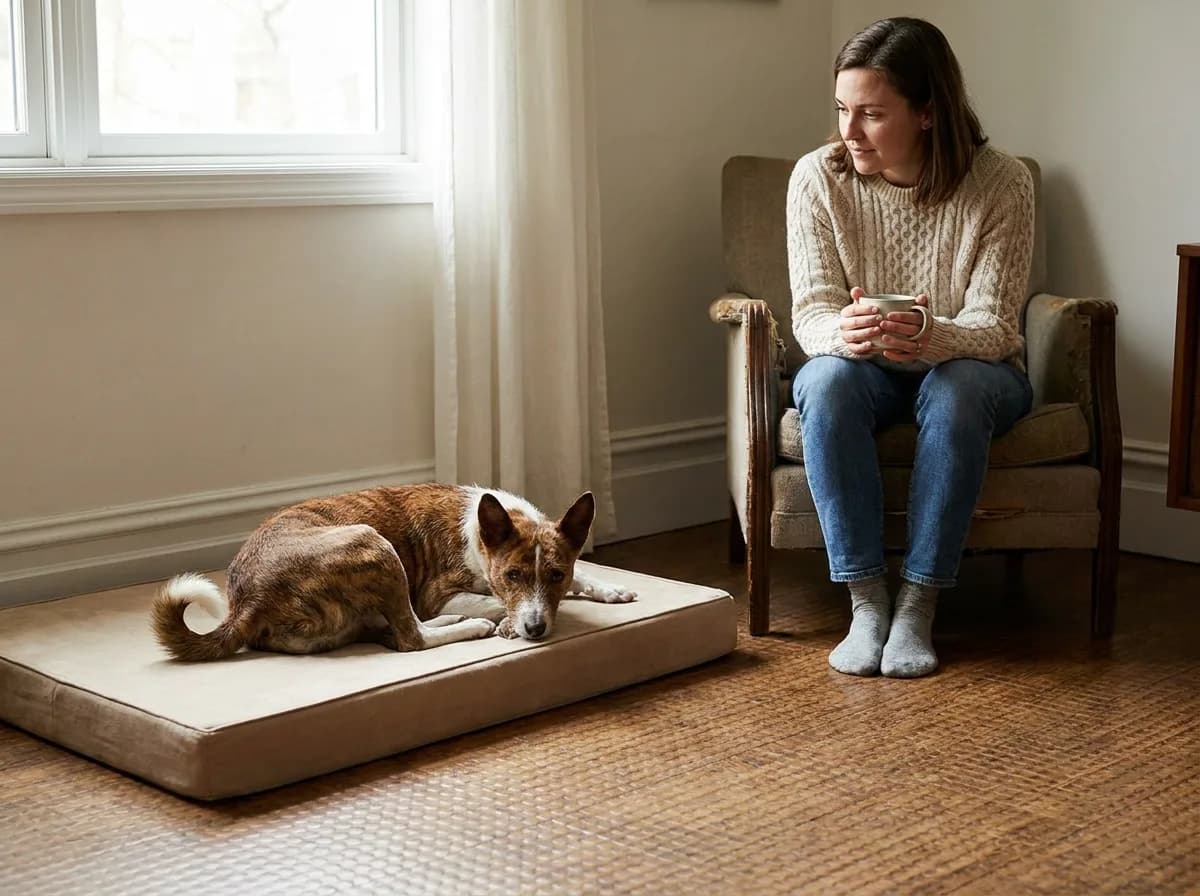
Before a checkup, organize observations under a few headings:
- Thirst and urination: more drinking, more requests to go out or new accidents.
- Appetite and weight: meals left unfinished, appetite changes or an unexplained weight trend.
- Mobility: altered gait, hesitation, difficulty rising or reduced willingness to use familiar routes.
- Vision and navigation: bumping into objects or greater difficulty in dim light.
- Behavior and rest: withdrawal, disrupted sleep or new reactions to handling.
- Treatment: current medications, supplements and any recent changes.
WebVet's senior dog health guide offers a broader visit checklist. A short video of a naturally occurring difficulty can be useful when it does not delay care or require provoking the problem. Note the context rather than staging a repeated demonstration.
Make weight observations comparable
Use the same reliable scale when practical and record the date and unit. A difference between scales, or a number without units, is harder to interpret than a consistent sequence. If home weighing is awkward or unsafe, ask the clinic how to arrange checks rather than lifting or restraining the dog in a way that risks injury.
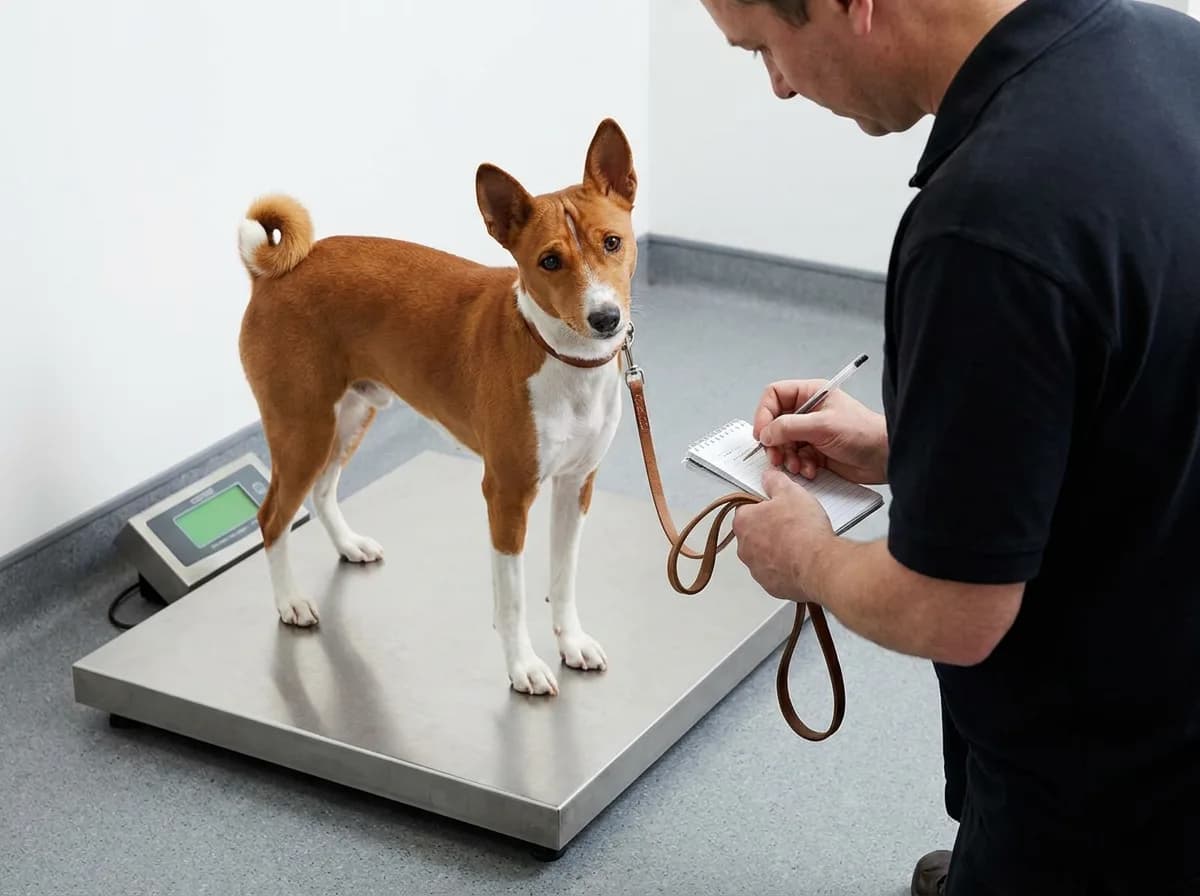
Weight change should be interpreted alongside appetite, body condition and other findings. WebVet's guide to dog weight loss or gain provides context for that conversation. Do not assume weight loss is desirable because the dog previously carried extra weight, or simply increase food without considering why an unexplained change occurred.
Bring the actual records to the appointment:
- A dated description of the changes.
- Available weights with units and where they were measured.
- Current feeding information, including treats.
- Medication and supplement details.
- Relevant genetic and clinical reports.
- Your main questions about comfort, monitoring and follow-up.
Seek urgent veterinary help for collapse, difficulty breathing or other severe sudden deterioration. For less dramatic changes, call the clinic for advice on timing rather than waiting to collect a perfect diary. The purpose of observation is to support care, not delay it.
Basenji Yodel: Hear the Sound and Understand the Context
Basenjis generally do not bark in the ordinary repetitive manner, but they can make a range of sounds. Our Basenji yodel guide provides authentic examples and explains their context. A new or altered vocal pattern in an older dog should be considered with behavior and physical signs. Do not assume a cry during movement is simply the breed's normal voice.
Basenji lifespan questions
No. It is an estimated population median from a UK study, and an individual outcome varies. Your dog's current condition, history and care needs are more useful for personal decisions than treating that number as a deadline or subtracting its age to predict remaining years.
No. It addresses a specific inherited variant and is not a general health guarantee. Continue appropriate veterinary care, and report new signs even when the genetic result is clear. Other illnesses and current clinical changes need their own assessment.
No. The test category meaning concerns one copy of a recessive variant, not a timetable for disease. Carrier status is not equivalent to clinically affected Fanconi syndrome. Seek veterinary interpretation of the report and any signs rather than assuming a carrier will become ill at a particular age.
No. It tests the listed variants only. Other clinical examinations, ongoing eye assessments and investigation of new signs remain separate. Read the panel's named contents and keep the original results instead of treating a panel label as complete health clearance.
No. Normal examinations describe current findings, and genetic tests answer defined inherited-risk questions. There is no lifetime guarantee. Keep records, follow the veterinary plan and adjust care when new information appears.
Note thirst and urination changes, then weight, appetite and mobility, along with sleep, behavior and current treatments. Give dates and describe what changed from the dog's usual routine. Contact the clinic sooner for concerning signs rather than delaying care until the scheduled visit.
BVMS, MRCVS
Dr. Pippa Elliott, BVMS, MRCVS, is a veterinarian with nearly 30 years of experience in companion animal practice. Dr. Elliott earned her Bachelor of Veterinary Medicine and Surgery from the University of Glasgow. She was also designated a Member of the Royal College of Veterinary Surgeons. Married with 2 grown-up kids, Dr. Elliott has a naughty Puggle named Poggle, 3 cats and a bearded dragon.
Sign up for expert-backed reviews and safety alerts all in one place.