Basenji Breed Guide: Personality, Sounds and Care
The Basenji's short coat and compact size tell only part of its story. Explore this independent hound's exercise, training, sounds and health records before deciding whether the breed fits your household.
Petful is reader supported. As an affiliate of platforms like Amazon and Chewy, we may earn a commission when you buy through links on this page. There is no extra cost to you.
The Basenji is a small, athletic African hound known for a curled tail, an alert expression and an unusual voice. Its short coat can make grooming straightforward, but living with this independent dog still takes time, secure exercise and patient training.
The key distinction is simple: low grooming does not mean low workload. A Basenji may suit someone who enjoys an active, inquisitive companion and can manage the home accordingly. Choosing one because it looks tidy, stays relatively small or is called “barkless” leaves out much of the daily commitment.

Sign up for expert-backed reviews and safety alerts all in one place.
Basenji facts at a glance
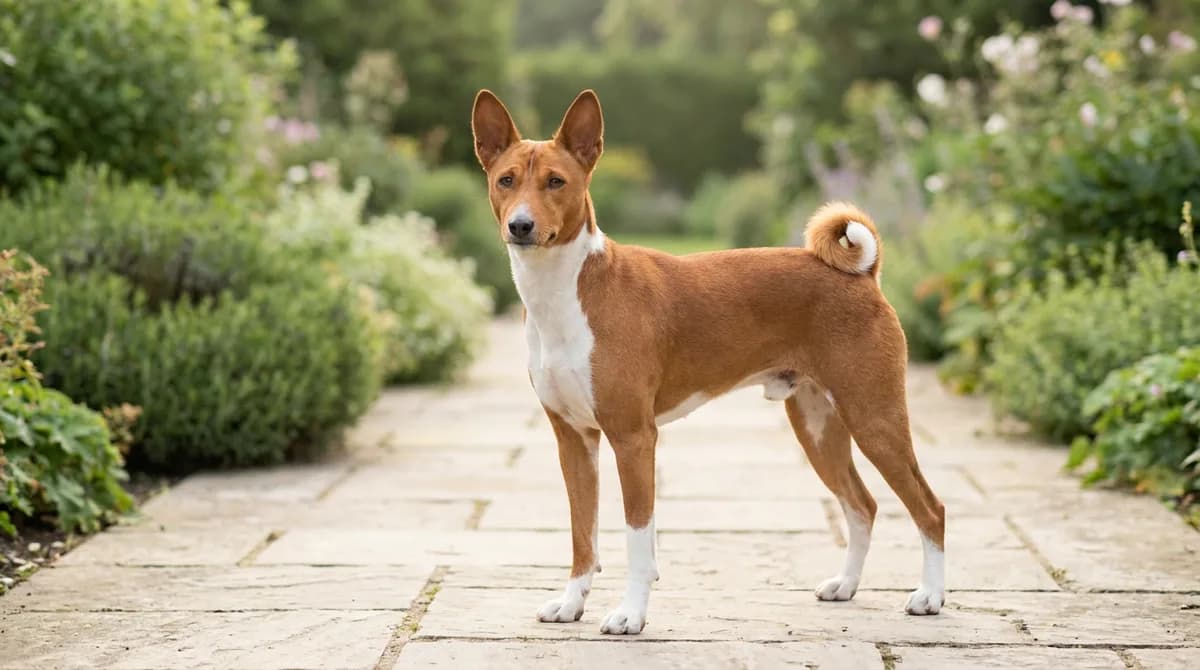
The Basenji dog breed belongs to the Hound Group. Its characteristic traits include a lightly built body, upright ears, a wrinkled forehead and a high-set curled tail. An adult remains an active dog with hunting interests, rather than becoming a quiet decorative companion simply because puppyhood is over.
The Basenji Club of America emphasizes that intelligence and independence go together. Learning quickly does not mean following every request reliably, especially when something outdoors captures the dog's attention. Those breed characteristics make preparation and management as important as teaching cues.
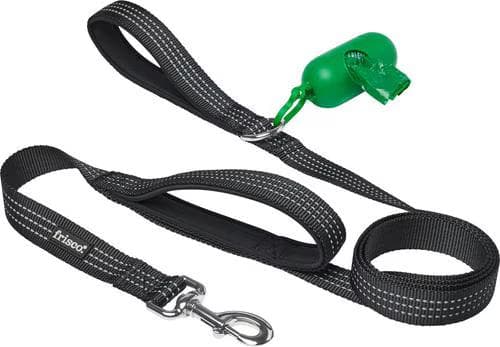
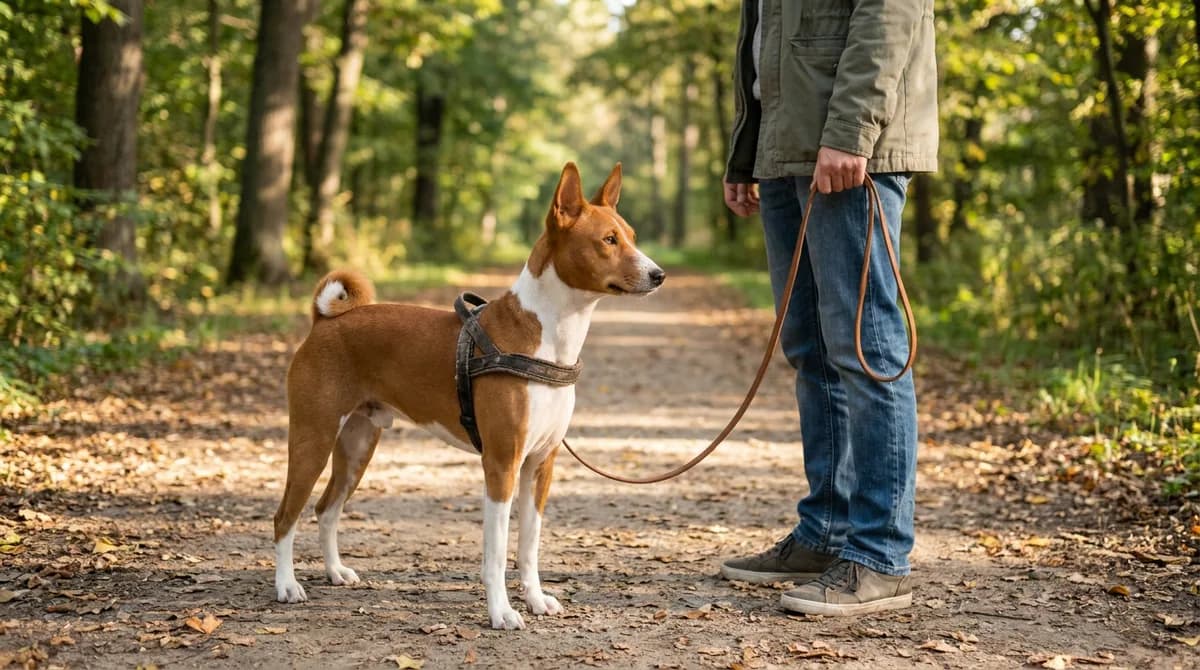
Consider the Frisco fixed-length leash for controlled walks. Check clip size, equipment fit and handling comfort for your individual Basenji.
Petful may earn a commission when you click through to Chewy, at no extra cost to you.
| Area | What may seem easy | The daily workload to plan for |
|---|---|---|
| Coat | Low grooming demand from a short coat | Loose-hair removal, nails, teeth and checks for changes |
| Activity | A compact dog fits in a smaller home | Secure exercise and engaging activities still take time |
| Training | An intelligent learner | An independent hound needs rewards, practice and management |
| Sound | A reputation for being barkless | Vocalizations and responses to household routines vary |
| Time alone | An independent personality | Comfortable separation needs preparation and individual assessment |
Exercise, training and grooming
Is a Basenji high maintenance? Coat care is usually the easier part; exercise, training, enrichment and secure containment can require considerably more attention. Plan around those jobs separately. A dog that needs little brushing can still need substantial involvement from its owner every day.
On walks, use properly fitted equipment and keep a secure leash connection. The Frisco Traffic Leash with dual padded handles offers a fixed-length option. Check the weight and size of the clip for your individual dog, and practice comfortable handling before relying on the additional handle in a busy place.
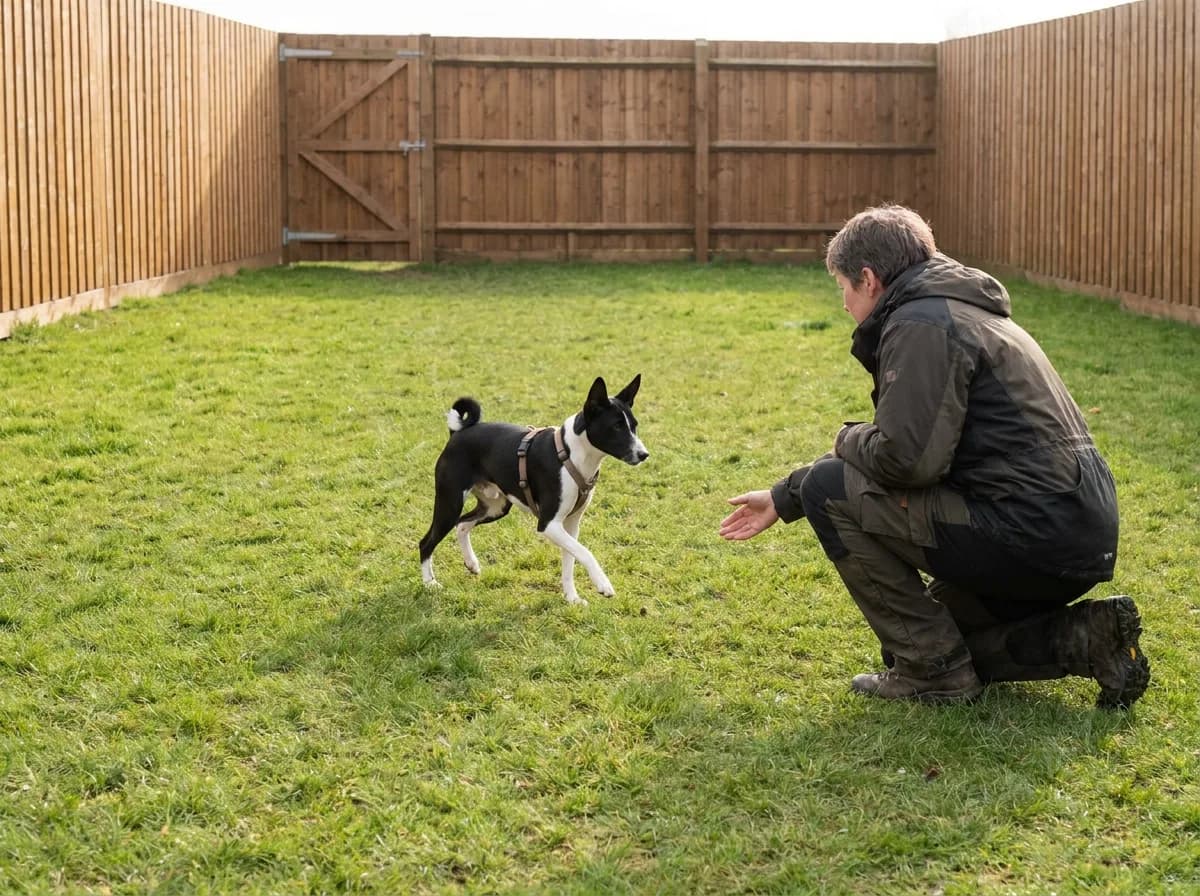
A fence is useful only if it actually contains the dog. Inspect gates, gaps and climbable objects before allowing free movement, then supervise. Recall practice belongs in a safe setting; a successful response in the kitchen does not establish reliability around wildlife.
Reward-based training makes wanted behavior worth repeating. Keep practice manageable, begin with limited distractions and increase difficulty gradually. Teach useful routines such as waiting at a doorway, settling on a mat and allowing equipment to be fitted. WebVet's puppy socialization checklist adds practical ideas for introducing experiences without forcing contact.

Use the Four Paws glove and curry brush gently for routine loose-hair care. Keep sessions comfortable and avoid irritated skin.
Petful may earn a commission when you click through to Chewy, at no extra cost to you.
Basenjis do shed, even though their short coats are comparatively easy to maintain. Gentle brushing helps remove loose hair and gives you an opportunity to notice skin changes. The Four Paws Magic Coat glove and curry brush is one option for short-coat care. Introduce contact gradually and stop if the dog becomes uncomfortable.
A description such as “hypoallergenic Basenji” should not be the basis of an adoption decision. Shedding and a person's allergic response are different considerations; the FAQ below explains the limitation. Meet the actual dog and address household needs before making a commitment.
Keep the rest of care on the calendar:
- Check nails and arrange trimming suited to the dog's needs.
- Introduce gentle handling before expecting a full grooming session.
- Discuss bathing and any skin or ear concerns with your veterinarian.
- Establish oral care with a technique your dog accepts.
- Review food portions as activity and body condition change.
A short coat does not remove the need for dental care. WebVet's dog dental health guide explains how home care fits alongside veterinary assessment. If handling the mouth seems painful, stop and seek advice instead of trying to complete the task by force.
Size, coat and appearance
The Basenji Club of America's illustrated standard describes a small, lightly built dog with compact square proportions. Height at the shoulders and body length are intended to balance. Upright ears, a fine wrinkled brow and a curled tail contribute to the familiar outline seen in Basenji dog images.
Its ideal adult size and weight are:
- Males: 17 inches at the shoulder and approximately 24 pounds, or 10.9 kg.
- Females: 16 inches at the shoulder and approximately 22 pounds, or 10 kg.
These are breed-standard ideals, not a promise about every adult or a month-by-month puppy weight chart. A size chart cannot establish healthy body condition for an individual. Use veterinary assessments and consistent measurements to follow growth.
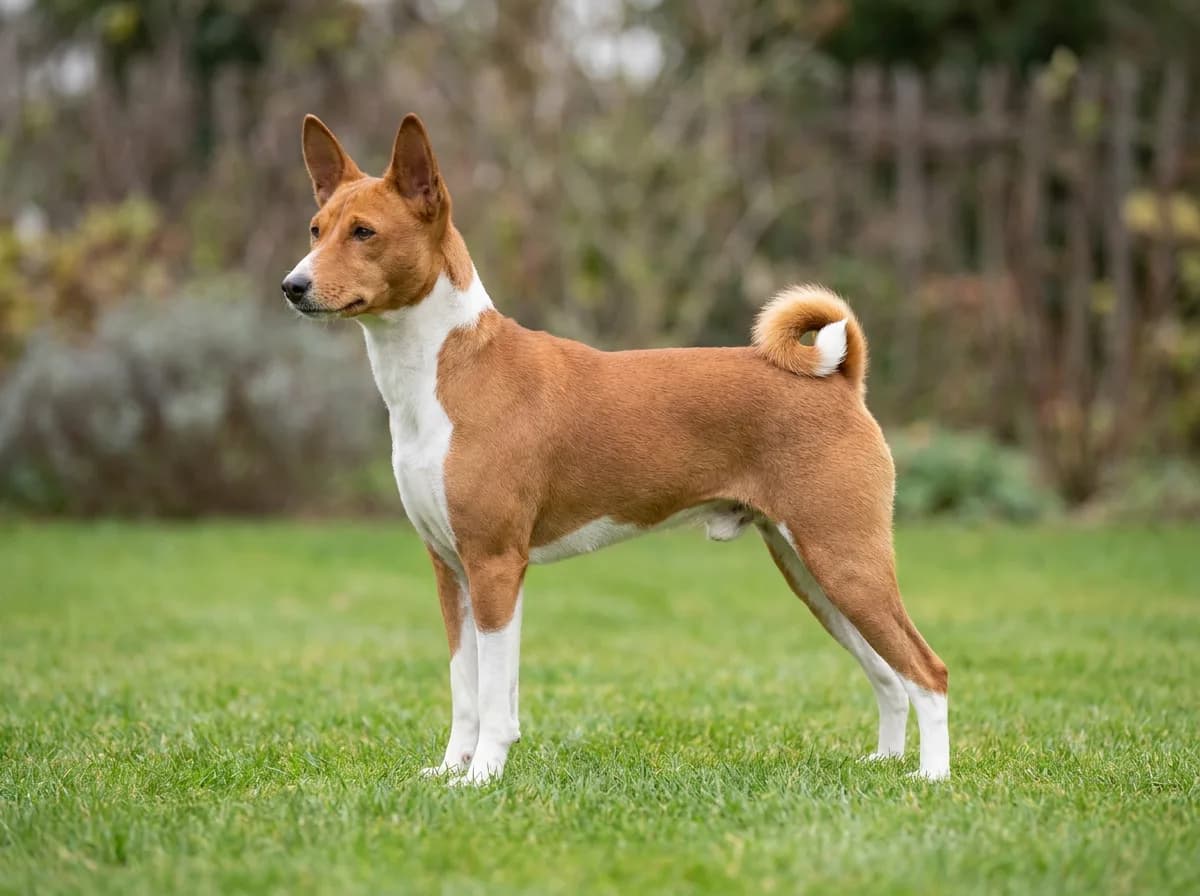
There is no separate miniature or “mini Basenji” variety in this standard. Ask what a seller means by the label instead of assuming it names an established category. Likewise, photographs without a scale cannot reliably establish height or weight.
The standard also describes a smooth, ground-covering gait. Pictures capture outline, but watching a dog move provides different information. New limping, hesitation or uneven movement deserves veterinary attention rather than an attempt to judge it from breed photographs.
Basenji Colors: Four Standard Coats and White Markings
The standard describes chestnut red, black, tricolor and brindle, all with specified white markings. A casual “tan Basenji” description may refer to red coloring or tan areas within a tricolor coat. Our Basenji colors guide explains those distinctions and the role of white markings. Coat color does not establish temperament, health or ancestry, and a striking pattern should not displace questions about the individual dog.
Personality and household fit
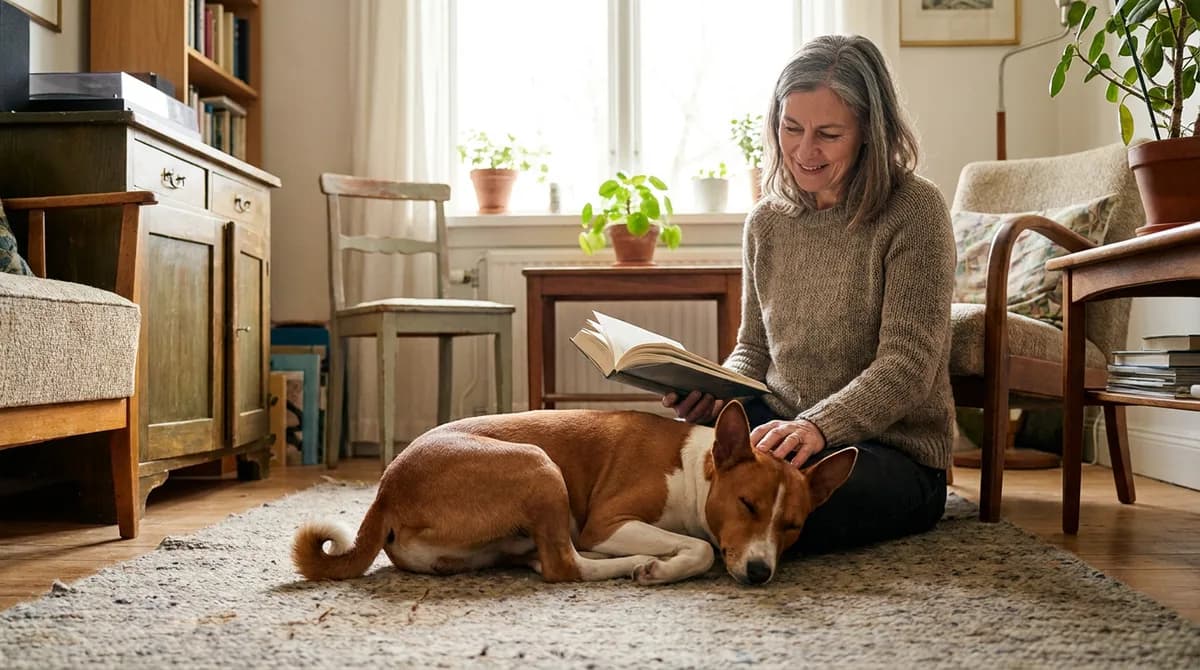
A Basenji can be affectionate with familiar people while remaining selective about interaction. Give visitors a calm introduction and let the dog approach rather than insisting on immediate petting. For children, teach gentle behavior and supervise interactions; the dog should have a place to rest without being followed.
Think about the household you have, including other animals. The breed's hunting interests make careful management around smaller pets important. Do not assume that friendliness toward one dog proves compatibility with another, or that growing up in the same house removes every concern.
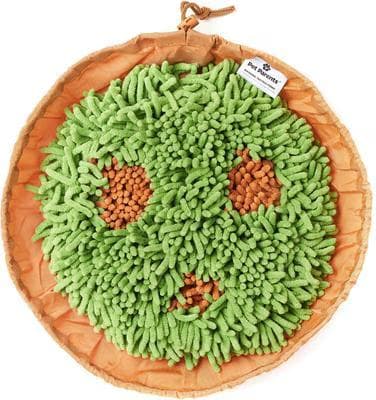
Offer a supervised food search with the Pet Parents Forager. Use part of the daily food allowance and remove the mat if your dog chews it.
Petful may earn a commission when you click through to Chewy, at no extra cost to you.
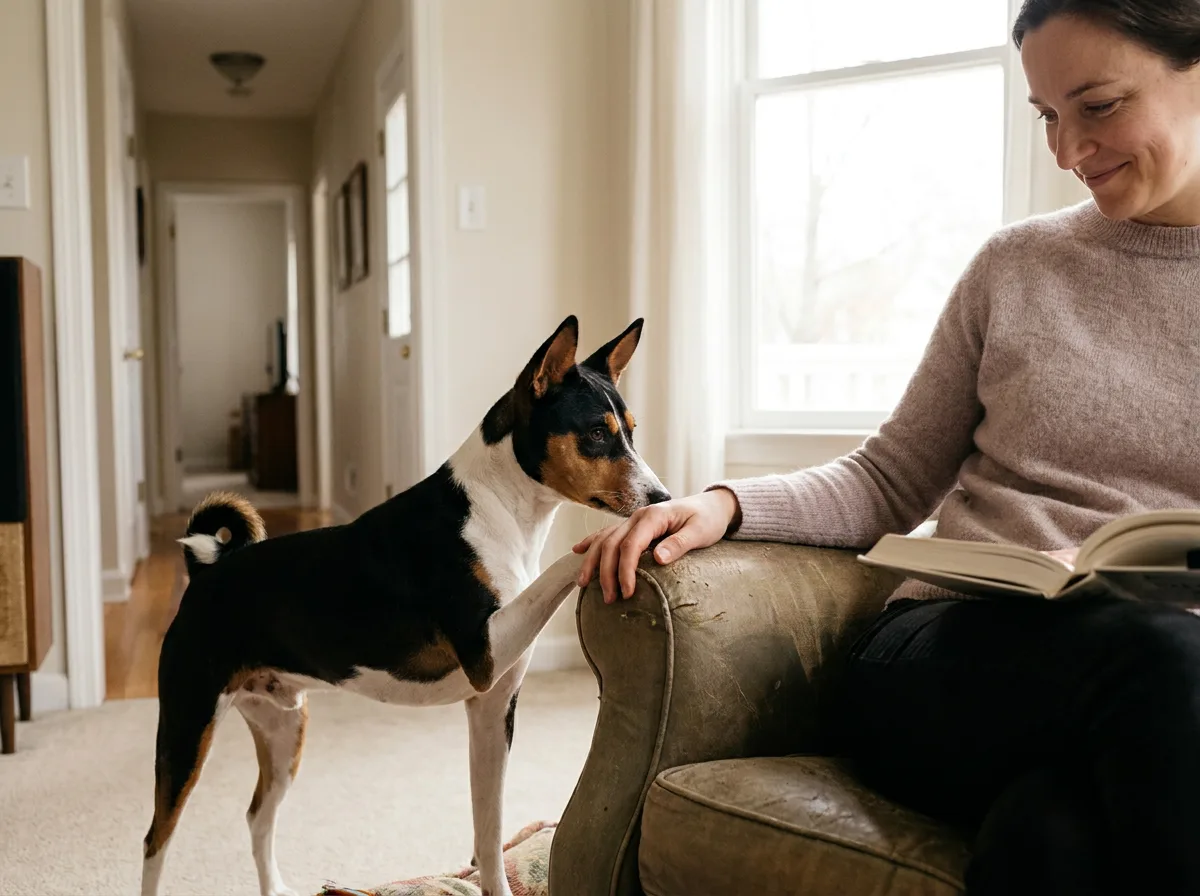
Food searches can provide an engaging shared activity. The Pet Parents Forager snuffle mat is an option for supervised searching with a portion of the dog's normal food. Keep it on stable footing, put it away afterward and remove it if the dog starts chewing the material.
Basenji Temperament: Training, Alone Time and Family Fit
Some Basenjis like to cuddle; others prefer contact on their own terms. Being affectionate or appearing clingy does not reveal how comfortably a dog can be left alone. Training may be challenging because intelligence does not equal automatic cooperation. Our Basenji temperament guide covers these questions, gradual separation practice and temperament with other dogs. The practical downside for an unprepared household is the continuing work of containment, engagement and consistent handling.
Choosing a Basenji puppy or rescue
Puppy and rescue selection should account for the dog’s records, observed needs, and the routine your household can provide. Start by explaining your actual routine to the breeder or rescue: working hours, other pets, children, housing and opportunities for secure activity. Ask about the individual dog's behavior in comparable situations. A quiet meeting is only one observation, so seek information from people who know the dog over time.
Request written information before committing:
- Identity and available health-screening records.
- Veterinary care, vaccinations and parasite treatment already provided.
- Current food, daily routine and handling preferences.
- Known experience with other animals and time alone.
- Adoption or purchase terms, ongoing support and return arrangements.
For an adult rescue, ask what the foster home has observed during ordinary days, not only during introductions. Find out how the dog settles after activity, what happens when someone leaves and which handling routines are familiar. If parts of the history are unknown, keep them unknown while making a practical transition plan. Arrange an initial veterinary visit and agree on a point of contact for questions after placement.
Plan routine expenses separately from the acquisition fee. A personalized Lemonade pet insurance quote can be one input when comparing ways to pay for eligible veterinary costs. Read deductibles, reimbursement, waiting periods and exclusions. A quote is not a breed-wide cost estimate, and coverage is determined by the actual policy.

Compare coverage choices for your pet, then request a quote directly on Lemonade.
- Check a price for your pet
- Review available coverage choices
- See the terms before you decide
Eligibility, waiting periods, limits and exclusions apply.
Petful may earn a commission when you click through to Lemonade, at no extra cost to you.
Basenji Price: Puppy, Adoption and Ongoing Costs
A Basenji can be an expensive commitment even when the initial fee fits your budget. Breeder prices and individual rescue fees have different inclusions, while food, training and veterinary care continue afterward. Our Basenji price guide separates observed US examples from personal budgeting. Ask for a written total and itemized inclusions rather than assuming a higher price establishes better health testing or a better match.
History, hunting and breed identity
Where are Basenjis from? They are African hunting dogs associated particularly with Central Africa and the Congo Basin. The Basenji Club of America's account describes dogs using both sight and scent and helping flush game into nets. That working purpose gives useful context to the alertness, quick movement and interest in pursuing animals that owners may encounter today.
Modern hunting-related activities, including organized lure coursing, provide an outlet for some suitably prepared dogs. They are structured activities with their own rules and requirements, not permission to let a companion chase wildlife. Ask organizers about suitability and speak with your veterinarian about the dog's condition.
Ancient artwork from Egypt includes dogs with features that resemble Basenjis. Resemblance does not prove that every pictured dog belonged to the modern registered breed. Comparisons with Anubis are also visual or cultural comparisons, not evidence of a pedigree. The more practical history for an owner is the breed's African working background and how those tendencies may affect daily management.
Barkless does not mean silent
The Basenji is often called the African barkless dog, but barkless does not mean silent. The breed generally does not bark in the ordinary repetitive manner. It can make other vocalizations, including yodel-like sounds, whines and growls, and some individuals can be quite audible.
Calling it a breed of dog that “can't bark” makes the claim too absolute. Nor does a quieter moment indicate low energy or comfort with being alone. Notice the situation, posture and what happens before and after a sound rather than assigning a single emotion from the noise.
The video below offers an example of Basenji vocalization. Treat one clip as an example from particular dogs, rather than a prediction of the volume, frequency or sounds a future pet will produce.
Basenji Yodel: Hear the Sound and Understand the Context
The sound commonly called a Basenji yodel or “baroo” is only part of the breed's vocal repertoire. Our Basenji yodel guide provides sound examples and a guide to observing context. It also separates the barkless nickname from claims about what the voice box physically can or cannot do. Do not provoke or prolong distress just to make a dog perform for a recording.
Health screening and lifespan
Ask for identifiable reports, not only an assurance that a dog has been “health checked.” The Basenji Club of America's health guidance discusses inherited conditions and screening. For a puppy, review relevant results for both parents alongside the puppy's own veterinary records.
Fanconi syndrome and one form of progressive retinal atrophy, PRA-BJ1, have DNA tests relevant to the breed. UC Davis's Basenji health panel includes these and pyruvate kinase deficiency. A carrier result for a recessive condition is different from an affected result; ask the laboratory or veterinarian to explain unfamiliar findings.
Request identity-matched health records, including Fanconi screening and PRA-BJ1 screening for the relevant dogs. Review eye examinations and other recommended screening too. A DNA panel does not assess every possible condition.
The club cautions that PRA-BJ1 testing does not account for every case of progressive retinal atrophy in Basenjis. A clear result for one variant therefore does not replace appropriate eye examinations. Keep copies of reports and discuss new changes with your veterinarian rather than assuming a past result explains the dog's current health.
Basenji Lifespan: What Research and Health Tests Show
Published Basenji lifespan figures need their source attached. The breed club gives a general estimate of 13–14 years. A 2024 UK study reported a median of 12.1 years for its small Basenji subgroup of 92 dogs, including 30 deceased dogs. Those are different kinds of estimates, not numbers to average together. Our Basenji lifespan guide explains the research, uncertainty and screening records without promising an individual outcome.
Basenji questions
Questions about the breed name, allergies and identification deserve separate answers. They do not change the central ownership decision: this independent hound needs secure exercise, low grooming does not mean low workload, and barkless does not mean silent. Use the English pronunciation guide below when discussing the breed with a club, trainer or rescue.
There is no allergen-free breed guarantee, and a Basenji offers no allergen-free guarantee simply because its coat is short. Individual exposure matters: some people tolerate a particular dog better than others. Spend time around the dog before committing and seek medical advice about your own allergy needs.
To pronounce Basenji in English, say buh-SEN-jee, with the emphasis on the middle syllable. Basenji is the breed name used by the breed club and registries. Saying it aloud can help when contacting rescues or breeders, but the spelling remains Basenji.
No. Tail shape is a shared physical trait found in multiple breeds and mixed-breed dogs. Upright ears or a short coat do not settle the question either. Documented ancestry provides different evidence from appearance, and an ancestry estimate should not be treated as a guarantee of behavior.
Basenji Mix: Ancestry, Cross Labels and Adoption Advice
A Basenji mix label may reflect documented parentage, an ancestry estimate or someone's visual guess. Ask which evidence supports it and focus on the dog's observed needs. Basenji mixes do not automatically inherit silence, a particular adult size or easy training. Our Basenji mix guide explains common cross labels and practical adoption questions without predicting an individual from appearance alone.

Kristine Lacoste has been researching dog and cat breeds for nearly a decade and has observed the animals up close at dog shows in both the United States and the United Kingdom. She is the author of the book One Unforgettable Journey, which was named as a finalist for a Maxwell Award from the Dog Writers Association of America, and was host of a weekly pet news segment on the National K-9 Academy Radio Show. In addition, she was the New Orleans coordinator for Dogs on Deployment, a nonprofit that helps military members and their pets, for 3 years. Kristine has researched and written about pet behaviors and care for many years. She holds a bachelor’s degree in psychology, another bachelor’s degree in English and a Master of Business Administration degree.
Sign up for expert-backed reviews and safety alerts all in one place.