Basenji Temperament: Training, Alone Time and Family Fit
Understand how Basenjis interact with people, other pets and everyday routines. Use reward-based training, gradual alone-time practice and secure outings to support your individual dog.
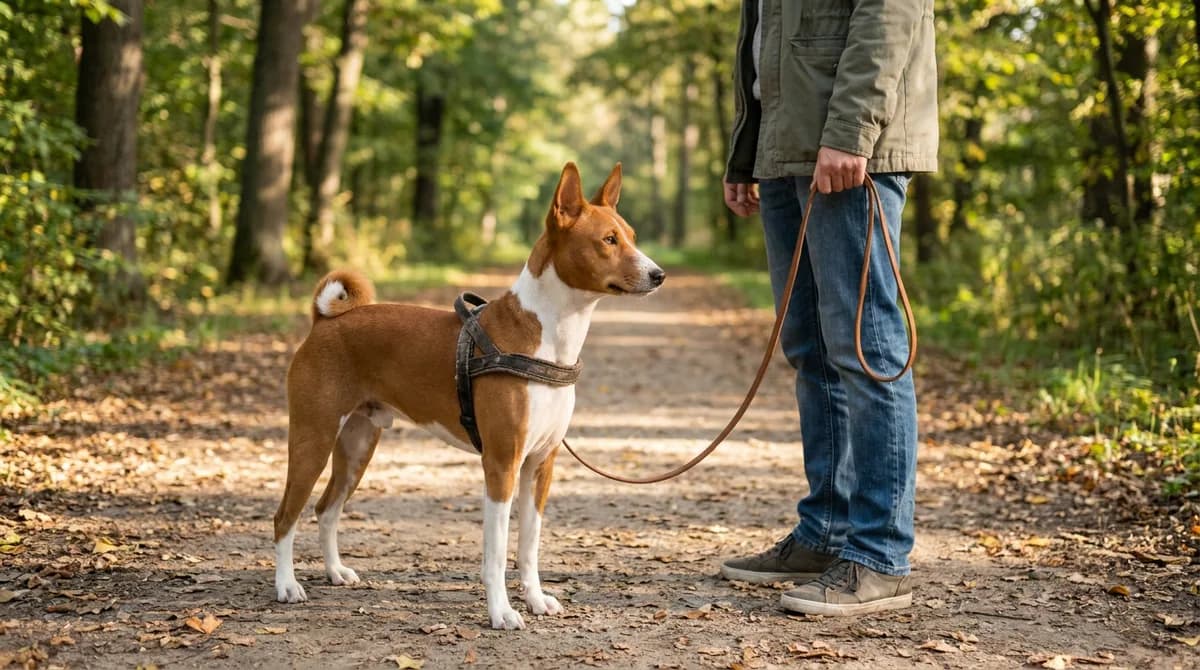
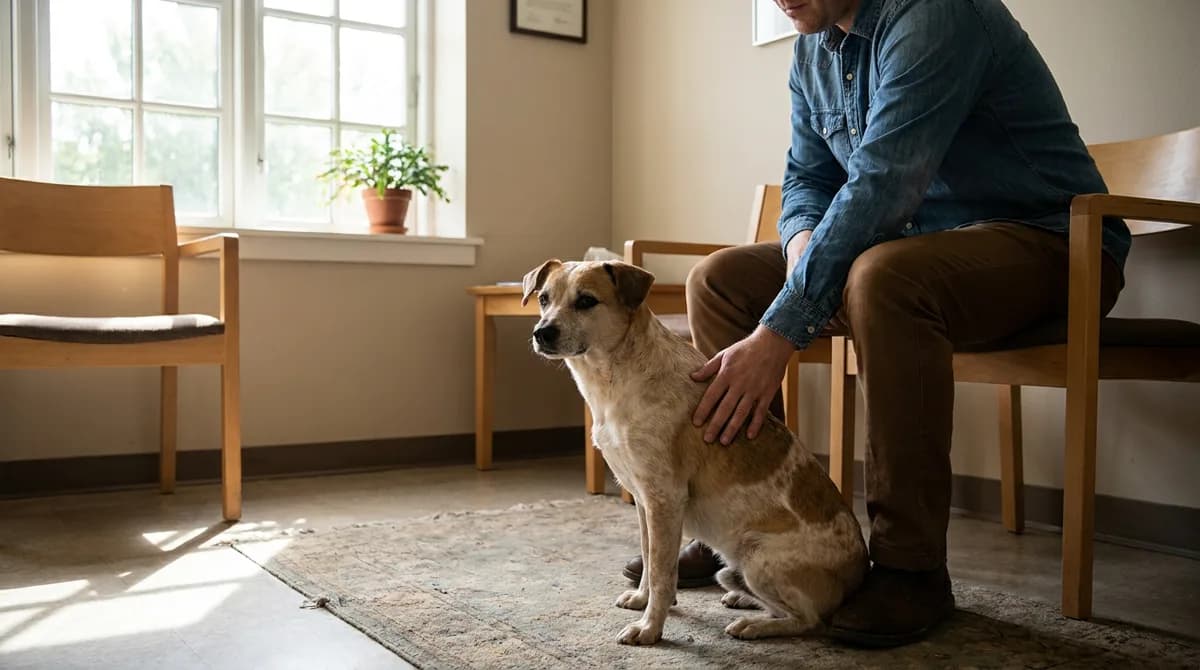
Use secure handling while observing the individual dog.
Petful is reader supported. As an affiliate of platforms like Amazon and Chewy, we may earn a commission when you buy through links on this page. There is no extra cost to you.
Basenji temperament combines intelligence, independence, alertness and affection. Those traits can make this small hound an engaging companion, but they also call for thoughtful training, secure outings and practice with everyday routines. A dog that learns quickly does not necessarily find every human request equally rewarding.
The useful question is how a particular Basenji fits your household. Look at voluntary social contact, responses to distractions, comfort during absences and relationships with other animals. Breed tendencies help you prepare; observations tell you what this dog needs.

Sign up for expert-backed reviews and safety alerts all in one place.
Basenji temperament in everyday life
The Basenji Club of America, or BCOA, describes an intelligent hound whose independent nature can challenge owners expecting automatic obedience. Curiosity and interest in the environment are part of the practical picture. An open door, moving animal or accessible household object may compete with your invitation to settle.
What is the downside of a Basenji? The workload can be substantial if you want effortless off-leash reliability, a pet that welcomes every stranger or a dog that immediately tolerates a full day alone. The mismatch is between expectations and the care available, rather than a verdict that the breed is a poor companion.
Before choosing one, consider whether you can provide:
- Secure access to the outdoors and consistent door management.
- Reward-based teaching that the household will use together.
- Time to learn the dog's comfort with handling and company.
- A plan for absences while alone-time skills develop.
- Appropriate separation from animals or situations the dog cannot safely handle.
A leash is part of that practical preparation. Check fit, fastening and the route before an outing; equipment supports management while the dog learns.
Basenji Breed Guide: Personality, Sounds and Care
The Basenji breed guide puts behavior alongside size, sounds, grooming and health. Basenjis do shed, despite their short, fine coats, and low grooming demands do not make them allergy-free. For anyone deciding whether this Basenji dog fits their life, compare the whole care routine. Coat maintenance may be relatively straightforward while secure exercise, training and household management require more attention.
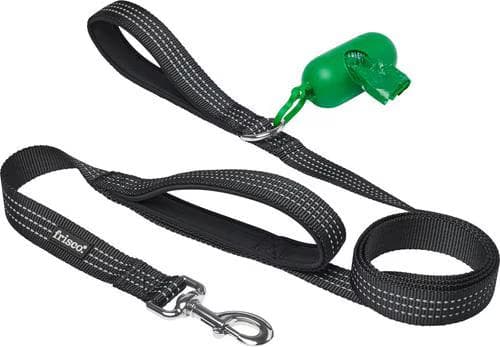
Consider the Frisco fixed-length leash for managed walks. Check the clip and collar or harness fit before each outing.
Petful may earn a commission when you click through to Chewy, at no extra cost to you.
Basenji Lifespan: What Research and Health Tests Show
Plan for a long relationship, not only puppy behavior. The breed club gives a general lifespan estimate of 13–14 years; a 2024 UK study estimated a 12.1-year median in a small Basenji subgroup. Our Basenji lifespan guide explains those different figures and relevant health records. Neither predicts an individual dog's future, and sudden behavioral changes deserve attention rather than being dismissed as a lifelong breed trait.
Affection, children and visitors
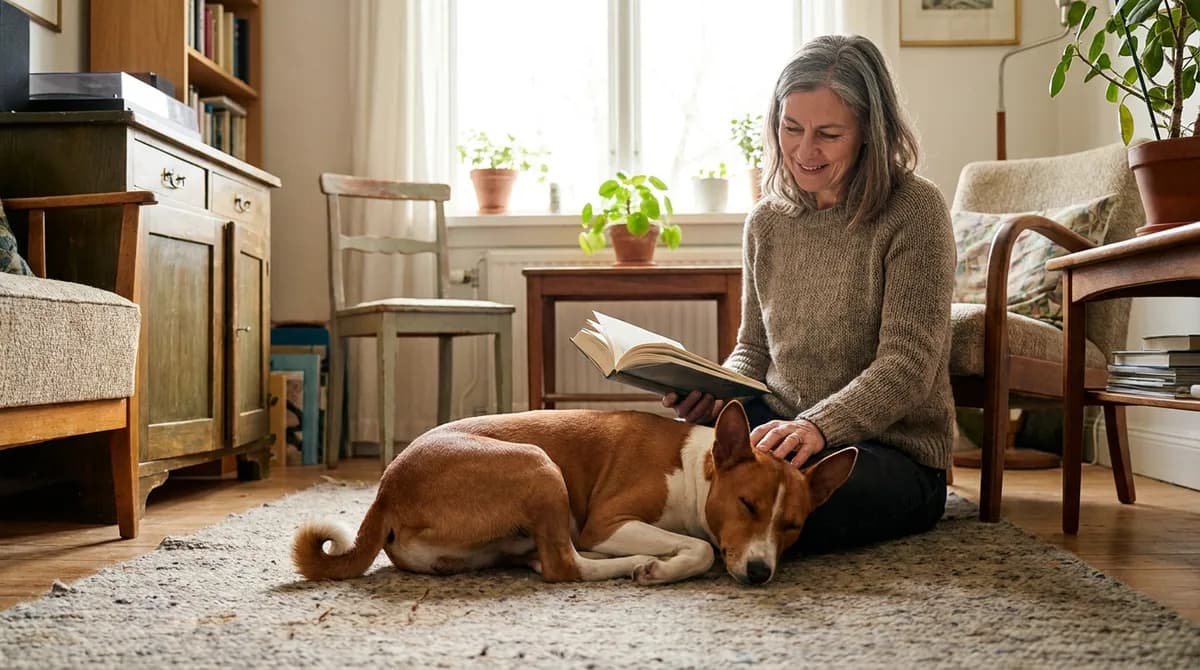
Do Basenjis like to cuddle? Some enjoy close contact with familiar people, while others prefer affection in shorter visits or their own place nearby. Notice what the individual chooses. Approaching, leaning in and staying after a pause provide different information from remaining still while someone holds the dog in place.
Invite contact without requiring it. Sit comfortably, let the dog approach and keep a route open for it to leave. Pause your hand occasionally. If the dog moves away, allow the interaction to end rather than following it for another hug.
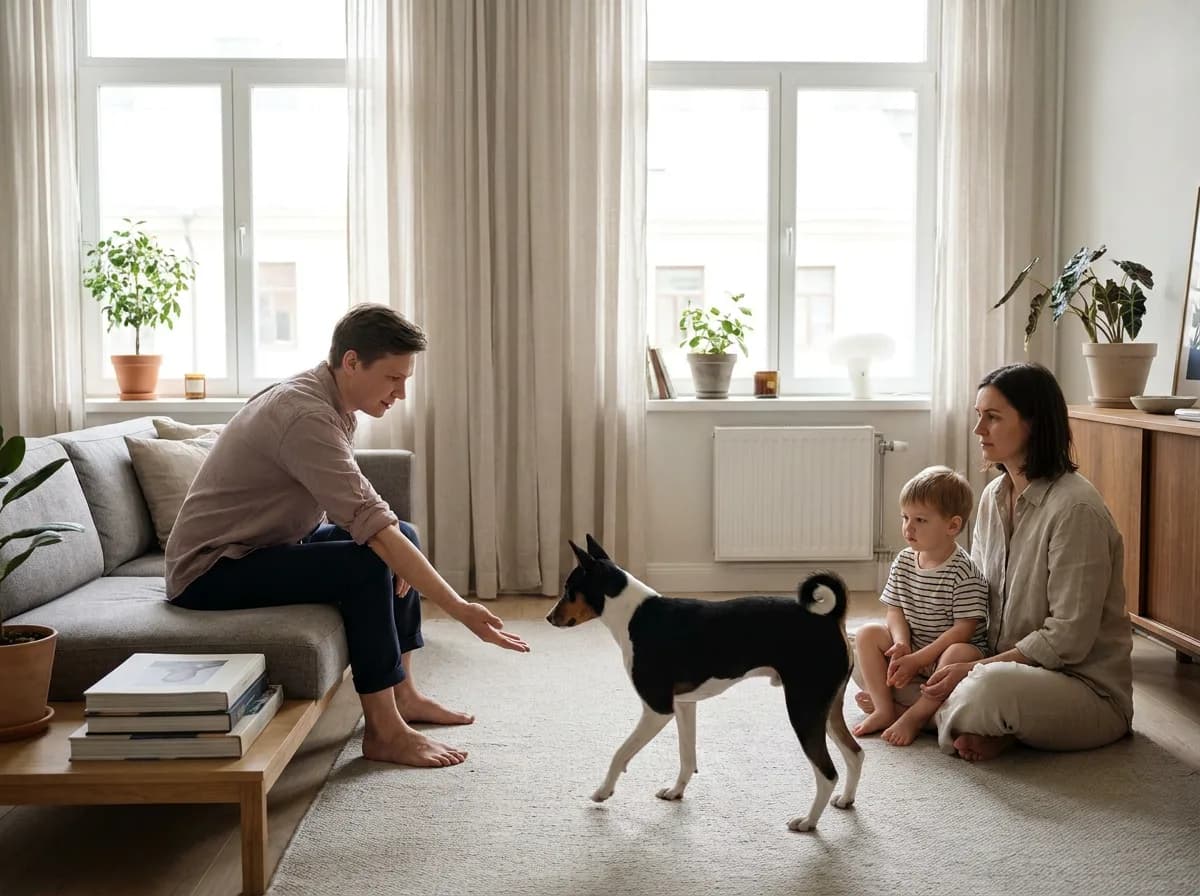
Children need active adult supervision and clear rules that do not depend on the dog tolerating everything. Avoid face-to-face hugging, climbing on the dog, following it into its bed or disturbing meals. If an adult cannot supervise closely, use appropriate separation so both child and dog can relax.
For visitors, prepare the greeting before opening the door:
- Secure the dog away from the entrance while people arrive.
- Ask guests to let the dog approach instead of reaching over it.
- Keep the first interaction brief and give the dog space.
- End the greeting if the dog withdraws or becomes uncomfortable.
- Offer a quiet resting area that guests will leave alone.
Bonding can include shared activity as well as touch. An adult can offer a supervised food search, using part of the dog's normal allowance and putting the activity away afterward. Keep other pets and children out of the feeding space.
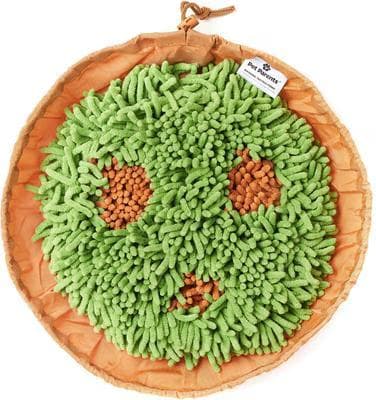
The Pet Parents Forager provides a supervised food-search option. Use part of the daily allowance and remove it if your dog chews the material.
Petful may earn a commission when you click through to Chewy, at no extra cost to you.
A dog that prefers watching a visitor from a distance has not failed a social test. Repeated comfortable encounters are more useful than forcing one impressive greeting. Ask a breeder, rescue or current caregiver what the dog actually does around familiar adults, strangers and children, and in which settings those observations were made.
Other dogs, cats and prey drive
Do Basenjis get along with other dogs? Some form good relationships, but individual compatibility matters more than assuming a shared breed or similar size guarantees friendship. Ask about previous housemates, play styles and any situations that needed management. One pleasant meeting cannot tell you how the dogs will share food, resting places or attention at home.
Arrange introductions with enough space and capable handlers. Begin at a distance where both dogs can notice each other without being pressed into contact. Move away or pause when either needs room. There is no benefit in making a meeting continue simply because the people expected an immediate friendship.
Useful observations include:
- Whether both dogs can disengage and return to their handlers.
- Whether play includes pauses and remains welcome to both participants.
- Whether one dog repeatedly avoids or tries to escape the other.
- How each responds when the other approaches a resting area.
- Whether there is tension around food, toys or access to people.
The BCOA emphasizes the breed's strong interest in prey. Living successfully with one familiar cat does not prove safety with every cat, a rabbit or wildlife outdoors. Give household cats protected routes and dog-free space, manage introductions carefully and avoid leaving animals together before their relationship has been assessed. Some combinations require permanent separation.
Food aggression is better understood as an individual resource-guarding concern than a defining Basenji trait. Manage access to valued items:
- Feed animals separately.
- Prevent competition over chews.
- Keep children away from feeding areas.
- Do not reach into the bowl or repeatedly take food away to test the dog's response.
If you see freezing, growling, snapping or guarding that affects household safety, stop arranging confrontations and speak with your veterinarian and a qualified professional who uses reward-based methods. Describe what happened before the response, which resource was involved and who approached. That information is more useful than calling the dog dominant or assuming the breed explains everything.
For a multi-pet household, plan ordinary transitions as carefully as the introduction. Decide where each animal will eat, rest and wait when doors open. If both dogs rush toward the same narrow doorway, bring them through separately rather than expecting them to negotiate it while excited.
Keep a brief record of interactions that concern you:
- What each animal was doing before the encounter.
- Whether food, a toy, a resting place or human attention was involved.
- How much space was available.
- What allowed the animals to disengage safely.
Share the record with the professional helping you. It can reveal practical management changes without forcing another encounter to see whether the problem happens again. Maintain successful separation arrangements while you work on a plan.
Alone time, confinement and household routines
Basenjis can be good house dogs when activity, toileting, rest and social needs fit the household. A small body and the nickname barkless do not establish apartment suitability. Sound transmission, access to outdoor breaks, the dog's comfort with neighbors and its response to separation all matter.
Can Basenjis be left alone? Many dogs learn to spend comfortable time without their people, but there is no universal safe number of hours for every Basenji. Age, health, toileting needs, previous experience and the actual response to an absence should shape the plan. Start from what this dog can manage, not from a breed-based timetable.
Introduce a comfortable resting area
A consistent resting place can make the household routine easier to recognize. Choose a location away from frequent disturbance, allow the dog to use it while you are home and check the bed's dimensions against its usual sleeping position.
Introduce confinement separately from a long absence. A crate, gated room or other resting area is useful only if the dog can be comfortable and safe there. Repeated attempts to escape, panic or self-injury call for a different plan with professional help, not a tougher test of endurance.
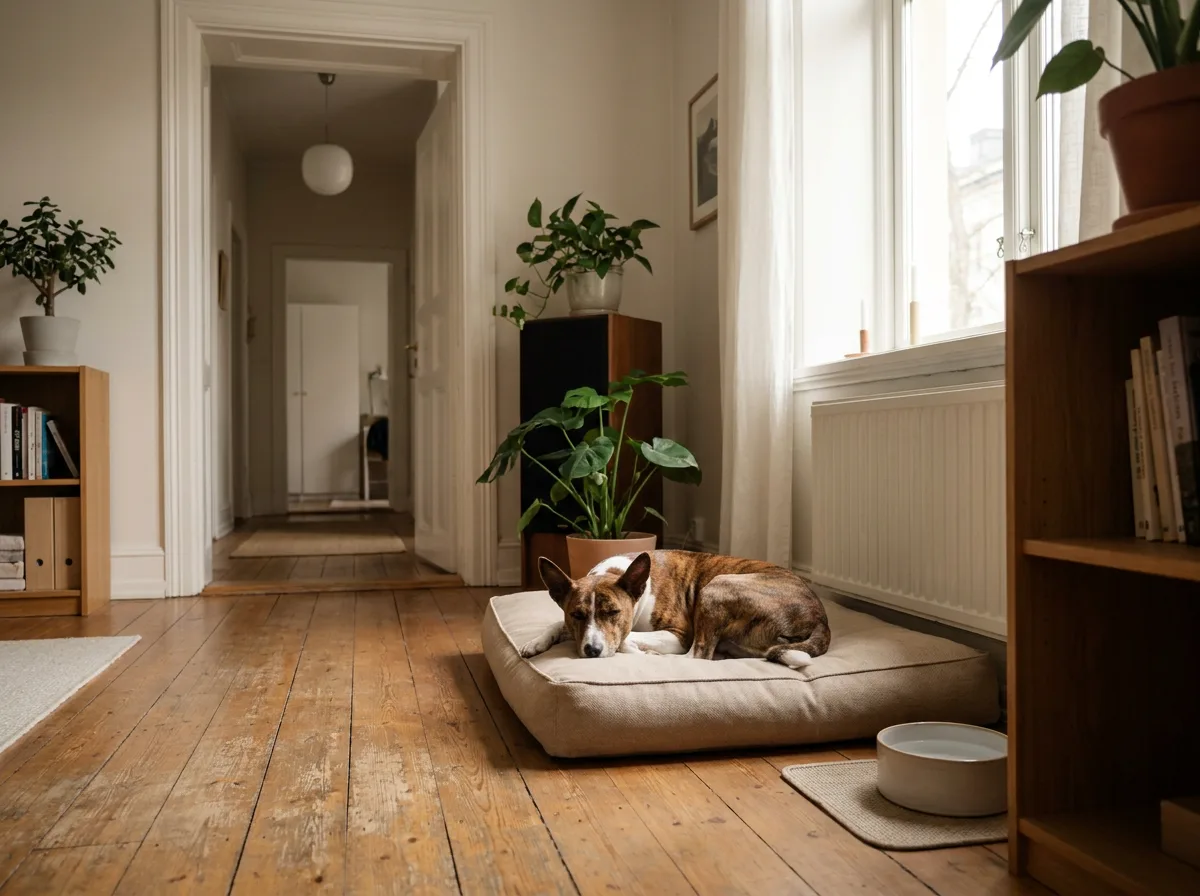
Gradual alone-time practice starts with small, manageable separations. Observe the response, reunite calmly and adjust the next attempt to what happened. Change one part at a time, such as distance or duration, rather than making both harder together. A camera can help you see behavior during an absence instead of judging only by the condition of the room afterward.
Use this blank record for individual observation. It is a place to record what happens, not a schedule to complete or a target the dog must reach.
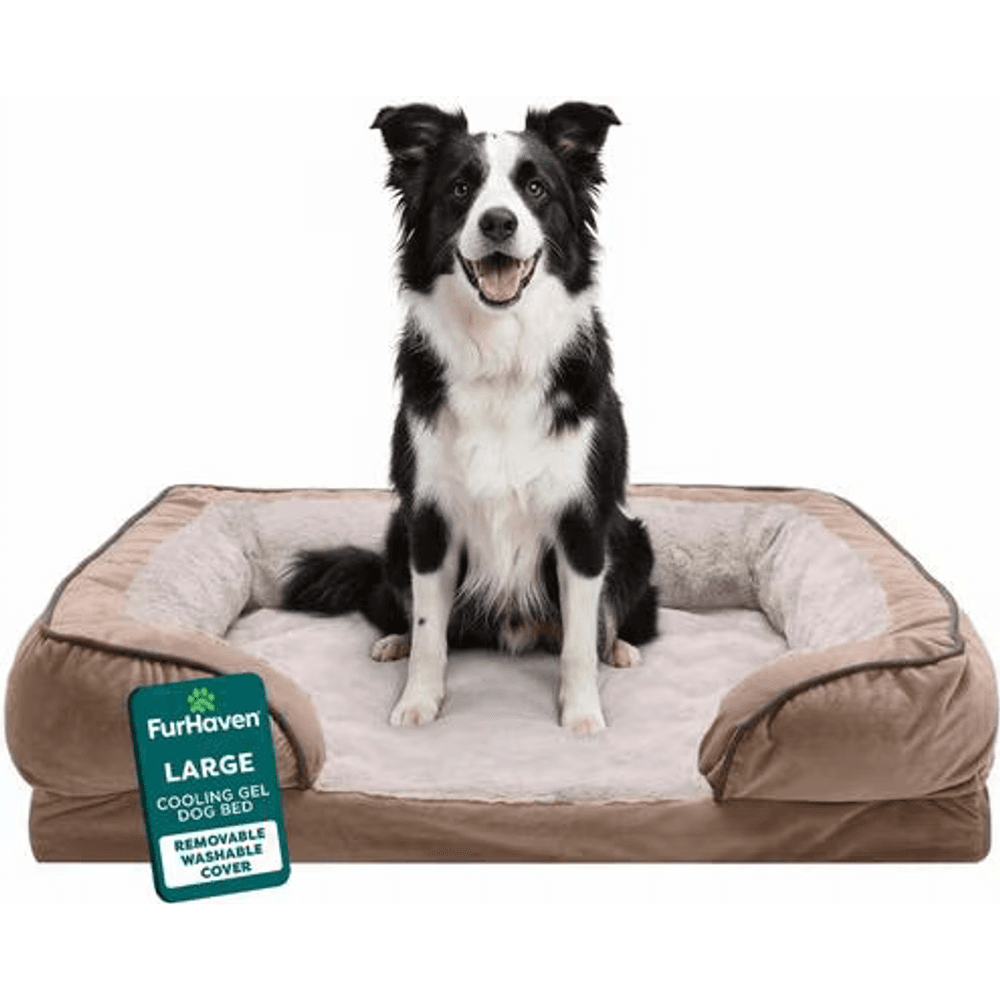
Compare the FurHaven Velvet Waves bed with your dog's sleeping space and size. A comfortable bed supports rest but does not treat separation distress.
Petful may earn a commission when you click through to Chewy, at no extra cost to you.
| Record field | Your notes | What to observe |
|---|---|---|
| Date and setup | ______ | Room, barrier and who was present before leaving |
| Absence duration | ______ | Actual time for this gradual practice attempt |
| Body language | ______ | Resting, movement, posture and any signs of distress |
| Vocalization | ______ | When it began, how it changed and whether it continued |
| Eating or enrichment | ______ | Whether the dog engaged; eating alone does not prove comfort |
| Recovery after return | ______ | What happened when you returned and how the dog settled |
| Next adjustment | ______ | Use individual observation to make the next practice manageable |
Look at the pattern across the recording. Persistent pacing, escape attempts, sustained vocalization or inability to settle can warrant help. A single sound does not identify a diagnosis, and silence alone does not prove relaxation.
If observations suggest distress, consult your veterinarian and use WebVet's guide to separation anxiety in dogs to understand the next conversation. While a plan develops, arrange help with necessary absences where possible. Do not repeatedly leave the dog beyond its current ability to cope in the hope that it will eventually stop reacting.
Basenji Yodel: Hear the Sound and Understand the Context
Basenjis can vocalize even though they generally do not bark in the ordinary repetitive manner. The Basenji yodel guide includes authentic owner video examples and explains why context matters. When recording an absence, note what happens around a sound instead of labeling every yodel happy or every noise anxiety. A dog's posture, activity and recovery help make the observation useful.
Training an intelligent, independent hound
Training a Basenji works best when the desired action is clear and worth doing. Positive reinforcement means providing something the dog values after the behavior you want to strengthen. Choose an attainable task, reward it promptly and make the setting easier when distractions overwhelm the lesson.
The American Veterinary Society of Animal Behavior, or AVSAB, recommends reward-based methods for training and behavior modification. Its current guidance rejects aversive methods, including electronic collars and physical punishment. Independence is not a reason to switch to intimidation, leash corrections or a contest over who is in charge.
Start with skills that make daily life easier:
- Turning toward you when invited in a quiet setting.
- Following a hand target without being pulled into position.
- Walking a few comfortable steps on a loose lead.
- Moving to a familiar resting area.
- Participating willingly in brief handling.
For cooperative grooming, show the tool, reward investigation and introduce a gentle touch where the dog is comfortable. Pause before adding more contact. The Four Paws grooming glove and curry brush is one short-coat option; the lesson is willing participation, not completing a full brushing regardless of the dog's response.
Keep training motivation practical. Food can be useful, but access to a sniffing spot, play or another welcome activity may also matter to the individual dog. Do not assume a reward works equally well everywhere. A treat accepted in the kitchen may have little value while an animal moves nearby.

Introduce the Four Paws grooming glove through brief, rewarded contact. Avoid irritated skin and stop when your dog needs a pause.
Petful may earn a commission when you click through to Chewy, at no extra cost to you.
Reward delivery matters as well as reward choice. Keep it close enough in time to the wanted behavior that the connection is clear. If you ask for a glance and then spend a long time searching a pocket, the dog may have moved on to something else before the reward arrives.
Prepare the session before inviting participation:
- Choose one behavior you can recognize clearly.
- Have suitable rewards ready and account for food in the daily allowance.
- Remove unnecessary distractions or create more distance.
- Decide what an easy successful repetition will look like.
- Finish while the dog can still participate comfortably.
Consistency means making the lesson understandable, not refusing to adapt. If one family member rewards a quiet approach while another encourages jumping during greetings, agree on a shared response. The dog should not have to discover a different rule each time someone comes through the door.
Make the next repetition achievable
Short rewarding practice allows you to notice when the lesson is working and finish before either participant becomes frustrated. If the dog stops responding, check the setup first. The cue may be unclear, the reward may be unappealing or the distraction may be too difficult for the current stage.
| Situation | Session setup | Attainable behavior | Reinforcement and management |
|---|---|---|---|
| Quiet room | Begin without competing activity | A glance toward the handler | Reward promptly; use short rewarding practice |
| Interesting smells outdoors | Allow space and choose a manageable distraction | A voluntary check-in | Reward and sometimes release back to sniffing |
| Visitor in the home | Use distance and a barrier where needed | Looking calmly from a comfortable distance | Reward participation; allow withdrawal |
| Grooming tool appears | Present it before touching the dog | Investigation or brief willing contact | Reward and pause; build training motivation |
| Animal moving nearby | Increase distance and retain secure handling | Disengaging at a distance the dog can manage | Reward; leave if the situation becomes too difficult |
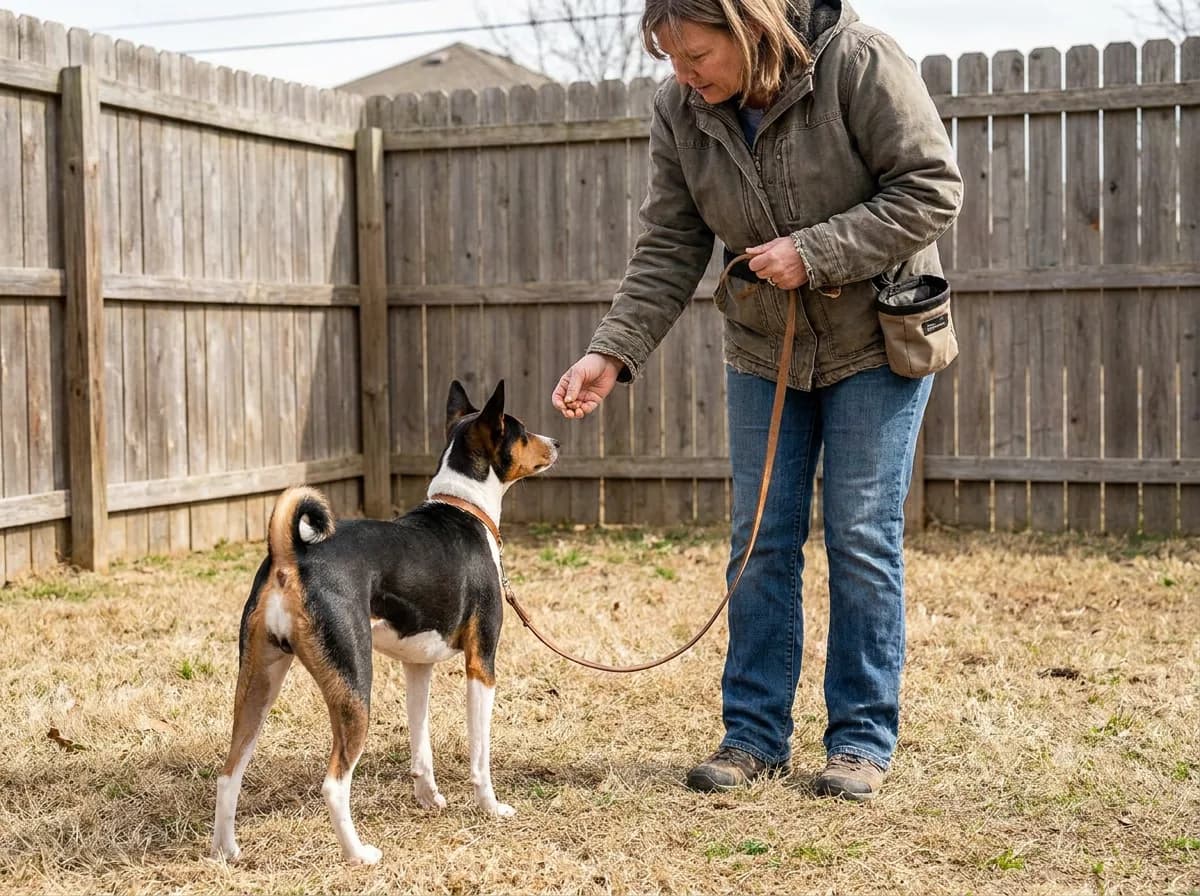
A check-in is a useful first exercise because you can reward attention the dog offers without repeatedly calling. Begin somewhere quiet, keep the lead loose and reward a glance toward you. Let the dog return to appropriate exploration, then watch for another voluntary check-in. The goal is a clear connection between looking back and a worthwhile outcome. When that becomes easy, change the setting modestly. Practice near a new smell before expecting the same response beside fast-moving activity. If the dog cannot disengage, create more distance or return to an easier environment. Repeating a cue louder does not remove the competing distraction.
If a skill works in one room but not another, treat the new setting as additional teaching. Return to a simpler version, reinforce success and increase difficulty gradually. Learning at home does not automatically include every surface, person, sound or outdoor distraction. For example, a resting-area cue might begin when the bed is close and the room is quiet. Reward approaching it, then standing or lying on it as those actions become comfortable. Later practice with mild household movement. Do not begin by sending the dog there during an exciting gathering and judging the whole lesson from that one attempt.
When choosing professional support, ask concrete questions:
- How will the trainer reward the behavior being taught?
- How will the setup change if the dog becomes worried or cannot respond?
- What will you practice between sessions?
- Which methods and equipment will be used?
- How will progress be assessed without provoking unwanted behavior?
A useful answer explains a teachable action and how to keep practice manageable. Promises of instant compliance or advice to punish warning signals do not provide that foundation.
WebVet's dog training schedule guide can help you place consistent practice within daily life. Use ordinary transitions, such as preparing for a walk or settling after an activity, without turning every interaction into a demand. Rest and unstructured time still belong in the day.
Exercise, enrichment and secure outdoor time
Provide movement and opportunities to investigate while keeping outdoor access secure. The BCOA recommends leash or secure-fence management because the breed's hunting interests can take precedence over a person's call. Inspect gates and barriers rather than assuming an enclosed-looking space is escape-proof.
A Frisco fixed-length traffic leash is one option for ordinary managed outings. Match the clip and fit to the dog, maintain control without constant tension and choose enough distance from distractions to work comfortably. A leash is management equipment; it does not replace teaching.
Build a varied routine around the dog rather than an unsupported fixed exercise quota:
- Walks that allow appropriate sniffing as well as movement.
- Short reward-based practice in a manageable setting.
- Supervised searching or play suited to the individual.
- Secure outdoor space for appropriate activity.
- Quiet recovery and predictable opportunities to rest.
A fenced area should still be checked before each session. Look at the gate, the space beneath barriers and anything that could provide access over or around them. Supervise outdoor time and bring the dog in when you cannot monitor the situation. More activity is not always the answer to difficulty settling. Review the sequence of the day: has the dog had an opportunity to toilet, engage, eat appropriately and then rest somewhere comfortable? Persistent restlessness or a new change in behavior deserves attention to health and circumstances, rather than simply adding another exhausting session.
Build flexibility into the routine for days when the usual outing is unavailable. Suitable indoor search games, brief training and ordinary toileting trips may help you adapt, but choose activities that are safe for the dog and your space. Do not leave unfamiliar enrichment items unattended simply because they were marketed for keeping dogs occupied.
A caregiver should be able to follow the same essential arrangements. Write down the equipment used, door and gate rules, feeding locations, known animal conflicts and the dog's current absence plan. Explain which activities the dog enjoys and how it signals that an interaction should end. This information is especially useful for a new walker or sitter. Meet together before handing over responsibility, demonstrate the routine and give the caregiver a way to contact you. A Basenji's confidence with its owner does not establish comfort with every replacement caregiver or a different household.
Basenji Price: Puppy, Adoption and Ongoing Costs
How much does a Basenji puppy typically cost? US breeder pages checked on October 13, 2026, listed $2,500 at Malachite and $3,000 at Signet, individual examples rather than a national average. Our Basenji price guide compares dated quotations, adoption examples and ongoing expenses. Include training support and care during necessary absences in your own budget. The acquisition price does not tell you how much individual help a dog will need.
Basenji temperament questions
No. Motivation and context affect the response you see, and learning differs from compliance with every request. The useful distinction is learning versus compliance: consider whether the dog understands the task, finds the reward worthwhile and can respond in that setting. Avoid treating one difficult session as an intelligence test.
No. Distractions change performance, especially where moving animals or unfamiliar smells compete for attention. Use a secure enclosure or appropriate lead while continuing reward-based recall practice. Success in a quiet room does not establish that an unfamiliar outdoor setting is safe.
Another dog is not a guaranteed solution. Assess underlying distress with your veterinarian and an appropriately qualified behavior professional before adding a pet as a remedy. A compatible companion may be welcome for other reasons, but the new dog also has its own needs and cannot replace an individual care plan.
Voluntary contact depends on the individual dog's preferences and the situation. Respect rest and body language, invite rather than restrain, and allow the dog to leave. If a familiar dog suddenly avoids touch or reacts differently to handling, discuss that change with your veterinarian rather than assuming it is simply independence.

Coreen Saito is a pet writer and longtime shelter volunteer with more than a decade in animal rescue. She covers cat behavior, breed care, and the small, ordinary science of sharing a life with companion animals, with a particular focus on honest takes about the products and decisions that actually matter. At home in Arizona, she's outranked by Mac (a dog with the loudest opinion in the house), Rebel (a cat who governs by quiet authority), and Meri (an orange tabby who runs the late shift and the laundry basket). She writes about all three, plus the rescues that keep coming through her life, at LifeWithMinty.com.
Sign up for expert-backed reviews and safety alerts all in one place.