
All Articles
Sort by:
Food and NutritionApr 29, 2024
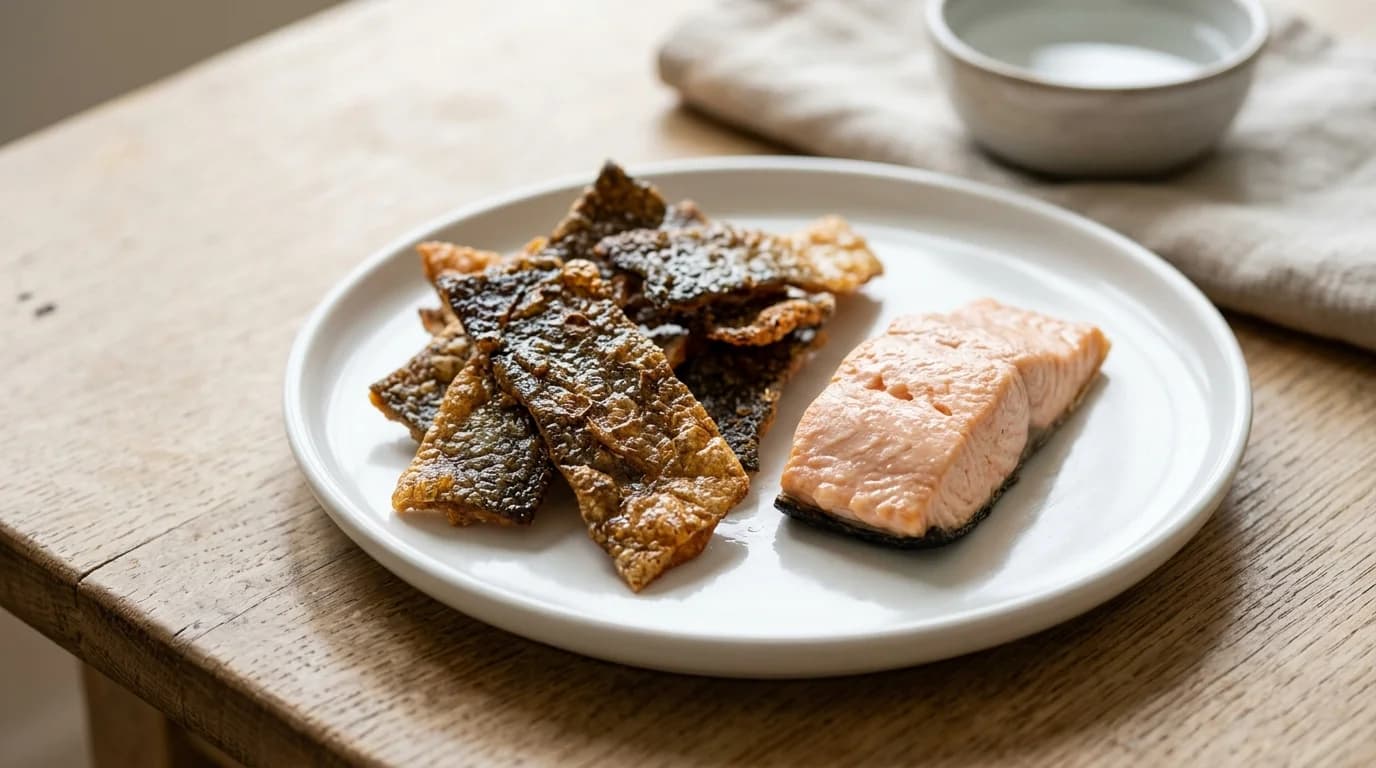
Can Dogs Eat Salmon Skin? Cooked vs Raw, Explained
Yes, dogs can eat fully cooked, plain salmon skin in moderation. It is rich in omega-3 fatty acids for skin and coat health. Never feed raw salmon skin, which can carry parasites that cause salmon poisoning disease.
C
Carol Bryant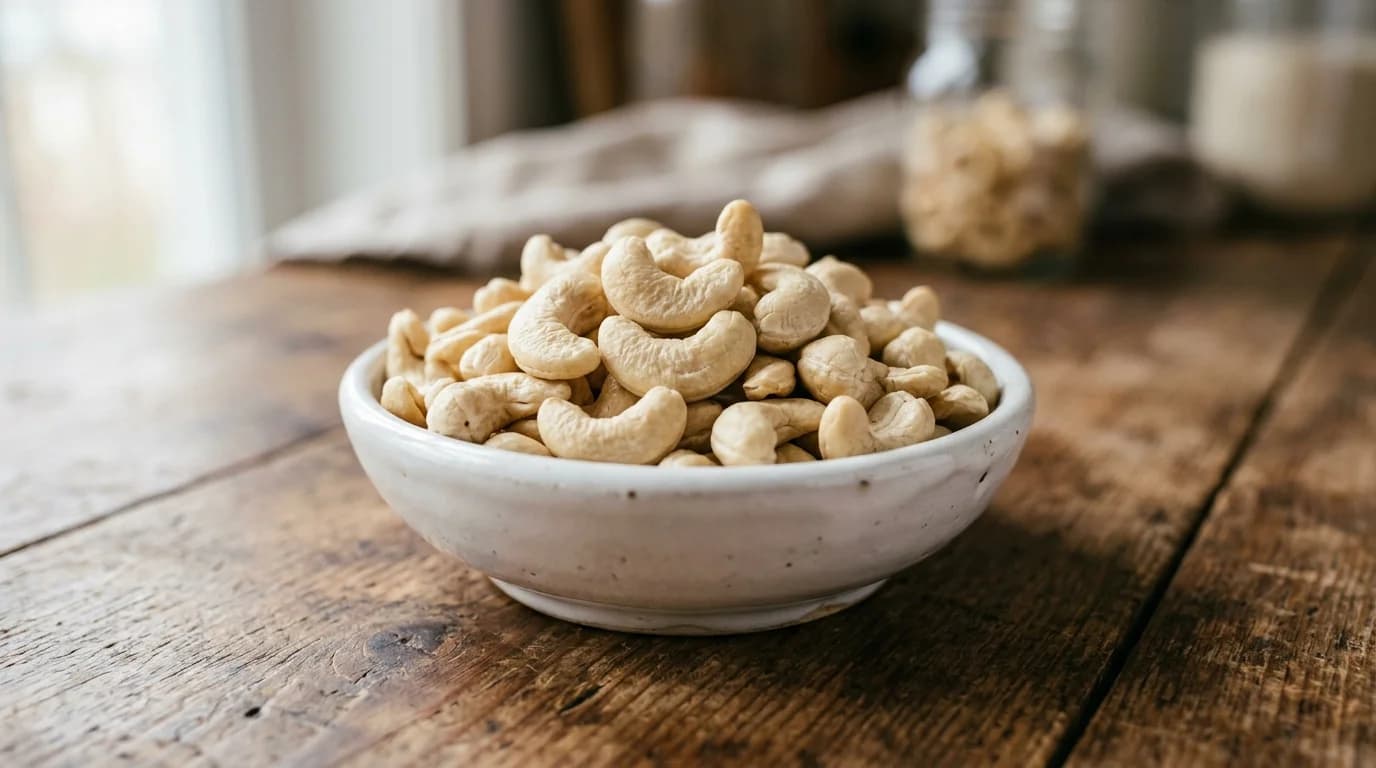
Food and NutritionOct 30, 2023
Can Dogs Eat Cashews? Safe Portion + Pancreatitis Risk
Yes, dogs can eat plain unsalted cashews in tiny amounts as an occasional treat. The fat content makes them a pancreatitis risk, and salted, flavored, or mixed-nut versions are unsafe. Here is exactly how much by dog size.
C
Carol Bryant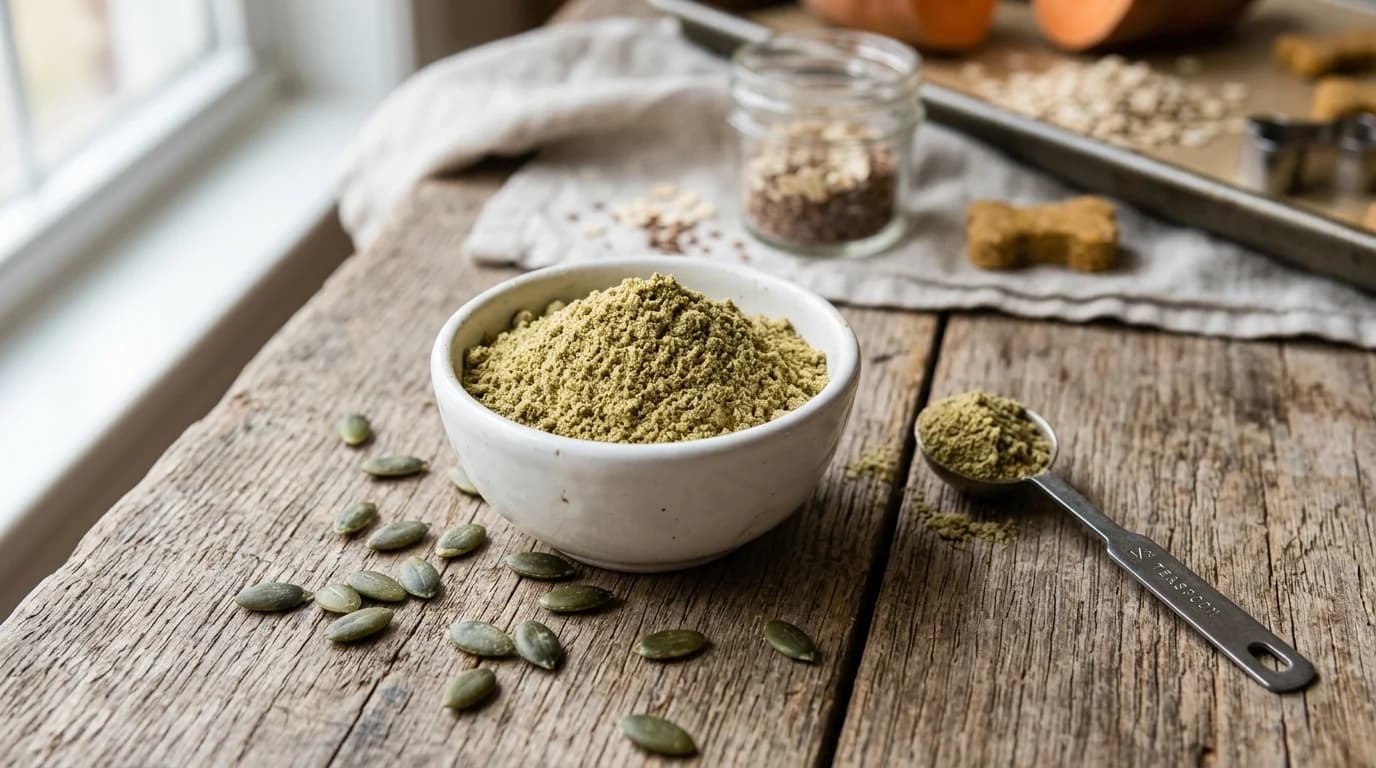
Food and NutritionApr 8, 2024
Can Dogs Eat Pumpkin Seeds? Portions, Risks, Benefits
Yes, dogs can eat plain pumpkin seeds in moderation. The safe portion is roughly 1/2 teaspoon of ground unsalted seeds per 20 pounds of body weight. Here is exactly how to prepare them.
C
Carol Bryant
Food and NutritionApr 22, 2024
Can Dogs Eat Tangerines? Safe Portions + Citrus Risks
Yes, dogs can eat tangerines in tiny amounts. The flesh is less acidic than lemons but still high in sugar and citric acid. Always remove the peel and seeds. Here is exactly how much by dog size.
C
Carol Bryant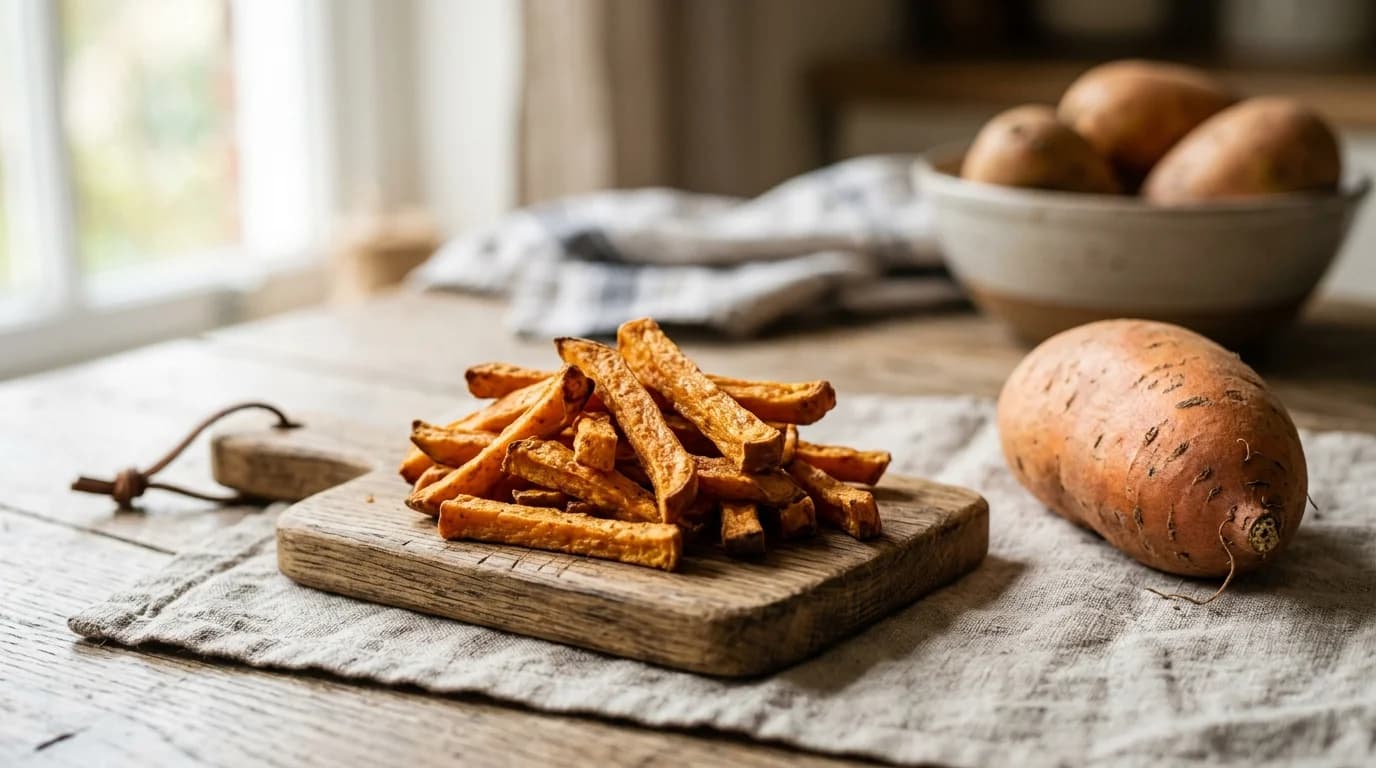
Food and NutritionMar 4, 2024
Can Dogs Eat French Fries? The Honest Vet Answer
A single plain unsalted French fry is not dangerous for most dogs, but the salt, fat, and seasonings in restaurant fries cause GI upset, pancreatitis, and sodium risks. Use safer swaps like baked sweet potato instead.
C
Carol Bryant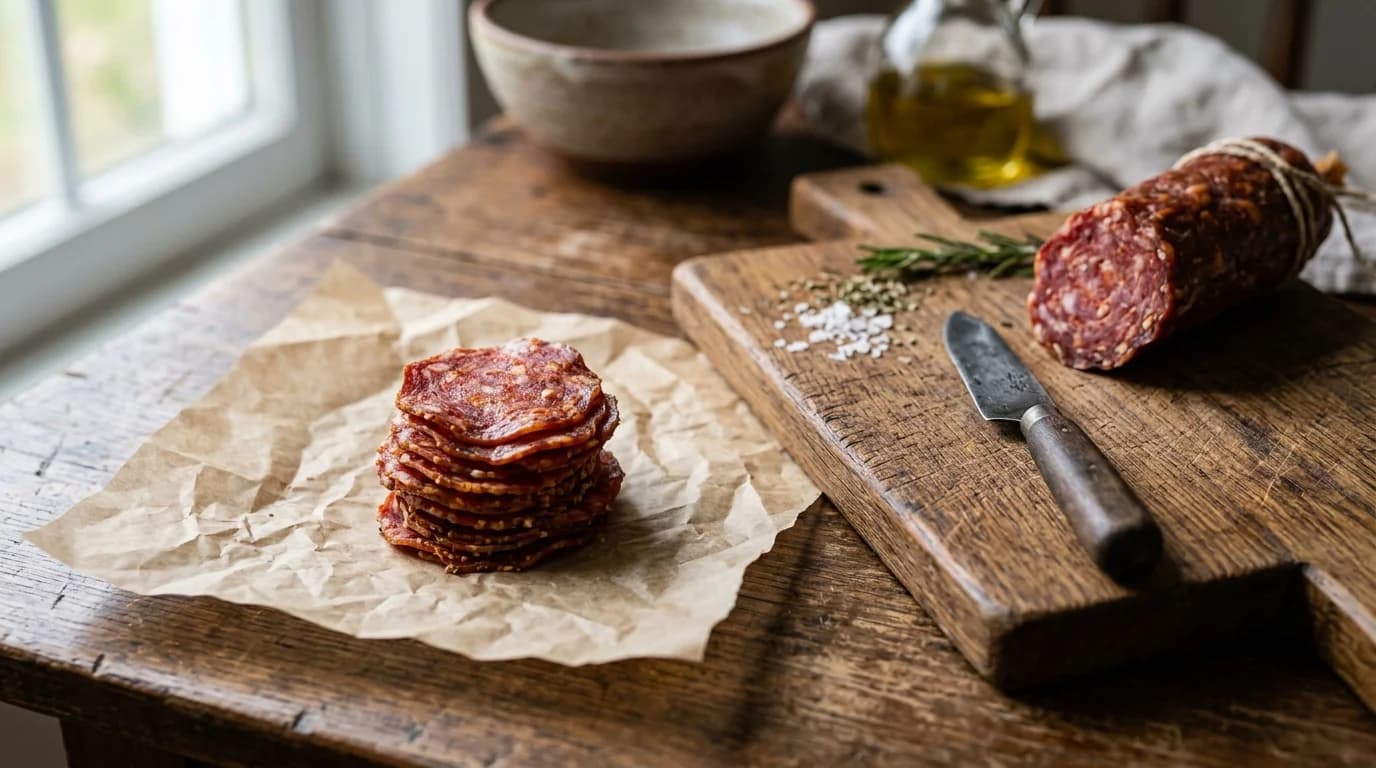
Food and NutritionMar 4, 2024
Can Dogs Eat Pepperoni? Sodium + Nitrate Vet Guide
No, dogs should not eat pepperoni. The sodium, nitrates, fat, and added spices (often including garlic and onion powder) make it one of the riskiest deli meats. Here is what to do if your dog snags a slice.
A
Adriana Guolo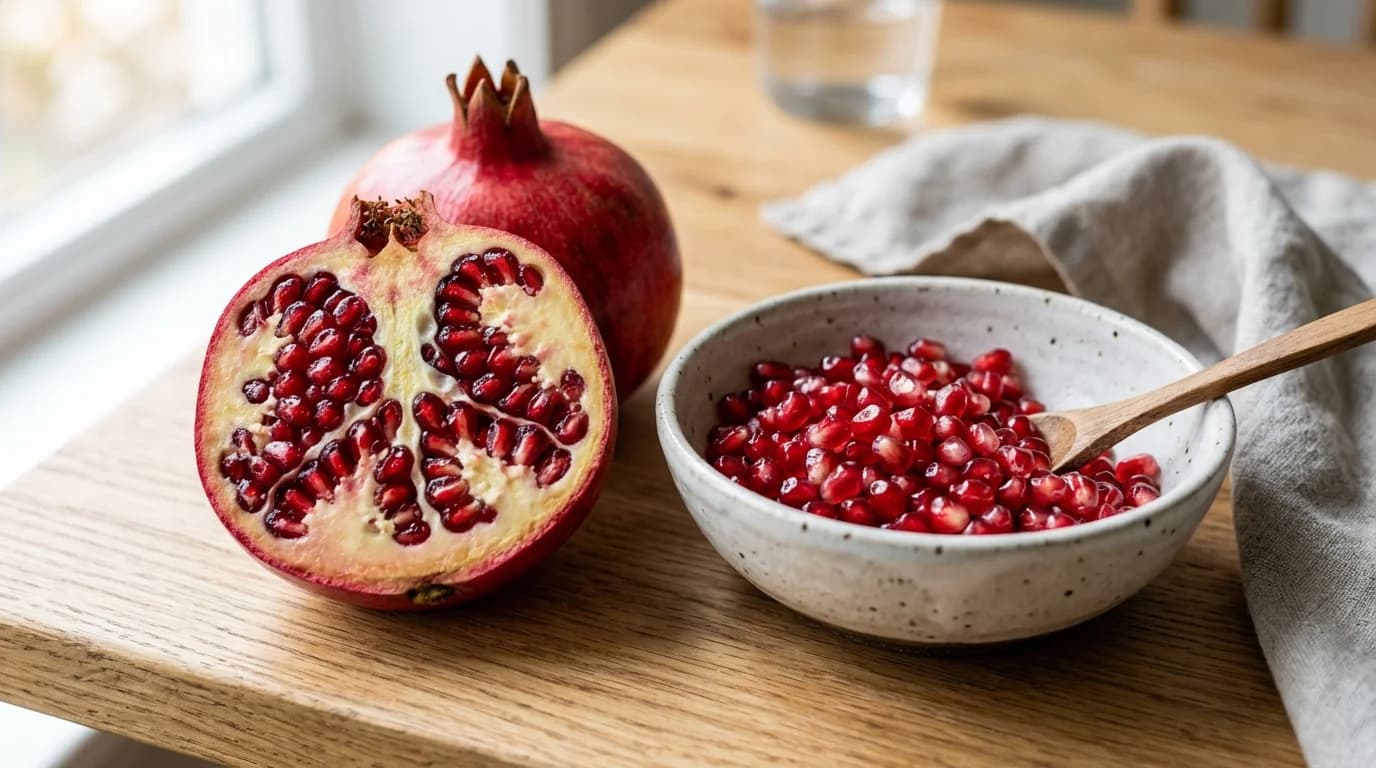
Food and NutritionJan 26, 2024
Can Dogs Eat Pomegranate? Why Vets Recommend Skipping
No, dogs should not eat raw pomegranate. While pomegranates are not toxic to dogs, the tannins and acidity in the seeds and arils cause vomiting and diarrhea in most dogs, and the tough rind is a choking and blockage hazard.
A
Adriana Guolo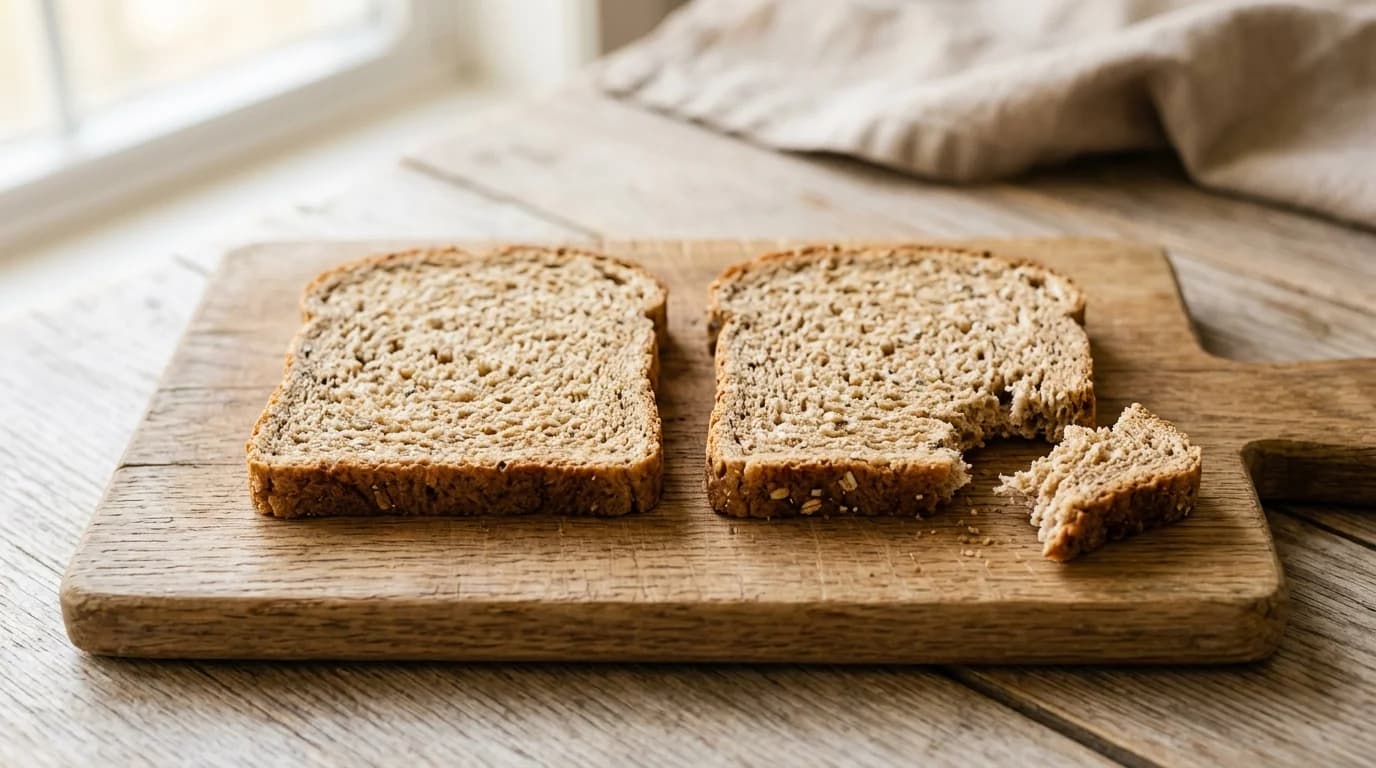
Food and NutritionOct 30, 2023
Can Dogs Eat Bread? Safe Types and Raw Dough Risks
Yes, dogs can eat small amounts of plain white or whole wheat bread as an occasional treat. Avoid raisin bread, garlic bread, raw yeast dough, and any bread containing xylitol or chocolate.
C
Carol Bryant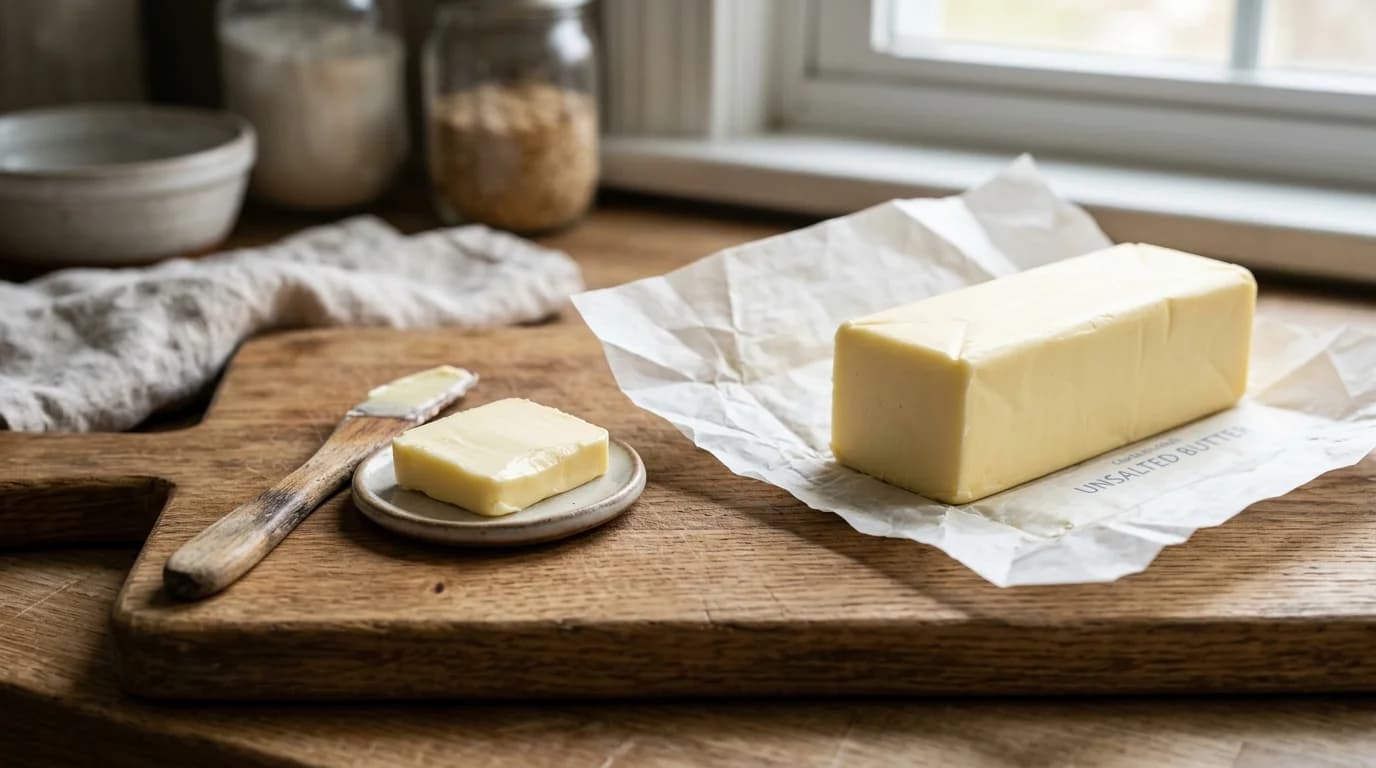
Food and NutritionMay 6, 2024
Can Dogs Eat Butter? No, 3 Vet-Backed Reasons (2026)
No, dogs should not eat butter. The 80% saturated fat content is a real pancreatitis trigger, and the lactose, salt, and calorie load make it one of the worst kitchen-scrap snacks. Here is the vet-emergency response if your dog ate a stick of butter.
C
Carol BryantRelated Categories
Most Popular in Food and Nutrition
Get Pet Care Tips Weekly
Join 50,000+ pet owners getting expert food and nutrition advice delivered to their inbox.
No spam. Unsubscribe anytime.