Can Dogs Eat Butter? No, 3 Vet-Backed Reasons (2026)
No, dogs should not eat butter. The 80% saturated fat content is a real pancreatitis trigger, and the lactose, salt, and calorie load make it one of the worst kitchen-scrap snacks. Here is the vet-emergency response if your dog ate a stick of butter.

Veterinarian · BVMS, MRCVS
Petful is reader supported. As an affiliate of platforms like Amazon and Chewy, we may earn a commission when you buy through links on this page. There is no extra cost to you.
- 1No, dogs should not eat butter. It is 80% saturated fat, one of the most concentrated fat loads in any common kitchen food.
- 2A single tablespoon of butter delivers about 12 grams of saturated fat, enough to trigger pancreatitis in small or susceptible dogs.
- 3A dog that ate a whole stick of butter (113 grams, about 8 tablespoons) is a vet emergency, especially if small, senior, or has a history of pancreatitis.
- 4Skip salted butter, flavored butter, margarine (often contains trans fats and sometimes xylitol), and any baked good or popcorn coated in butter.
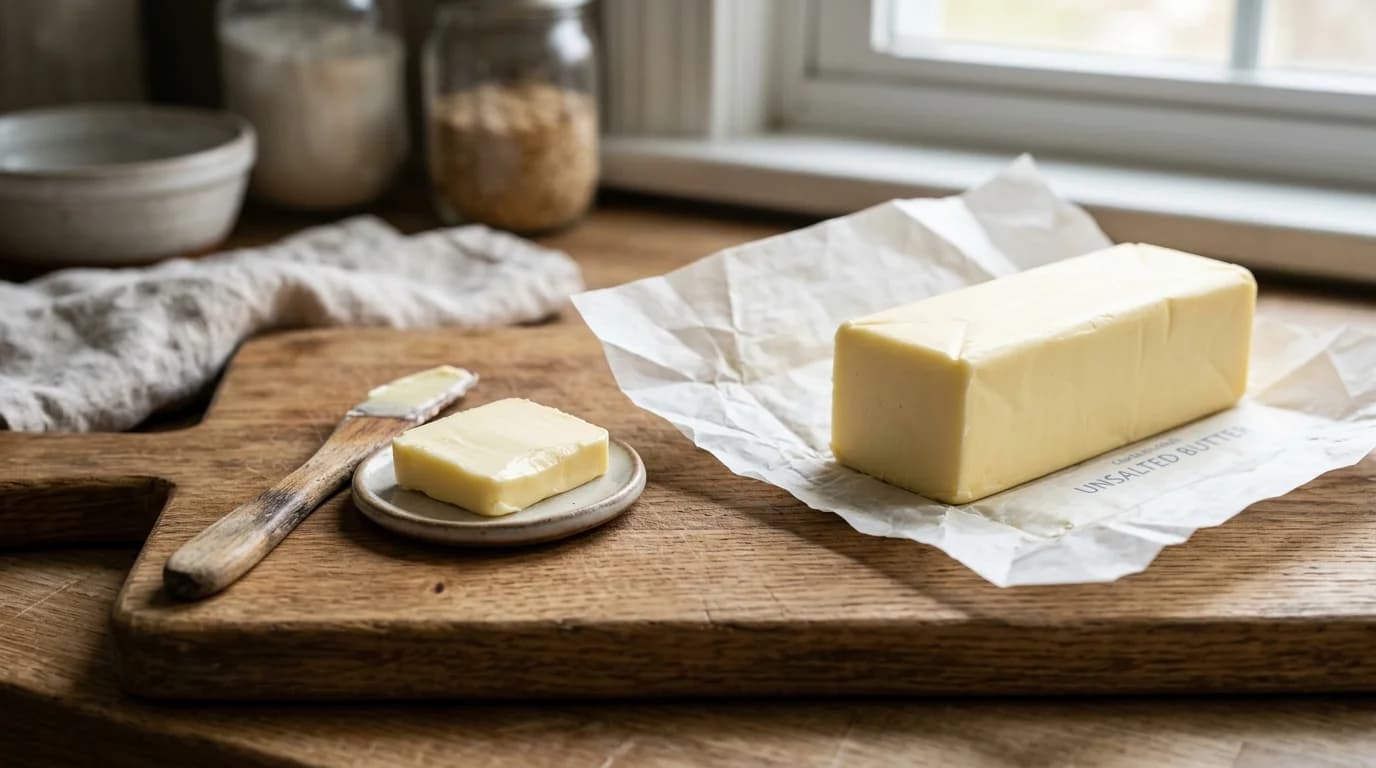
Can dogs eat butter? No, butter is not a safe treat for dogs. The American Kennel Club and PetMD both classify butter as a food to avoid because of the extreme fat content. Butter is roughly 80% saturated fat by weight, which makes it one of the most concentrated fat sources in any common kitchen food. A single tablespoon delivers about 12 grams of saturated fat, enough to trigger pancreatitis in a small breed dog, a senior dog, or any dog with a prior episode. The other risks are real but secondary: lactose content (causing diarrhea in lactose-intolerant dogs), sodium load (in salted butter), calorie density (102 calories per tablespoon, more than 12% of the daily calorie budget for a 20-pound dog), and xylitol contamination in some margarine spreads sold as "sugar-free" or "diet." If your dog ate a stick of butter (113 grams, about 8 tablespoons), treat it as a vet emergency: that is 100 grams of saturated fat in one sitting, which can cause severe pancreatitis requiring IV fluids and hospitalization, especially in small or senior dogs.

Sign up for expert-backed reviews and safety alerts all in one place.
Is Butter Bad for Dogs?
Yes, butter is bad for dogs and should never be fed deliberately.
Butter is one of the worst kitchen scraps for dogs because of three stacked problems: extreme fat concentration (80% by weight), lactose content (in dogs sensitive to dairy), and calorie density. A pat of butter (1 teaspoon) contains 34 calories and 4 grams of fat. A tablespoon is 102 calories and 12 grams of fat. A whole stick (113 grams, 8 tablespoons) is 813 calories and 92 grams of saturated fat. For a 20-pound dog whose daily calorie budget is around 700 calories, a single stick of butter is more than a full day's calories in one sitting, all from fat.
The acute risk is pancreatitis, a painful and sometimes hospitalizing inflammation of the pancreas. The pancreas struggles to process the sudden fat load, and the resulting inflammation causes vomiting, abdominal pain, and (in severe cases) systemic illness that requires IV fluids and hospitalization.
- Butter is firmly on the "skip" list for dogs. A tiny smear on a finger is not an emergency for a healthy adult dog, but a tablespoon or more is. A whole stick is a vet call regardless of dog size.
Why Is Butter Risky for Dogs?
Three reasons stacked together:
Daily dental chew that cleans teeth, freshens breath, and is accepted by the Veterinary Oral Health Council. Sized for dogs 25 to 50 lbs.
Petful may earn a commission when you click through to Chewy, at no extra cost to you.
• Saturated fat load: butter is 80% saturated fat. A tablespoon delivers 12 grams. The fat triggers pancreatitis in susceptible dogs (small breeds, senior dogs, dogs with prior episodes, mini schnauzers, yorkies, terriers).
• Lactose content: butter contains some residual lactose (about 0.1 grams per tablespoon). Most adult dogs tolerate this small amount, but lactose-intolerant dogs may have GI upset from larger quantities.
• Sodium (in salted butter): a tablespoon of salted butter contains about 90 mg of sodium. The daily limit for a 20-pound dog is about 100 mg. A small dog eating a few pats of salted butter can hit sodium-overload territory.
• Calorie density: butter is one of the most calorie-dense foods in any kitchen (102 calories per tablespoon). For weight-managed dogs, even a small amount can derail daily intake.
• Xylitol risk in margarine spreads: some "sugar-free" or "diet" margarine spreads contain xylitol as a sweetener. Skip all margarine entirely.
My Dog Ate a Stick of Butter, What Should I Do?
Call your vet or ASPCA Animal Poison Control immediately.
A whole stick of butter (113 grams, 8 tablespoons) is a serious fat load that can trigger acute pancreatitis. The severity depends on dog size, age, and prior health. Small dogs and senior dogs are at highest risk. Here is the response framework:
| Dog weight | 1 pat (1 tsp) | 1 tbsp | Half stick (4 tbsp) | Whole stick (8 tbsp) |
|---|---|---|---|---|
| Under 10 lb (toy) | Monitor at home | Call vet, monitor | EMERGENCY | EMERGENCY |
| 10-20 lb (small) | Monitor at home | Call vet, monitor | Vet visit, watch for pancreatitis | EMERGENCY |
| 20-50 lb (medium) | Monitor at home | Monitor 24 hr | Call vet, monitor 48 hr | Vet visit, watch for pancreatitis |
| 50-90 lb (large) | Monitor at home | Monitor at home | Monitor 24 hr | Call vet, monitor 48 hr |
| Over 90 lb (giant) | Monitor at home | Monitor at home | Monitor 24 hr | Monitor 48 hr, call vet if symptoms |
What Are the Symptoms of Pancreatitis From Butter?
Pancreatitis symptoms usually appear 12 to 48 hours after a fat binge. Watch for:
1. Vomiting (usually within 12 to 24 hours, often repeated).
2. Abdominal pain (hunched posture, refusal to lie down comfortably, sensitive belly).
3. Lethargy and refusal to eat.
4. Diarrhea (sometimes greasy or yellowish).
5. Excessive panting or rapid breathing (from pain or stress).
6. Severe cases: weakness, collapse, dehydration, jaundice.
Pancreatitis often requires IV fluids, pain management, and hospitalization. Do not wait at home with a dog showing repeated vomiting and abdominal pain after a fat binge. Time-to-treatment is the biggest outcome factor.
Can Dogs Eat Buttered Popcorn?
No, buttered popcorn is on the skip list.
Buttered popcorn combines the butter risks (fat, sodium, lactose) with high salt content from the popcorn itself. Movie-theater buttered popcorn is the worst version (often "buttery topping" rather than actual butter, with additional preservatives and oil), but homemade buttered popcorn is also not appropriate for dogs. Plain air-popped popcorn (no butter, no salt) is OK in tiny amounts as an occasional low-calorie treat, but the buttered version is not.
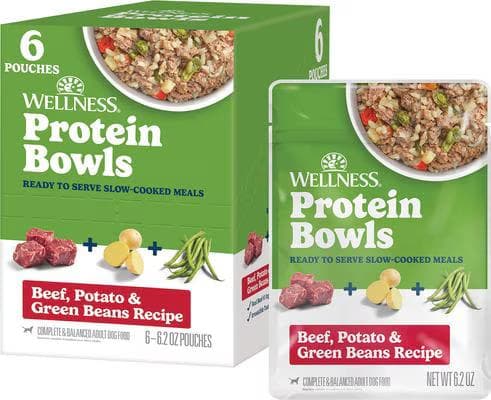
Case of six 6.2-oz pouches at $27.98 ($0.76/oz). New Autoship orders save 35%, dropping the first delivery to $18.19.
Petful may earn a commission when you click through to Chewy, at no extra cost to you.
A few stray pieces of buttered popcorn off the floor is rarely an emergency, but a whole bag is a different story. If your dog ate a significant amount, watch for GI upset and signs of pancreatitis over 24 to 48 hours.
Can Dogs Eat Buttered Toast?
A small bite of plain buttered toast is unlikely to cause an emergency in a healthy adult dog, but it is not a treat to encourage. The fat load is meaningful for small dogs even in toast quantities, and the bread itself is filler with no nutritional payoff. A child sharing a bite of buttered toast at breakfast is not a vet call; a dog eating four slices of buttered toast off the counter is.
Can Dogs Eat Margarine?
No, margarine is generally worse than butter.
Margarine is typically made from vegetable oils that have been partially hydrogenated, which means it contains trans fats (linked to inflammation and metabolic issues). Some sugar-free or "diet" margarine spreads also contain xylitol as a sweetener, which is highly toxic to dogs. Stick to skipping all spreads, including butter, margarine, ghee, and flavored compound butters. If you want a fat boost for your dog's food (rare and usually unnecessary), ask your vet about a small amount of plain fish oil instead.
- A few brands of "sugar-free" or "diet" margarine and butter spreads use xylitol as a sweetener. Xylitol is highly toxic to dogs and causes life-threatening hypoglycemia in even small amounts. If your dog ate any margarine or "butter spread" product, read the ingredient label and call your vet if xylitol is listed.
Can Dogs Eat Garlic Butter or Compound Butters?
No, definitely not. Garlic butter combines the fat risk of butter with garlic's red-blood-cell damage. Garlic is toxic to dogs in moderate amounts and can cause delayed hemolytic anemia (showing up 2 to 5 days after exposure). Compound butters with herbs (basil, parsley) are slightly less risky but still combine fat overload with seasonings that often include garlic or onion powder. Skip all flavored butters.
How Much Butter Is Too Much?
There is no "safe" amount of butter for a dog as a deliberate treat. The risk threshold depends on dog size and individual susceptibility to pancreatitis. As a working rule, anything more than a teaspoon-sized smear in a small dog or a tablespoon-equivalent in a large dog warrants a vet call.
What If My Dog Ate Butter?
Petful may earn a commission when you click through to Chewy, at no extra cost to you.
Step 1: Estimate the amount and the type of butter (salted, unsalted, margarine, garlic butter). Was it a smear on toast, a whole stick, or a margarine container?
Step 2: Identify the dog's weight and health status. Small dogs, senior dogs, and dogs with prior pancreatitis are at highest risk.
Step 3: Watch for symptoms over the next 24 to 72 hours. The biggest concerns are pancreatitis (12 to 48 hours after the binge) and (for margarine ingestion) xylitol toxicity (within 30 minutes to 12 hours).
Step 4: Offer plenty of fresh water and skip the next meal if your dog is uncomfortable. Then offer a small bland meal of boiled chicken and rice once they seem stable.
- Your dog ate a whole stick of butter (or more), is small or senior, has a history of pancreatitis, is showing repeated vomiting or hunched posture, refusing food, lethargic, or showing signs of weakness. Margarine ingestion with possible xylitol exposure is a same-day vet call regardless of amount. ASPCA Animal Poison Control: 888-426-4435.
Can Puppies Eat Butter?
No, puppies should never have butter. Their developing digestive systems handle fat poorly, and the pancreatitis risk is higher in young dogs that have not yet developed full digestive resilience. A puppy that licks butter off a finger is unlikely to have an emergency, but it should not be a deliberate treat at any age under 12 months.
Safer Alternatives to Butter for Dogs
If you want to give your dog something rich and palatable as a treat, skip the butter and reach for plain low-fat cottage cheese, plain unsweetened pumpkin puree, a small piece of plain cooked shrimp, or a few plain raspberries. All deliver flavor and palatability with none of the pancreatitis risk.
Frequently Asked Questions About Dogs and Butter
A tiny smear on a finger is unlikely to cause an emergency in a healthy adult dog, but it is not a recommended treat. Anything more than a teaspoon for a small dog or a tablespoon for a large dog warrants monitoring.
Slightly, because the sodium load is removed. The fat content is the same, so the pancreatitis risk is unchanged. Unsalted butter is still on the skip list.
Call your vet or ASPCA Animal Poison Control immediately, especially if your dog is small, senior, or has a pancreatitis history. A whole stick of butter is a serious fat load and can trigger acute pancreatitis requiring IV fluids and hospitalization.
No. Ghee is essentially pure milk fat (about 99% fat) with the lactose and water removed. It is even more concentrated than regular butter and presents the same pancreatitis risk. Skip ghee for the same reasons.
No, margarine is generally worse. It often contains trans fats from partial hydrogenation, and some sugar-free spreads contain xylitol, which is toxic to dogs. Skip all spreads.
No. Buttered popcorn combines the butter risks (fat, sodium, lactose) with high salt content. Plain air-popped popcorn (no butter, no salt) is fine in tiny amounts as an occasional treat.
For most pet parents, the answer is to skip the spread entirely. If your dog's diet genuinely needs a fat supplement (which is rare and usually only on vet advice), a small amount of plain fish oil is a safer choice than any dairy or vegetable spread.
- Butter is not on the "acutely toxic" list (unlike chocolate or xylitol products)
- A tiny smear is unlikely to cause an emergency in a healthy adult dog
- Symptoms of small-amount ingestion usually resolve within 24 to 48 hours
- Easy to identify and avoid because butter has a distinctive smell and appearance
- 80% saturated fat is one of the highest fat concentrations in any kitchen food
- A whole stick can trigger acute pancreatitis requiring hospitalization
- Salted butter pushes small dogs over sodium limits quickly
- Some margarine and "sugar-free" butter spreads contain xylitol (acutely toxic)
0 to 6 hours: most healthy dogs digest a small amount without immediate symptoms. Possible early vomiting if a large amount was eaten. 6 to 12 hours: lethargy, refusal of dinner, possible diarrhea. 12 to 48 hours: hunched posture, abdominal pain, repeated vomiting (early pancreatitis). 24 to 72 hours: continued vomiting or worsening pain equals a vet emergency. Severe cases may require IV fluids, pain management, and hospitalization. Small dogs and dogs with prior pancreatitis need same-day vet attention after even a small fat binge.
Butter: 80% saturated fat, lactose, sodium (in salted). Pancreatitis trigger. Skip. Margarine: vegetable oil-based, often with trans fats. Some spreads contain xylitol (acutely toxic). Skip. Ghee (clarified butter): about 99% milk fat with lactose and water removed. Even more concentrated than butter. Pancreatitis trigger. Skip. All three are on the do-not-feed list. If your dog's diet needs a fat supplement, ask your vet about a small dose of plain fish oil instead.
A whole stick or more in any dog size. Any margarine ingestion (xylitol risk). Garlic butter or compound butter ingestion at any amount. Any amount in a puppy under 12 months, a senior dog, or a dog with prior pancreatitis. Repeated vomiting, hunched posture, refusing food, or lethargy after a butter binge. All of these are vet calls.
More Dog-Food Safety Reads on Petful
Other dog-food cluster reads to keep nearby: can dogs eat cottage cheese, can dogs eat shrimp, can dogs eat french fries, and can dogs eat applesauce. If your dog ate a stick of butter, a margarine container, or any "sugar-free" butter spread with possible xylitol, our emergency-response walkthrough on what to do if your dog ate a grape covers the same triage steps and vet-call thresholds for any high-fat or high-risk human food ingestion.
Butter is a firm "skip" for dogs. The 80% saturated fat content makes it one of the most concentrated pancreatitis triggers in any common kitchen food. A small smear on a finger is rarely an emergency, but a whole stick is a vet call regardless of dog size. Skip butter, margarine, and ghee entirely, and never give garlic butter or compound butters at any amount. If you want a flavor-forward treat for your dog, plain cottage cheese or a few raspberries deliver palatability with none of the pancreatitis risk.

Carol Bryant is the founder FidoseofReality.com and SmartDogCopy.com. A pet product expert, Carol is the Past President of the Dog Writers Association of America (DWAA) and winner of Best Dog Blog. A dog lover of the highest order is how Gayle King introduced Carol when she appeared with her Cocker Spaniel on Oprah Radio’s Gayle King Show to dish dogs. She helps pet, animal, and lifestyle brands achieve copywriting and content marketing success using well-trained words that work and is well-known in the pet industry.
Veterinarian · BVMS, MRCVS
Dr. Pippa Elliott, BVMS, MRCVS, is a veterinarian with nearly 30 years of experience in companion animal practice. Dr. Elliott earned her Bachelor of Veterinary Medicine and Surgery from the University of Glasgow. She was also designated a Member of the Royal College of Veterinary Surgeons. Married with 2 grown-up kids, Dr. Elliott has a naughty Puggle named Poggle, 3 cats and a bearded dragon.
Sign up for expert-backed reviews and safety alerts all in one place.