Ocicat Price: How Much an Ocicat Kitten Really Costs in 2026
What does an Ocicat really cost? This 2026 price guide breaks down breeder kitten prices ($800-$2,500), retired-adult and shelter options, and the true first-year and lifetime cost of owning one, plus why prices swing so widely.
Petful is reader supported. As an affiliate of platforms like Amazon and Chewy, we may earn a commission when you buy through links on this page. There is no extra cost to you.
According to breeder pricing tracked by registries like TICA and CFA, the typical Ocicat price runs between $800 and $2,500 for a kitten from a reputable breeder, with show-quality and rare-coat kittens starting near $1,700 and adoption or rescue costing just $50 to $200. (To clear up the most common mix-up first: this guide is about the spotted domestic cat, the living, purring Ocicat, not the OciCat crypto token that trades for a fraction of a cent and has nothing to do with the breed.) Below is a complete, number-by-number cost guide: what you pay up front for a kitten, why prices swing so widely, what an adult or retired breeder costs, and the real first-year and lifetime totals once food, vet care, and insurance are added in. Petful’s guide to LaPerm cat price has the full breakdown.
- 1A reputable-breeder Ocicat kitten typically costs $800 to $2,500, with show-quality or rare colors starting around $1,700
- 2Retired breeding adults usually run $100 to $500, and shelter or rescue adoption costs $50 to $200
- 3First-year ownership (kitten plus setup, vaccines, spay/neuter, supplies) commonly lands near $1,500 to $3,500 all in
- 4Ongoing care averages roughly $1,500 to $1,800 per year once food, vet visits, and pet insurance are counted
- 5The "OciCat" you may see priced in fractions of a cent is a cryptocurrency token, not this cat

Sign up for expert-backed reviews and safety alerts all in one place.
Ocicat price at a glance
Before the breakdowns, here is the fast answer. The Ocicat is a relatively uncommon breed (the GCCF and other registries note it is far rarer than tabby look-alikes like the Bengal), so a kitten from a dedicated, registered breeder sits in the mid-to-upper range for pedigreed cats. Adoption is dramatically cheaper, but Ocicats turn up in shelters only rarely.
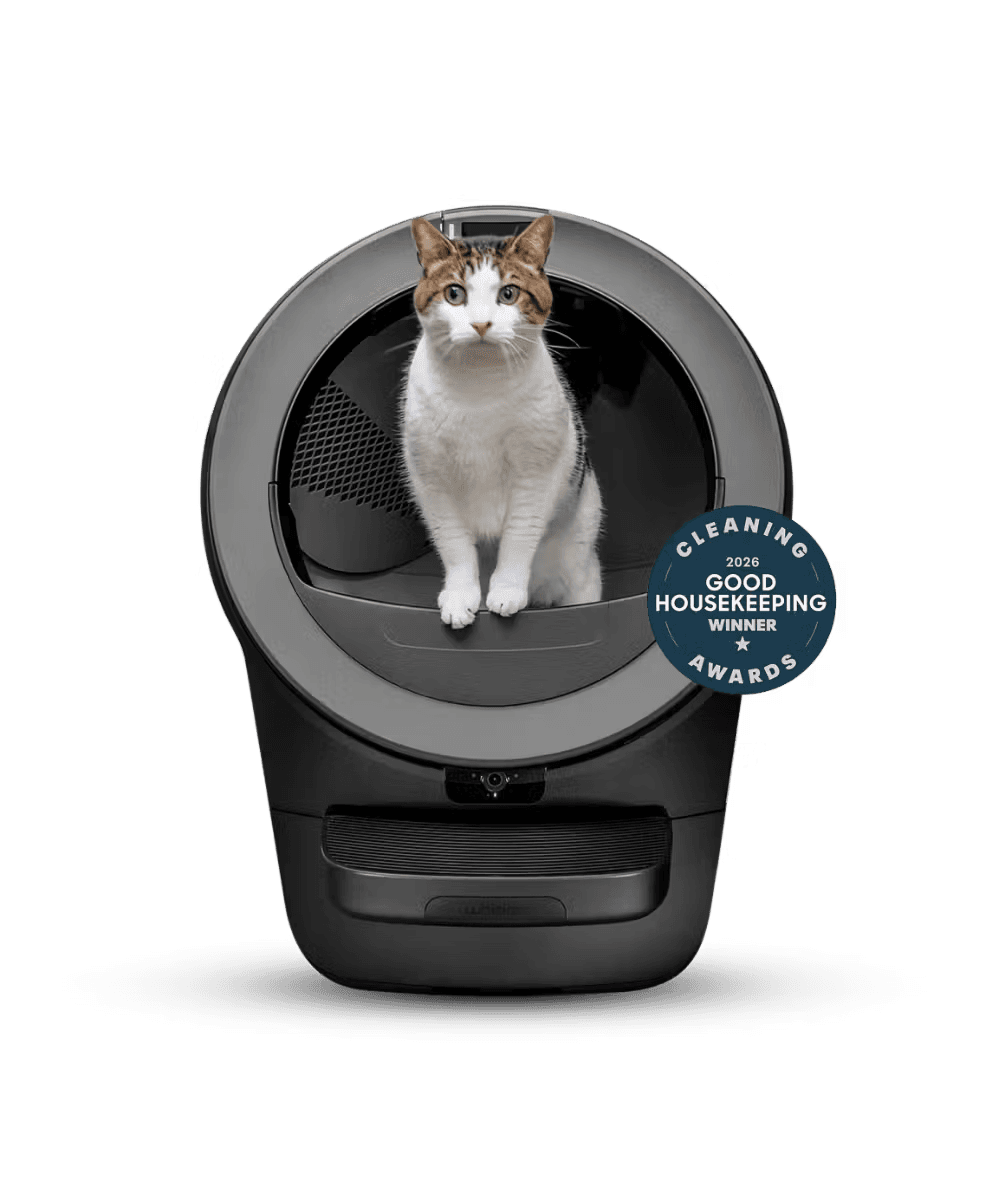
Never Scoop Again® with the Whisker Litter-Robot, the smart self-cleaning automatic litter box. Monitor visits and track weights for better overall care in the Whisker® app. Multi-cat friendly.
Petful may earn a commission when you click through to Whisker, at no extra cost to you.
| How You Get One | Typical Price Range | What It Reflects |
|---|---|---|
| Pet-quality kitten (reputable breeder) | $800 to $1,500 | Healthy, registered, spay/neuter contract, family pet |
| Show or breeding-quality kitten | $1,700 to $2,500+ | Top conformation, rare colors, breeding rights |
| Retired adult or breeding cat | $100 to $500 | Older, already altered, past breeding age |
| Shelter or rescue adoption | $50 to $200 | Covers vetting and prior care, breed not guaranteed |
- An Ocicat price reflects more than the cat. It bundles the breeder's health testing, registration, early vet care, and whether you are buying a pet or breeding rights. A $900 pet kitten and a $2,400 show kitten can be siblings, priced apart by paperwork and intended purpose, not by how affectionate they are.
What you pay a breeder for an Ocicat kitten
Most people buying an Ocicat go through a breeder, because the breed is hard to find in rescue. Reputable Ocicat breeders generally price kittens from about $800 on the low end to $2,500 or more at the top, and a handful of championship or rare-color lines reach toward $3,000. Public pricing from working catteries lines up with that band: one long-running Ocicat breeder lists pet kittens starting near $700, while another quotes spotted show-quality kittens starting around $1,700, with the rarest colors priced higher.
Three things move a kitten up or down inside that range.
Quality grade: pet vs. show
This is the single biggest price lever. A "pet-quality" kitten is a healthy, well-socialized cat that simply has a minor cosmetic trait (a slightly off spot pattern, a coat that is a touch too light or dark) that would cost points in the show ring. These are the most affordable, usually $800 to $1,500, and they are sold on a spay/neuter contract. A "show-quality" or "breeding-quality" kitten matches the breed standard closely and may come with breeding rights, which is why those start near $1,700 and climb.

Compare coverage choices for your pet, then request a quote directly on Lemonade.
- Check a price for your pet
- Review available coverage choices
- See the terms before you decide
Eligibility, waiting periods, limits and exclusions apply.
Petful may earn a commission when you click through to Lemonade, at no extra cost to you.
Color, contrast, and pattern
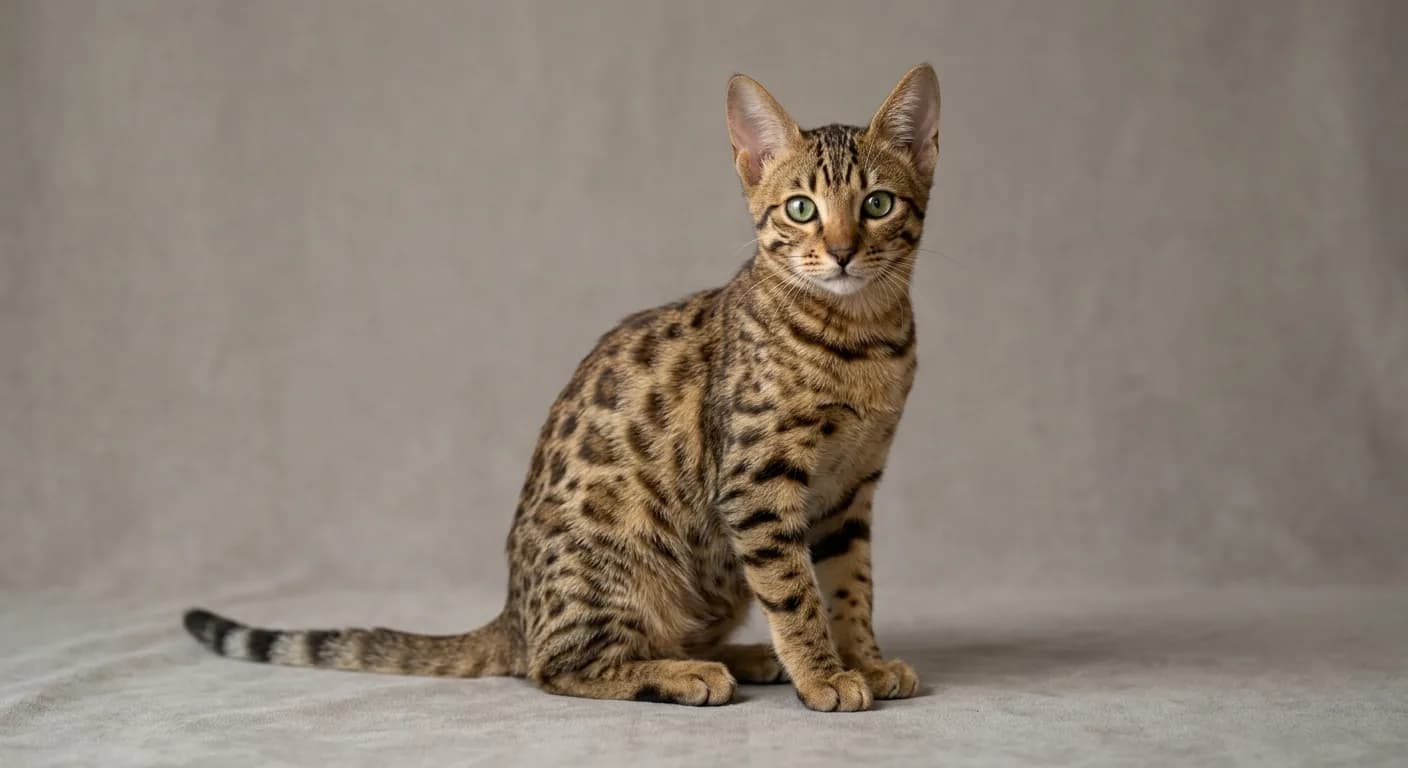
The Ocicat's signature is crisp, dark thumbprint spots on a lighter agouti ground. Kittens with bold, high-contrast spotting and rich color tend to command the top of a breeder's range, while popular or rare colors (such as the deeper chocolate and cinnamon shades, or silver variants) can add a premium. Breeders openly note that coat color and contrast are primary pricing factors. If you are choosing among the spotted tabby breeds on looks, our Bengal cat colors and patterns guide shows how spotted-coat pricing works in a closely related breed.
Pedigree, registration, and breeder reputation
A kitten from a registered TICA or CFA cattery with a documented pedigree, health-tested parents, and a health guarantee costs more than one from a casual or backyard source, and that premium is worth paying. Registration paperwork, championship lines in the pedigree, and a breeder's reputation all push price up. The cheapest "Ocicat" listings online are often the biggest risk: unregistered, unhealth-tested, or not purebred at all.
- An Ocicat priced far below $800 from a reputable breeder, or sold with "no papers needed," is a warning sign. Skipping registration and parental health screening is how genetic problems and surprise vet bills slip through. A slightly higher purchase price from a tested, registered breeder is the cheaper choice over the cat's life.
Adopting or buying an adult Ocicat
If the kitten price feels steep, two cheaper routes exist, though both take patience.
Retired breeding cats and rehomed adults are the value sweet spot. Breeders periodically retire adults from their program and place them in pet homes, typically for $100 to $500. These cats are already spayed or neutered, usually vaccinated, and past the chaotic kitten stage, so you skip several first-year costs. The trade-off is you take what is available rather than picking a kitten.

63-inch multi-level cat tree with scratch posts, hammock, plush perches, and dangling toys. Vertical territory is non-negotiable for high-energy climbing breeds like the Bengal.
Petful may earn a commission when you click through to Chewy, at no extra cost to you.
Shelter or rescue adoption is the cheapest path at $50 to $200, which mainly covers the spay/neuter, vaccines, and microchip the rescue already paid for. The catch is supply: purebred Ocicats are seldom surrendered, so you may wait a long time or end up adopting an Ocicat-type spotted mix rather than a pedigreed cat. Breed-specific rescues and listings on adoption sites are the best places to watch.
- Because Ocicats are uncommon, good breeders often have waitlists and limited litters. Contact several registered catteries months ahead, ask about deposits (commonly $200 to $500, applied to the purchase), and you will both lock in a fair price and avoid impulse-buying from a sketchy seller.
First-year cost of owning an Ocicat
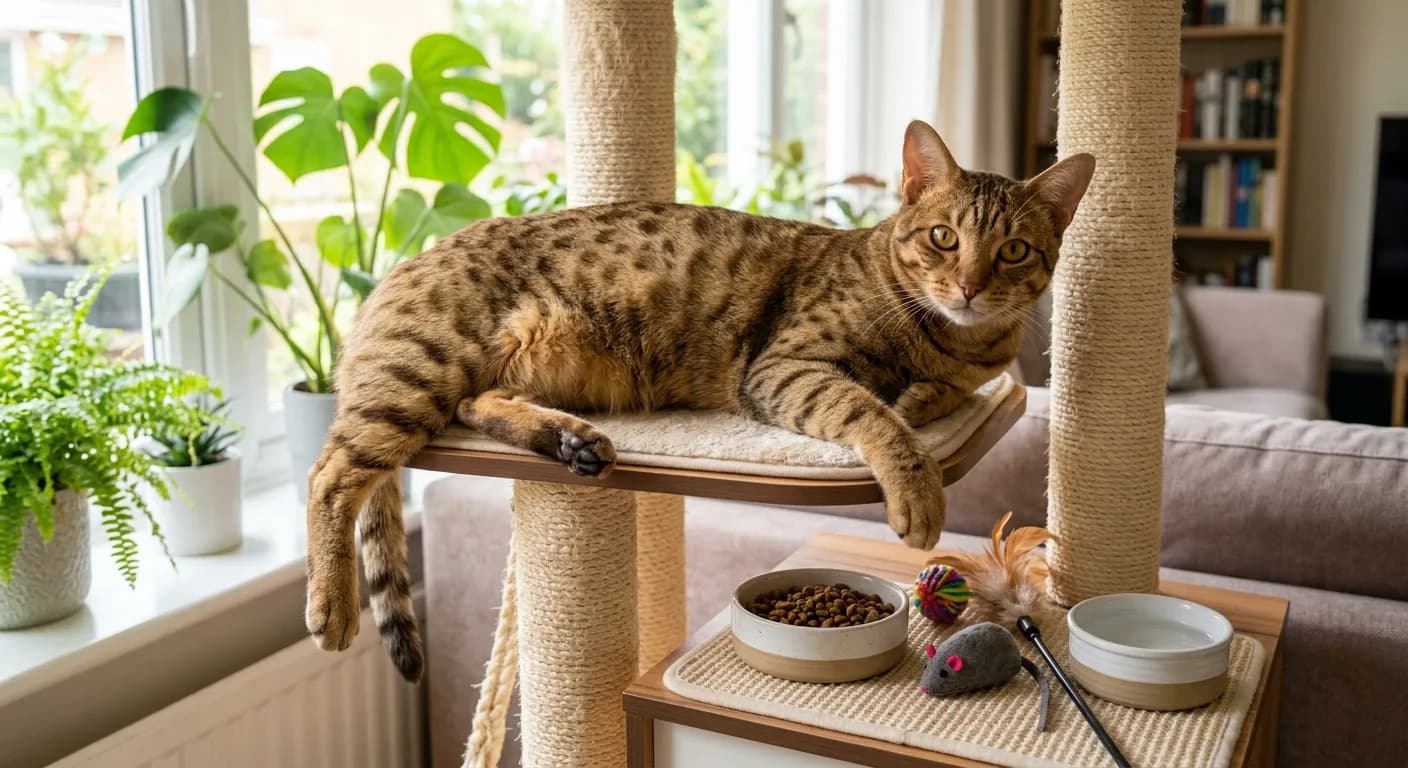
The sticker price is only the start. The first year carries one-time setup costs on top of the kitten, and budgeting for them up front prevents nasty surprises. Here is a realistic first-year breakdown for a single Ocicat kitten, using typical US figures.
| Expense | Typical Cost | Notes |
|---|---|---|
| Kitten purchase (pet quality) | $800 to $1,500 | One time, from a reputable breeder |
| Initial vaccinations and vet exam | $100 to $200 | First core vaccine series plus a wellness check |
| Spay or neuter | $200 to $500 | If not already done by the breeder |
| Microchip | $25 to $50 | Often bundled with the spay/neuter visit |
| Starter supplies | $200 to $300 | Litter box, carrier, beds, bowls, scratchers, toys |
| Food (year one) | $250 to $500 | Quality cat food at roughly $20 to $40 per month |
| Pet insurance (optional) | $300 to $600 | Annual premium if you choose to insure |
| First-year total | $1,900 to $4,150 | Lower if the kitten arrives already altered and chipped |
The wide spread reflects real choices. Buy a pet-quality kitten that already comes spayed, vaccinated, and microchipped (many breeders include these), skip insurance, and your all-in first year can land closer to $1,500 to $2,000. Choose a show-quality kitten, add insurance, and buy premium gear, and you can clear $4,000. The Ocicat itself is low-maintenance on grooming (a short, sleek coat that needs only occasional brushing), so you save on the grooming costs that long-haired breeds rack up.

108-oz stainless steel pet fountain with quiet pump and water-level window. Bengals are notoriously water-obsessed; a flowing fountain encourages hydration and pulls them away from sinks and toilets.
Petful may earn a commission when you click through to Chewy, at no extra cost to you.
Ongoing and lifetime cost of an Ocicat
After year one, the recurring costs settle into a steadier rhythm. Across food, routine veterinary care, litter, supply replacement, and optional pet insurance, owners commonly spend in the low four figures per year. Independent cost guides for the breed put annual ownership around $1,500 to $1,800, driven mainly by food (roughly $20 to $40 a month), routine vet care (a few hundred dollars a year), and pet insurance (often $400 to $600 a year for a purebred).
Over a long life, that adds up. The Ocicat is a healthy, athletic breed with a lifespan many sources place around 12 to 18 years, so a reasonable lifetime estimate lands in the low-to-mid five figures once you total food, vet care, supplies, and insurance across the cat's life. The single biggest swing factor is health: the breed is generally robust, but like many pedigreed cats it can carry conditions worth budgeting for.
- Ocicats are mostly healthy, but the breed can be predisposed to a handful of conditions including hypertrophic cardiomyopathy (HCM), progressive retinal atrophy, and renal amyloidosis. None are guaranteed, but a single serious diagnosis can mean a four-figure or even five-figure bill. This is exactly the gap pet insurance (or a dedicated savings buffer) is meant to close. Buy from a breeder who screens the parents.
The Ocicat is an active, intelligent, dog-like cat that needs interactive play and enrichment, so factor a steady trickle of toys and climbing furniture into the budget too. To see how those traits shape day-to-day life (and whether the breed fits your household before you spend a cent), read our Ocicat personality and temperament guide, and for the complete picture of the breed's size, care, and history, start with the full Ocicat breed profile.
Is the Ocicat worth the price?
For the right home, yes. You are paying for a striking wild-cat look in a fully domestic, affectionate, low-grooming package, without the legal restrictions, specialized diet, or temperament unpredictability that can come with actual wild-hybrid cats. Compared with a high-generation Bengal cat or an exotic cross like the caracat, an Ocicat is usually less expensive to buy and far simpler to keep, while still delivering the spotted, athletic aesthetic that draws people to those breeds. If you love the look but want an even older, more widely available spotted or ticked breed, the Abyssinian cat and the Egyptian Mau are worth comparing on both price and personality.
- 1Pay for a registered, health-tested breeder, not the cheapest listing; the upfront premium prevents bigger vet bills later
- 2Decide pet vs. show first, since it is the largest single price driver
- 3Adopting a retired adult ($100 to $500) is the best-value way into the breed if you can be patient
- 4Always reserve a few hundred dollars (or insurance) for a possible HCM or other genetic-condition bill
- 5Remember the breed's strengths: low grooming cost and a wild look without wild-cat complications
Frequently asked questions about Ocicat price
An Ocicat kitten from a reputable breeder typically costs $800 to $2,500, with most pet-quality kittens in the $800 to $1,500 range and show-quality or rare-color kittens starting around $1,700. Adopting from a shelter or rescue runs about $50 to $200, and a retired adult from a breeder usually costs $100 to $500.
Ocicats are a relatively rare breed produced by dedicated registered breeders, so the price reflects health-tested parents, registration paperwork, early vaccinations and vet care, and the cat's quality grade. Show-quality kittens with bold spotting, rare colors, or breeding rights cost the most, while pet-quality kittens on a spay/neuter contract are the most affordable.
Yes. The Ocicat is considered an uncommon breed, far rarer than spotted look-alikes such as the Bengal, and it is seldom found in shelters. That scarcity is one reason kittens command mid-to-upper pedigreed-cat prices and why good breeders often keep waitlists.
That is a cryptocurrency token called OciCat (OCICAT), which trades for a tiny fraction of a US cent and is completely unrelated to the cat breed. If your search for "Ocicat price" returned numbers like $0.00000001, you were looking at the crypto token, not the spotted domestic cat described in this guide.
After the first year, ongoing costs average roughly $1,500 to $1,800 annually, covering food (about $20 to $40 a month), routine veterinary care, litter and supply replacement, and optional pet insurance (often $400 to $600 a year for a purebred). The first year runs higher because of the kitten purchase, spay/neuter, and starter supplies.
Ocicats are a generally healthy, athletic breed with a typical lifespan of about 12 to 18 years. Because they live a long time, budgeting for ongoing food, vet care, and the occasional larger health bill matters as much as the upfront kitten price.
Ocicats are highly active, intelligent, and people-oriented, so they can become demanding, vocal, or destructive if left without enough play, enrichment, and companionship. They are not a low-energy lap cat, and ignoring their need for stimulation can lead to behavior problems. Budget for interactive toys, climbing furniture, and your time, on top of the purchase price.
Many do, but on their own terms. Ocicats are affectionate and bond strongly with their people, often following you around and seeking interaction, though they tend to show love through active play as much as through long cuddling sessions. Individual personality varies, so some are lap cats and others prefer to stay nearby rather than be held.
The priciest pedigreed cats are typically exotic or hybrid breeds such as the Savannah, Ashera, and high-generation Bengal, which can run into the thousands or tens of thousands of dollars. The Ocicat is far more affordable than those, sitting in the mid range for pedigreed cats while still offering a wild, spotted appearance.

Coreen Saito is a pet writer and longtime shelter volunteer with more than a decade in animal rescue. She covers cat behavior, breed care, and the small, ordinary science of sharing a life with companion animals, with a particular focus on honest takes about the products and decisions that actually matter. At home in Arizona, she's outranked by Mac (a dog with the loudest opinion in the house), Rebel (a cat who governs by quiet authority), and Meri (an orange tabby who runs the late shift and the laundry basket). She writes about all three, plus the rescues that keep coming through her life, at LifeWithMinty.com.
Sign up for expert-backed reviews and safety alerts all in one place.