Maine Coon Lifespan: How Long Do Maine Coons Live? (Vet-Reviewed)
Maine Coon cats typically live 12 to 15 years. Learn what shapes their lifespan, the genetic health conditions to screen for, and the practical steps that help your Maine Coon live a longer, healthier life.

BVMS, MRCVS
Petful is reader supported. As an affiliate of platforms like Amazon and Chewy, we may earn a commission when you buy through links on this page. There is no extra cost to you.
The maine coon lifespan, according to the Cat Fanciers' Association (CFA), typically runs 12 to 15 years, with many well-cared-for cats reaching 13 or 14 as their sweet spot and some hardy individuals pushing into the high teens. For a breed as large and long-coated as the Maine Coon, that is a genuinely impressive run, and understanding what shapes it gives you real power to influence how many healthy years you share with your cat.
- 1Maine Coon cats typically live 12-15 years, with many reaching 13-14
- 2The number one lifespan threat is hypertrophic cardiomyopathy (HCM), a genetic heart condition
- 3Indoor Maine Coons consistently outlive outdoor and free-roaming cats
- 4DNA testing (MyBPC3, SMA, PKD) plus annual echocardiograms are the most effective screening tools
- 5Diet, weight, dental care, and enrichment are the controllable levers that add healthy years
This guide, reviewed by veterinarian Dr. Pippa Elliott, BVMS, MRCVS, covers the evidence behind that 12-15 figure, the health conditions most likely to shorten it, and the practical steps that give your Maine Coon the best shot at a long, comfortable life.

Sign up for expert-backed reviews and safety alerts all in one place.
Maine Coon Lifespan: What to Expect
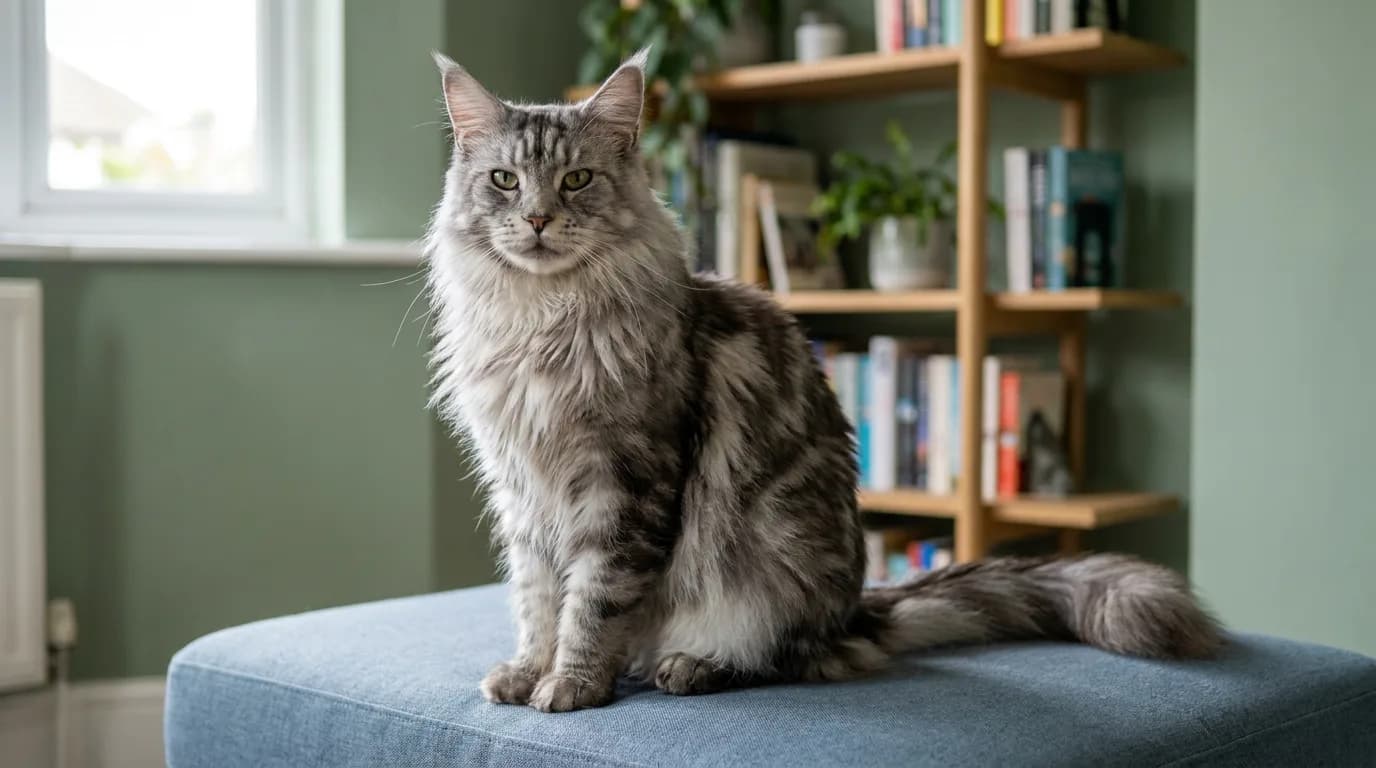
Maine Coons are a naturally large, slow-maturing breed. Males tip the scale at 15-25 pounds and females at 8-14 pounds, and most do not reach their full physical size until age three or four. That extended development is part of why longevity figures for giant or large breeds often run slightly lower than for smaller cats: more body mass means more workload on the heart and joints over time.
That said, 12-15 years is a solid, respectable window, and the upper end is absolutely attainable. Several verified Maine Coons have reached 16, 17, and 18 years. The oldest Maine Coon with a reliable record, a cat named Corduroy, lived to 26 years, though records at that extreme are anecdotal and not independently verified by any registry.
The practical takeaway: budget for a 12-15 year relationship. With genetic screening, veterinary oversight, and good daily husbandry, the high end of that range is realistic for most cats.

Feathered teaser wand with catnip-stuffed bird. Pairs perfectly with the no-bite training policy: redirect Bengal play drive into a 10-minute interactive session with the wand.
Petful may earn a commission when you click through to Chewy, at no extra cost to you.
- Maine Coons (12-15 years) sit roughly in the middle of the domestic cat lifespan spectrum. Smaller breeds like Siamese and Devon Rex often reach 15-20 years. Large breeds like Ragdolls average 12-17 years. The Persian, a similarly slow-maturing long-coated cat, averages 12-17 years, though flat-faced lines can run shorter.

 Sponsored
Have a health question about your cat?
Talk to a licensed vet at Dutch over video or message, including nights and weekends.
Use code Pets60
Plans start at $12/month · covers up to 5 pets
- Licensed vets in most states
- Rx for 150+ conditions
- 4.7 on Trustpilot
How Long Do Maine Coons Live on Average?
The most commonly cited average is 12-15 years, consistent across CFA publications, veterinary breed references, and the International Cat Care database. Within that window:
- 12-13 years is the lower-normal range, often seen in cats with unmanaged HCM, untreated hyperthyroidism in later life, or chronic kidney disease that begins in the senior years.
- 13-15 years is the typical well-cared-for range. Cats with clear genetic screening results, annual wellness exams, and good weight management regularly land here.
- 15-18 years is achievable but not the norm. Cats in this bracket usually combine favorable genetics, indoor-only lifestyle, attentive owners, and a degree of luck.
- 18+ years is exceptional. Any claim beyond 20 should be treated as unverified unless supported by veterinary records and microchip documentation.
Sex does not create a dramatic lifespan difference in the available data for Maine Coons. Some veterinary sources note that neutered/spayed cats, regardless of breed, tend to outlive intact cats, which is a stronger variable than biological sex alone. If anything, males grow heavier, which adds a small cardiovascular load, but the effect is modest compared to the impact of indoor-only living and genetic screening.
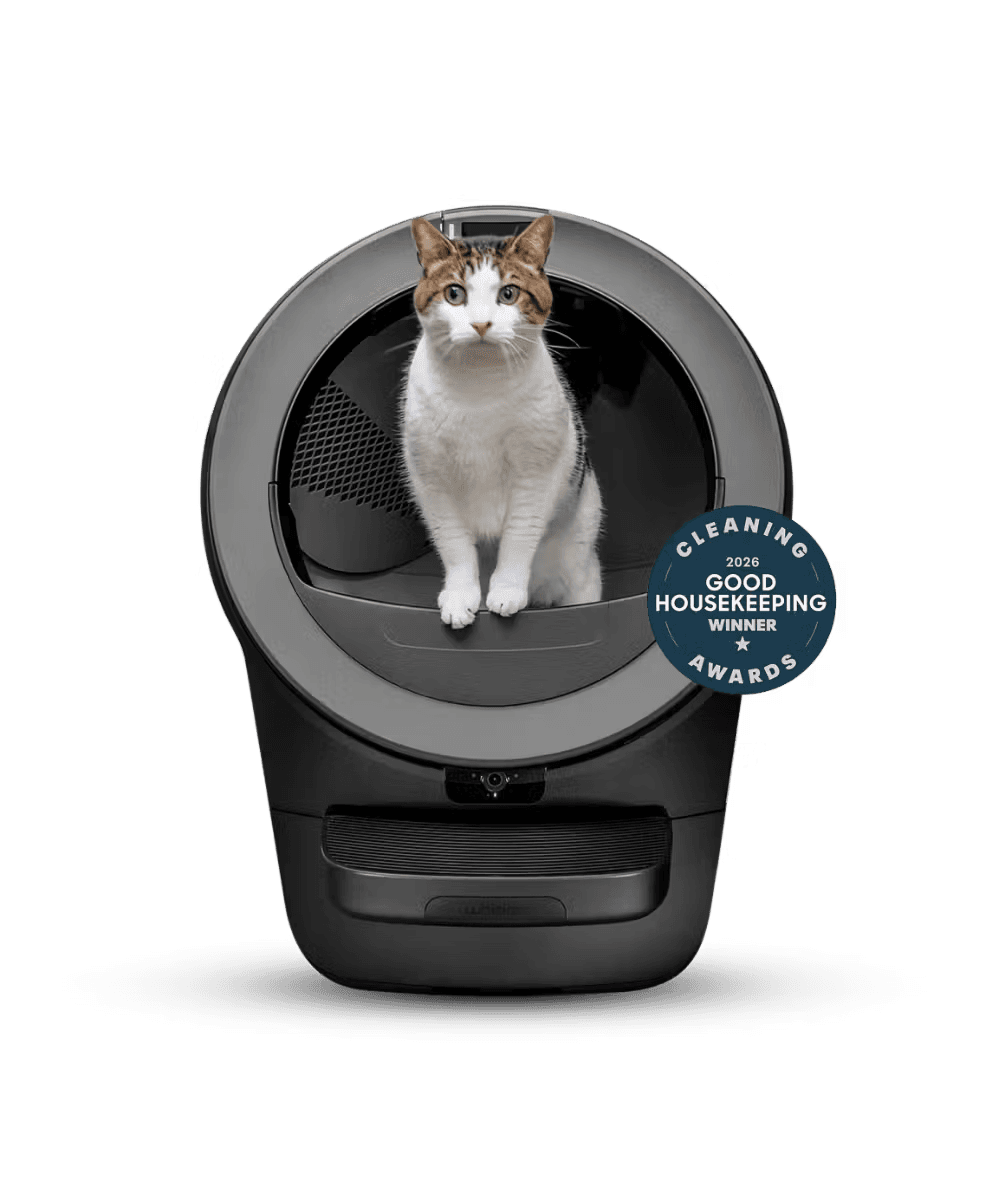
Never Scoop Again® with the Whisker Litter-Robot, the smart self-cleaning automatic litter box. Monitor visits and track weights for better overall care in the Whisker® app. Multi-cat friendly.
Petful may earn a commission when you click through to Whisker, at no extra cost to you.
| Life Stage | Typical Age Range | Key Health Focus | Vet Visit Frequency |
|---|---|---|---|
| Kitten | 0-12 months | Vaccinations, parasite control, spay/neuter | 3-4 visits in year one |
| Junior | 1-3 years | Growth completion, dental baseline, HCM echo if lineage unclear | Annual |
| Prime Adult | 3-7 years | Weight management, dental cleaning, annual HCM echo | Annual |
| Mature Adult | 7-10 years | Early kidney screening, blood pressure check, joint assessment | Annual to bi-annual |
| Senior | 10-15 years | Senior bloodwork panel, thyroid screen, pain/mobility monitoring | Bi-annual |
| Geriatric | 15+ years | Palliative comfort, appetite and hydration support | Every 3-4 months or as needed |
Health Conditions That Affect Maine Coon Lifespan
Maine Coons are generally a robust breed, but they carry a documented set of hereditary conditions. Knowing which ones to screen for, and when, is the single most impactful thing a Maine Coon owner can do for longevity.
Hypertrophic Cardiomyopathy (HCM)
Covered in detail below as the top lifespan concern.
Hip Dysplasia (HD)
Maine Coons have a higher-than-average prevalence of hip dysplasia compared to most domestic cats, likely because of their heavy body mass and wider hip structure. Unlike in dogs, feline hip dysplasia often goes undiagnosed because cats are stoic. Signs include reluctance to jump, stiffness after rest, and a bunny-hop gait. It does not directly shorten life, but untreated pain leads to reduced activity, weight gain, and reduced quality of life. Reputable breeders participate in PennHIP or Orthopedic Foundation for Animals (OFA) hip screening programs.
Spinal Muscular Atrophy (SMA)
SMA is a genetic disorder caused by a homozygous recessive mutation that causes degeneration of spinal cord motor neurons. Affected kittens typically show a wobbling gait and muscle weakness in their hindquarters by 3-4 months of age. SMA is not painful and does not shorten lifespan significantly, but it does impair mobility. A reliable DNA test is commercially available (UC Davis Veterinary Genetics Laboratory), and responsible breeders test both parents to avoid producing affected litters.
Polycystic Kidney Disease (PKD)
PKD causes fluid-filled cysts to develop in the kidneys, progressively reducing kidney function. While PKD is more strongly associated with Persians, it has been documented in Maine Coons. Affected cats often do not show clinical signs until middle age when cyst burden has grown enough to impair filtration. DNA testing is available and effective; breeders should confirm PKD-negative status in both parents.
Chronic Kidney Disease (CKD)
Beyond hereditary PKD, Maine Coons (like all domestic cats) face a high lifetime risk of CKD, which affects an estimated 30-40% of cats over age 10 according to the International Society of Feline Medicine. CKD is one of the most common causes of decline in senior Maine Coons. Annual bloodwork from age 7 onward, with focus on SDMA (an early kidney biomarker), allows for dietary and medical management that can extend kidney function for years.
Hyperthyroidism
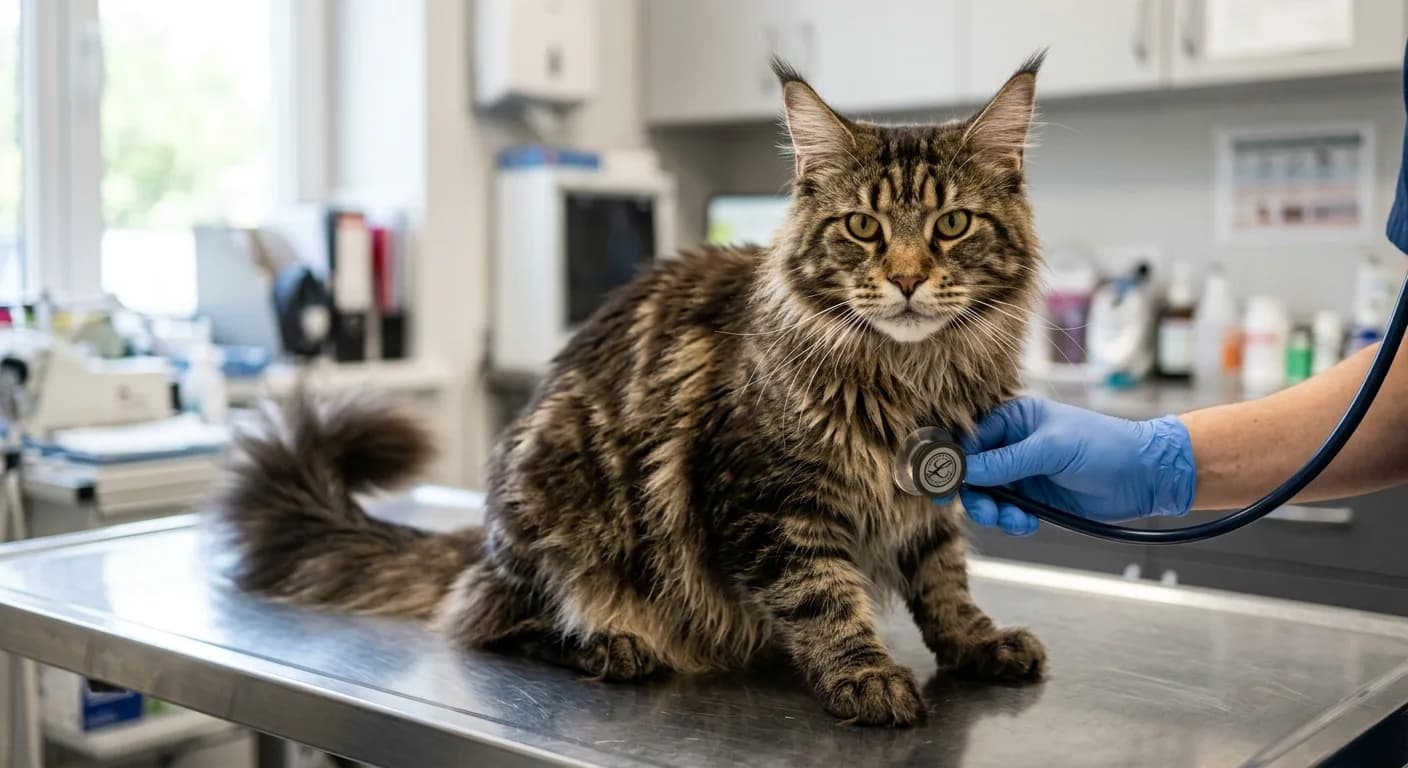
Not breed-specific, but highly relevant in senior Maine Coons (typically age 10+). Hyperthyroidism causes weight loss, increased appetite and thirst, hyperactivity, and secondary cardiac changes. It is one of the most treatable senior-cat conditions, via radioactive iodine therapy (curative), medication, or dietary iodine restriction. Early detection through an annual thyroid panel is straightforward and inexpensive.
- Contact your vet promptly if your Maine Coon shows: sudden weight loss without diet change, labored breathing or open-mouth panting at rest, rear limb weakness or sudden paralysis, noticeable exercise intolerance, or persistent vomiting. These can signal HCM, saddle thrombus, kidney disease, or hyperthyroidism, all of which respond better to early intervention.
Hypertrophic Cardiomyopathy (HCM): The Number One Heart Risk
Hypertrophic cardiomyopathy is the most common heart disease in cats and the leading single cause of premature death in Maine Coons. HCM causes the muscular walls of the heart's left ventricle to thicken, reducing the volume of blood the heart can pump and impairing filling. Over time this leads to congestive heart failure, fluid accumulation in or around the lungs, and in some cats an arterial thrombus (blood clot), most often a saddle thrombus at the aortic bifurcation, which causes sudden rear-limb paralysis and is a veterinary emergency.
Maine Coons have a well-documented causal mutation: a missense variant in the MyBPC3 gene (commonly written A31P). Cats can be homozygous (two copies, associated with earlier and more severe disease) or heterozygous (one copy, associated with later-onset and variable disease). DNA testing for the MyBPC3 mutation is commercially available from several veterinary genetics labs and is a standard expectation for reputable Maine Coon breeders.
Critical caveat: A negative MyBPC3 result does not mean the cat will never develop HCM. The Maine Coon mutation is the most common identified cause in this breed, but HCM can arise from other genetic variants or from non-genetic causes. This is why the DNA test and the echocardiogram (cardiac ultrasound) are complementary, not interchangeable.
- A clean MyBPC3 DNA result does not rule out HCM. Maine Coons from health-tested lines should still receive a baseline echocardiogram between ages 2-3 and annual or bi-annual echos thereafter, performed by a veterinary cardiologist. The echo detects structural changes the DNA test cannot predict.
HCM Screening Protocol Recommended by Cardiologists
1. Before purchase: Ask the breeder for MyBPC3 DNA test results on both parents (homozygous-negative preferred, or at minimum heterozygous-negative breeding pairs that are actively echo-screened).
2. Ages 2-3: Baseline echocardiogram by a board-certified veterinary cardiologist or an experienced internist.
3. Ages 4-8: Annual echo. Yearly monitoring catches progression early.
4. Age 8+: Continue annual echo; increasing risk with age.
5. Murmur detected: Immediate cardiac referral regardless of age.
Maine Coons diagnosed with early-stage HCM who receive appropriate medical management (typically atenolol or diltiazem, with furosemide if congestive heart failure develops) can live comfortably for several additional years. Early detection is the single biggest lever.
- "Do you DNA test for MyBPC3? What were both parents' results? Do your breeding cats receive annual echos from a board-certified cardiologist? Can I see recent echo reports?" A reputable breeder will welcome these questions and provide documentation.
Indoor vs. Outdoor Maine Coons: How Much Does It Matter?
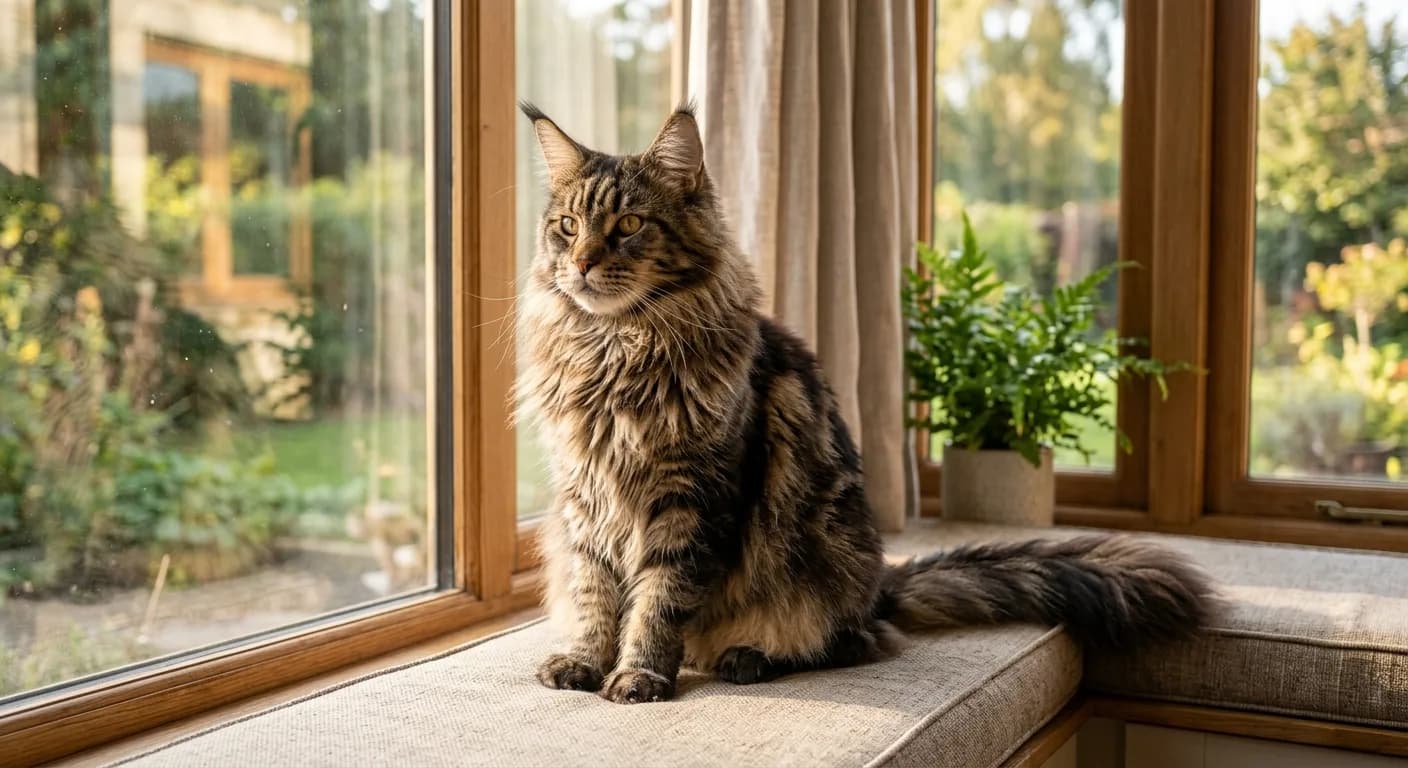
Substantially. The data across feline population studies is consistent: indoor-only cats live significantly longer than cats with outdoor access. The most widely cited comparison puts indoor cat median lifespan at 12-18 years versus 2-5 years for free-roaming outdoor cats. The risks that kill outdoor cats (vehicles, predators, infectious disease, toxin exposure, trauma) are largely absent indoors.
For Maine Coons specifically, their size, confidence, and curiosity can work against them outdoors. They are less likely to flee from a threat than a smaller, more timid cat, and their sociable nature makes them more likely to approach strangers and unfamiliar animals.

63-inch multi-level cat tree with scratch posts, hammock, plush perches, and dangling toys. Vertical territory is non-negotiable for high-energy climbing breeds like the Bengal.
Petful may earn a commission when you click through to Chewy, at no extra cost to you.
Maine Coons are large enough to be real targets for larger predators in rural and suburban environments. Coyote, owl, and dog attacks on domestic cats are not rare. Vehicular mortality is the leading cause of outdoor cat death in urban and suburban settings.
If you want outdoor enrichment for your Maine Coon, a supervised leash walk (Maine Coons are among the most leash-trainable cat breeds) or a secure outdoor enclosure ("catio") delivers environmental stimulation without the mortality risk. These are not compromises; they are legitimate solutions that many Maine Coon owners use successfully.
- Maine Coons are large and active, so they need a catio with genuine vertical space (at least 6 feet tall) and sturdy shelving that can bear 20+ lbs. Include a raised platform at eye level for watching yard life, a scratch post anchored to a wall stud, and a weather shelter. A 6x8 foot footprint is a practical minimum.
For Norwegian Forest Cats and Siberians, two large semi-longhaired breeds often compared to the Maine Coon, the same indoor-versus-outdoor calculus applies: indoor life adds years regardless of breed size.
How to Help Your Maine Coon Live a Longer, Healthier Life
Genetics sets the ceiling; husbandry determines how close you get to it. These are the controllable factors with the clearest evidence base.
SponsoredVet care that's always there
Unlimited video calls and messaging with licensed vets for less than a typical vet visit. One membership covers up to five pets.
Use code Pets60
Plans start at $12/month · covers up to 5 pets
- Licensed vets in most states
- Rx for 150+ conditions
- 4.7 on Trustpilot
Nutrition and Weight Management
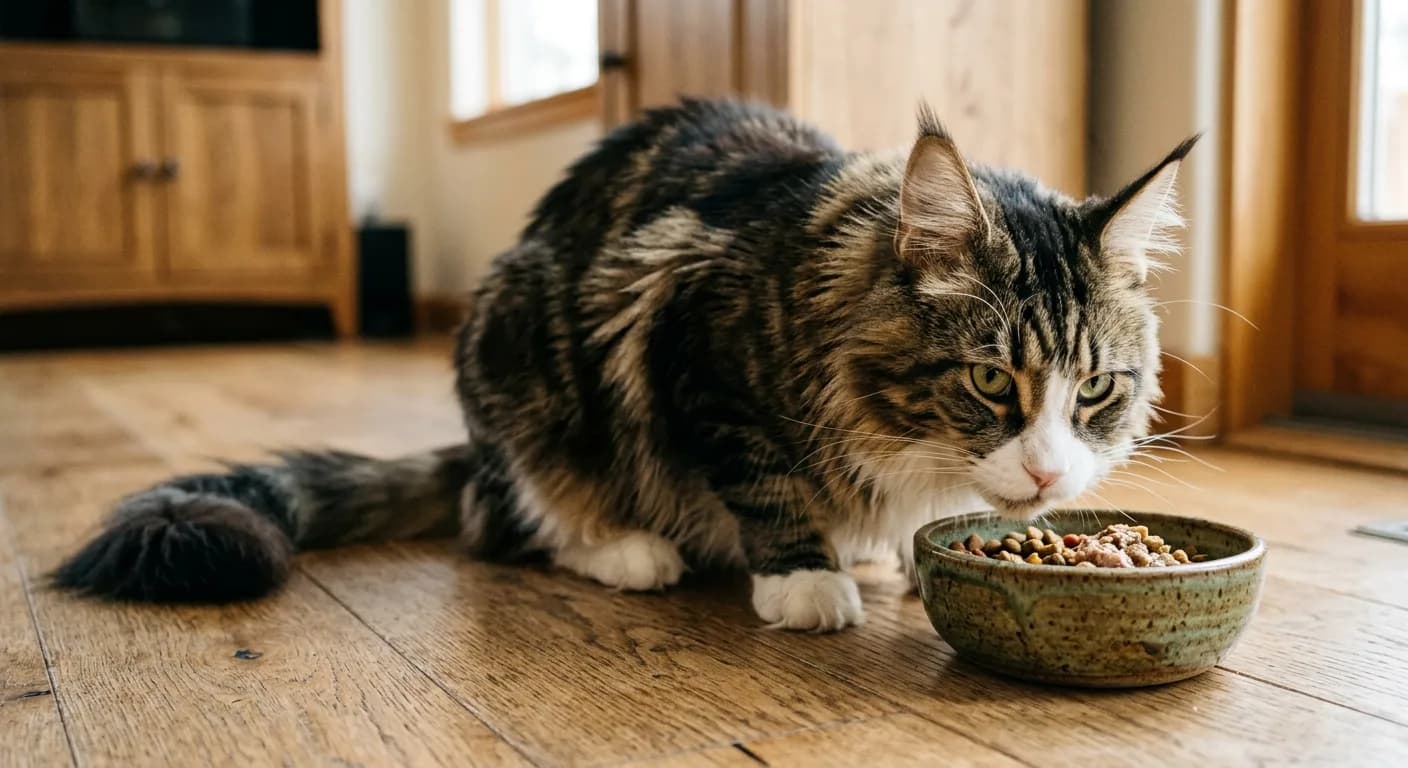
Obesity is a significant longevity threat for Maine Coons. Their large frame can mask weight gain until it is substantial. Excess weight strains joints (compounding hip dysplasia risk), elevates blood pressure (worsening HCM), and accelerates kidney decline. A body condition score of 4-5 on a 9-point scale is the target for an adult Maine Coon.
High-protein, moderate-fat, low-carbohydrate diets support lean muscle mass. Wet food is preferred over dry for its moisture content, which supports kidney function. Maine Coons do not need a breed-specific formula, but portion control is essential: free-feeding a large Maine Coon is a reliable path to obesity. Measure meals, feed twice daily, and weigh monthly.
Dental Care
Periodontal disease affects an estimated 70-80% of cats over age three (American Veterinary Dental College). In Maine Coons, chronic oral infection elevates systemic inflammation and has been associated with kidney disease and cardiac changes. Professional dental cleanings under anesthesia every 1-2 years (starting at age 3-4), combined with daily tooth brushing at home, are the most effective preventive strategy.
Veterinary Screening Schedule
The HCM echo protocol above is the most specific recommendation for Maine Coons, but comprehensive senior bloodwork from age 7 matters equally for catching CKD, hyperthyroidism, and anemia early. Bi-annual exams from age 10 onward give your vet the opportunity to catch slow-developing problems while management options are still broad.
Enrichment and Stress Reduction
Chronic stress elevates cortisol, suppresses immune function, and is associated with idiopathic cystitis and inflammatory bowel disease in cats. Maine Coons are social cats that generally do not thrive in isolation. Consistent daily play (15-20 minutes of interactive wand-toy play, two sessions), scratching opportunities scaled to their size, window perches, and ideally a feline companion all contribute to psychological welfare.
Maine Coons are among the most trainable domestic cat breeds and respond well to clicker training and food puzzles. Mental engagement is not a luxury, it contributes directly to behavioral health and weight management.

108-oz stainless steel pet fountain with quiet pump and water-level window. Bengals are notoriously water-obsessed; a flowing fountain encourages hydration and pulls them away from sinks and toilets.
Petful may earn a commission when you click through to Chewy, at no extra cost to you.
Grooming and Coat Health
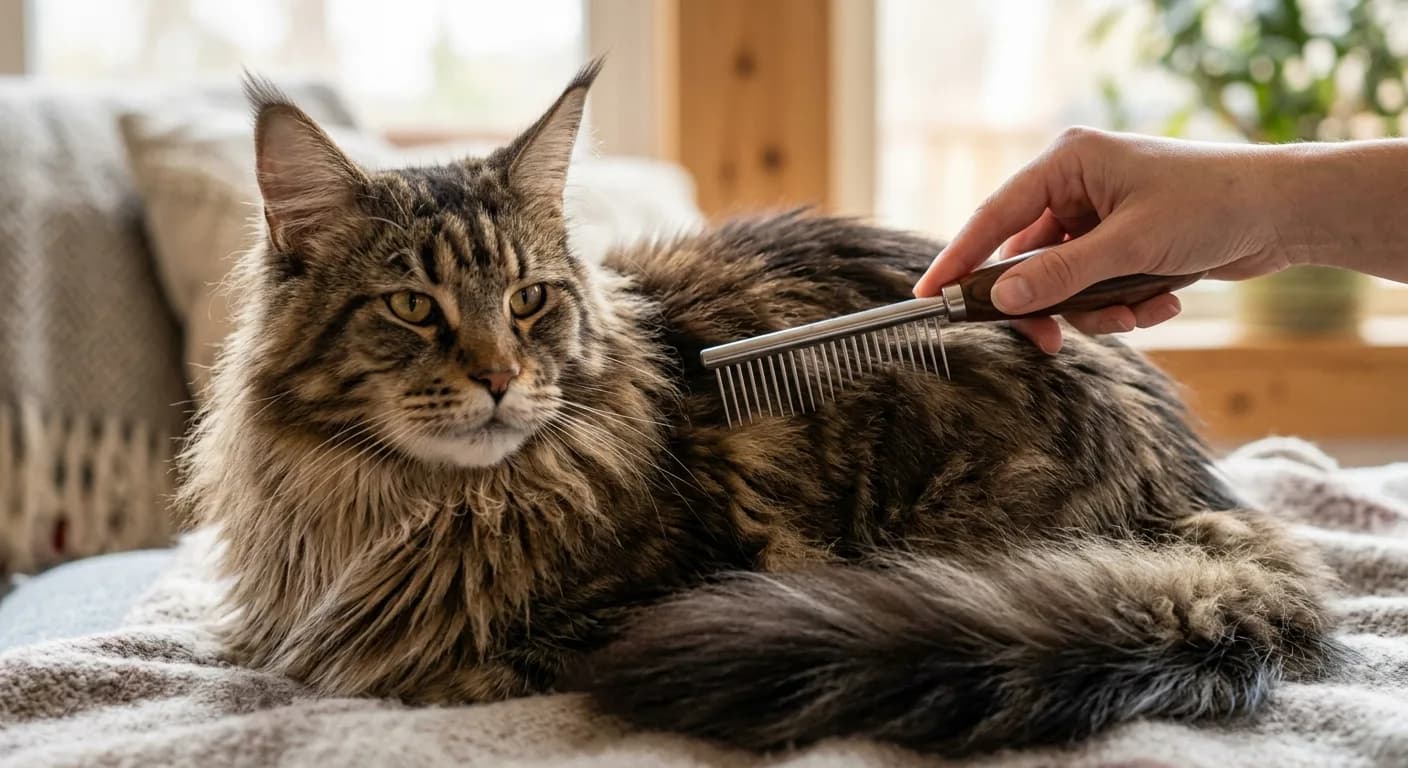
The Maine Coon's semi-long, layered coat requires weekly brushing minimum, more during seasonal shedding. Matted fur is uncomfortable, traps moisture near the skin, and can lead to skin infections. Regular grooming is also an opportunity to check for lumps, wounds, or changes in body condition.
The Maine Coon breed profile on Petful covers coat care and daily husbandry in greater depth for owners new to the breed.
Life-Stage Care: Kitten, Adult, and Senior Maine Coon
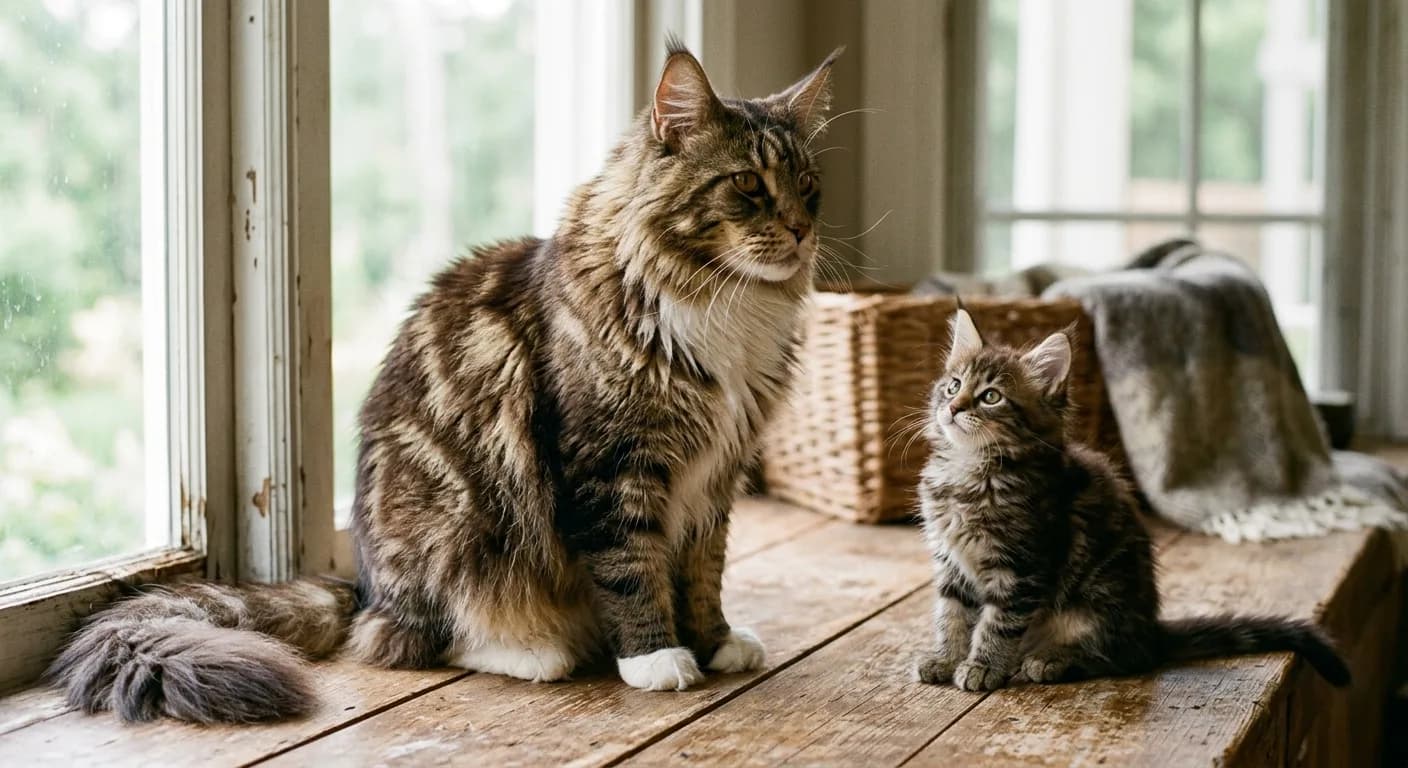
Kitten (Birth to 12 Months)
Maine Coon kittens are born small and grow extraordinarily fast in their first year. The foundational investments at this stage are:
- Complete the vaccination series (FVRCP, rabies) and administer appropriate parasite prevention.
- Spay or neuter at the age your veterinarian recommends. Neutering before skeletal maturity in large breeds is a topic of ongoing discussion in veterinary medicine; discuss timing with your vet rather than defaulting to early-age pediatric neuter (4-5 months), which is common in shelters but may not be optimal for large breed development.
- Establish dental hygiene habits early. Kittens who accept tooth brushing as a normal routine are far easier to maintain as adults.
- Socialization window is open until approximately 14 weeks. Broad positive exposure to sounds, surfaces, and gentle handling shapes adult temperament and reduces chronic stress responses.
Adult (1 to 10 Years)
The adult Maine Coon years are when the breed's famous personality fully emerges: dog-like loyalty, trill-based communication, and a genuine interest in whatever the household is doing. Health priorities in this window:
- Annual wellness exam with full physical, weight, and dental assessment.
- HCM echo at ages 2-3 as baseline; annually or bi-annually thereafter.
- Weight monitoring: Maine Coons commonly gain weight in middle age, especially after neutering and as activity levels naturally decline.
- Dental cleaning as needed (typically every 1-3 years depending on individual plaque accumulation).
Senior (10 Years and Beyond)
A Maine Coon that reaches 10 has cleared several statistical hurdles. Senior care shifts the focus to monitoring and managing the chronic conditions that accumulate with age:
- Bi-annual bloodwork: full chemistry panel, CBC, thyroid (T4), SDMA for early kidney detection.
- Blood pressure measurement: hypertension is common in senior cats and worsens both cardiac and kidney disease.
- Pain and mobility assessment: hip dysplasia and arthritis may become clinically significant at this age. Look for reluctance to jump, vocalization when handled, and changes in grooming reach.
- Caloric adjustment: senior Maine Coons may need more or fewer calories depending on whether they are lean (often due to hyperthyroidism or CKD) or overweight. Prescription renal diets should begin when kidney disease is confirmed, not earlier.
- Litter box accessibility: for large arthritic cats, a high-sided box is a barrier. Switch to a low-entry box and consider multiple locations on different floors.
For a lifespan parallel from another slow-maturing long-coated breed, the Persian cat lifespan guide covers many of the same senior-care principles alongside breed-specific differences.
- Many owners wait until their cat "acts old" to start senior bloodwork. Starting at age 7 establishes baseline values specific to your individual cat. When CKD or hyperthyroidism begins, the deviation from your cat's personal baseline is far more diagnostically useful than comparison to population averages.
Maine Coon Lifespan FAQs
Maine Coon cats typically live 12 to 15 years, with many well-cared-for cats reaching 13-14 years and some living into the late teens.
Indoor Maine Coons generally live 12-15 years, and a significant number reach the high teens. Keeping a Maine Coon indoors removes the leading causes of premature death including vehicles, predators, and infectious disease.
Free-roaming outdoor cats of all breeds have a dramatically shorter median lifespan of 2-5 years on average. Outdoor Maine Coons face the same risks as other cats, compounded by their curious, confident nature.
Twelve is the lower end of normal lifespan for a Maine Coon, not unusually old. A 12-year-old Maine Coon in good health is solidly in its senior phase, but many cats at that age have several comfortable years ahead with proper veterinary care.
Corduroy, a Maine Coon from Oregon, reached 26 years and was reported as the world's oldest living cat by Guinness World Records in 2015. Verified records for Maine Coons beyond 18-19 years are rare, and any claim past 20 should be supported by veterinary and microchip records.
Hypertrophic cardiomyopathy (HCM) is the leading cause of premature death in Maine Coons. Other common causes of death in senior Maine Coons include chronic kidney disease, cancer, and complications from hyperthyroidism.
The main health problems that shorten Maine Coon lifespan are HCM, chronic kidney disease, hip dysplasia (affecting mobility and quality of life), polycystic kidney disease, and hyperthyroidism in senior cats. Obesity accelerates most of these conditions.
There is no strong documented difference in lifespan between male and female Maine Coons. Spayed and neutered cats of either sex tend to outlive intact cats, which is a bigger factor than biological sex alone.
It is possible but uncommon. A small number of verified Maine Coons have reached 18-19 years. Reaching 20 is exceptional and typically requires favorable genetics, indoor-only living, and attentive lifelong veterinary care.
Signs of aging in a Maine Coon include reduced jump height and frequency, coat thinning or texture change, weight loss (or gain), increased sleep, slower response to play, increased vocalization at night, and changes in litter box habits. Any sudden change warrants a veterinary visit.
The most impactful steps are: keep the cat indoors, maintain a healthy weight through measured feeding, schedule annual wellness exams with HCM echocardiograms, start senior bloodwork at age 7, provide dental cleanings, and offer daily enrichment and play.
Most veterinary sources designate cats as senior at age 10-11. Given the Maine Coon lifespan of 12-15 years, age 10 is a reasonable senior threshold, with geriatric care protocols beginning around age 15 for cats that reach that milestone.
Yes. Maine Coons have a genetic predisposition to hypertrophic cardiomyopathy (HCM), which is the most common heart disease in cats. Responsible breeders test for the MyBPC3 mutation and perform annual echocardiograms on breeding cats.
HCM stands for hypertrophic cardiomyopathy, a condition where the muscular wall of the heart's left ventricle thickens abnormally, reducing pumping efficiency. In Maine Coons, the most common identified cause is a mutation in the MyBPC3 gene. It is managed with medication but is not curable.
Senior Maine Coons benefit from high-protein, low-carbohydrate wet food to support lean muscle and kidney hydration. If kidney disease is confirmed, a veterinary-prescribed renal diet (restricted phosphorus and adjusted protein) is appropriate. Avoid over-restricting protein in cats without confirmed CKD, as lean mass loss is a significant senior health risk.
Further Reading
The Maine Coon breed guide on Petful covers temperament, history, and daily care in depth. For a look at similarly sized Nordic breeds, the Norwegian Forest Cat profile and the Siberian cat guide are useful companions, as both breeds share the semi-long coat, large frame, and some of the same longevity characteristics as the Maine Coon. For a look at how lifespan compares across large long-haired breeds, the Ragdoll breed profile offers a direct parallel.
A long Maine Coon life runs on good records, so a free MyPetID profile is worth setting up early to keep your cat's microchip number, vaccination history, and vet contacts in one place, with a QR tag to help a lost cat get home fast.
Set up a free MyPetID profileMore on the breed: Maine Coon colors, the biggest Maine Coons, and Maine Coon size.
BVMS, MRCVS
Dr. Pippa Elliott, BVMS, MRCVS, is a veterinarian with nearly 30 years of experience in companion animal practice. Dr. Elliott earned her Bachelor of Veterinary Medicine and Surgery from the University of Glasgow. She was also designated a Member of the Royal College of Veterinary Surgeons. Married with 2 grown-up kids, Dr. Elliott has a naughty Puggle named Poggle, 3 cats and a bearded dragon.
Sign up for expert-backed reviews and safety alerts all in one place.