Tonkinese Cat: Personality, Colors, Price & Care Guide
Meet the Tonkinese cat, the affectionate Siamese-Burmese hybrid. Get the facts on price, mink and pointed colors, personality, lifespan, health, shedding, and exactly how the Tonkinese compares to the Siamese.
Petful is reader supported. As an affiliate of platforms like Amazon and Chewy, we may earn a commission when you buy through links on this page. There is no extra cost to you.
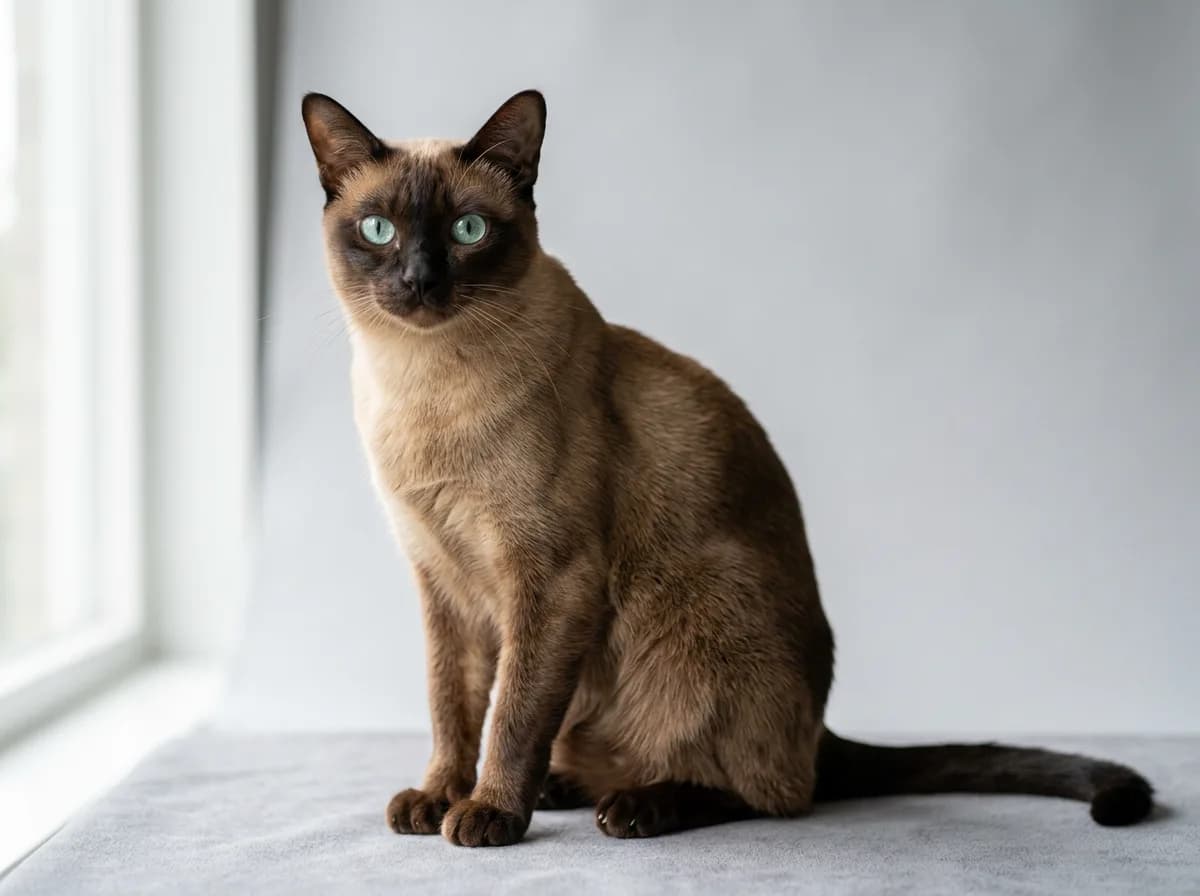
The Tonkinese cat is an affectionate, people-loving breed created by crossing the Siamese and the Burmese, blending the best of both into one playful, talkative companion. A Tonkinese cat is medium-sized but surprisingly heavy and muscular, lives roughly 12 to 16 years, and is famous for its luminous aquamarine eyes and soft, satiny coat. If you want a cat that follows you from room to room, rides on your shoulder, and greets you at the door, the Tonkinese is one of the most engaging breeds you can choose.
This guide answers the questions buyers actually ask: how much a Tonkinese cat costs, what colors and coat patterns they come in, how long they live, whether they shed or trigger allergies, and exactly how they differ from the Siamese. Whether you are deciding between a Tonkinese and a Siamese or simply trying to understand the breed before you commit, here is everything you need in one place.
- 1The Tonkinese is a Siamese-Burmese hybrid: more affectionate and laid-back than a Siamese, more active and vocal than a Burmese
- 2Expect to pay roughly $600 to $1,200 for a pet-quality kitten from a reputable breeder, or $75 to $200 to adopt
- 3Tonkinese cats come in three coat patterns (mink, pointed, and solid) across four base colors: natural, champagne, blue, and platinum
- 4They are medium-sized but solid, weighing 6 to 12 pounds, and typically live 12 to 16 years
- 5No cat is truly hypoallergenic, but the Tonkinese has a short, low-shedding coat that needs only weekly grooming

Sign up for expert-backed reviews and safety alerts all in one place.
Tonkinese Cat at a Glance
Before the deep dive, here is the quick reference. The Tonkinese cat breed sits squarely between its two parent breeds in nearly every trait, which is exactly what makes it so balanced. The numbers below reflect the breed standards recognized by the Cat Fanciers' Association and the Tonkinese breed clubs.
| Trait | Details |
|---|---|
| Weight | 6 to 12 pounds (males larger than females) |
| Lifespan | 12 to 16 years, often longer with good care |
| Coat | Short, close-lying, soft and satiny with a natural sheen |
| Colors | Natural, champagne, blue, and platinum |
| Patterns | Mink, pointed, and solid |
| Eye color | Aquamarine (mink), blue (pointed), or green-gold (solid) |
| Temperament | Affectionate, social, playful, talkative, intelligent |
| Shedding | Low; weekly brushing is enough |
| Origin | United States and Canada, 1960s (modern breed) |
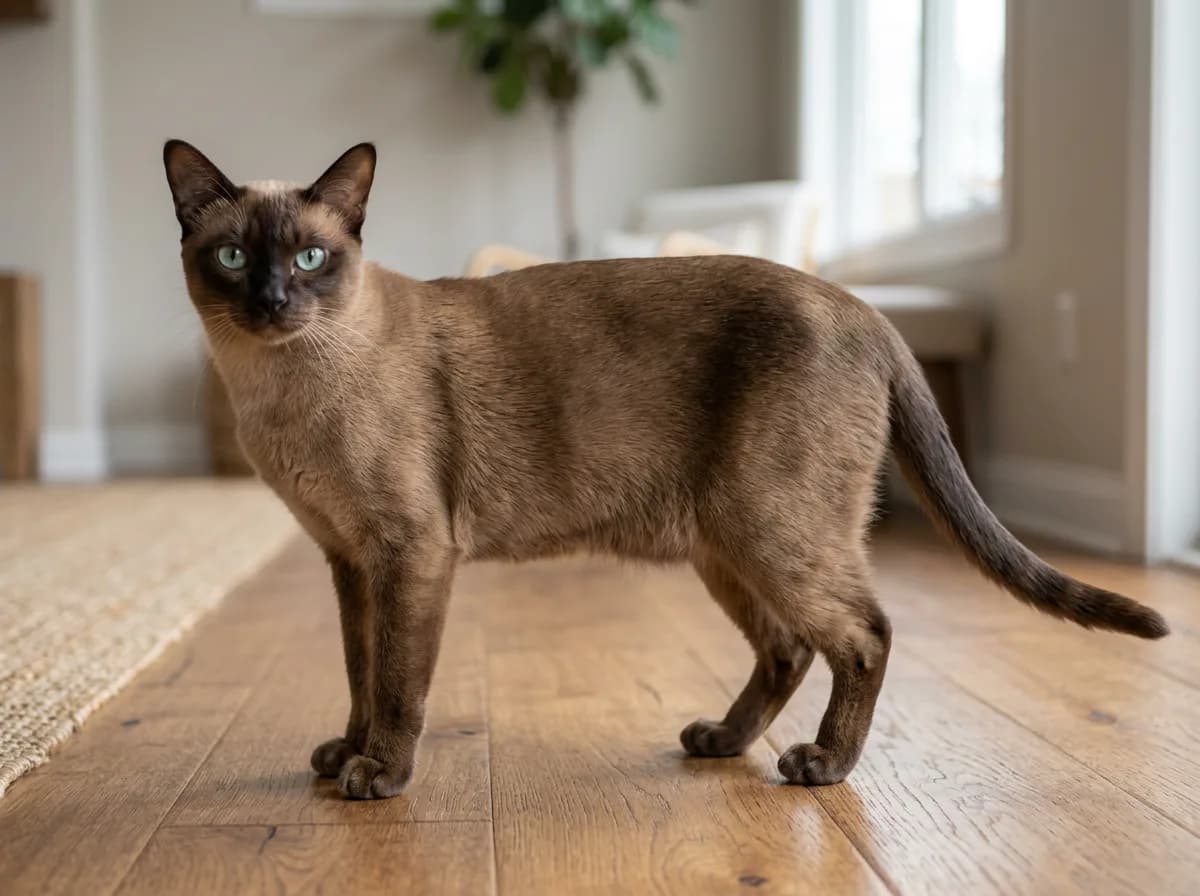
History and Origin: The Siamese-Burmese Hybrid
The Tonkinese traces its roots to Wong Mau, a small brown cat brought to the United States from Asia in 1930 and considered the foundation of the modern Burmese breed. Wong Mau was almost certainly a natural Siamese-Burmese blend, which means cats that look like today's Tonkinese have existed for centuries in Southeast Asia long before anyone formalized the breed.
The deliberate, recognized Tonkinese breed was developed in North America in the 1960s, with breeders in both the United States and Canada crossing Siamese and Burmese cats to capture a middle ground: a cat with softer point contrast than the Siamese, a rounder body than the Siamese, and a more outgoing, active temperament than the Burmese. The Cat Fanciers' Association granted the Tonkinese full championship status in 1984.
- The breed was originally called the Golden Siamese, then renamed Tonkinese. The name is a nod to the Gulf of Tonkin region, chosen for its association with the cat's Southeast Asian heritage rather than any single country of origin.
Tonkinese Cat Colors and Coat Patterns
This is the part that confuses most new owners, so it is worth getting right. Tonkinese cats are described by two things at once: their base color and their coat pattern. There are four base colors and three patterns, which is why you will see terms like champagne mink, blue point, or natural solid. Understanding the system makes shopping for a kitten far less bewildering.
The four base colors
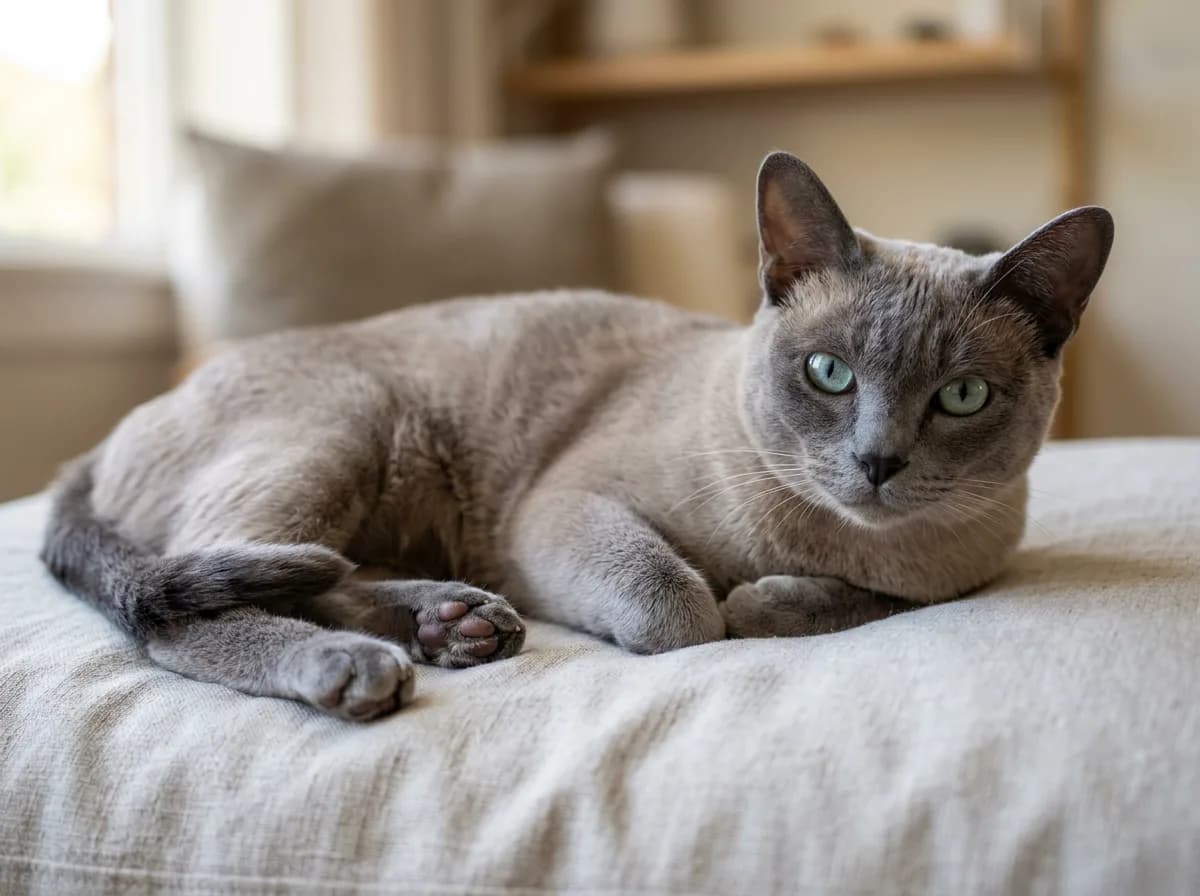
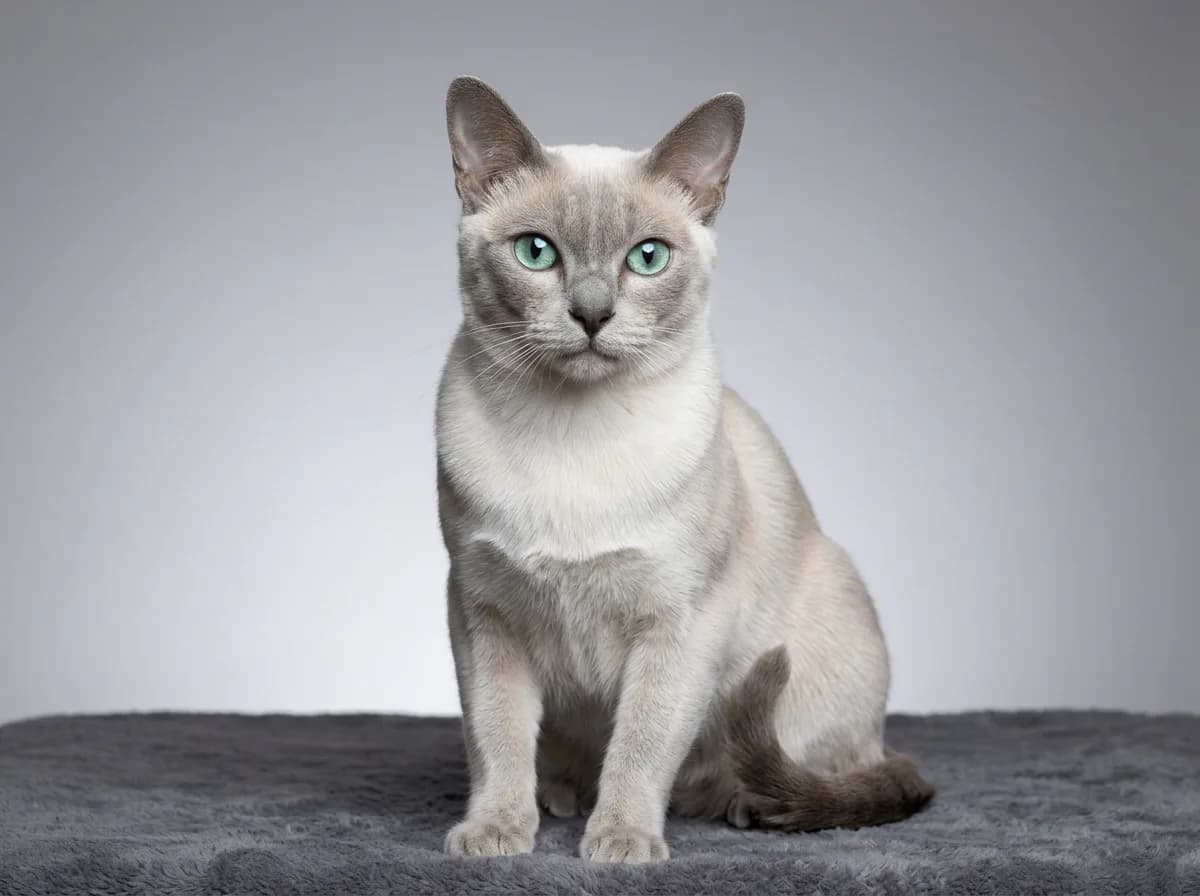
Natural is a rich, warm sable brown and the original, most recognizable Tonkinese color. Champagne is a soft, creamy buff with light tan or medium-brown points. Blue is a cool, slate grey with deeper bluish-grey points. Platinum is the palest of the four, a silvery, frosty grey-white with soft pewter points. Every Tonkinese is one of these four colors, and the color deepens as the cat matures, so kittens look lighter than adults.
The three coat patterns
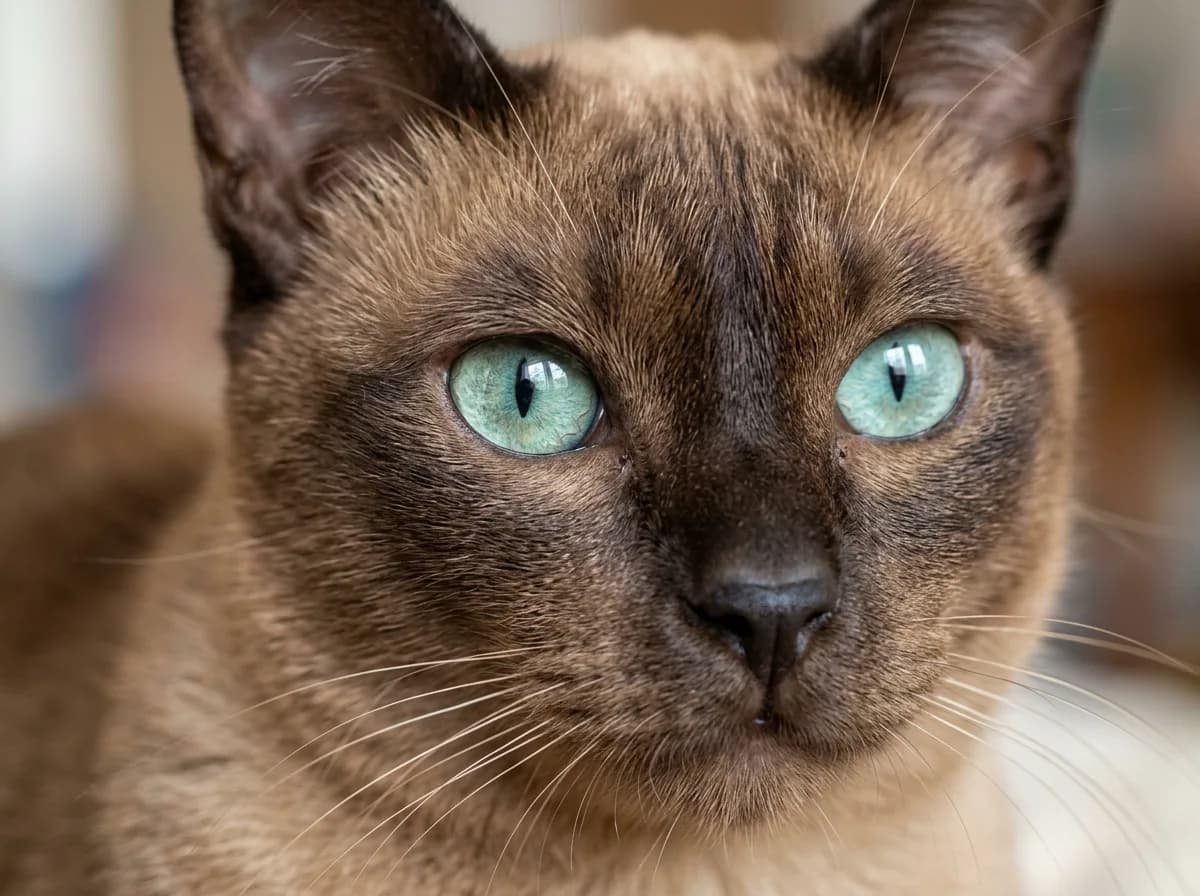
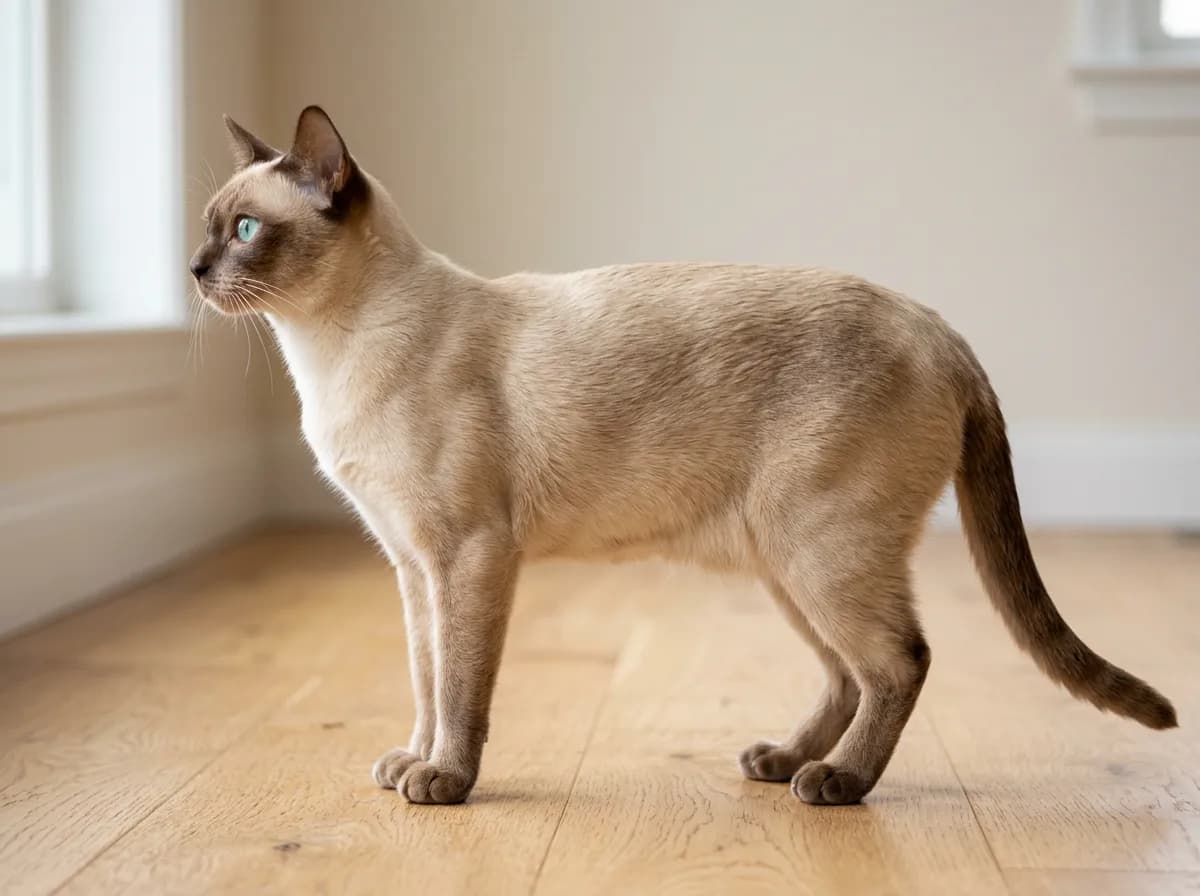
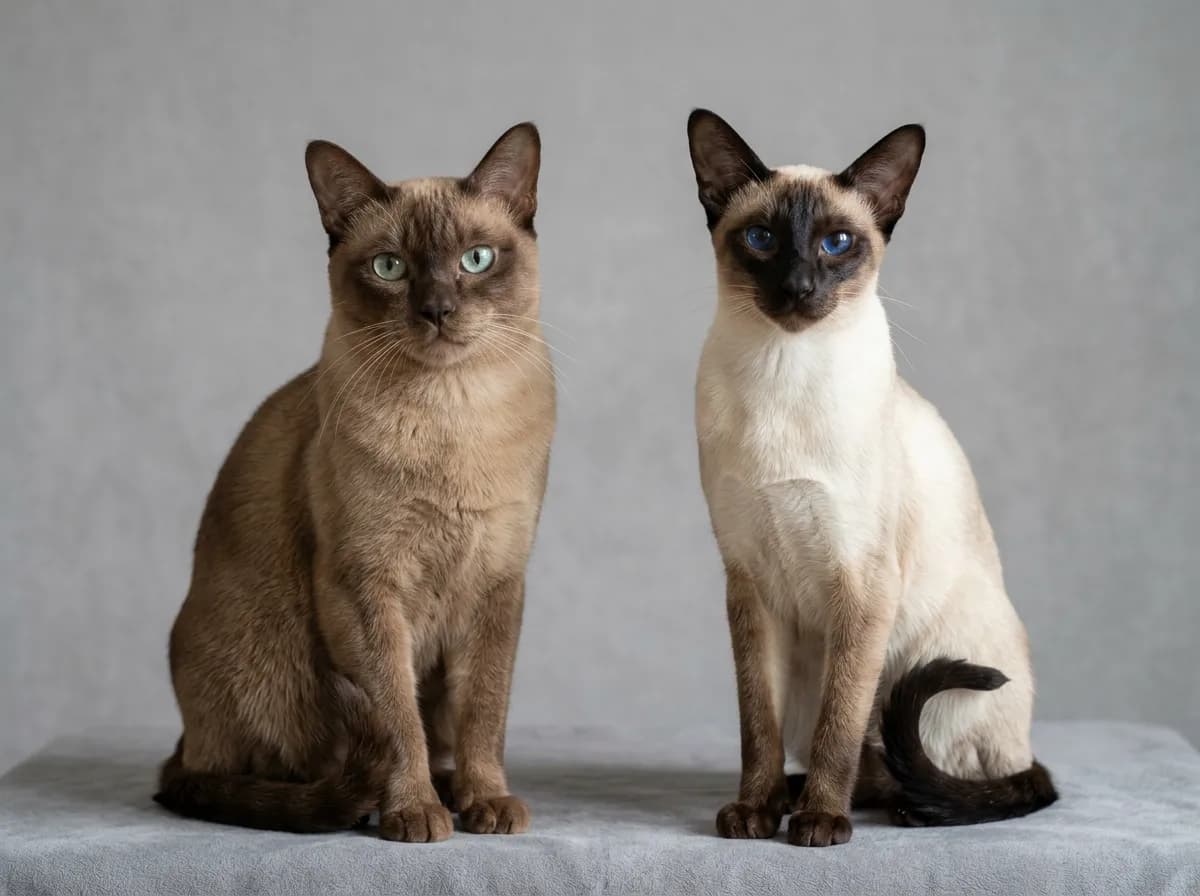
Pattern describes how much contrast there is between the body and the darker points (the mask, ears, legs, and tail). The mink pattern is the Tonkinese signature: a medium-contrast coat with the famous aquamarine eyes, sitting halfway between Siamese and Burmese. The pointed pattern looks more like a Siamese, with a pale body, sharply contrasting points, and blue eyes. The solid (or sepia) pattern looks more like a Burmese, with a rich, even color, minimal point contrast, and green-gold eyes.
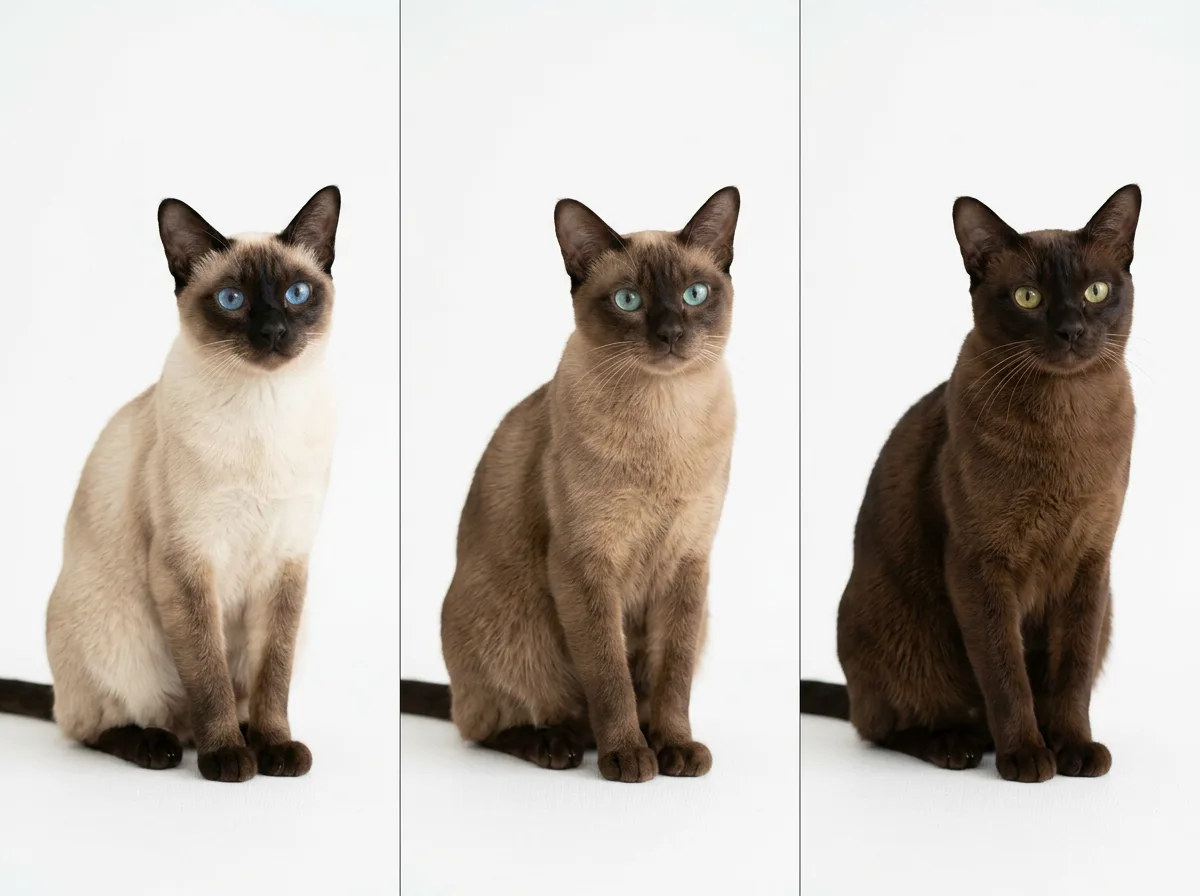
| Pattern | Body Contrast | Eye Color | Resembles |
|---|---|---|---|
| Mink | Medium contrast, the breed signature | Aquamarine blue-green | Neither parent exactly; the true Tonk look |
| Pointed | High contrast, pale body and dark points | Blue | Siamese |
| Solid (sepia) | Low contrast, rich even color | Green to gold | Burmese |
All three patterns can appear in the same litter, and all are equally Tonkinese, though the mink pattern with aquamarine eyes is the most sought after and most recognized in the show ring.
- Natural mink and champagne mink are the two most requested combinations from breeders. Blue mink, with its cool slate body, and platinum mink, the palest and most delicate-looking, round out the four. If a breeder lists a seal point or lilac point Tonkinese, those are simply the pointed-pattern versions of natural and platinum.
One practical note on color and coat: because the Tonkinese is so low-maintenance to groom, the bigger day-to-day upkeep for this breed is the litter box, not the brush. A clean, fresh setup keeps a sensitive, fastidious cat like the Tonkinese using the box reliably.
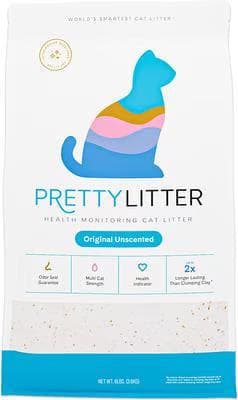
Color-changing crystal litter that flags pH shifts in your cat's urine, an early warning sign of UTIs, kidney issues, and more.
Petful may earn a commission when you click through to Chewy, at no extra cost to you.
Tonkinese Cat Personality and Temperament
If you take one thing from this section, make it this: the Tonkinese is a velcro cat. This breed bonds intensely with its people and genuinely wants to be involved in whatever you are doing, whether that is working at a desk, cooking dinner, or settling in for the night. Tonkinese cats are often described as dog-like because they learn to play fetch, walk on a harness, and come when called.
Personality-wise, the Tonkinese inherits the Siamese love of conversation and the Burmese love of laps, landing somewhere wonderfully in between. They are talkative but their voice is softer and less piercing than a Siamese yowl. They are highly intelligent and need mental stimulation, so puzzle feeders, climbing trees, and interactive toys are not optional extras for this breed. A bored Tonkinese will invent its own entertainment, often by opening cupboards or relocating small objects.
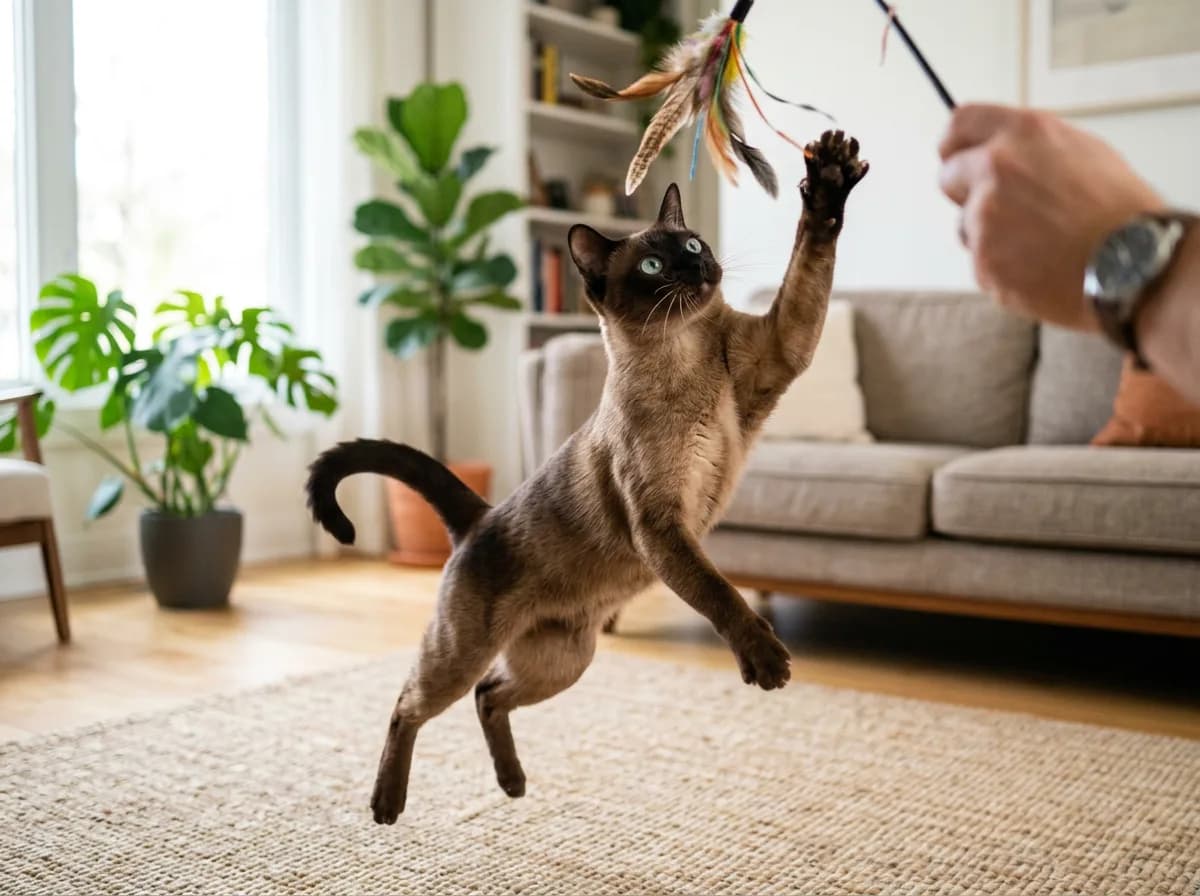
Tonkinese cats are also famously social with other animals. They generally do well in multi-cat households and often get along with cat-friendly dogs, largely because they hate being alone. Many breeders recommend adopting Tonkinese in pairs precisely because a solo Tonk left alone all day can become lonely and anxious.
If your heart is set on a chattier, more intense cat, compare the breed against the Siamese cat personality profile, which sits at the talkative extreme that the Tonkinese softens.
Petful may earn a commission when you click through to Chewy, at no extra cost to you.
Tonkinese vs. Siamese: How They Compare
Because the Tonkinese was bred partly from the Siamese, the two are easy to confuse, and choosing between them is one of the most common questions buyers have. The short version: the Tonkinese is softer in every sense. Its coat contrast is gentler, its body is rounder and heavier, its voice is quieter, and its temperament is more easygoing while still being playful and affectionate.
| Feature | Tonkinese | Siamese | Burmese |
|---|---|---|---|
| Body type | Medium, muscular, surprisingly heavy | Slender, long, angular | Compact, muscular, rounded |
| Point contrast | Medium (mink) to high (pointed) | High, sharply defined points | Low, nearly solid color |
| Eye color | Aquamarine, blue, or green-gold | Deep blue | Gold to yellow |
| Voice | Talkative but softer | Loud and demanding | Quiet and sweet |
| Energy | High and playful | Very high | Moderate |
| Best for | Owners who want a balanced velcro cat | Owners who want a vocal, intense cat | Owners who want a calm lap cat |
For full breakdowns of the parent breeds, read our Siamese cat breed profile and our guide to Burmese cats. If you are weighing the two parents directly, our Tonkinese vs. Siamese (Burmese vs. Siamese comparison) walks through the differences the Tonkinese inherits from each side.
Color-focused readers can also compare Siamese cat colors and Burmese cat colors to see exactly which shades the Tonkinese borrows from each parent.

108-oz stainless steel pet fountain with quiet pump and water-level window. Bengals are notoriously water-obsessed; a flowing fountain encourages hydration and pulls them away from sinks and toilets.
Petful may earn a commission when you click through to Chewy, at no extra cost to you.
Size, Lifespan, and Health
Tonkinese cats are deceptive. They look medium-sized, but pick one up and you will feel real heft, because their muscular build carries surprising weight for their frame. Adult males typically weigh 8 to 12 pounds and females 6 to 8 pounds. They reach full size around 18 months to two years.
How long do Tonkinese cats live?
The Tonkinese lifespan is 12 to 16 years on average, and many well-cared-for indoor Tonkinese live into their late teens or beyond. As a hybrid of two established breeds, the Tonkinese benefits from a degree of hybrid vigor, which contributes to its generally robust health and long life expectancy.
Common health issues
The Tonkinese is a healthy breed overall, but prospective owners should know the conditions seen in its parent lines. Responsible breeders screen for these, which is one of the strongest arguments for buying from a reputable breeder rather than an unknown source.
| Condition | What It Is | Notes |
|---|---|---|
| Burmese head defect | A rare congenital skull malformation from the Burmese line | Ethical breeders avoid the bloodlines that carry it |
| Progressive retinal atrophy | Gradual degeneration of the retina that can lead to blindness | DNA tests exist; ask breeders for screening results |
| Gingivitis and dental disease | Inflammation of the gums, common in the Siamese-derived breeds | Regular dental care and vet cleanings help prevent it |
| Asthma and respiratory sensitivity | Inherited from the Siamese side | Watch for coughing or wheezing; keep the air clean |
| Heart and weight issues | Obesity-linked strain if overfed | Measured feeding and play keep them lean |
- Because the Tonkinese can inherit eye and respiratory conditions, many owners enroll their kitten in pet insurance early, before any condition is flagged as pre-existing. Even a basic accident-and-illness plan can offset the cost of diagnostics for the breed's hereditary issues.
Grooming, Shedding, and Are Tonkinese Cats Hypoallergenic?
Grooming a Tonkinese is refreshingly simple. The short, close-lying coat has very little undercoat, so it sheds only lightly and rarely mats. A weekly once-over with a soft brush or a grooming glove removes loose hair and keeps the coat's natural sheen, and that is genuinely all most Tonkinese need. Many owners find their cat sheds noticeably less than the average domestic shorthair.
Now the honest answer on allergies: no cat is truly hypoallergenic, and the Tonkinese is no exception. Cat allergies are triggered mainly by the Fel d 1 protein in saliva and skin, which every cat produces regardless of coat length or breed. That said, a low-shedding cat like the Tonkinese spreads less dander around your home than a heavy shedder, which can make a real difference for mild allergy sufferers. If allergies are a serious concern, spend time with the specific cat before committing.
This is the same myth that surrounds the parent breed, which we tackle in detail in are Siamese cats hypoallergenic. The takeaway is identical for the Tonkinese: low-shedding helps, but no cat is allergen-free.
Diet and Nutrition
As an active, muscular breed, the Tonkinese does best on a high-quality, protein-rich diet built around real animal protein. Cats are obligate carnivores, so look for a food that lists a named meat as the first ingredient and avoid fillers. Because Tonkinese cats love food and can put on weight if they free-feed all day, measured portions and an interactive feeding routine work better than a bottomless bowl.
Wet food or a wet-and-dry mix helps with hydration, which matters for a breed that can be prone to the urinary and dental issues seen in its Siamese line. Fresh water should always be available, and a pet fountain encourages many cats to drink more than they would from a standing bowl. Keep treats to roughly ten percent of daily calories, and use them to reward the training and play this clever breed thrives on.
Tonkinese Kittens: What to Expect
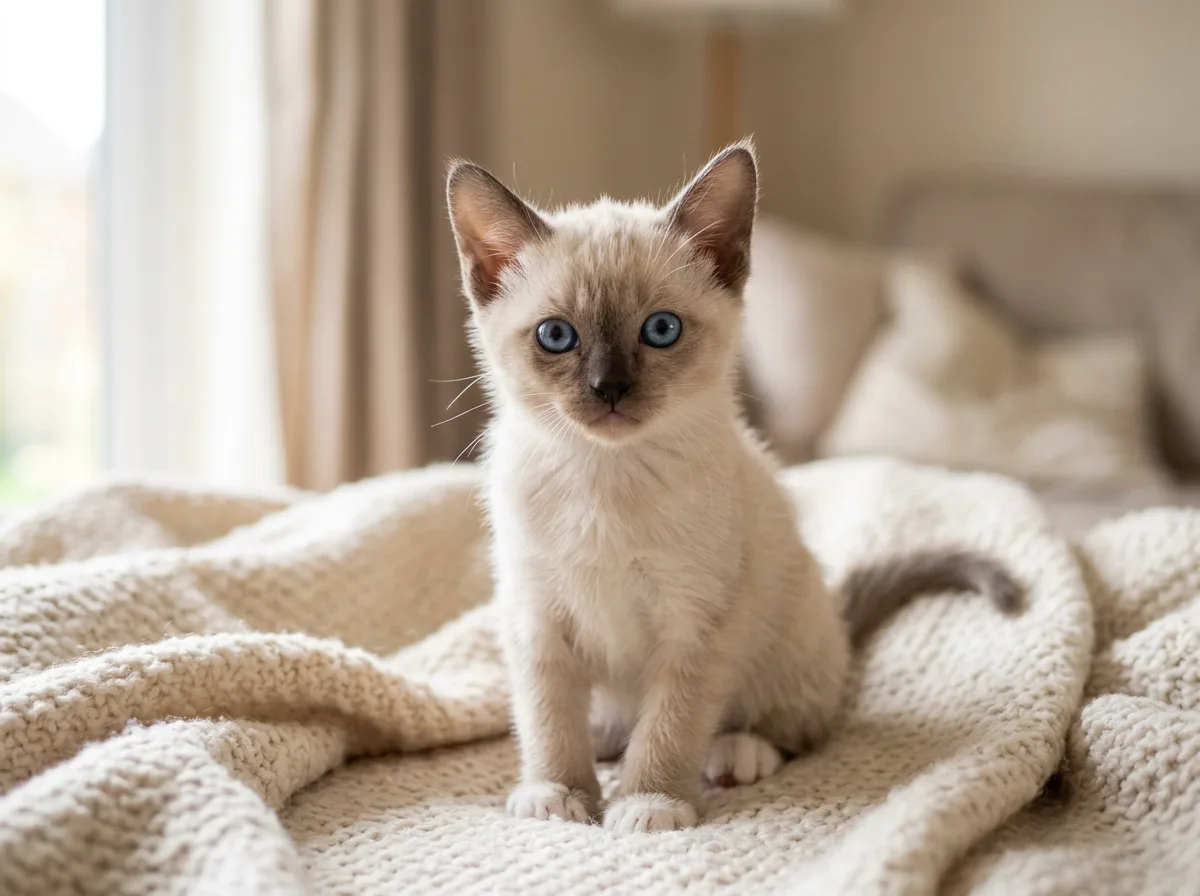
Tonkinese kittens are born much lighter than they will eventually be, because the breed's color deepens with age. A kitten that looks almost cream may mature into a rich natural mink. Their eyes also change, starting bright blue and settling into the adult aquamarine of the mink pattern over the first several months.
Expect a whirlwind of energy. Tonkinese kittens are bold, curious, and into everything, so kitten-proof your home and provide plenty of climbing and scratching outlets. The upside of all that confidence is easy socialization: well-bred Tonkinese kittens take to handling, harnesses, and new people quickly. Reputable breeders usually keep kittens until at least 12 to 14 weeks so they are fully weaned, litter-trained, and started on vaccinations before going home.
- Tonkinese kittens are social to the core and hate being alone. If your household is empty during the day, two kittens will keep each other company and you will likely end up with two better-adjusted, happier cats.
Tonkinese Cat Price and Where to Adopt
How much does a Tonkinese cat cost? For a pet-quality kitten from a reputable breeder, expect roughly $600 to $1,200 in the United States. Show-quality or breeding-rights kittens from champion lines run higher, often $1,200 to $2,000 or more. Adoption through a rescue or shelter is far cheaper, typically $75 to $200, and usually includes spaying or neutering, initial vaccines, and a microchip.
| Source | Typical Price | What's Included |
|---|---|---|
| Reputable breeder, pet quality | $600 to $1,200 | Health screening, first vaccines, registration papers |
| Breeder, show or breeding quality | $1,200 to $2,000+ | Champion lines, breeding rights, full pedigree |
| Breed-specific or general rescue | $75 to $200 | Spay/neuter, vaccines, microchip |
| First-year ownership costs | $500 to $1,000 | Food, litter, vet visits, supplies on top of purchase |
Why the gap between breeders? A responsible Tonkinese breeder invests in genetic testing for progressive retinal atrophy, screens against the Burmese head defect, raises kittens underfoot for socialization, and registers litters with the Cat Fanciers' Association or a Tonkinese breed club. That investment is exactly what protects you from the hereditary problems listed above, so the higher upfront price often saves money on vet bills later.
Finding a Tonkinese to bring home
Start with the breeder directories maintained by the Cat Fanciers' Association and the Tonkinese Breed Association, which list registered breeders who follow a code of ethics. For adoption, check breed-specific rescues, Siamese and Burmese rescue groups (which often take in Tonkinese), and general shelters, where the occasional Tonkinese or Tonk mix does turn up. Always ask to see health records, meet at least one parent cat, and tour the breeder's facility or request a video walkthrough.
For a sense of how Tonkinese pricing compares to its parent breeds, our Siamese cat price and Burmese cat price guides show where each breed lands, and the Tonkinese typically sits between the two.
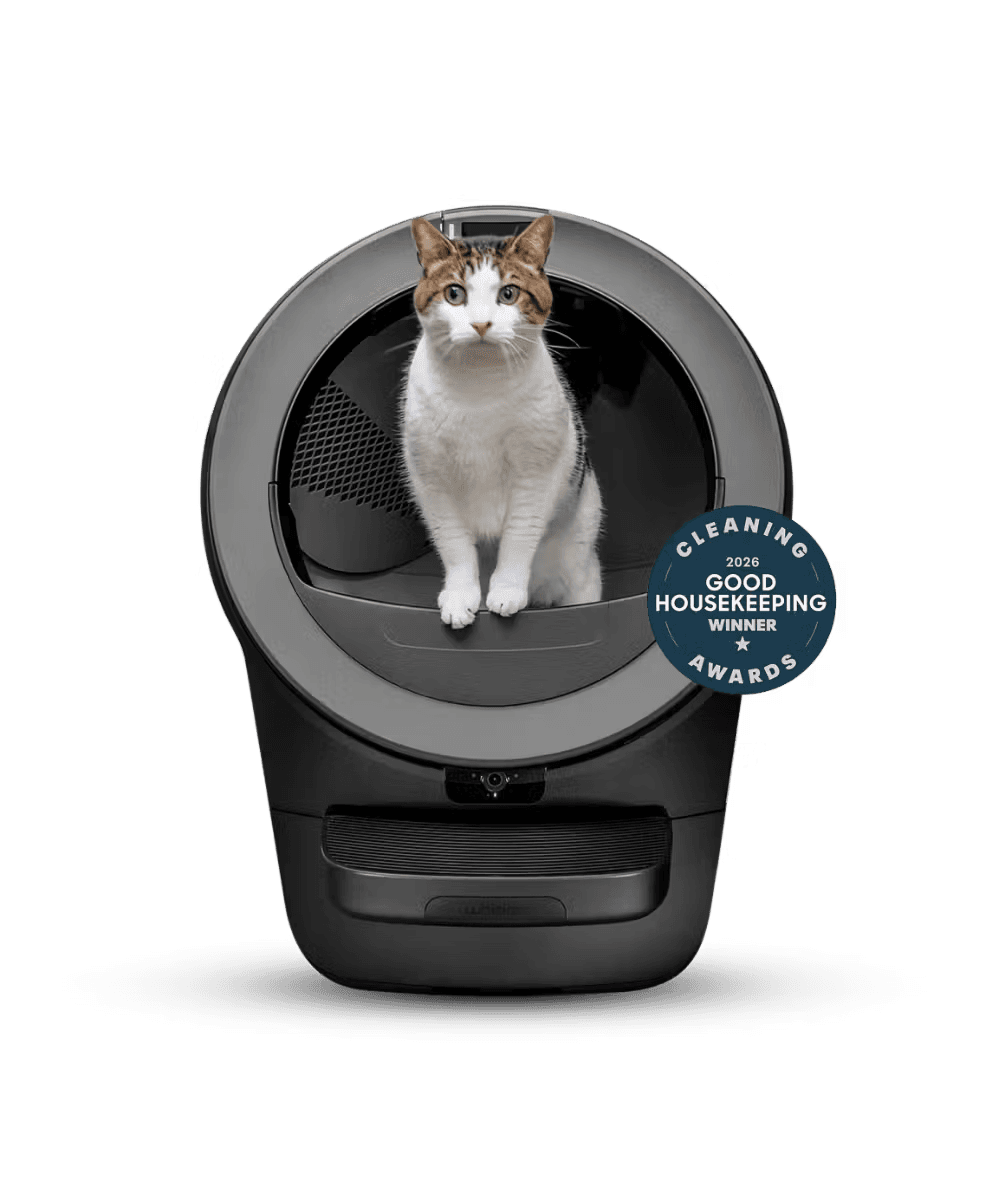
Never Scoop Again® with the Whisker Litter-Robot, the smart self-cleaning automatic litter box. Monitor visits and track weights for better overall care in the Whisker® app. Multi-cat friendly.
Petful may earn a commission when you click through to Whisker, at no extra cost to you.
Frequently Asked Questions About Tonkinese Cats
A pet-quality Tonkinese kitten from a reputable breeder costs about $600 to $1,200 in the United States, while show or breeding-quality kittens from champion lines run $1,200 to $2,000 or more. Adopting through a rescue or shelter is far cheaper, usually $75 to $200, and typically includes spay or neuter surgery, initial vaccines, and a microchip.
Yes. Tonkinese cats are among the most affectionate and people-oriented breeds, making them excellent pets for families, singles, and seniors who want an interactive companion. They are playful, intelligent, and social with other pets, though they do best in homes where they are not left alone for long stretches every day.
Absolutely. The Tonkinese is often called a velcro cat because it craves physical closeness and will happily curl up in your lap, sleep in your bed, and ride on your shoulder. This breed inherited the lap-loving warmth of the Burmese, so cuddling is one of its defining traits.
Tonkinese cats are talkative and will hold conversations with you, but their voice is noticeably softer and less piercing than the loud yowl of a Siamese. They meow to greet you, ask for attention, and comment on their day, so expect a chatty cat, just not an ear-splitting one.
The Tonkinese lifespan is 12 to 16 years on average, and many well-cared-for indoor Tonkinese live into their late teens. As a hybrid of two established breeds, the Tonkinese benefits from hybrid vigor, which supports its generally long and healthy life.
No cat is truly hypoallergenic, and the Tonkinese is no exception, because all cats produce the Fel d 1 protein that causes allergies. However, the Tonkinese has a short, low-shedding coat that spreads less dander around the home, which can make it easier to live with for people who have mild cat allergies.
Tonkinese cats come in four base colors (natural, champagne, blue, and platinum) and three coat patterns (mink, pointed, and solid). That gives combinations like natural mink, champagne mink, blue point, and platinum solid. The mink pattern with aquamarine eyes is the breed's signature and most sought-after look.
A Tonkinese is a Siamese-Burmese hybrid, so it is softer than a Siamese in nearly every way: gentler point contrast, a rounder and heavier body, a quieter voice, and a more easygoing temperament, while still being playful and affectionate. The Siamese is slimmer, more sharply colored, louder, and more intense. Tonkinese eyes are usually aquamarine, while Siamese eyes are deep blue.
No. The Tonkinese has a short, close-lying coat with little undercoat, so it sheds only lightly and rarely mats. A weekly brushing is enough to remove loose hair and keep the coat shiny, and many owners find a Tonkinese sheds less than the average domestic shorthair.
Start with the breeder directories from the Cat Fanciers' Association and the Tonkinese Breed Association to find registered, ethical breeders. For adoption, check breed-specific rescues, Siamese and Burmese rescue groups that often take in Tonkinese, and general shelters. Always ask to see health records, meet a parent cat, and verify screening for progressive retinal atrophy and the Burmese head defect.
The Tonkinese cat is, in short, the social butterfly of the cat world: a striking, aquamarine-eyed companion that combines the talkative charm of the Siamese with the cuddly warmth of the Burmese. If you want a cat that is fully invested in your life, that learns tricks, greets guests, and curls up with you every night, few breeds deliver like the Tonkinese. Just be ready to give back the attention they so generously offer.

Kristine Lacoste has been researching dog and cat breeds for nearly a decade and has observed the animals up close at dog shows in both the United States and the United Kingdom. She is the author of the book One Unforgettable Journey, which was named as a finalist for a Maxwell Award from the Dog Writers Association of America, and was host of a weekly pet news segment on the National K-9 Academy Radio Show. In addition, she was the New Orleans coordinator for Dogs on Deployment, a nonprofit that helps military members and their pets, for 3 years. Kristine has researched and written about pet behaviors and care for many years. She holds a bachelor’s degree in psychology, another bachelor’s degree in English and a Master of Business Administration degree.
Sign up for expert-backed reviews and safety alerts all in one place.