Burmese Cat Colors: All 10 Shades, Rarity and Genetics
Burmese cats come in 4 official US colors and up to 10 internationally. This guide covers every shade from the common sable to the rare lilac tortie, with a full color chart, genetics, and rarity rankings.
Petful is reader supported. As an affiliate of platforms like Amazon and Chewy, we may earn a commission when you buy through links on this page. There is no extra cost to you.
Burmese cat colors range from the iconic dark sable to the delicate lilac tortoiseshell, and how many your cat can officially be depends on which registry you ask. In the United States, the Cat Fanciers' Association (CFA) recognizes four burmese cat colors: sable, champagne, blue, and platinum. International registries such as the Governing Council of the Cat Fancy (GCCF) and FIFe accept 10 colors in total, adding chocolate, lilac, red, cream, and four tortoiseshell variants. If you are choosing a Burmese kitten or simply trying to identify what color yours is, this guide covers every shade, what makes each one unique at the genetic level, and which are hardest to find.
- 1The CFA recognizes 4 Burmese colors: sable, champagne, blue, and platinum.
- 2GCCF and FIFe recognize 10, adding chocolate, lilac, red, cream, and 4 tortoiseshell variants.
- 3All Burmese colors are solid-coated and intensified by the Burmese sepia gene.
- 4Eye color is always yellow to gold, regardless of coat color.

Sign up for expert-backed reviews and safety alerts all in one place.
What Makes Burmese Cat Coat Colors Different
Unlike most cat breeds, the Burmese cat owes its distinctive coloration to a specific gene: the Burmese sepia allele (c^b^, sometimes called c^B^). This gene sits at the tyrosinase locus and reduces the production of melanin throughout the coat, creating a characteristic warmth and depth that sets Burmese apart from other shorthaired breeds. The sepia gene works in a dose-dependent way: a cat with two copies (homozygous c^b^c^b^) is a true Burmese in color; a cat with one copy paired with Siamese point restriction (c^b^c^s^) is a Tonkinese. The sepia mutation keeps color rich and warm but lightens it compared to fully-pigmented cats, which is why a sable Burmese reads as a deep warm brown rather than jet black.
Every Burmese coat is solid with no tabby markings, no white spotting, and no colorpoint restriction at the face and ears of the kind seen in Siamese. Slight shading is acceptable under CFA and GCCF standards, with body color generally deepening from the underparts toward the back and darkening modestly at the points (face, ears, legs, tail) due to the temperature sensitivity of the sepia gene.
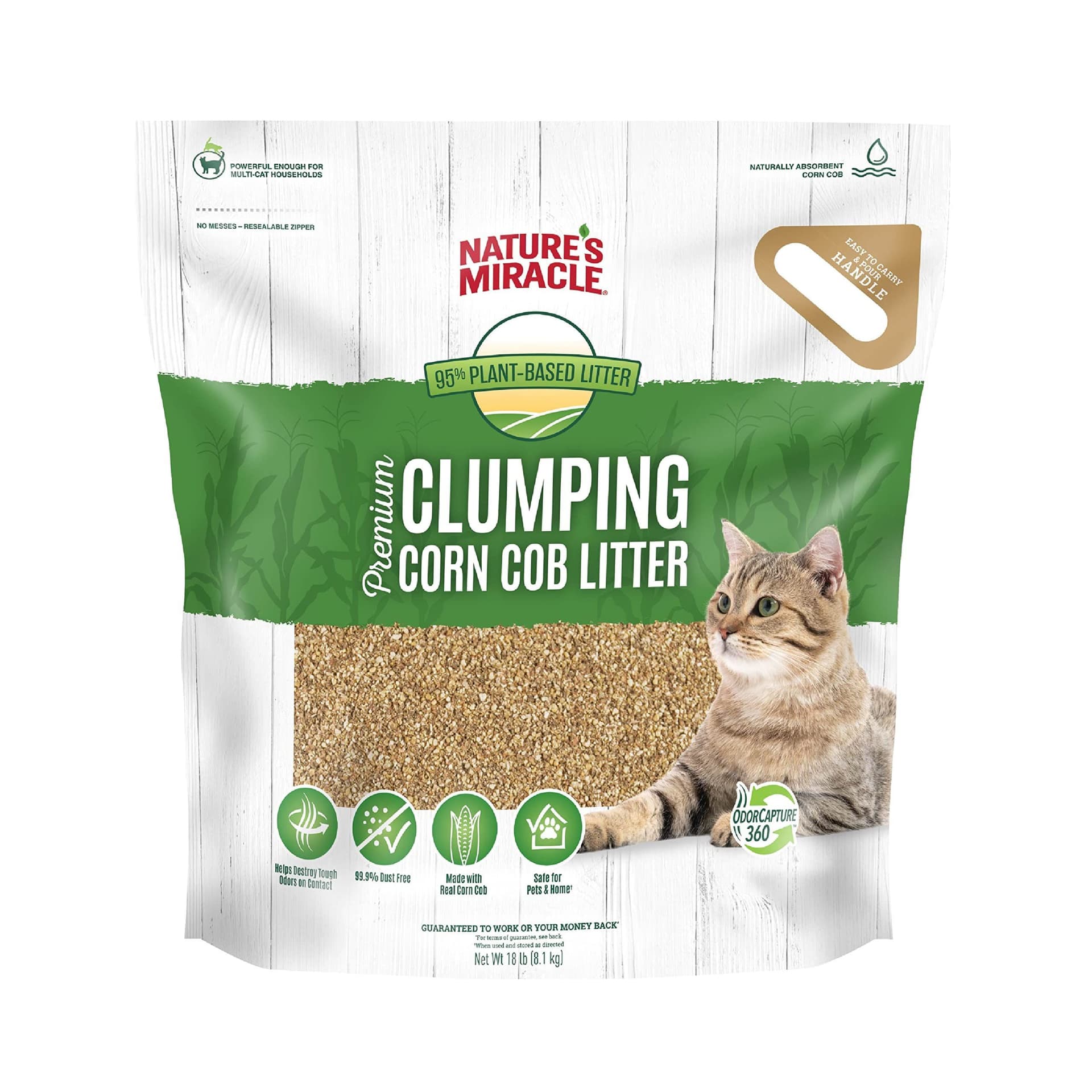
95 percent plant-based corn cob litter with bio-enzymatic odor breakdown and very low dust.
Petful may earn a commission when you click through to Chewy, at no extra cost to you.
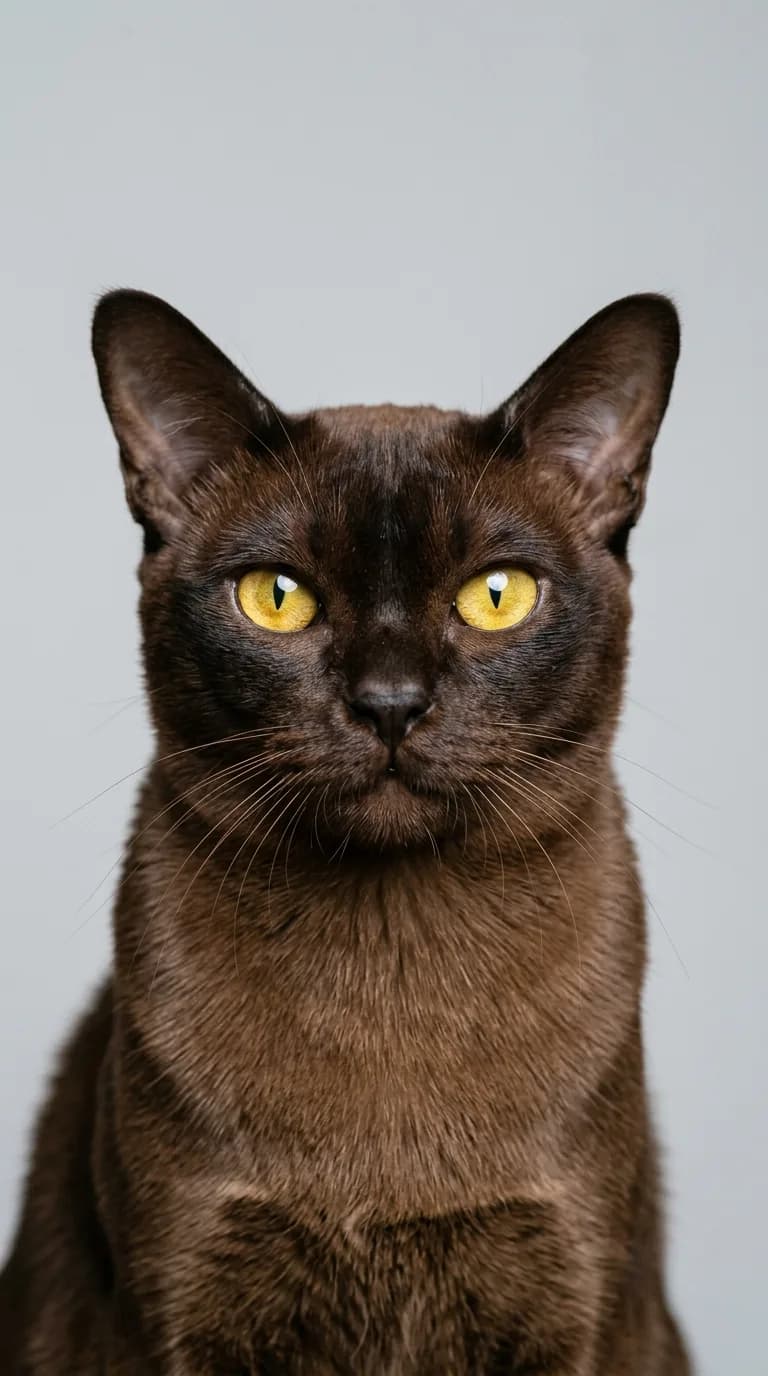
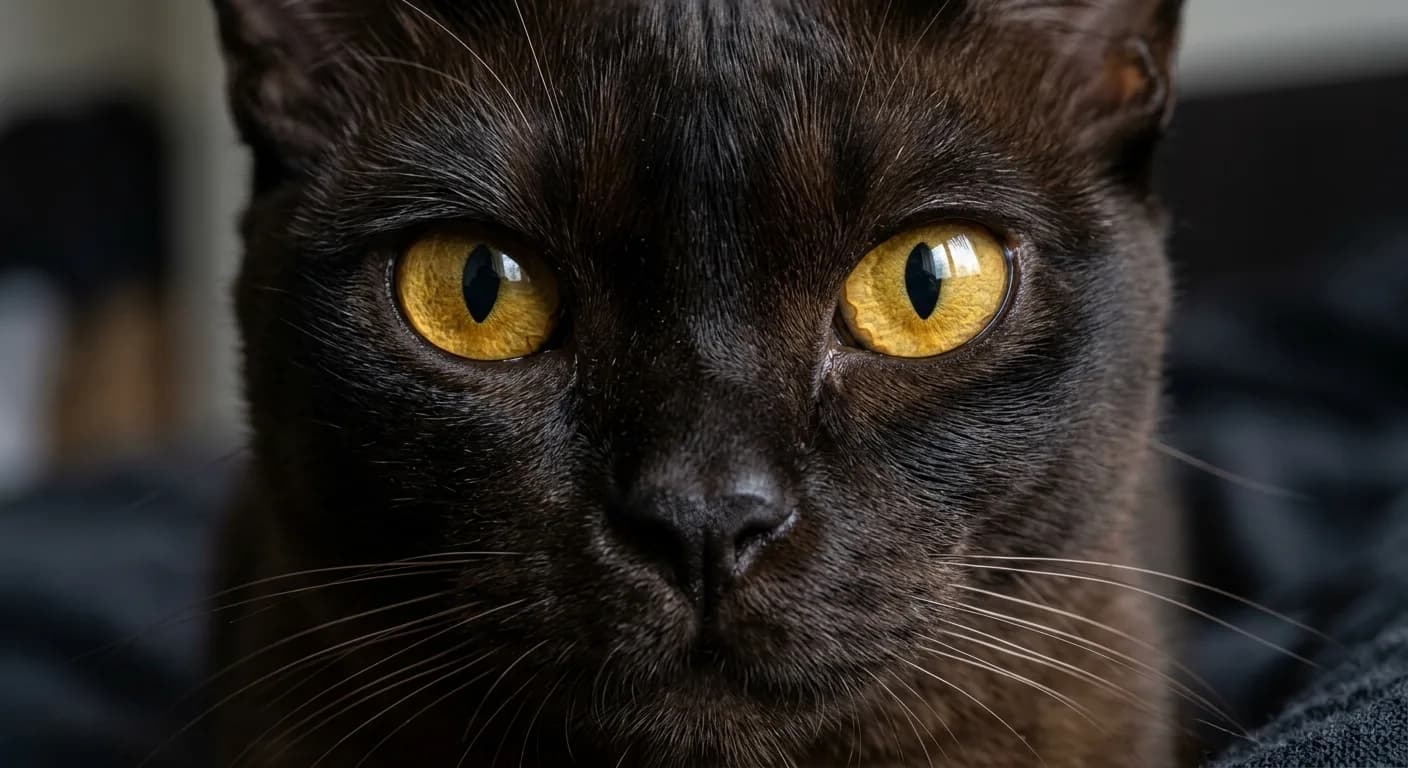
Burmese eye color is always yellow to gold, sometimes described as "old gold," with deeper brilliance preferred by show judges. Unlike Russian Blues or Persians, no Burmese color produces blue or green eyes.
- There is no officially recognized black Burmese. The darkest color, sable, is a rich warm brown. If you see a cat described as a "black Burmese," it is almost certainly a very dark sable, or it may be a cat with a different genetic background. The GCCF does not list black as a recognized Burmese color.
The 4 CFA-Recognized Burmese Colors
1. Sable
Sable is the original Burmese color and the most common shade in the breed. The coat is a rich, warm, seal-brown, described in the CFA standard as shading almost imperceptibly to a slightly lighter hue on the underparts. Kittens are noticeably lighter than adults; the deep sable tone fully develops by 18 months of age. Nose leather and paw pads are brown. Eye color is yellow to gold, with deeper brilliance preferred.
Sable is sometimes described as "dark brown" or loosely called "black" by people unfamiliar with the breed, but a side-by-side comparison with a true black cat makes the warm brown base obvious. It remains the most popular and widely bred Burmese color in the United States.
Rarity: Most common. Easiest to find from US breeders.
2. Champagne
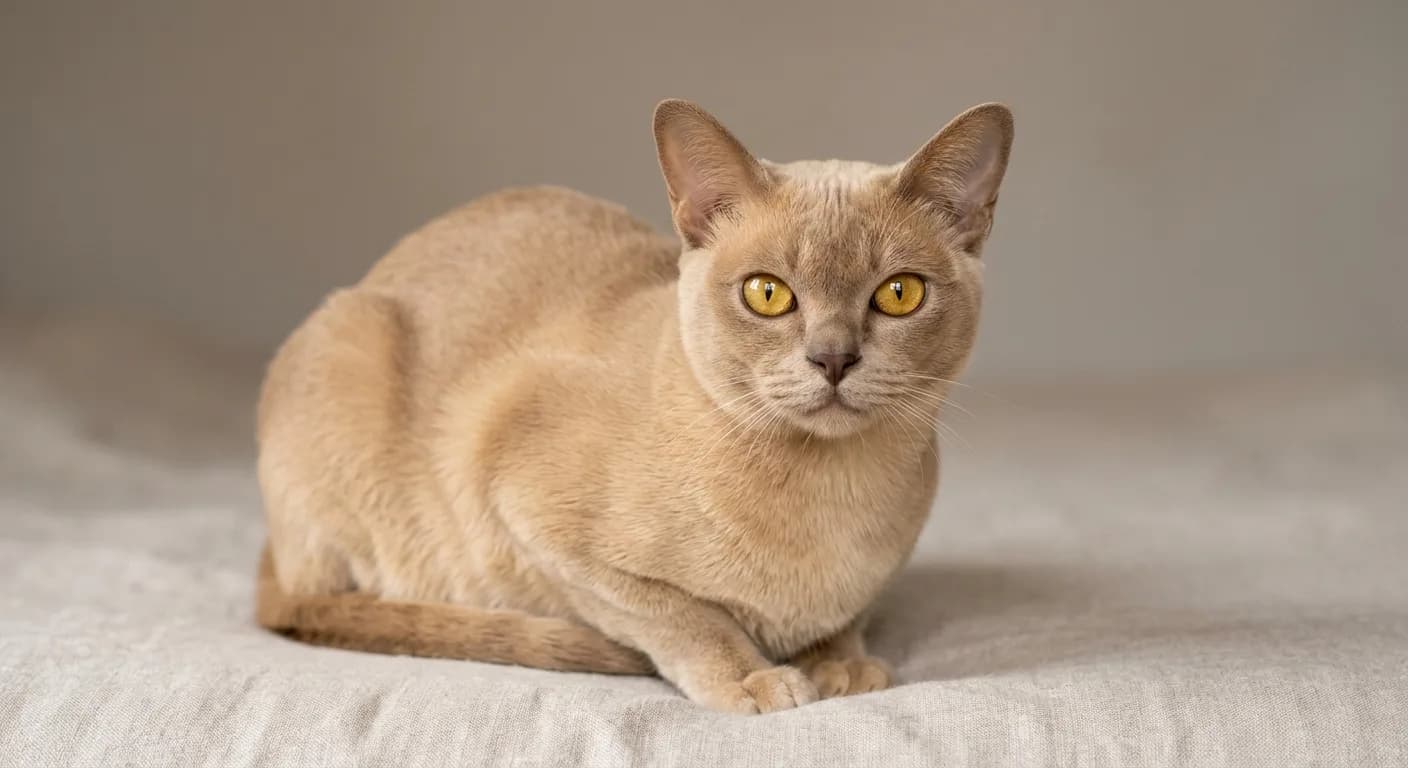
Champagne is the CFA's name for what GCCF breeders call chocolate. The coat is warm honey-beige, shading to a pale gold tan on the underside, with slight darkening acceptable on the face, ears, and extremities. Nose leather is light warm brown; paw pads are warm pinkish tan. Eye color ranges from yellow to gold.
Champagne kittens are very pale at birth and deepen to their adult honey tone over the first year. The color has a warm, golden quality that distinguishes it clearly from the cooler platinum shade.
Rarity: Common. Second most frequently seen US color after sable.

Never Scoop Again® with the Whisker Litter-Robot, the smart self-cleaning automatic litter box. Monitor visits and track weights for better overall care in the Whisker® app. Multi-cat friendly.
Petful may earn a commission when you click through to Whisker, at no extra cost to you.
3. Blue
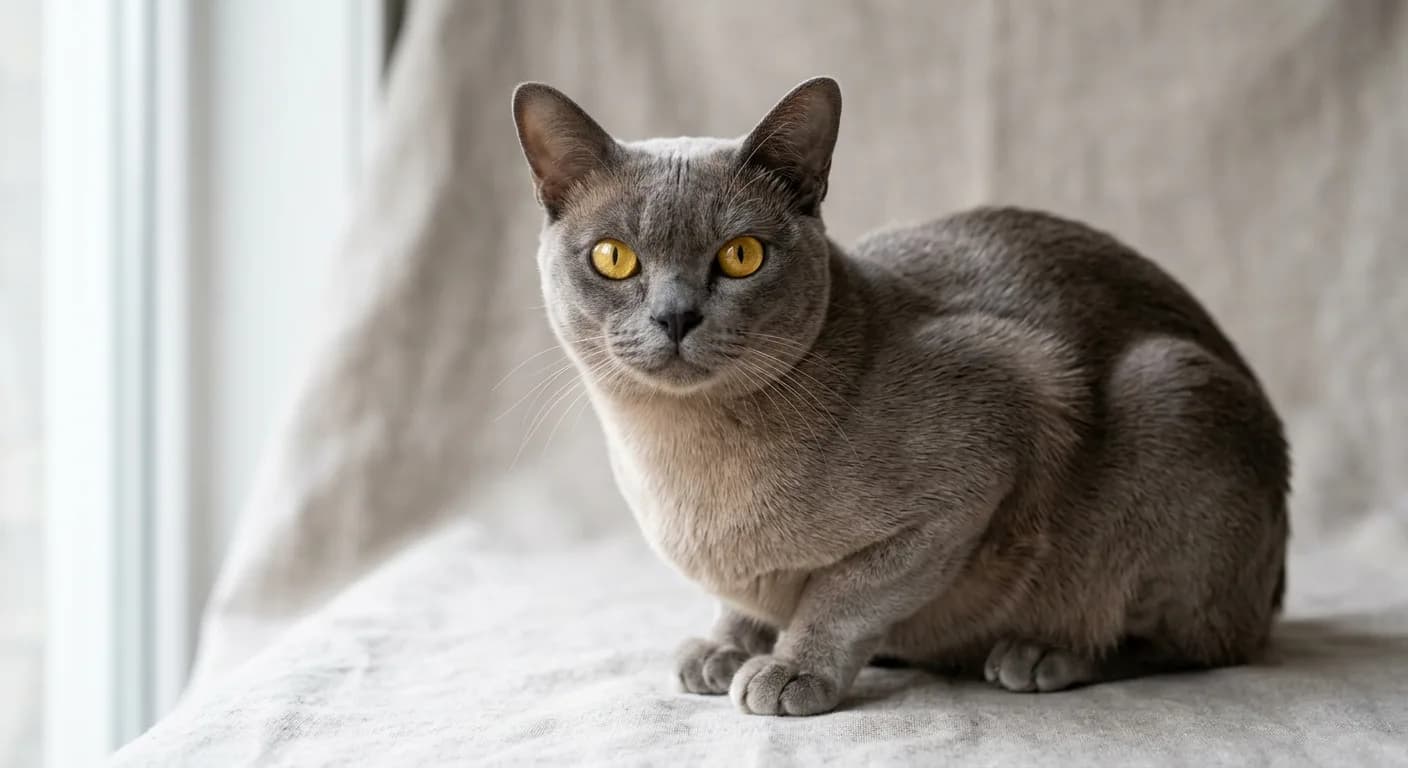
Blue Burmese have a medium-blue coat with distinctive warm fawn undertones that prevent it from reading as cold or flat grey. The sheen on the ears, face, and feet has a subtle silver quality. Nose leather and paw pads range from slate grey to warm pinkish-blue. Eye color is yellow to gold.
The blue coat is temperature-sensitive: cooler ambient temperatures can deepen the color slightly over a cat's lifetime, making older blue Burmese appear slightly darker than their younger counterparts. Many Burmese enthusiasts consider blue the most striking of the four CFA colors.
Rarity: Uncommon. Less frequently produced than sable or champagne in US catteries.
4. Platinum
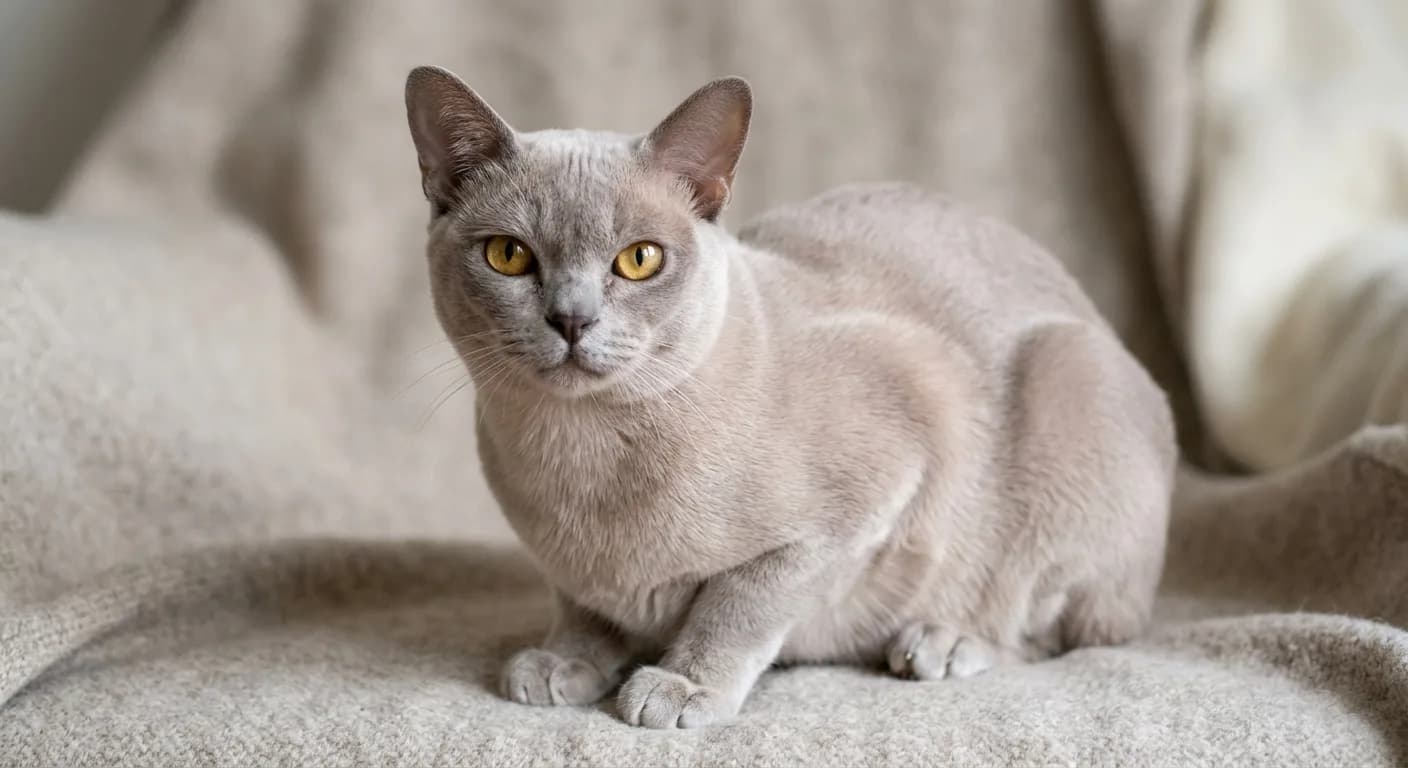
Platinum is the palest of the four CFA colors: a silvery-grey with soft pale fawn undertones. The tone is subtle, almost luminous, and the facial contrast is the least pronounced of any Burmese color. Nose leather and paw pads are lavender-pink. Eye color is yellow to gold, with greater depth and brilliance preferred by judges.
Platinum is sometimes compared to lilac (a GCCF color), but true platinum carries a warmer fawn cast, whereas lilac has a pinkish-grey dove quality. The distinction matters for breeders producing both CFA and GCCF lines.
Rarity: Uncommon to rare in the US. Least frequently seen of the four CFA colors.
The Full Color Chart: All 10 Recognized Burmese Colors
| Color | Registry | Coat Tone | Nose Leather | Paw Pads | Eye Color | |
|---|---|---|---|---|---|---|
| Sable | CFA/TICA | Rich warm seal-brown | Brown | Brown | Yellow-gold | |
| Champagne | CFA/TICA | Warm honey-beige | Light warm brown | Pinkish tan | Yellow-gold | |
| Blue | CFA/TICA | Medium blue, fawn undertones | Slate-grey to pinkish-blue | Slate-grey to pinkish-blue | Yellow-gold | |
| Platinum | CFA/TICA | Pale silvery-grey, fawn undertones | Lavender-pink | Lavender-pink | Yellow-gold | |
| Chocolate | GCCF/FIFe | Warm milk-chocolate | Chocolate-brown | Chocolate-brown | Yellow-gold | |
| Lilac | GCCF/FIFe | Pale dove-grey, pinkish cast | Lavender-pink | Lavender-pink | Yellow-gold | |
| Red | GCCF/FIFe | Tangerine-orange | Pink-red | Pink-red | Yellow-gold | |
| Cream | GCCF/FIFe | Warm pale cream | Pink | Pink | Yellow-gold | |
| Tortoiseshell (4 variants) | GCCF/FIFe | Base color + red/cream patches | Variable | Variable | Yellow-gold | |
| Brown Tortie | GCCF/FIFe | Brown + red/cream | Brown | Brown | Yellow-gold |
The 6 Additional GCCF and FIFe Burmese Colors
The Burmese vs. Siamese comparison often surfaces when discussing colors, partly because the extended palette in European registries echoes the color genetics both breeds share. The six additional GCCF/FIFe colors below are found in Australian, UK, and European catteries but are not shown in CFA-affiliated US shows.
5. Chocolate (GCCF/FIFe)
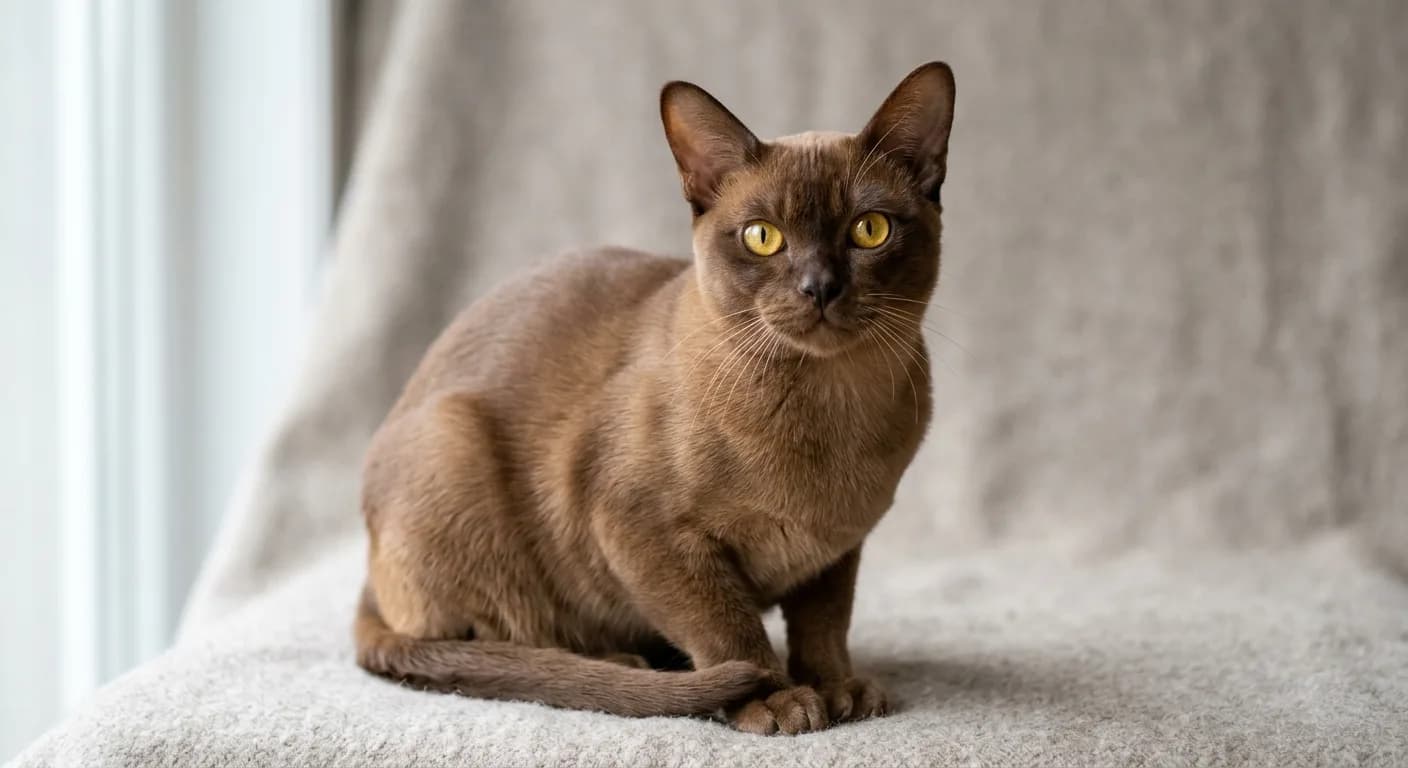
Chocolate Burmese have a warm, even, milk-chocolate coat. GCCF breeders distinguish this from champagne: champagne (the CFA label) has a honey-beige quality with golden undertones, while a true GCCF chocolate reads as a deeper, more distinctly brown-chocolate tone. Nose leather and paw pads are chocolate-brown. Chocolate is relatively rare even in European lines and commands premium pricing.
Rarity: Rare.
6. Lilac (GCCF/FIFe)
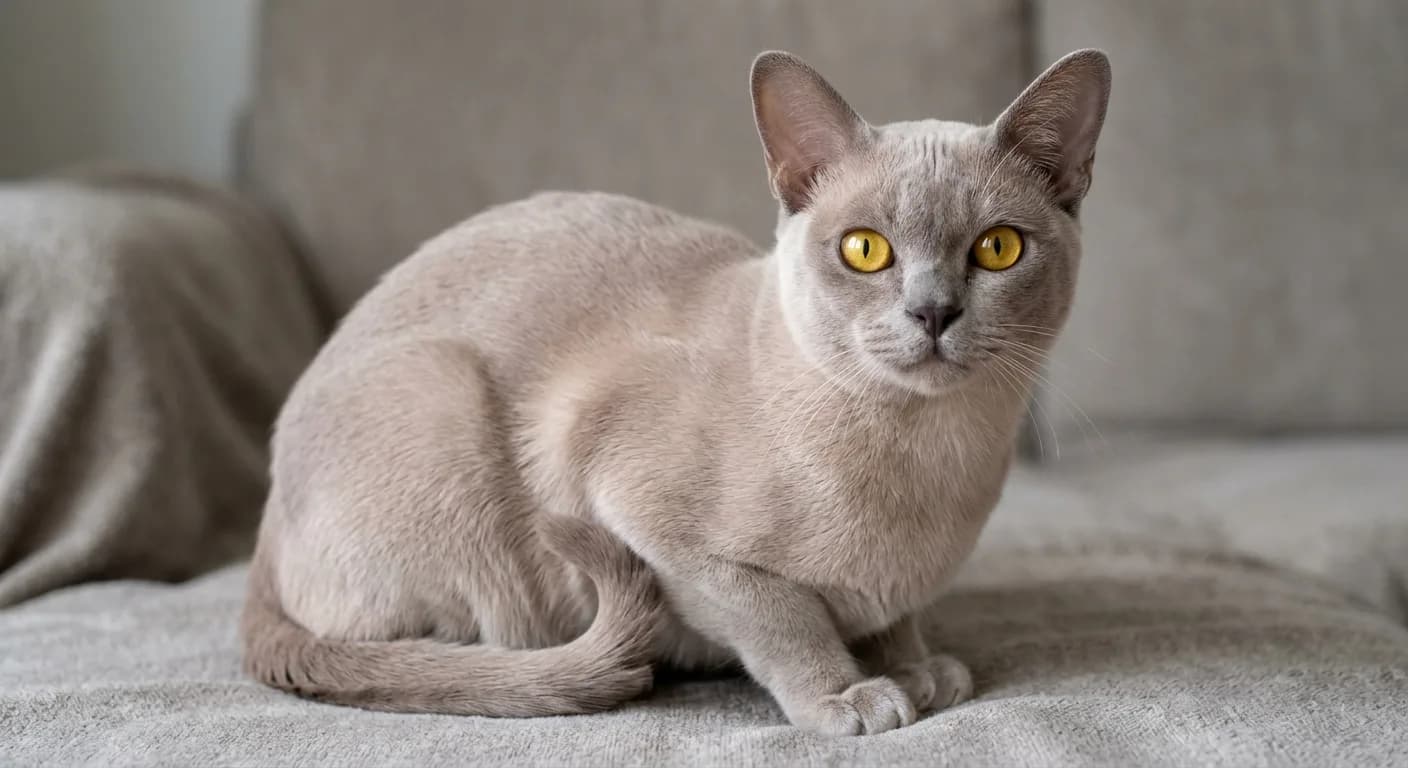
Lilac is a pale, delicate dove-grey with a soft pinkish or lavender cast. It is the dilute form of chocolate. Both nose leather and paw pads are lavender-pink. Lilac Burmese are extremely rare because producing them requires two copies of the dilute gene alongside the Burmese sepia gene. This is one of the most sought-after colors among European collectors.
Rarity: Very rare.
7. Red (GCCF/FIFe)
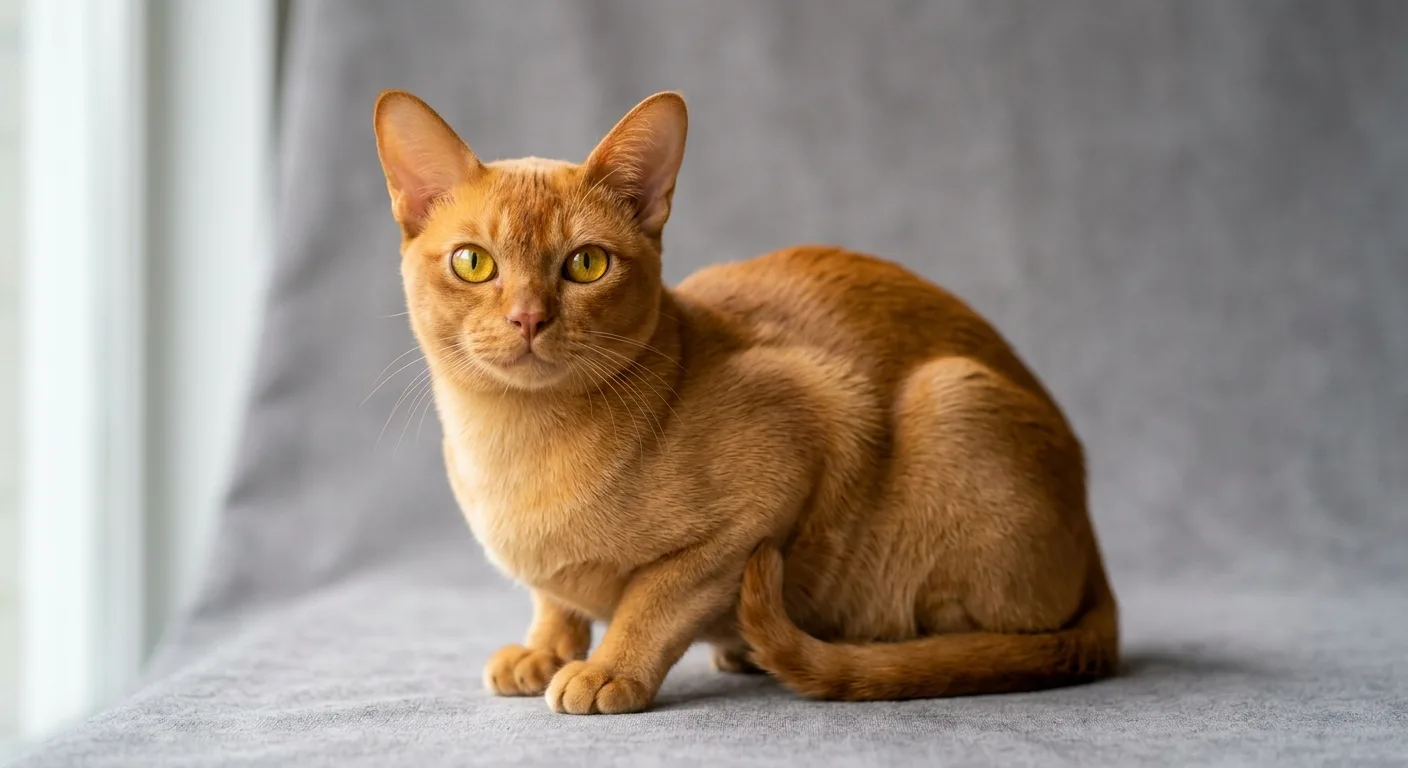
Red Burmese are a true tangerine-orange. The tone is bright and warm, with any tabby ghost markings on the forehead and legs accepted under GCCF show standards (since eliminating all tabby influence from the red gene is genetically impossible). Nose leather and paw pads are pink to red. Red is one of the more unusual colors to see in person and generates significant attention at shows.
Rarity: Rare.
8. Cream (GCCF/FIFe)
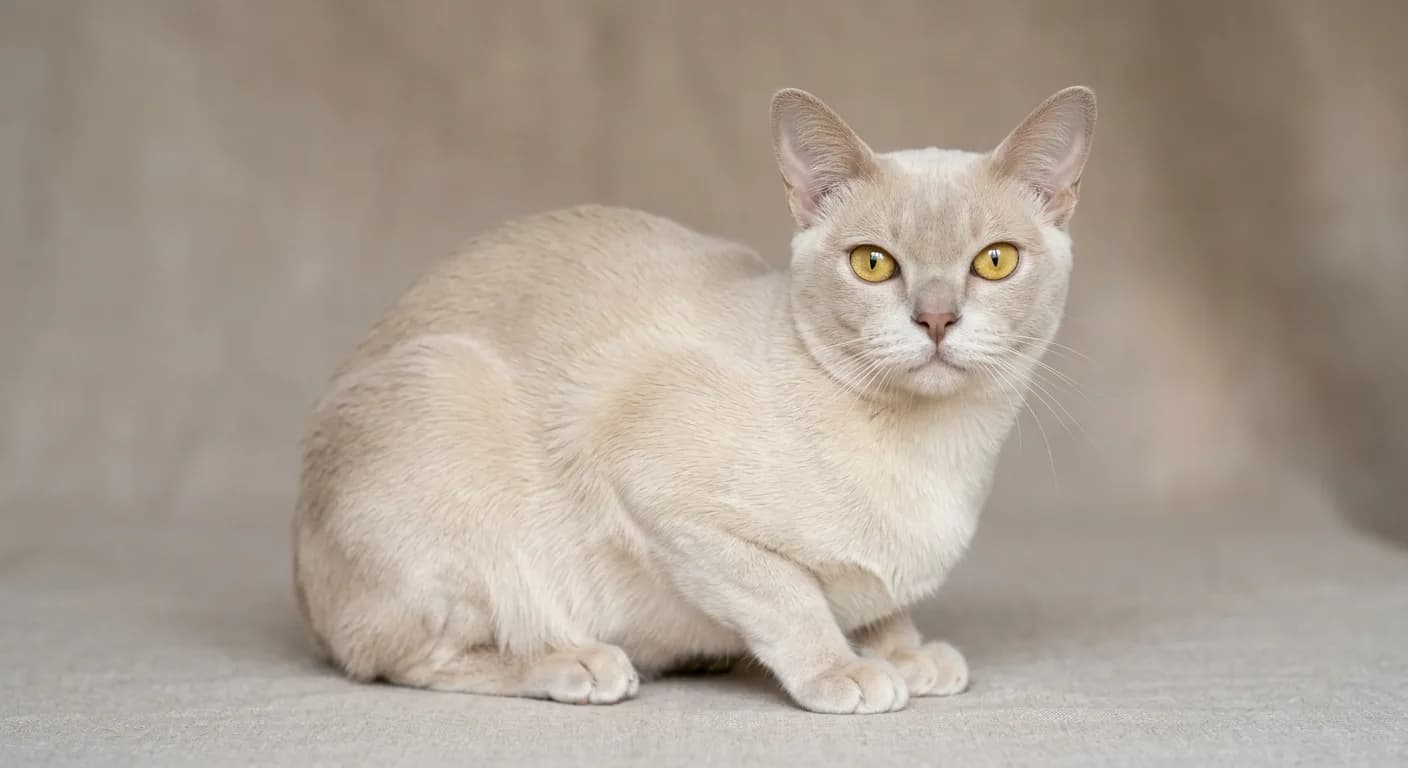
Cream is the dilute form of red. The coat is a warm, pale cream with a faint loom (a subtle depth of color) visible on the ears, top of the head, and back. Like red, cream is not penalized for faint ghost tabby markings. Nose leather and paw pads are pink. Cream Burmese are extremely rare in the United States and uncommon even in UK catteries.
Rarity: Rare to very rare.
The 4 Tortoiseshell Burmese Colors
Tortoiseshell Burmese are genetically female-only (or, very rarely, sterile males with XXY chromosomes). The tortie pattern combines a solid base color with patches of red or cream. GCCF recognizes four tortie variants.
9. Brown Tortoiseshell (Seal Tortie)
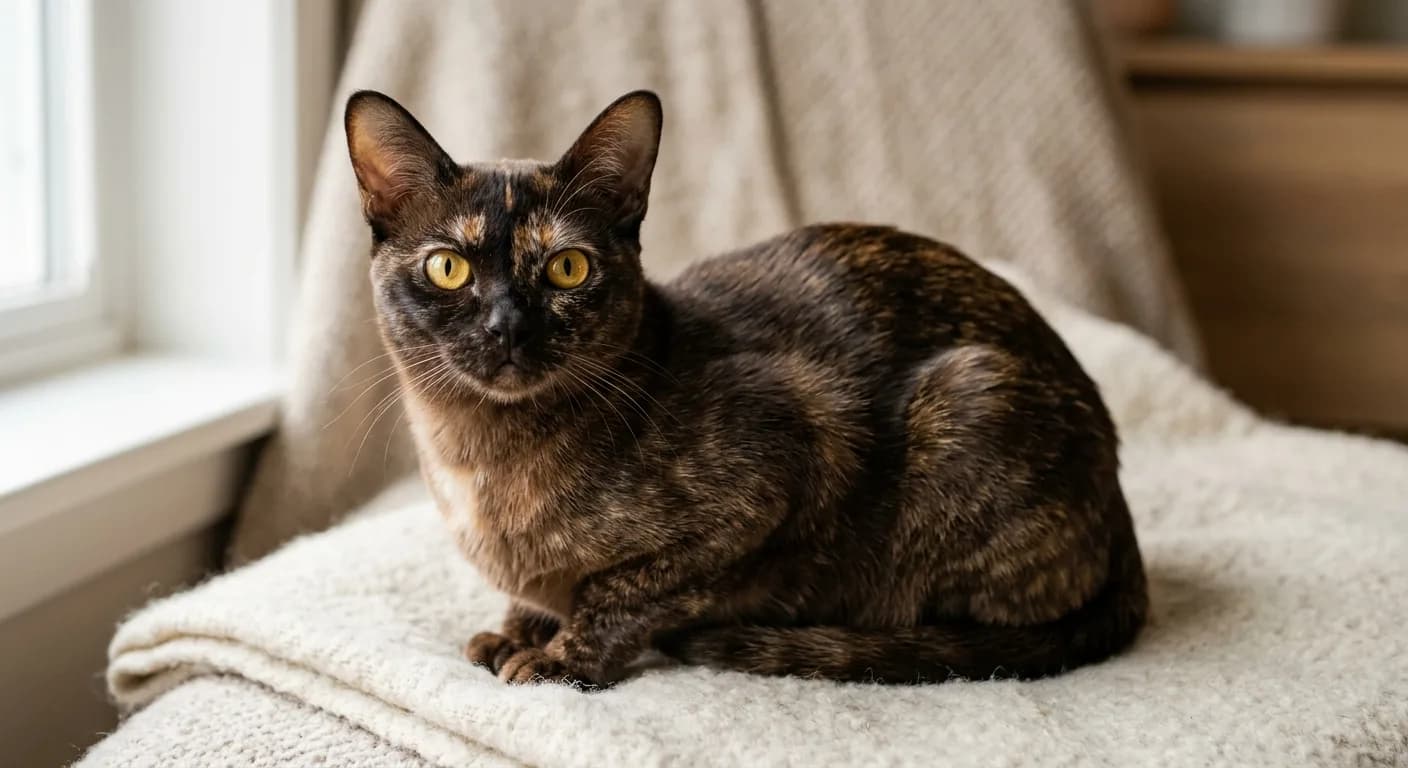
Brown (seal) base with patches of red or cream. The most common tortie color in Burmese.
10. Blue Tortoiseshell (Blue Tortie / Blue Cream)
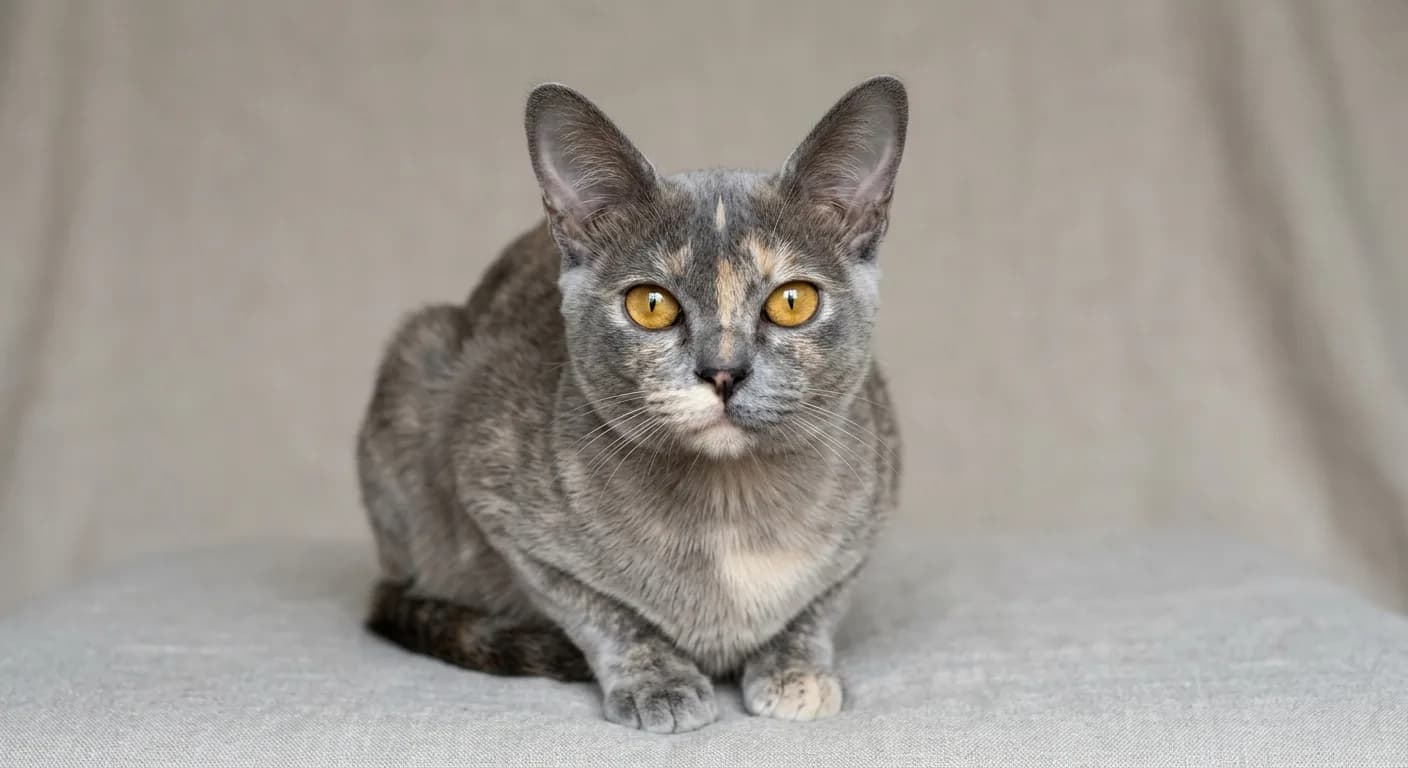
Blue base with patches of cream. Sometimes called "blue cream." A distinctly cool-toned, delicate combination.
Chocolate Tortoiseshell
Warm chocolate base with patches of red or cream.
Lilac Tortoiseshell (Lilac Cream)
The palest tortie combination: lilac-dove grey base with pale cream patches. The rarest Burmese color of all.
Rarity: Lilac tortie is the rarest Burmese color. All torties are rarer than their solid base color equivalents.

63-inch multi-level cat tree with scratch posts, hammock, plush perches, and dangling toys. Vertical territory is non-negotiable for high-energy climbing breeds like the Bengal.
Petful may earn a commission when you click through to Chewy, at no extra cost to you.
- The red and cream genes are carried on the X chromosome. Because males have only one X chromosome (XY), they can express either the base color or red/cream, but not both simultaneously. A cat needs two X chromosomes to display both at once, which is why tortoiseshell cats are almost exclusively female.
How Burmese Kitten Colors Darken With Age
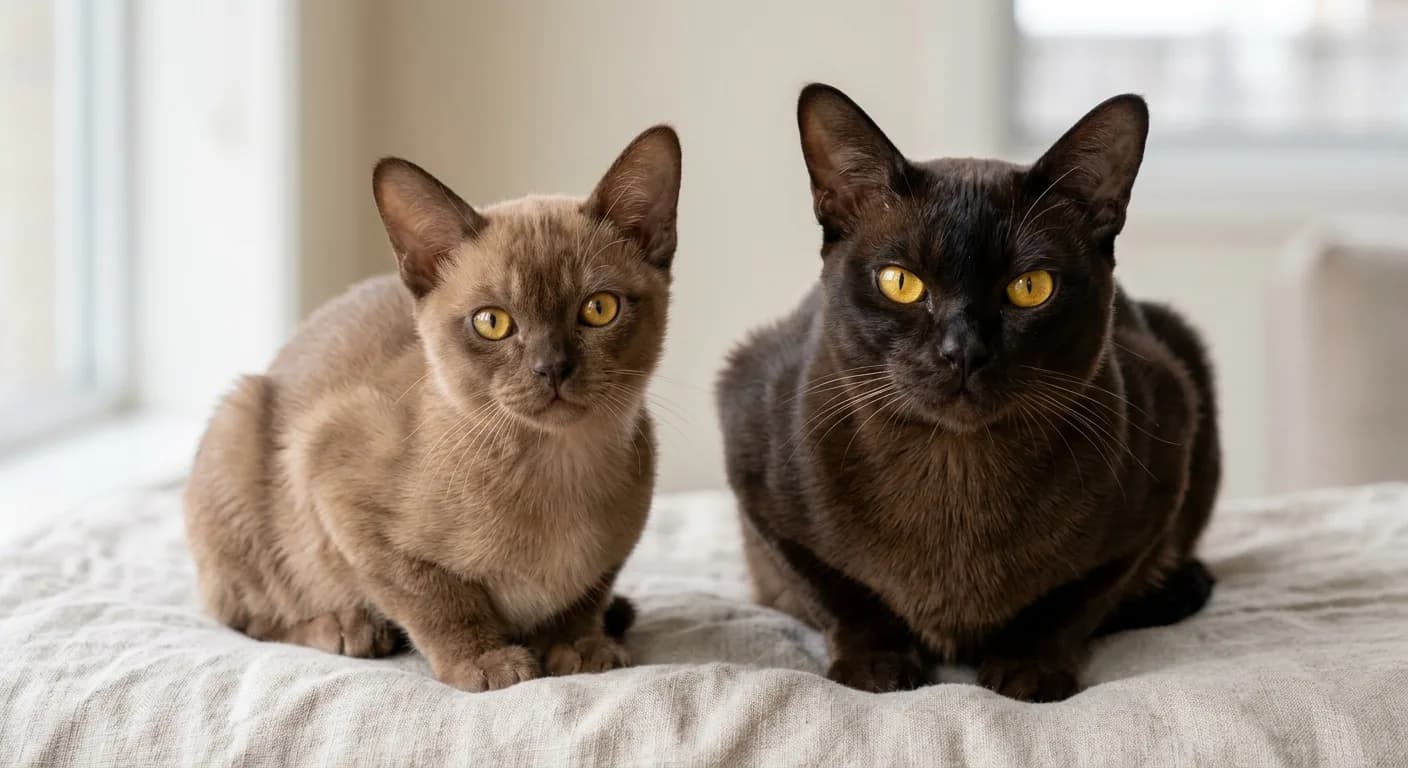
One of the most fascinating aspects of burmese cat colors is how dramatically they change from kittenhood to adulthood. At birth, Burmese kittens are substantially lighter than their final adult color, often by two or three tonal steps.
The lightening effect is greatest in dark colors: a sable kitten may look like a warm tan or light champagne at birth. By three months, the coat deepens noticeably. Full adult color is typically reached between 12 and 18 months of age. This is caused by the temperature sensitivity of the sepia gene: kittens develop in the warmth of the womb, which suppresses melanin production, and the coat darkens as the kitten is exposed to cooler ambient temperatures after birth.
This same mechanism explains why the coolest parts of a Burmese body (the ears, face, paws, and tail) are often the darkest: those areas lose heat faster and trigger slightly greater melanin production. The effect is subtle compared to Siamese point restriction, but it accounts for the characteristic "shading" permitted under every Burmese standard.
Diet can also influence coat tone over time. A diet rich in tyrosine (the amino acid precursor to melanin) supports richer coat color, while deficiencies can cause a subtle fading or reddish tinge in dark-colored coats.
- This can be caused by a tyrosine or phenylalanine deficiency, excessive sunlight exposure, or a medical condition affecting pigmentation. Mention it to your veterinarian at the next wellness visit.
Rarest to Most Common: Burmese Colors Ranked
Based on breeding frequency in US and international catteries:
1. Most common: Sable (United States)
2. Common: Champagne (United States)
3. Uncommon: Blue (United States)
4. Uncommon to rare: Platinum (United States)
5. Rare: Chocolate (international)
6. Rare: Red (international)
7. Rare: Brown Tortoiseshell (international)
8. Rare: Blue Tortoiseshell (international)
9. Very rare: Cream (international)
10. Very rare: Lilac (international)
11. Very rare: Chocolate Tortoiseshell (international)
12. Rarest: Lilac Tortoiseshell (international)
If you are interested in a Burmese cat price breakdown by color, expect to pay a premium for platinum in the US and for any lilac or tortoiseshell variant internationally, as breeding frequency directly correlates with kitten availability.

108-oz stainless steel pet fountain with quiet pump and water-level window. Bengals are notoriously water-obsessed; a flowing fountain encourages hydration and pulls them away from sinks and toilets.
Petful may earn a commission when you click through to Chewy, at no extra cost to you.
Burmese Color Genetics: The Sepia Gene Explained
The Burmese sepia allele (c^b^) is a partial-loss-of-function mutation in the tyrosinase gene. Tyrosinase is the enzyme responsible for converting tyrosine into melanin. A full loss of function produces albinism (the Siamese cs allele reduces pigment in warm body areas; c^b^ reduces it more modestly and evenly across the whole coat).
The hierarchy at the tyrosinase locus:
- C (full color) > c^b^ (Burmese sepia) > c^s^ (Siamese point) > c (albino)
A true-colored Burmese must carry two c^b^ alleles. Breed-to-breed crosses at this locus produce:
- c^b^c^b^ = Burmese sepia pattern
- c^b^c^s^ = Tonkinese mink pattern (intermediate)
- c^s^c^s^ = Siamese colorpoint pattern
Beyond the sepia gene, the other color genes work exactly as in any domestic cat:
- B (black/brown locus): B = black base; b = chocolate
- D (dilute locus): D = full density; d = dilute. Sable + dilute = blue. Champagne/chocolate + dilute = lilac/platinum.
- O (orange locus, X-linked): O = red/cream expression
This is why chocolate and lilac require specific allele combinations and are harder to produce: a breeder must select for bb (homozygous recessive chocolate) and dd (homozygous recessive dilute), both recessives stacking against frequency.
For cat lovers interested in how Persian cat colors differ from Burmese at the genetic level, the Persian allows all C locus alleles (including colorpoint Persians) as well as tabby and white-spotting patterns that are entirely absent from the Burmese standard.
Frequently Asked Questions
It depends on the registry. The CFA (United States) recognizes 4: sable, champagne, blue, and platinum. The GCCF (United Kingdom) and FIFe (Europe) recognize 10: those four plus chocolate, lilac, red, cream, and four tortoiseshell variants (brown, blue, chocolate, and lilac tortie). TICA recognizes a similar range to the CFA with some extended colors.
Sable is by far the most common Burmese color, particularly in the United States. It is the original color of the breed, dating back to Wong Mau, the foundation cat imported from Burma in the 1930s. Champagne is the second most common US color.
The lilac tortoiseshell (lilac cream) is the rarest Burmese color. Producing it requires homozygous chocolate (bb), homozygous dilute (dd), and the orange gene (O), all stacked against the Burmese sepia gene. Even experienced breeders produce very few in a lifetime.
No. There is no officially recognized black Burmese in any major registry. The darkest recognized color is sable, which is a rich, warm seal-brown. Cats described as "black Burmese" are almost always very dark sable individuals.
All Burmese cats have yellow to gold eyes, regardless of coat color. The ideal eye color described in show standards is "old gold" or a deep golden amber. Eye color does not vary by coat color in this breed, which distinguishes Burmese from breeds like Persian or British Shorthair where coat and eye color are sometimes linked.
Platinum is the CFA term for the dilute of sable (a silvery grey with fawn undertones). Lilac (GCCF/FIFe) is the dilute of chocolate and has a pinkish-dove quality. Both are pale and cool-toned, but platinum has warmer fawn undertones while lilac reads pinker and cooler. They also differ genetically: platinum is aabb (assuming sable base), while lilac is bbdd (chocolate dilute).
Yes. Burmese kittens are born much lighter than their adult color. The coat deepens progressively over the first 12 to 18 months as the sepia gene responds to cooler ambient temperatures outside the womb. A sable kitten can look almost champagne at birth. In senior cats, some lightening around the face can occur as pigmentation metabolism slows.
The modern Burmese breed descends primarily from a single cat, Wong Mau, brought to the United States from Burma (Myanmar) in 1930. Wong Mau was bred with Siamese cats to establish the breed. Genetically, Wong Mau herself was likely a Tonkinese (carrying one Burmese sepia allele and one Siamese point allele), which explains how both Burmese and Tonkinese color genetics trace to the same foundation.
Color alone is not sufficient, since other breeds can produce similar shades. A Burmese is identified by the combination of solid, unmarked coat in an accepted color, golden eyes, a rounded compact head, medium-muscular body, and the characteristic "brick wrapped in silk" feel of the coat. DNA testing is the definitive method for verifying breed ancestry.
Key Differences: American vs. European Burmese Colors
The split between American Burmese (CFA) and European Burmese (GCCF/FIFe) color standards is sometimes confusing because breeders from both traditions use the same breed name. Here is the practical difference:
- American Burmese (CFA): 4 colors only. Sable, champagne, blue, platinum. Any other color disqualifies a cat from CFA show competition.
- European/UK Burmese (GCCF/FIFe): 10 colors. All four American colors plus chocolate, lilac, red, cream, and four torties.
- Australian/NZCA lines: Generally follow GCCF color standards, recognizing 10 colors.
- TICA: More flexible, generally recognizing both sets.
If you are interested in cat breeds and purchasing a kitten, verify whether your breeder is CFA-registered (4 colors) or GCCF/FIFe-registered (10 colors), as this determines what colors their program produces.

Coreen Saito is a pet writer and longtime shelter volunteer with more than a decade in animal rescue. She covers cat behavior, breed care, and the small, ordinary science of sharing a life with companion animals, with a particular focus on honest takes about the products and decisions that actually matter. At home in Arizona, she's outranked by Mac (a dog with the loudest opinion in the house), Rebel (a cat who governs by quiet authority), and Meri (an orange tabby who runs the late shift and the laundry basket). She writes about all three, plus the rescues that keep coming through her life, at LifeWithMinty.com.
Sign up for expert-backed reviews and safety alerts all in one place.