Burmilla Cat: The Silver Breed Guide
The Burmilla cat is a rare silver breed born by accident in the UK in 1981 from a Chinchilla Persian and a Burmese. Learn about its sparkling coat, eyeliner look, sweet temperament, grooming, PKD health risk, lifespan, and what a kitten really costs.
Petful is reader supported. As an affiliate of platforms like Amazon and Chewy, we may earn a commission when you buy through links on this page. There is no extra cost to you.
The Burmilla cat is one of feline history's happiest accidents, recognized today by both The International Cat Association (TICA) and the Cat Fanciers' Association (CFA), which granted the breed full championship status in 2014. Born from a single unplanned 1981 litter of four silver kittens in England, this medium-sized beauty pairs a sparkling silver coat with dark, kohl-rimmed "eyeliner" markings and one of the sweetest temperaments in the cat world. If you have ever seen a cat that looks like it walked out of a makeup ad, you have probably met a Burmilla.
- 1The Burmilla originated by accident in the UK in 1981 from a Chinchilla Persian crossed with a Burmese.
- 2Its signature look is a shimmering silver coat (shaded or tipped) with dark "eyeliner" outlining the eyes, nose, and lips.
- 3Temperament is sweet, sociable, and playful, blending Burmese affection with Persian calm.
- 4It can inherit polycystic kidney disease (PKD) from the Persian side, so reputable breeders DNA test their cats.

Sign up for expert-backed reviews and safety alerts all in one place.
What Is a Burmilla Cat?
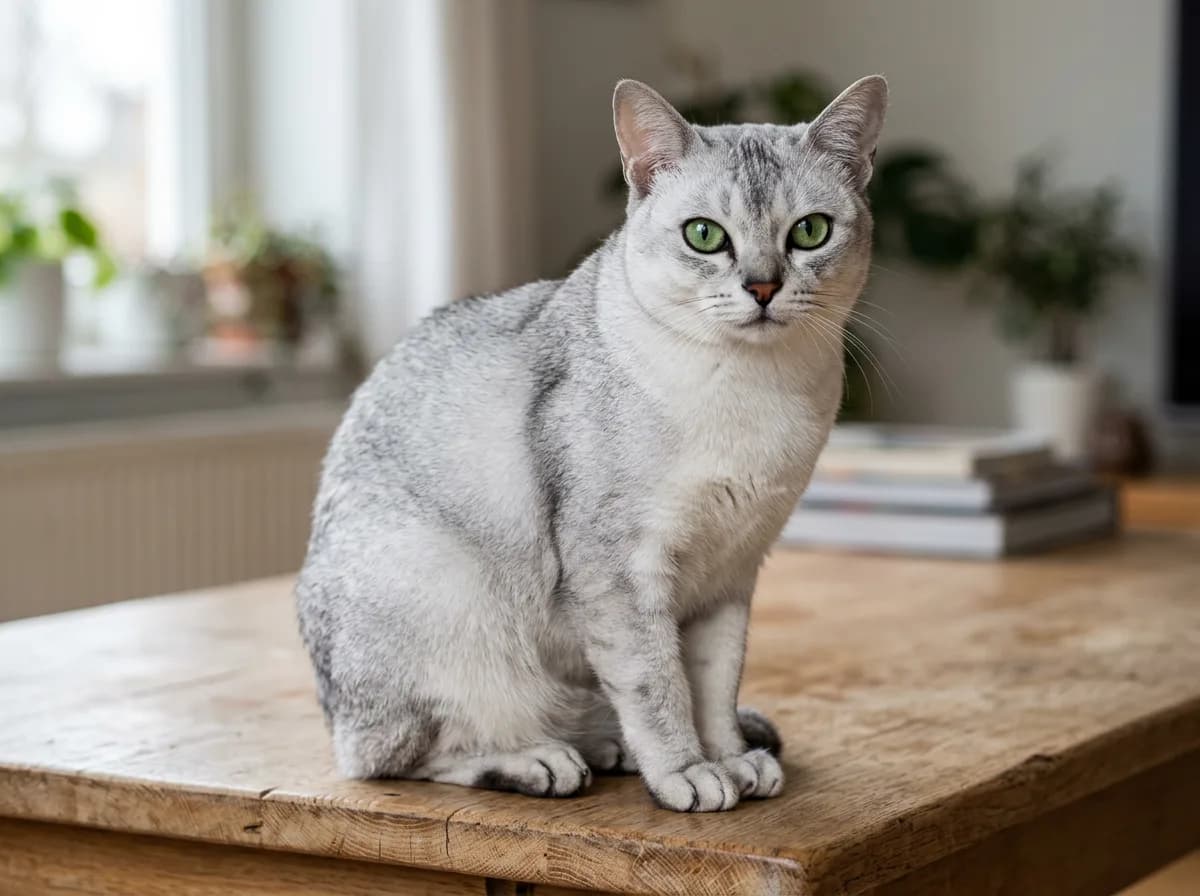
The Burmilla is a medium-sized, short-haired (and occasionally semi-longhaired) cat best known for a glittering silver coat and large, expressive green eyes. According to TICA, the breed is a deliberate-then-formalized cross between the Chinchilla Persian and the Burmese, which is exactly where its two-part charm comes from: the Burmese gives it a sweet, people-loving personality and a rounded, gently foreign face, while the Chinchilla Persian gives it that luminous silver coat and the dark facial "make-up" that frames the eyes, nose, and lips.
In some registries, especially in the UK and Europe, the Burmilla sits within a wider "Asian" group and is occasionally called the Asian Shaded. In the United States, both CFA and TICA recognize it as its own distinct breed with its own standard. It is a relatively rare cat, which is part of its appeal: you are far more likely to spot a tabby or a domestic shorthair at the shelter than a true pedigreed Burmilla.
A Cat Built From Two Famous Breeds
Think of the Burmilla as a "best of both" cat. From the Burmese side it inherits a muscular, surprisingly heavy little body (cat people love the "brick wrapped in silk" description) plus a chatty-but-not-too-chatty, affectionate streak. From the Chinchilla Persian side it gets the shaded silver coat, the green eyes, and the elegant, almost theatrical eyeliner. The result is a cat that looks high-maintenance and glamorous but behaves like an easygoing family companion.
The Accidental Origin Story: A Burmilla Cat Is Born (1981)
Few breeds have an origin story as charming as the Burmilla cat. In 1981, a UK breeder named Baroness Miranda von Kirchberg owned a lilac Burmese female named Bambino Lilac Faberge. She also had a Chinchilla Persian male, Jemari Sanquist, in the household, intended as a gift. The two cats were not supposed to meet romantically. A cleaner reportedly left a door open, the cats found each other, and nature took its course.
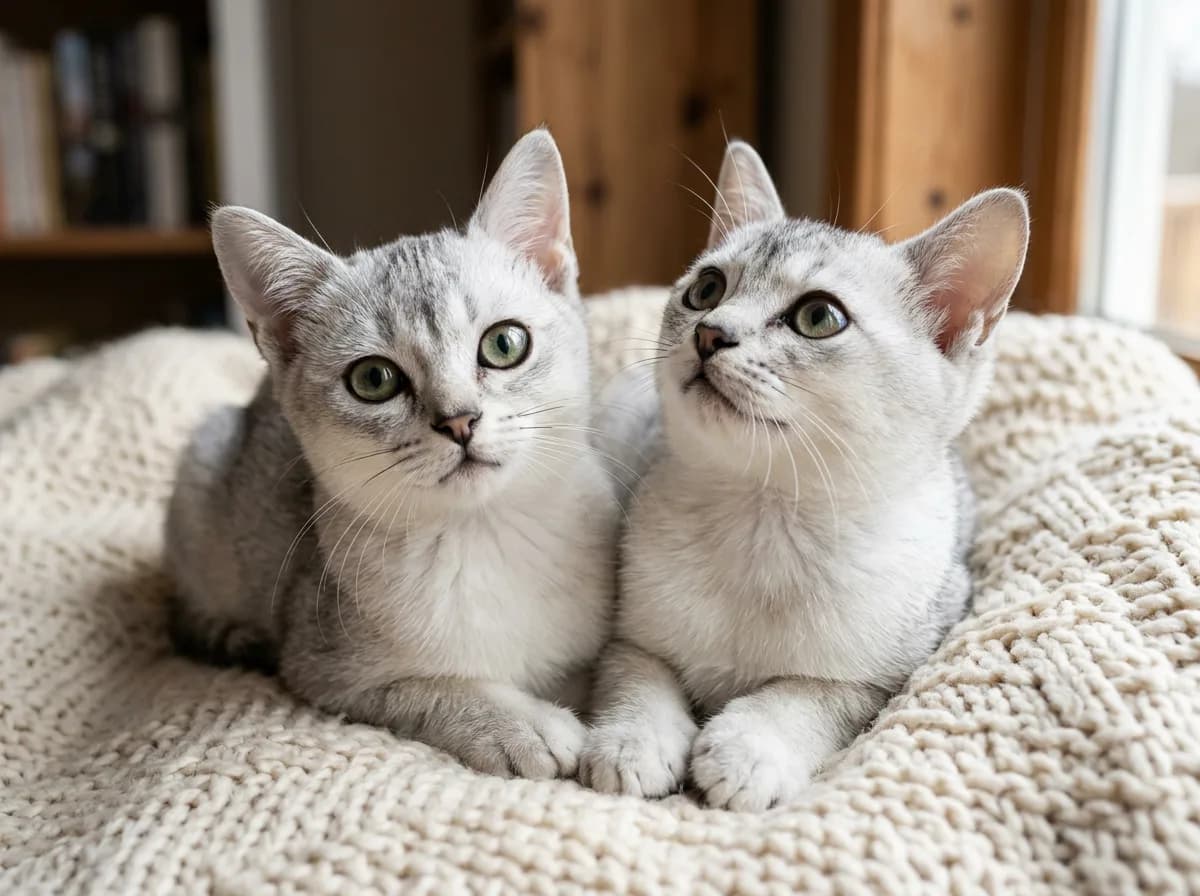
On September 11, 1981, that unplanned pairing produced a litter of four female kittens, all shorthaired and all a striking black shaded silver. The Baroness was so taken with the look and temperament of these kittens that, rather than treating the litter as a one-off, she launched a deliberate breeding program to fix the type. That program became the Burmilla.
Recognition followed over the next few decades. TICA and other associations accepted the breed, and the Cat Fanciers' Association advanced both the shorthair and longhair varieties, granting the Burmilla championship status in 2014. For a breed that started with an open door and a happy accident, that is a remarkable climb.
- "Burmilla" is a blend of its two parent breeds: Bur(mese) plus (Chin)cilla, the affectionate spelling of Chinchilla Persian.
Burmilla Cat Appearance: The Silver Coat and Eyeliner Look
The Burmilla's appearance is its calling card, and once you know what to look for, you cannot unsee it.
The Sparkling Silver Coat
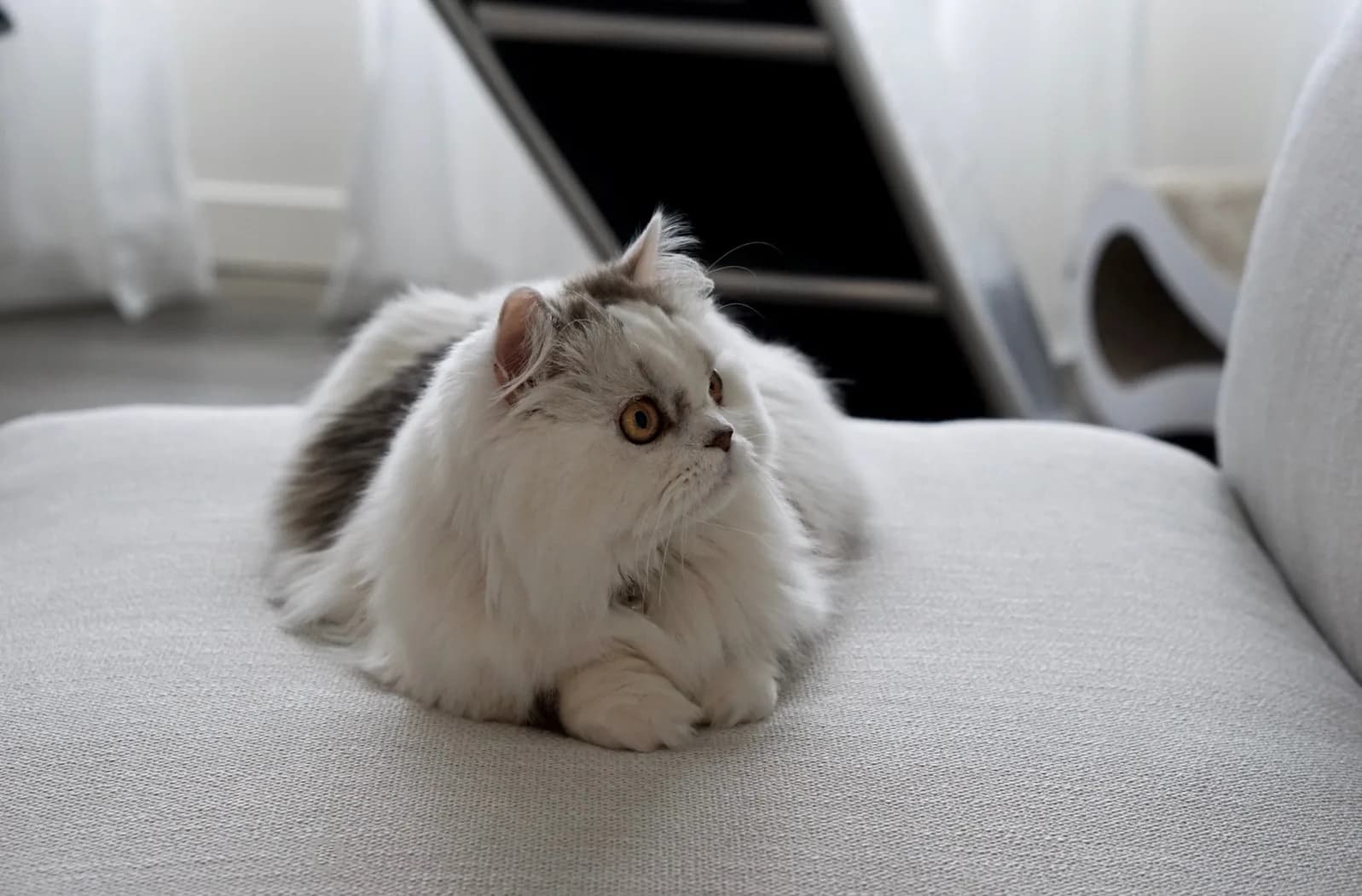
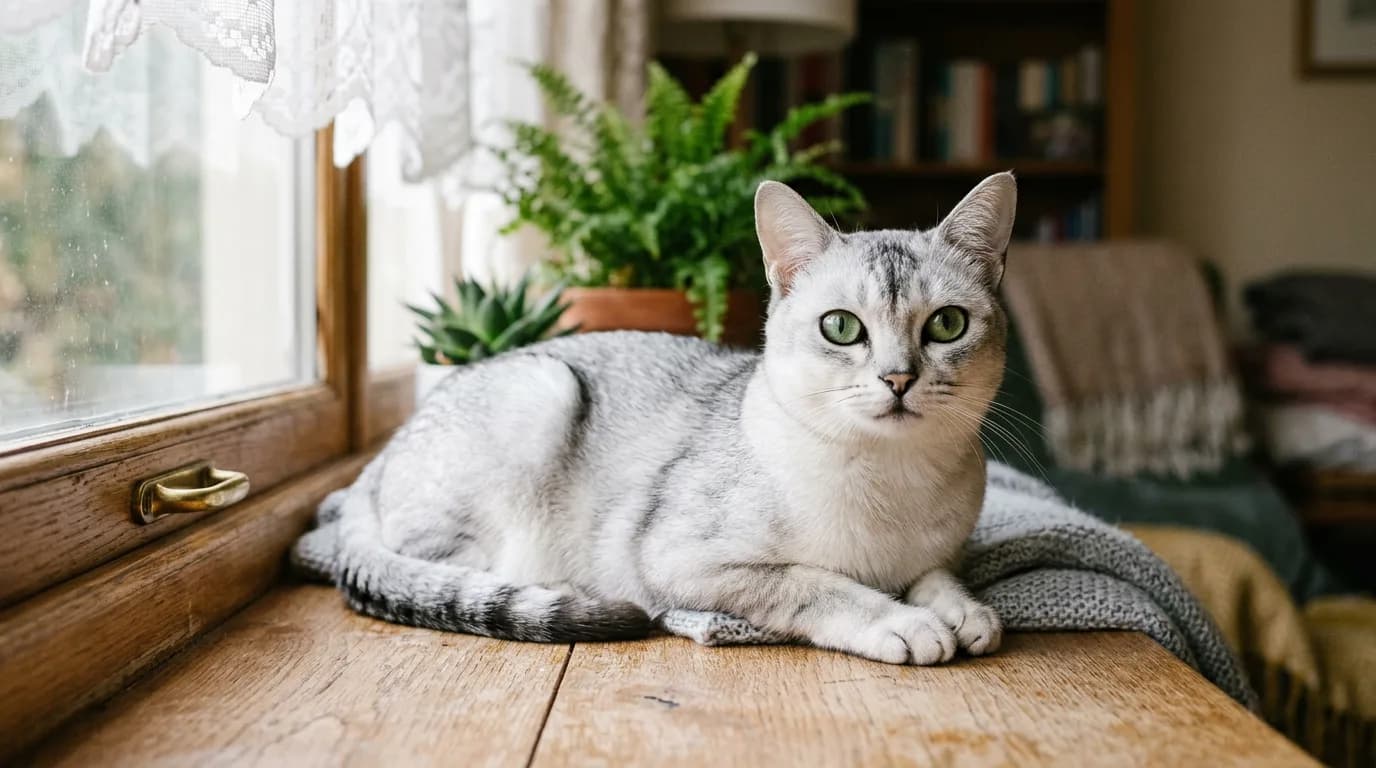
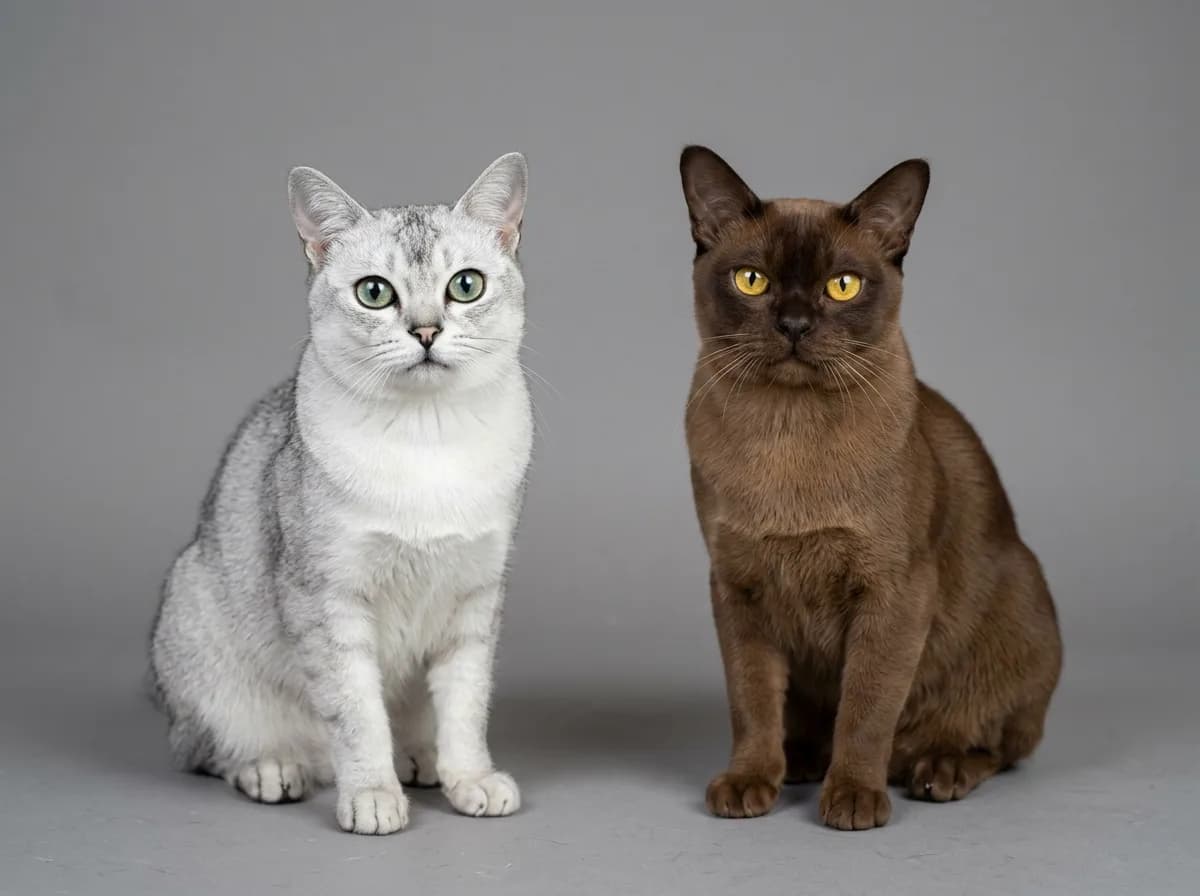
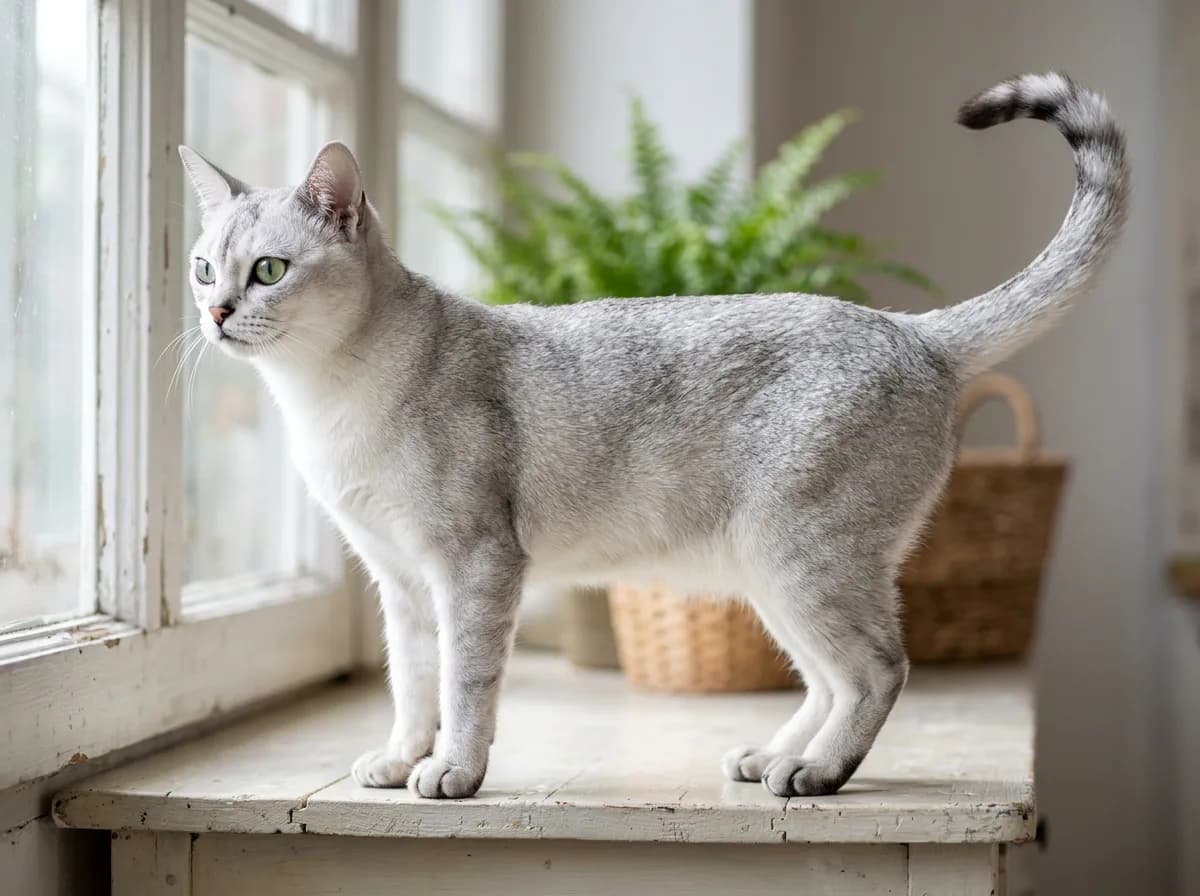
The defining feature is a short, dense, silky coat with a pale silver-white undercoat. Each hair is darker only at the very tip (tipped) or along a longer portion of the shaft (shaded), while the base stays bright silver. Because the dark color sits only on the ends of the hairs over a light ground, the coat literally sparkles and shimmers when the cat moves through light. CFA describes it beautifully: a coat "pale at the roots and tipped with color for a shimmering effect."

63-inch multi-level cat tree with scratch posts, hammock, plush perches, and dangling toys. Vertical territory is non-negotiable for high-energy climbing breeds like the Bengal.
Petful may earn a commission when you click through to Chewy, at no extra cost to you.
That tipping comes in a range of colors. TICA's standard lists silver shaded or tipped in black, brown, blue, chocolate, lilac, caramel, beige, and apricot. Black-tipped silver, the color of those original 1981 kittens, remains the most iconic.
The "Eyeliner" Make-Up Look
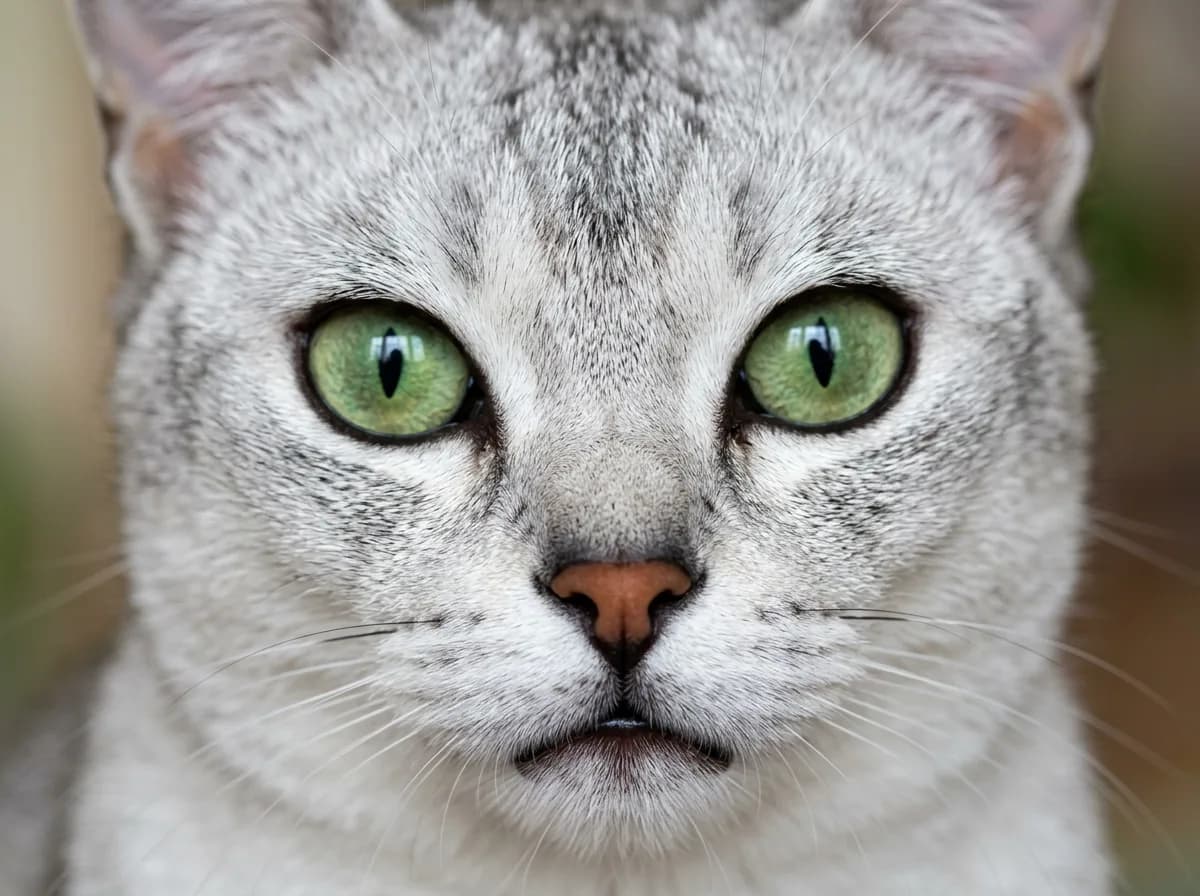
The second signature feature is the facial "make-up." Burmillas have dark pigment that outlines the eyes, nose, and lips as if a makeup artist drew it on with a fine pencil. Combined with large, rounded eyes in any shade of green, the effect is dramatic and unmistakable. TICA notes that eye color can take up to two years to fully develop, often shifting from a greenish-gold in kittenhood to true green in adulthood.
Body, Size, and Build
Despite looking delicate, the Burmilla is a medium-sized cat that is muscular and heavier than it appears. Most weigh between 8 and 12 pounds, with males at the larger, more robust end and females daintier and more elegant. The body is balanced and well-muscled, the head gently rounded with a well-developed chin (a nod to its Burmese heritage), and the legs are slender with neat, oval paws. The breed comes in two coat lengths: the common shorthair and a rarer semi-longhair.
- "Tipped" Burmillas show color only on the very ends of each hair and look almost solid silver. "Shaded" Burmillas have color over more of the hair and appear a little darker. Both share the same sparkling undercoat.
Burmilla Cat Temperament and Personality
If the coat gets the Burmilla in the door, the personality is what makes people stay. This is one of the most consistently sweet-natured breeds you will find, which makes sense given its parentage.
CFA describes the Burmilla as "impish and lively, but also quiet and gentle," a "sweet-natured cat" that is "people oriented and loving without being needy." It blends the affectionate, mischievous energy of the Burmese with the calm, easygoing temperament of the Chinchilla Persian. The practical upshot: you get a cat that loves your company and follows you around, but does not pester you, scream for attention, or fall apart when left alone for a normal workday.
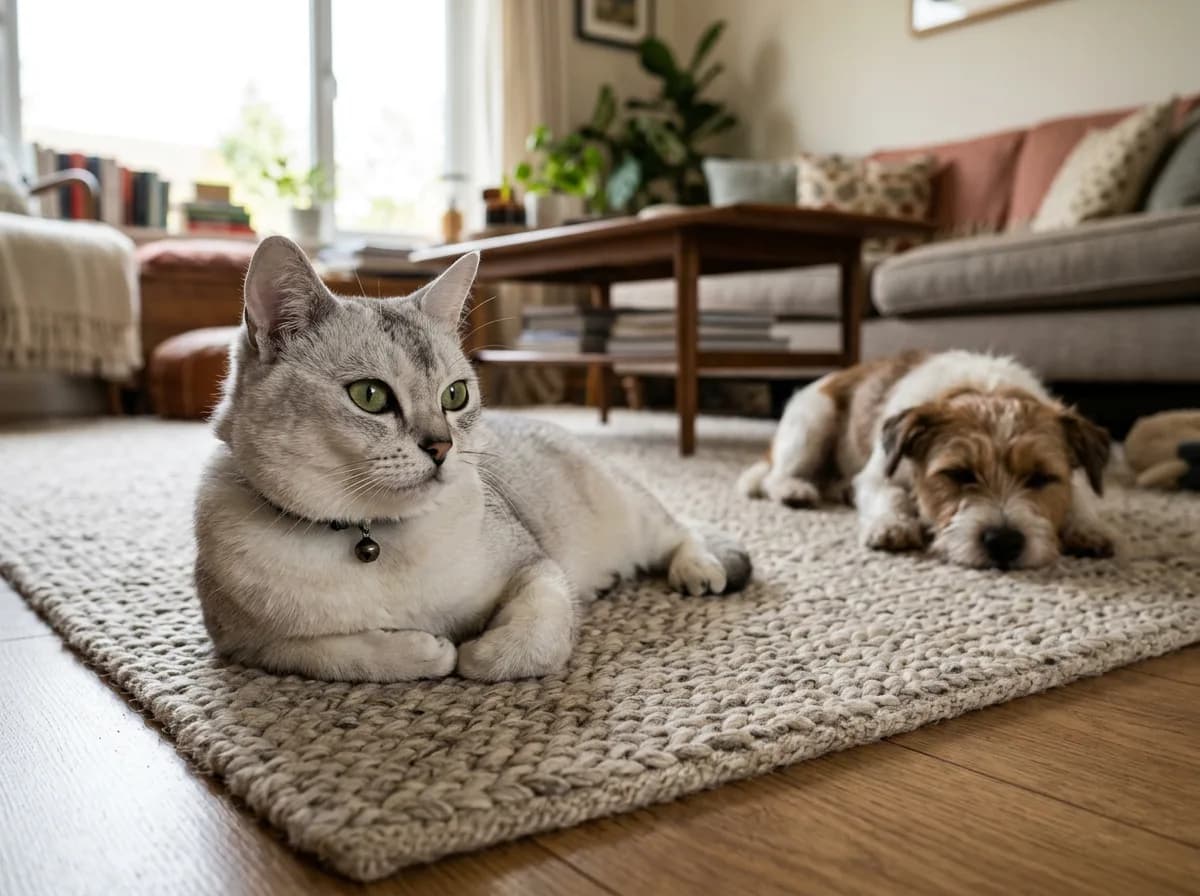
Burmillas are famously good with families. CFA notes the breed "is able to get along with dogs, other cats, and children," which is exactly what you want in a busy household. Many keepers say their Burmilla keeps a kitten-like playfulness well into adulthood, batting toys and investigating every new bag or box long after most cats have settled into dignified middle age.
They are not especially vocal. Where a Siamese or a full Burmese might keep up a running commentary, the Burmilla tends to be quieter and gentler, "not typically vocal or overly demanding," in CFA's words. That makes it a strong pick for apartments and for owners who want affection without the soundtrack. Their gentle, adaptable nature also makes them an excellent choice for first-time cat owners and homes with children or other pets.
Grooming and Care for a Burmilla Cat
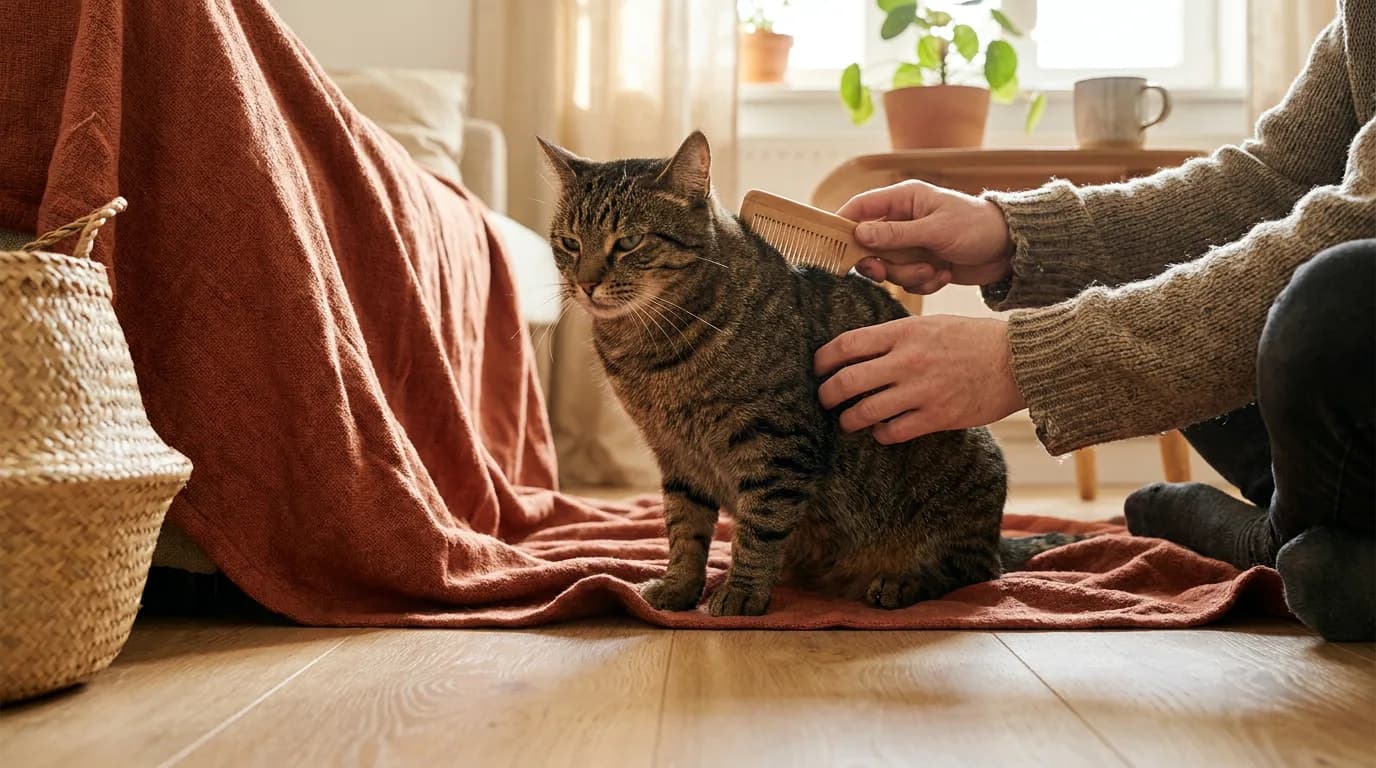
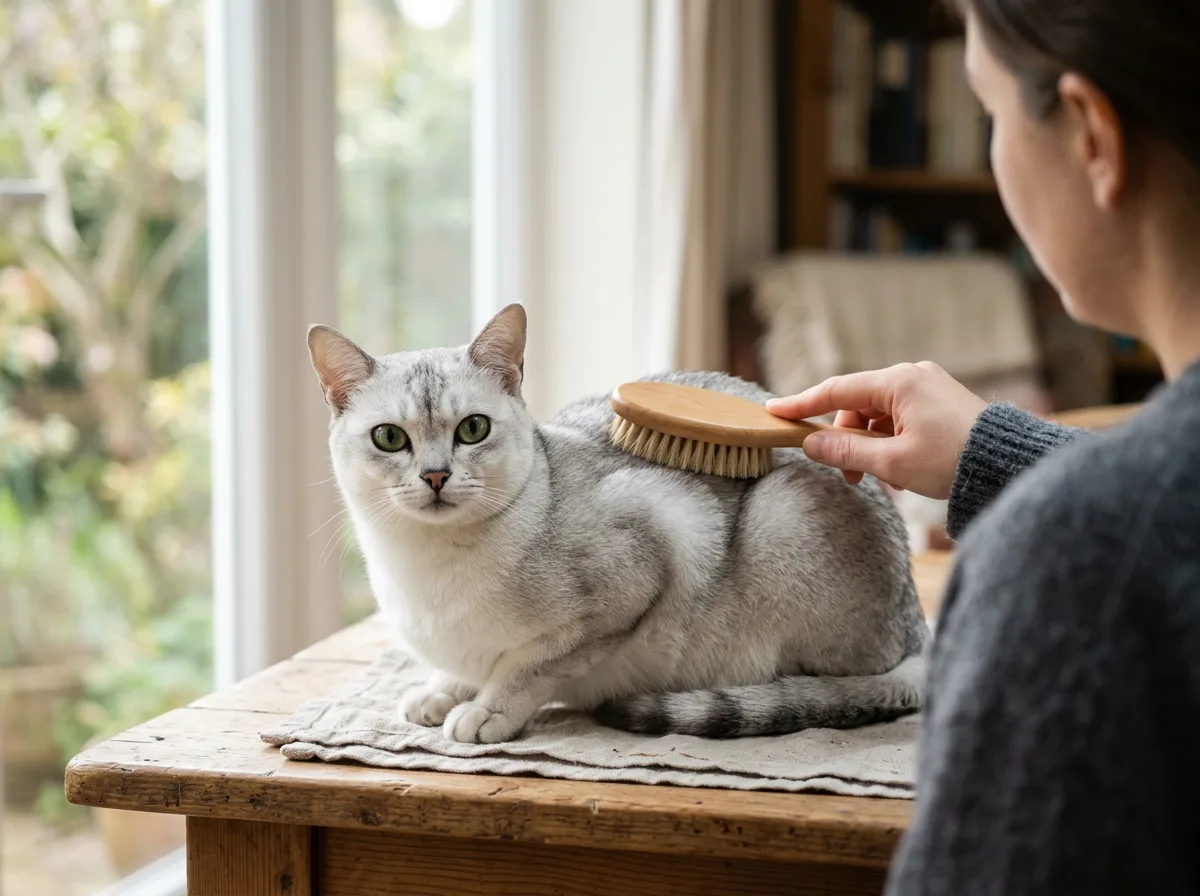
Here is the good news for anyone intimidated by that glamorous coat: the Burmilla is low-maintenance to groom. The short coat does not mat and needs only a weekly brush to remove loose hair, distribute oils, and keep that silver shimmer looking its best. The rarer semi-longhair variety benefits from brushing a couple of times a week to prevent tangles, but neither version demands the daily, labor-intensive grooming of a true Persian.
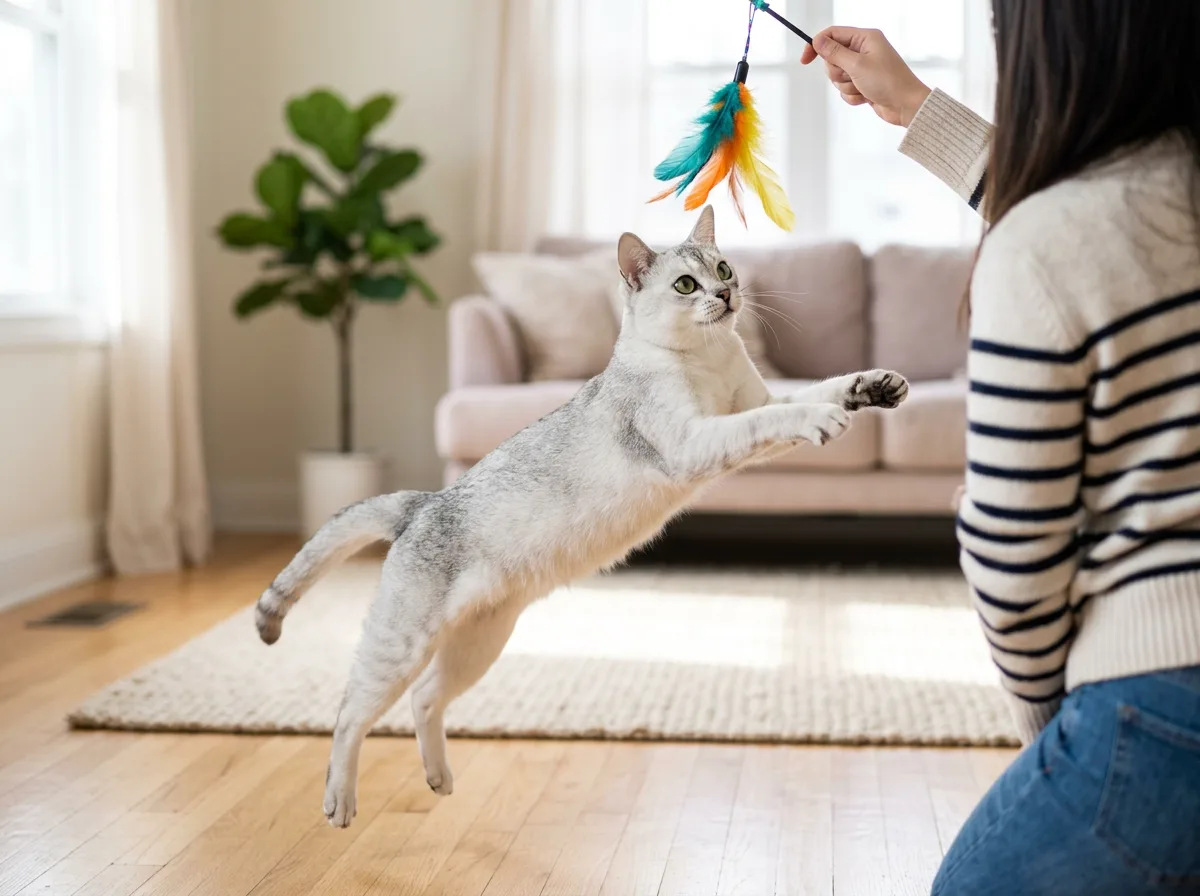
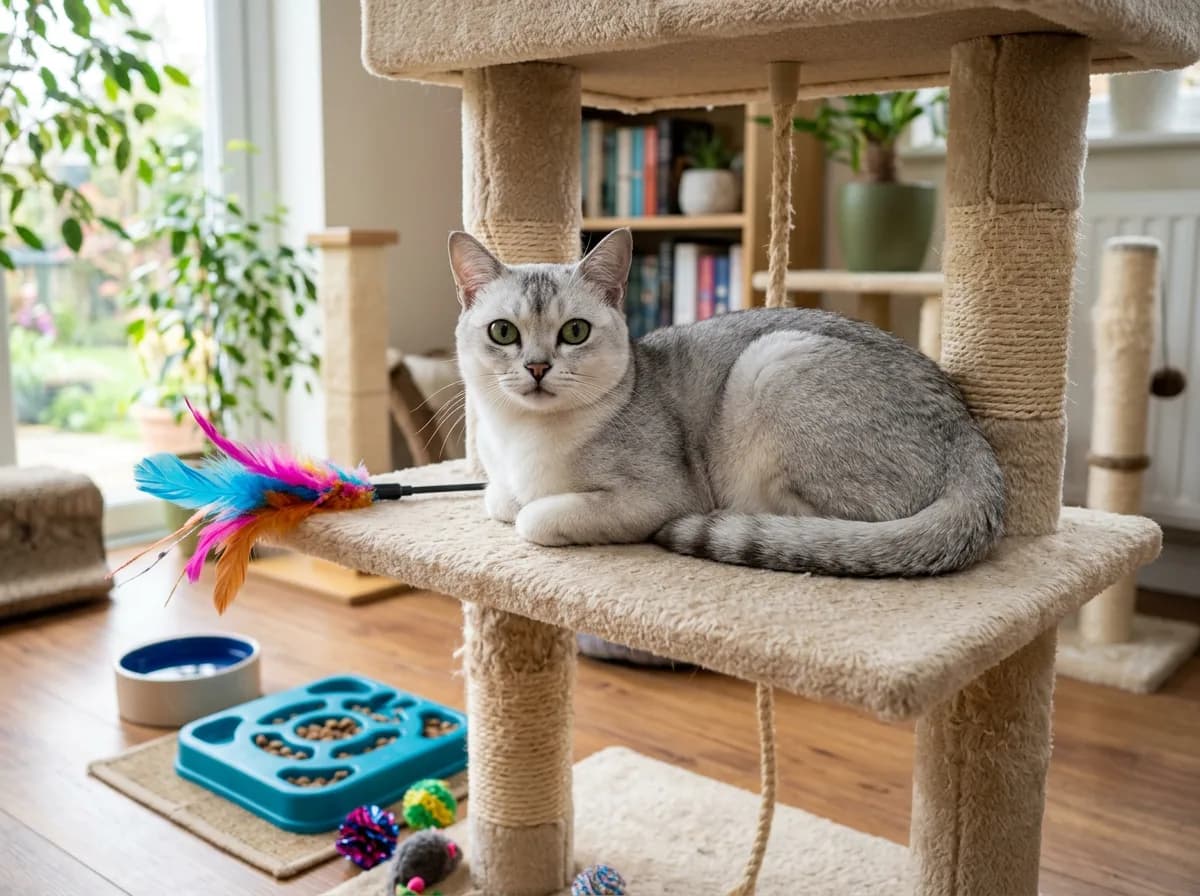
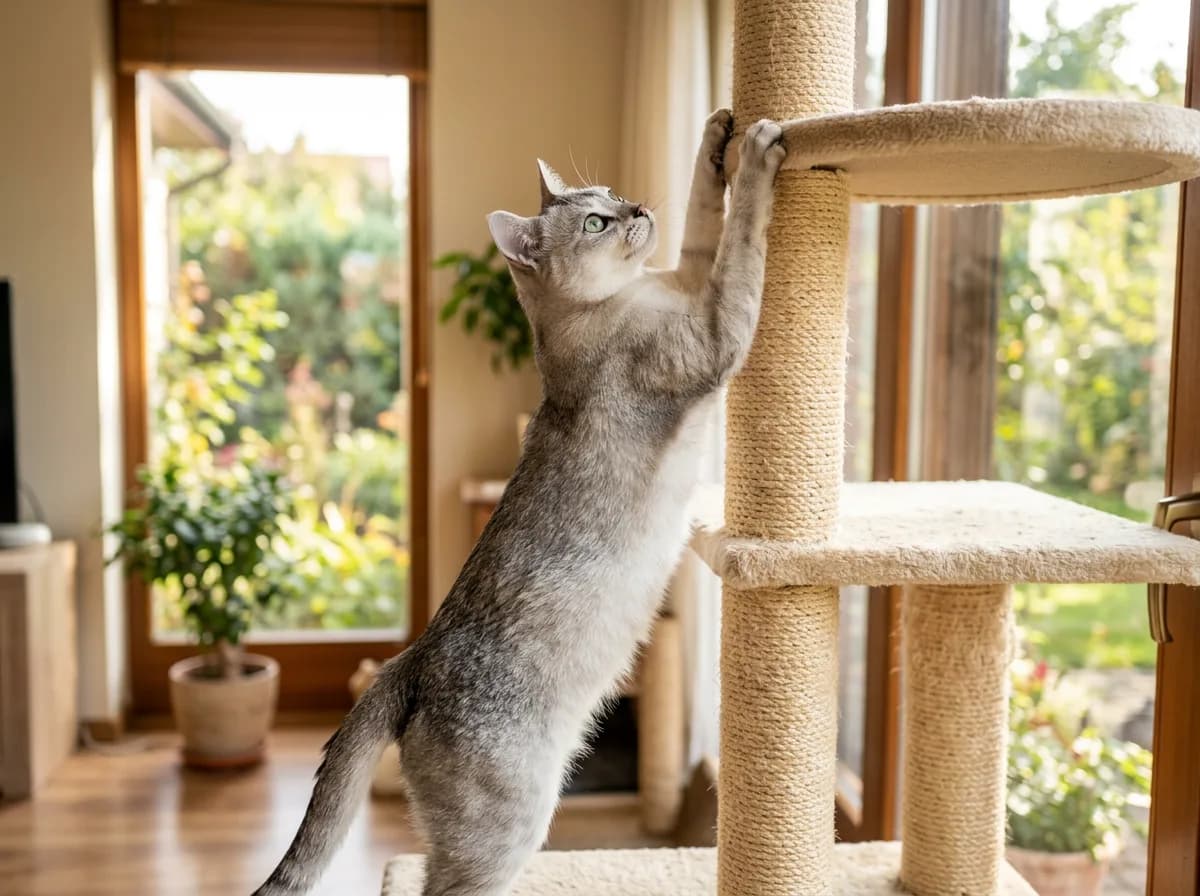
Beyond brushing, standard cat care applies. Keep up with routine nail trims, check the ears, and stay on top of dental care, which is the single most overlooked part of cat health. Because Burmillas are playful and intelligent, they also need mental and physical "grooming": puzzle feeders, wand toys, scratching posts, and a cat tree to climb. A bored Burmilla is more likely to gain weight or get into mischief, so daily interactive play is part of good care, not a luxury.
| Care Task | Frequency | Notes |
|---|---|---|
| Brushing (shorthair) | Once a week | Removes loose hair, keeps coat shiny |
| Brushing (semi-longhair) | 2 to 3 times a week | Prevents tangles and mats |
| Nail trim | Every 2 to 3 weeks | Pair with a calm petting session |
| Dental care | Daily to weekly | Brushing plus vet dental checks |
| Interactive play | Daily | Wand toys, puzzle feeders, climbing |
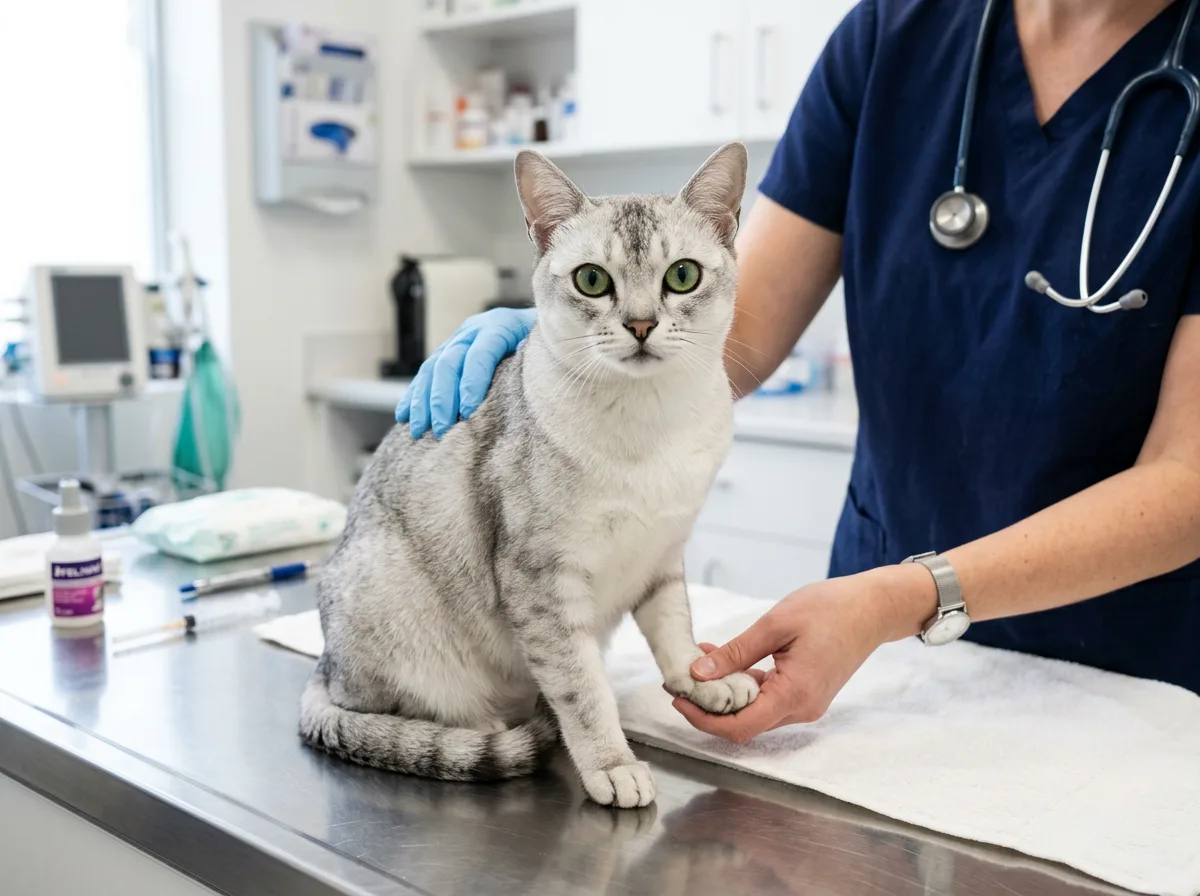
| Vet wellness exam | Yearly (more for seniors) | Include PKD and kidney screening |
- Burmillas love attention, so fold the weekly brush into a petting session. Most will purr through it rather than fight it.
Burmilla Cat Health: PKD, Allergies, and Lifespan
Most Burmillas are healthy, hardy cats, but no breed is risk-free, and prospective owners should go in informed.
Polycystic Kidney Disease (PKD)
The most important health concern is polycystic kidney disease (PKD), an inherited condition the Burmilla can carry thanks to its Chinchilla Persian ancestry (PKD is well documented in Persians and Persian-derived breeds). PKD causes fluid-filled cysts to form in the kidneys and can progress to kidney failure over time. The reassuring part: a genetic DNA test exists for the most common form of feline PKD. Responsible breeders test their breeding cats and breed only from PKD-negative animals, which is why buying from a health-testing breeder matters so much.
Other Health Watch-Points
Beyond PKD, Burmillas may be prone to allergies (skin or environmental) and, like many breeds, can be predisposed to weight gain if under-exercised and overfed. Some sources also flag the importance of monitoring heart health, as several pedigreed breeds carry a low background risk of hypertrophic cardiomyopathy. None of these are reasons to avoid the breed; they are reasons to choose a reputable breeder and keep up with yearly vet exams.
Lifespan
Estimates vary by source because the Burmilla is still a relatively young, uncommon breed and long-term data is thin. WebMD notes that because Burmillas are "new and rare," life-expectancy statistics are not well recorded, and puts the typical range around 10 to 12 years. Purina cites an average of 12 to 15 years with good care. A practical, conservative range to plan for is roughly 10 to 15 years, with well-cared-for cats often reaching the upper end.
- Before you buy a Burmilla kitten, ask the breeder to show written proof that BOTH parents tested negative for PKD. A trustworthy breeder will provide it without hesitation.
- Despite the fine, silky coat, the Burmilla is NOT a hypoallergenic breed. People allergic to cats can still react to a Burmilla, since the trigger is the Fel d 1 protein in saliva and skin, not coat length.
How Much Does a Burmilla Cat Cost?
Because the Burmilla is rare, you should expect to pay a pedigree price and to wait for a kitten. According to Cats.com, Burmilla cats generally cost between $500 and $2,000 from a breeder, with the exact figure depending on lineage, color, coat length, region, and whether the kitten is pet-quality or show-quality.
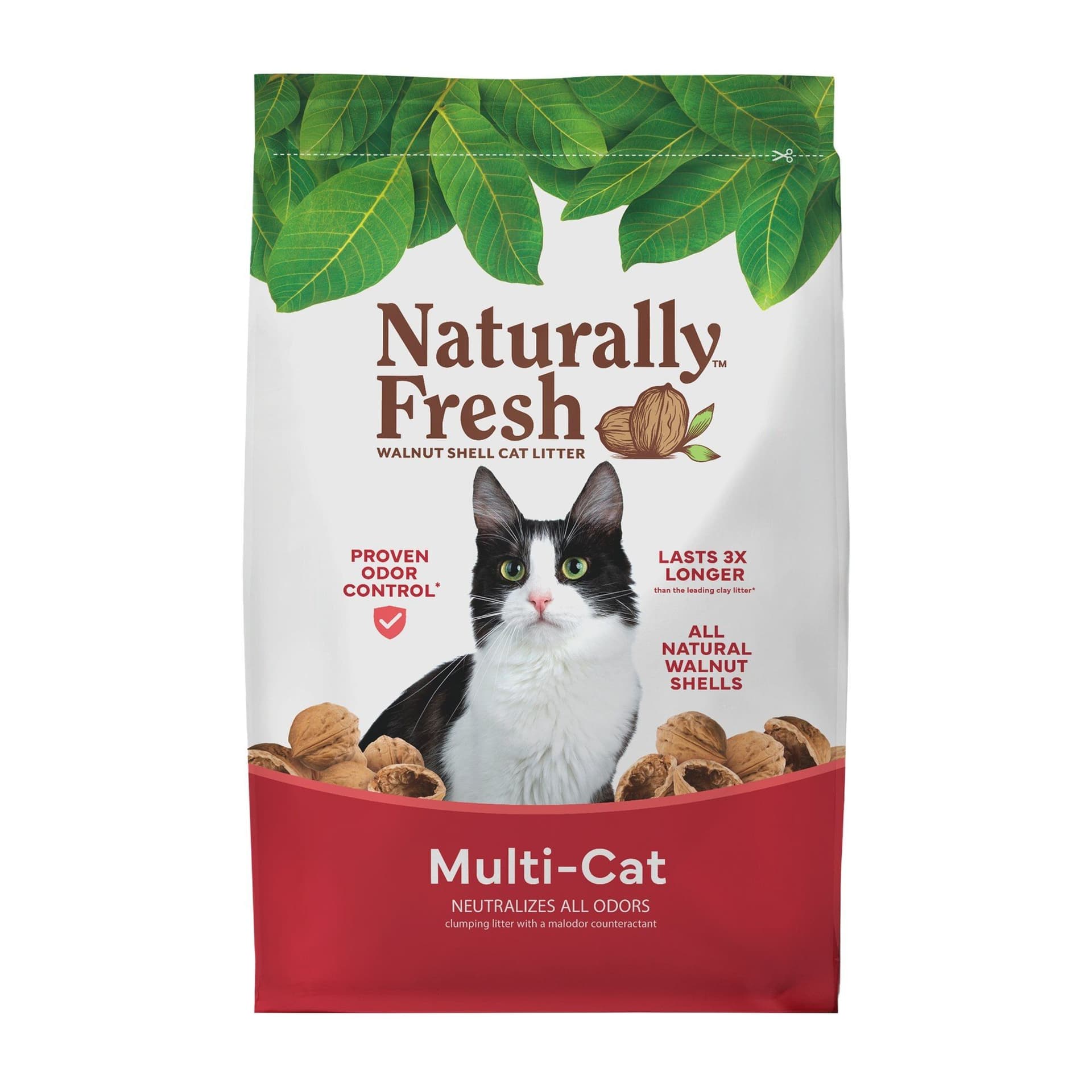
Walnut shell clumping cat litter that excels at odor control, lasts up to 3x longer than clay, and is a top pick for multi-cat households.
Petful may earn a commission when you click through to Chewy, at no extra cost to you.
That sticker price is only the beginning. The real cost of any cat is the lifetime of care behind it.
| Expense | Typical Range | Notes |
|---|---|---|
| Kitten from a breeder | $500 to $2,000 | Higher for show-quality or rare colors |
| Initial vet and vaccinations | $150 to $400 | First-year exams, shots, deworming |
| Spay or neuter | $150 to $400 | Often included by some breeders |
| Supplies (litter box, tree, carrier) | $150 to $300 | One-time startup gear |
| Food and litter (yearly) | $400 to $700 | Quality food costs more upfront, less in vet bills |
For a full breakdown of what a pedigree silver kitten costs over its lifetime, see our deep dive on the full Burmilla cat price guide, which covers breeder fees, ongoing expenses, and how to budget realistically.
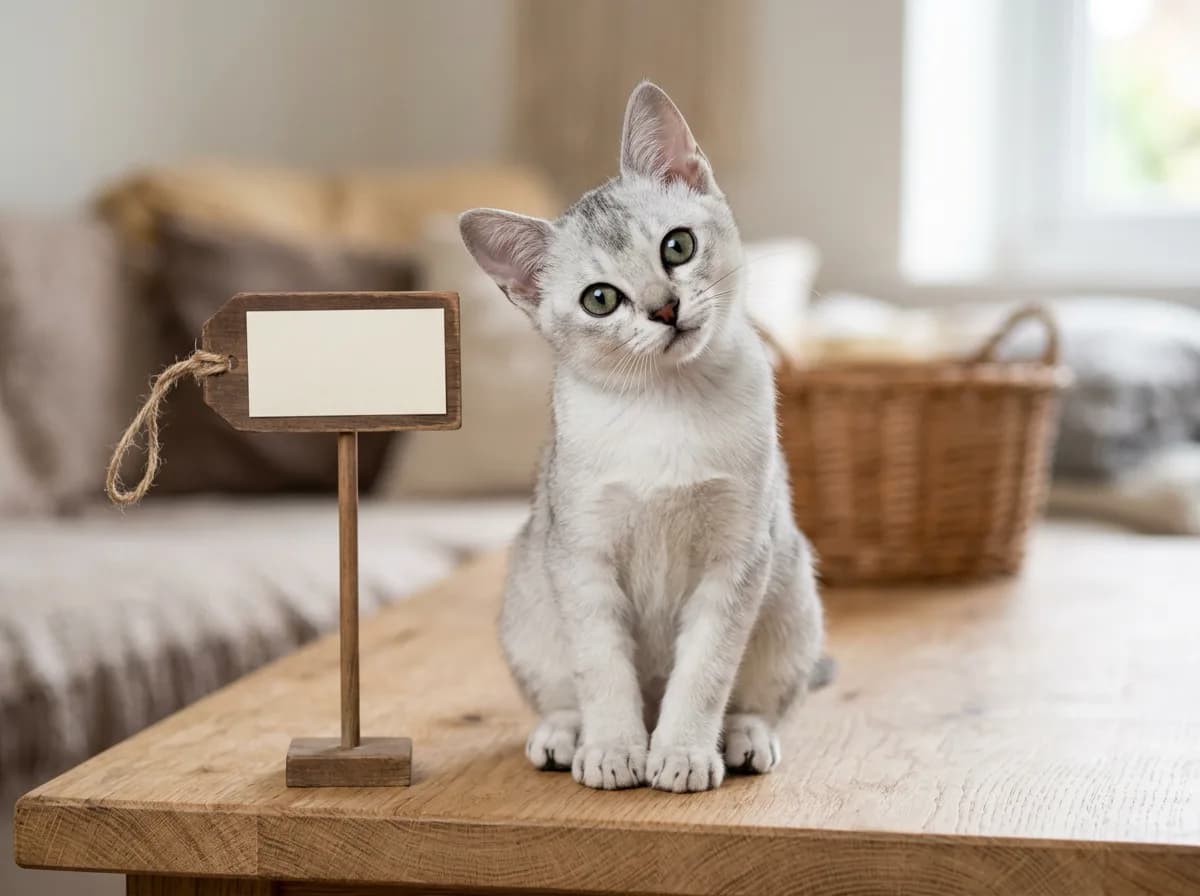
Where to Find a Burmilla Cat or Kitten
Finding a Burmilla takes patience because the breed is uncommon, especially in North America. Start with the breeder directories maintained by the recognized registries: both TICA and CFA list registered Burmilla breeders, and going through them is the safest way to find ethical, health-testing programs. Expect a waitlist, and treat a long wait as a good sign, since responsible breeders do not pump out litters on demand.
When you contact a breeder, ask the right questions: Are both parents PKD DNA-tested and negative? Can you see the kitten's living conditions? Are kittens raised underfoot and well socialized? Do they come with a health guarantee, initial vaccinations, and registration papers? A reputable breeder welcomes these questions.
Adoption is also possible, though rarer. Purebred Burmillas occasionally turn up in breed-specific rescues or general shelters, and adopting an adult cat can be a wonderful, lower-cost route. If you are weighing the breed against its parent and cousin breeds, our guides to the Burmese cat and the Persian cat are good places to compare temperament and grooming needs before you commit.
- A Burmilla priced far below the typical range, sold with no health testing, or available with no waitlist is a red flag for a kitten mill. Walk away and use a registry-listed breeder instead.
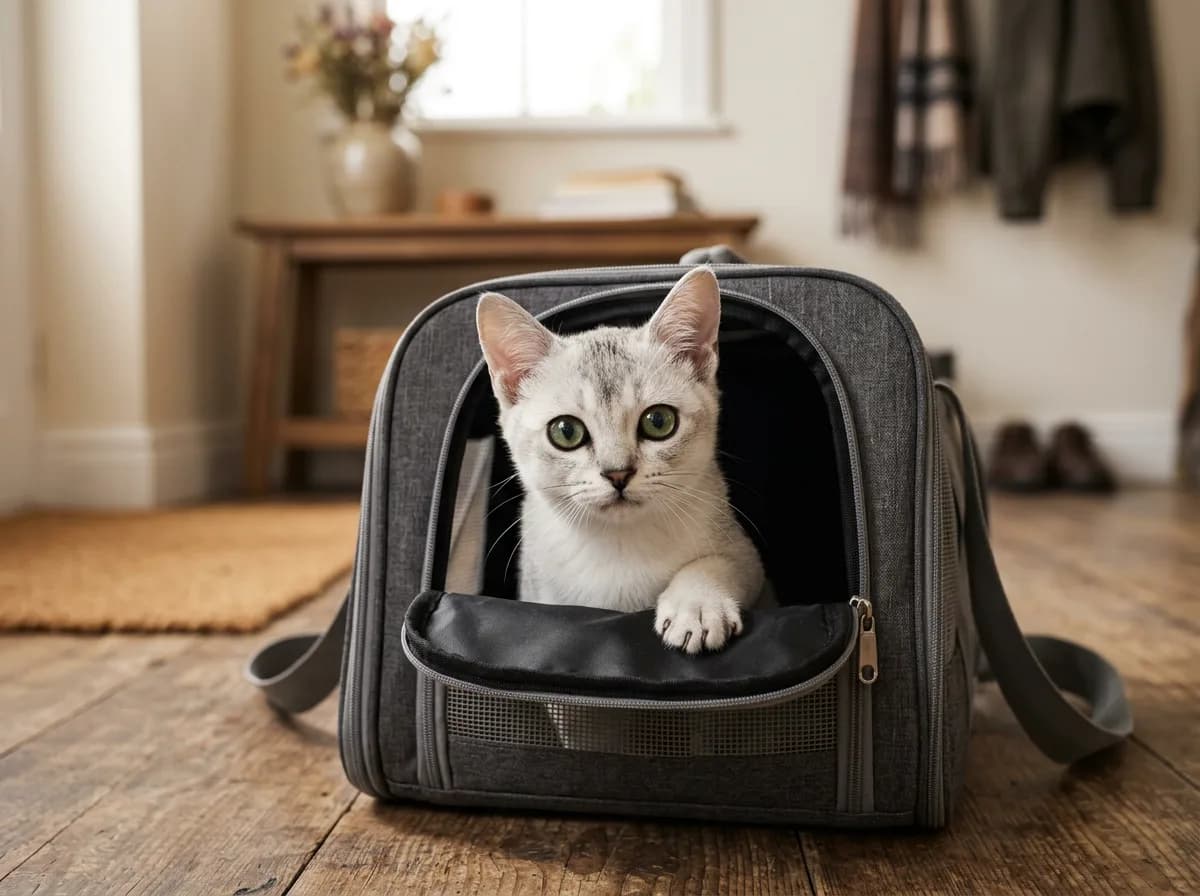
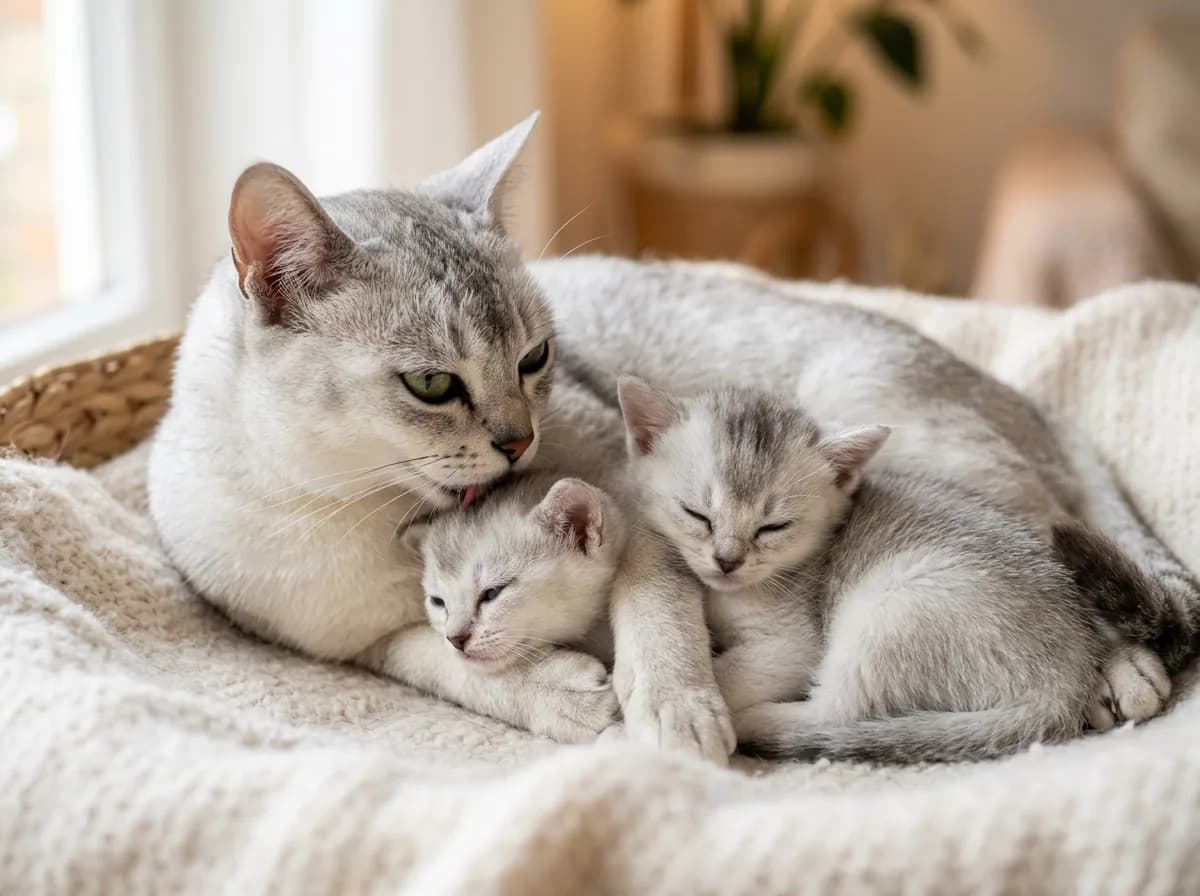
Burmilla vs. Similar Breeds
Because the Burmilla blends two breeds and shares its silver coat with a few others, it often gets confused. Here is how it stacks up.
Burmilla vs. Burmese
The Burmese is one of the Burmilla's parents, so they share a sweet, people-loving personality and a similar build. The key difference is the coat: the Burmese is a solid, satiny single color (sable, champagne, blue, or platinum) with copper-to-gold eyes, while the Burmilla is silver with dark tipping or shading, eyeliner markings, and green eyes. CFA also notes the Burmilla is more refined and less heavily muscled than the European Burmese.
Burmilla vs. Silver Cousins
The Burmilla is sometimes mistaken for other elegant silver and gray breeds. If you love the smoky look, our guides to the Nebelung cat (a plush blue-gray longhair) and the tiny, big-eyed Singapura cat show how different "silver" can look across breeds. The Burmilla stands apart with its shimmering tipped silver coat and that signature eyeliner, which neither cousin shares.
Is a Burmilla Cat Right for You?
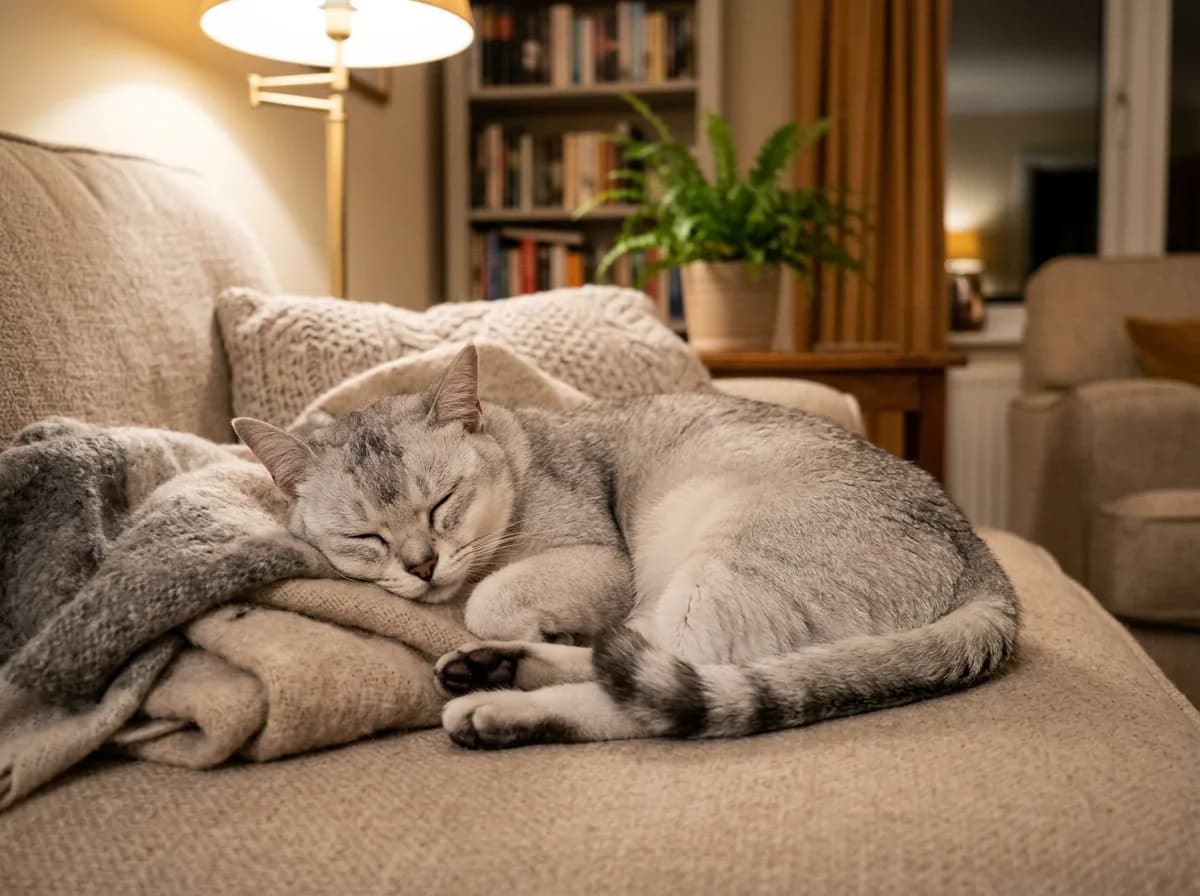
A Burmilla is an outstanding fit if you want an affectionate, family-friendly, low-grooming cat with showstopping looks and a gentle, quiet voice. It suits first-time owners, families with children or other pets, and apartment dwellers who want companionship without a constant vocal soundtrack. It is less ideal if you want a totally hands-off cat (Burmillas crave company and daily play) or if you need a fast, easy-to-find kitten, since the breed's rarity means waitlists and pedigree prices.

108-oz stainless steel pet fountain with quiet pump and water-level window. Bengals are notoriously water-obsessed; a flowing fountain encourages hydration and pulls them away from sinks and toilets.
Petful may earn a commission when you click through to Chewy, at no extra cost to you.
If the silver coat and sweet personality have won you over, your next steps are clear: budget realistically, find a registry-listed, PKD-testing breeder, and prepare your home with a cat tree, toys, and a grooming routine your Burmilla will actually enjoy.
Quick Burmilla Facts
For a fast reference, here are the essentials in one place.
| Trait | Detail |
|---|---|
| Origin | United Kingdom, 1981 (accidental cross) |
| Parent breeds | Chinchilla Persian x Burmese |
| Size | Medium, 8 to 12 pounds |
| Coat | Short or semi-long, sparkling silver, shaded or tipped |
| Eyes | Large, any shade of green |
| Temperament | Sweet, sociable, playful, gentle |
| Grooming | Weekly brushing (low maintenance) |
| Main health concern | Polycystic kidney disease (PKD) |
| Lifespan | About 10 to 15 years |
| Price | $500 to $2,000 |
The Genetics Behind the Silver Coat
The thing that makes a Burmilla look like it walked off a fashion shoot is not a single "silver gene" but a combination of three inherited traits stacked on top of each other, all of them borrowed from the Chinchilla Persian side of the family.
Why a Burmilla Looks Silver
The base of the look is the inhibitor gene, often written as the I gene. This dominant gene suppresses pigment along most of the length of each hair, pushing the color up toward the tip and leaving the rest of the shaft a clean, pale silver-white. On top of that sits the cat's underlying color (black, blue, chocolate, lilac, and so on), which only gets to show itself at the very end of the hair. The third ingredient is the agouti pattern from the tabby side of the genetics, which is what allows that banded, tipped expression rather than a solid block of color. Stack all three together and you get the shimmering, frosted coat that defines the breed.
This is also why a Burmilla coat changes appearance the moment the cat moves. When the hairs lie flat and overlap, you see mostly the dark tips and the cat reads as a deeper shade. When the cat stretches, turns, or walks through a beam of light, the pale roots flash into view and the whole coat seems to sparkle. It is the same optical trick that makes a Chinchilla Persian glow, just on a short, easy-care coat.
Shaded, Tipped, and the Color Varieties
The single biggest source of variation within the breed is how far down each hair the color travels. On a tipped Burmilla the pigment sits on only the last eighth or so of the hair, so the cat looks almost solid silver with just a dusting of color, brightest along the spine and fading to near-white on the belly. On a shaded Burmilla the color runs roughly a third of the way down the shaft, so the cat reads as a noticeably deeper, smokier silver. Tipped cats can look like they are made of light; shaded cats look like polished pewter. Both are correct, and both carry the same bright undercoat underneath.
Color refers to whatever pigment finally shows at the tips. As covered earlier in this guide, that palette runs across black, brown, blue, chocolate, lilac, caramel, beige, and apricot, with black-tipped silver being the original and most recognizable. There is also a golden variant in some lines, where the undercoat is warm cream rather than icy white, though silver remains the signature of the breed.
- Two Burmillas from the same litter can look quite different at a glance: a black-tipped kitten and a blue-shaded kitten read as almost different colors, even though the underlying silver mechanism is identical.
The Eyeliner Is Genetic Too
The dramatic dark "eyeliner" outlining the eyes, nose, and lips is not a separate marking laid on top of the coat; it is the same tipping color concentrated on the thin-haired and hairless areas of the face, where the pigment has nowhere to hide. That is why the eyeliner always matches the coat color: a black-tipped Burmilla has black liner, a blue-tipped Burmilla has soft grey-blue liner. The pads of the paws and the nose leather follow the same color logic, which is one of the small tells breeders use when assessing a kitten against the standard.
Living With a Burmilla Day to Day
Reading that a breed is "sweet and sociable" only tells you so much. What does sharing a home with a Burmilla actually feel like across a normal week?
A Shadow, Not a Limpet
Burmillas are companion cats in the truest sense. Yours will tend to follow you from room to room, supervise your work, and settle near you rather than off in a distant corner of the house. The difference between a Burmilla and a more demanding breed is intensity: a Burmilla wants to be with you, but it is content to curl up beside your laptop rather than walking across the keyboard every two minutes. It is presence without pestering, which is exactly why the breed suits people who work from home and want company that does not sabotage the workday.
That sociability has a flip side worth planning for. A Burmilla left genuinely alone for long stretches every day can get lonely and under-stimulated. They do far better in a home where someone is around for part of the day, or where there is a second pet for company. If your household is empty from early morning to late evening on a regular basis, consider adopting a pair, or be honest about whether a more independent breed fits your life better.

Color-changing crystal litter that flags pH shifts in your cat's urine, an early warning sign of UTIs, kidney issues, and more.
Petful may earn a commission when you click through to Chewy, at no extra cost to you.
Clever, Curious, and Into Everything
Burmillas keep a strong streak of kitten curiosity well into adulthood. They open cupboards, investigate shopping bags, fish toys out from under the sofa, and learn the routine of the household fast. That intelligence is a gift if you channel it and a nuisance if you do not. Puzzle feeders, rotating toys, a tall cat tree near a window, and a few minutes of interactive wand play morning and evening will keep a Burmilla satisfied. Without that outlet, a bored, clever cat invents its own entertainment, and you may not love its choices.
Good With the Whole Household
The breed's gentle, non-aggressive nature is what makes it such a reliable pick for busy, mixed households. Burmillas generally take new people, visiting children, and cat-friendly dogs in stride, and they rarely resort to the hissing-and-hiding routine that more nervous breeds default to. Early, positive socialization as a kitten cements this, so it is worth asking a breeder how their litters are raised. A Burmilla brought up underfoot in a normal home, exposed to vacuum cleaners, doorbells, and gentle handling, grows into a notably confident, easygoing adult.
- Because the breed is so sociable, many owners find a bonded pair of Burmillas is actually less work than a single cat: they entertain and groom each other, especially in homes where the humans are out during the day.
A Closer Look at Burmilla Health and Screening
The earlier health section covered the headline risks. It is worth going one level deeper on what responsible ownership actually looks like, because with a breed this rare, the buyer's diligence is a big part of keeping the gene pool sound.
What PKD Screening Really Involves
Polycystic kidney disease in cats is most often caused by a single dominant gene mutation (PKD1), which means a kitten needs to inherit only one copy from one parent to be affected. The practical consequence is simple: if both parents test negative on the DNA test, the kittens cannot inherit that form of the disease. The test itself is a straightforward cheek swab or blood sample sent to a genetics lab, and a responsible breeder will have results on file for every breeding cat. Ultrasound screening of the kidneys is sometimes used as a backup in older cats, since cysts can be visualized directly, but the DNA test is the cleaner tool for breeding decisions because it gives a yes-or-no answer regardless of the cat's age.
When you talk to a breeder, the gold-standard answer is that both parents are DNA-tested PKD-negative, with paperwork to prove it. "Our line has never had a problem" is not the same thing as a test result, and you are within your rights to ask for the documentation before you commit.
Kidney Health Across the Lifespan
Even with PKD ruled out, the kidneys are worth keeping an eye on as any cat ages, because chronic kidney disease is common in older cats of every breed. Yearly wellness exams that include basic bloodwork and a urine check become more valuable as a Burmilla moves into its senior years, roughly from age ten onward. Fresh water available at all times, a diet appropriate to the cat's life stage, and prompt attention to changes in drinking or litter-box habits are the everyday habits that protect kidney function over a lifetime.
Weight, Dental, and Routine Care
Two of the most preventable problems in pet cats have nothing to do with breed and everything to do with daily care: obesity and dental disease. A Burmilla's playful streak is an asset here, because a cat that gets daily interactive play and is fed measured meals rather than a permanently full bowl is far less likely to creep into the overweight range that strains joints and organs. Dental care is the other quiet workhorse of cat health: regular toothbrushing at home plus professional dental checks prevent the painful, infection-prone mouths that send so many middle-aged cats to the vet. Folding both into the grooming and play routines described earlier turns them from chores into background habits.
- If you plan to insure your Burmilla, do it while the kitten is young and healthy. Once a condition like PKD or kidney disease is diagnosed, it is typically treated as pre-existing and excluded from cover.
How the Breed Grew From One Litter
It is worth lingering on just how improbable the Burmilla's existence is, because the story explains both the breed's rarity and the tight focus of its early breeders.
When those four black-shaded-silver females arrived in 1981, the obvious move would have been to admire them and move on. Instead, Baroness Miranda von Kirchberg recognized that the accidental cross had produced something genuinely new: the easy temperament and solid body of the Burmese wrapped in the glittering silver coat and made-up face of the Chinchilla Persian. She kept the kittens and began a deliberate program to breed the type true, working out which pairings reliably reproduced the silver tipping, the green eyes, and the gentle personality together rather than scattering the traits across a litter.
That early work was painstaking precisely because the founding population was so small. A handful of cats descended from a single litter does not leave much genetic room to maneuver, so breeders had to plan matings carefully and, in the early years, introduce approved outcrosses to keep the line healthy while still fixing the look. A breed club formed to coordinate the effort and write a standard, which gave the scattered enthusiasts a shared definition of what a correct Burmilla should be. Different registries then folded the cat into their systems in slightly different ways, which is why the Burmilla sits inside a broader Asian group in some European registries while standing as its own breed under CFA and TICA.
The climb to full recognition took decades and a lot of unglamorous record-keeping, but it paid off when the Cat Fanciers' Association granted the Burmilla championship status in 2014. For a cat that exists only because a cleaner left a door ajar, earning a place in the championship ring is a genuinely charming ending, and it explains why every reputable Burmilla today traces back through carefully documented pedigrees to that one 1981 litter.
- Because the whole breed descends from such a small founding group, registration papers are not just bragging rights: they are how breeders track lineage, avoid doubling up on health risks, and keep a rare gene pool sound.
Frequently Asked Questions About the Burmilla Cat
Keep exploring the Burmilla cluster: Burmilla cat price, and Burmilla health and lifespan. For another rare, distinctive breed, meet the Nebelung cat.
Burmilla cats typically cost between $500 and $2,000 from a reputable breeder, with the price depending on lineage, color, coat length, and whether the kitten is pet quality or show quality. Because the breed is rare, expect a waitlist as well as a pedigree price.
Yes. The Burmilla is an uncommon breed, especially in North America, because it descends from a single accidental 1981 litter and is bred in limited numbers by a small group of dedicated breeders. You are far more likely to find one through a registry-listed breeder than at a shelter.
The Burmese is one of the Burmilla's parent breeds. A Burmese has a solid, satiny single-color coat (such as sable or blue) with copper to gold eyes, while a Burmilla has a sparkling silver coat that is shaded or tipped, dark eyeliner markings, and green eyes. The CFA also describes the Burmilla as more refined and less heavily muscled than the European Burmese.
Very. The CFA describes the Burmilla as impish and lively yet quiet and gentle, people oriented and loving without being needy. They get along well with children, dogs, and other cats, which makes them an excellent family and first-time-owner breed.
Most Burmillas live roughly 10 to 15 years. WebMD notes that because the breed is new and rare, life-expectancy data is limited and puts the range around 10 to 12 years, while Purina cites an average of 12 to 15 years with good care, regular vet visits, and a healthy weight.
The Burmilla is not among the most expensive cat breeds. The priciest breeds are typically the Ashera (often $75,000 and up), the Savannah (around $25,000 and up), and the Khao Manee (about $7,000 to $11,000). By comparison, the Burmilla's $500 to $2,000 range is modest for a pedigreed cat.
Taylor Swift's cats are not Burmillas. Her best-known cats are a Scottish Fold named Olivia Benson and a Scottish Fold named Meredith Grey, along with a Ragdoll named Benjamin Button. The Burmilla, with its silver coat and eyeliner markings, is a different breed entirely.

Coreen Saito is a pet writer and longtime shelter volunteer with more than a decade in animal rescue. She covers cat behavior, breed care, and the small, ordinary science of sharing a life with companion animals, with a particular focus on honest takes about the products and decisions that actually matter. At home in Arizona, she's outranked by Mac (a dog with the loudest opinion in the house), Rebel (a cat who governs by quiet authority), and Meri (an orange tabby who runs the late shift and the laundry basket). She writes about all three, plus the rescues that keep coming through her life, at LifeWithMinty.com.
Sign up for expert-backed reviews and safety alerts all in one place.