Burmilla Cat Price: Full Cost Guide for 2026 Buyers
A Burmilla cat costs $800 to $1,200 for a pet-quality kitten and up to $4,000 for show lines, while adoption runs $100 to $300. This guide breaks down first-year costs, ongoing care, PKD DNA testing, and how to choose a reputable breeder.
Petful is reader supported. As an affiliate of platforms like Amazon and Chewy, we may earn a commission when you buy through links on this page. There is no extra cost to you.
The typical burmilla cat price runs from $800 to $1,200 for a pet-quality kitten from a registered breeder, according to breed data echoed by The Cat Fanciers' Association (CFA), which accepted the Burmilla for championship status in 2014. Show-quality kittens from champion bloodlines climb to $1,500 and beyond, while a rescue or shelter adoption fee usually sits between $100 and $300. Because this silver-coated breed is still uncommon, supply is tight and prices hold firm. This guide breaks down exactly what you pay, why, and what the first year and every year after will cost.
- 1A pet-quality Burmilla kitten from a registered breeder typically costs $800 to $1,200, with show lines reaching $1,500 to $4,000.
- 2Adoption through a rescue or shelter runs $100 to $300, but Burmillas rarely appear in shelters.
- 3First-year ownership, including the kitten, gear, and vet care, commonly totals $1,800 to $3,500.
- 4Ongoing yearly costs average $700 to $1,500, and a PKD DNA test plus pet insurance protect against this breed's known kidney risk.

Sign up for expert-backed reviews and safety alerts all in one place.
What Is a Burmilla and Why Does It Cost What It Does?
The Burmilla is a young, rare breed with a documented origin story. In 1981, in the United Kingdom, a Chinchilla Persian male and a lilac European Burmese female were accidentally bred when a door was left open overnight. The resulting kittens were so striking that breeder Baroness Miranda von Kirchberg set out to establish them as a breed. The Governing Council of the Cat Fancy (GCCF) recognized a breed standard in 1984, and the Burmilla earned championship status in the UK during the 1990s. The CFA accepted the breed for registration in 2011 and advanced it to championship in 2014.
That short, deliberate breeding history is the first reason a Burmilla is not a cheap cat. There are relatively few breeders, litters are small, and demand outpaces supply. You are paying for scarcity, careful pedigree management, and the health screening that responsible breeders build into their programs.
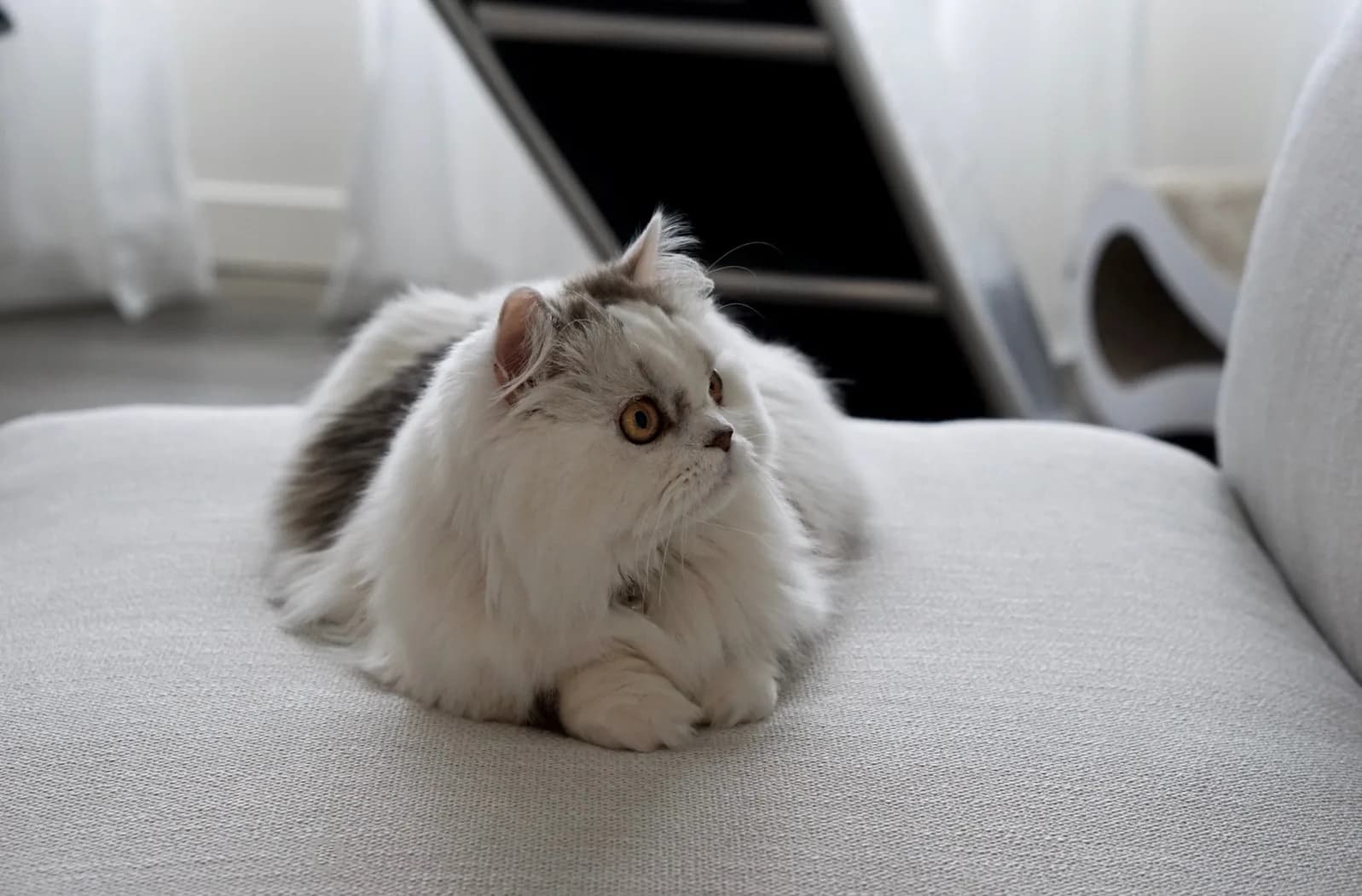
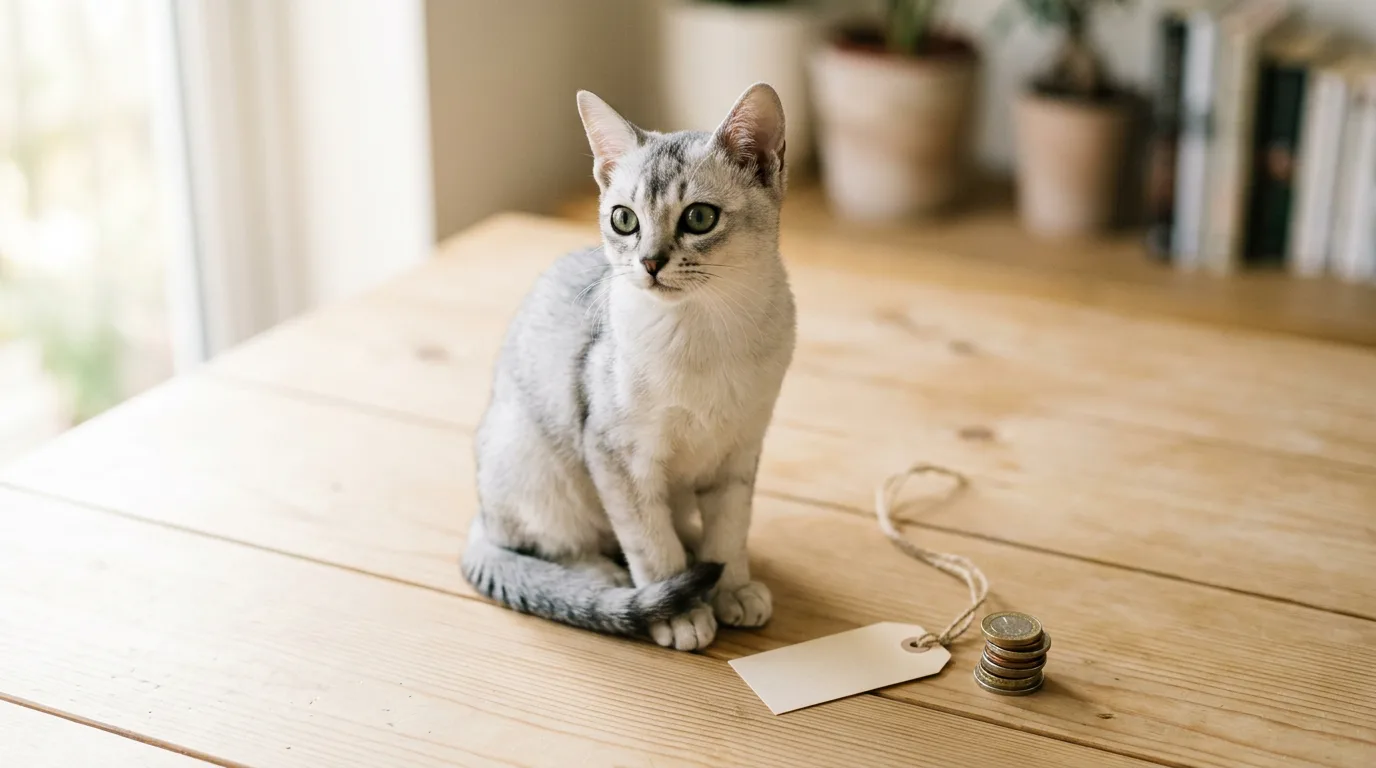
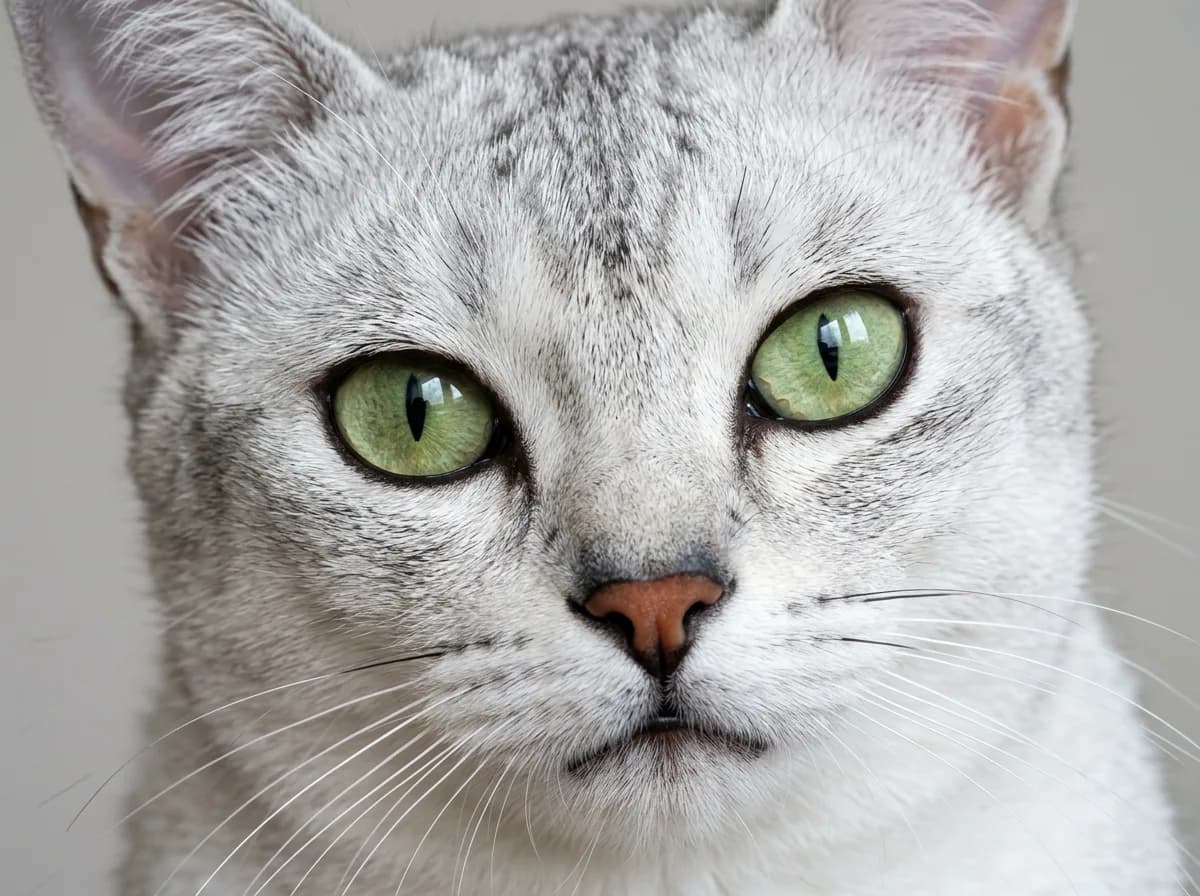
The breed's look also drives demand. A Burmilla has a short, dense, sparkling silver coat that is either shaded or tipped with black or another color, sitting over a silver-white undercoat. Its most distinctive feature is the dark "eyeliner" that outlines the eyes, nose, and lips, as if drawn on with makeup. Large, expressive green eyes and a sweet, rounded Burmese-type face complete the picture. The breed comes in two coat lengths: the standard shorthair and a semi-longhair version, which the GCCF registers as the Tiffanie.
If you want the full personality and care picture before you commit, our complete Burmilla cat breed profile covers temperament, grooming, and daily life in depth.
Burmilla Cat Price: The Core Numbers
Here is the price landscape buyers actually see in 2026. The numbers below reflect breeder listings, breed-association guidance, and adoption fee norms in the United States.
| Source | Typical Price (USD) | What It Usually Includes |
|---|---|---|
| Registered breeder, pet quality | $800 to $1,200 | Vaccinations, vet check, registration papers, early socialization |
| Registered breeder, show or breeding quality | $1,500 to $4,000 | Champion pedigree, breeding rights, full health screening |
| Semi-longhair (Tiffanie) lines | $1,200 to $2,500 | Rarer coat, smaller breeder pool, higher demand |
| Shelter or breed rescue | $100 to $300 | Spay or neuter, core vaccines, microchip, deworming |
| Online or unregistered seller | $300 to $700 | Often no papers, no health testing, higher risk |
A pet-quality kitten is one sold on a spay/neuter contract, without breeding rights, and it is the right choice for the vast majority of owners. Show-quality and breeding-quality cats command a premium because the breeder is selling the genetics, not just the cat.
- A "Burmilla" advertised well under $500 is rarely a registered, health-tested cat, so treat a bargain price as a reason to ask harder questions, not to buy faster.
Why the Price Range Is So Wide
Several factors move a Burmilla from the bottom of the range to the top:
- Pedigree and titles. Kittens from champion or grand champion bloodlines cost more because their lineage is proven in the show ring.
- Coat quality and pattern. A clean, even silver-tipped or silver-shaded coat with sharp eyeliner markings sells at a premium over a kitten with less typical markings.
- Coat length. Semi-longhair Tiffanie kittens are rarer than shorthairs, which pushes their price up.
- Breeder reputation and location. Established CFA- or GCCF-registered catteries charge more, and prices run higher in regions with few breeders.
- Demand and waitlists. Because litters are small and the breed is uncommon, many breeders keep waitlists, and that scarcity supports firm pricing.
If you are weighing the Burmilla against its parent breeds, our guides to Burmese cats and the Persian cat show how each side of the family shaped the cost and care of this hybrid.

63-inch multi-level cat tree with scratch posts, hammock, plush perches, and dangling toys. Vertical territory is non-negotiable for high-energy climbing breeds like the Bengal.
Petful may earn a commission when you click through to Chewy, at no extra cost to you.
How Burmilla Cat Price Varies by Region
Where you live changes what you pay, and not by a small margin. The Burmilla is far more established in the United Kingdom, where it originated, than in the United States, so American buyers often face higher prices and longer waits simply because there are fewer domestic breeders. In US metro areas with an active cattery, pet-quality kittens cluster around the $900 to $1,200 mark. In regions with no local breeder, buyers either pay a premium plus shipping, which can add $300 to $600 in safe air-nanny or cargo transport, or join a waitlist that stretches for months.
International buyers see a similar pattern. In the UK and parts of Europe, where the breed is more common, pet kittens can run the equivalent of $700 to $1,400, while the rare semi-longhair Tiffanie sits higher. The practical takeaway is simple: factor transport into your budget if no breeder operates near you, and never let distance pressure you into skipping the breeder vetting steps covered below.
- Before you commit, get written pricing and health-testing details from at least three registered catteries, because a single quote tells you nothing about whether the burmilla cat price you are being offered is fair for your region.
Setup and Hidden Costs Buyers Forget
The kitten fee gets all the attention, but the costs that surprise new owners are the smaller ones that stack up in the first weeks. Beyond the gear in the first-year table, plan for a few items that are easy to overlook:
- A deposit to hold a kitten, often $100 to $300, which a reputable breeder applies to the final price rather than charging on top.
- Transport or pickup costs, including fuel, a quality carrier, or professional pet-transport if the breeder is far away.
- A vet wellness exam within the first week, which many breeder health guarantees actually require to stay valid.
- Kitten-proofing supplies, from cord covers to a taller scratching post, because this playful breed climbs and explores more than a sedate cat.
- A second litter box, since the common guidance is one box per cat plus one spare.
None of these is large on its own, but together they routinely add $200 to $500 that buyers did not plan for.
Adoption vs. Breeder: Which Path Fits You?
Both routes are legitimate, and the right one depends on your budget, patience, and goals.
| Factor | Adoption or Rescue | Registered Breeder |
|---|---|---|
| Upfront cost | $100 to $300 | $800 to $4,000 |
| Availability | Rare, often a long wait | Available but with waitlists |
| Kitten vs. adult | Often adults or mixes | Usually pedigreed kittens |
| Health history | Limited, sometimes unknown | Documented, with screening |
| Papers and pedigree | Usually none | CFA or GCCF registration |
- Purebred Burmillas almost never reach shelters, so register on Petfinder and breed-specific rescue lists and set an email alert, because the few that surface are claimed within days.
Choosing a Reputable Breeder
A reputable Burmilla breeder is the single best protection for your wallet and your cat's health. Look for these signs:
- Registration with the CFA, GCCF, or another recognized body, with verifiable cattery records.
- Written health guarantees and proof of genetic testing on the parents (see the PKD section below).
- Kittens that stay with the mother until at least 12 to 14 weeks, fully vaccinated and litter-trained.
- A breeder who interviews you, asks about your home, and welcomes questions and a visit.
- Transparency about the pedigree, the parents' temperaments, and any breed health concerns.
Walk away from anyone who will not show you the kitten's living conditions, pressures you to pay a deposit instantly, or cannot produce health-testing paperwork.
The Paperwork a Fair Price Should Include
When you pay a premium for a registered Burmilla, you are paying for documentation, so make sure you receive it. A complete handover from a reputable breeder includes the registration papers or application from the CFA, GCCF, or equivalent body, a signed sales contract, and a written health guarantee that spells out what is covered and for how long. You should also get a vaccination record listing dates and products, the parents' genetic test results (PKD at minimum), and a feeding and care sheet describing what the kitten currently eats so you can transition food without stomach upset.
If a seller cannot produce these, the lower price they are quoting is not a deal. It usually means no health testing, no recourse if something goes wrong, and no pedigree to back the breed claim. The paperwork is the difference between buying a documented purebred and gambling on an unverified silver cat.
Questions to Ask Before You Pay a Deposit
A short list of direct questions separates serious breeders from the rest. Before money changes hands, ask:
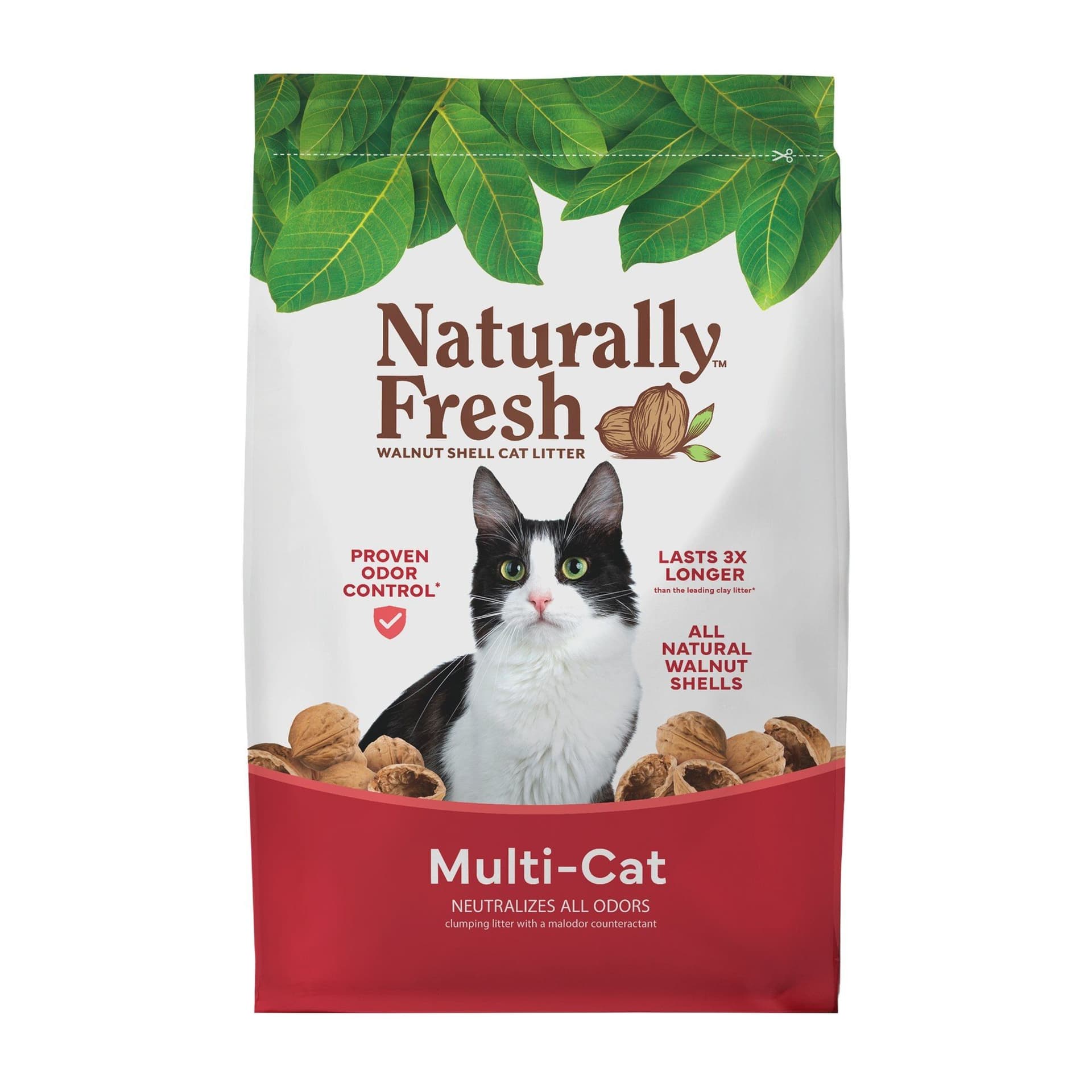
Walnut shell clumping cat litter that excels at odor control, lasts up to 3x longer than clay, and is a top pick for multi-cat households.
Petful may earn a commission when you click through to Chewy, at no extra cost to you.
- Are both parents PKD DNA tested, and can I see the certificates?
- Is the kitten registered, and with which association?
- What exactly does your health guarantee cover, and for how long?
- At what age do kittens go home, and what vaccinations will be complete?
- Can I visit in person or do a live video call to see the kitten and its environment?
- Will the kitten leave spayed or neutered, or on a spay/neuter contract?
A breeder who answers these clearly and without defensiveness is worth the price. One who dodges them is a risk no discount can offset.
First-Year Costs: What You Actually Spend in Year One
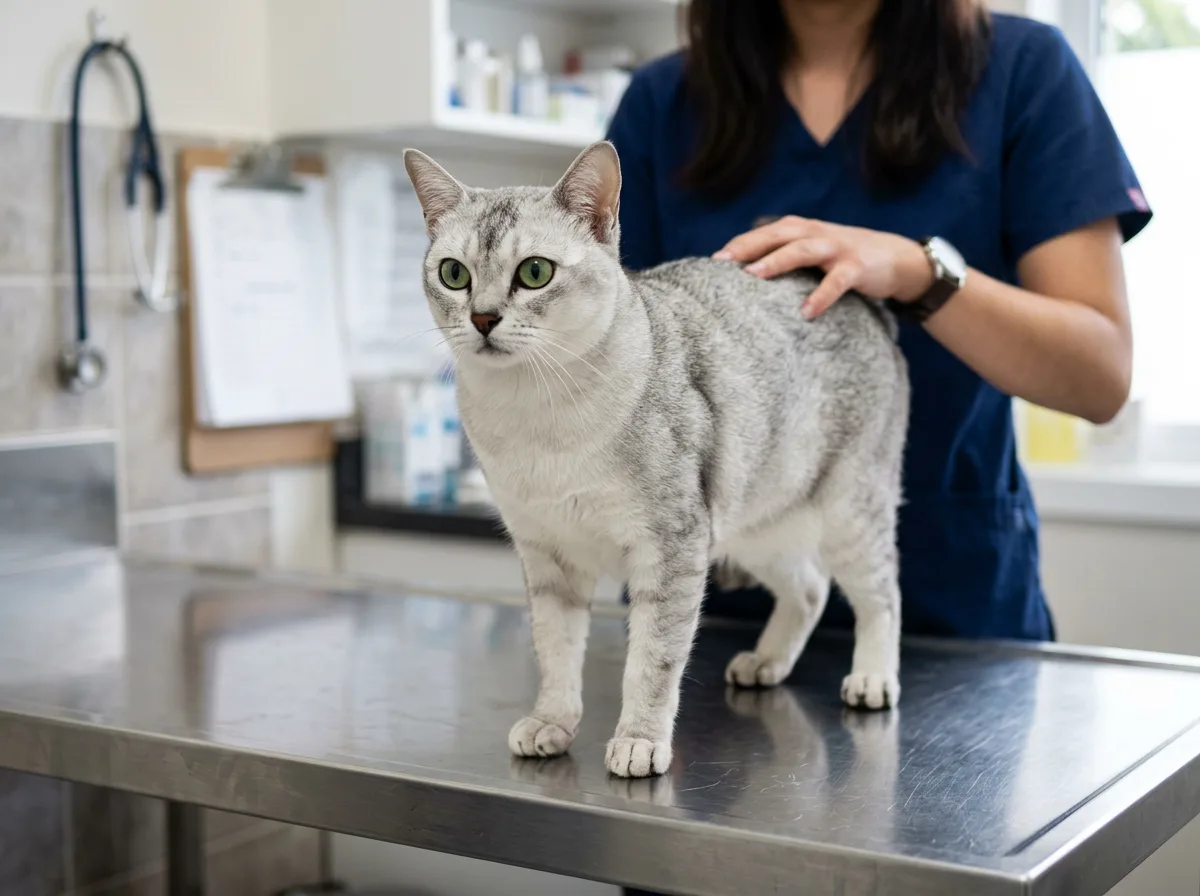
The sticker price of the kitten is only the start. Year one carries the heaviest extra costs because you are buying gear and front-loading veterinary care. Here is a realistic breakdown for a single Burmilla in the United States.
| Expense | Low Estimate | High Estimate |
|---|---|---|
| Kitten purchase (pet quality) | $800 | $1,200 |
| Initial vet exam and vaccines | $150 | $350 |
| Spay or neuter (if not done) | $150 | $400 |
| PKD DNA test (if not provided) | $40 | $80 |
| Microchip | $25 | $60 |
| Litter box, carrier, beds | $80 | $200 |
| Scratching post and toys | $50 | $150 |
| Food (premium, one year) | $300 | $700 |
| Litter (one year) | $150 | $300 |
| Pet insurance (one year) | $200 | $500 |
| First-year total | $1,895 | $3,940 |
As the table shows, a buyer who already has some supplies and adopts a cat that is spayed or neutered can keep year one near $1,800, while a buyer purchasing a kitten and starting from scratch with premium gear and insurance can approach $3,900.
- Budget at least $500 in unplanned funds for the first year, because kittens swallow string, develop minor infections, and need follow-up vet visits that the standard estimate does not capture.
Ongoing Costs: What a Burmilla Costs Every Year After
Once you are past the first year, recurring costs settle into a more predictable range. The Burmilla is a short-coated, generally healthy breed, so grooming and routine care are modest, but quality food, litter, and insurance still add up.
| Expense | Low Estimate | High Estimate |
|---|---|---|
| Premium food | $300 | $700 |
| Litter | $150 | $300 |
| Routine vet care and vaccines | $150 | $350 |
| Pet insurance | $200 | $500 |
| Toys, treats, replacements | $50 | $150 |
| Annual total | $850 | $2,000 |
Over a 10 to 15 year lifespan, that recurring spend means the lifetime cost of a Burmilla often lands between $10,000 and $25,000, well above the price of the kitten itself. Buyers who price only the kitten consistently underestimate what the breed actually costs.
A Realistic Monthly Budget
It helps to translate those annual figures into a monthly number, because that is how most owners actually plan. After the first year, a single Burmilla typically costs $70 to $165 a month once you spread food, litter, insurance, and routine care across twelve months. The low end assumes a healthy adult on a sensible diet with a basic insurance plan; the high end reflects premium food, comprehensive insurance, and a cushion for the occasional vet visit. Building that monthly line into your household budget before you buy is the single best way to avoid the financial strain that pushes some cats into rehoming.
Emergency and Unexpected Costs
No cost guide is honest if it stops at routine care. Cats are accident-prone, and a single emergency can dwarf a year of normal spending. A blocked urinary tract, a swallowed object, or a serious infection can run $1,000 to $5,000 in emergency treatment, and chronic conditions such as the kidney disease this breed is predisposed to can cost even more over time. This is exactly why pet insurance appears in both cost tables. A plan that costs $200 to $500 a year can be the difference between treating a crisis and facing an impossible choice.
- Enroll a Burmilla in pet insurance while it is young and healthy, because once a kidney issue or other condition is diagnosed, insurers treat it as pre-existing and will not cover it.
The takeaway for budgeting is to treat insurance or a dedicated savings fund as part of the true burmilla cat price, not an optional extra. Owners who skip it often pay far more in a single emergency than they would have across years of premiums.
How to Save Money Without Cutting Corners
Spending wisely is not the same as buying cheap. There are legitimate ways to lower the lifetime cost of a Burmilla without compromising the cat's health or your protections:

108-oz stainless steel pet fountain with quiet pump and water-level window. Bengals are notoriously water-obsessed; a flowing fountain encourages hydration and pulls them away from sinks and toilets.
Petful may earn a commission when you click through to Chewy, at no extra cost to you.
- Adopt an adult if one becomes available, since adult cats cost less upfront and their temperament is already known.
- Buy quality gear once, because a sturdy scratching post, carrier, and litter box outlast cheap versions you replace yearly.
- Feed a high-quality diet, which costs more per bag but supports kidney and urinary health and can reduce vet bills over time.
- Stay current on preventive care, as routine checkups catch problems early when they are cheaper to treat.
- Compare insurance plans annually, rather than defaulting to the first policy you bought.
What you should never trim is breeder vetting, PKD testing, or preventive veterinary care. Those are the expenses that protect the larger investment.
PKD and the DNA Test That Protects Your Investment
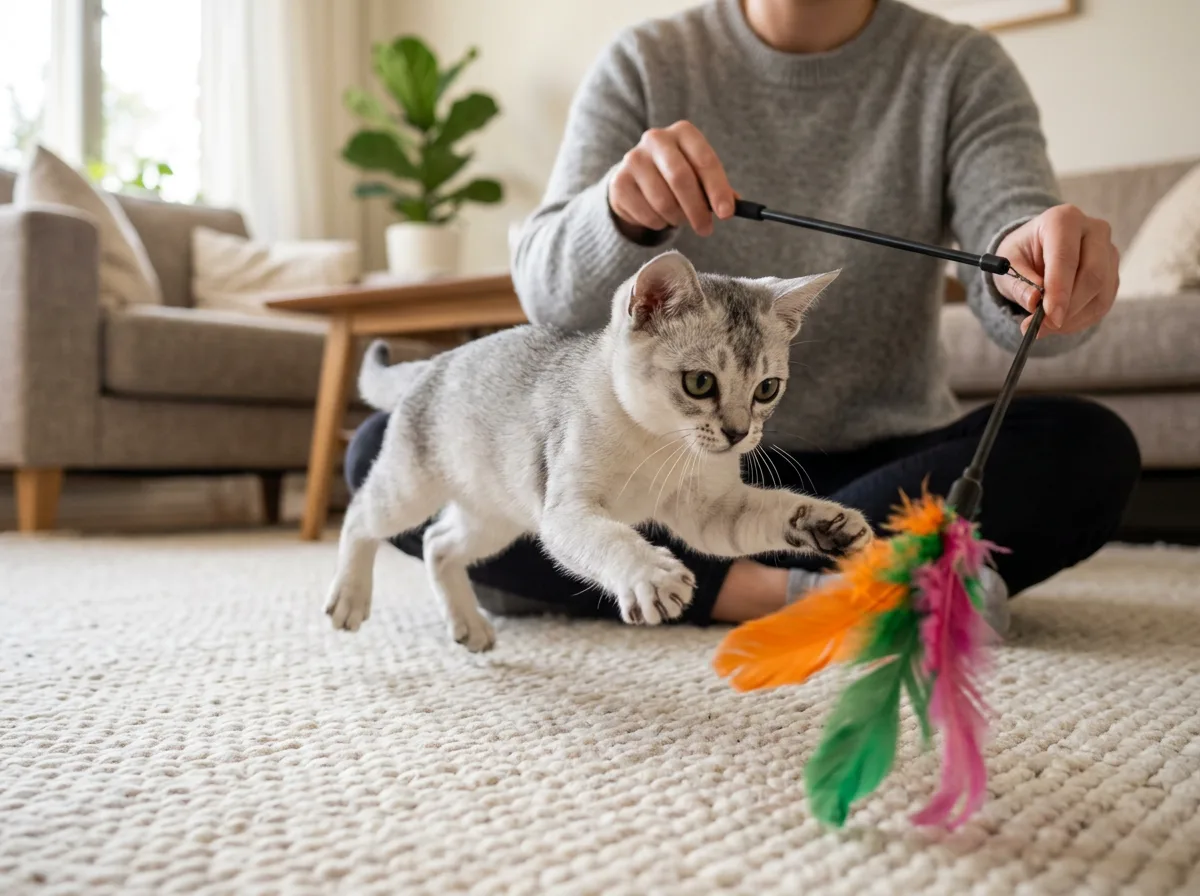
The most important health line item for this breed is genetic testing, and it ties directly back to the Burmilla cat price you should be willing to pay. Because the Burmilla descends from the Chinchilla Persian, it can inherit polycystic kidney disease (PKD), a condition in which fluid-filled cysts develop in the kidneys and can lead to kidney failure over time. Burmillas can also be more prone to allergies than some other breeds.
A reliable PKD DNA test exists. It is a simple cheek-swab or blood test that identifies carriers before they are bred, which is why responsible breeders screen their breeding cats and can show you the results. A test on an individual cat costs roughly $40 to $80.
- Before you pay a deposit, ask the breeder for the parents' PKD DNA test results in writing, because buying from untested lines can mean thousands in later kidney-disease treatment.
This is also why the cheapest "Burmilla" is often the most expensive cat in the long run. A kitten from untested parents may carry a condition that costs far more to manage than the few hundred dollars you saved at purchase. For a deeper look at the breed's medical profile and what to monitor across its life, see our guide to Burmilla cat health.
A quick note for allergy-sensitive buyers: the Burmilla is not a hypoallergenic breed. It is a light shedder thanks to its short coat, but it still produces the Fel d 1 protein that triggers most cat allergies, so spend time with the breed before you buy.
How the Burmilla Compares to Other Silver and Rare Breeds
If your budget is the deciding factor, it helps to see where the Burmilla sits among comparable cats. Several other breeds share its silver or rare-cat appeal at a similar price point.
| Breed | Typical Price (USD) | Notable Trait |
|---|---|---|
| Burmilla | $800 to $1,200 | Silver coat, eyeliner markings, rare |
| Nebelung | $1,000 to $2,000 | Shimmering blue semi-longhair, very rare |
| Singapura | $1,000 to $2,500 | One of the smallest breeds, sepia ticked coat |
| Burmese | $600 to $1,200 | Glossy solid coat, parent breed of the Burmilla |
| Persian | $800 to $2,500 | Long coat, parent breed, higher grooming cost |
If the silver shimmer is what draws you, compare the Burmilla against the blue-silver Nebelung cat and the petite Singapura cat, which sit in a similar price tier but bring very different coats and temperaments.
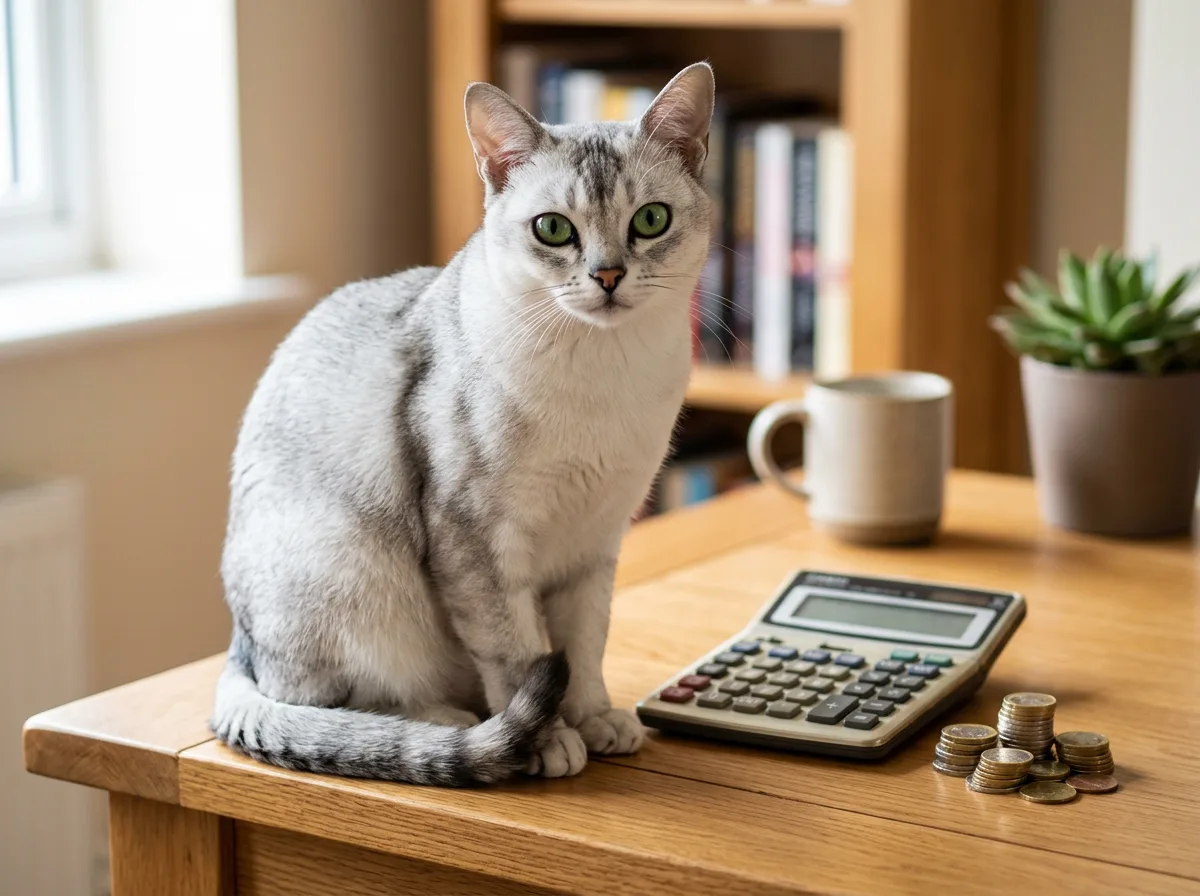
Are Burmillas Worth the Price?
For the right owner, yes. You are buying a gentle, people-oriented cat that keeps a kitten-like playfulness for life, sheds little, and carries a genuinely distinctive look. The price reflects rarity, careful breeding, and health screening rather than hype. The smartest spend is not the lowest kitten price but the breeder who tests for PKD, stands behind a health guarantee, and sells you a cat built to thrive for its full 10 to 15 year lifespan.
- Do not ask only what a Burmilla costs to buy, ask what it costs to keep well for 15 years, because that is the number that should guide your decision.
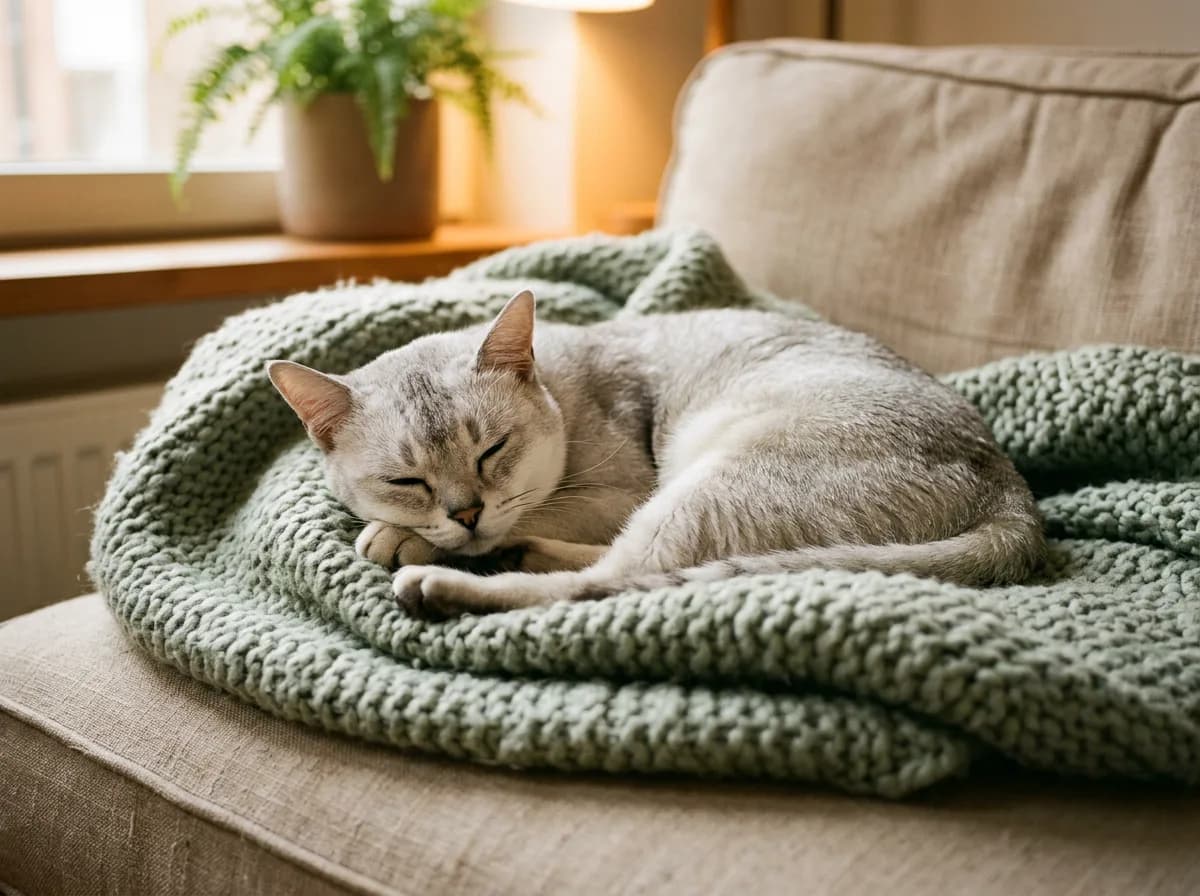
How Coat Color and Pattern Move the Price
The single most visible thing you pay for in a Burmilla is the coat, and not every silver coat is priced the same. The breed standard recognizes two patterns. A tipped coat, sometimes called shaded silver, carries color only on the very tips of each hair, giving a sparkling, almost shimmering finish over the silver-white undercoat. A shaded coat carries color further down the shaft for a deeper, more dramatic wash. Within those two patterns, the breed comes in a wide spread of colors: black, blue, brown, chocolate, lilac, and the red-based tones of cream and apricot, plus tortie variations on each.
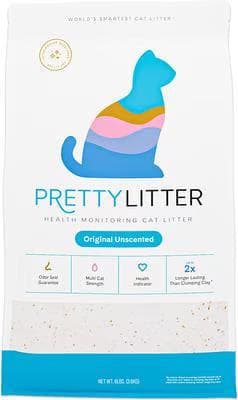
Color-changing crystal litter that flags pH shifts in your cat's urine, an early warning sign of UTIs, kidney issues, and more.
Petful may earn a commission when you click through to Chewy, at no extra cost to you.
Color rarity is real, and it shows up in breeder pricing. Black-tipped silver is the classic, most-recognized Burmilla look and tends to anchor the standard pet-quality range. The dilute and red-based colors, along with clean tortie patterning, surface less often in litters, so a breeder with a striking lilac-tipped or apricot-shaded kitten can ask toward the top of the pet range or beyond. The quality of the eyeliner markings matters too: a kitten whose dark outlining is crisp and unbroken around the eyes, nose, and lips reads as more typical of the breed and commands more than one whose markings are faint or patchy.
| Coat Trait | Effect on Price | Why |
|---|---|---|
| Black-tipped silver (classic) | Anchors the standard range | Most recognized, most available |
| Dilute colors (blue, lilac, cream) | Pushes toward the top of the range | Appear less often in litters |
| Sharp, unbroken eyeliner | Adds a premium | Reads as more typical of the breed standard |
| Shaded vs. tipped pattern | Buyer preference, not always a price gap | Both are standard, availability drives cost |
| Semi-longhair (Tiffanie) coat | Highest within the breed | Rarest coat length, smallest breeder pool |
None of this means a faintly marked or common-colored Burmilla is a lesser cat. For a pet home, a kitten that misses show standards by a whisker is often the same loving companion at a friendlier price. The point is simply to understand why two kittens from the same cattery can carry different tags, so you can judge whether a quote matches what is actually in front of you.
What the PKD DNA Test Actually Involves
The PKD screening that protects your investment is worth understanding in detail, because knowing how it works lets you read a breeder's paperwork with confidence rather than taking a verbal assurance on faith. The test looks for the specific gene mutation linked to polycystic kidney disease, the inherited condition the Burmilla can carry through its Persian ancestry. It is a one-time genetic test: a cat's DNA does not change, so a single negative result is good for life and never needs repeating.
Collection is simple and painless. Most labs accept a buccal swab, which is a soft brush rubbed against the inside of the cheek to gather cells, though some breeders use a small blood sample drawn during a routine vet visit. The sample goes to a feline genetics laboratory, and results typically return within one to three weeks. The cost of testing a single cat usually falls in the $40 to $80 range, which is why it appears as a line item in the first-year table for any kitten whose parents you cannot confirm were tested.
The result you want to see is straightforward. A cat is reported as either negative (no copies of the mutation) or positive (one or two copies). Because the PKD mutation is dominant, a single positive copy is enough to put a cat at risk, so responsible breeders only breed from negative-tested parents and can show you both certificates. When both parents test negative, the kitten cannot inherit the mutation, which is the entire reason a documented pedigree is worth paying for.
- Ask for the actual lab certificate showing the cat's name, the lab, and the date, because a breeder who simply says the parents are clear without paperwork has given you nothing you can verify or rely on.
Deposits, Waitlists, and the Timing of Your Purchase
Because Burmilla litters are small and breeders are few, the buying process rarely looks like walking in and leaving with a kitten the same day. Most reputable catteries work from a waitlist, and understanding how that pipeline affects your money helps you budget the real timeline, not just the final figure. A deposit, commonly $100 to $300, reserves your place or a specific kitten once a litter is born or confirmed. A fair breeder applies that deposit to the final price and states clearly, in writing, whether it is refundable if a litter does not produce a kitten that suits you.
Timing also shapes what you pay and how long you wait. Kittens go home no earlier than 12 to 14 weeks, so a deposit placed before a litter is born can mean a wait of several months before the cat is actually in your home, with the balance due closer to pickup. Demand tends to cluster around holidays and the spring season, which can lengthen waitlists without changing the headline price. The practical lesson is to plan ahead: deciding on a Burmilla in November and expecting one by the New Year usually leads either to a long wait or to the temptation of an unvetted seller, which is exactly the trap the breeder vetting steps above are meant to help you avoid.
- Before you send any money, confirm in writing whether the deposit is refundable and exactly what it secures, because a verbal promise on a waitlist is impossible to enforce if a litter falls through.
Should You Budget for a Second Cat?
The Burmilla is an intensely social breed that bonds hard with its people and dislikes being left alone for long stretches. For owners who work away from home, the kindest setup is often a second cat for company, and that decision has a real budget footprint that the single-cat tables do not capture. A companion does not have to be a second Burmilla: a friendly cat of any breed, ideally introduced as a kitten alongside the Burmilla, can satisfy the need for company at adoption-fee prices rather than a second pedigree premium.
The recurring math is roughly additive but not quite double. Food and litter scale almost one-to-one with a second cat, and vet care and insurance add a second set of premiums. The shared costs, the carrier you already own, the scratching post and toys, the kitten-proofing you already did, do not repeat, so a second cat typically adds less to your annual budget than the first did. Owners weighing this should fold the recurring increase into the monthly figure from the budgeting section before committing, rather than discovering it after the fact.
Are Burmillas Worth the Price for Your Situation?
The honest answer is that the Burmilla is worth its price for an owner whose life fits the cat, and an expensive mistake for one whose life does not. A buyer who is home often or has a companion animal, who can absorb $850 to $2,000 a year in steady costs, and who values a gentle, playful, people-focused cat over a low sticker price will find the spend justified. A buyer who is rarely home, who is stretched by the recurring annual figure, or who is drawn purely to the silver looks may be better served by adopting a similar-looking cat or choosing a more independent breed.
Run the numbers against your own life before you fall for a photo. Add the kitten price to the first-year extras, then to the lifetime recurring spend, and set that total beside your real budget and daily schedule. A Burmilla bought with eyes open to the full cost is a 15-year companion. One bought on impulse, against the grain of your routine and finances, is how good cats end up needing new homes.
Frequently Asked Questions
Yes. The Burmilla is an uncommon breed, created only in 1981 and recognized by the CFA for championship in 2014, so breeders are few, litters are small, and kittens often come with a waitlist.
The Ashera is widely cited as the most expensive cat in the world, with prices reported as high as $100,000, far above a Burmilla's typical $800 to $1,200.
A Burmilla typically lives about 10 to 15 years, and good genetics, PKD screening, quality food, and routine vet care help it reach the upper end of that range.
They are mid-range for a pedigreed breed. A pet-quality kitten runs $800 to $1,200, show lines reach $1,500 to $4,000, and lifetime care often adds $10,000 to $25,000.
Among the rarest pedigreed breeds are the Sokoke, the Kurilian Bobtail, and the Norwegian Forest Cat's relative the LaPerm, with the Burmilla and Nebelung also considered scarce.
The Ashera, a large hybrid marketed by Lifestyle Pets, was famously advertised at around $100,000, making it one of the priciest cats ever sold.

Coreen Saito is a pet writer and longtime shelter volunteer with more than a decade in animal rescue. She covers cat behavior, breed care, and the small, ordinary science of sharing a life with companion animals, with a particular focus on honest takes about the products and decisions that actually matter. At home in Arizona, she's outranked by Mac (a dog with the loudest opinion in the house), Rebel (a cat who governs by quiet authority), and Meri (an orange tabby who runs the late shift and the laundry basket). She writes about all three, plus the rescues that keep coming through her life, at LifeWithMinty.com.
Sign up for expert-backed reviews and safety alerts all in one place.