Burmilla Cat Health and Lifespan: A Vet's Guide
A veterinarian's guide to Burmilla cat health: how long Burmillas live, the inherited PKD risk and the DNA test that screens for it, allergies, the hypoallergenic question, and a practical wellness plan for a long life.

BVMS, MRCVS
Petful is reader supported. As an affiliate of platforms like Amazon and Chewy, we may earn a commission when you buy through links on this page. There is no extra cost to you.
The most important thing to understand about burmilla cat health is that this is a sturdy, generally robust breed that typically lives 10 to 15 years, yet it carries two inherited risks worth knowing before you bring one home. According to The International Cat Association (TICA), the Burmilla traces back to a single accidental litter of four kittens born on September 11, 1981, when a Chinchilla Persian male named Jemari Sanquist mated with a lilac Burmese queen in the United Kingdom. That cross gave the breed its glittering silver coat and its sweet Burmese face. It also handed the Burmilla a slice of the Persian line's genetic baggage, which is why polycystic kidney disease (PKD) and a tendency toward allergies sit at the top of any honest health conversation. As a veterinarian, my goal here is to give you the facts, the screening tests that matter, and a realistic care plan, without the scaremongering.
- 1Burmillas typically live 10 to 15 years and are generally healthy.
- 2Polycystic kidney disease (PKD) is the main inherited concern, carried over from the Persian/Chinchilla side.
- 3A simple DNA test for the PKD1 gene tells you a cat's risk before symptoms ever appear.
- 4No cat is truly hypoallergenic, and the Burmilla is no exception, though its coat is low-shedding.

Sign up for expert-backed reviews and safety alerts all in one place.
Where the Burmilla Came From, and Why It Matters for Health
You cannot separate burmilla cat health from the breed's origin story, because the health profile is a direct inheritance from its founding parents. The breed began by accident. Baroness Miranda von Kirchberg owned a silver Chinchilla Persian, and when he slipped past a closed door and reached a lilac Burmese female, the resulting kittens were so striking that a deliberate breeding program followed. TICA accepted the Burmilla for championship status in 2015.
That parentage is the whole point. From the Burmese side, the Burmilla gets its rounded, sweet expression, its sociable temperament, and a compact muscular body. From the Chinchilla Persian side, it gets the sparkling silver coat, the dramatic dark "eyeliner" outlining the eyes, nose, and lips, and unfortunately a documented risk of polycystic kidney disease. Knowing which trait came from which parent is not trivia. It tells you exactly which screening tests a responsible breeder should already have run.
If you are still deciding on the breed itself, our full Burmilla cat breed overview walks through temperament, grooming, and what daily life with one is actually like.
- The Burmilla inherits its silver coat and PKD risk from the Chinchilla Persian, and its sweet face and sociable nature from the Burmese.
What a Healthy Burmilla Looks Like
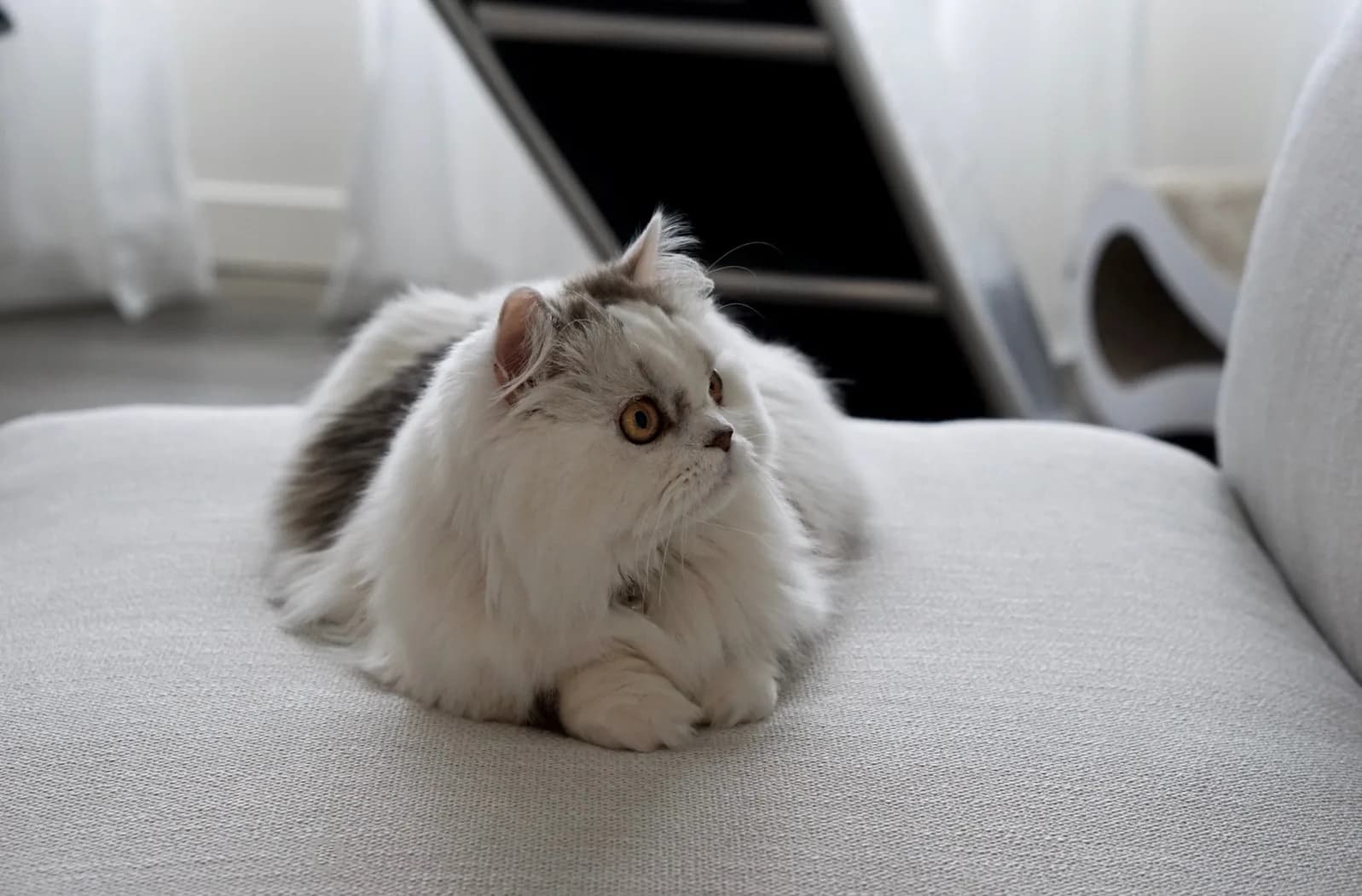
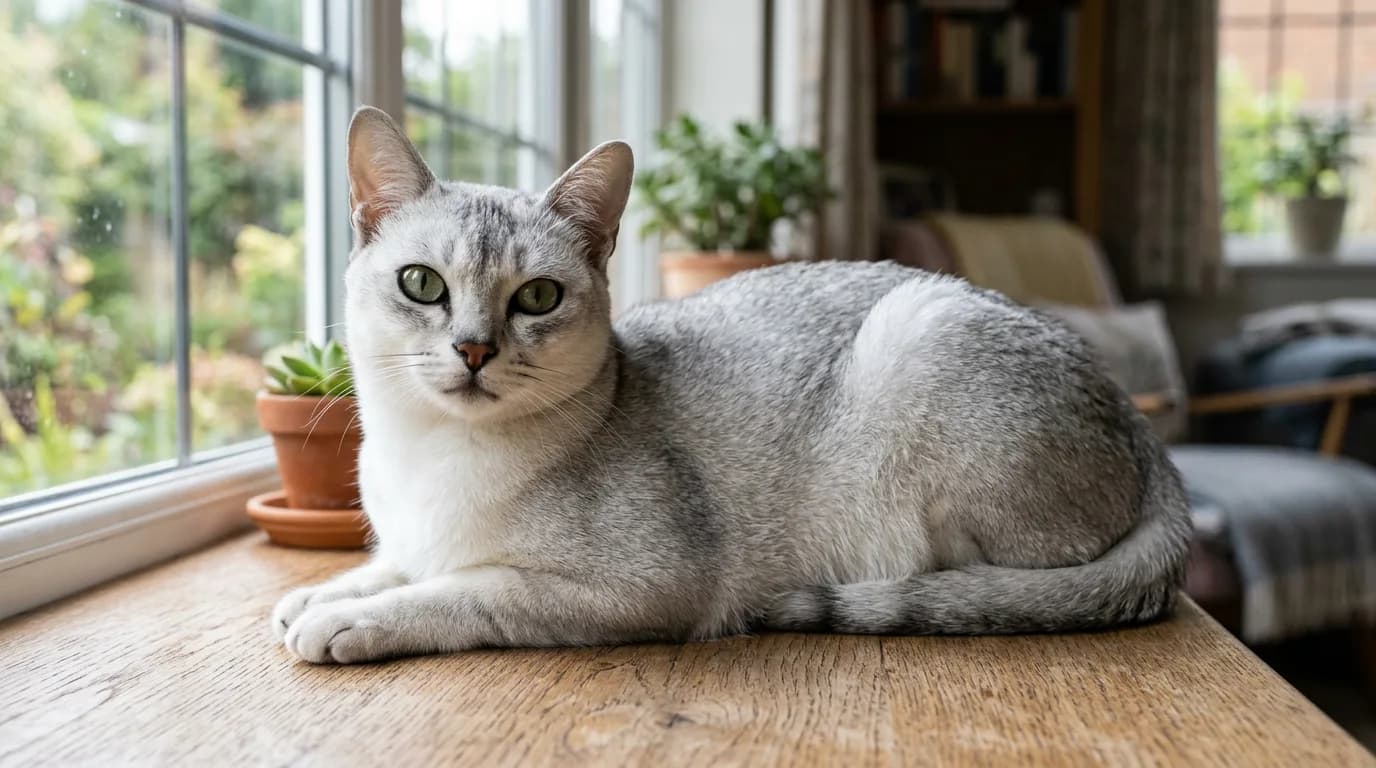
A Burmilla in good health is a medium-sized, surprisingly heavy cat with a short, dense, fine coat that sparkles because each hair is silver-white at the root with darker tipping or shading at the tip. The eyes are large, expressive, and ideally a clear green, though TICA notes the green can take up to two years to fully develop and may look greenish-gold in young cats. The dark outlining around the eyes and muzzle looks like carefully applied makeup. If you ever see a Burmilla that is a solid color, a classic tabby, or longhaired, you are most likely looking at a different breed or a cross.
 Sponsored
Have a health question about your cat?
Talk to a licensed vet at Dutch over video or message, including nights and weekends.
Use code Pets60
Plans start at $12/month · covers up to 5 pets
- Licensed vets in most states
- Rx for 150+ conditions
- 4.7 on Trustpilot
How Long Do Burmilla Cats Live?
Most sources, including Purina and TICA-aligned breed data, put the Burmilla's lifespan at roughly 10 to 15 years, with well-cared-for indoor cats frequently reaching the upper end of that range and some individuals living longer. Lifespan is not fixed by genetics alone. The single biggest lever you control is whether the cat is screened for PKD, kept at a healthy weight, fed appropriately, and seen by a veterinarian on a regular schedule.

63-inch multi-level cat tree with scratch posts, hammock, plush perches, and dangling toys. Vertical territory is non-negotiable for high-energy climbing breeds like the Bengal.
Petful may earn a commission when you click through to Chewy, at no extra cost to you.
Indoor living matters more than many owners expect. An indoor Burmilla avoids road traffic, predators, fights, and most infectious disease, and that protection alone can add years. The trade-off is that indoor cats gain weight more easily, so calorie control becomes part of the longevity plan.
- Book a quick weight check every 6 months. Catching a half-pound creep early is far easier than reversing obesity later, and it protects the kidneys and joints over a 15-year life.
The Numbers, Side by Side
| Measure | Typical Range | What Drives It |
|---|---|---|
| Lifespan | 10 to 15 years | Genetics, weight, indoor living, vet care |
| Adult weight | 8 to 12 lb | Diet, activity, neuter status |
| Main inherited risk | Polycystic kidney disease | Chinchilla Persian ancestry |
| Recommended DNA test | PKD1 gene test | One-time cheek swab or blood sample |
| Hypoallergenic | No | All cats produce the Fel d 1 allergen |
Polycystic Kidney Disease: The Burmilla's Main Inherited Risk
Polycystic kidney disease is the health issue I want every Burmilla owner to understand, because it is both the most serious and the most preventable through smart breeding. PKD is an inherited condition in which fluid-filled cysts form in the kidneys, present from birth and slowly enlarging as the cat ages. Over time those cysts crowd out healthy kidney tissue and can progress to chronic kidney disease and, eventually, kidney failure.
The Burmilla inherited PKD from the Persian and Chinchilla Persian line, where the condition is well documented. The good news is twofold. First, the risk in Burmillas is generally considered lower than in Persians themselves, because responsible breeders have been screening it out for years. Second, the disease is caused by a known dominant mutation in the PKD1 gene, which means a single, affordable DNA test gives you a definitive answer.
- A reputable Burmilla breeder should be able to show you a negative PKD1 DNA result for both parents. If a breeder cannot or will not, walk away. This is the single most important question to ask.
Signs of Kidney Trouble to Watch For
Early PKD usually causes no symptoms at all, which is exactly why DNA screening matters. As kidney function declines later in life, the signs are the same as those of chronic kidney disease in any cat:
- Increased thirst and more frequent or larger urine clumps in the litter box
- Gradual weight loss despite a normal or reduced appetite
- Reduced appetite, nausea, or occasional vomiting
- Lethargy and a duller coat
- Bad breath with an ammonia-like smell in advanced cases
If you notice any of these, especially the drinking and urination changes, your veterinarian can run blood and urine tests to assess kidney function. Caught early, dietary changes and supportive care can meaningfully slow the decline and protect quality of life.
The PKD DNA Test, Explained
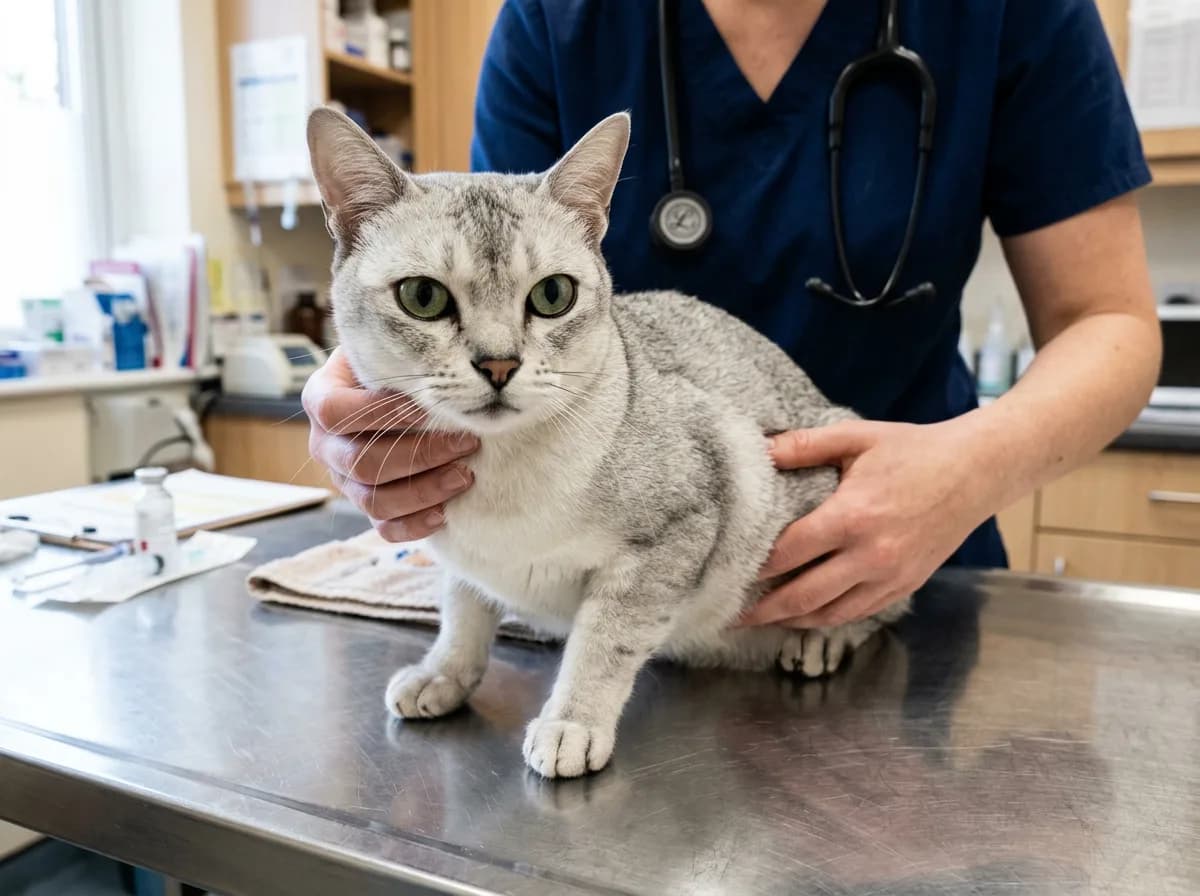
The PKD1 test is a straightforward genetic screen. A laboratory looks for the specific dominant mutation that causes the disease. Because the mutation is dominant, a cat needs only one copy to be affected, so a clear "negative" result on both parents is reassuring. The sample is usually a simple cheek swab or a small blood draw, and many breeders test their breeding cats once and keep the certificates on file. For a pet owner adopting an adult cat of unknown background, the same test can be run through your veterinarian for peace of mind.
It is worth understanding how breeders use the test, because it explains why the Burmilla's PKD risk has fallen over the years. A cat that tests positive can simply be retired from breeding, which removes the mutation from that line in a single generation. Over time, careful programs have steadily shrunk the pool of affected cats, which is why most reputable Burmillas today come from PKD-negative parents. An ultrasound scan can also detect cysts directly, and some breeders use both tools together. As a buyer, you do not need to become an expert in the genetics. You only need to ask one clear question and expect a documented answer: are both parents PKD-negative?
To see how testing and screening factor into the cost of a well-bred kitten, our Burmilla cat price guide breaks down what you are actually paying for.
Other Health Conditions Reported in Burmillas
Beyond PKD, the Burmilla is a fundamentally healthy breed, but a handful of other conditions have been reported and are worth a quick look so you can recognize them.
Allergies and Skin Sensitivities
Allergies are the second most commonly mentioned issue in the breed. Burmillas can develop sensitivities to environmental allergens, certain foods, or flea bites, which typically show up as itchy skin, overgrooming, or recurrent ear irritation. None of this is unique to the breed, and most cases are managed well with veterinary guidance, parasite control, and sometimes a diet trial. The key is not to let an itchy cat self-traumatize for months before getting help.
In practice, the hardest part of feline allergies is identifying the trigger, because the three main types look almost identical on the skin. Flea allergy is the most common and the easiest to rule out, which is why year-round flea control is always the first step, even for an indoor cat. Food sensitivities are diagnosed with a strict elimination diet, usually a hydrolyzed or novel-protein food fed exclusively for eight to twelve weeks, with nothing else passing the cat's lips, no treats and no flavored medications. Environmental allergies, the feline equivalent of hay fever, are diagnosed by ruling the other two out and may need longer-term management. Overgrooming is the signal I most want owners to take seriously: a Burmilla that licks a patch of belly or leg bare is telling you something itches, and the sooner you involve your veterinarian, the less likely the skin is to become infected and the faster the cat finds relief.
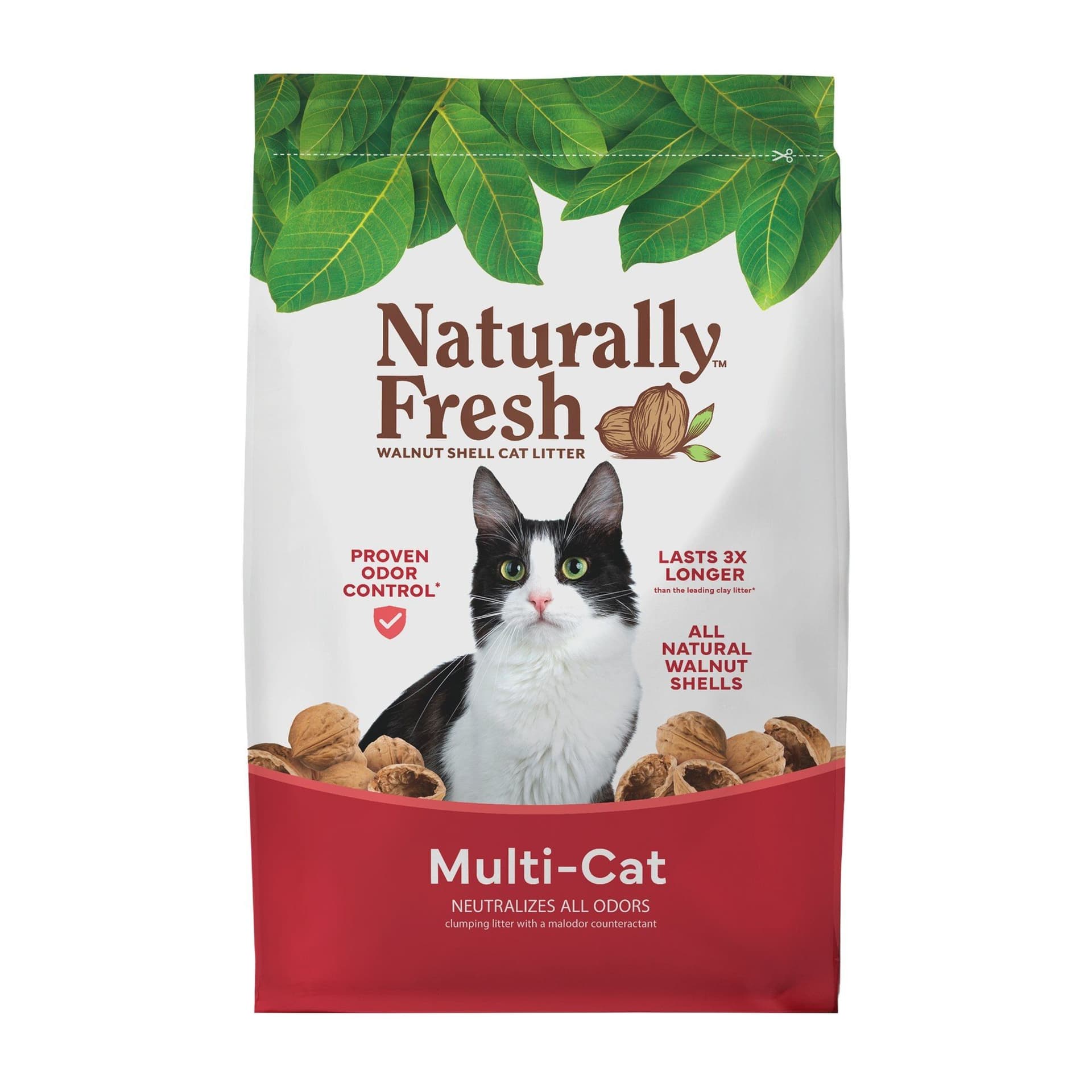
Walnut shell clumping cat litter that excels at odor control, lasts up to 3x longer than clay, and is a top pick for multi-cat households.
Petful may earn a commission when you click through to Chewy, at no extra cost to you.
Dental Disease
Like the closely related Burmese, Burmillas can be prone to dental and gum problems. Periodontal disease is one of the most common health issues in cats overall, and it is largely preventable. Regular tooth brushing, dental-friendly food or treats, and professional cleanings when your veterinarian recommends them go a long way.
Conditions Inherited From the Burmese Line
Because the Burmese sits in the Burmilla's pedigree, a small number of Burmese-associated conditions occasionally appear in discussion of the breed. These include feline orofacial pain syndrome, a painful condition that causes exaggerated licking, chewing, and pawing at the mouth in episodes, and rarely, hypertrophic cardiomyopathy, the most common form of feline heart disease. These are not hallmark Burmilla problems, but a good breeder will be aware of the Burmese background.
- If your cat suddenly starts frantically pawing at its mouth or chewing oddly in distinct episodes, treat it as urgent and call your veterinarian. It can signal oral pain, dental disease, or in some lines a neurological pain syndrome.
For contrast, you can compare the Burmilla's health profile against its parent breed in our Burmese cat guide, and against the Persian side in our Persian cat profile.
Are Burmilla Cats Hypoallergenic?
This is one of the most common questions I get, and the honest answer is no. No cat breed is truly hypoallergenic, and the Burmilla is no exception. The substance most cat-allergic people react to is a protein called Fel d 1, produced mainly in a cat's saliva and skin glands, not the fur itself. Because cats spread that protein across their coat when they groom, even a low-shedding cat distributes the allergen around your home.
What the Burmilla does have going for it is a short, fine, low-maintenance coat that sheds relatively little, which can mean fewer airborne hairs carrying allergen. For some mildly sensitive people that helps at the margins, but it is not a guarantee. If allergies are a concern, spend extended time with an adult Burmilla before committing, keep the cat out of the bedroom, use HEPA filtration, and wash your hands after handling. Anyone with a serious cat allergy should not assume any breed will be safe.
- The Burmilla's short coat sheds little, but it still produces the Fel d 1 allergen in saliva and skin. Test your tolerance with a real cat before adopting.
SponsoredVet care that's always there
Unlimited video calls and messaging with licensed vets for less than a typical vet visit. One membership covers up to five pets.
Use code Pets60
Plans start at $12/month · covers up to 5 pets
- Licensed vets in most states
- Rx for 150+ conditions
- 4.7 on Trustpilot
Feeding a Burmilla for Lifelong Health
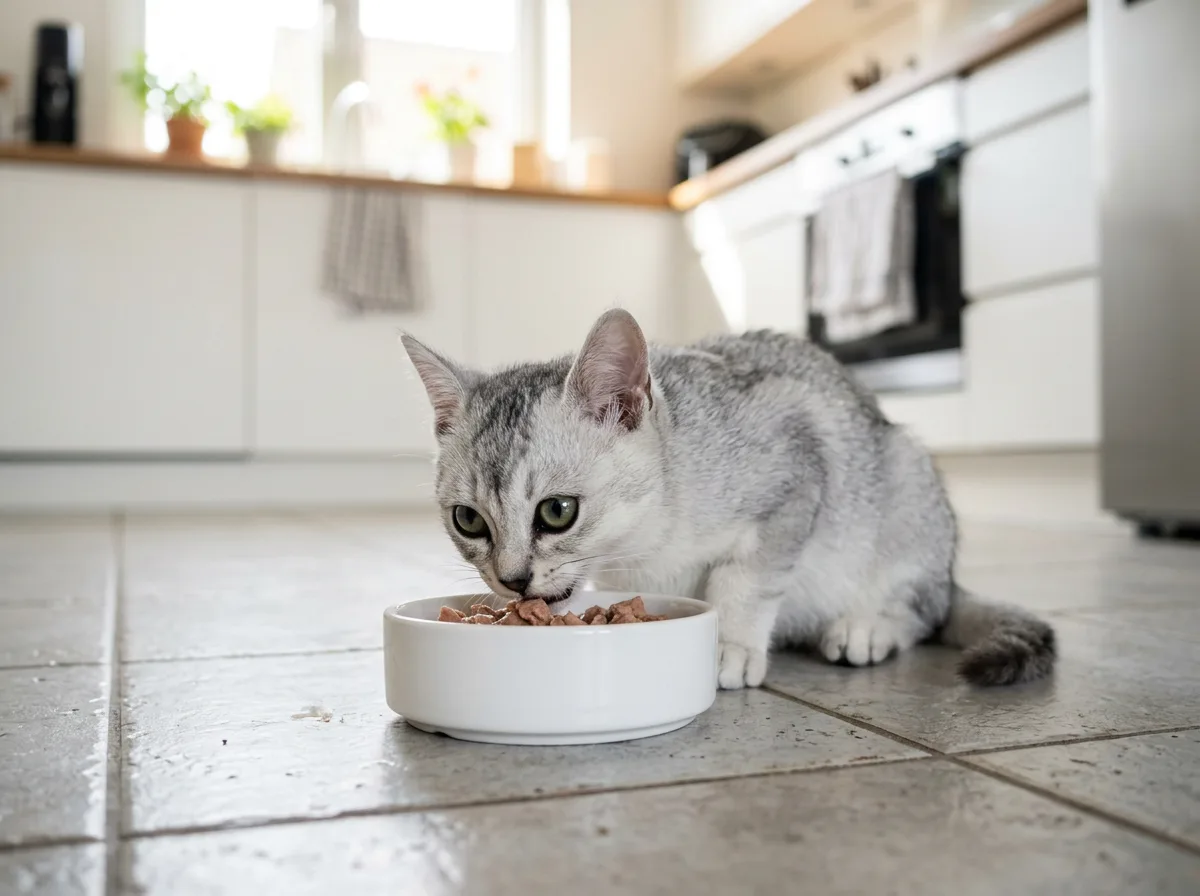
The best food for a Burmilla is a complete, balanced, AAFCO-compliant cat food that is high in animal protein and moderate in carbohydrates, fed in measured portions. Burmillas have no exotic nutritional requirements, but two breed-relevant points stand out. First, they can be prone to weight gain, especially as indoor adults, so portion control and a defined feeding schedule matter. Second, because the kidneys are the breed's weak point, keeping a cat well-hydrated supports kidney health, which is one reason many veterinarians favor including wet food in the diet.
Match the life stage to the food: a growth formula for kittens, adult maintenance through the prime years, and a senior or kidney-supportive diet if your veterinarian flags early kidney changes. Fresh water should always be available, and many cats drink more from a pet fountain than a still bowl.
A Simple Wellness Schedule
A consistent veterinary rhythm catches the breed's main risks early. Use this as a starting framework and adjust with your own veterinarian.
| Life Stage | Vet Visit Cadence | Health Priorities |
|---|---|---|
| Kitten (0 to 1 yr) | Per vaccine schedule | Vaccines, neuter or spay, confirm PKD status |
| Adult (1 to 7 yr) | Annual exam | Weight, dental check, parasite control |
| Mature (7 to 10 yr) | Annual to twice yearly | Baseline kidney bloodwork, dental cleaning |
| Senior (10 yr plus) | Twice yearly | Kidney panel, blood pressure, weight, mobility |
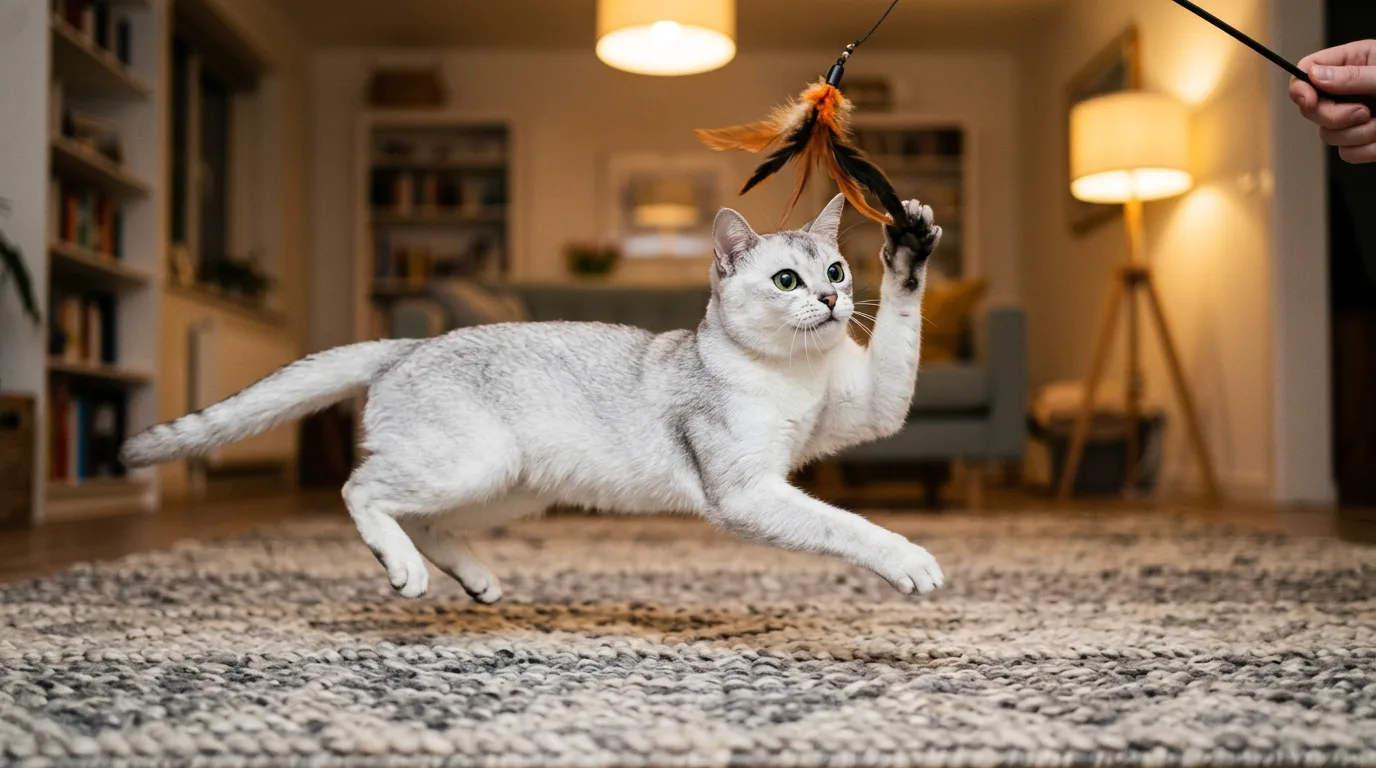
Coat Care and What the Silver Coat Tells You About Health
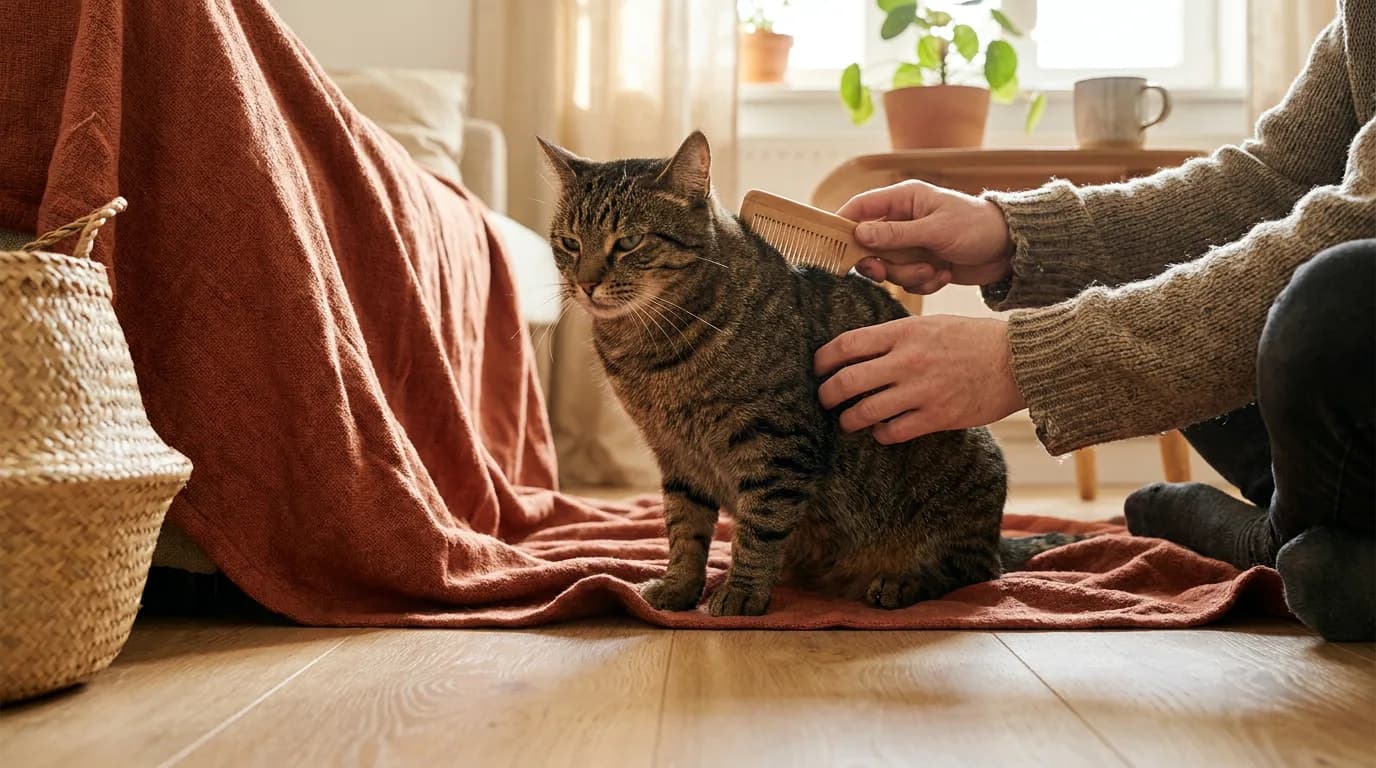
The Burmilla's short, dense, fine coat is one of the easiest in the cat world to maintain, and that is good news for both you and the cat. A weekly once-over with a soft brush or a grooming mitt removes loose hair, spreads natural skin oils, and keeps the silver shimmer looking its best. Semi-longhaired Burmillas, which appear in some lines, benefit from brushing two or three times a week to prevent tangles behind the ears and along the belly.

108-oz stainless steel pet fountain with quiet pump and water-level window. Bengals are notoriously water-obsessed; a flowing fountain encourages hydration and pulls them away from sinks and toilets.
Petful may earn a commission when you click through to Chewy, at no extra cost to you.
Grooming is more than cosmetic. Running your hands over a Burmilla every week is one of the best early-warning systems you have. You are checking for lumps, scabs, flaky skin, fleas, thinning patches from overgrooming, and any tenderness the cat reacts to. Because allergies and skin sensitivities are among the breed's reported issues, catching a patch of itchy, broken skin early lets you intervene before the cat self-traumatizes. A dull, greasy, or unkempt coat in a cat that normally grooms well can also be an early sign of pain, dental disease, or kidney trouble, so a sudden change in coat quality is worth a vet conversation.
- Each weekly brush is a chance to feel for lumps, check the skin, and look for fleas. A change in coat quality is often the first visible clue that something deeper is wrong.
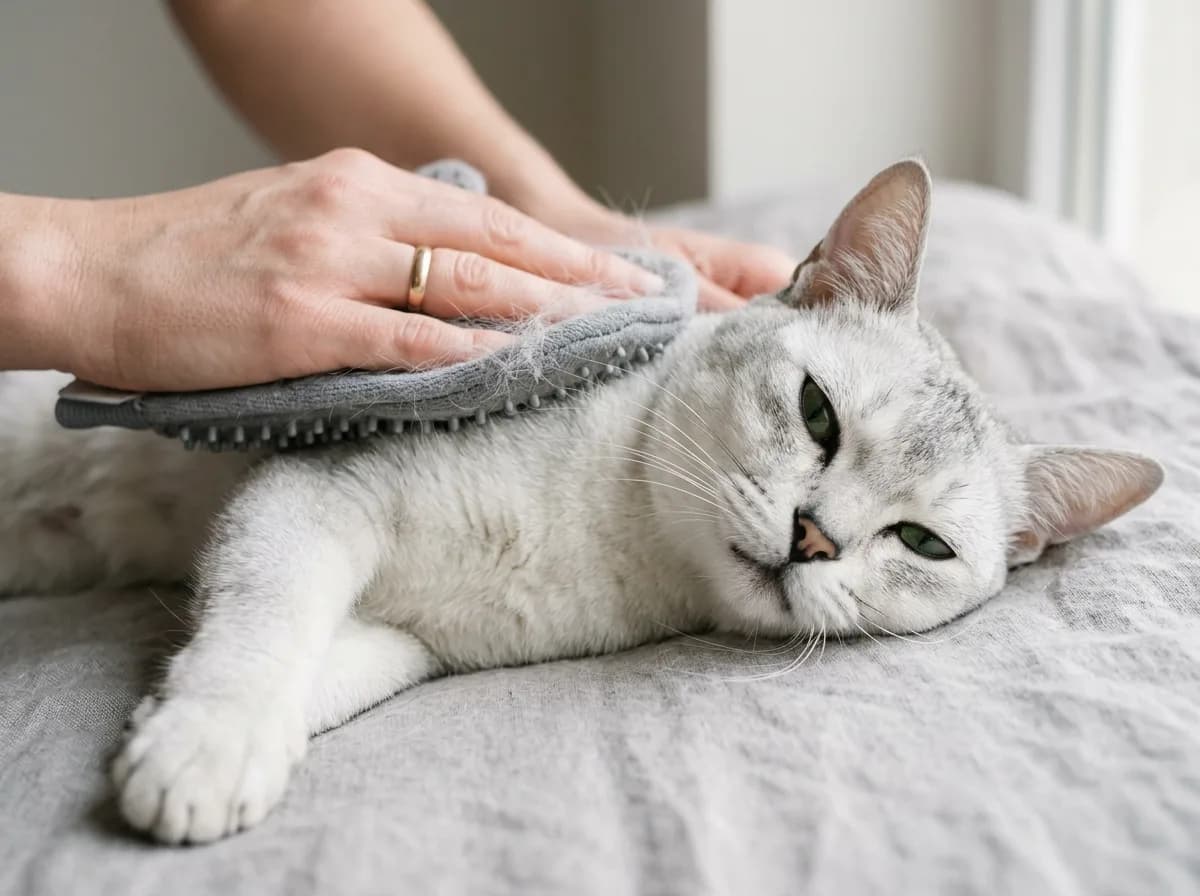
Eyes, Ears, and the "Eyeliner" Look
The dramatic dark outlining around a Burmilla's eyes is purely cosmetic, but the eyes themselves deserve attention. The breed has been associated, mainly through its Burmese and Persian ancestry, with occasional tear-staining and, rarely, a congenital dry-eye condition. Wipe away any crusting gently with a damp cloth and ask your veterinarian about persistent redness, squinting, or discharge. Check the ears monthly for wax buildup or a yeasty smell, which can flag allergies or infection.
Monitoring Kidney Health as Your Burmilla Ages
Because the kidneys are the Burmilla's genetic weak point, I treat kidney monitoring as the backbone of senior care for this breed, and I want owners to understand what their veterinarian is actually watching. From around seven years of age, a yearly blood and urine panel gives you a baseline and a trend line, and the trend matters far more than any single number. The two blood values most relevant to the kidneys are creatinine and a newer marker called SDMA. SDMA tends to rise earlier than creatinine, sometimes flagging a problem when as little as a quarter of kidney function has been lost, which buys you precious time to intervene. Your veterinarian will read those alongside the urine specific gravity, which shows how well the kidneys are concentrating urine, and blood phosphorus and potassium, which guide diet and supplements.
What makes this powerful is that early kidney decline in a Burmilla is silent. By the time a cat is visibly drinking more, urinating more, and losing weight, a meaningful share of kidney function may already be gone. Catching a rising SDMA on a routine senior panel, before any symptom appears, is exactly the scenario where a kidney-supportive diet, careful hydration, and blood pressure control can slow the disease and add comfortable years. This is the practical payoff of knowing your cat's PKD status early: a positive cat is not a tragedy, it is a cat you monitor closely and manage proactively rather than discovering a crisis in an emergency visit.
Blood pressure deserves a specific mention, because high blood pressure and kidney disease feed each other in cats, and untreated hypertension can damage the eyes and worsen the kidneys. A blood pressure check is quick, painless, and belongs in every senior Burmilla's twice-yearly visit. None of this requires heroic effort from you as an owner. It is simply a matter of keeping the appointments, allowing the bloodwork, and acting on the results with your veterinarian rather than waiting for outward signs.

Color-changing crystal litter that flags pH shifts in your cat's urine, an early warning sign of UTIs, kidney issues, and more.
Petful may earn a commission when you click through to Chewy, at no extra cost to you.
Hydration is the one thing you can influence every single day, and for a breed predisposed to kidney issues it genuinely matters. Cats are notoriously poor drinkers, a legacy of their desert ancestry, so they rely on moisture in food more than we tend to assume. Including wet food in the diet, offering a pet drinking fountain, and placing several water stations around the home all nudge a Burmilla toward better hydration, which supports kidney function and helps prevent the concentrated urine that can encourage stones and infections. If your cat already has diagnosed kidney disease, your veterinarian may prescribe a therapeutic renal diet that is lower in phosphorus and carefully balanced in protein, and in some cases subcutaneous fluids given at home. Many owners are intimidated by that prospect at first and then find it becomes a quick, calm part of the daily routine that visibly perks the cat up. The throughline of all of this is simple: with the Burmilla, you are not fighting an inevitable decline, you are managing a known risk with tools that work.
- When your Burmilla reaches its senior years, ask your veterinarian to include SDMA in the bloodwork. It can detect kidney decline far earlier than creatinine alone, which is exactly the edge this breed benefits from.
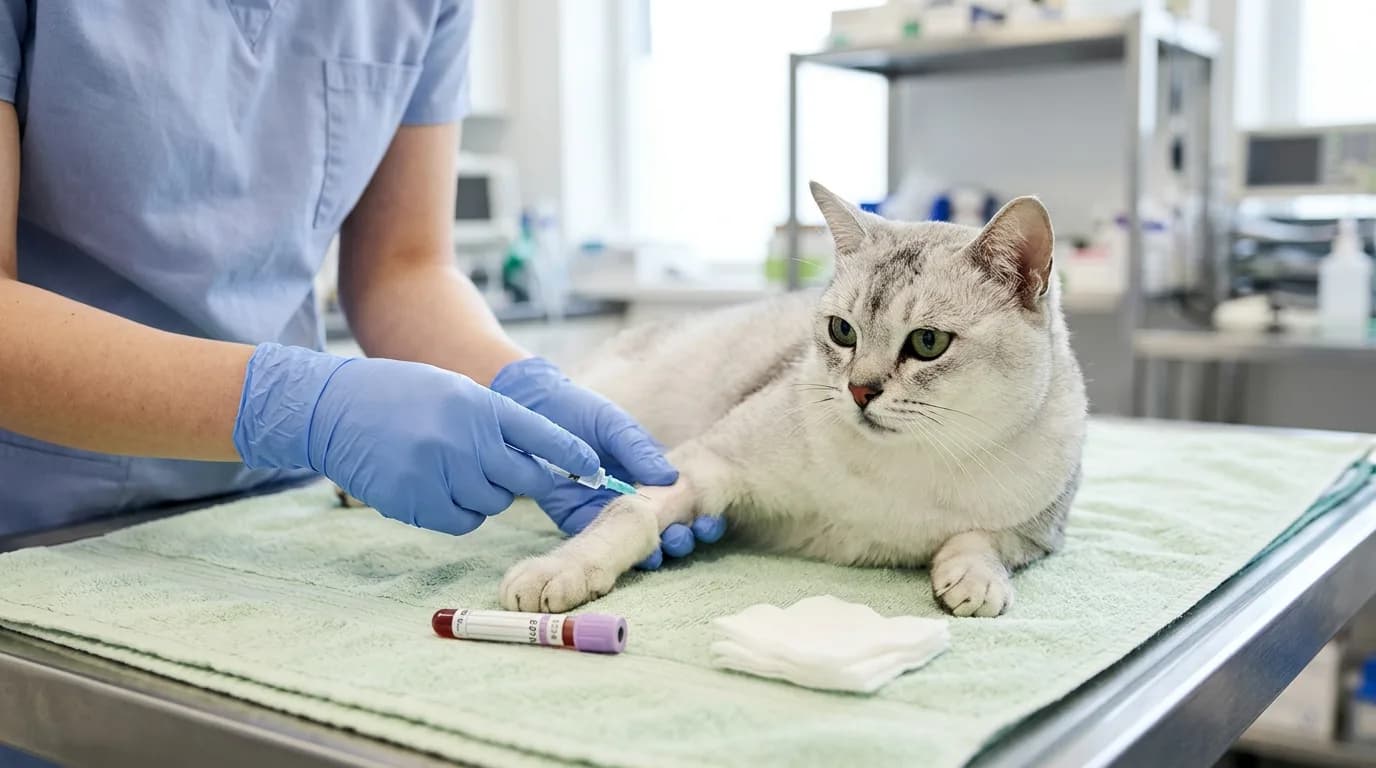
How the Burmilla Compares to Similar Breeds
Putting the Burmilla's health next to related and look-alike breeds helps set realistic expectations. Compared with the Persian, the Burmilla is far healthier: it avoids the flat-faced breathing and eye problems of the Persian while carrying only the shared PKD risk, which breeders have actively reduced. Compared with its Burmese parent, the two share dental tendencies and a sociable nature, but the Burmilla's mixed ancestry can give it slightly more genetic diversity.
Against quiet silver and grey breeds that owners often cross-shop, such as the Nebelung and the Singapura, the Burmilla sits in a comfortable middle: hardier and longer-lived than many flat-faced or highly inbred lines, lower-maintenance than longhaired breeds, and friendlier than some of the more reserved silver cats. For most families, that combination of a sweet temperament, a low-care coat, and a single well-understood genetic risk makes the Burmilla a sensible, healthy choice.
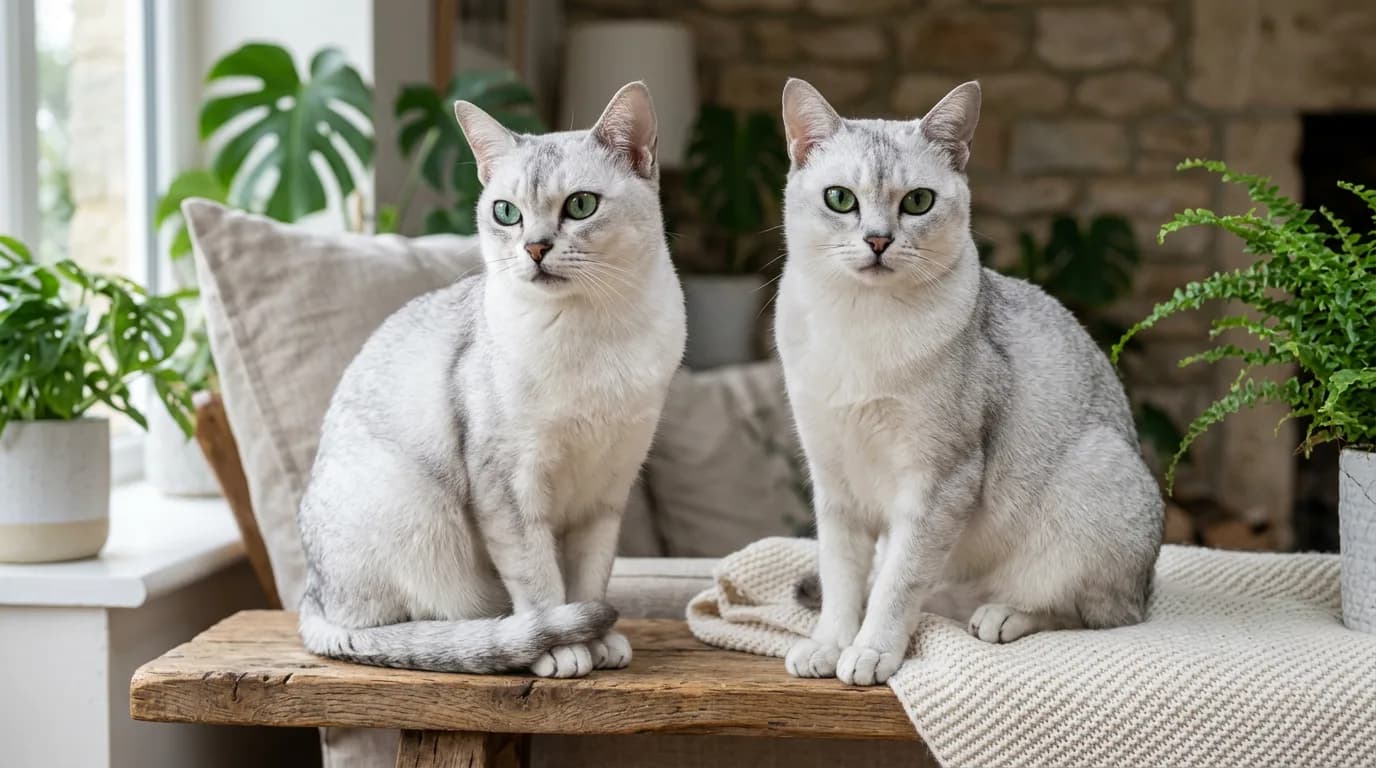
Bringing a New Burmilla Home
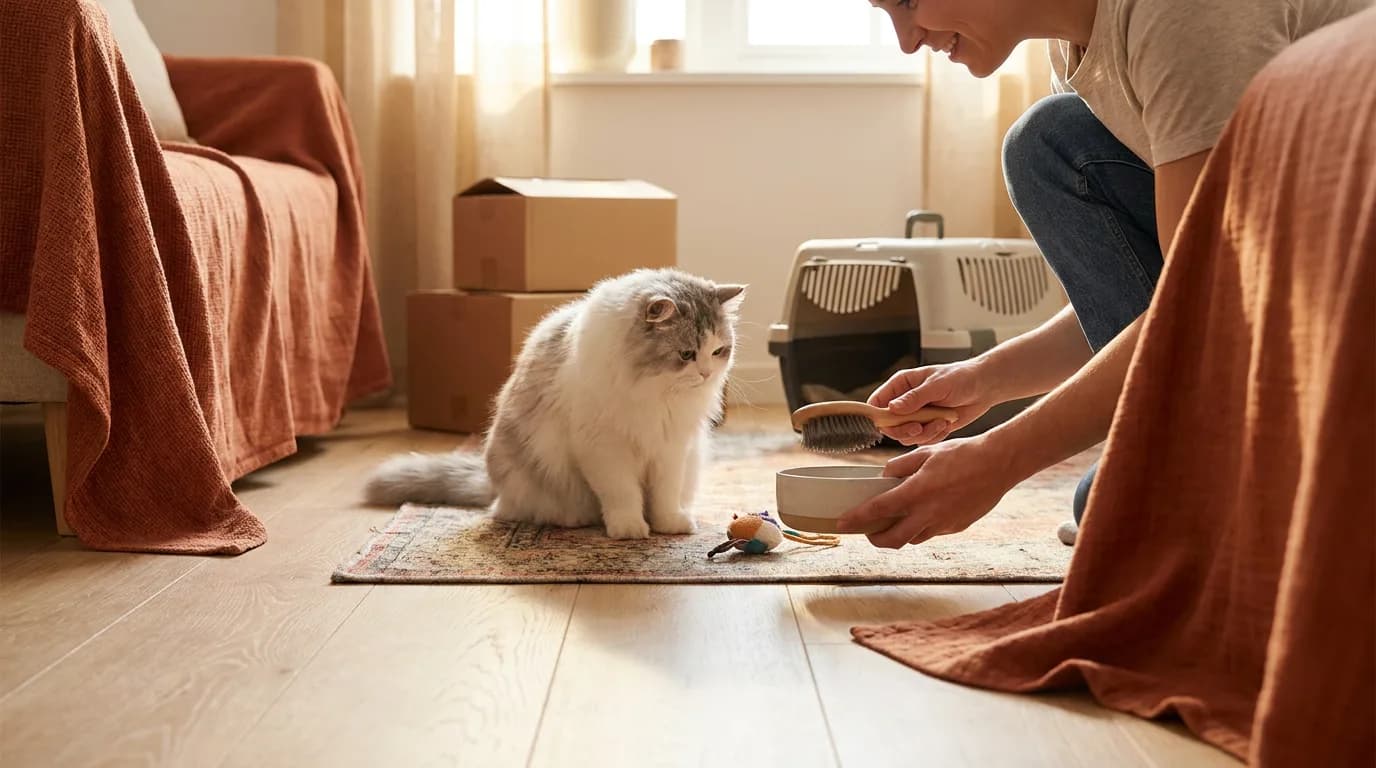
A calm, structured arrival sets the tone for a healthy relationship. Many shelters and behaviorists describe a "3-3-3 rule" as a rough guide to how a newly adopted cat settles in: roughly three days to decompress in a quiet safe space, about three weeks to start learning your routine and showing more personality, and around three months to feel fully at home and bonded. It is a general framework rather than a strict timeline, and a confident, people-oriented breed like the Burmilla often warms up faster.
During that settling period, keep the first vet visit on the calendar, confirm the cat's PKD status, and start gentle routines like tooth brushing and grooming early so they become normal. If you are weighing the Burmilla against other quiet, affectionate silver and grey breeds, our guides to the Nebelung cat and the Singapura cat are useful comparisons.
- Introduce tooth brushing, nail trims, and gentle handling during the settling-in weeks. A Burmilla that accepts handling young is far easier to give lifelong dental and health care.
The Bottom Line on Burmilla Health
The Burmilla is a sound, affectionate, generally healthy breed that rewards a little homework. Buy from a breeder who screens for PKD, keep your cat lean and indoors, stay on top of dental care, and book regular wellness exams, and most Burmillas will share 10 to 15 good years with you. Do not be lured by hypoallergenic claims, and never skip the PKD question. Those two pieces of clarity are the difference between guessing and knowing.
In practice, the owners who get the most healthy years out of this breed are the ones who treat prevention as routine rather than reaction. They confirm the cat's PKD status up front, they feed measured meals, they keep a tube of cat toothpaste by the sink, and they do not wait for a crisis to book a vet visit. None of that is expensive or difficult, and all of it stacks the odds in your cat's favor. The Burmilla gives back that care many times over, with a calm, devoted companion that stays playful and engaged well into its senior years.
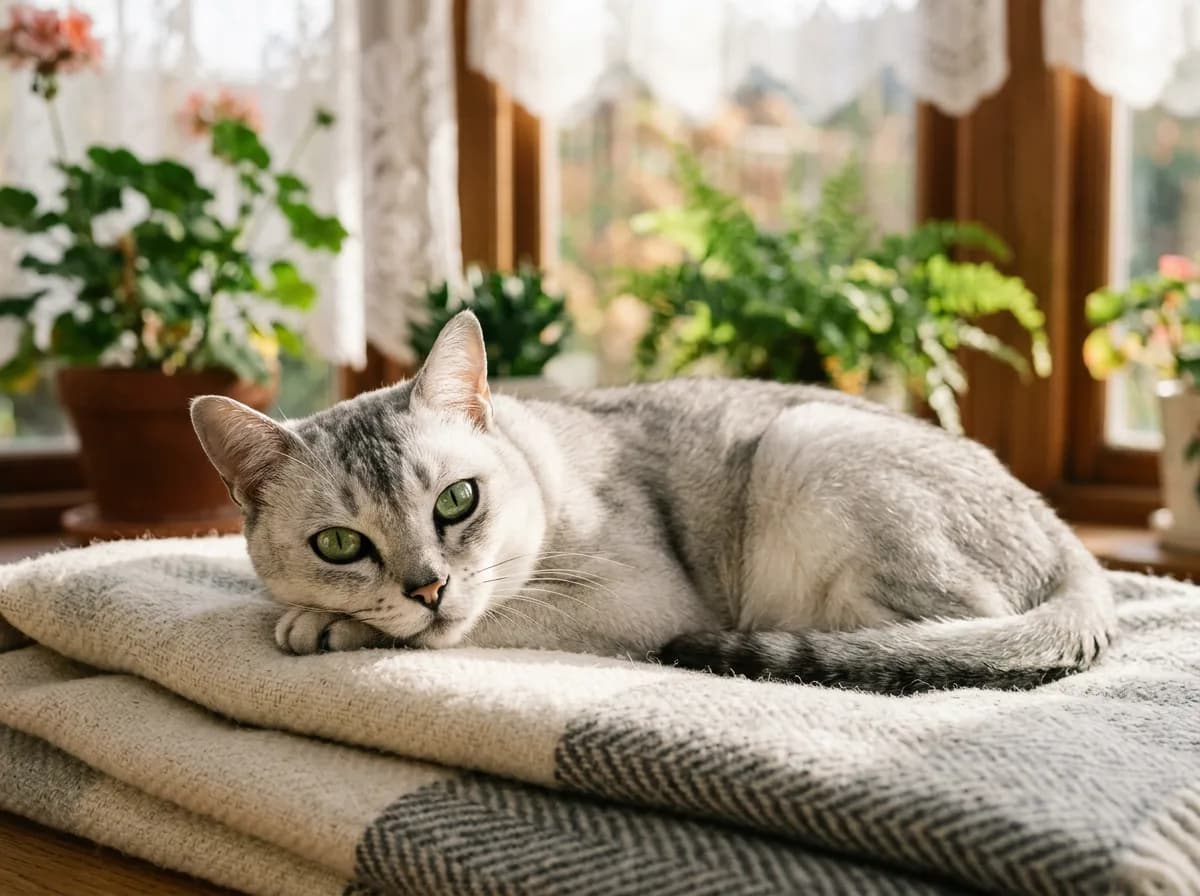
Burmillas are generally healthy, but they can inherit polycystic kidney disease (PKD) from the Persian/Chinchilla line and may develop allergies and dental disease. Responsible PKD screening and routine vet care manage these risks well.
Most Burmillas live about 10 to 15 years, and well-cared-for indoor cats often reach the upper end of that range or beyond.
A complete, balanced, AAFCO-compliant food that is high in animal protein and moderate in carbohydrates, fed in measured portions. Wet food helps hydration and supports the breed's kidney health, and portion control prevents obesity.
Persians are widely cited as one of the breeds with the most health problems, including breathing issues, eye conditions, and polycystic kidney disease. The Burmilla inherits only the PKD risk from its Persian ancestry, not the flat-faced breathing problems.
The Burmilla's average lifespan is roughly 10 to 15 years, depending on genetics, weight, indoor living, and veterinary care.
Bengals are not Burmillas, but for comparison, Bengals are highly active and demanding, need a lot of enrichment, have a strong prey drive, and may not suit homes with very young children or small pets. The Burmilla is far calmer and lower-maintenance.
A pedigree Burmilla kitten from a reputable, health-testing breeder typically runs from several hundred to over a thousand US dollars, depending on lineage, region, and whether the kitten is pet or show quality. Always prioritize a breeder who documents PKD-negative parents over a lower sticker price.
The main concerns are polycystic kidney disease (PKD), allergies, and dental disease, with occasional conditions from the Burmese line such as feline orofacial pain syndrome. PKD is the one to screen for with a DNA test.
It is a rough guide to adoption adjustment: about 3 days to decompress, 3 weeks to learn your routine, and 3 months to feel fully at home. It is a general framework, and sociable Burmillas often settle faster.
BVMS, MRCVS
Dr. Pippa Elliott, BVMS, MRCVS, is a veterinarian with nearly 30 years of experience in companion animal practice. Dr. Elliott earned her Bachelor of Veterinary Medicine and Surgery from the University of Glasgow. She was also designated a Member of the Royal College of Veterinary Surgeons. Married with 2 grown-up kids, Dr. Elliott has a naughty Puggle named Poggle, 3 cats and a bearded dragon.
Sign up for expert-backed reviews and safety alerts all in one place.