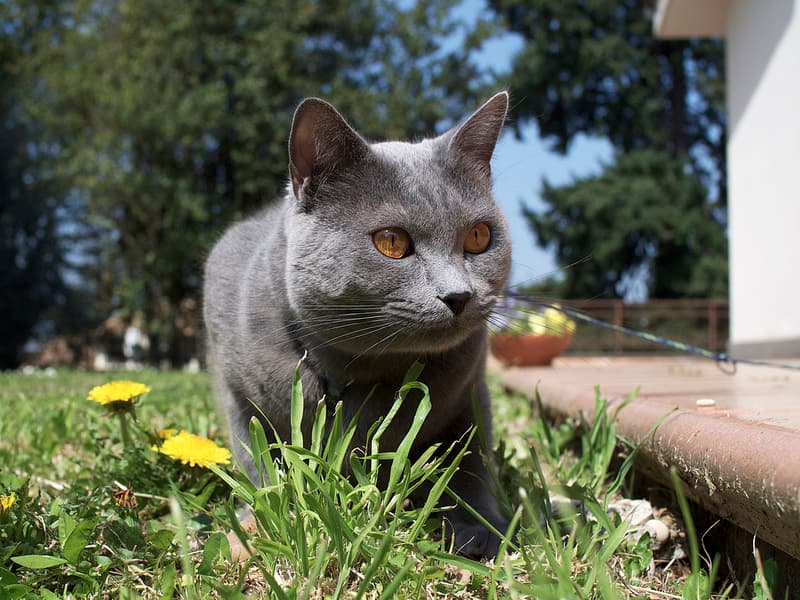
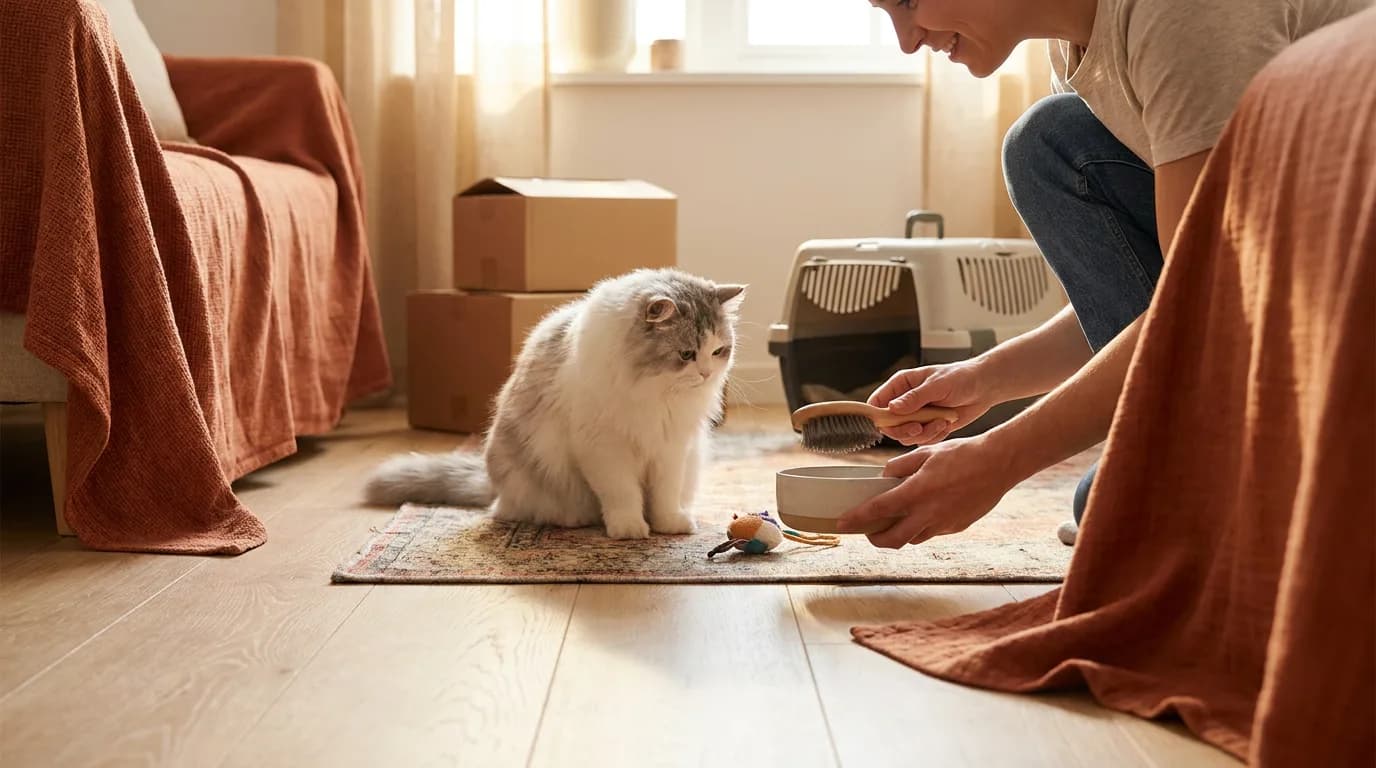
American Shorthair Cat Price: Cost and Lifetime Budget
American Shorthair price is only the first budget line. Compare dated purchase and adoption estimates with setup, annual care, emergency reserves, and transparent lifetime scenarios.

Petful is reader supported. As an affiliate of platforms like Amazon and Chewy, we may earn a commission when you buy through links on this page. There is no extra cost to you.
American Shorthair cat price estimates in the United States currently run about $500 to $1,500 or more from a breeder and roughly $50 to $200 through adoption, according to a May 2026 secondary-market guide. Those ranges are planning references, not quotes or quality scores. Location, records, included veterinary care, travel, age, and seller practices can change the amount substantially.
The acquisition fee is only the opening line. A realistic decision also includes first-year supplies, food, litter, preventive and dental care, insurance choices, travel, pet sitting, replacement equipment, and an emergency reserve. This guide bridges the advertised price to a transparent lifetime budget without pretending one total fits every household.

Sign up for expert-backed reviews and safety alerts all in one place.
American Shorthair cat price at a glance
The 2026 Catster American Shorthair cost guide lists $500 to $1,500 or more for a breeder purchase, $50 to $200 for adoption, and $235 to $360 for initial setup and supplies. Treat those figures as one dated secondary estimate. Actual local quotes and veterinary costs may fall below or above them.
Price should answer “What is included?” before it answers “Is this expensive?” A $1,200 quote that includes documented pedigree, registration, veterinary examination, age-appropriate vaccination, microchip, contract, and post-placement support is a different package from a $1,200 listing with no traceable records.
Keep four budgets separate:
- Acquisition: Purchase price, adoption fee, deposit, and registration transfer.
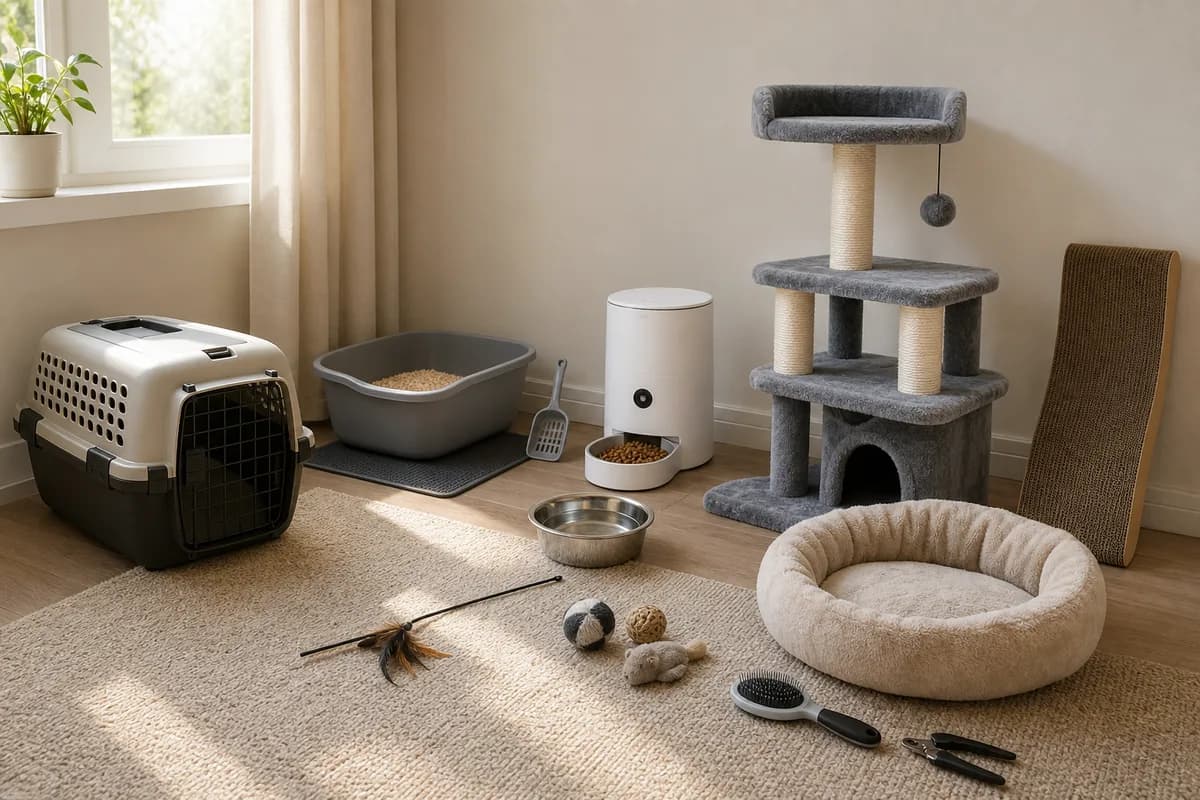
- Setup: Carrier, litter setup, bowls, scratchers, resting areas, toys, grooming tools, and home safety changes.
- Recurring care: Food, litter, routine veterinary care, dental care, parasite prevention as indicated, insurance premiums, and replacement supplies.
- Unpredictable cost: Emergency care, chronic disease, major dentistry, travel changes, behavioral support, and household disruption.
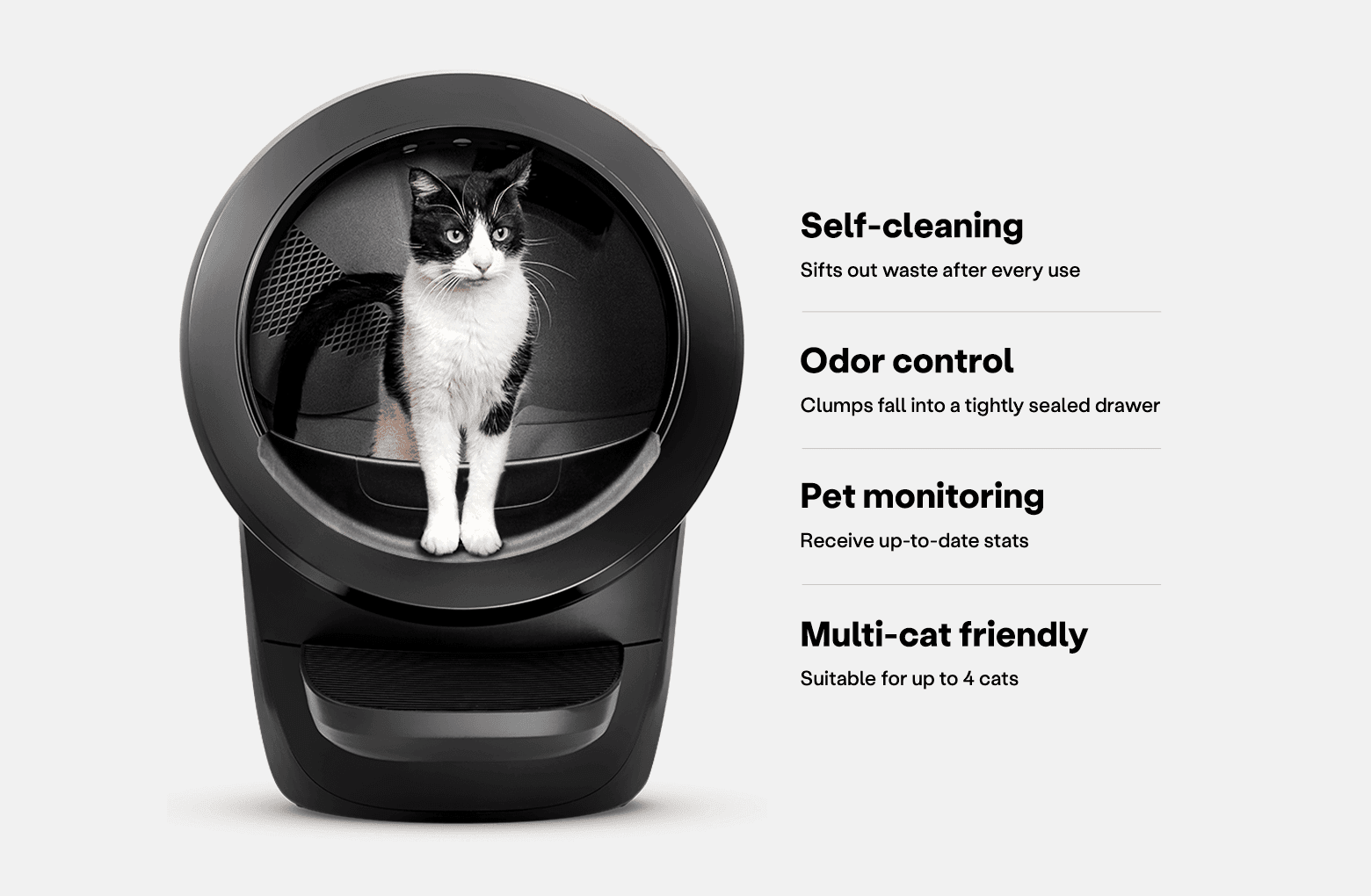
The proven Litter-Robot trusted by 1.8M+ households, with real-time litter and waste tracking in the Whisker app. The established pick if you want Litter-Robot reliability for less.
Petful may earn a commission when you click through to Whisker, at no extra cost to you.
- 1Current secondary estimates place breeder purchases around $500 to $1,500 or more and adoption around $50 to $200
- 2These are dated planning ranges, not guarantees
- 3Compare what the quote includes before comparing price alone
- 4Build the decision around first-year, annual, and contingency costs
American Shorthair cat price: current estimates
A breeder quote can vary with region, lineage, age, intended placement, included care, registration terms, and transportation. Show potential or a heavily marketed color may raise the asking price, but neither proves that the seller is responsible or the cat is a good household fit.
Treat the figures here as dated estimates rather than guarantees. The American Shorthair cat price, American Shorthair price, American Shorthair cat cost, and American Shorthair kitten price can change by region and availability. Record the source date, replace broad ranges with current written local quotes, and compare what each quote includes. This approach keeps a planning range useful without presenting it as a promise about one seller, rescue, kitten, or future veterinary bill.
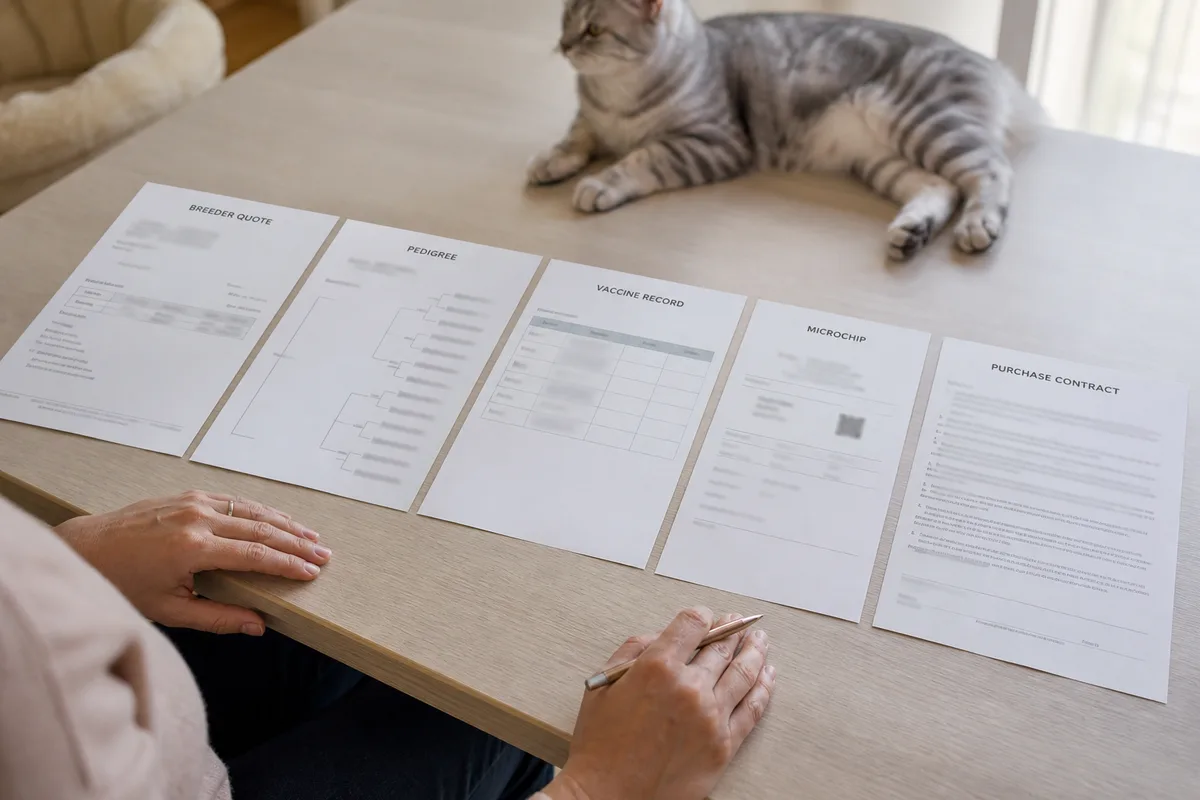
Ask the seller to itemize:
- Full purchase price and deposit amount.
- Whether the deposit is refundable and under which conditions.
- Pedigree and registry documents the buyer receives.
- Veterinary exam, vaccinations, deworming, microchip, and spay or neuter terms.
- Pickup date, carrier, health certificate, delivery, or travel charges.
- Written return policy and support after placement.
The TICA Pet Buyers Guide and CFA pedigreed-cat buyer guide provide verification questions that should be resolved before a deposit. A registry affiliation can help locate a starting point, but it does not certify every seller action or payment request.
What changes a breeder quote?
Geography matters because local demand, veterinary services, housing costs, and travel vary. Age matters because a kitten, retired adult, and rehomed cat may include different veterinary work and placement terms. Documentation matters because pedigree and registration transfer require traceable records.
Color should be treated carefully. A seller may charge more for a currently popular silver tabby, black, calico, or tuxedo-style coat. That is a market choice, not evidence of superior health, temperament, or ancestry. Petful's American Shorthair colors guide explains why coat appearance cannot carry the pedigree decision.
The broad American Shorthair breed guide helps a buyer compare a documented cat with the full standard. Do not pay a breed premium for a shorthaired lookalike unless the records support the claim.
Compare evidence before negotiating price
Put every quote through the same evidence screen before deciding which amount is attractive. Confirm the seller's identity, meet through a live visit or live video, match the pedigree and veterinary records to the kitten, and read the contract. Only then compare included care and price.
This order matters because a low unsupported quote can become expensive after surprise transport fees, missing veterinary care, or a nonexistent kitten. A high quote can also be poor value when it relies on scarcity language and bundled supplies instead of records and responsible practices.
Record each unresolved question beside the dollar amount. If the cheapest quote has the longest missing-evidence list, it is not yet the cheapest comparable option.
Adoption, rescue, and retired-adult costs
Adoption fees often cover part of the care provided before placement, such as an examination, vaccinations, microchip, or spay or neuter. Ask for the actual record rather than assuming every service is included. A documented pedigreed American Shorthair may appear in rescue, but many shelter labels describe resemblance rather than known ancestry.
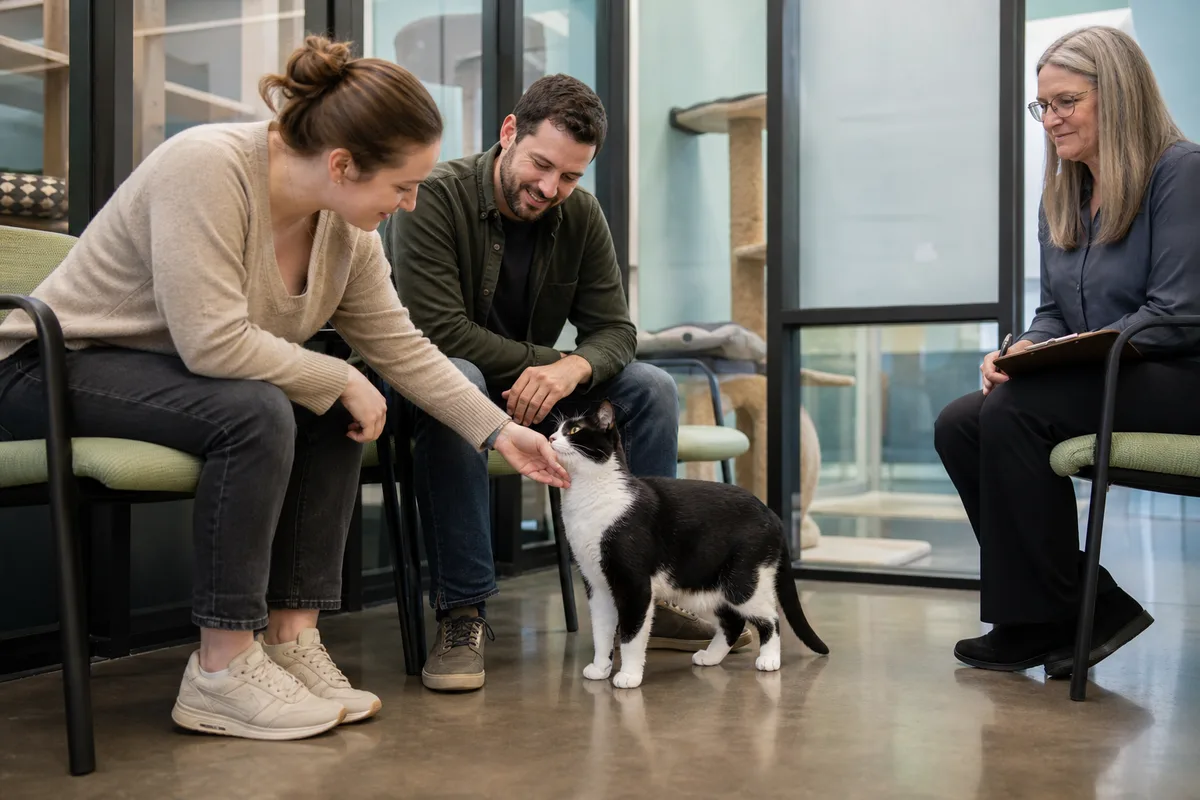
Compare routes on more than the fee:
- Shelter or rescue: Lower typical acquisition fee, observable adult behavior, records that vary in completeness, and often no documented pedigree.
- Retired adult from a breeder: Potentially traceable ancestry and established medical history, with a need to understand prior living conditions and transition needs.
- Owner rehoming: Cost and documentation vary widely; verify identity, veterinary history, microchip transfer, and authority to place the cat.
- Pedigreed kitten: Higher typical acquisition cost and more opportunity to assess breeder practices before placement, but personality and future health remain uncertain.
Free is not the same as cost-free. An informal rehoming can require immediate examination, vaccination, parasite treatment, dentistry, microchipping, or spay or neuter care. Budget from the known medical record, not from the acquisition line alone.
Ask the receiving veterinary clinic which records are sufficient and what should be scheduled after placement. An included “vet check” can mean different things, and a vaccine name without a date, manufacturer, or clinic may be hard to interpret. Avoid subtracting a service from the first-year budget until the documentation is usable.

Petful may earn a commission when you click through to Chewy, at no extra cost to you.
First-year American Shorthair budget
First-year cost combines acquisition with setup and recurring care. Build the worksheet before choosing products so marketing does not control the budget. Start with safety, food, litter, transport, and veterinary care, then add convenience and enrichment.
An American Shorthair first-year cost worksheet should name the American Shorthair setup cost separately from recurring care. The cost of an American Shorthair kitten in the first year also depends on which veterinary services, records, transport, and supplies are already included at transfer.
| Category | Planning question |
|---|---|
| Acquisition | What is the verified purchase price or adoption fee, and which records and services are included? |
| Veterinary start | Which examinations, vaccines, microchip, sterilization, parasite, or dental needs remain? |
| Safe transport | Does the cat have a secure size-appropriate carrier and a travel plan? |
| Home setup | Which litter, feeding, water, scratching, resting, and vertical resources are truly needed? |
| Recurring year one | What will food, litter, routine care, insurance, and replacement supplies cost locally? |
| Contingency | How will the household pay a deductible, urgent examination, emergency visit, or medication before reimbursement? |
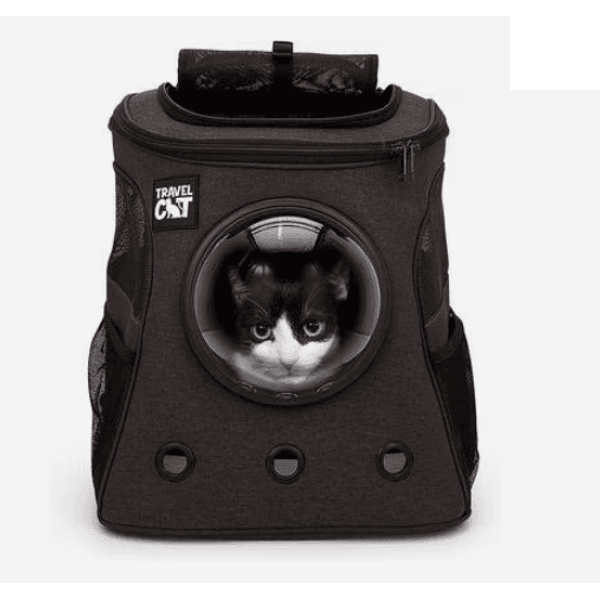
A Travel Cat Fat Cat backpack carrier may fill the transport line if its dimensions, ventilation, closures, and weight rating fit the individual. A lower-cost secure hard-sided carrier may be a better choice for some cats. The budget category matters more than the brand. For more, see Petful’s guide to cat backpack.
A stable Yaheetech multi-level cat tree can combine climbing, observation, resting, and scratching in one footprint. It is optional if the home already provides secure vertical territory and appropriate scratchers. Anchor tall furniture as directed and avoid paying for height the room cannot use safely.
One-time, recurring, optional, and unpredictable
Labeling each line prevents a one-time purchase from disguising the monthly commitment:
- One-time: Initial carrier, bowls, litter box, scratcher, bed, microchip, and home safety changes.
- Recurring: Food, litter, routine veterinary care, insurance premium, medications, and replacement filters or parts.
- Optional: Premium automation, subscription toys, decorative furniture, and upgrades beyond the cat's actual needs.
- Unpredictable: Emergency treatment, major dental work, chronic disease, behavior consultation, damaged equipment, and travel disruption.
The Whisker Litter-Robot 4 belongs in the optional or convenience category, not the minimum setup. If selected, budget for the unit, compatible litter, liners or bags, cleaning time, possible replacement parts, and a conventional backup box. Automated scooping does not replace daily observation of urine, stool, and litter-box use.
Build a first-year cash-flow calendar
The first-year total is easier to manage when each expense has a date. Place the acquisition balance and travel in the pickup month, the intake examination on the clinic's recommended timeline, and recurring food, litter, and insurance on monthly lines. Add vaccination, sterilization, microchip, or dental dates only when they are not already documented as complete.
Keep an emergency reserve outside the shopping total. A household can own every recommended supply and still be unprepared for an urgent examination. If using insurance, include the deductible, co-insurance, exclusions, and reimbursement delay in the cash requirement.
Review the calendar after the first month using actual amounts. Replace estimates with receipts, remove supplies that were truly one-time, and raise lines that were understated. A living budget is more useful than a perfect-looking launch worksheet.
Petful may earn a commission when you click through to Chewy, at no extra cost to you.
Annual and lifetime American Shorthair cost
Lifetime cost is a scenario, not a prediction. The model below uses a 15-year planning horizon from the date the cat comes home, expresses amounts in today's dollars, excludes acquisition, and assumes no inflation. It is designed to show how assumptions change the result.
| Scenario | Explicit assumption and 15-year result |
|---|---|
| Lean plan | $100 per month for recurring supplies plus $500 per year for routine and irregular care equals $1,700 per year, or $25,500 over 15 years |
| Planning case | $175 per month plus $900 per year for routine and irregular care equals $3,000 per year, or $45,000 over 15 years |
| High-support case | $300 per month plus $1,800 per year for routine and irregular care equals $5,400 per year, or $81,000 over 15 years |
| Add separately | Acquisition, first setup, inflation, boarding, major emergency or chronic treatment, insurance reimbursements, financing costs, and end-of-life care |
These are Petful planning scenarios, not market averages. Replace each assumption with local quotes. A household that spends more on food but less on insurance may reach the same total through a different path. One significant illness can exceed an annual reserve, while a healthy year may use little of it.
How insurance and inflation change the model
An insurance premium belongs in recurring spending, while reimbursements reduce only covered eligible claims after policy terms are applied. Do not subtract an assumed reimbursement from every year. Model the premium, deductible, co-insurance, annual limit, exclusions, and a realistic cash delay separately.
The table uses today's dollars so readers can compare operating assumptions. A nominal-dollar plan would need an inflation assumption for food, litter, services, and veterinary care. Rather than inventing one rate, rerun the worksheet annually with current local prices and the cat's actual health needs.
The horizon changes the result, too. Extending the planning case from 15 to 20 years adds five years of the selected annual assumption. That is useful preparation, not a claim that one cat will live exactly 20 years.
Replace assumptions with household evidence
To personalize the model:
- Add twelve months of actual food and litter quotes.
- Add insurance premium or a self-funded medical contribution.
- Add the regular clinic's exam and expected preventive-care estimate.
- Add dental planning based on veterinary findings, not a fixed annual promise.
- Add pet sitting, travel, medication, and replacement supplies.
- Choose a reserve large enough to cover the insurance deductible and reimbursement delay, or the first emergency decision if uninsured.
The correct horizon may be longer or shorter than 15 years. The American Shorthair health and lifespan guide explains why a population range cannot predict one cat. Run a 20-year case if the household wants a more conservative long-term view.

63-inch multi-level cat tree with scratch posts, hammock, plush perches, and dangling toys. Vertical territory is non-negotiable for high-energy climbing breeds like the Bengal.
Petful may earn a commission when you click through to Chewy, at no extra cost to you.
Recurring food, litter, and enrichment costs
Food costs depend on calorie needs, format, brand, clinical requirements, waste, and local prices. Compare diets on complete-and-balanced suitability, feeding amount, veterinary guidance, and cost per day rather than bag price alone. Avoid choosing an American Shorthair-specific diet based only on a breed picture.
The Petlibro Granary WIFI automatic feeder can support scheduled measured dry-food portions. Include it only if automation solves a real routine problem. It does not choose the correct calorie target, serve wet food safely, or prove which cat ate the meal.
Litter spending includes more than litter itself. Boxes wear out, mats need washing or replacement, waste bags add cost, and automated units need ongoing maintenance. A second Litter-Robot 4 reference is relevant only when comparing the total cost of automation with ordinary boxes over time. Keep at least one safe backup during introduction and service interruptions.
Keep enrichment economical
Enrichment can remain economical. Rotate a small toy set, use safe cardboard boxes, provide window observation, and schedule interactive play. A second Yaheetech cat tree link helps price vertical territory as a multi-year asset. Inspect platforms, anchors, fabric, and scratching surfaces so replacement occurs for safety rather than fashion.
Health, insurance, and emergency planning
Routine veterinary cost depends on age, location, findings, vaccination and parasite needs, and dental health. Insurance cost depends on age at enrollment, region, deductible, reimbursement percentage, annual limit, exclusions, and premium changes. Read the policy rather than assuming “covered” means no cash is needed.
The American Shorthair health and lifespan guide owns American Shorthair lifespan, American Shorthair cat health issues, and American Shorthair cat weight. Use that health context to revise insurance, preventive-care, nutrition, and emergency assumptions without treating a breed average as an individual forecast.
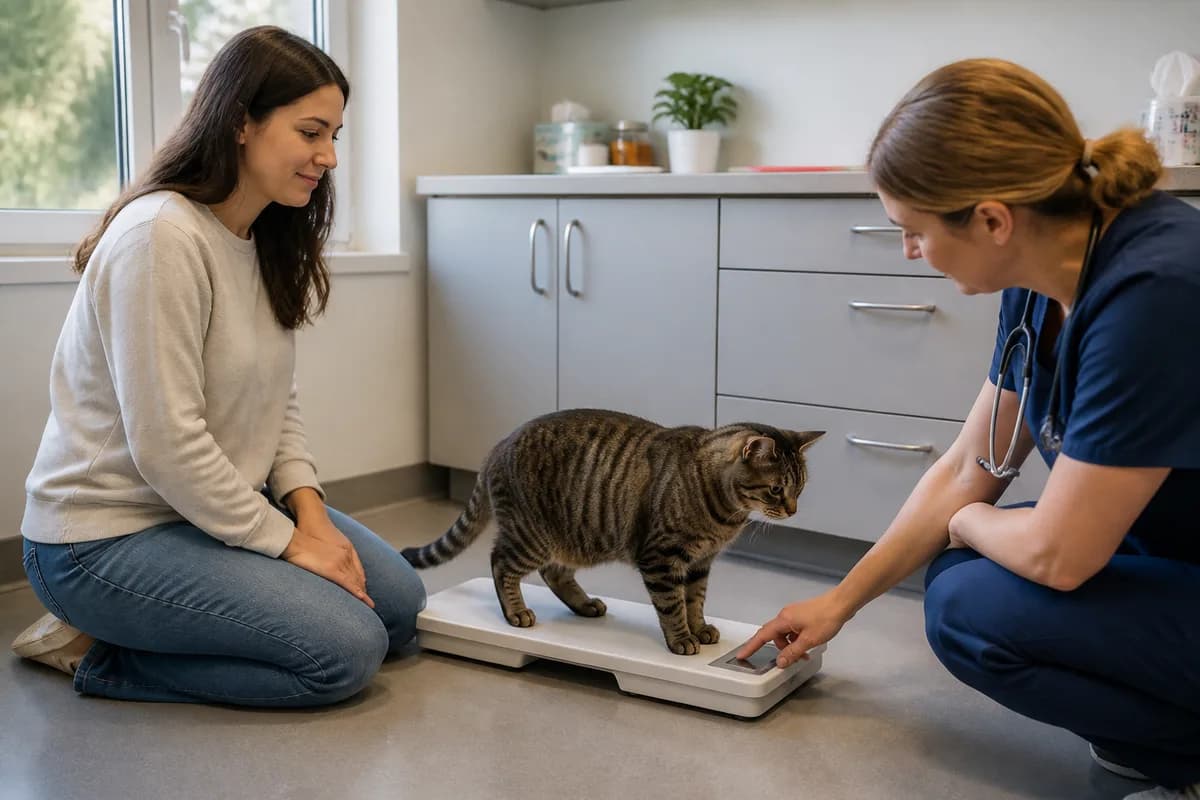
An emergency plan should answer:
- Which regular and emergency clinics will the household use?
- How much can be paid immediately before reimbursement?
- What deductible and co-insurance apply?
- Which conditions, dental services, examinations, or medications are excluded?
- Who can transport the cat, and where is the carrier?
- How will the plan change if income or housing changes?
Also budget time. A lower-cost clinic farther away can add transportation and missed work, while a high-deductible policy can require a larger liquid reserve. Pet sitting, medication administration, and follow-up visits may be necessary even when the original treatment is covered.
Ask for written estimates when a veterinarian recommends non-urgent care. An estimate can clarify diagnostic, treatment, medication, follow-up, and monitoring lines without committing the household to a diagnosis from a cost article.
Revisit the budget when the cat enters a new life stage, receives a diagnosis, changes diet, or needs ongoing medication. Separate the new recurring amount from the one-time diagnostic period so the household can see both the immediate cash need and the longer commitment.
Assign responsibility before an urgent bill
If several people share expenses, write down who pays premiums, routine invoices, emergency deposits, food subscriptions, and pet sitting. Clear ownership prevents a critical bill from being assumed to belong to someone else.
The Travel Cat carrier is a budgeted safety item when it remains accessible and the cat can enter without a prolonged struggle. Practice short carries and vehicle restraint before a crisis. Do not store the only carrier behind packed boxes.
A Petlibro automatic feeder can help maintain a schedule during a normal workday, but it is not a substitute for a caregiver or pet sitter. Budget for direct human checks during travel, illness, or power and network failures.
How to compare quotes before paying a deposit
Use Petful's American Shorthair breeder and adoption guide for the complete verification sequence. The price-page rule is that no discount, rare-color story, or same-day deadline should bypass identity, welfare, records, and contract checks.
Search results for American Shorthair kittens for sale can help a buyer collect current quotes, but the linked owner page should control seller verification. Compare the same inclusions, contract terms, registration status, pickup or transport plan, and refund conditions before treating one advertised number as cheaper than another.
- Pause if a seller pressures a deposit, refuses live contact, provides inconsistent pedigree or veterinary records, requests gift cards or cryptocurrency, or adds surprise shipping fees. Compare itemized written quotes only after independently verifying the seller and kitten.
The FTC pet-scam guidance highlights payment pressure, unverifiable sellers, and invented fees. Reverse-search listing photos, verify contact information outside the seller's message, and ask another person to review the evidence.
Use a five-column quote sheet:
- Seller or organization and verified contact details.
- Acquisition amount and deposit terms.
- Included identity and veterinary records.
- Pickup, travel, registration, and follow-up obligations.
- Missing evidence and the date each question was resolved.
Do not rank quotes until the missing-evidence column is empty enough to make a safe decision. A $700 listing with weak records is not automatically a bargain beside a $1,200 documented placement.
American Shorthair price FAQs
These answers resolve the captured rarity question and the two decisions that most affect a complete budget.
American Shorthairs are an established pedigreed breed, but local breeder and adoption availability can vary. Are American Shorthair cats rare in a particular region? Only current, independently verified local availability can answer that narrower question. Rare is not a price standard, quality score, or proof of ancestry. Compare documented identity, seller practices, included care, wait time, and household fit rather than paying extra because a listing uses scarcity language. Availability varies, and rarity does not prove value.
A useful quote itemizes purchase price, deposit and refund terms, pedigree and registration documents, veterinary care, vaccination and microchip status, sterilization terms, pickup or travel costs, contract, return policy, and post-placement support. Verify the seller and kitten separately before comparing totals.
There is no single reliable total. In Petful's 15-year planning model, explicit recurring and irregular-care assumptions produce scenarios from $25,500 to $81,000 before acquisition, first setup, inflation, major emergencies, and reimbursements. These lifetime scenario assumptions are planning inputs, not a guarantee. Replace every assumption with local quotes and run a longer horizon if desired.

Coreen Saito is a pet writer and longtime shelter volunteer with more than a decade in animal rescue. She covers cat behavior, breed care, and the small, ordinary science of sharing a life with companion animals, with a particular focus on honest takes about the products and decisions that actually matter. At home in Arizona, she's outranked by Mac (a dog with the loudest opinion in the house), Rebel (a cat who governs by quiet authority), and Meri (an orange tabby who runs the late shift and the laundry basket). She writes about all three, plus the rescues that keep coming through her life, at LifeWithMinty.com.
Sign up for expert-backed reviews and safety alerts all in one place.