American Shorthair Kittens for Sale: Buying Safely
American Shorthair kittens require separate checks for breed identity and seller practices. Verify breeders, records, contracts, adoption routes, payments, and the kitten's first days.
Petful is reader supported. As an affiliate of platforms like Amazon and Chewy, we may earn a commission when you buy through links on this page. There is no extra cost to you.
American Shorthair kittens for sale should be evaluated through two separate evidence tracks: proof that the kitten belongs to the registered breed and proof that the seller uses responsible practices. A pedigree can support identity but cannot guarantee humane care. A clean website or friendly conversation can feel reassuring but cannot establish ancestry. Verify both tracks before paying a deposit.
This guide does not endorse breeders, rescues, marketplaces, or listings. It shows how to compare breeder, adoption, and retired-adult routes; verify records and living conditions; recognize payment pressure; and prepare for a kitten's first days without turning a breed label into a guarantee.

Sign up for expert-backed reviews and safety alerts all in one place.
American Shorthair kittens at a glance
Start with the breed definition. An American Shorthair is a registered pedigreed breed, not a general label for every shorthaired kitten in the United States. The Petful American Shorthair breed guide explains the full standard and appearance-versus-pedigree boundary.
Then evaluate the seller independently. The TICA Pet Buyers Guide recommends direct contact, visits when possible, careful review of contracts and health records, and skepticism about pressure or unverifiable claims. A registry listing can be a useful starting point, but inclusion is not a warranty for every transaction.
The safest process moves slowly enough to verify:
- The seller's real identity and location.
- The kitten's live existence and current environment.
- Pedigree and registration information tied to the same kitten.
- Veterinary, vaccination, microchip, and health documentation.
- Parent information and any breed-relevant screening records.
- Written price, deposit, pickup, return, and support terms.
Petful may earn a commission when you click through to Chewy, at no extra cost to you.
- 1Verify the kitten and seller before sending money
- 2Breed identity requires traceable pedigree and registry evidence
- 3Responsible seller practices require separate proof through live access, records, contracts, and care
- 4Registry listings are starting points, not transaction guarantees
| Decision | Stronger evidence |
|---|---|
| Breed identity | Pedigree and registry records matched to the individual kitten |
| Seller identity | Verifiable name, location, direct contact, and consistent public history |
| Kitten existence | Live visit or live video showing natural movement in the current environment |
| Health care | Veterinary records, vaccination details, microchip information, and transparent screening discussion |
| Placement terms | Written contract, return policy, pickup date, support terms, and itemized payment schedule |
| Payment safety | Time for independent checks, traceable payment method, and no invented emergency fees |
Where American Shorthair kittens are listed
Buyers may find an American Shorthair kitten through an established breeder, a breed-club or registry starting point, a rescue, a shelter, or an owner rehoming an adult. General marketplaces and social posts may also appear in search results, but visibility does not establish legitimacy.
Searches for American Shorthair kittens for sale, American Shorthair cat kittens, or an American Shorthair cat for sale should produce leads, not endorsements. This seller-neutral verification checklist makes no seller endorsements and requires the same identity, welfare, and payment evidence regardless of where a listing appears. That distinction matters in a listing-dominated SERP, where polished photos can outrank the records a buyer actually needs. Use the checklist to compare evidence, never to imply Petful approval.
The CFA guide to getting a new pedigreed cat emphasizes preparation, breeder questions, health information, and realistic timing. Use official directories to collect names, then investigate each seller directly. Do not interpret a logo, badge, copied standard, or directory link as proof that a particular kitten or payment request is safe.
A record for every lead
Create a short comparison record for every lead:
- Seller name, location, phone, email, and website.
- Where the name was found and whether the source can be verified independently.
- Kitten's registered name or litter identifier, date of birth, sex, color, and current location.
- Live visit or video date and who was present.
- Documents received, missing items, and questions still open.
- Quote, deposit terms, payment method, pickup plan, and refund or return terms.
This record makes inconsistencies visible. If a kitten's date of birth, location, parent names, or pickup timing changes between conversations, pause until the discrepancy has a documented explanation.
How to evaluate an American Shorthair breeder
A responsible breeder should be able to explain goals, ancestry, kitten raising, health care, socialization, placement timing, and lifelong support without relying on urgency. Answers do not have to be polished, but they should be specific and consistent.
An American Shorthair breeder, American Shorthair breeders, an American Shorthair cat breeder, or a result labeled American Shorthair breeders USA still requires seller-practice evidence. Verify the person, program, parents, environment, health records, and purchase contract separately instead of assuming a directory or search rank proves responsibility.
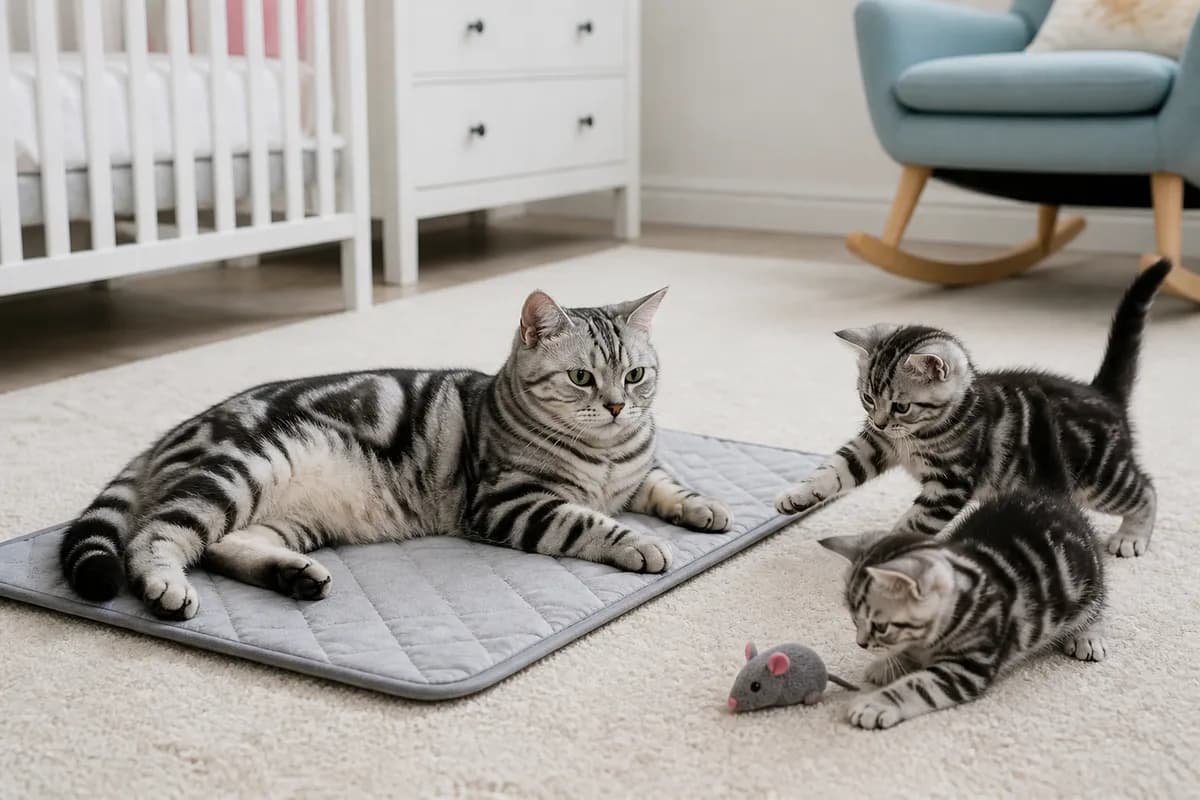
Ask to see where the kittens spend their time. Look for clean litter and resting areas, appropriate food and water access, normal movement, clear eyes, comfortable breathing, clean coats, and opportunities to interact with people. One tidy camera angle is not a complete welfare assessment, so ask the seller to move through the space naturally during live video.
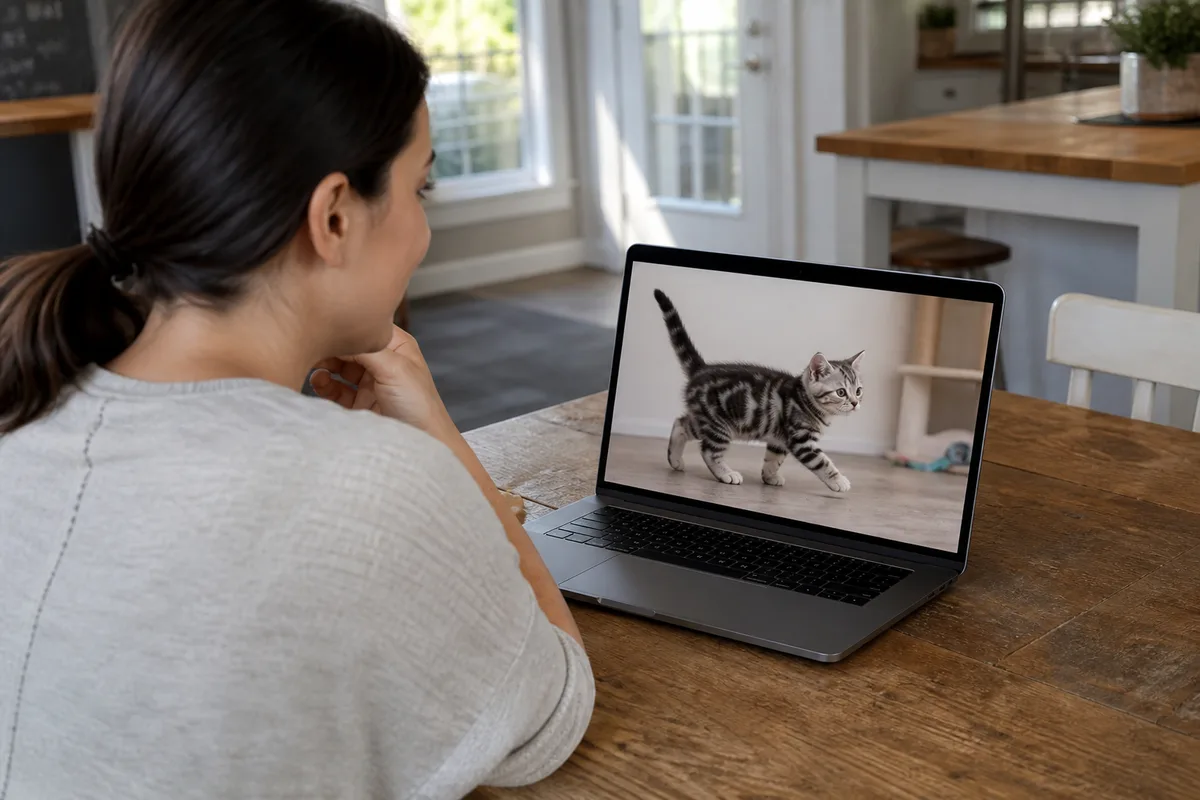
Useful breeder questions include:
- Why was this pairing chosen, and how are the parents identified?
- What social experiences have the kittens had with people, household sounds, carriers, grooming, and play?
- Which veterinarian has examined the kitten, and what documentation comes with pickup?
- Which health screening is performed on parents, and what can the results establish or not establish?
- At what age will the kitten leave, and why?
- What happens if the buyer cannot keep the cat later?
- What support is available after placement?
The kitten's mother should normally be available for observation unless there is a clear, verifiable reason. A father may live elsewhere because breeders use outside studs, but pedigree and health information should still be traceable. “The parents are champions” is not a substitute for names, records, and relevant documents.
Read the contract before emotion takes over
Ask for the complete contract early enough to read it without a kitten waiting in your arms. Mark every promise about registration, health examination, vaccination, sterilization, breeding rights, pickup, return, and support. Ask what happens if the kitten becomes ill shortly after placement and which evidence or timing the clause requires.
A written contract is part of the evidence, not a ceremonial form at pickup. It should identify the same kitten, seller, buyer, payment schedule, included records, return terms, and health-related obligations discussed before the deposit. Read it while there is still time to verify names, dates, exclusions, and verbal promises, then ask for every agreed correction in writing before sending money.
Contract language should align with the conversation. If the seller verbally promises a refund, registration paper, or transport service that the document excludes, resolve the difference in writing before payment. Do not sign a blank field or a contract that identifies a different kitten.
Keep the complete paper trail
Keep copies of the listing, messages, invoice, signed contract, records, and payment receipt. Organized documents help with microchip transfer, veterinary intake, registry questions, and any later dispute.
Transport is part of the written plan
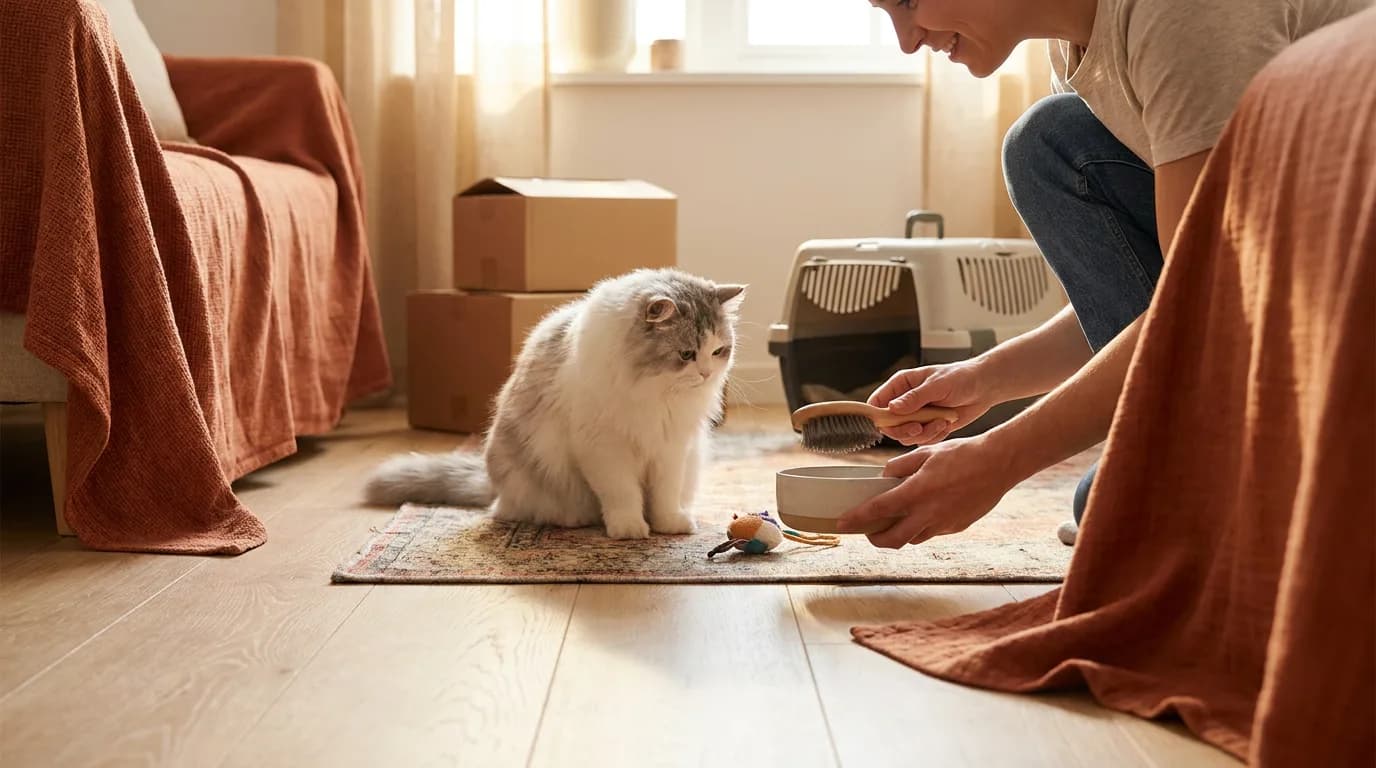
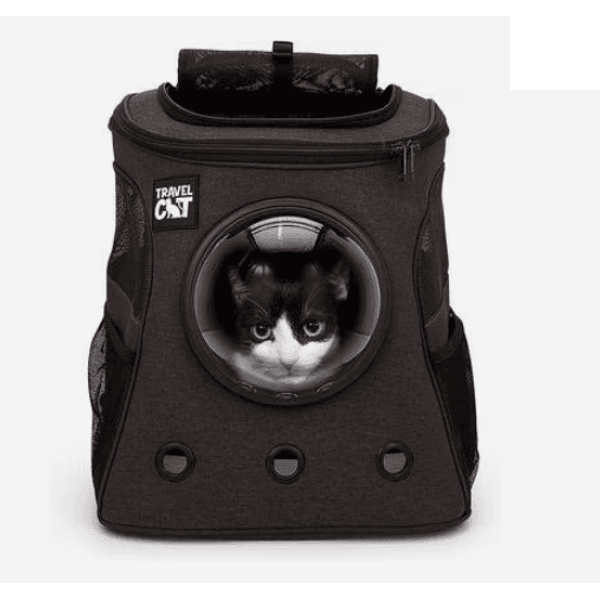
A familiar Travel Cat Fat Cat backpack carrier can support pickup and future veterinary trips if the dimensions, ventilation, and weight rating fit the kitten and expected adult. Ask what carrier experience the kitten already has, then practice voluntary entry at home rather than using confinement as punishment.
Petful may earn a commission when you click through to Chewy, at no extra cost to you.
How to confirm the kitten is an American Shorthair
Identity evidence should connect the same kitten across every record. Compare the registered name or litter identifier, sex, birth date, color, breeder, parent names, microchip number, and veterinary documentation. Small formatting differences can be harmless, but unexplained conflicts need resolution before payment.
Petful's American Shorthair cat facts and breed guide explains what a purebred American Shorthair is and why a registered breed claim needs documentary support. Those breed facts help evaluate consistency, but they do not replace a pedigree tied to this kitten.
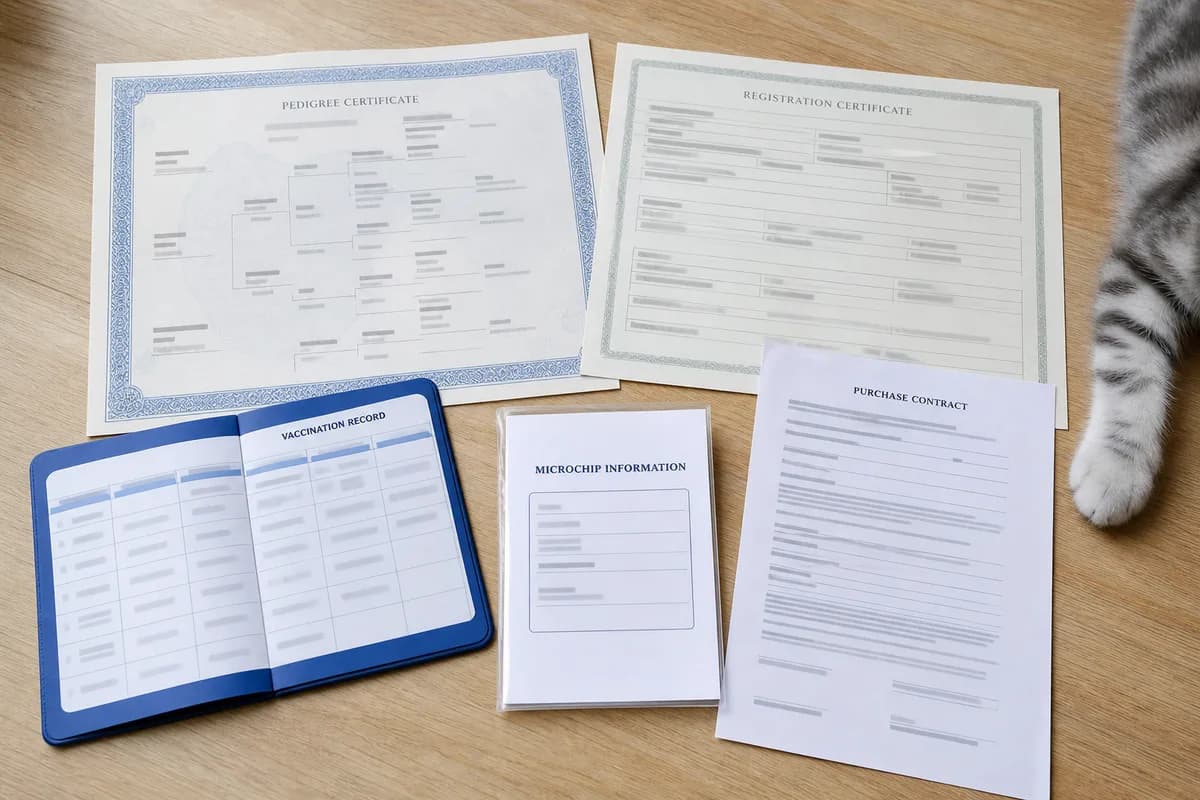
Use this sequence:
- Ask for a pedigree showing named ancestors and registry identifiers.
- Ask what registration document the buyer receives and when.
- Confirm that the breeder and parent information match across records.
- Match the microchip, veterinary record, contract, and kitten description.
- Contact the issuing organization through independently found details when a document appears inconsistent.
Coat and body features are consistency checks only. A silver classic tabby kitten with a broad face may resemble the standard, but many mixed-ancestry kittens share those traits. The dedicated American Shorthair vs Domestic Shorthair guide explains why appearance cannot carry the ancestry decision.
Petful may earn a commission when you click through to Chewy, at no extra cost to you.
American Shorthair adoption and rescue routes
American Shorthair adoption can refer to several different situations: a documented pedigreed adult entering rescue, a breeder rehoming a retired adult, or a shelter using the breed name for a similar-looking shorthaired cat. Each can lead to a good companion, but the ancestry confidence differs.
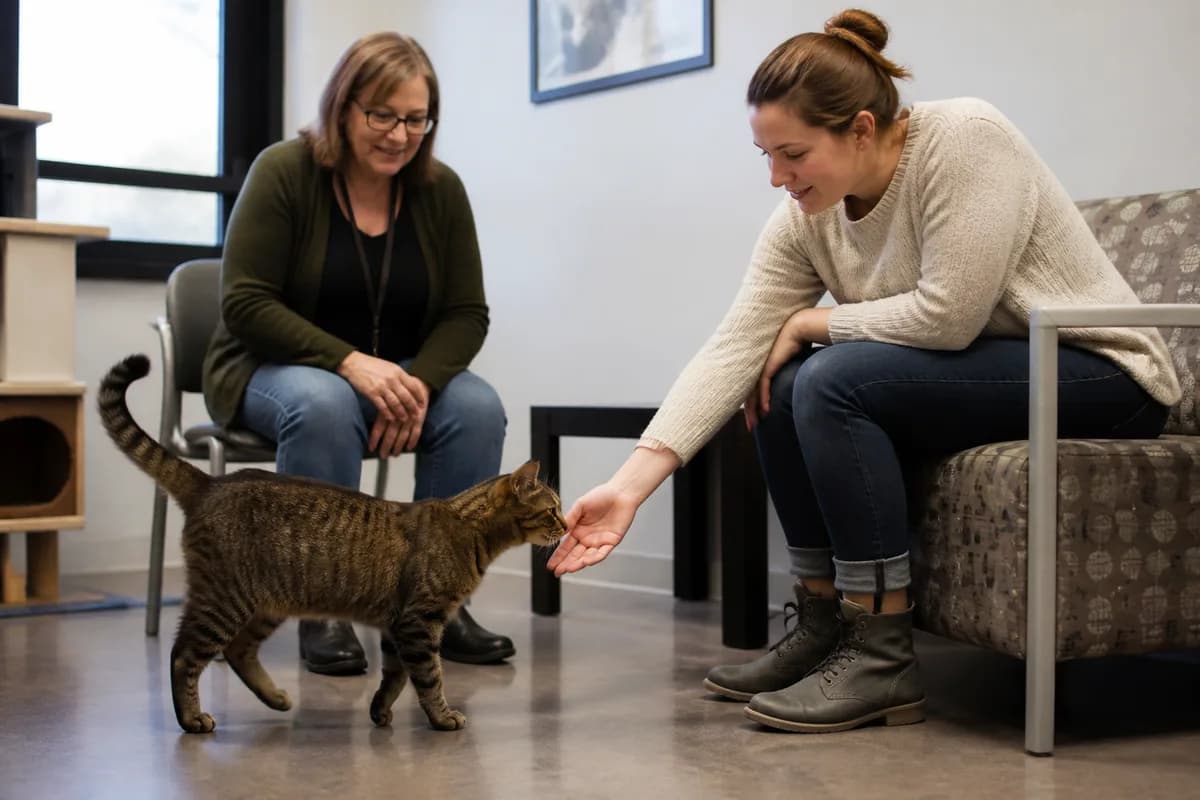
Ask an adoption organization what evidence supports the label. A transferred pedigree, registration record, microchip history, or breeder contact can provide meaningful documentation. Without those records, treat “American Shorthair” as a descriptive resemblance and focus on the individual cat.
Adoption labels may describe appearance rather than ancestry. American Shorthair cats for adoption, American Shorthair cat adoption, American Shorthair adoption, and American Shorthair rescue listings can all be worthwhile, but the organization should state what evidence supports the breed wording.
Adult adoption offers practical advantages:
- Size, coat, and much of the personality are already observable.
- Foster notes may describe litter habits, handling, activity, and pet compatibility.
- A retired adult may come with documented ancestry and established veterinary history.
- An adult may fit a quieter household better than a highly active kitten.
Compare those notes with direct observation. Ask which behaviors were seen repeatedly, in what setting, and how recently. “Good with cats” can mean one calm foster relationship, while “shy” can describe temporary shelter stress. The more specific the evidence, the easier it is to plan a safe transition.
Ask for known medical history, current medications, diet, litter preferences, handling comfort, behavior around animals and children, and the organization's return policy. A lower acquisition fee does not mean the cat will have no setup, dental, or veterinary costs.
Price, deposits, and what a quote should include
American Shorthair kitten price varies with location, breeder program, included care, travel, and availability. This page does not own the market estimate. Use Petful's American Shorthair price and lifetime cost guide to compare the acquisition quote with setup, routine care, and contingency planning.
A written quote should separate:
- Purchase price or adoption fee.
- Deposit amount and whether it is refundable.
- Registration and pedigree documents.
- Veterinary exam, vaccinations, deworming, and microchip status.
- Spay or neuter terms when applicable.
- Travel, delivery, carrier, or health-certificate costs.
- Pickup date, transfer terms, and refund or return provisions.
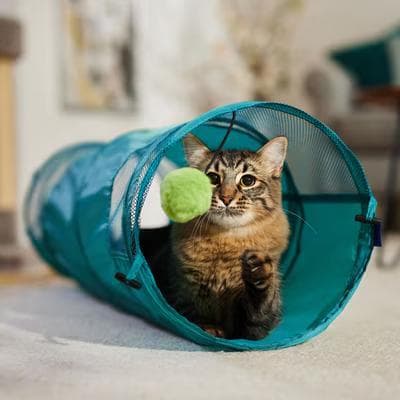
Petful may earn a commission when you click through to Chewy, at no extra cost to you.
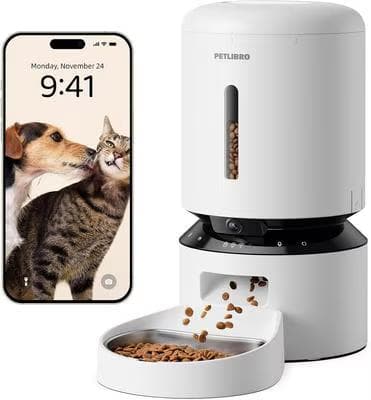
Do not let an automatic product list become part of a false urgency bundle. The Petlibro Granary WIFI automatic feeder can help with measured dry-food timing later, but it is not a reason to accept a seller's higher package price or skip verification. Choose home supplies separately after confirming what the kitten already eats and how meals are managed.
Payment and pet-scam red flags
The FTC pet-scam guidance warns buyers to verify sellers and resist payment pressure. Scammers often reuse attractive photos, invent transportation problems, or add surprise fees after the first transfer.
Before you buy an American Shorthair kitten, search for the seller name alongside American Shorthair kitten scam and American Shorthair breeder scam reports. A search result is not proof by itself, but consistent complaints, copied identities, payment pressure, and refusal of live contact are reasons to stop and investigate.
- Pause if a seller refuses live contact, will not show the kitten in real time, requests gift cards or cryptocurrency, invents repeated shipping fees, supplies inconsistent records, or claims another buyer will take the kitten unless money is sent immediately. Independent verification should become easier as the transaction progresses, not harder.
Red flags include:
- Photos found on unrelated sites through reverse-image search.
- A seller name, phone, location, and payment recipient that do not align.
- A website that copies another cattery's text or pedigree images.
- No live visit or live video showing the requested kitten.
- Shipping-company messages from newly created or misspelled domains.
- Demands for an “air-conditioned crate,” insurance, quarantine, or refundable transport fee after initial payment.
- Refusal to provide a written contract before the deposit.
Ask a trusted person to review the evidence before payment. Excitement and fear of missing out narrow attention. A planned pause makes it easier to notice contradictions.
The first days with your kitten
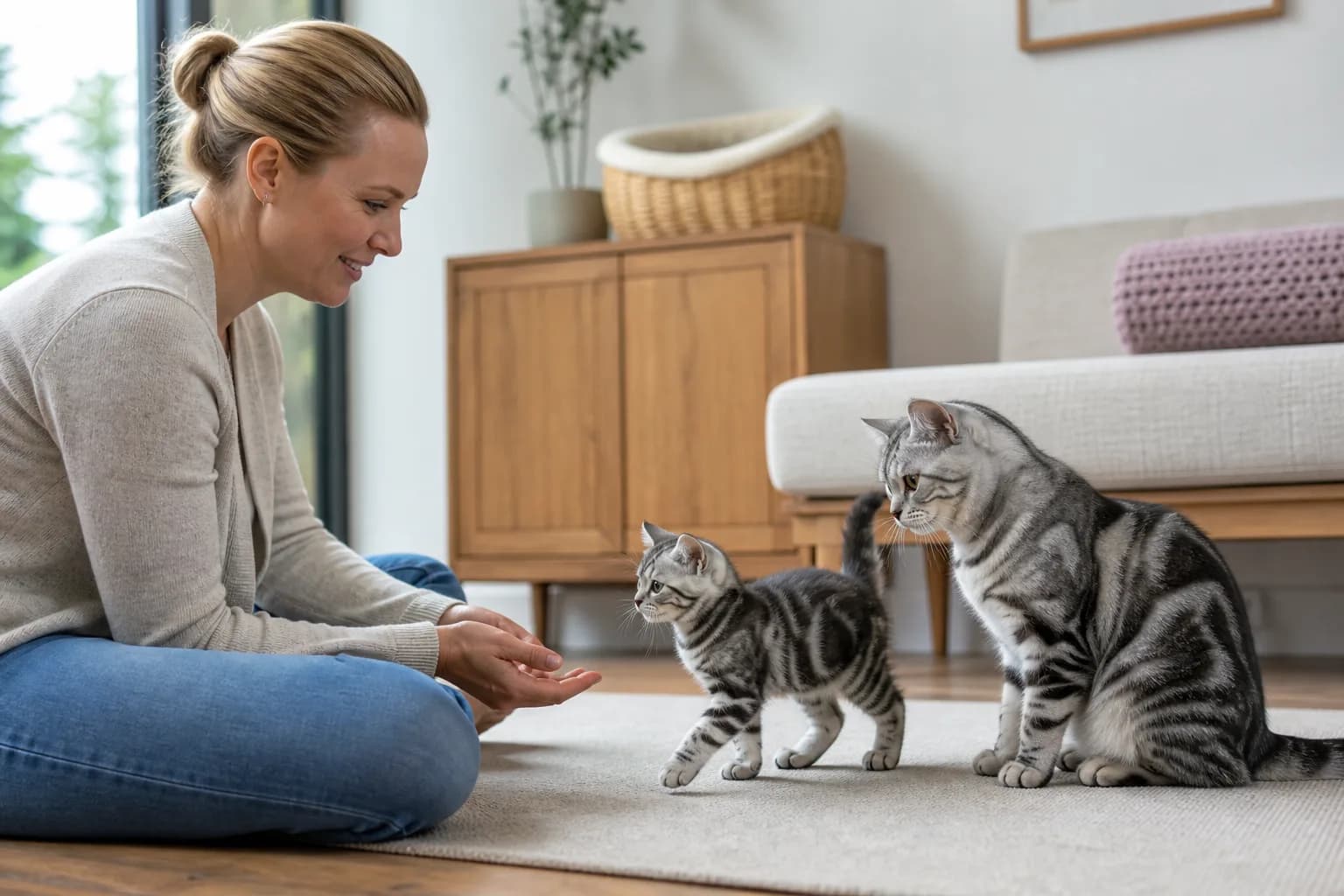
Prepare one quiet starter room before pickup. Include the same litter type and food the kitten knows, multiple water options, a secure hiding place, an open carrier, a scratcher, a comfortable rest surface, and a few simple toys. Remove cords, strings, toxic plants, recliner hazards, and openings where the kitten can become trapped.
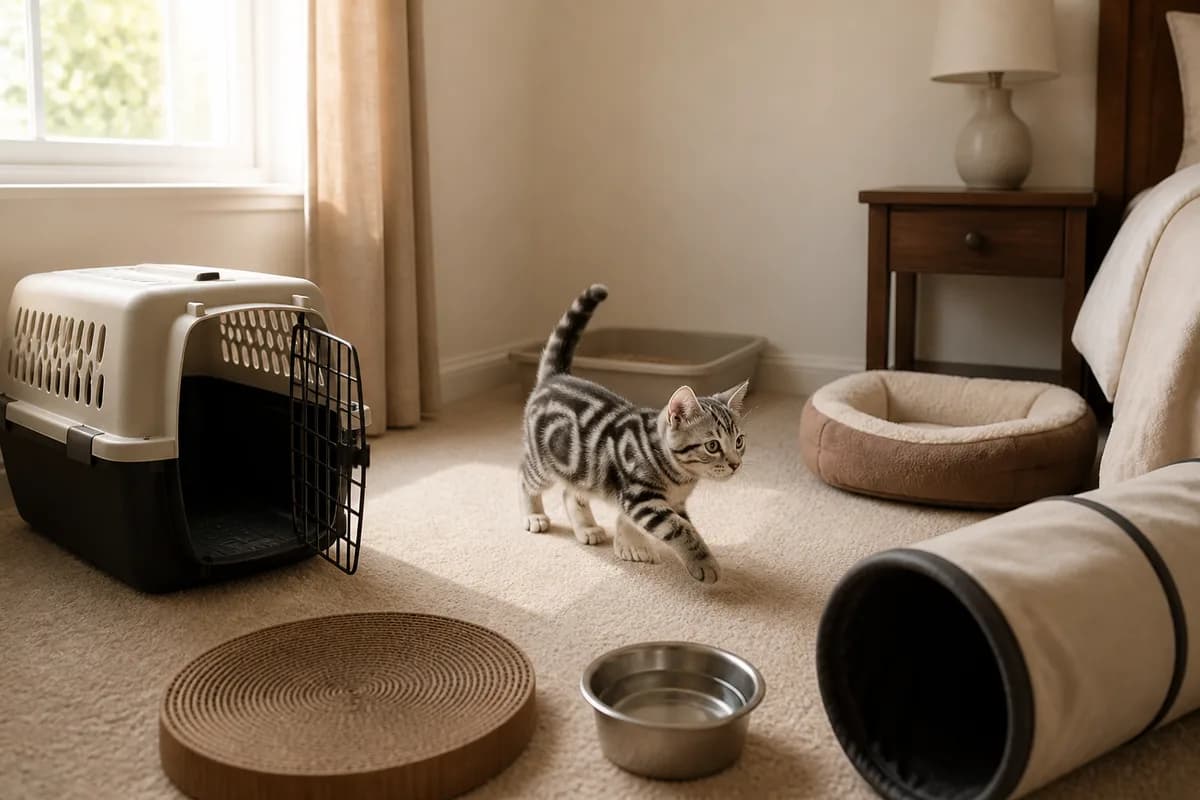
The Frisco foldable play tunnel can provide a hide-and-play option when it remains stable, intact, and supervised until the kitten's behavior is known. Keep the tunnel away from door swings and stairs. Retire it if wire, mesh, or seams become exposed.
- Some kittens need roughly three days to decompress, three weeks to learn routines, and three months to feel fully at home, but these are not deadlines. Progress can be faster, slower, or uneven. Use appetite, elimination, play, sleep, grooming, social choices, and veterinary findings to guide the pace.
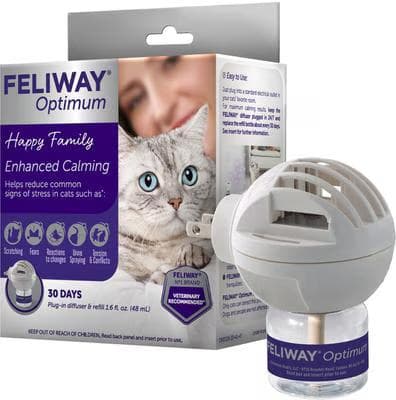
For early transition support, a Feliway Optimum diffuser starter kit may be one environmental option, but it cannot make an unsafe introduction safe or treat illness. Follow product directions, place it where airflow permits, and continue providing distance, predictable routines, and separate resources.
Health follow-up during the transition
The American Shorthair health and lifespan guide explains weight, preventive care, grooming, dental health, and signs that need veterinary attention. New-kitten plans should follow the individual's veterinary records and current condition rather than breed assumptions.
The broader WebVet guide to kitten toys can help you vary chase, pounce, kick, puzzle, and solo activities. Inspect every toy for loose parts and put string-style toys away after supervised play.
Arrange a veterinary intake visit on the timeline recommended by the clinic and contract. Bring every record and a list of food, litter, medications, supplements, behavior observations, and questions. The goal is to establish an individual baseline, not to repeat a seller's general breed description.
Track the first week
Track food intake, urine, stool, vomiting, breathing, play, sleep, and hiding during the first week. Contact a veterinary team about meaningful change, especially reduced appetite, repeated vomiting or diarrhea, breathing difficulty, straining to urinate, marked lethargy, or rapid decline.
Feeding, comfort, and transport setup
Keep the kitten on the familiar diet at first unless a veterinarian recommends a change. If switching food, transition gradually while tracking stool, appetite, vomiting, and weight. Kittens need a diet formulated for growth and enough meal opportunities for their age and clinical needs.
Build routines one change at a time
The Petlibro automatic feeder can dispense scheduled dry-food portions after the kitten is eating reliably, but direct meal observation remains important. Confirm the correct daily amount with a veterinarian, test each portion, keep wet food and water plans separate, and maintain a manual backup.
A second Travel Cat carrier link is useful because the pickup trip begins a lifetime skill. Secure the carrier in the vehicle, keep climate comfortable, never open it outdoors or in an unsecured car, and carry absorbent bedding plus cleanup supplies.
Offer the Frisco tunnel as one choice rather than the only hiding place. A kitten should also have a solid-sided refuge and open resting option. Choice helps a caregiver learn whether the kitten wants cover, elevation, warmth, distance, or social proximity.
Introductions to people and pets
Do not introduce every family member, animal, and room on the first day. Let the kitten establish eating, drinking, litter use, rest, and comfortable exploration in the starter space. Add one new variable at a time.
For children:
- Ask them to sit and let the kitten approach.
- Use toys rather than hands for play.
- Stop touch when the kitten moves away.
- Keep doors, food, litter, and small objects under adult control.
For resident cats, begin with separation and scent exchange. Feed on opposite sides of a closed door only at a comfortable distance. Move to visual access through a barrier when both animals can remain relaxed, and provide duplicate resources so neither cat must compete.
For dogs, use a leash and barrier, reward calm behavior, and protect elevated cat-only routes. A dog with intense, uncontrolled chase behavior may not be safe regardless of the kitten's confidence or breed.
The Feliway Optimum diffuser can remain part of the environment if the household chooses it, but behavior and safety decisions must come from direct observation. Hiding, reduced appetite, diarrhea, vomiting, breathing changes, or repeated conflict needs a slower plan and, when appropriate, veterinary or qualified behavior support.
American Shorthair kitten FAQs
These answers resolve the captured transition question and the most important verification routes without endorsing sellers.
The 3-3-3 rule for kittens is a flexible adjustment and decompression guide suggesting that a kitten may need about three days to settle from immediate stress, three weeks to learn household routines, and three months to feel fully at home. It is not a deadline, guarantee, or diagnostic tool. Use the stages only as planning prompts, and follow the individual kitten's appetite, litter use, sleep, play, social choices, recovery from stress, and veterinary needs. Some kittens adjust faster or slower, so change the plan when the evidence says to.
Confirm the breeder's real identity, use live visits or live video, match pedigree and registry information to the same kitten, review veterinary and parent records, read the contract before paying, and verify claims through independently found contact information. A directory listing is a starting point, not a guarantee.
Yes. Documented pedigreed adults can enter rescue or be rehomed after retirement, and shelters also list shorthaired lookalikes as American Shorthairs. Adoption labels may describe appearance without documenting ancestry, so ask what records support the label, then choose around the individual cat's health, behavior, and household fit.

Coreen Saito is a pet writer and longtime shelter volunteer with more than a decade in animal rescue. She covers cat behavior, breed care, and the small, ordinary science of sharing a life with companion animals, with a particular focus on honest takes about the products and decisions that actually matter. At home in Arizona, she's outranked by Mac (a dog with the loudest opinion in the house), Rebel (a cat who governs by quiet authority), and Meri (an orange tabby who runs the late shift and the laundry basket). She writes about all three, plus the rescues that keep coming through her life, at LifeWithMinty.com.
Sign up for expert-backed reviews and safety alerts all in one place.