American Shorthair Lifespan and Health: What to Know
American Shorthair lifespan is commonly estimated at 15 to 20 years. Plan individual care around weight, dental health, nutrition, life stage, behavior, grooming, and timely veterinary attention.
Petful is reader supported. As an affiliate of platforms like Amazon and Chewy, we may earn a commission when you buy through links on this page. There is no extra cost to you.
American Shorthair lifespan is commonly estimated at about 15 to 20 years in current breed-care references, but that population range cannot predict one cat's outcome. Documented ancestry, family history, body condition, dental health, nutrition, indoor safety, preventive care, and timely treatment all affect long-term health. A cat outside the range is not automatically abnormal.
This guide helps owners build an observation and preventive-care plan. It does not diagnose disease or replace a veterinarian. Changes in breathing, appetite, urination, mobility, weight, grooming, or behavior matter because they are changes in the individual cat, not because a breed page assigns them a cause.

Sign up for expert-backed reviews and safety alerts all in one place.
American Shorthair lifespan: the short answer
The useful planning answer is about 15 to 20 years, with substantial individual variation. Use the range to prepare for a long commitment, not to predict a date or compare one cat with an average.
What is the average lifespan of an American Shorthair cat and what is American Shorthair cat life expectancy? Current veterinary-reviewed references support the same 15-to-20-year population estimate. American Shorthair lifespan for male or female cats cannot be predicted from sex alone, and the range is not a guarantee for an individual.
A lifespan estimate cannot tell whether a current change is normal. A 7-year-old cat with breathing difficulty needs urgent triage, while a comfortable 19-year-old still deserves individualized preventive and quality-of-life care. Age and breed context inform the conversation, but signs and examination drive decisions.
Turn the range into a plan
For long-term planning, budget beyond the acquisition fee, keep identification and emergency contacts current, make the carrier accessible, and adapt the home as mobility changes. Petful's American Shorthair price and lifetime cost guide provides transparent 15-year scenarios that readers can extend.
American Shorthair lifespan at a glance
The PetMD American Shorthair health guide gives a 15-to-20-year lifespan estimate and discusses weight management, dental disease, and hypertrophic cardiomyopathy as considerations. Treat the range as a planning reference. One cat's life may be shorter or longer, and a breed-level association is not a diagnosis.
The strongest health plan follows the individual across time:
- Establish baseline weight, body condition, muscle condition, appetite, and activity.
- Schedule examinations based on age, health, and veterinary advice.
- Track dental findings and build cooperative home care.
- Discuss food quantity, diet format, hydration, vaccination, and parasite prevention for actual needs.
- Record meaningful changes rather than relying on memory.
- Know which changes need prompt or emergency assessment.
American Shorthair health is not a fixed trait inherited with a registration paper. A pedigree can add family-history context, but routine observation and veterinary findings drive decisions for the cat in front of you.

Petful may earn a commission when you click through to Chewy, at no extra cost to you.
- 1Current breed-care references commonly estimate 15 to 20 years, but no range guarantees an individual outcome
- 2Weight, muscle, dental health, daily habits, preventive care, and timely treatment shape the plan
- 3Monitor trends instead of assigning symptoms to the breed
- 4Breathing difficulty, collapse, inability to urinate, severe pain, or rapid decline needs urgent veterinary triage

 Sponsored
Have a health question about your pet?
Talk to a licensed vet at Dutch over video or message, including nights and weekends.
Use code Pets60
Plans start at $12/month · covers up to 5 pets
- Licensed vets in most states
- Rx for 150+ conditions
- 4.7 on Trustpilot
What influences an American Shorthair's lifespan?
Longevity reflects many interacting factors. Genetics can influence susceptibility, but environment and care affect exposure, detection, treatment, and daily resilience. A long-lived family line does not guarantee a kitten's future, and an unknown pedigree does not make preventive care less useful.
Major planning factors include:
- Body and muscle condition: Excess body fat and muscle loss can both affect health and mobility.
- Dental health: Oral pain and disease can progress before a cat stops eating.
- Indoor safety: Vehicles, toxins, predators, infectious disease, and wildlife conflict raise outdoor risk.
- Preventive care: Examination, vaccination, parasite, dental, and screening decisions change with life stage and exposure.
- Timely response: Early assessment of a meaningful change can widen care options.
- Stable daily routine: Predictable food, water, litter, sleep, activity, and social access make changes easier to detect.
Sex by itself does not provide a personal lifespan forecast. Queries about American Shorthair lifespan male versus female often ignore the more actionable variables: sterilization status, outdoor exposure, body condition, family history, disease, and access to care.
Family history adds context, not destiny
When a pedigree is available, ask about the longevity and health of parents, grandparents, siblings, and prior litters. Look for documented diagnoses and screening dates rather than phrases such as “healthy lines.” Family information can guide veterinary conversations but cannot forecast one kitten.
When ancestry is unknown, do not invent breed risk from appearance. Establish a baseline examination and update the plan from actual findings, age, lifestyle, and medical history.
American Shorthair health considerations
The TICA American Shorthair profile describes the breed as generally healthy, while veterinary-reviewed guides discuss conditions such as hypertrophic cardiomyopathy and dental disease. These statements can coexist. “Generally healthy” does not mean disease-free, and a named consideration does not mean every cat will develop it.
American Shorthair cat health, American Shorthair cat health issues, American Shorthair health problems, and American Shorthair diseases are search labels, not diagnoses. Separate breed-level context from general feline risks and individual veterinary assessment, then respond to the cat's observed signs and examination findings. Family history may guide a veterinary conversation, but it cannot confirm or exclude disease at home, and uncertain ancestry never makes a symptom less important.
Heart health context
Hypertrophic cardiomyopathy, often abbreviated HCM, involves thickening of heart muscle and occurs in cats across breeds. A normal-looking, active cat can still need veterinary assessment based on examination, family history, or clinical signs. No home observation can rule it in or out.
Ask a breeder what heart-health information exists for parents and relatives, what screening was performed, by whom, on which dates, and what the result can establish. A single record is one point in time. It should not be marketed as a lifetime guarantee for a kitten.
If a seller mentions a “clear” heart test, ask which test was used and whose result it was. A parent's result is not the kitten's diagnosis, and a normal result at one date cannot promise that no disease will develop later. Bring the documentation to the cat's veterinarian for interpretation.
Dental health context
Cats can continue eating despite oral pain. Bad breath, dropping food, chewing differently, pawing at the mouth, reduced grooming, weight loss, or reluctance to eat can justify assessment, but absence of those signs does not prove a healthy mouth.
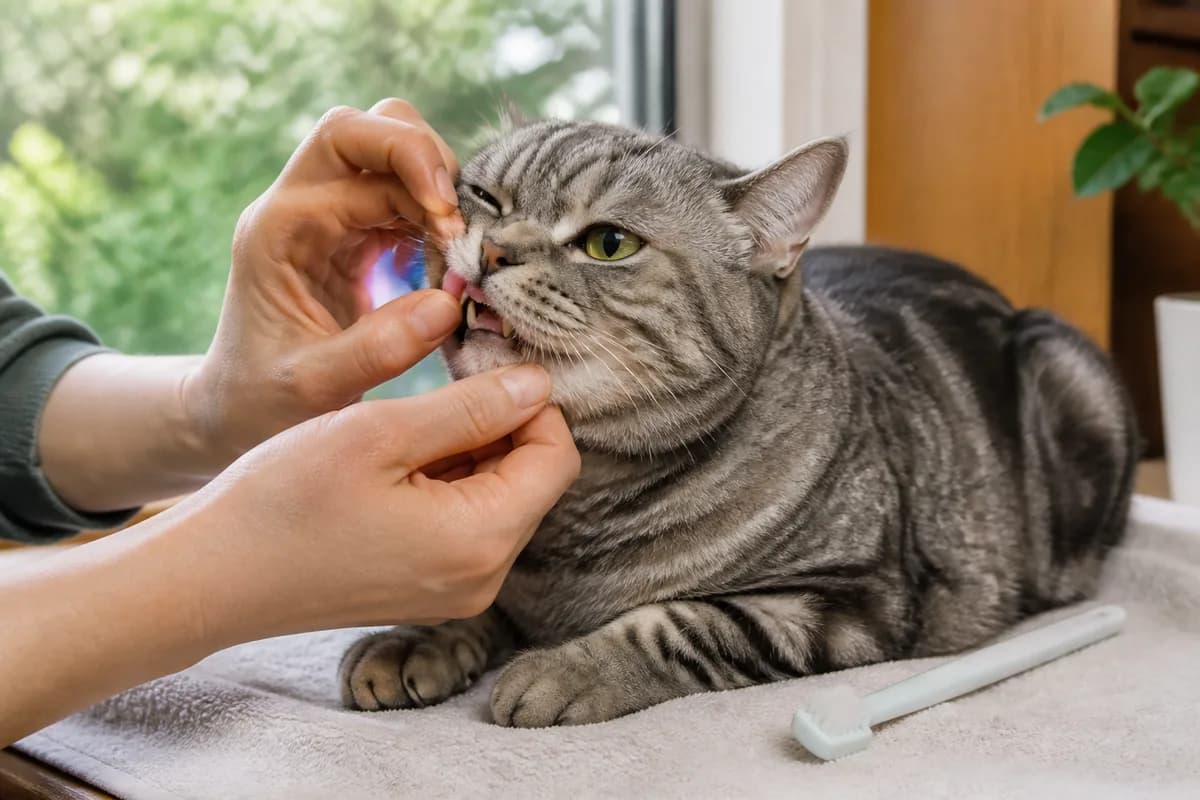
Build toothbrushing in tiny steps with a pet-safe product. Let the cat investigate the brush, reward brief lip lifting, and stop before struggle. Home care cannot remove established tartar below the gumline or replace professional recommendations.
Record what the cat normally tolerates. A sudden refusal of mouth touch, dropping food, chewing on one side, or reduced grooming can be useful context. Do not pry the mouth open or risk a bite to complete a home inspection.
Petful may earn a commission when you click through to Chewy, at no extra cost to you.
Weight, feeding, and body condition
American Shorthairs are sturdy cats, which can make excess weight look like breed substance. Use body condition, muscle condition, and trends rather than a visual stereotype or one average-weight number.
American Shorthair cat weight, average weight of an American Shorthair cat, American Shorthair cat average weight, and ideal weight for an American Shorthair cat are starting queries only. The useful answer comes from frame, body condition, muscle condition, growth or age, and veterinary assessment of the individual.
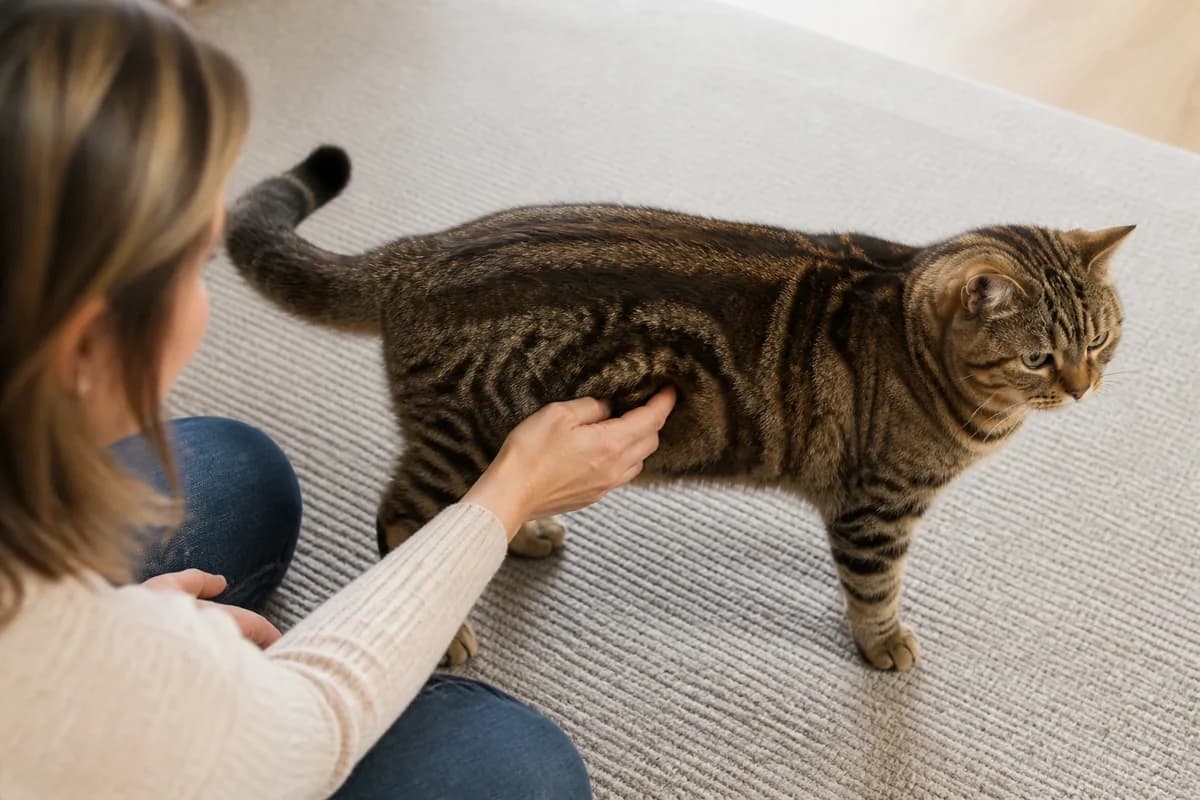
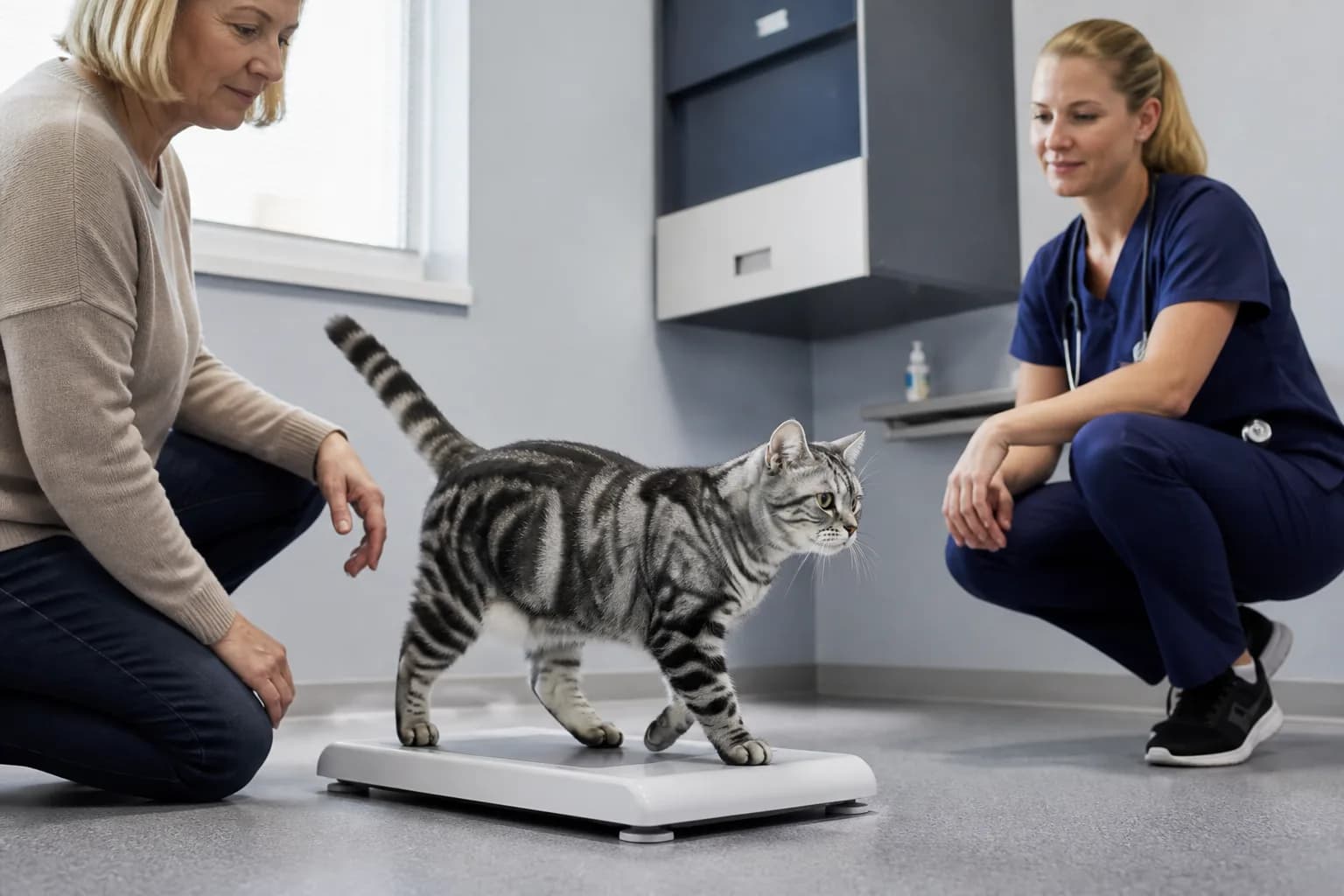
At home, observe from above and the side, then feel gently over the ribs, spine, shoulders, and hips. A veterinarian can show what an appropriate fat covering and muscle profile feel like for that individual. Sudden weight loss, steady gain, a pot-bellied appearance, or muscle loss deserves context rather than a do-it-yourself diet.
Feed a complete and balanced diet appropriate for life stage and clinical needs. Measure the amount, count treats, and revise portions based on body-condition trends. Breed name on the package is not evidence that a diet fits the cat.
The Petlibro Granary WIFI automatic feeder can dispense scheduled dry-food portions, but it cannot calculate the correct calorie target. Test each portion, clean food-contact parts, keep a manual backup, and observe actual eating. Multi-cat homes may need separate feeding because a camera view or bowl level cannot always establish who consumed the meal.
Safe weight change
Do not crash-diet a cat. Rapid food restriction can be dangerous, especially when a cat is already eating poorly. Ask a veterinarian for a calorie target, diet plan, recheck schedule, and instructions for what to do if appetite falls.
Useful records include:
- Date, weight, and the same scale when practical.
- Food product, measured daily amount, and treat calories.
- Appetite and meal-completion notes.
- Vomiting, stool, water, and urine changes.
- Activity, mobility, and medication changes.
Preventive care by life stage
The AAFP feline life-stage guidance organizes care around changing needs from kittenhood through senior years. Age categories help start a conversation, but examination findings and medical history decide the actual plan.
American Shorthair preventive care includes preventive examinations chosen for life stage and actual risk. American Shorthair dental care and American Shorthair vet visits should follow examination findings, history, and veterinary guidance rather than a rigid breed schedule.
| Life stage | Useful owner observations and veterinary conversations |
|---|---|
| Kitten | Growth, vaccination, parasite risk, sterilization timing, microchip, socialization, nutrition, and congenital findings |
| Young adult | Baseline weight and muscle, dental care, behavior, diet, activity, and exposure-based prevention |
| Mature adult | Weight or muscle trends, blood pressure and laboratory discussions, dental status, mobility, appetite, and litter changes |
| Senior | More frequent trend review as advised, pain and mobility, cognition and sleep, hydration, kidney and thyroid conversations, dental comfort, and home accessibility |
| Every age | Prompt assessment for meaningful change, current emergency contacts, safe carrier access, and medication records |
At every stage, bring observations rather than a self-diagnosis. “She drank from the bowl six times today instead of once” is more useful than “She has kidney disease.” A video of coughing, limping, or an unusual episode can help when it is safe to record, but do not delay care to capture it.
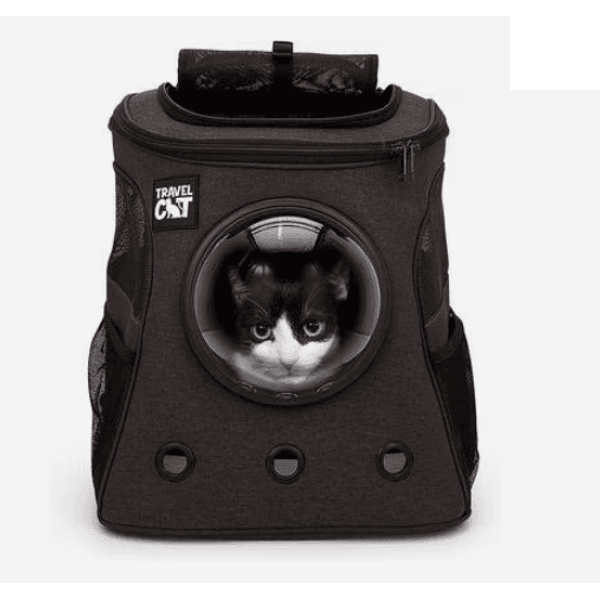
The Travel Cat Fat Cat backpack carrier can support planned examinations when its size, ventilation, closures, and weight rating fit the cat. Leave it open between trips, reward voluntary entry, and secure it in the vehicle. A calm practice routine is not a reason to postpone urgent transport.
Prepare useful evidence for each visit
Bring the medication and supplement list, diet and measured amount, recent weight trend, and concise notes about appetite, water, litter, mobility, sleep, grooming, and behavior. Videos can help with intermittent coughing, gait, or episodes when they can be recorded safely.
Ask which changes should trigger a call before the next scheduled visit. Written follow-up instructions reduce uncertainty and make different caregivers more consistent.
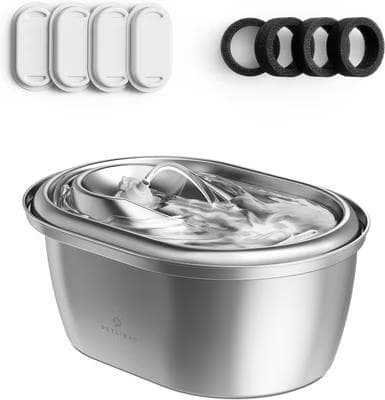
304 food-grade stainless steel pet water fountain, 101 oz. The circulating, filtered water encourages cats to drink more, which supports urinary tract and kidney health.
Petful may earn a commission when you click through to Chewy, at no extra cost to you.
Changes that need veterinary attention
Cats often show illness through small routine changes. A single missed jump, unfinished meal, or hidden nap may be minor, but persistence, clustering, or rapid progression increases concern. Call a veterinary team for advice when the change is meaningful or you are unsure.
- Breathing difficulty, open-mouth breathing, collapse, inability to urinate, repeated unproductive litter-box trips, seizure, severe pain, sudden weakness or paralysis, major trauma, toxin exposure, or rapid decline needs urgent veterinary triage. Sudden refusal to eat also warrants prompt guidance, especially when it persists or occurs with vomiting, pain, lethargy, or disease.
Contact a veterinarian promptly for patterns such as:
- Reduced appetite or a meaningful change in drinking.
- Repeated vomiting or ongoing diarrhea.
- Weight loss, muscle loss, or fast weight gain.
- New cough, increased breathing effort, or reduced exercise tolerance.
- Straining, urinating outside the box, or altered urine volume.
- Limping, reluctance to jump, stiffness, or sensitivity to touch.
- New hiding, aggression, confusion, vocalization, or disrupted sleep.
- Coat neglect, bald areas, sores, odor, or excessive licking.
The breed label should never lower urgency. A pedigreed American Shorthair and a Domestic Shorthair lookalike with the same symptom deserve the same timely response based on clinical context.
 Sponsored
Vet care that's always there
Unlimited video calls and messaging with licensed vets for less than a typical vet visit. One membership covers up to five pets.
Use code Pets60
Plans start at $12/month · covers up to 5 pets
- Licensed vets in most states
- Rx for 150+ conditions
- 4.7 on Trustpilot
Daily habits that support long-term health
Daily habits cannot guarantee longevity, but they create a safer environment and better observation. Focus on routines a household can sustain.
American Shorthair cat food should be selected for complete-and-balanced suitability, life stage, clinical needs, and measured intake. American Shorthair hydration should be supported with clean accessible water choices, while American Shorthair exercise should combine daily activity and enrichment that the individual willingly uses.
Provide:
- Measured complete-and-balanced food appropriate to the individual.
- Fresh water in more than one quiet location.
- Clean litter boxes in accessible low-conflict areas.
- Interactive play, climbing, scratching, search, and rest opportunities.
- Predictable social contact with permission to disengage.
- Indoor safety, identification, and an emergency transport plan.
- Measured feeding makes intake easier to understand
- Direct play supports movement and behavior observation
- Multiple water and litter locations reduce resource bottlenecks
- Short routine checks help detect change early
- Devices cannot diagnose health or verify every behavior
- Over-monitoring one number can hide the whole cat
- Abrupt diet or activity changes can create new problems
- Breed assumptions can delay attention to individual signs

63-inch multi-level cat tree with scratch posts, hammock, plush perches, and dangling toys. Vertical territory is non-negotiable for high-energy climbing breeds like the Bengal.
Petful may earn a commission when you click through to Chewy, at no extra cost to you.
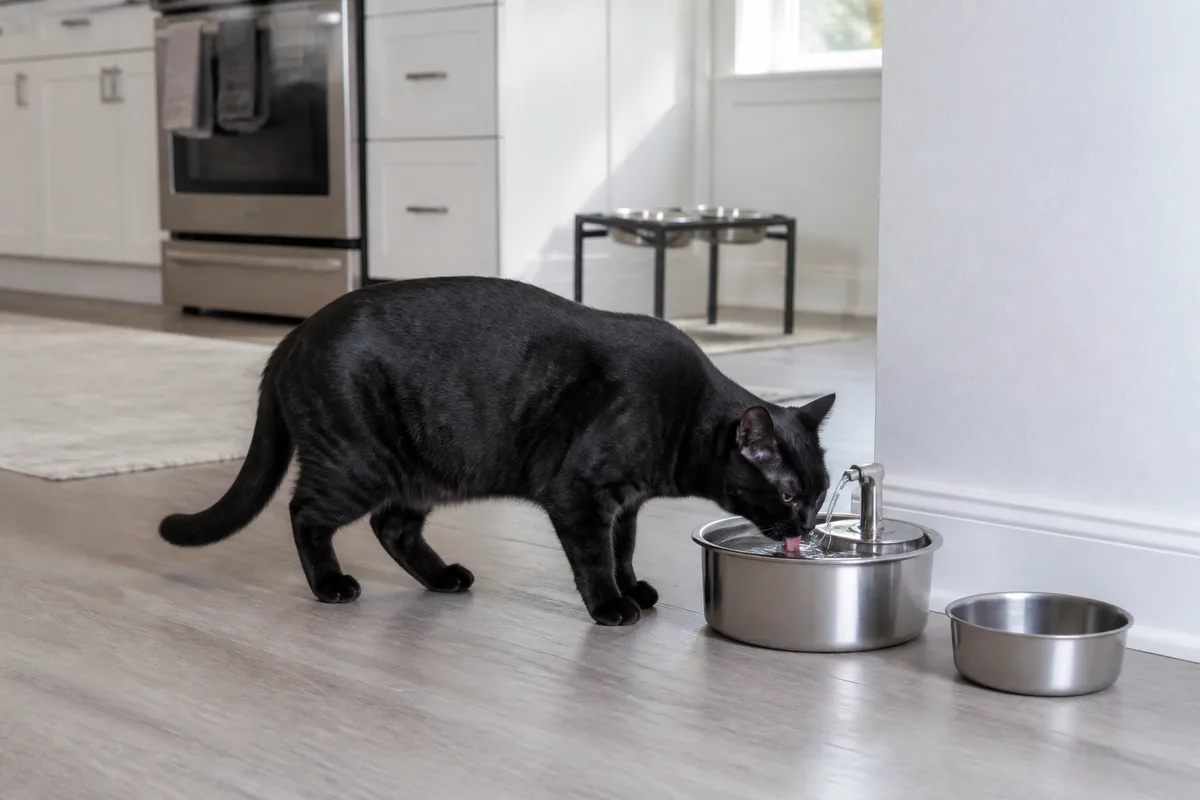
The Petlibro stainless steel cat fountain may appeal to a cat that prefers moving water. Introduce it beside familiar bowls, clean it on schedule, and verify that the cat actually drinks. Increased or decreased water use can be clinically relevant, so a fountain should make observation easier rather than obscure it.
A stable Yaheetech multi-level cat tree can support climbing, scratching, observation, and rest. Anchor it as directed and adjust access as the cat ages. A senior cat may benefit from lower steps and closer landing surfaces rather than losing vertical territory entirely.
Shedding, grooming, skin, and coat changes
American Shorthairs have short dense coats and do shed. Weekly combing is a practical starting point for many adults, with more frequent sessions during seasonal shedding or when age, weight, pain, or illness reduces self-grooming.
Do American Shorthair cats shed a lot, and what does American Shorthair cat grooming require? American Shorthair shedding is usually managed with cooperative weekly combing as a starting point, but frequency should change with season, coat, age, comfort, and health.
Normal loose hair should be distinguished from a new problem. Contact a veterinarian about bald patches, broken hair, redness, sores, odor, scaling, marked dandruff, sensitivity, parasites, or persistent overgrooming. Coat color can make flakes or thinning easier or harder to see, but it does not determine severity.
Keep grooming cooperative
Use a gradual routine:
- Touch one comfortable area and reward calm behavior.
- Add a few comb strokes in the direction the coat lies.
- Stop before tail lashing, skin twitching, ear flattening, or escape attempts escalate.
- Inspect the tool for loose hair, skin debris, and sharp damage.
- Record new findings with date and consistent lighting.
Do not use human shampoo, essential oils, coat dye, or unprescribed parasite products. Cats can ingest topical substances during grooming, and dog products may be unsafe for cats.
Supporting a mature or senior American Shorthair
A long-lived cat may need the home to change before the daily routine does. Low steps, non-slip surfaces, warm beds, easy-entry litter boxes, night lighting, and resources on each level can preserve choice and reduce effort.
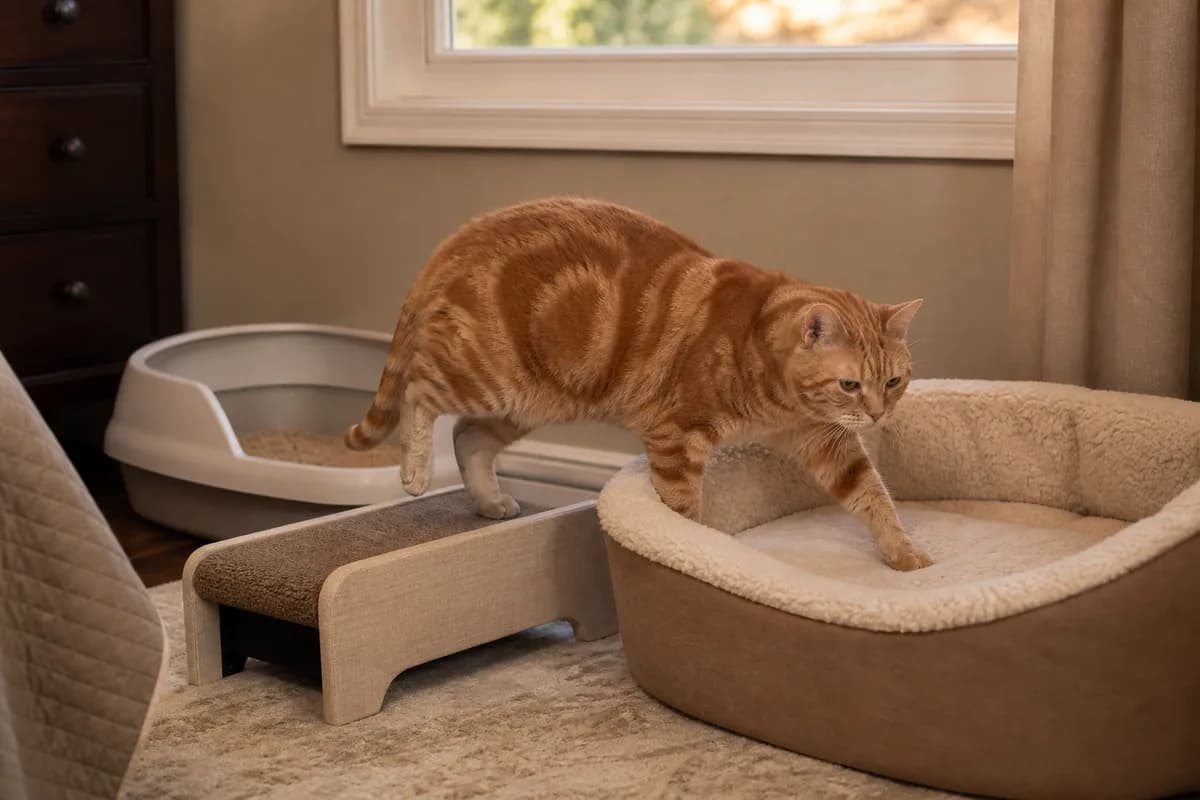
Watch for gradual changes that are easy to normalize:
- Taking several attempts to jump.
- Sleeping in a new location because a favorite perch is harder to reach.
- Urine or stool just outside a high-sided box.
- Reduced grooming over the lower back.
- Weight loss despite a similar appetite.
- Increased night vocalization or altered sleep.
- Less interest in social contact or play.
Do not assume every senior change is “just age.” Pain, dental disease, sensory change, endocrine disease, kidney disease, hypertension, cognitive change, and other conditions can affect daily behavior. A veterinarian can prioritize assessment from the full pattern rather than one online checklist.
Keep resources predictable while making them easier to reach. Move a box or bowl gradually when possible, and avoid changing every surface at once. If the cat seems confused, track the time, location, trigger, duration, and recovery instead of testing the cat repeatedly.
Quality of life is a continuing conversation, not one score taken in isolation. Ask the veterinarian which comfortable activities, social choices, eating patterns, mobility, grooming, and elimination markers are most meaningful for that individual and household.
Adapt resources without removing choice
A second Yaheetech cat tree reference is relevant only if the structure can be adapted safely. Add secure intermediate steps or provide a lower alternative rather than expecting an older cat to maintain previous jump height.
The Petlibro fountain can remain one water option, but place an ordinary stable bowl nearby and check both. A cat with mobility, vision, hearing, or cognitive changes may prefer the simpler source.
The second Travel Cat carrier link matters for senior transport. Choose a carrier that opens widely enough for gentle loading and allows the veterinary team to examine a fearful or painful cat with minimal handling when possible. Support the body and never force stiff joints through a narrow opening.
Why ancestry changes confidence, not veterinary urgency
A higher purchase price does not guarantee longer life or lower veterinary cost. Petful's American Shorthair price guide builds routine and emergency care into the lifetime decision rather than treating the acquisition fee as the main expense.
Likewise, uncertain ancestry does not make a symptom less real. The American Shorthair vs Domestic Shorthair comparison explains how to grade breed evidence. Health urgency follows the individual cat's signs, examination, and history.
American Shorthair vs Domestic Shorthair and "is American Shorthair the same as Domestic Shorthair" are identity questions. A purebred American Shorthair may provide more family-history documentation, but no pedigree changes the urgency of breathing difficulty, collapse, inability to urinate, severe pain, or rapid decline.
Connect ancestry to the right decision
The American Shorthair breed guide owns household fit and general care, while the American Shorthair kitten guide owns breeder and transition decisions. This health page connects a population lifespan estimate to observable care decisions instead of presenting one number as destiny. Owners can use the estimate to plan preventive visits, accessible resources, daily observation, and financial reserves, then change the plan when the individual cat's behavior, weight, mobility, appetite, or veterinary findings change.
An automatic Petlibro feeder can help reveal whether scheduled portions were dispensed, but not whether nausea, dental pain, conflict, or another problem changed consumption. Watch the cat eat, especially when age or health changes.
American Shorthair health FAQs
These answers resolve the captured lifespan question and two daily-care decisions while preserving the no-diagnosis boundary.
What is the lifespan of an American Shorthair according to current veterinary-reviewed breed references? A commonly cited population estimate is about 15 to 20 years. That lifespan range is useful for long-term planning, but it is not an individual guarantee or a deadline. Family history, body and muscle condition, dental health, nutrition and hydration, indoor safety, activity and enrichment, preventive examinations, disease, timely treatment, and senior accessibility all shape the care plan and may influence outcome.
They have short dense coats and do shed, often more noticeably during seasonal changes. Weekly combing is a practical starting point, adjusted for the individual. New bald areas, sores, odor, scaling, sensitivity, or excessive grooming deserve veterinary attention rather than being dismissed as normal shedding.
The interval should match age, health, findings, medications, and veterinary guidance. Kittens, seniors, and cats with active concerns often need different schedules from healthy adults. Arrange care sooner whenever a meaningful change appears rather than waiting for the next routine visit.

Coreen Saito is a pet writer and longtime shelter volunteer with more than a decade in animal rescue. She covers cat behavior, breed care, and the small, ordinary science of sharing a life with companion animals, with a particular focus on honest takes about the products and decisions that actually matter. At home in Arizona, she's outranked by Mac (a dog with the loudest opinion in the house), Rebel (a cat who governs by quiet authority), and Meri (an orange tabby who runs the late shift and the laundry basket). She writes about all three, plus the rescues that keep coming through her life, at LifeWithMinty.com.
Sign up for expert-backed reviews and safety alerts all in one place.