
 Subscribe
Understanding Dangerous Dog Insurance: What You Need to Know

Homeowners’ insurance companies may charge more for certain dog breeds. I spoke with my agent to find out why.

- Why Does Dangerous Dog Insurance Matter?
- 6 Dog Breeds Commonly Labeled as Dangerous
- Why Is Extra Coverage Necessary?
- What If You Can’t Afford Dangerous Dog Insurance?
- Why Lying About Your Dog Isn’t Worth It
- What If You Have Several Dogs?
- Special Considerations for Foster Moms and Dads
- Frequently Asked Questions (FAQ)
Don’t Guess When It Comes To Your Pet’s Care

Don’t Guess When It Comes To Your Pet’s Care
Why Does Dangerous Dog Insurance Matter?
Many people with dogs are responsible, hardworking individuals who care for their homes and pets with equal dedication.
However, did you know that owning certain dog breeds labeled as “dangerous” or “aggressive” might lead to challenges with your homeowners’ insurance? Some companies may refuse to offer you a policy altogether. This highlights the importance of understanding dangerous dog insurance for responsible dog owners.
To learn more, I contacted my insurance provider, Geico, and found the following key points:
- Geico works with multiple insurance companies across the United States.
- Each company maintains unique policies regarding dog breeds.
- Certain breeds deemed high-risk may require additional coverage or could be excluded from coverage entirely.
By exploring your insurance company’s stance, you can ensure that you’re prepared for any potential challenges.
6 Dog Breeds Commonly Labeled as Dangerous
Insurance companies often maintain internal lists of dog breeds considered high-risk. These lists are not typically available on the company’s website—you’ll need to call your insurance provider directly to find out if your dog’s breed is included.
While these lists can vary by company, several breeds are commonly labeled as high-risk due to their damage potential:
- Pit Bulls: Frequently misunderstood, this breed is often associated with aggression in insurance policies.
- Rottweilers: Known for their strength and protective instincts, they often make the list.
- Doberman Pinschers: Valued as guard dogs but often flagged due to perceived aggression.
- German Shepherd Dogs: Intelligent and loyal, but their size and power raise concerns.
- Wolf-Dog Hybrids: A mix of domestic dog and wolf, considered unpredictable by insurers.
- Huskies: Energetic and strong, often flagged due to their high activity levels and strength.
Why Are These Breeds Labeled High-Risk?
According to my Geico agent, the primary factor that determines a breed’s inclusion on these lists is damage potential.
- Even the sweetest, friendliest dogs can cause significant harm in certain situations.
- Insurance companies evaluate this risk when deciding on homeowners’ policy terms.
While labeling breeds as “dangerous” may seem unfair, these designations are based on generalized risk assessments rather than individual dog behavior.
Why Is Extra Coverage Necessary?
Even the most well-behaved dogs can react unpredictably when startled or scared. This is why dangerous dog insurance is essential for protecting yourself and your finances.
Here’s an example:
- If someone enters your property and startles your dog, your dog may perceive them as a threat and bite or attack.
- Even if the person trespassing means no harm, you could still face a lawsuit.
- For instance, if a child playing runs across your yard and surprises your dog, the child’s parents could sue you—even though the child was technically trespassing (learn more about legal risks here).
Without adequate coverage:
- You could be held personally liable for the expenses resulting from such incidents.
- Dangerous dog insurance provides financial protection against lawsuits, medical costs, or other claims arising from dog-related incidents.
Investing in this type of coverage ensures you’re prepared for unforeseen situations and safeguards your financial stability.
For readers wondering if pet insurance is a worthwhile investment, this guide on whether pet insurance is worth it offers valuable insights.
What If You Can’t Afford Dangerous Dog Insurance?
One common concern is whether dangerous dog insurance will significantly increase your expenses. To clarify this, I asked my Geico agent for insights.
Here’s what I discovered:
- Some insurance companies include this coverage in policies at no additional cost.
- Others charge a premium, typically ranging between $25 and $50 per year.
- Even at the higher end ($50 per year), it amounts to just 14 cents a day.
Why It’s Worth the Cost:
Weighing this minor expense against the potential costs of a lawsuit for a dog biting someone (read about warning signs here), it’s clear that the coverage is a valuable investment.
By opting for this insurance, you ensure peace of mind and financial protection in case of unforeseen incidents.
Make an informed decision about pet insurance with this comprehensive pet insurance checklist.
Why Lying About Your Dog Isn’t Worth It
With advancements in technology and better communication, it’s harder than ever to conceal information from your insurance company. If you’re tempted to lie about owning a dog to avoid the need for dangerous dog insurance, think again.
Why Honesty Is Crucial:
- If an insurance agent visits your home and notices your dog, you might find it hard to explain.
- Claiming you’re just dog-sitting or denying ownership won’t hold up.
- Insurance agents are experienced and unlikely to be fooled by such excuses.
- The consequences of dishonesty can be severe:
- Your insurance company could cancel your policy.
- This may leave you without coverage and create difficulties in securing insurance elsewhere.
Being upfront about your dog ensures that you’re fully protected and avoids unnecessary complications with your insurance provider.
What If You Have Several Dogs?
Owning multiple dogs can add complexity to your homeowners’ insurance policy, but most companies are equipped to handle it. However, when it comes to dangerous dog insurance, there are some important considerations:
- Many insurance companies set a limit on the number of dogs they are willing to cover.
- According to Geico, the average limit for such policies is three dogs.
- If you exceed this limit, you may need to:
- Negotiate additional coverage with your insurer.
- Consider policies specifically designed for multi-dog households.
Understanding these limitations helps you plan ahead and ensure your dogs are properly covered under your policy.
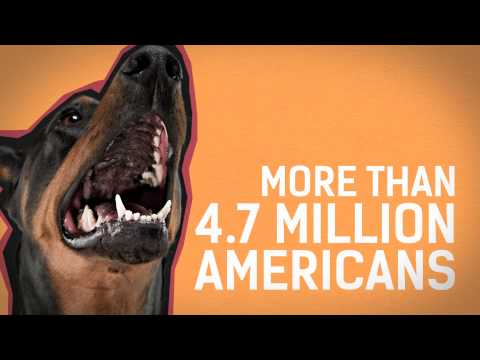
This video lists more breeds that might be considered dangerous, and it offers statistics about dog bites and insurance:
Special Considerations for Foster Moms and Dads
Foster pet parents are a unique and compassionate group. As a foster, you might have more than three dogs at any given time, including various breeds that could be considered high-risk under dangerous dog insurance policies.
Tips for Fosters to Stay Covered:
- Be transparent: Contact your insurance company and explain your situation honestly.
- Highlight your responsibility: Share what steps you’re taking to prevent incidents, such as:
- Proper training and socialization.
- Secure fencing or containment.
- Clear signage on your property.
The Debate on Breed Stereotypes
While it’s unfair for dogs to be stereotyped based solely on their breed, insurance providers focus on damage potential when assessing risk. Unfortunately, this means that even the best-behaved foster dogs may impact your insurance policy.
If you’re considering fostering, it’s important to understand the potential challenges and responsibilities involved. Learn more about becoming a foster parent here.
Frequently Asked Questions (FAQ)
What happens if a dog is classified as dangerous?
If a dog is classified as dangerous, your insurance provider may require additional coverage, increase premiums, or exclude the dog from your policy entirely.
Does pet insurance cover dog poisoning?
Pet insurance often covers dog poisoning under accident or illness policies, but you should review your specific policy for details.
Does dog insurance cover dog attacks?
Dog insurance can cover liability for dog attacks if you have liability coverage included in your homeowners’ or pet insurance policy.
What counts as a dangerous dog?
A dangerous dog is typically defined as a breed or individual dog deemed to have high damage potential or a history of aggressive behavior.