Understanding Labradoodle Health Problems: Common Issues and How to Address Them
Explore Labradoodle health problems, early warning signs, parent health tests, and everyday care, with clear limits on what crossbreeding can guarantee.

Petful is reader supported. As an affiliate of platforms like Amazon and Chewy, we may earn a commission when you buy through links on this page. There is no extra cost to you.
This pet health content was written by a veterinarian, Dr. Debora Lichtenberg, VMD. It was last reviewed on September 23, 2024
If you have questions or concerns, call your vet, who is best equipped to ensure the health and well-being of your pet. This article is for informational purposes only and is not a substitute for professional medical advice, diagnosis, or treatment. See additional information.
Labradoodle health problems can include joint disease, inherited eye conditions, skin allergies and ear infections. Some dogs develop other illnesses associated with their parent breeds. These are risks to investigate, not a prediction that every Labradoodle will be unhealthy. Parent health testing, good breeding practices and attentive daily care all matter.
- 1A Labradoodle’s Labrador Retriever and Poodle ancestry does not guarantee better or worse health.
- 2Ask for individual parent health-test results, including hips, elbows and eyes.
- 3Seek an examination for persistent itching, skin allergies, ear problems, limping or digestive symptoms.
- 4Low shedding does not make a dog reliably hypoallergenic.

Sign up for expert-backed reviews and safety alerts all in one place.
The Origin of Labradoodle Health Problems
Labrador Retriever and Poodle parentage explains why family history and appropriate screening matter. To assess individual inherited risk, translate breeder claims into documents you can verify: identify both parents, read their actual test reports and discuss the results with your veterinarian.

Wally Conron, who helped popularize the Labradoodle, later regretted the designer-dog craze that followed. That history raises a useful question for prospective owners: what evidence supports the breeder’s claims about the actual parents and puppies? A fashionable name is not a health test.
Labradoodles combine Labrador Retriever and Poodle ancestry. Their appearance and low-shedding reputation helped make them popular, but neither popularity nor crossbreeding settles whether an individual dog will develop a health problem. For general size, activity and temperament information, see our Labradoodle breed guide.
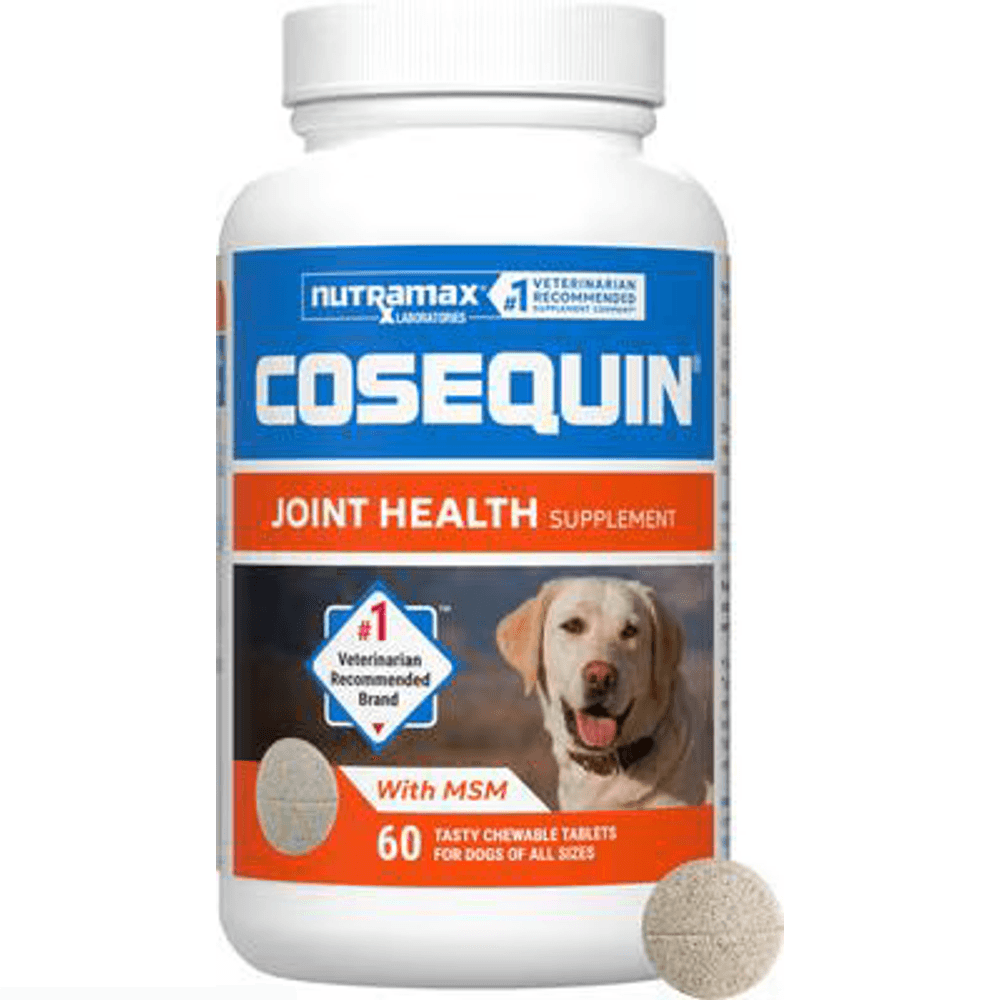
For a dog with a diagnosed joint problem, the vet may discuss a supplement as one part of a broader plan. Cosequin is an available joint-support option to discuss, but supplements do not correct malformed joints or replace prescribed pain control, rehabilitation or surgery when those are needed.
Petful may earn a commission when you click through to Chewy, at no extra cost to you.
What Current Crossbreed Research Shows
Do Labradoodles have health issues? Yes, they can, just as other dogs can. That does not make them “bad dogs.” Claims that all Labradoodles are inherently unhealthy, or that hybrid vigor makes them immune to disease, go beyond the evidence.
| Claim you hear | What to ask for | What it can and cannot tell you |
|---|---|---|
| “The parents are healthy.” | Individual test results for the named mother and father, including appropriate joint and eye screening | An ordinary vet visit is useful but is not the same as formal inherited-disease screening. |
| “The puppy is DNA clear.” | The laboratory report, conditions tested and the puppy or parent identifiers | A clear result for a particular variant is not a guarantee against all disease. |
| “Crossbreeds are healthier.” | Evidence about the condition and the family, rather than a general marketing claim | Population research cannot promise an individual puppy will stay healthy. |
| “Hypoallergenic coat.” | Time with the individual dog and advice from your allergist if needed | Coat texture and shedding do not guarantee freedom from human allergy symptoms. |
The crossbreed study population and limitations matter when interpreting the headline. It concerns young dogs and owner-reported recent disorders, so its results cannot predict an individual puppy’s lifelong health or the leading causes of death in older Labradoodles.
A 2024 Royal Veterinary College study analyzed owner-reported health information for 9,402 UK dogs, including 583 Labradoodles. Across three designer crosses and their parent breeds, 86.6% of 342 disorder comparisons showed no statistically significant difference. The results supported neither a blanket claim of superior crossbreed health nor a blanket claim of poorer health.
The dogs were younger than five, and owners reported conditions from the preceding year. This was not a lifetime study or a count of what most Labradoodles die from. Australian Labradoodles, different generations and individual families may have different backgrounds. Use the findings to question sweeping claims, then investigate the dog in front of you.
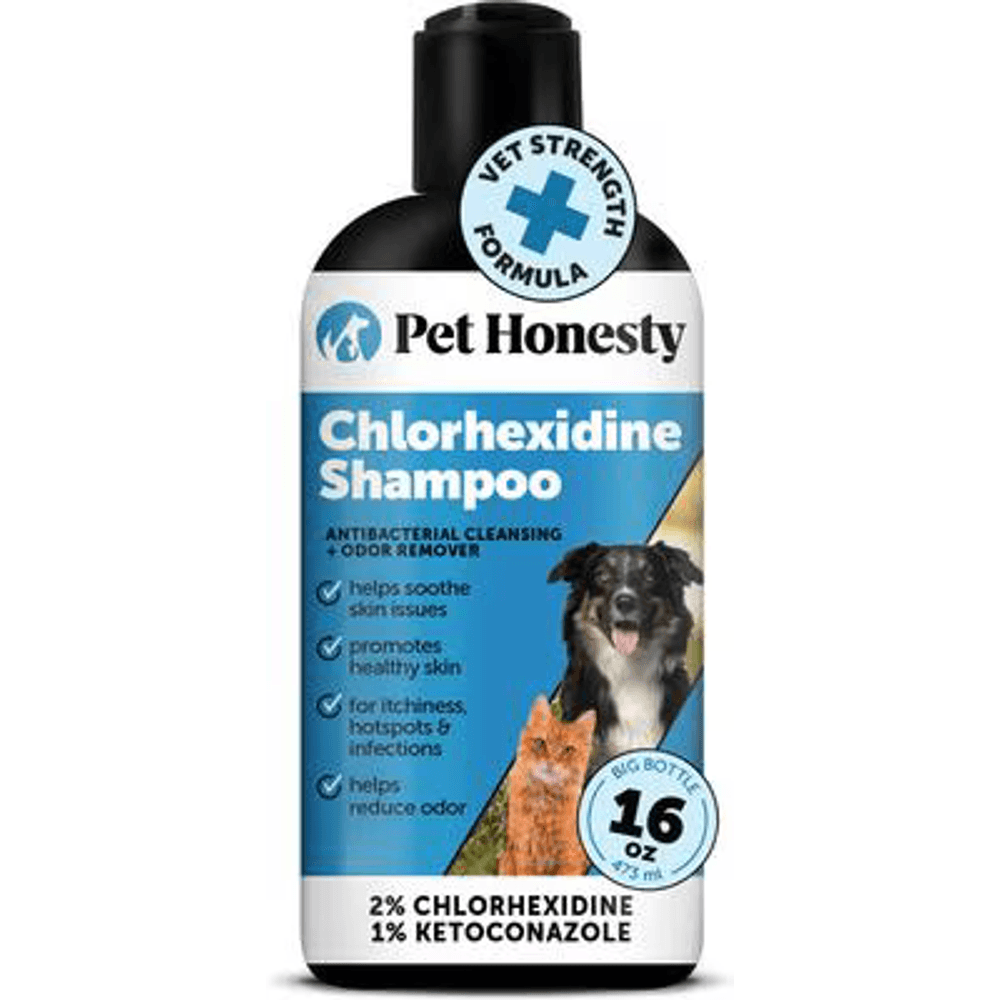
Use a medicated shampoo only when your veterinarian recommends its ingredients and schedule for your dog’s problem. A chlorhexidine shampoo may fit some diagnosed skin-care plans, but it does not prevent inherited disease or establish the cause of itching. Stop and contact the clinic if a product seems to worsen irritation.
Petful may earn a commission when you click through to Chewy, at no extra cost to you.
Breeding Practices Still Matter
A breeder who prioritizes screening, suitable pairings, socialization and lifelong support offers more useful information than one relying on a designer label. Closely related breeding can increase the chance of inherited problems, but you cannot infer inbreeding or poor health from the word Labradoodle alone.
- Ask which conditions occur in the family and how breeding choices address them.
- Review documents rather than accepting “vet checked” as a substitute for screening.
- Visit where puppies are raised when possible and be prepared to walk away from evasive answers.

 Sponsored
Have a health question about your dog?
Talk to a licensed vet at Dutch over video or message, including nights and weekends.
Use code Pets60
Plans start at $12/month · covers up to 5 pets
- Licensed vets in most states
- Rx for 150+ conditions
- 4.7 on Trustpilot
What Are the Major Health Problems in Labradoodles?

Common health concerns in Labradoodles include ears, skin and joints, while inherited conditions deserve careful screening. Mini and miniature Labradoodles are not automatically protected because they are smaller. Australian Labradoodles also need appropriate health testing; the label does not certify the parents or predict every puppy’s health.
Labradoodle puppies can have ordinary puppy illnesses as well as inherited risks. Repeated vomiting or diarrhea, poor growth, limping, eye discomfort or unusual tiredness should be assessed rather than dismissed as “a doodle thing.” The type and size of the Poodle ancestry can help the vet decide which family risks to ask about.
Hip and Elbow Dysplasia
Hip and elbow dysplasia involve abnormal joint development and can lead to pain and arthritis. A dog may limp, move stiffly, avoid stairs or become reluctant to play. Some affected dogs show few obvious signs early on. Parent screening lowers uncertainty, but clear results are not a guarantee that a puppy will never develop joint disease.
Discuss growth, an appropriate diet, healthy body condition and suitable exercise with your veterinarian. Do not give a growing puppy extra calcium or other supplements simply to “build stronger joints.” If mobility changes, obtain a diagnosis before treating the problem as normal aging. Our guide to hip dysplasia in dogs explains the condition in more detail.
For a dog with a diagnosed joint problem, the vet may discuss a supplement as one part of a broader plan. Cosequin is an available joint-support option to discuss, but supplements do not correct malformed joints or replace prescribed pain control, rehabilitation or surgery when those are needed.
Inherited Eye Conditions
Progressive retinal atrophy, or PRA, is an inherited retinal disease that can lead to blindness. Early difficulties may be most noticeable in dim light. Other eye diseases can occur too, so a DNA result for one PRA variant does not replace an eye examination.
Cornell’s PRA overview explains that genetic tests identify particular variants and may distinguish an at-risk dog from a carrier. Ask which test was performed, what the result means and whether specialist eye screening is current. A red, painful or suddenly cloudy eye needs prompt assessment rather than waiting for a routine screening visit.
Poodle-Specific Health Issues
Poodle ancestry is relevant when asking about inherited risk, although none of these conditions is exclusive to Poodles or inevitable in their crosses. A responsible conversation should identify actual family history and suitable tests rather than attach a frightening list to every Labradoodle.
- Addison’s disease: reduced adrenal hormone production can cause intermittent vomiting, diarrhea, poor appetite or weakness. Collapse or severe illness is an emergency. Diagnosis requires veterinary testing; affected dogs may need lifelong treatment.
- Sebaceous adenitis: inflammation affecting skin oil glands can cause coat and skin changes. Similar-looking problems have other causes, so diagnosis and a specific skin-care plan matter.
- Von Willebrand’s disease: an inherited bleeding disorder associated with a clotting protein. Ask about appropriate family testing, and tell your vet about abnormal bleeding or known carrier results before a procedure.
See Cornell’s Addison’s disease guidance for why vague, recurring signs should be investigated. Not every tired dog has Addison’s, and symptoms alone cannot identify it.

At home, provide comfortable resting space and safe footing for a dog with mobility difficulty. A supportive bed can improve the resting setup, but it is not a treatment for joint disease. Choose a size that lets your dog stretch out and a cover you can clean easily.
Petful may earn a commission when you click through to Chewy, at no extra cost to you.
Ear, Skin, and Digestive Problems
| Observation | Tell the veterinarian |
|---|---|
| Itchy ears or recurring discharge | Which ear, odor, pain and any previous drops or cleaners. |
| Skin irritation | Where it starts, whether it is seasonal and any new grooming products. |
| Digestive symptoms | Duration, stool changes, appetite, weight and every food or supplement. |
Ear infections and itchy skin can become recurring quality-of-life problems. Watch for head shaking, odor, discharge, rubbing or a painful ear. Allergy can contribute, but an examination is needed to identify infection, parasites, a foreign body or other causes. Repeatedly using leftover ear drops can delay the right treatment.
Skin Care Should Follow a Diagnosis
Check beneath the coat for redness, moist patches, flakes and mats. Persistent licking and scratching deserve a veterinary visit. A dog can have environmental allergies, food allergy or another skin condition; there is no single substance that Labradoodles are universally “most allergic” to.
Use a medicated shampoo only when your veterinarian recommends its ingredients and schedule for your dog’s problem. A chlorhexidine shampoo may fit some diagnosed skin-care plans, but it does not prevent inherited disease or establish the cause of itching. Stop and contact the clinic if a product seems to worsen irritation.
 Sponsored
Vet care that's always there
Unlimited video calls and messaging with licensed vets for less than a typical vet visit. One membership covers up to five pets.
Use code Pets60
Plans start at $12/month · covers up to 5 pets
- Licensed vets in most states
- Rx for 150+ conditions
- 4.7 on Trustpilot
Food Questions and Recurring Digestive Symptoms
There is no single best food for every Labradoodle. Choose a complete, balanced diet appropriate for life stage and any diagnosed illness with your vet’s help. A diet for a growing large puppy may differ from a weight-management or therapeutic diet for an adult. A breed name on the bag does not settle those needs.
Many Labradoodles can eat chicken in a suitable complete diet. Avoid it when a veterinarian has identified it as a problem or excluded it during a controlled diet trial. Do not assume chicken causes every ear infection, and do not repeatedly change foods without a plan if your dog is unwell.
- Tell the vet about the frequency and duration of vomiting or diarrhea, appetite changes and weight loss.
- Bring details of foods, treats, supplements and flavored medicines; these matter during an elimination trial.
- Seek urgent care for collapse, marked weakness, repeated vomiting, significant pain or an inability to keep water down.
Chronic intestinal disease is one possible explanation for persistent digestive symptoms, but it is not a diagnosis to make from breed alone. Parasites, dietary problems and many other illnesses can look similar. Your veterinarian chooses tests based on the history and examination.

Use a brush suited to the coat and work gently. A slicker brush can help with routine maintenance, while tight or painful mats belong with a professional. Do not pull hard enough to hurt the skin. Our Labradoodle grooming guide covers coat care in more detail.
Petful may earn a commission when you click through to Chewy, at no extra cost to you.
Long Term Cost and Care Commitment
PetMD’s veterinarian-supported Labradoodle guide gives a typical lifespan of 12 to 15 years. This is a clinical breed-guide range, not a survival estimate from the young-dog RVC study. Individual health and care can differ substantially. Labradoodle lifespan is often described as roughly 12 to 15 years, but individual health and ancestry matter. An Australian, standard, medium or mini Labradoodle label is not a reliable life-expectancy calculator. There is no validated age chart that can tell you how long your particular dog will live.
Owning a Labradoodle is a financial and time commitment, not just a purchase price. Potential downsides include regular coat care, recurring ear or skin treatment and the cost of investigating a new symptom. They are planning considerations, not reasons to assume that every dog will need specialist care.
The available crossbreed study does not establish what most Labradoodles die from. It would be misleading to name cancer, a joint disorder or another condition as the leading cause of death without appropriate lifetime data. Focus on preventive care, changes from your dog’s normal behavior and problems that can be addressed.
| Ongoing need | What to plan for |
|---|---|
| Routine care | Examinations, vaccination, parasite prevention and dental care suited to the individual dog. |
| Coat and skin | Regular brushing, professional grooming when needed and assessment of new skin or ear symptoms. |
| Unexpected illness | An emergency fund or insurance whose terms, exclusions and waiting periods you understand. |
| Chronic disease | Follow-up visits, medication, tests and possible rehabilitation or specialist care. |
Ask for written estimates when treatment is proposed and discuss what follow-up will involve. Insurance and savings can help with planning, but neither should be assumed to cover every condition. If your dog already has symptoms, seek advice promptly rather than waiting to arrange cover.
At home, provide comfortable resting space and safe footing for a dog with mobility difficulty. A supportive bed can improve the resting setup, but it is not a treatment for joint disease. Choose a size that lets your dog stretch out and a cover you can clean easily.
Slowing Down Deserves Context
There is no age at which every Labradoodle should slow down. Young dogs can be painful or ill, and older dogs may remain active. A sudden change in exercise tolerance, reluctance to jump or loss of interest in walks deserves a veterinary examination. Do not use age alone to dismiss discomfort.
Keep a record of appetite, activity, body weight and any recurring symptoms. A short video of an unusual gait or episode can be useful at the appointment. Seizures, abnormal bleeding, new lumps or persistent weight loss need assessment, but they should not be described as inevitable or uniquely common in Labradoodles without evidence.
Are Labradoodles Hypoallergenic?
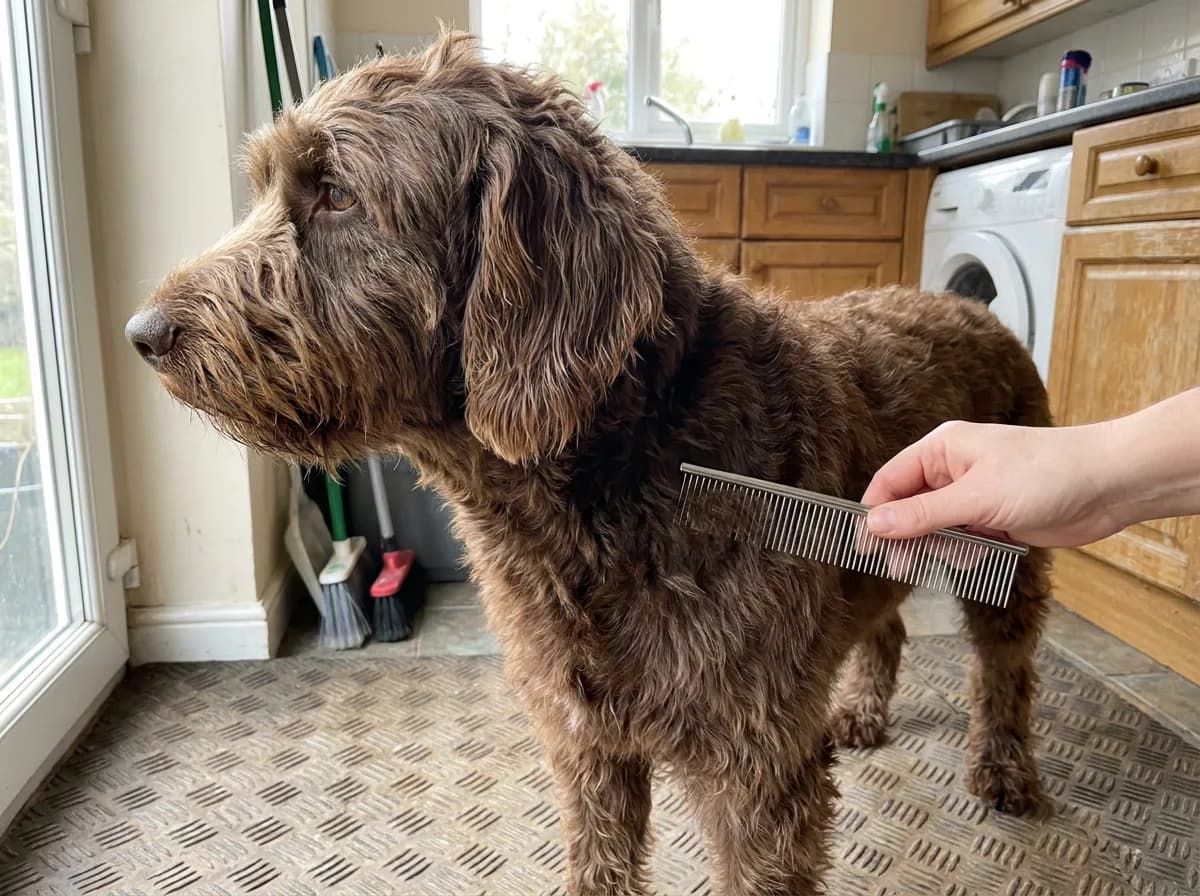
No dog is reliably hypoallergenic. The American College of Allergy, Asthma and Immunology explains that pet allergens are associated with materials such as dander, saliva and urine. A low-shedding coat does not eliminate those allergens, and a person may react differently to individual dogs.
Shedding and Coat Care
Labradoodles can shed, with the amount varying by coat and ancestry. A curly or wavy coat still needs regular maintenance; loose hair can remain trapped in the coat and contribute to mats. Human allergy is separate from the dog’s own skin allergies, even though both can influence household decisions.
- Curly coats may need scheduled clipping and regular brushing to avoid tangles.
- Longer, shaggier coats also need attention, particularly behind the ears, under limbs and around areas of friction.
- Ask an allergist about your own symptoms before relying on a breeder’s hypoallergenic promise.
Use a brush suited to the coat and work gently. A slicker brush can help with routine maintenance, while tight or painful mats belong with a professional. Do not pull hard enough to hurt the skin. Our Labradoodle grooming guide covers coat care in more detail.
Breeder Research Checklist
Look for a healthy dog and transparent breeding practices. Ask for the registered names or permanent identifiers of both parents so the paperwork can be matched to the dogs. An attractive website or verbal assurance is not enough. No checklist guarantees perfect health, but it can expose missing information.
- Request individual hip and elbow results and current specialist eye records, such as CAER examinations where applicable. Ask the vet to explain unfamiliar scoring systems.
- Request the actual DNA reports for relevant inherited conditions. Ask whether a result belongs to this dog or is inferred from parents, which variant was tested and what “clear,” “carrier” or “affected” means.
- Ask about illness in previous litters and relatives, not only the current puppy’s examination. A breeder who acknowledges and manages risk is more informative than one promising none.
- Visit the breeder when possible, review puppy veterinary records and discuss return or support arrangements before paying.
- Walk away if health claims cannot be supported by paperwork or if you are pressured to decide before reviewing it.
For example, the Australian Labradoodle Club of America’s breeder requirements include specialist eye certification and hip and elbow testing. Club rules are a starting point for questions; membership does not remove the need to inspect individual results.
Be prepared and do your homework before bringing a new family member home. Once the dog joins your household, share the records with your veterinarian and make a preventive-care plan appropriate to that dog. Good preparation supports care without pretending every future illness can be prevented.
Labradoodle Health Questions
For suspected ingestion, the FDA’s pet-toxin guidance advises contacting veterinary help with the item, amount and timing. Keep the packaging when possible.
A commonly cited lifespan is about 12 to 15 years. It is a broad guide, not a guarantee: individual health, size, ancestry and care all matter. The 2024 study discussed here followed owner reports about young dogs and cannot establish lifetime survival for your dog.
There is no fixed age. A sudden change in stamina, mobility or enthusiasm deserves a veterinary examination rather than being written off as aging. Pain and illness can affect a young dog too.
Like other dogs, they should avoid foods containing xylitol, grapes and raisins, chocolate, alcohol and onions or garlic in unsafe amounts. Ask a veterinarian or animal poison service promptly about a suspected exposure. Also avoid any ingredient your own dog must exclude under a diagnosed allergy or therapeutic diet plan.
References
Bryson et al. The doodle dilemma. PLOS ONE, 2024.
- "Study Reveals Genetic Diseases of Mixed-Breed, Purebred Dogs." American Veterinary Medical Association. May 30, 2018. https://www.avma.org/javma-news/2018-06-15/study-reveals-genetic-diseases-mixed-breed-purebred-dogs.
- "Sebaceous Adenitis." Orthopedic Foundation for Animals. https://www.ofa.org/diseases/other-diseases/sebaceous-adenitis.
- Bromberg, Nancy M., VMD, DACVO. "Before You Buy That Cute Puppy: Do Your Homework!" American College of Veterinary Ophthalmologists. May 29, 2018. https://www.acvo.org/tips-treatments-tricks/lh4rhnxtdhbfnl2we8e4f8rxtz9z22.

VMD
Dr. Debora Lichtenberg, VMD, is a small animal and exotics veterinarian who has been practicing medicine for over 30 years. A graduate of the University of Pennsylvania School of Veterinary Medicine, Dr. Lichtenberg also trained at the Philadelphia Zoo. She now practices in the New York City area and lives in the West Village with her husband and her rescued pets, Cocoa and OG. Dr. Lichtenberg has been writing for Petful for many years, and she has been recognized with Certificates of Excellence from both the Dog Writers Association of America and the Cat Writers Association of America.
Sign up for expert-backed reviews and safety alerts all in one place.