 Subscribe
How to Keep a Frog in a Jar: Safe and Simple Temporary Care Guide

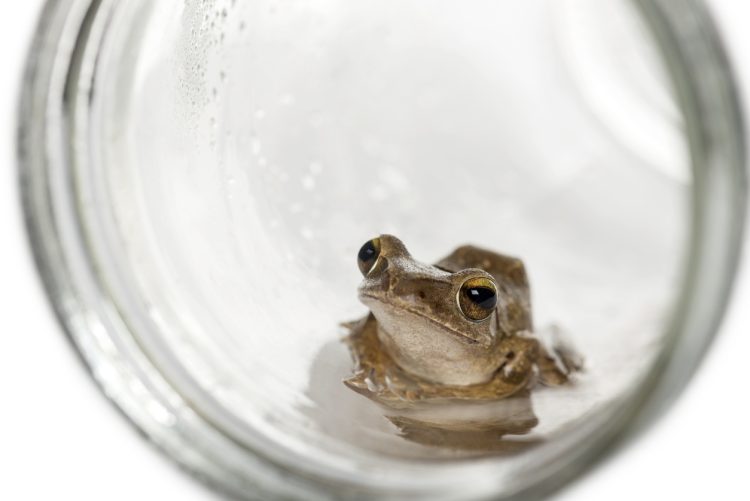
Here are some care tips and set-up instructions for keeping your kid’s frog in a jar. This should only be a temporary home, though.
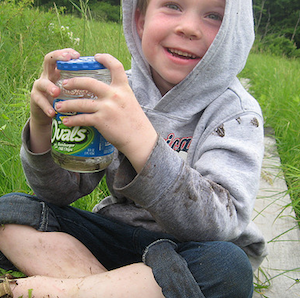
My childhood memories include the joy and pride I experienced each time I collected bees, lizards and various bugs in jars. My friends and I worked hard at competing with one another to see who could capture the most critters.
Frogs were never one of my favorite collectibles; but later in life, when I became a parent to two sons, I was forced into learning how to keep a frog in a jar, temporarily.
- A jar should only be a temporary home, since it cannot support a frog’s long term health needs.
- Safe handling reduces health risks, and washing hands before and after contact helps prevent irritation and disease transmission.
- A simple habitat setup keeps the frog comfortable, using gravel, plants and a small amount of clean water.
- Live insects every other day provide proper short term nutrition, supporting the frog until it is released or moved to a larger habitat.
Don’t Guess When It Comes To Your Pet’s Care

Don’t Guess When It Comes To Your Pet’s Care
First, Know What You Are Getting Into
Frogs can be interesting temporary pets, but caring for them requires realistic expectations.
Not All Frogs Adjust to Captivity
Some species adapt well to short term care, while others become stressed quickly.
Simple setups only work when you understand the frog’s limits.
- Some frogs tolerate brief housing in basic habitats.
- Others struggle in confined or unfamiliar spaces.
- Species research helps you understand their needs.
Choose a frog that can handle temporary care and monitor it closely.
Frogs Are Not Hands On Pets
Frogs do not enjoy frequent handling the way small mammals or birds do.
Most prefer limited contact and calm environments.
- Handling increases stress.
- Rough or constant touching can injure the animal.
- Frogs rarely bond with humans the way other pets do.
Encourage gentle observation instead of frequent touching.
Understand the Health Risks
Captive frogs can carry bacteria or parasites that affect humans.
Some species also have mild skin toxins that cause irritation.
- Wash your hands before and after touching a frog.
- Keep hands away from your eyes, nose and mouth.
- Handle the frog gently to reduce stress and toxin release.
Safe handling protects both you and the frog.
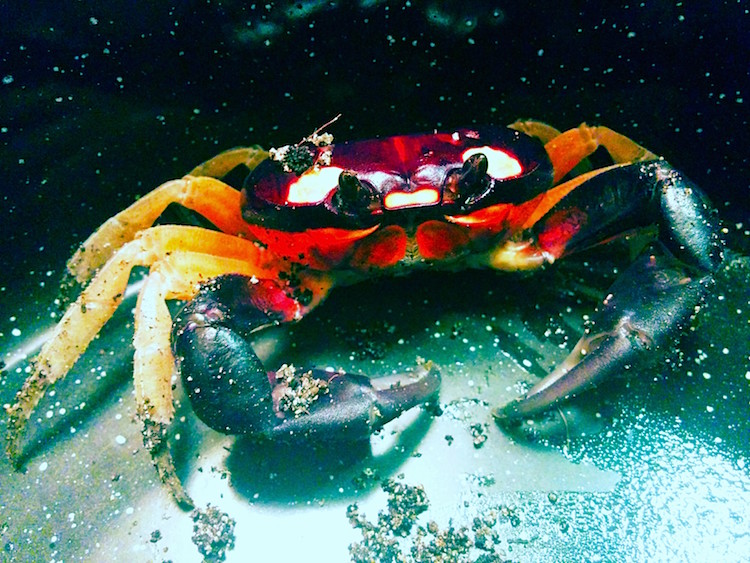
Kids who enjoy observing unique creatures may also be fascinated by Halloween moon crabs, which require special care but offer an interesting learning experience. Learn more in our Ultimate Guide to Caring for Halloween Moon Crabs.
How to Keep a Frog in a Jar
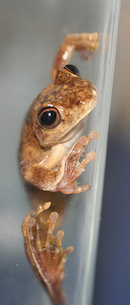
Keeping a frog in a jar can be a fun learning experience for kids. A simple setup teaches children how to observe, feed and care for small animals. Just remember that this should only be a short term home.
Make the Jar a Temporary Habitat
A jar can support a frog for only a few days. Use it as a quick holding space until you release the frog or prepare a larger habitat.
- Jars do not provide long term space or humidity balance.
- Frogs become stressed if kept in confined spaces for too long.
- A temporary jar setup should be simple and safe.
Short stays keep the frog healthy and reduce stress.
Set Up the Terrarium Correctly
A basic terrarium gives the frog a comfortable short term environment.
The goal is to create air flow, moisture and places to hide.
- Start with a clean jar and lid.
- Add six to eight air holes in the lid for proper ventilation.
- Lay the jar on its side and spread gravel across the bottom.
- Add moss, ferns and lichens to create natural cover.
- Pour in a small amount of water, keeping part of the habitat dry.
- Place a small dried twig for climbing and resting.
Finish by securing the lid and placing the jar in a lightly lit area.
If your child enjoys caring for small animals, you might also explore some safer beginner pets. Our guide to the best pet fish for kids highlights simple, low stress options.
What to Feed a Frog in a Jar
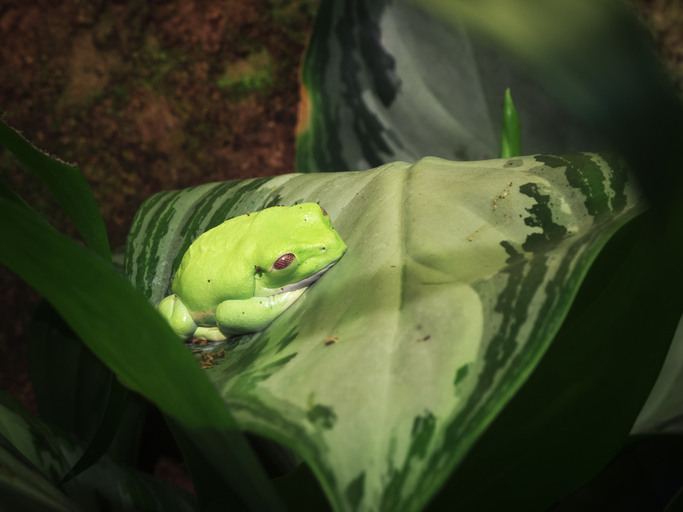
Frogs need small live insects to stay healthy during short term care.
Offer Safe, Live Insects
Most frogs respond best to live prey.
Moving insects encourage natural hunting behavior.
- Grasshoppers, crickets and beetles are common choices.
- Flightless flies, mealworms and bloodworms also work well.
- Avoid insects caught near pesticides or busy streets.
Live insects help keep the frog engaged and well fed.
Feed the Right Amount
Overfeeding can stress the frog and spoil the habitat.
Start slowly and observe how much the frog eats.
- Begin with two or three small live crickets.
- If the insects disappear quickly, you can maintain that amount.
- Remove uneaten bugs to prevent stress.
Moderate feeding keeps the temporary habitat clean and healthy.
Keep the Experience Positive
Feeding frogs can be surprising for kids who are new to wiggly prey.
Use the moment as a simple learning opportunity.
- Explain why frogs rely on insects for nutrition.
- Show how frogs use quick movements to catch prey.
- Encourage gentle observation rather than touching.
A calm feeding routine helps children appreciate the frog’s natural behavior.
Caring for a frog in a jar is simple when you understand these basics, and the experience can be a fun and memorable learning moment for kids.
Frequently Asked Questions (FAQ)
How to keep a frog alive in a jar?
You can keep a frog alive in a jar for a short time by providing air holes, clean water, natural cover and small live insects.
How to preserve frogs in a jar?
Preserving a frog in a jar requires chemical preservatives and is typically done only for scientific study, not home care.
How to keep frogs alive in a container?
Keep frogs alive in a container by offering ventilation, moisture, hiding spots and appropriate live food for short term care.
Does putting a frog in milk preserve it?
No, placing a frog in milk does not preserve it and will harm or kill the animal.
References
- All About Frogs: Common questions
- Teacher Webshelf: Housing and maintenance of frogs as pets