Belgian Malinois Navy SEAL: Why Elite Units Pick This Breed
The Belgian Malinois Navy SEAL partnership runs deeper than the Cairo headlines. Here is the full Belgian Malinois Navy SEAL story: drive, agility, joint health, and what civilian owners should take away.
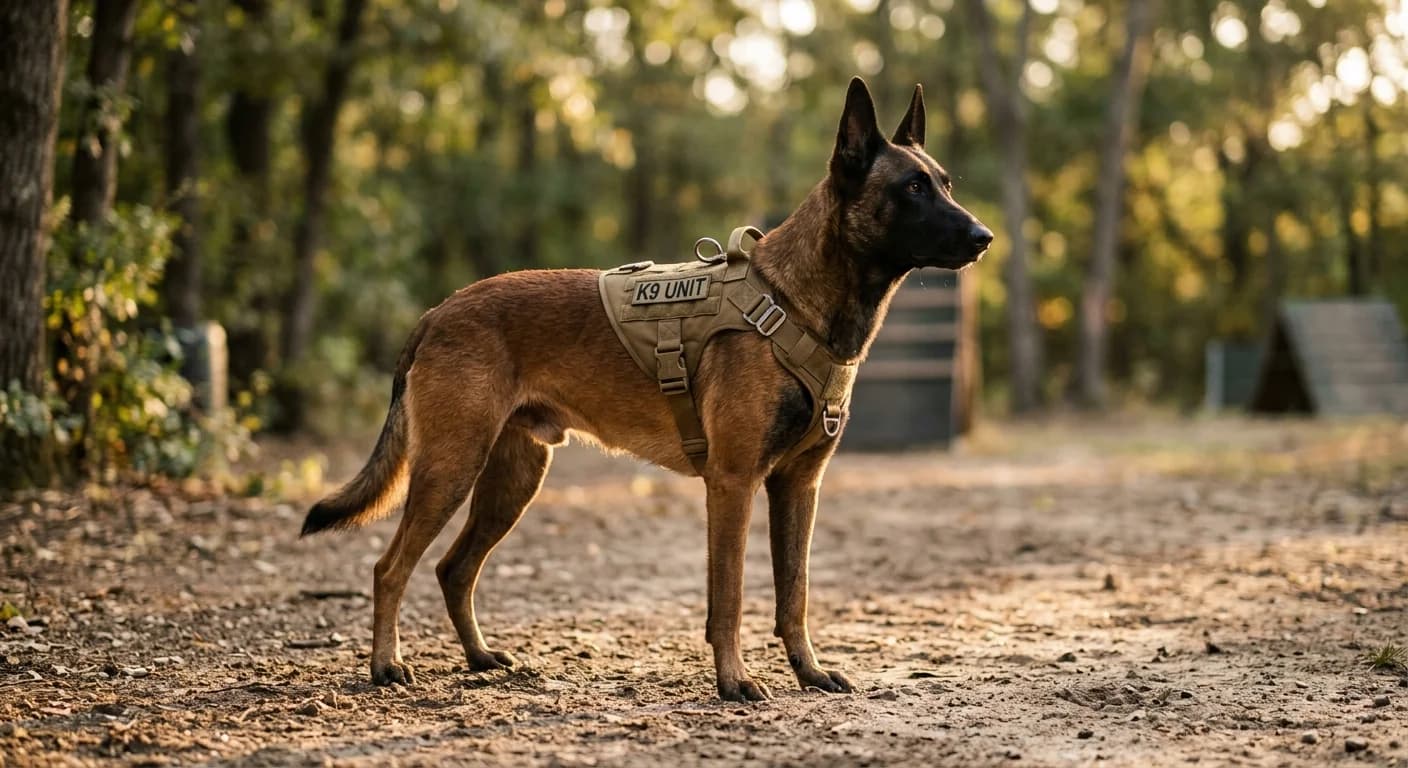
The Belgian Malinois Navy SEAL story is built on drive, agility, and joint health.
Petful is reader supported. As an affiliate of platforms like Amazon and Chewy, we may earn a commission when you buy through links on this page. There is no extra cost to you.
- Primary roles: explosive detection, narcotics detection, patrol/protection, tracking, search and rescue
- Famous example: Cairo (Belgian Malinois who deployed with SEAL Team Six on the 2011 Bin Laden raid)
- Average military training time: 18 to 24 months
- Average military career length: 6 to 10 years
- Cost of a fully trained military Belgian Malinois: $20,000 to $35,000+
- Why Mal over German Shepherd: drive, agility, joint health, lighter weight
The Belgian Malinois Navy SEAL story became public in 2011 when a Mal named Cairo parachuted into Pakistan with SEAL Team Six during the raid that killed Osama bin Laden. Cairo was the breed's introduction to most Americans, and the breed's role in elite military and police K9 work has only expanded in the years since. By 2026, the Belgian Malinois has effectively replaced the German Shepherd as the dominant breed in US Special Operations Command, the Secret Service, and the majority of municipal police K9 units.
Why? Three reasons: drive, agility, and joint health. This guide breaks down each one and explains what the Belgian Malinois Navy SEAL story actually means for civilian owners considering the breed. Pair this with our full Belgian Malinois breed guide and the Belgian Malinois vs German Shepherd comparison for the full picture.

Sign up for expert-backed reviews and safety alerts all in one place.
The Belgian Malinois Navy SEAL story: Cairo and Operation Neptune Spear
- On May 1, 2011, a Belgian Malinois named Cairo deployed with SEAL Team Six on Operation Neptune Spear, the Bin Laden raid in Abbottabad, Pakistan.
- Cairo’s three roles: explosive detection on approach, escape-tracking during the operation, and immediate alert for any non-target contact. He executed all three successfully and became the first widely-publicized Belgian Malinois Navy SEAL operator.
- Demand for Mal puppies spiked sharply after the public story broke. Most of those buyers were not equipped for the breed.
On May 1, 2011, US Naval Special Warfare Development Group (DEVGRU, also known as SEAL Team Six) executed Operation Neptune Spear, the raid on Osama bin Laden's compound in Abbottabad, Pakistan. Among the operators on that mission was a Belgian Malinois named Cairo, paired with handler Will Chesney.
Cairo had three primary roles on the mission:
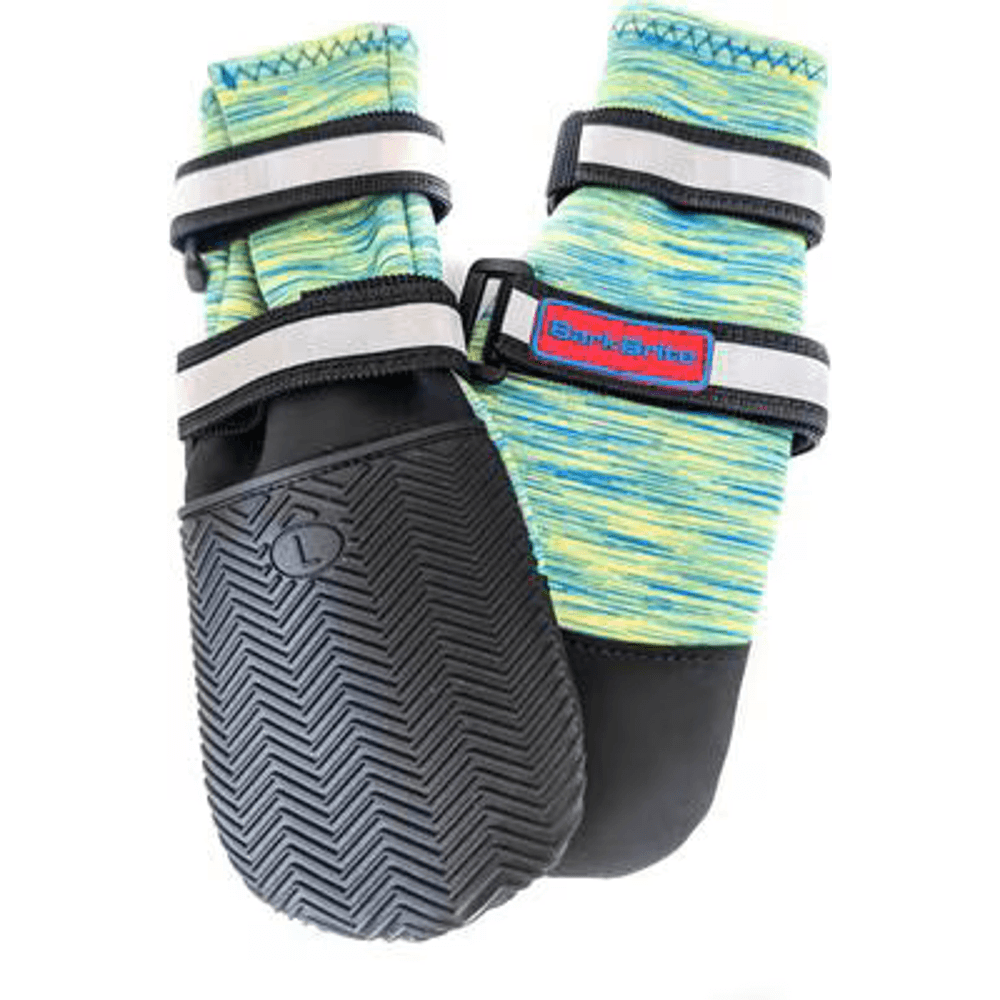
All-weather neoprene dog boots with grippy rubber tread soles that protect paws from cold, ice, and hot pavement and add traction on slick floors. Reflective straps aid visibility, with a secure hook-and-loop fit.
Petful may earn a commission when you click through to Chewy, at no extra cost to you.
- Detect any explosive devices on the compound's perimeter or interior approach.
- Track any individuals attempting to escape the compound during the raid.
- Provide immediate alert if any non-target individuals approached during the operation.
Cairo executed all three roles successfully and became the first Belgian Malinois Navy SEAL operator to be widely publicized after the mission. President Obama personally requested to meet Cairo during the post-mission visit to Fort Campbell. The Belgian Malinois Navy SEAL story spread, demand for Mal puppies spiked, and the breed has been visible in tactical-K9 contexts ever since.
Reason 1: Drive
Drive in working-dog terms means the relentless, internally-motivated need to engage with a task and finish what you start. The Belgian Malinois has the highest sustained working drive of any breed in widespread tactical use.
Practical implications:
- A Mal will continue working through pain, fatigue, and fear. A German Shepherd in the same circumstances will more often disengage.
- A Mal will pursue a target across obstacles, water, and rough terrain without hesitation.
- A Mal can repeat detection or apprehension training drills hundreds of times per week without losing focus.
- A Mal will redirect from one task to another almost instantaneously when commanded.
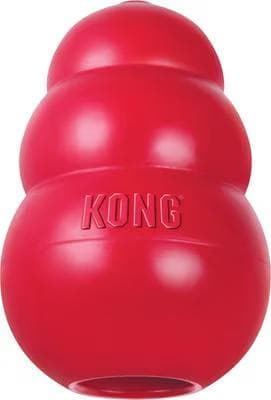
A durable rubber dog toy that can be stuffed with treats and selected by the manufacturer's size guide; supervise use and retire it when damaged.
Petful may earn a commission when you click through to Chewy, at no extra cost to you.
This drive is genetically deep. It cannot be trained into a German Shepherd that does not have it, and it cannot be trained out of a Malinois who does. For SEAL Team Six and other elite units, drive is non-negotiable: a dog that hesitates costs lives.
Reason 2: Agility
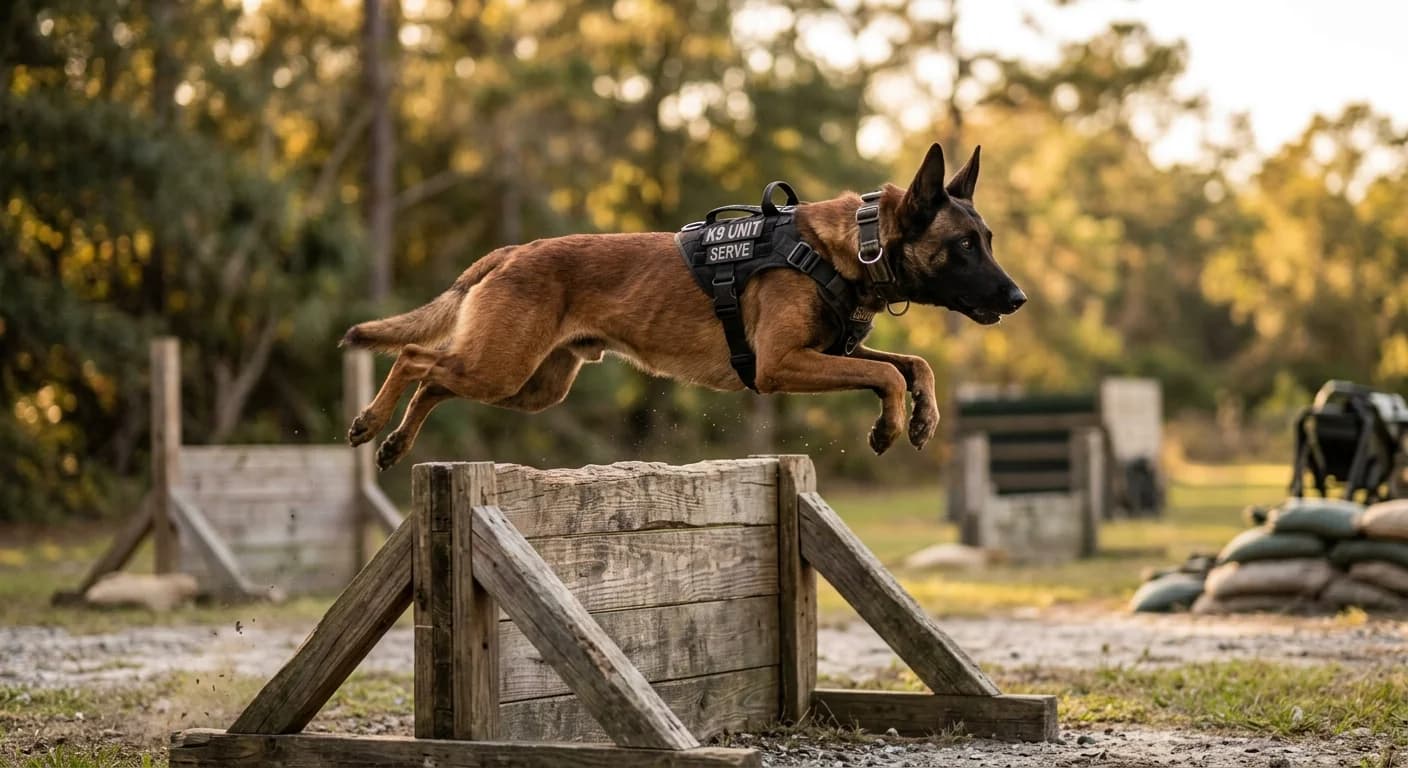
Belgian Malinois are smaller and significantly more agile than German Shepherds. Adult Mals weigh 60 to 80 pounds and stand 24 to 26 inches at the shoulder. Adult German Shepherds weigh 65 to 90 pounds and have a longer back. The size difference matters enormously in tactical contexts:
- Helicopter and aircraft operations: a Mal can be carried in a sling on a handler's chest during HALO (high altitude low opening) parachute jumps. A 90+ pound German Shepherd is impractical for this.
- Vertical scrambles: Malinois can scale 8-foot walls and rappel down with a handler. The breed's lighter weight and powerful hindquarters make this physically possible.
- Confined-space entry: a Mal fits through standard residential window openings, ventilation ducts, and small breach points that a German Shepherd cannot enter.
- Vehicle insertion: a Mal can ride on the back of a Zodiac inflatable boat without compromising freeboard, can balance on a Quad, and can ride atop a soldier in a low-altitude chopper insert.
German Shepherd handlers in the special operations community love their dogs but agree: the agility ceiling for a German Shepherd is meaningfully lower than for a Belgian Malinois.
Reason 3: Joint health and career longevity
This is the under-discussed reason. Decades of show-ring and breed-club breeding produced a German Shepherd hip and elbow structure that fails earlier and more often than any other major working breed. Working-line German Shepherds frequently wash out of military and police service by age six due to dysplasia and orthopedic injury.
Belgian Malinois, bred almost exclusively in working-dog circles in Belgium, the Netherlands, and France, never went through the show-ring breeding distortions. OFA hip dysplasia data consistently shows Malinois with significantly lower dysplasia rates than German Shepherds.
Practical career implications:
- German Shepherd average tactical career: 4 to 7 years before orthopedic retirement.
- Belgian Malinois average tactical career: 7 to 10 years before retirement.
- Cost per career-year: dramatically lower for Malinois because the dog stays in service longer per training investment.
The military and police trained-dog cost ($20,000 to $35,000 per dog) is amortized over a longer service life with the Malinois, making it the more economical choice as well as the more capable one.
How Belgian Malinois Navy SEAL dogs are trained
Military and police Belgian Malinois go through a structured multi-stage training program that typically takes 18 to 24 months from puppy selection to operational certification.
Stage 1: Puppy selection (8 to 12 weeks)
Puppies are selected from working-line breeders with proven sport or service titles. Selection criteria emphasize prey drive, hunt drive, environmental nerve, and structural soundness. Most puppies from any litter do not pass selection; the program is highly selective.
Stage 2: Foundation training (3 to 12 months)
Selected puppies move to handler imprinting, basic obedience, environmental conditioning, early scent introduction, and bite-development work. Puppies live with handlers in foster-like arrangements during this stage.
Stage 3: Specialty training (12 to 18 months)
Dogs are tracked into specialty roles based on individual aptitude:
- Explosive Detection Dog (EDD)
- Narcotics Detection Dog (NDD)
- Patrol/Protection Dog
- Combat Tracker Dog
- Multi-Purpose Canine (MPC, the SEAL Team Six designation, combines several specialties)
Stage 4: Operational certification (18 to 24 months)
Dogs and their handlers complete certification trials and join their assigned unit. Once certified, dogs are paired with a single handler for the remainder of their career, similar to civilian working-sport dog pairings.
What Belgian Malinois Navy SEAL dogs eat, wear, and use
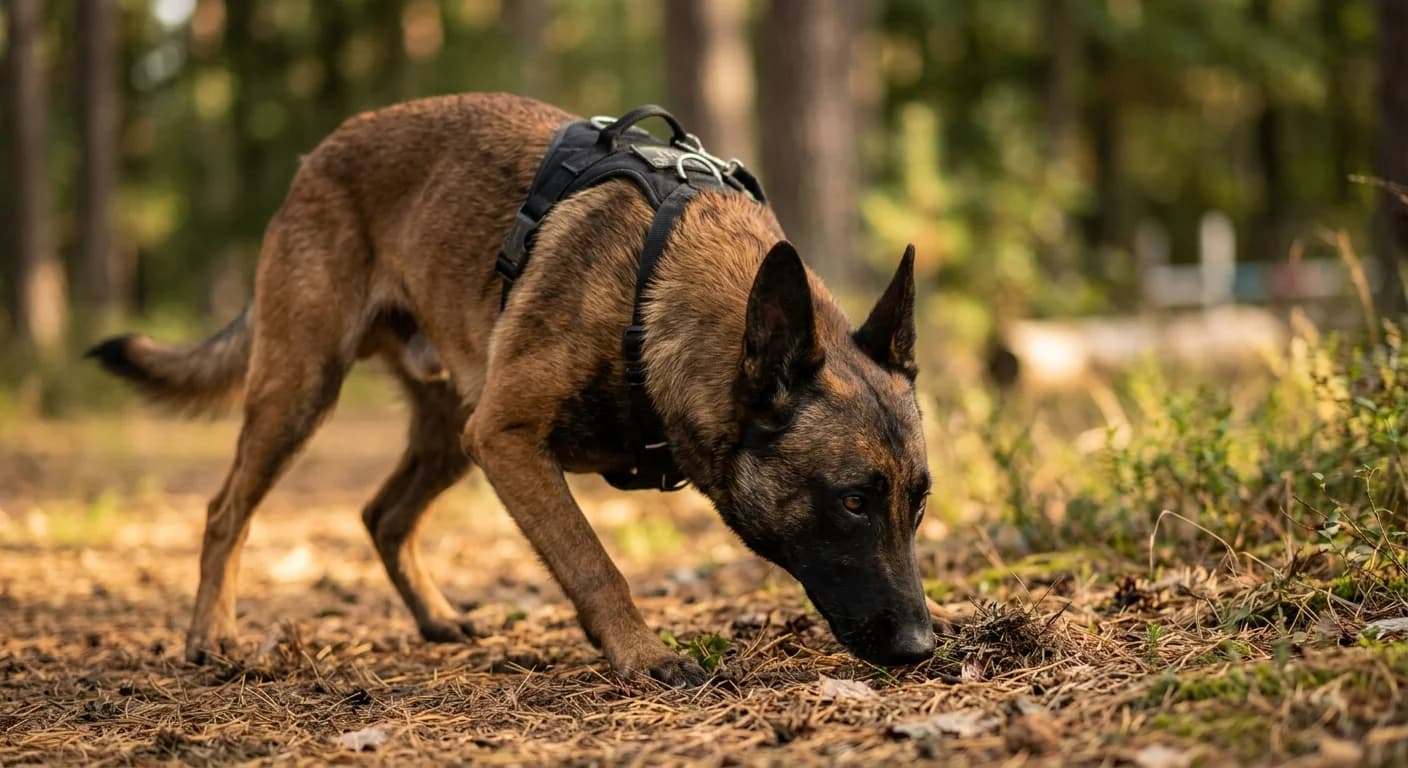
Operational military Belgian Malinois are equipped with specialized gear:
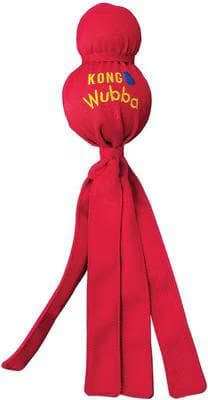
A large fabric-covered dog toy for supervised tug and fetch; choose the size for your dog and retire it if seams or material begin to fail.
Petful may earn a commission when you click through to Chewy, at no extra cost to you.
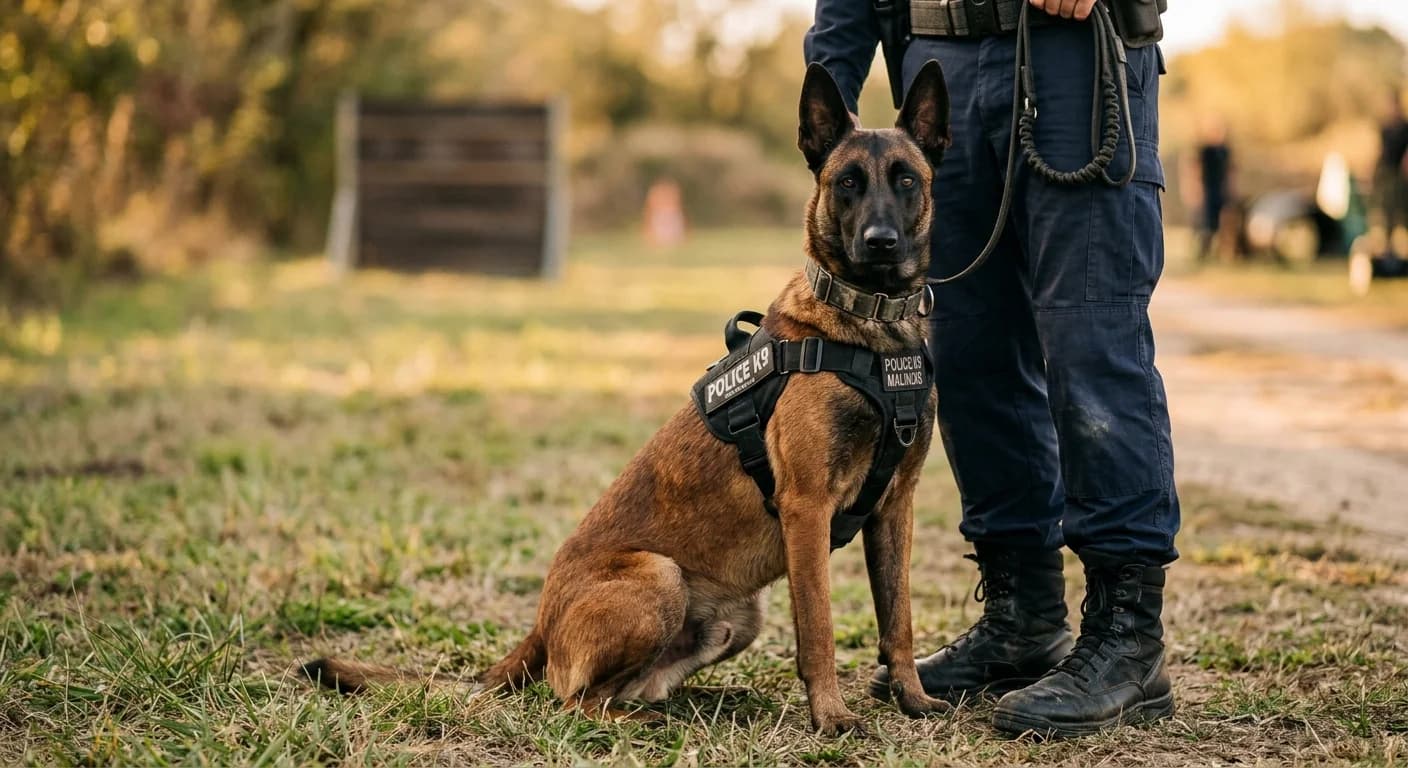
- Tactical harness with handler-grab handle, K9 medic pouches, and IFF (Identify Friend or Foe) markers.
- Ballistic vest, lightweight (~3-5 lbs) configuration designed for the Mal's weight class.
- K9 night vision and thermal cameras (worn on harness or head-mounted).
- Booties for hot-surface operations and cold-weather missions.
- GPS tracker and communications relay.
Diet for working military Mals is performance-formulated kibble with elevated protein and fat for sustained activity. Field rations are typically vacuum-sealed kibble blocks for compact mission carry.
Why not the German Shepherd?
Tactical-K9 communities still use German Shepherds, especially in patrol and protection roles where the dog's slightly larger size and intimidation presence are valuable. But the trend over the last 20 years has been a clear migration to Belgian Malinois for the following reasons:
- Drive ceiling. Mals push harder for longer.
- Agility. Mals fit more operational profiles.
- Joint health. Mals stay in service longer.
- Weight. Mals are practical for parachute insertion, helicopter operations, and confined-space work.
- Trainability under pressure. Mals show less stress shutdown in extreme environments.
German Shepherd handlers will tell you their dogs do specific things better than Mals (typically calm-presence patrol work and sustained focus during long static guard duty), but for the high-tempo insertion-and-extraction work that defines Tier 1 special operations, the Mal has won the breed selection contest.
What this means for civilian Belgian Malinois owners
- The Belgian Malinois Navy SEAL marketing produced the single biggest pipeline of mismatched-owner surrenders in the breed's history. Approximately 12 percent of post-2011 Mal purchases ended in rescue within 3 years.
- The drive that makes a Mal useful for tactical work is the same drive that makes them difficult civilian pets. You cannot get the elite-K9 capabilities without the elite-K9 daily demands.
Reading about Belgian Malinois Navy SEAL operations is exciting. Translating that excitement into a puppy purchase often ends badly. Three things prospective owners should understand:
- Operational military Malinois come from a tiny subset of working lines selected for extreme drive. The puppy you buy from a typical reputable breeder will not be that dog. Most pet-line and even working-line Mals would wash out of military selection at puppy stage.
- The drive that makes a Belgian Malinois useful for tactical work is the same drive that makes them difficult civilian pets. You cannot have the elite-K9 capabilities without the elite-K9 daily demands.
- If you want a working partner that can do real work (Schutzhund, IPO, French Ring, agility, herding, nosework), the Belgian Malinois delivers. If you just want the breed because of the SEAL story, choose a different breed and read the Cairo memoir instead.
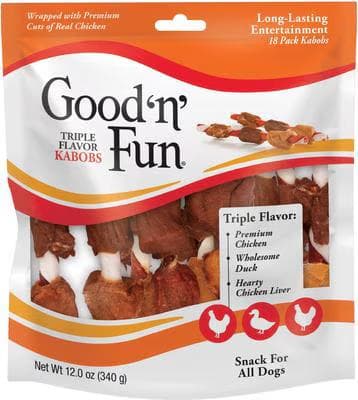
High-value training treats matter for a Belgian Malinois: the breed's drive demands a reward that genuinely earns the work. These triple-flavor kabobs (chicken, duck, chicken liver) hit the high-value tier without going to raw meat. 18-count bag carries a week of training sessions for a working-line Mal.
Petful may earn a commission when you click through to Chewy, at no extra cost to you.
Roughly 12 percent of Belgian Malinois purchased in the years immediately after the 2011 Bin Laden raid were surrendered to rescue within their first three years. The Belgian Malinois Navy SEAL marketing is the single biggest documented pipeline of mismatched-owner surrenders in the breed's history.
Watch this Belgian Malinois Navy SEAL training overview
Footage of military and police Belgian Malinois in operational training, with explanation of how the breed's traits translate to tactical performance:
Frequently Asked Questions
Navy SEALs use Belgian Malinois because of the breed's high drive, lighter weight (which enables parachute insertion and helicopter operations), greater agility, and significantly better hip and elbow health than the German Shepherd. The Mal stays in operational service longer than the German Shepherd.
Cairo was the Belgian Malinois who deployed with SEAL Team Six on the May 2011 Bin Laden raid. His handler Will Chesney later wrote a memoir about the partnership.
No. Military and police K9 units use multiple breeds including German Shepherds, Dutch Shepherds, Labrador Retrievers (especially for detection), and various other working breeds. Belgian Malinois have become the dominant breed in elite tactical units but are not the only military breed.
A fully trained operational military Belgian Malinois costs $20,000 to $35,000 (and sometimes more). The cost reflects 18 to 24 months of structured training plus the breeder cost of a selected working-line puppy.
No. Operational military Malinois are not sold to civilians during their service career. Retired military and police Mals are sometimes adopted out through programs like Mission K9 Rescue, but the dogs typically come with significant behavioral baggage and are appropriate only for very experienced handlers.
Yes. Operational K9 partnerships are single-handler relationships that last the dog's service career, typically 6 to 10 years. The dog and handler train, deploy, and decompress as a single unit.
The raid required a dog who could parachute with handlers, scale walls, detect explosives, and track potential escape attempts in confined spaces. The Belgian Malinois fit every requirement where a German Shepherd would have failed at least one.
Continue your Belgian Malinois research
These deeper guides cover specific Belgian Malinois topics in detail. Each is a standalone read but they reinforce each other if you are seriously evaluating the breed.
- Belgian Malinois: The Complete Breed Guide
- Belgian Malinois vs German Shepherd: Full Comparison
- The 4 Belgian Shepherd Varieties: Malinois, Tervuren, Groenendael & Laekenois
- Belgian Malinois Price & Total Cost of Ownership
Sources and further reading
These authoritative external sources informed this Belgian Malinois guide and are the right next stops for primary-source research.
How Belgian Malinois became the dominant police dog breed
The Belgian Malinois did not start as the dominant police dog breed. For most of the 20th century the German Shepherd held that title across North American and European police departments. The shift began in the 1990s and accelerated through the 2000s as departments recognized that the Belgian Malinois outperformed the German Shepherd on three axes police work cares about: drive, agility, and joint health. By 2020 the Belgian Malinois was the dominant police dog breed across United States Special Operations Command and the majority of major-city police K9 units.
Other breeds remain in police service for specialized roles. Labradors and Springer Spaniels dominate detection-only work (explosives, narcotics) because their lower bite drive makes them safer in crowd-control settings. Bloodhounds remain the tracking specialty for cold trails. Dutch Shepherds compete with the Belgian Malinois for the same patrol and protection roles and are gaining share. But the Mal remains the default working police dog breed for general-purpose patrol K9 programs. For more, see Petful’s guide to Dutch Shepherd vs Belgian Malinois.
Navy SEAL dogs: what makes the Belgian Malinois the right pick
The military and special operations question of which navy seal dogs are best comes down to the same drive, agility, and joint-health analysis but with higher stakes. A police K9 that washes out costs the department training time. A military K9 that washes out under combat conditions can cost lives. Navy SEAL dogs need to perform at the extreme edge of canine capability for sustained periods in stressful environments. The Belgian Malinois delivers on that spec consistently enough that the United States Naval Special Warfare community standardized around the breed.
Other navy seal dogs in operational rotation include Dutch Shepherds (similar profile, slightly less drive on average) and occasional Labrador Retrievers for detection-only missions. The Belgian Malinois remains the default multi-purpose canine (MPC) selection.
- Navy seal dogs primary breed: Belgian Malinois (90%+ of operational MPCs).
- Navy seal dogs secondary breed: Dutch Shepherd (similar working profile).
- Navy seal dogs specialty role: Labrador Retriever (detection-only).
- Police dog breed dominant choice (2026): Belgian Malinois across patrol and protection roles.
- Police dog breed for detection-only: Labrador, Springer Spaniel (lower bite drive).
Bringing it all together
The Belgian Malinois Navy SEAL story is real. The breed has earned its place in elite military and police K9 work through superior drive, agility, and joint health that lets the dog stay operational longer than any competing breed. Cairo's role in the Bin Laden raid was the public introduction; every year since has reinforced the breed's dominance in tactical K9 selection.
If you are drawn to the Belgian Malinois because of that story, channel the interest into reading Cairo's handler's memoir or visiting a working-dog sport club. If you are still convinced you want the breed in your home, work through our honest family-fit assessment first, then build the daily commitment a Belgian Malinois actually requires (see our Belgian Malinois exercise guide). The breed deserves owners who understand what they are signing up for, not owners chasing a movie-trailer image.

Coreen Saito is a pet writer and longtime shelter volunteer with more than a decade in animal rescue. She covers cat behavior, breed care, and the small, ordinary science of sharing a life with companion animals, with a particular focus on honest takes about the products and decisions that actually matter. At home in Arizona, she's outranked by Mac (a dog with the loudest opinion in the house), Rebel (a cat who governs by quiet authority), and Meri (an orange tabby who runs the late shift and the laundry basket). She writes about all three, plus the rescues that keep coming through her life, at LifeWithMinty.com.
Sign up for expert-backed reviews and safety alerts all in one place.