Tibetan Mastiff Colors and Coat Patterns
Learn how to identify Tibetan Mastiff colors, tan points, and limited white markings in neutral light, account for puppy and seasonal coat changes, and avoid unsupported rarity claims.
Petful is reader supported. As an affiliate of platforms like Amazon and Chewy, we may earn a commission when you buy through links on this page. There is no extra cost to you.
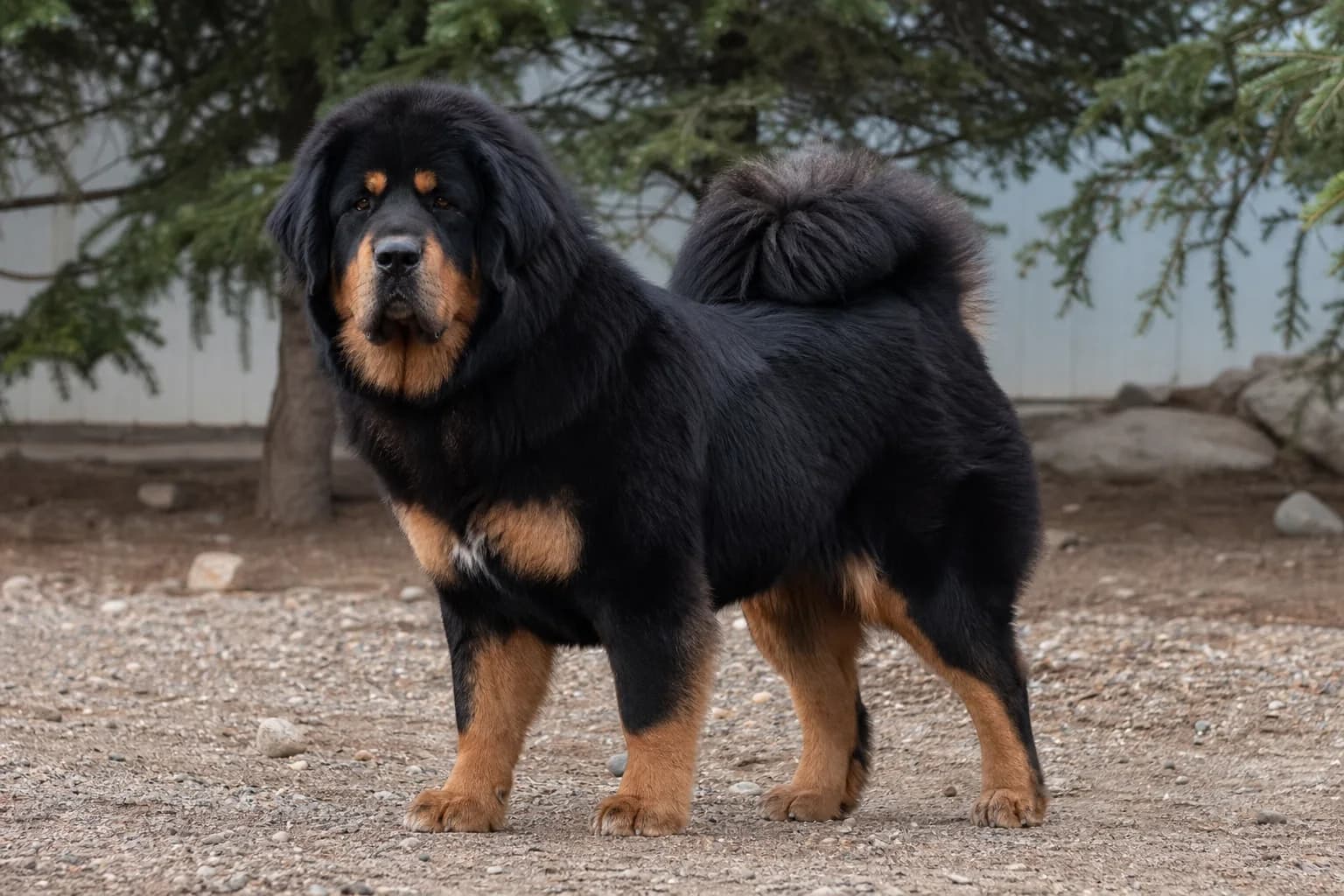
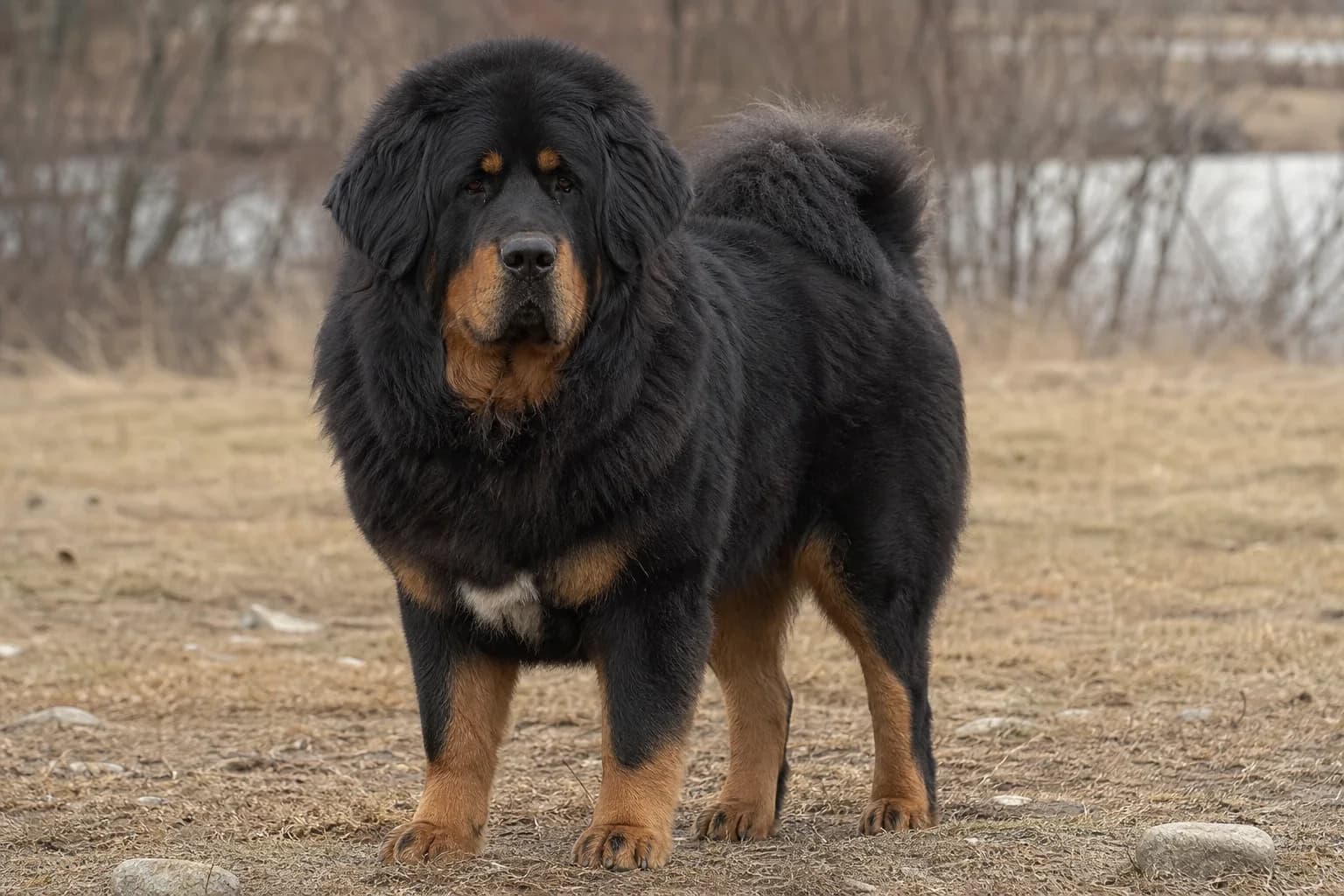
Tibetan Mastiff colors include black, black and tan, brown, blue-gray, blue-gray and tan, and shades of gold. Tan points and limited white markings may also be part of the dog's appearance. Names vary between standards and sellers, so identify what is visible before attaching a rarity claim.
This is a visual identification guide, not a test of health, temperament, ancestry, or value. A Tibetan Mastiff dog should never be chosen by shade alone. Use neutral daylight, unfiltered views, verifiable records, and the current standard that applies to the decision.

Sign up for expert-backed reviews and safety alerts all in one place.
Tibetan Mastiff colors at a glance
Tibetan Mastiff coats may be black, brown, blue-gray, or gold, with or without tan points depending on the base. Limited white may occur. Identify base pigment and marking placement in neutral light, allow for puppy and seasonal change, and put health, temperament, and responsible sourcing ahead of a rare-color sales label.
The American Kennel Club breed standard and other registry standards provide the vocabulary used in conformation. The American Tibetan Mastiff Association can help prospective owners understand the breed beyond a color chart. Always confirm the current wording rather than relying on an old screenshot or seller summary.
Tibetan Mastiff coat colors and coat markings should be described separately. The base pigment answers the first question; placement of tan or white answers the second. A dense double coat can soften the boundary between them, especially during seasonal change. This layered description is more accurate than compressing the dog into one creative sales label.
Use authority for the right question
The American Kennel Club is authoritative for its current U.S. conformation standard, not for diagnosing skin disease or proving a seller's puppy identity. The American Tibetan Mastiff Association provides breed-specific education, but a club reference is not a substitute for the actual record of the dog being sold. Medical interpretation belongs with a veterinarian.
Write down the decision before choosing the source:
- Registration or showing: use the named registry's current standard and process.
- Pet description: record visible base, markings, and coat state in plain language.
- Pedigree: use traceable registration and breeder records.
- Health: use veterinary examination and appropriate testing.
- Ancestry estimate: read the DNA company's method and limitations.
The word "official" is incomplete without the organization and purpose. Two sources can use different wording without either settling a medical or pedigree question they were never designed to answer.
The four observations to record
Describe a coat in this order:
- Base pigment: black, brown, blue-gray, or a gold shade.
- Tan point placement: whether lighter points appear in expected areas.
- White extent: location and amount rather than a dramatic pattern name.
- Coat state: puppy, adult, sun-affected, wet, clipped, or carrying loose seasonal undercoat.
That sequence separates what the eye can document from what a pedigree or genetic test might establish. It also makes two sets of photographs easier to compare.
Color does not identify the breed
A long coat, broad head, curled tail, or familiar shade cannot prove that a dog is an "original Tibetan Mastiff." Mixed-breed dogs and other guardian breeds may share visible traits. Petful's complete Tibetan Mastiff guide explains the broader questions about temperament, structure, history, and household fit.
DNA-based ancestry products can provide one kind of information, but results depend on the company's reference data and methods. The Embark Breed Identification Kit is one product to compare by current breed coverage, sample instructions, privacy terms, and how results will be used. It does not replace registration records or determine conformation eligibility.
How to identify color and markings
| Observation | What to record | What not to assume |
|---|---|---|
| Base pigment | Black, brown, blue-gray, or gold as seen at the roots and across several body areas | A creative seller label is an official color |
| Tan points | Placement at eyebrows, muzzle, chest, lower legs, and under the tail when present | Every lighter hair is a tan point |
| White | Exact location and extent on chest or feet | More white automatically means rarer or more valuable |
| Coat state | Puppy coat, seasonal undercoat, sun exposure, dampness, and grooming history | One photograph represents permanent adult shade |
| Evidence | Neutral daylight views plus the current applicable standard | Filters, warm indoor light, or price can verify identity |
A Mastiff coat should be examined across the whole dog, not judged from one close-up. A Mastiff dog with dense guard hair and undercoat can look different at the shoulders, mane, flanks, tail, and roots. Part the coat gently in several areas and compare the same body regions.
Black and black-and-tan
A solid black Tibetan Mastiff has black as the visible base. Individual hairs, undercoat, or sun-exposed tips may not look identical in every location, but the dog should not be relabeled from one faded patch. Check the roots and shaded areas when weathering is suspected.
Black and tan adds organized lighter points. Common locations include the eyebrows, sides of the muzzle, throat or chest, lower legs, and area beneath the tail. The useful feature is tan point placement, not whether a seller calls the points copper, mahogany, fire, or another premium-sounding name.
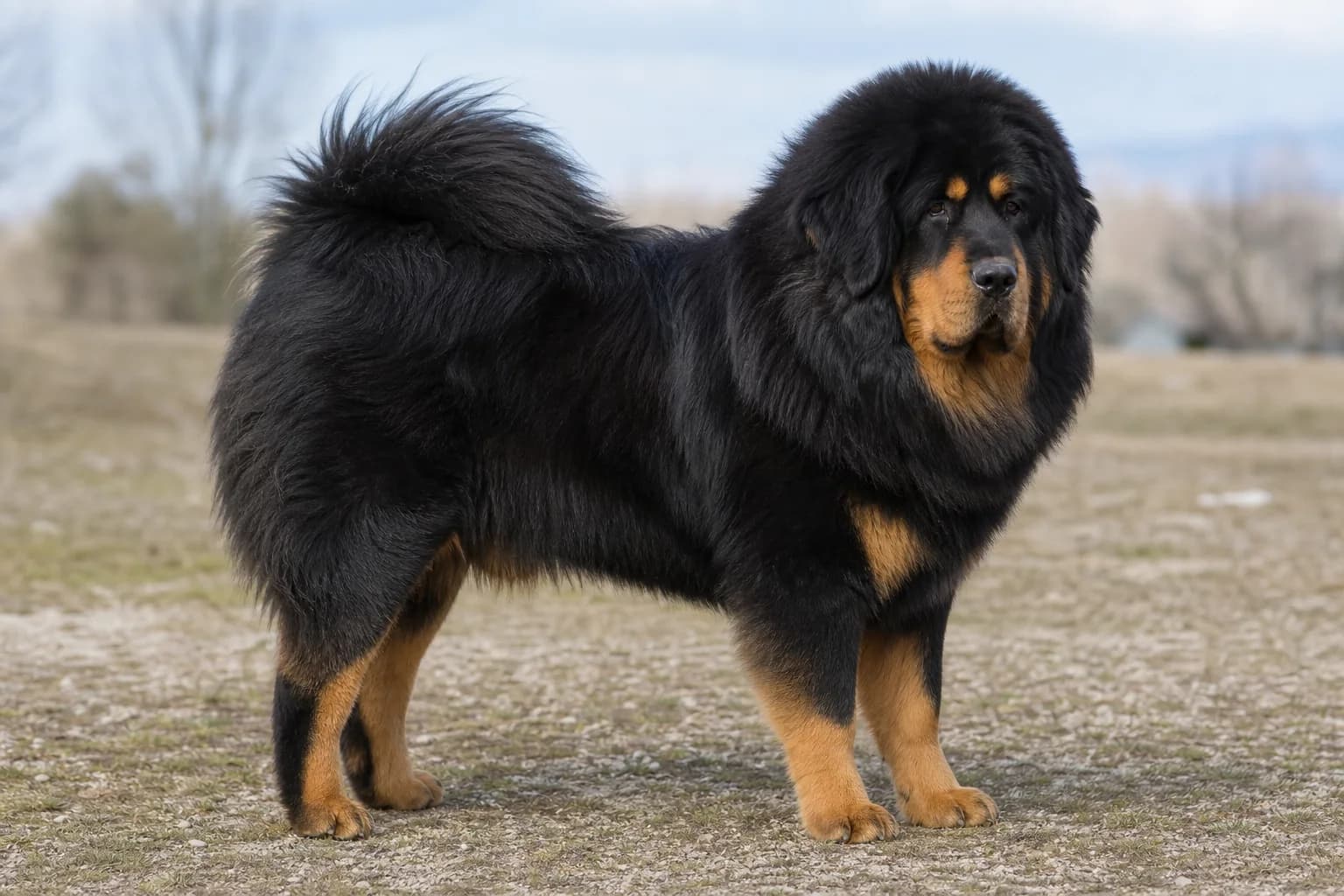
Observe symmetry without expecting a printed pattern. Markings can differ slightly from side to side, and coat length can hide edges. Photograph both sides, the face, chest, and lower legs before comparing the pattern to a written standard.
Petful may earn a commission when you click through to Chewy, at no extra cost to you.
Black coats show dust, loose undercoat, and sun-lightened tips readily. A warm cast on the mane does not automatically make the dog brown. Look at multiple regions in indirect daylight and examine new growth closer to the skin.
Separate pigment from surface change
Start at the roots in a shaded body area, then compare exposed guard-hair tips. When the roots remain dark but tips are warm or faded, sun and weather are plausible explanations. When the change follows a collar or harness, friction may be involved. Neither observation establishes a diagnosis.
Surface material can also alter color. Dust makes black look dull, loose pale undercoat changes contrast, and saliva can stain hair around the mouth. Gently clean and dry the area before recording a lasting difference. Do not use a color-enhancing shampoo as the first step because it changes the evidence being evaluated.
Create a small map:
- Shoulder roots and tips.
- Mane beneath and above the collar.
- Mid-flank under parted coat.
- Tail surface and undercoat.
- Muzzle and foot areas exposed to moisture.
If the change includes itch, odor, redness, broken hair, or discomfort, the question has moved from color identification to health. Preserve a photograph and product history for the veterinarian.
Brown and brown-and-tan
Brown pigment should be considered across the coat and visible pigment rather than named from a warm photograph. Indoor bulbs and sunset light can make a black dog appear brown, while deep brown can photograph almost black in shade.
Brown-and-tan follows the same marking logic as black-and-tan. Record the brown base first, then map the lighter points. Do not collapse base color and markings into one vague label such as "chocolate tri" without checking whether that term appears in the standard being used.
The nose and other visible pigment can provide context, but owners should not make genetic conclusions from appearance alone. Coat products, saliva staining, dirt, and camera processing can alter small areas.
Document brown without relying on warmth
Place the dog beside a neutral gray or white background in indirect daylight. Take one full-body image and one parted-coat close-up without changing saturation. Repeat the same views when the coat is dry and free of loose debris.
Compare the dog's shaded roots with a black object in the same frame, but do not treat the object as laboratory calibration. The goal is to catch a large camera or lighting shift. A direct visual examination and records remain more important than the screen.
Avoid a binary decision from one area. Deep brown can look black in shade, while a sun-affected black mane can look brown. Consistency across roots, nose pigment, and multiple body regions gives a more defensible description without claiming genotype.
Blue-gray with or without tan
Blue-gray describes diluted-looking slate or gray pigment, not a bright blue coat. The shade may look cooler in overcast conditions and warmer indoors. Check the roots, nose pigment, and several body regions while recognizing that a photograph cannot replace records or genetic interpretation.
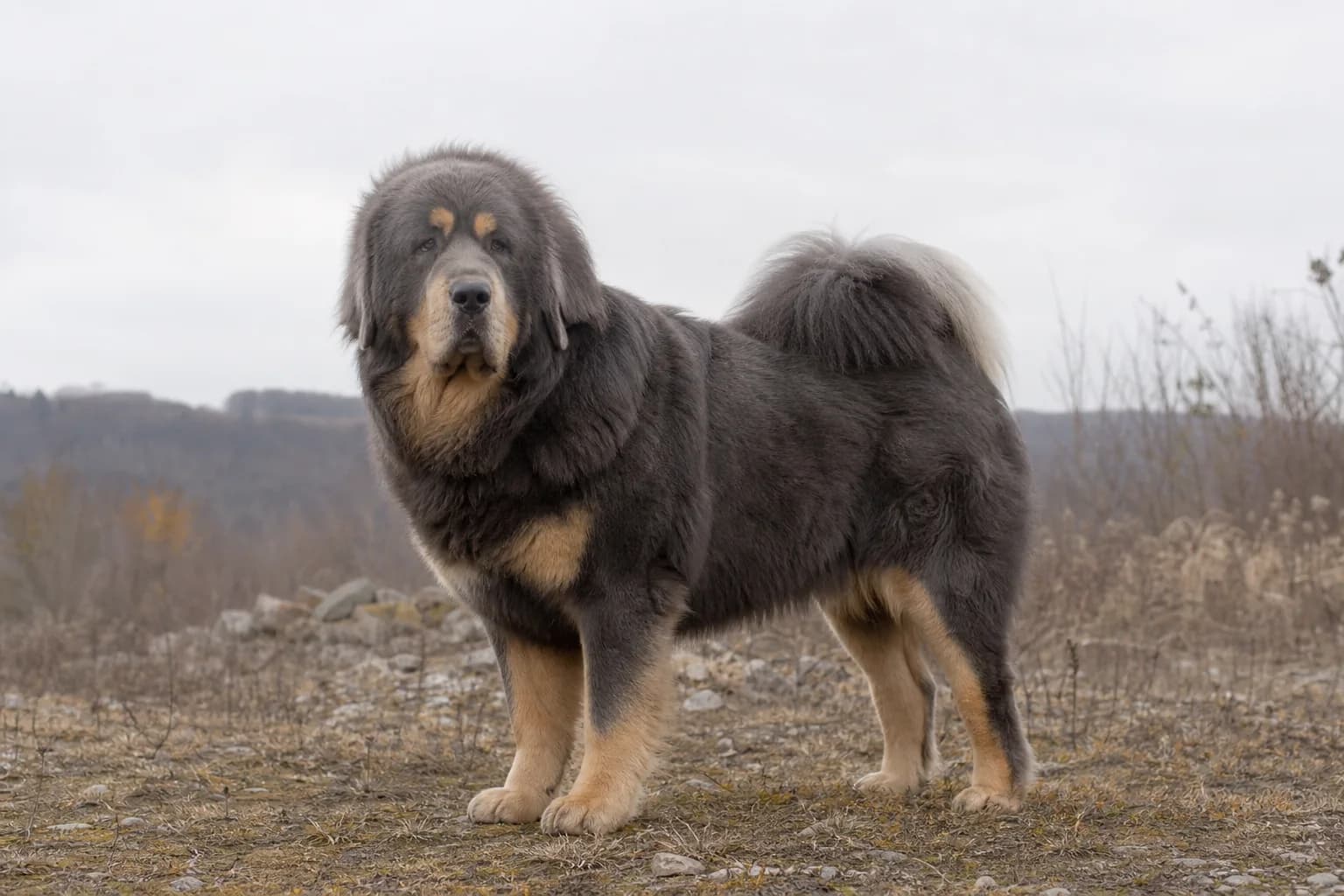
A blue-gray and tan dog has lighter points arranged in the expected areas. Soft contrast can make markings harder to see than on a black-and-tan dog. Increase observation quality with neutral light rather than increasing image saturation.
Blue-gray is an established descriptive category in standards; it should not become a reason to ignore health or temperament. Ask the same screening and sourcing questions asked for any other puppy. A less common appearance is not evidence of better breeding.
Use dilution language carefully
"Dilute" can describe the appearance of reduced pigment intensity, but a visual label alone does not establish the underlying genetics. Different mechanisms, camera settings, or surface effects can produce a similar-looking photograph. State what is observed and separate it from what a validated test or breeding record supports.
Do not assume that every blue-gray dog has a health problem, or that color guarantees health. If the dog has hair breakage, thinning, recurrent skin irritation, or infection, a veterinarian should investigate the actual signs. The coat name neither diagnoses nor rules out disease.
A seller who invokes genetics should provide:
- The named test and laboratory.
- The dogs sampled and their verified identities.
- The reported result rather than a verbal summary.
- An explanation of what the result can and cannot establish.
- The same orthopedic, thyroid, eye, and family-history information expected for every color.
Genetic language should increase transparency. It should not be used to end questions.
Gold and red-gold coats
Gold spans a range rather than one paint-chip match. A dog may appear pale gold, warm gold, or deeper red-gold depending on the actual coat, light, season, and camera. Describe the visible depth without inventing a separate breed variety.
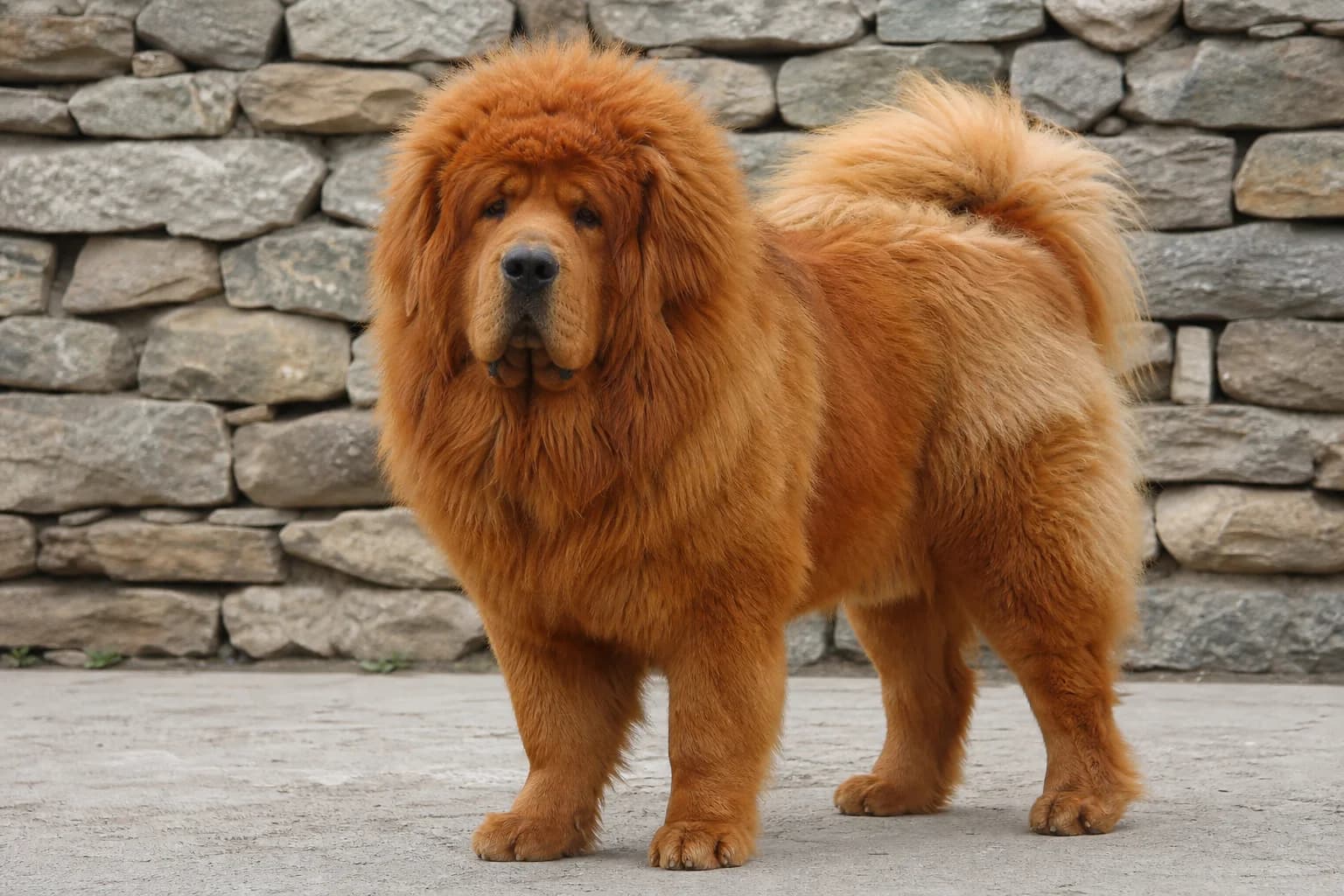
Black shading or darker hair may be visible in some gold coats. The current standard determines how such features are described for showing. For an owner, the important distinction is between an honest description and a claim that the shade predicts health, size, behavior, or price.
Petful may earn a commission when you click through to Chewy, at no extra cost to you.
What color are Tibetan Mastiffs golden? A golden Tibetan Mastiff has coat color in the gold spectrum, from paler gold through deeper red-gold. View the dog in neutral daylight, because warm light and editing can exaggerate red tones. Record the same body regions instead of choosing the most dramatic photograph.
Compare gold shade across time
Gold is especially vulnerable to misleading warmth. Indoor tungsten bulbs, late-afternoon sun, warm stone, autumn foliage, and automatic portrait filters can all deepen red tones. Take the reference view in open shade, then use that view when comparing later photographs.
Keep exposure consistent enough that pale areas are not blown out and the face is not lost in shadow. If the phone applies automatic enhancement, save the original or disable the feature for the reference set. Do not compare a processed studio portrait with a casual indoor snapshot and call the difference coat change.
Puppy development and seasonal undercoat can create real change too. Record the dog's age and coat state. A seller can describe the likely family range, but cannot guarantee a precise adult shade from an early puppy photograph.
A simple owner description
For owners, the practical language can remain simple:
- Pale gold.
- Medium gold.
- Deep or red-gold.
- Gold with visible darker shading.
Use those as descriptions, not new official categories or price tiers.
Tan points
Tan points are markings, not a separate base color. Map where they appear and whether they remain distinguishable at the roots. Long feathering can blur the edges, especially on the chest and legs.
A practical map includes:
- Small marks above the eyes.
- The sides of the muzzle and cheeks.
- Throat or chest areas.
- Lower portions of the legs.
- The area beneath the tail.
Standards differ in wording and tolerances. If the purpose is registration or showing, ask the relevant registry or knowledgeable breed mentor to interpret the current text. A pet owner can simply record the dog's appearance accurately.
Make a marking map
A marking map lets two people describe the same dog without arguing over a name. Use a simple outline or written list. Record the eyebrow marks, both sides of the muzzle, throat, chest, each leg, feet, and the area under the tail.
For every location, note:
- Whether the marking is present.
- Its approximate boundary.
- Whether long hair obscures the edge.
- Whether the roots match the visible tips.
- Whether the feature changed in a dated comparison.
Do not measure significance by surface area alone. Placement may matter to a standard, while a pet record only needs an accurate description. Ask the registry to interpret eligibility rather than making a confident ruling from a partial view.
The same method prevents invented pattern names. If the dog has a small chest patch, write "small white chest patch." Plain description is more useful than a term that implies ancestry or rarity without evidence.
A neutral-light identification protocol
The neutral-light identification protocol creates repeatable evidence instead of a beauty shot. Use indirect daylight near open shade or an overcast sky. Avoid mixed indoor bulbs, colored walls, sunset, flash glare, and filters.
- Make repeatable reference photos | Use the same location, camera, distance, and fixed white balance for both sides of the dog. Include the face, chest, legs, tail area, and a parted-coat view near the roots. Save unedited originals with the date. Repeatable reference photos make real change easier to separate from lighting or processing.
Prepare the dog and setting
Brush away loose surface debris without bathing or applying a color-enhancing product immediately before the comparison. The coat should be dry. Choose a neutral background that does not cast strong color onto the dog.
Include a familiar neutral object in the frame when practical. The object is not a laboratory calibration tool, but it can reveal a major white-balance shift between sessions. Avoid placing the dog beside intensely colored fabric or foliage that reflects onto the coat.
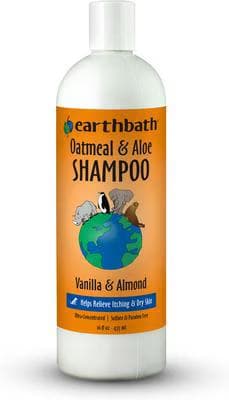
For routine bathing outside a comparison session, the Earthbath Oatmeal & Aloe Dog & Cat Shampoo is one shampoo to compare by ingredients, dilution instructions, fragrance tolerance, skin history, and rinsing needs. It does not treat an undiagnosed skin condition. Rinse thoroughly and dry the double coat completely.
Capture the same views
Take:
- Full left and right profiles.
- A front view of the face and chest.
- Close views of eyebrow and muzzle points.
- Lower legs and feet.
- The underside of the tail.
- A parted view showing roots and undercoat.
Keep the camera's processing consistent. Automatic enhancement can change contrast, lift shadows, or intensify warm tones differently in each frame. Save the original files before cropping.
Record context with the files
Write down the date, age, time of day, weather, coat state, recent grooming, and whether the dog is shedding. If a color difference appears later, those notes provide alternatives to a sudden pigment change.
This protocol shows how lighting and editing alter perceived shade. Warm indoor light can push black toward brown and gold toward red. Cool shade can make black look blue. High contrast can hide tan points, while excessive shadow recovery can invent detail that was not visible.
Build a contact sheet
Keep the unedited originals and make a contact sheet that shows the same views at the same size. Label each frame with date, age, light, and coat state. The comparison should make context visible rather than selecting whichever image best supports a preferred label.
A useful set includes:
- The original full frame.
Petful may earn a commission when you click through to Chewy, at no extra cost to you.
- A consistent crop of the full body.
- One roots-and-undercoat close-up.
- Face, chest, and lower-leg details.
- A note for any clipped, stained, damp, or sun-exposed area.
Do not erase background cues that reveal light. If privacy requires a crop, retain an internal original. A seller who supplies only tightly edited coat close-ups has not provided enough context to assess the whole dog.
Audit an online listing
Download or screenshot the listing before contacting the seller so wording changes can be compared. Record the exact color name, claims about rarity, claimed parent colors, and whether images show the same puppy. Ask for a live view in ordinary daylight with the puppy and caregiver together.
Check for inconsistencies:
- Different eye, chest, or leg markings across photographs.
- Backgrounds or dates that suggest several dogs.
- Repeated images found in unrelated listings.
- Saturation that clips black areas or turns neutral objects orange.
- A color name that changes after the buyer asks for records.
An inconsistency is a reason to ask, not automatic proof of fraud. Refusal to clarify identity, location, records, or live observation is the stronger signal to stop.
What a photograph cannot settle
A photograph cannot prove pedigree, genetic genotype, health, or official show classification. It cannot show how the coat looks under every condition. It is one record that can be combined with direct observation and current documents.
When a registration or breeding decision depends on color, use the registry's current process. When a medical concern is involved, use a veterinarian. Do not ask an edited social-media image to answer either question.
How age and season change what you see
Color description should allow for normal coat development. Puppy fluff differs in texture and density from an adult coat. Guard hairs and undercoat can develop at different rates, and markings may become clearer as the coat changes.
Puppy coat to adult coat
A Tibetan Mastiff puppy may have softer contrast, fuzzy edges around markings, or a different balance of undercoat and guard hair. That does not make every early shade a separate rare color. Compare the dog at several ages under similar conditions.
Do not let a predicted adult shade outweigh the qualities that affect life:
- Parent health screening and family history.
- Stable temperament and honest rearing.
- Structure and comfortable movement.
- The breeder's contract and return responsibility.
- Legal, housing, insurance, and household fit.
Color can be a preference after those questions are answered. It should not be the reason evidence is skipped.
Sun, weather, and friction
Sun exposure can warm or fade the tips of dark hair. Friction at a collar or harness can break hair and change how light catches the area. Saliva and moisture can stain pale hair around the mouth or feet.
Look for a pattern that fits the explanation. Sun effects should favor exposed tips, while new growth near the roots may retain the original appearance. A single unexplained patch, hair loss, redness, odor, or discomfort deserves closer examination.
Aging and gray hair
Older dogs may develop gray or white hair around the muzzle, face, or other areas. Use dated views to distinguish gradual aging from a congenital marking. Sudden change, inflammation, or hair loss is not explained by age alone.
An older coat may also become drier or less dense because of health, nutrition, grooming, or normal aging. A veterinarian can evaluate a meaningful change in context rather than assuming it is cosmetic.
Seasonal undercoat changes
The dense double coat can release a large amount of undercoat seasonally. During that transition, loose wool and uneven density expose different proportions of guard hair. A seasonal coat blow can therefore change color and texture temporarily. Wait until the coat settles before treating a patchy appearance as permanent.
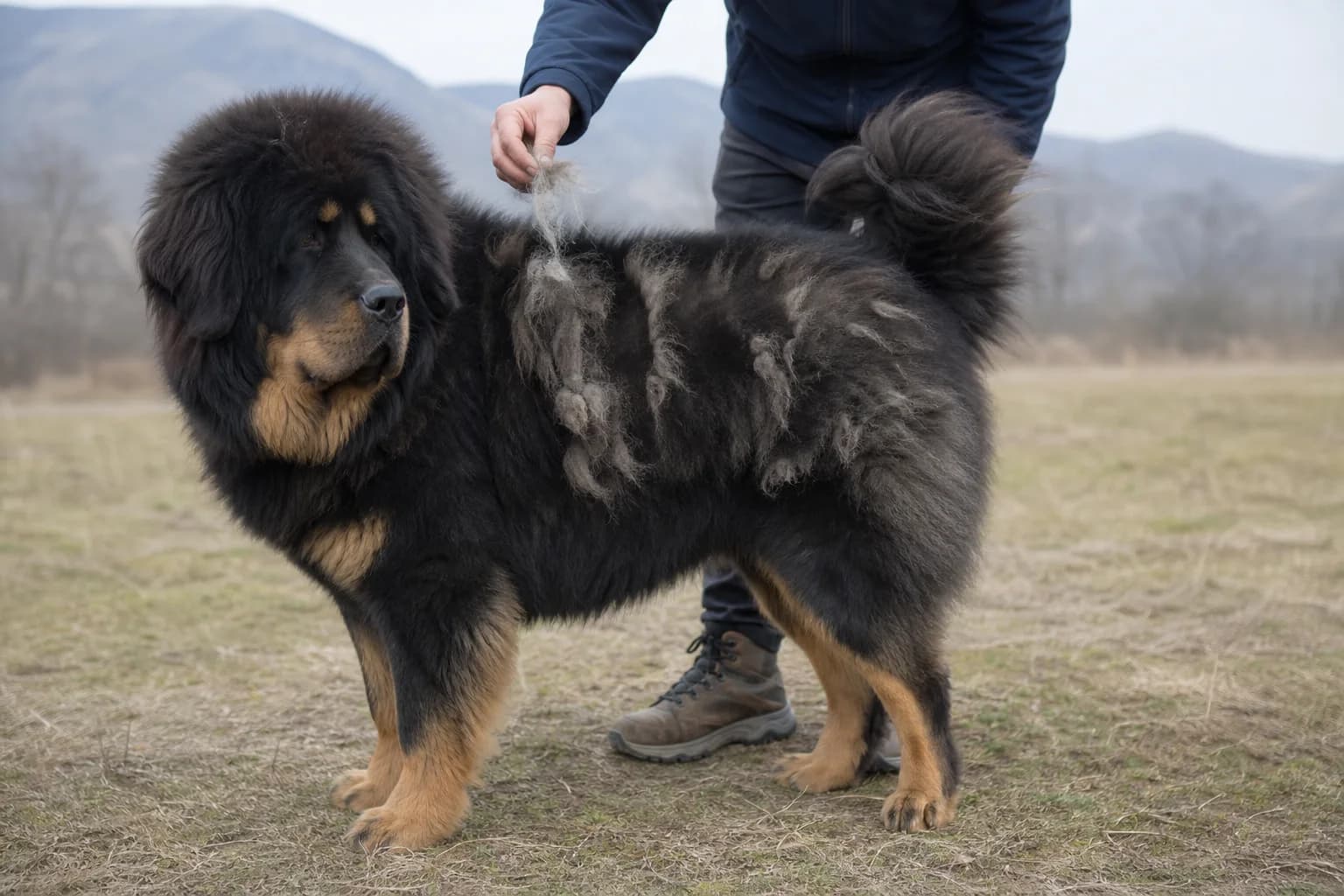
Petful's guide to Tibetan Mastiff shedding explains line brushing, mat-prone zones, bathing, and complete drying. Healthy grooming removes loose coat without sanding down the surface or repeatedly dragging a sharp tool across the skin.
Coat care without changing the evidence
Grooming should protect skin and coat, not manufacture a richer color. Choose products for cleaning and tolerance. Claims that a shampoo creates a healthier pigment should not replace evaluation of fading, staining, hair loss, or irritation.
- Keep the before-and-after context | A dated coat record should show the same body areas before and after products and procedures. Save the shampoo, topical treatment, grooming tool, clipping, and professional-service details. Share the originals and timeline with the groomer or veterinarian when a change persists.
Decide when to create a new reference
Routine photographs do not need to become a daily project. Create a new reference set when the comparison could change a decision: after the adult coat develops, after a full seasonal release, before and after major grooming, or when an unexplained patch persists.
Use a short decision note:
- What changed?
- When was it first visible?
- Which side or body area is affected?
- Is the skin comfortable and intact?
- Which products, tools, medications, or events came first?
- What result would trigger veterinary care?
This method keeps appearance evidence proportional. It also helps show how lighting and editing alter perceived shade because the unedited reference remains available beside later images. Keep the plain record even when no medical problem exists, since future seasonal or age-related comparisons need a stable starting point. A filtered photograph can still be shared for fun, but it should not replace the file used for comparison.
Brush by coat layer
Begin with fingers and a tool appropriate for separating the outer coat. Work in small sections and verify that the undercoat is being reached without scraping the skin. Dense mane, rear feathering, tail, collar area, and behind the ears need special attention.
During seasonal release, more frequent short sessions are often safer than one exhausting marathon. Stop when the skin reddens or the dog becomes stressed. A professional groomer familiar with large double-coated dogs can demonstrate technique.
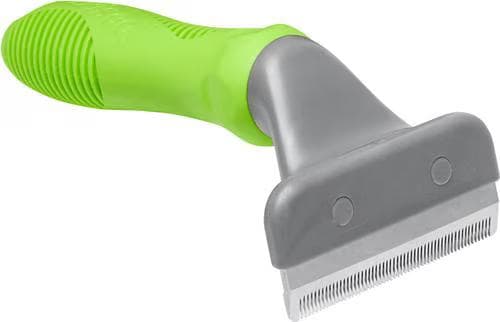
The Frisco Deshedding Cat & Dog Brush for Medium to Long Hair is one tool to compare for size, tooth contact, handle control, and how much intact coat it removes. Use it conservatively and never on mats, wounds, wet coat, or tender skin.
Avoid routine shaving
Routine shaving is not a color correction or an automatic heat solution. Clipping can change texture and the way regrowth appears, and it removes protection before the coat has necessarily recovered. Medical procedures or severe matting may create exceptions that require professional judgment.
If the coat was clipped, record the date and reason before comparing new color. Regrowth can be uneven. Do not advertise the temporary appearance as a new shade or assume it predicts the final coat.
Petful may earn a commission when you click through to Chewy, at no extra cost to you.
When coat change is a health clue
Persistent hair loss, recurrent infection, marked dryness, itching, odor, sores, or a sudden texture change can accompany skin disease or systemic illness. Color guides cannot distinguish allergy, parasites, infection, endocrine disease, nutritional imbalance, or trauma.
Photograph the change, list recent products and diet changes, and seek veterinary care. Avoid starting several treatments at once because simultaneous changes make response harder to interpret.
Standards, registries, and seller language
A breed standard describes the ideal used by a registry. It is not a medical certificate, and it does not rank a pet's worth. Different organizations may use slightly different terms or allowances, so the word "recognized" needs a named standard and current date.
Read the whole standard
Color wording sits inside a broader document about proportions, structure, movement, temperament, and other characteristics. Pulling one word from a registration menu can miss limits or definitions elsewhere in the standard. Read the paragraph around the term and note the document's effective date.
Separate three questions:
- Can the color be entered on a registration form?
- How does the conformation standard describe or evaluate it?
- Does the individual dog otherwise meet registration or event requirements?
Those questions may use overlapping words but have different processes. A breeder's statement that a color is "registered" does not guarantee that every marking is preferred in the show ring. It also says nothing about health.
Separate standard terms from sales labels
To separate standard terms from sales labels, copy the standard's exact category in one column and the seller's phrase in another. Ask the seller to map the phrase back to the standard without adding prestige language. "Deep gold" may be a plain description; "exclusive imperial sunset" is a marketing invention unless a named authority says otherwise.
Then record what the price claim depends on. A premium might reflect unrelated breeder costs, but rarity should be supported by data rather than asserted. The buyer should still receive parent screening, family history, rearing information, and contract terms before discussing appearance.
Registration is not endorsement
Registration can document identity and ancestry within an organization's rules. It does not certify that the breeder made a healthy pairing, socialized puppies well, or selected the right home. A registered color is not a recommendation to breed for that color.
Ask for the registered names of both parents and verify that the health records match. If the puppy's color description differs between the contract and registration application, resolve the discrepancy before signing. Corrections are easier before money and travel make the conversation urgent.
What colors does the AKC recognize?
What color are AKC Tibetan Mastiffs? The current AKC standard is the controlling source for an AKC conformation question. It describes established base colors and the permitted treatment of tan and white markings. For a practical coat color description, view the dog in neutral daylight and record base pigment, tan point placement, and white extent.
Do not substitute a color-registration menu for the full standard. A selectable label may serve recordkeeping without explaining placement, extent, or faults. Ask the AKC or an experienced breed mentor when an actual entry depends on interpretation.
White markings
Limited white can appear on the chest or feet. Record the exact boundary rather than labeling the dog piebald, parti, panda, or another pattern unless that term is supported by the applicable standard and evidence.
White hairs can also appear with age, injury, scarring, or other change. A growing gray muzzle is not the same as a congenital white marking. Compare dated photographs and examine the skin or hair history when the difference matters.
Large or unusual white areas deserve a careful description, not an automatic health conclusion. Ask a veterinarian about skin or sensory concerns when signs exist. Do not infer deafness, blindness, or disease from white alone.
The difference between uncommon and "rare"
Uncommon describes frequency in a defined population. Rare is often used as sales language without a denominator, registry definition, or verifiable data. A seller may call a shade rare because it attracts attention, not because a reliable population study supports the claim.
Before accepting a rarity claim, ask:
- Rare according to which registry or dataset?
- In which country and time period?
- Is the term part of the current standard?
- Can the seller show unedited views of both parents?
- Does the price premium come before health and temperament evidence?
The absence of a good answer does not reveal the true frequency. It reveals that the premium lacks support.
Color never outranks health and temperament
- Do not buy the label | Health screening, stable temperament, comfortable structure, responsible rearing, and lifetime breeder or rescue support matter more than color preference. Walk away when a seller uses rarity, guaranteed shade, or predicted adult appearance to excuse missing records, pressure a deposit, or charge a premium that cannot be explained.
Color can be a harmless preference after the essential decisions are secure. It becomes a welfare problem when breeding narrows around appearance while health and behavior information disappear, or when buyers accept a poor household fit to obtain a particular shade.
Ask for verifiable parent identities and results. Discuss family health, longevity, and temperament. Meet adults when possible. A beautiful coat does not reduce the work of an independent, powerful guardian.
Avoid health claims from color alone
Some pigment patterns in dogs can be associated with specific genetic or sensory concerns, but broad internet rules are easily misapplied across breeds and genotypes. Do not diagnose a Tibetan Mastiff from white hair, blue-gray pigment, or a photograph.
When the dog has hearing, vision, skin, or coat signs, seek veterinary assessment. When a breeder makes a genetic claim, ask for the test, laboratory, dogs tested, and interpretation. Color is an observation; a causal health conclusion requires evidence.
Is there a rarest Tibetan Mastiff color?
There is no responsible, stable answer that should drive a purchase. Relative frequency varies with population, breeding choices, geography, reporting, and the terms being counted. A social-media claim cannot establish the rarest coat color across the breed.
If a color is uncommon, that fact does not improve health, temperament, structure, or suitability. View the dog in neutral daylight, use the current standard for terminology, and verify the same parent screening and rearing information required for every puppy.
Build a lifelong coat record
A useful coat record begins with identity. Save the dog's registered or shelter name, microchip number when available, date of birth or estimated age, and the source of each description. Do not merge a seller's claim with the veterinarian's observation as if they were the same evidence.
Add a reference set at meaningful transitions:
- Arrival in the home.
- End of puppy coat.
- First full seasonal coat release.
- After any clipping or medical shave.
- At the beginning of a persistent skin or hair change.
- Once yearly under similar light for aging comparison.
Keep the original image files. A social-media export may resize, sharpen, recolor, or strip metadata. Label edited copies so they are never mistaken for the reference.
Record products and procedures
Shampoo, conditioner, topical medication, swimming, grooming tools, clipping, and professional treatments can change texture or surface appearance. Add the date and product name to the record when a comparison follows a change.
If the dog develops irritation, list every product used in the prior weeks. Include flea and tick products, household cleaners, bedding changes, and topical home remedies. This history helps the veterinarian evaluate exposure without assuming that the visible color change is the disease.
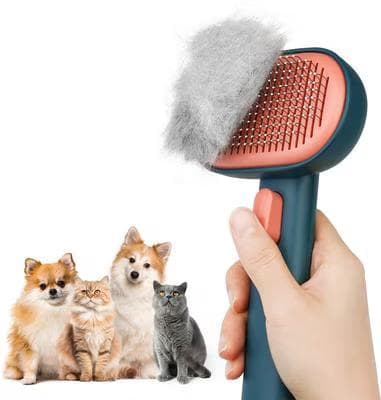
The aumuca Self Cleaning Slicker Brush is one slicker brush to compare by pin length, rounded contact, the coat layer being addressed, and the dog's tolerance. Test a small area, avoid irritated skin, and stop if the tool cuts healthy coat or scratches the dog.
Record health context without diagnosing
Weight change, medication, endocrine disease, nutrition, pregnancy, illness, and aging may accompany coat changes. Record confirmed diagnoses and veterinary findings exactly. Keep owner observations in a separate field.
For example, "coat seems duller since April" is an observation. "Hypothyroidism" is a diagnosis only when the veterinarian establishes it. Preserving that boundary makes the record more useful and prevents an appearance-based assumption from becoming false medical history.
Describing a rescue or dog of unknown ancestry
A rescue may have no pedigree, parent photographs, or reliable puppy history. That does not prevent an accurate visible description. It simply changes the level of certainty. Say what the organization observed and label everything else unknown.
Use a two-part record:
- Observed: current base pigment, marking placement, white extent, coat texture, approximate age, and present condition.
- Reported: prior owner's breed or color claim, source of that claim, and whether documents support it.
Do not call a dog purebred solely because it resembles a Tibetan Mastiff. Avoid using a rare-color label to increase adoption interest. The dog's known behavior, health, handling, and household needs are more important to placement.
Shelter intake photographs
Take an identity set before extensive grooming when safe, then a second set after the coat is clean, dry, and free of severe mats. Label both dates. This documents how condition affected appearance without presenting neglect as a permanent coat trait.
Include distinguishing marks that help confirm identity:
- Chest and foot markings.
- Facial points and scars.
- Tail and ear details.
- Any clipped or missing coat.
- Microchip and intake number in the record, not in public-facing captions.
Avoid a forced stance when the dog is fearful or painful. Welfare comes before a complete photograph. Additional views can be collected after the dog settles.
Adoption descriptions
Plain wording supports trust. "Black-and-tan long-coated dog with a small white chest patch" is more useful than "rare Tibetan lion mastiff." If ancestry is unknown, say so.
Update the public description when veterinary findings, grooming, or behavior observations change the placement picture. Do not change only the color language while leaving an outdated health or handling note.
Color-first breeder red flags
A Tibetan Mastiff price may include a large premium for a seller's color story. A Tibetan Mastiff puppy should not be reserved until the buyer has verified identity, parent health screening, rearing, temperament, contract terms, return responsibility, and address fit. Petful's Tibetan Mastiff price and sourcing guide provides the full buyer checklist.
Pause when a seller:
- Refuses neutral, unedited views.
- Changes the color name between advertisements and records.
- Guarantees an exact adult shade from a young puppy.
- Uses "rare" without a registry or population source.
- Cannot produce parent identities and verifiable screening.
- Claims color predicts protection, friendliness, or giant size.
- Pressures immediate payment before questions are answered.
Responsible breeders may discuss preference, but they should also explain uncertainty and prioritize the puppy's health, temperament, and home. A rescue should separate direct observation from prior-owner reports and unknown history.
Tibetan Mastiff color FAQs
The rarest coat color of a Tibetan Mastiff cannot be established responsibly from a seller claim or social-media sample. Frequency changes across populations, locations, and terminology. View the dog in neutral daylight, use the current applicable standard, and never let a rarity label outweigh verifiable health screening, temperament, or responsible sourcing.
The AKC standard describes established Tibetan Mastiff coat color categories and the treatment of tan and white markings. For an AKC decision, read the current full standard rather than relying on a registration menu. In neutral daylight, document the base pigment, tan point placement, white extent, and coat state, then ask the registry or a knowledgeable breed mentor when interpretation matters.
A golden Tibetan Mastiff has coat color in the gold spectrum, from paler gold through deeper red-gold. Neutral daylight matters because warm lighting, filters, and seasonal coat can exaggerate the shade. Record unedited views of both sides and the roots, and do not treat a dramatic gold label as evidence of health, temperament, ancestry, or value.
Final color perspective
Name what can be seen: base pigment, tan point placement, white extent, and coat state. Use repeatable neutral-light photographs when comparison matters. Then separate appearance from the decisions that protect the dog.
The most responsible Tibetan Mastiff color choice is made only after health, temperament, legal fit, adult care, and breeder or rescue transparency are already in place.

Coreen Saito is a pet writer and longtime shelter volunteer with more than a decade in animal rescue. She covers cat behavior, breed care, and the small, ordinary science of sharing a life with companion animals, with a particular focus on honest takes about the products and decisions that actually matter. At home in Arizona, she's outranked by Mac (a dog with the loudest opinion in the house), Rebel (a cat who governs by quiet authority), and Meri (an orange tabby who runs the late shift and the laundry basket). She writes about all three, plus the rescues that keep coming through her life, at LifeWithMinty.com.
Sign up for expert-backed reviews and safety alerts all in one place.