Do Tibetan Mastiffs Shed? Coat and Grooming Guide
Tibetan Mastiffs shed heavily during a major seasonal coat blow. This guide explains weekly coat checks, line brushing, mat prevention, safe tool use, complete drying, and skin warning signs.
Petful is reader supported. As an affiliate of platforms like Amazon and Chewy, we may earn a commission when you buy through links on this page. There is no extra cost to you.
Do Tibetan Mastiffs shed? Yes. Their dense double coat can release some hair through the year, then shed much more dramatically during a major seasonal coat blow. The work is manageable for an owner who can brush to the skin, check friction zones by hand, and dry the coat completely after a bath. It is not a low-maintenance or hypoallergenic coat.
This guide separates normal shedding from warning signs, explains a realistic routine, and shows where each tool belongs. Coat density and timing vary by individual dog, climate, hormones, indoor living, and health, so use the schedule as a starting point rather than a promise.

Sign up for expert-backed reviews and safety alerts all in one place.
How much Tibetan Mastiffs shed
Tibetan Mastiffs have a coarse outer coat and dense undercoat. Expect a major seasonal coat blow, use weekly coat checks between peak periods, and increase brushing when loose undercoat begins lifting. Bald patches, inflamed skin, odor, or intense itching are not normal shedding.
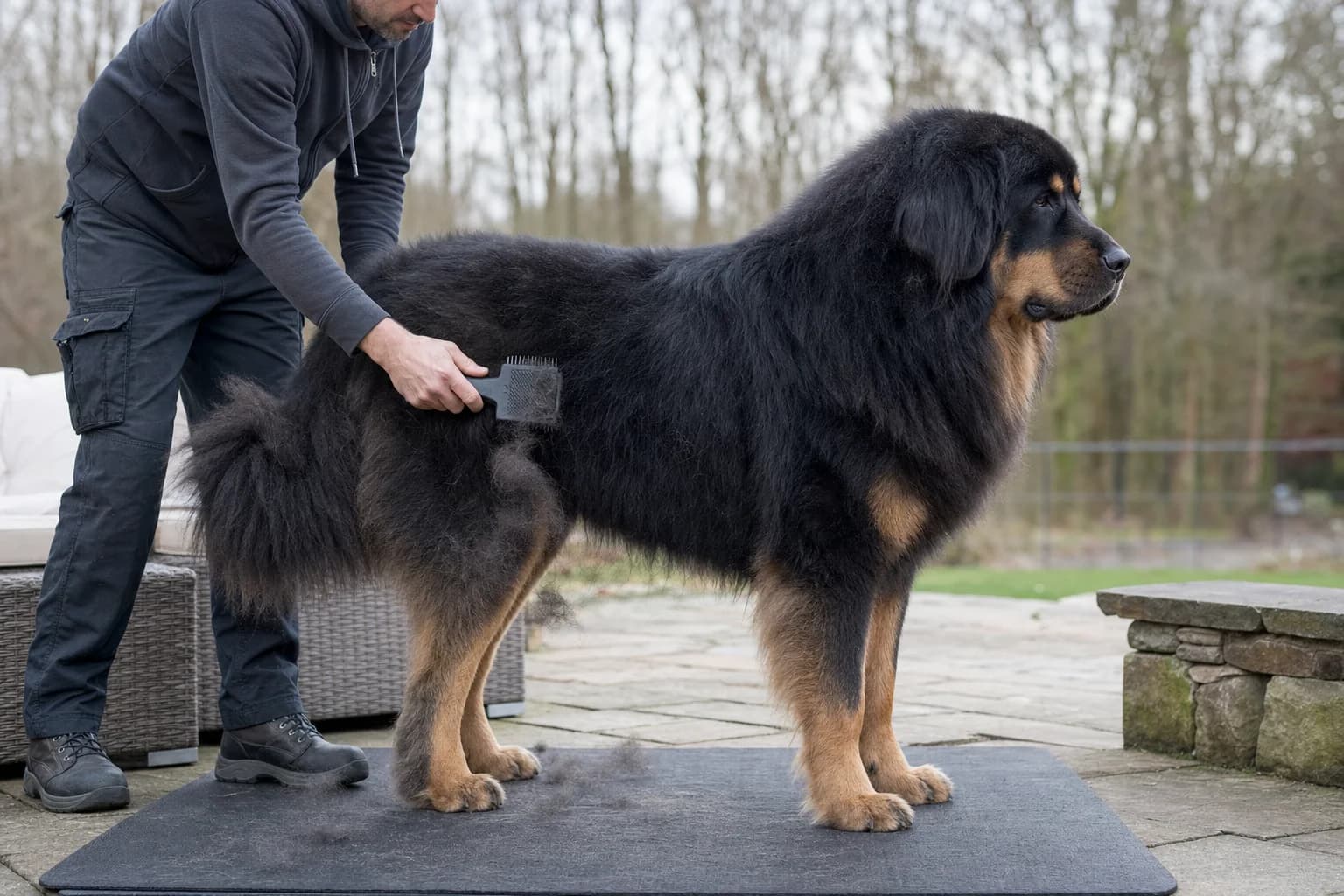
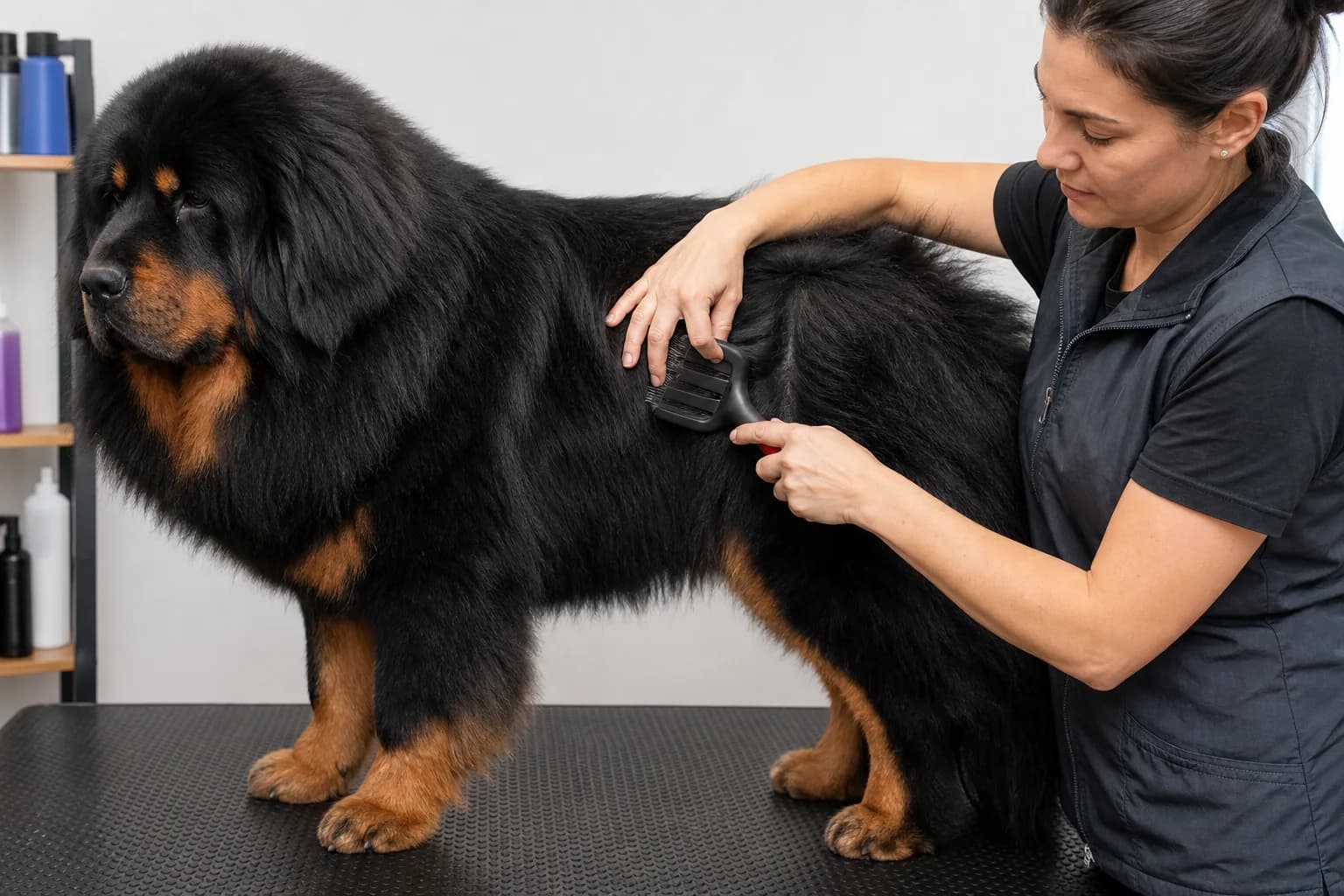
A Tibetan Mastiff's guard hair protects the dog from weather while a woolly undercoat provides insulation. That two-layer structure explains why weekly brushing may collect a modest amount for months and then fill bags during seasonal coat blow. This shedding and seasonal coat change requires a peak-season schedule of short sessions several times a week, not one exhausting session after the coat has packed or matted.
The double coat
The outer layer should feel coarser and lie over a softer, denser undercoat. A quick pass across the surface can make the dog look tidy while leaving loose wool close to the skin. Part the coat in narrow lines, brush a small area, and use a comb or fingers to confirm that the base is clear before moving on.
Petful may earn a commission when you click through to Chewy, at no extra cost to you.
Shedding amount is not identical in every Tibetan Mastiff dog. Some males carry a heavier mane, some females change coat after a heat cycle or litter, and indoor temperature can soften seasonal timing. The useful comparison is the same dog's normal pattern across time, not a photograph of another Mastiff at the height of winter coat.
A Tibetan Mastiff puppy may carry a softer, less developed coat than an adult, and its first transitions do not predict one exact mature mane. Introduce gentle handling, a comb, and brief brushing before the adult coat becomes dense, but avoid pulling at puppy fuzz or treating a young dog's lighter shedding as the permanent adult pattern.
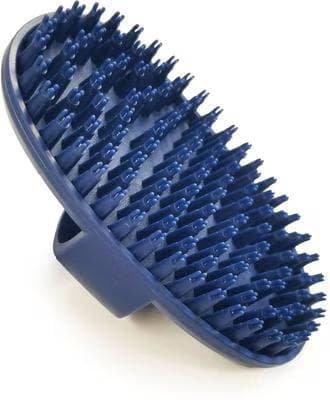
For gentle surface work and short cooperative sessions, the Four Paws Magic Coat Wet & Dry Glove and Curry Brush is one tool to compare. Use light pressure, watch the skin, and stop if the glove pulls rather than lifting already-loose hair. It will not replace a comb or section-by-section undercoat check.
Normal coat blow versus abnormal hair loss
Normal coat blow releases undercoat across broad areas while the skin remains comfortable and the outer coat stays generally intact. The dog should not develop open sores, greasy odor, marked redness, circular bald areas, or constant scratching simply because the season changed.
Abnormal hair loss needs veterinary care when the pattern differs from an ordinary shed. Watch for:
- Sudden or patchy thinning and bald areas.
- Pain, intense itching, redness, sores, or foul odor.
- Changes in weight, appetite, thirst, energy, or behavior.
Parasites, infection, allergy, endocrine disease, pain, nutrition problems, and other conditions can overlap in appearance. More brushing cannot diagnose or cure them.
For a deeper discussion of thyroid, skin, body-condition, and age-related concerns, use Petful's Tibetan Mastiff health and lifespan guide. Keep the grooming record because dates, photographs, and product changes can help a veterinarian understand the pattern.
Petful may earn a commission when you click through to Chewy, at no extra cost to you.
A realistic Tibetan Mastiff grooming routine
| Situation | Starting routine | What changes the plan |
|---|---|---|
| Between peak sheds | Weekly hands-on coat and skin check with section brushing where needed | Tangles, outdoor debris, moisture, or mat-prone zones |
| Seasonal coat blow | Several short line-brushing sessions each week | Packed undercoat, skin sensitivity, or a dog that needs professional help |
| After a bath | Rinse fully and dry in layers to the skin | Persistent dampness, odor, redness, or discomfort |
| Any sudden coat change | Stop experimenting and document the pattern | Veterinary findings and the treatment plan |
A repeatable Mastiff coat maintenance routine is more useful than a fixed number of minutes. Begin with weekly coat checks for the individual Mastiff dog, then shorten the interval when loose undercoat lifts easily, the comb catches near the skin, or friction zones begin to tangle. During the heaviest shed, one body region per session may be calmer and more effective than trying to finish the entire Tibetan Mastiff at once.
Line brushing to the skin
Line brushing means lifting a narrow row of coat so the tool reaches the loose undercoat without dragging through the full depth at once. Start low on the body, work upward in small rows, and follow the direction of coat growth. The skin should stay visible enough to monitor pressure and redness.
Use one hand to support the coat and the other to make short controlled strokes. If a tool repeatedly catches, separate the area with fingers or switch to a wider-toothed comb rather than pulling harder. Cooperative care matters because a painful session teaches a large guardian to avoid handling next time.
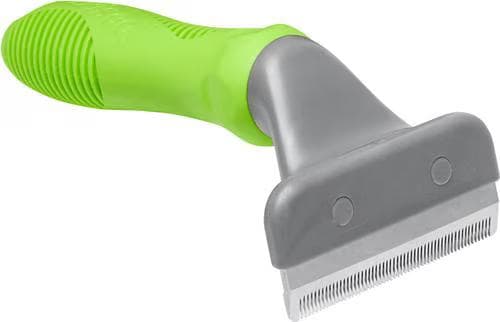
A slicker can lift loose hair and small surface tangles when the pin length and pressure suit the coat. The aumuca Self Cleaning Slicker Brush is one option to evaluate on a small area first. Keep the wrist light, check the skin every few strokes, and never scrape repeatedly to make the collected-hair pile larger.
Petful may earn a commission when you click through to Chewy, at no extra cost to you.
Weekly coat checks between peak periods
Outside the major shed, inspect the whole dog with hands and a comb at least weekly as a practical starting point. The interval should become shorter after rain, swimming, time in burrs, prolonged collar wear, or any activity that adds friction and moisture.
Record how long it takes for each zone to begin tangling. That observation creates a routine matched to the individual rather than a generic calendar. A professional groomer can demonstrate line brushing and help choose tools, but the owner still needs enough hands-on familiarity to notice a new lump, sore, parasite, or painful response.
Tools that help without damaging the coat
No single tool should do every job. A long-toothed comb checks whether the base is clear, a slicker may lift loose coat, a grooming glove can support gentle maintenance, and a carefully used undercoat tool can help during coat blow. Tooth spacing, pin length, pressure, and body area all change how a tool behaves.
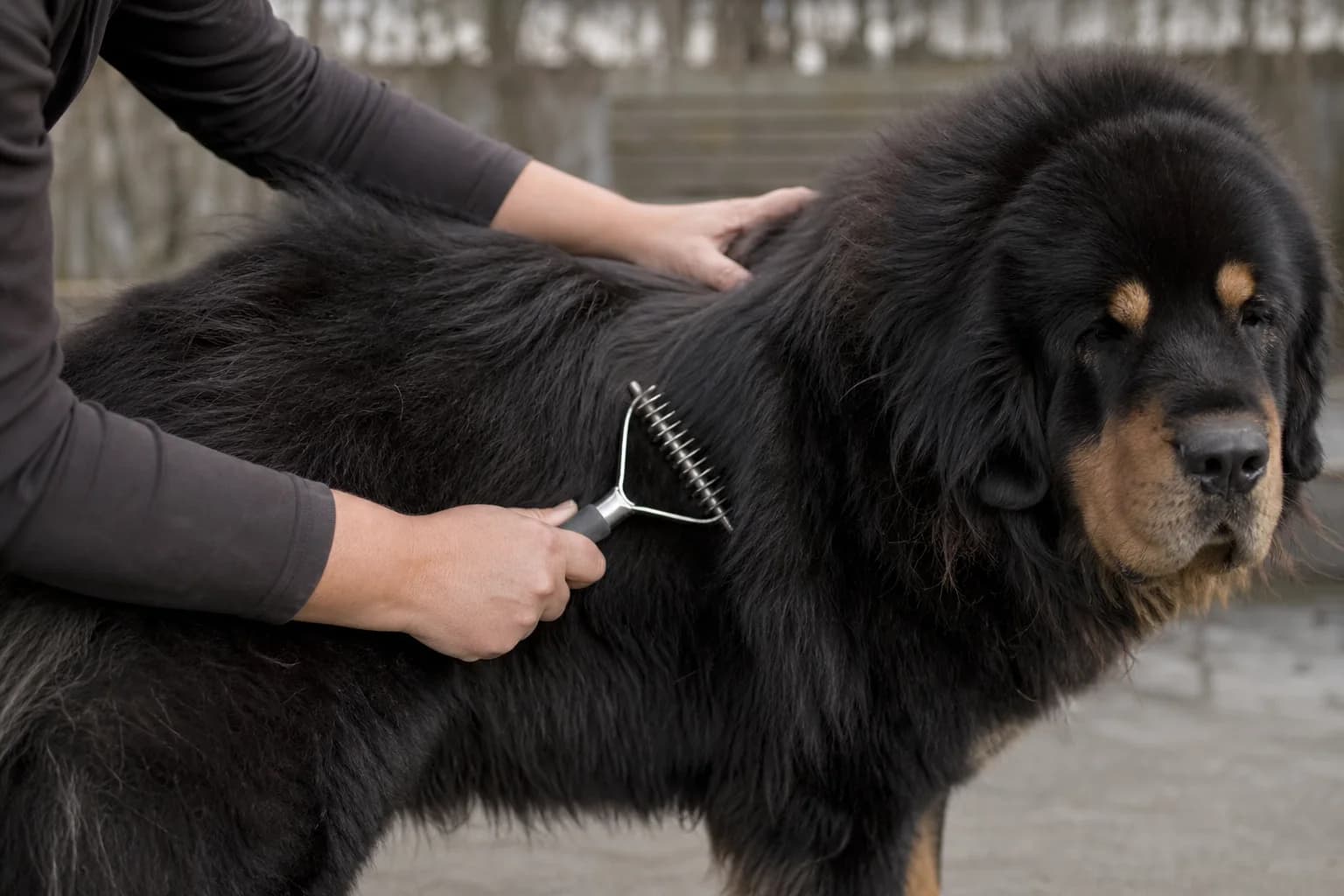
An undercoat rake should move through a prepared section without scraping skin or repeatedly cutting healthy guard hair. Work with coat growth, use fewer passes than you think you need, and stop when the tool begins catching intact coat. A professional groomer should assess tight mats or a dog that cannot be handled safely.
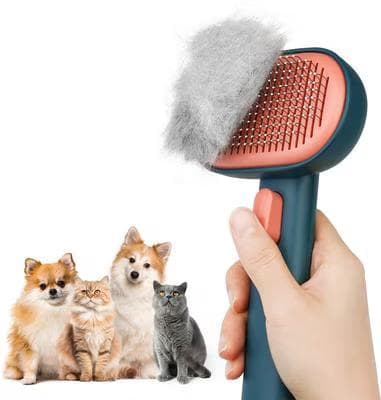
During active undercoat release, the Frisco Deshedding Brush for Medium to Long Hair is one tool to compare for tooth shape and comfort. Test it gently on the side coat, avoid sensitive or thin-haired areas, and discontinue use if it scratches skin or removes healthy outer coat instead of already-loose undercoat.
Avoid using scissors close to hidden skin folds, forcing a blade through tight mats, or shaving a healthy double coat merely to reduce household hair. Clipping may be medically necessary in a specific area, but routine shaving changes weather protection and does not stop allergens from dander and saliva.
The five-zone coat check
A five-zone coat check focuses on places where friction, moisture, and dense feathering hide early tangles:
- Behind and below both ears.
- Under the collar and around the mane.
- In the armpits behind the front legs.
- Through the rear feathering and groin edges.
Petful may earn a commission when you click through to Chewy, at no extra cost to you.
- Around the tail base and dense tail coat.
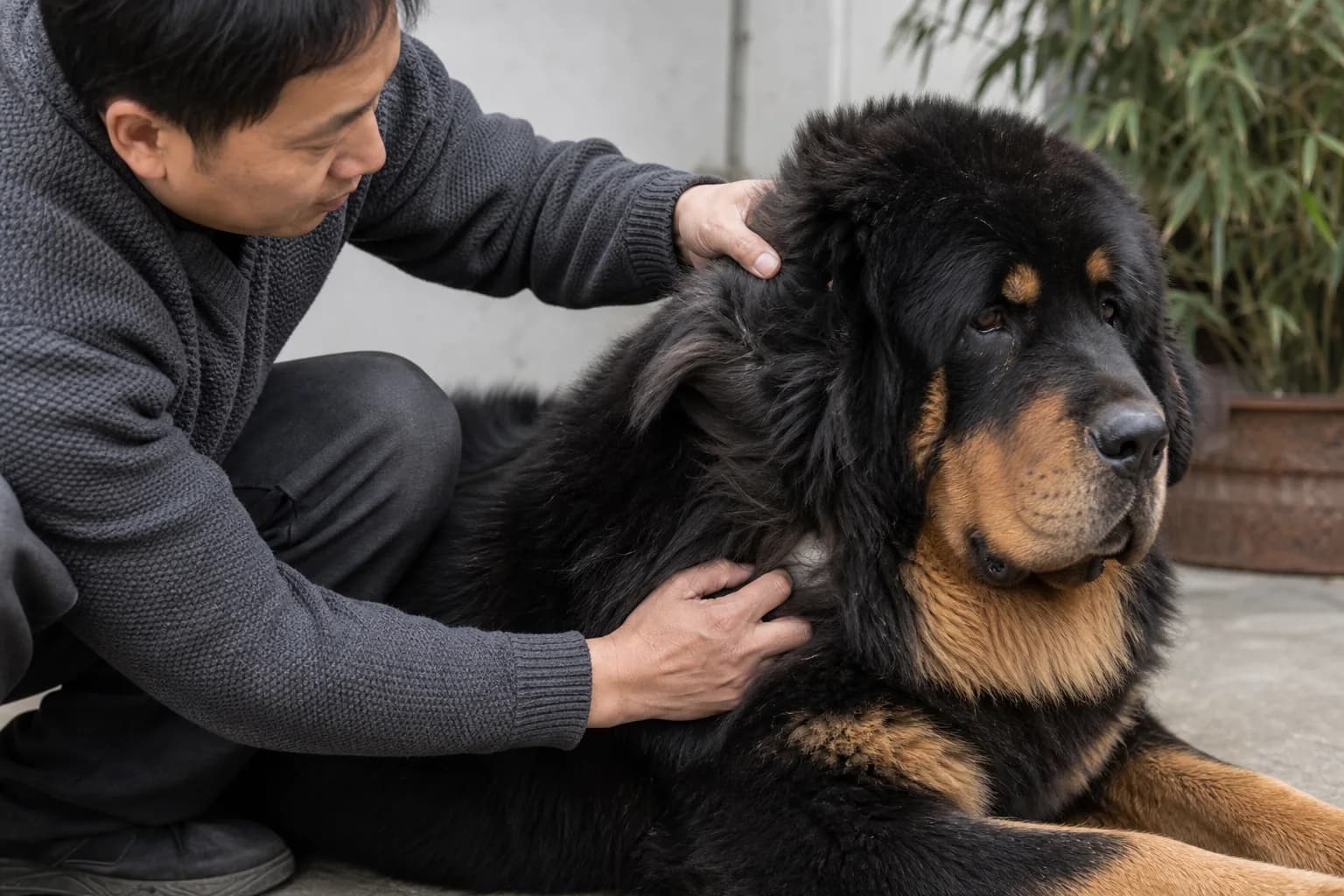
Check each zone with fingers before introducing a tool. A small loose tangle may separate with patient finger work and a comb, while a tight mat close to skin is safer for a professional groomer to remove. Ear edges, armpits, and groin skin can be especially easy to cut accidentally.
These five mat-prone zones are the practical core of the peak-season schedule. Checking all five catches trouble before a large mat changes gait, traps moisture, or turns handling into a struggle. Add any repeat problem area unique to the dog, such as a harness contact point or a spot where outdoor debris collects, but never skip the ears, collar, armpits, rear feathering, and tail base.
Bathing and drying the double coat
- A damp undercoat is not finished | Complete drying after bathing means rinsing until the water runs clear and drying the coat comfortably in layers to the skin. Persistent moisture, skin irritation, odor, sores, or pain requires a change in technique and may require veterinary care.
Bathing can loosen dead undercoat, but it also creates work because water and shampoo must move through two dense layers. Complete drying after bathing begins with brushing out major tangles, using a dog-safe product as directed, protecting the eyes and ears, and rinsing far longer than a short-coated dog might require. The process is not finished until the skin and undercoat are comfortably dry.
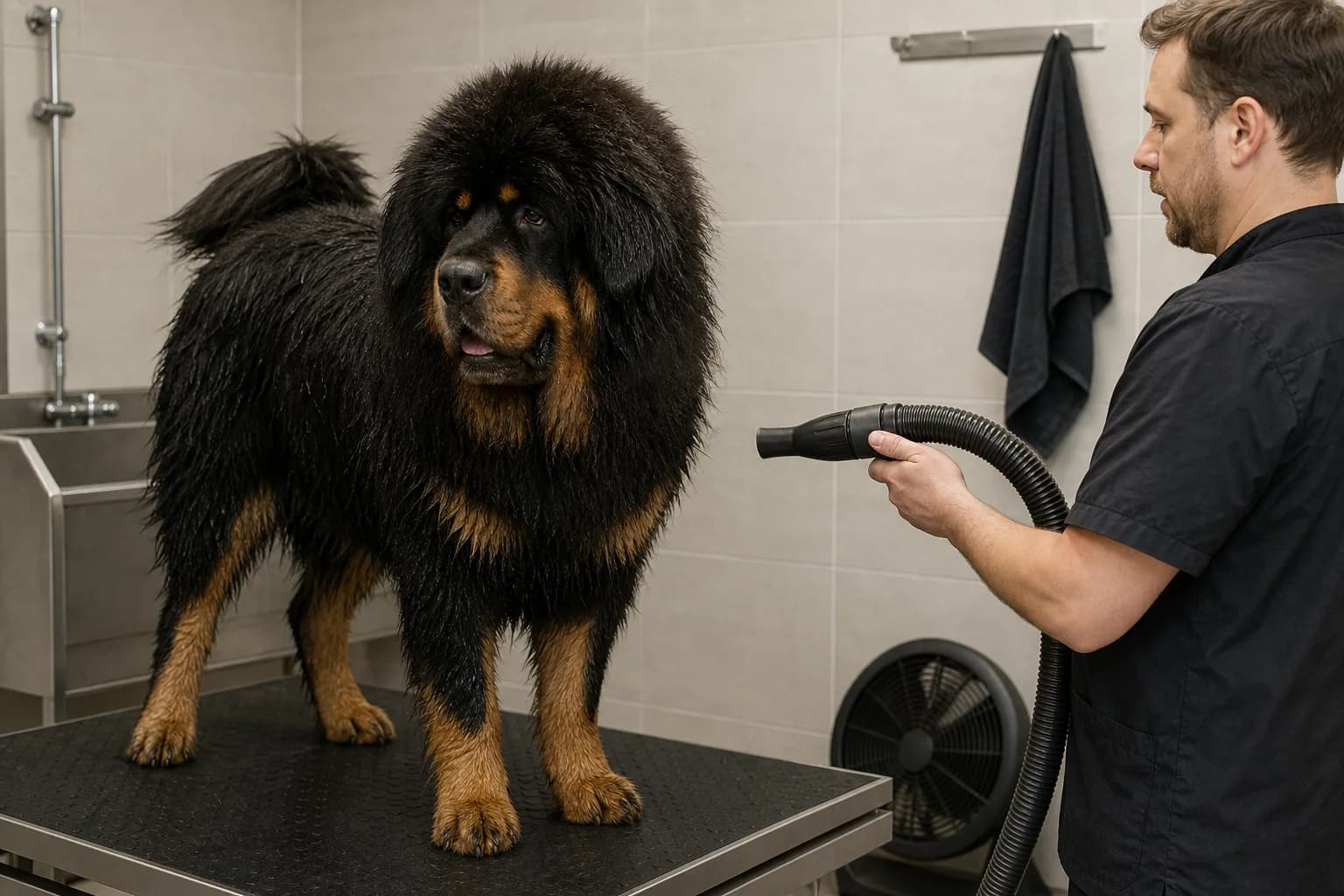
Towel-blot rather than rubbing the coat into new tangles. Then dry in sections with comfortable airflow while parting the coat so the skin can be checked. Keep the dog on a nonslip surface, give breaks, and never use heat that feels hot against your own skin.
If a routine bath is appropriate, Earthbath Oatmeal & Aloe Itch Relief Shampoo is one dog shampoo to compare by its label and the individual's history. A soothing product is not treatment for an unexplained skin problem. Stop and call the veterinarian for worsening itch, odor, sores, or hair loss.
Are Tibetan Mastiffs high maintenance?
Yes, Tibetan Mastiffs are high maintenance during seasonal coat blow, even if their high maintenance coat needs only moderate weekly care during quieter months. The breed also needs handling training so brushing, drying, nail care, and skin checks remain safe at adult size. An owner who dislikes hair, cannot inspect the coat to the skin, or has no professional backup should treat grooming as a serious fit issue.
High maintenance does not mean the coat should occupy every day of the year. It means the household can notice a change, increase session frequency when needed, dry the dog fully, and obtain qualified help before mats or skin disease become severe. A written routine shared by every caregiver makes that responsibility more reliable.
Owner fit beyond the coat
Grooming is only one part of living with a Tibetan Mastiff. The breed is a large, independent guardian that also needs secure boundaries, thoughtful visitor management, reward-based training, and a household prepared for normal adult strength. Petful's complete Tibetan Mastiff guide explains that broader household decision.
Coat color does not change the core grooming obligation, although lighting and seasonal undercoat can change how a shade appears. Petful's guide to Tibetan Mastiff colors and coat patterns explains recognized color families and why a rare sales label should never outrank health or temperament.
Choose the breed only if the entire care package fits. A beautiful winter mane is not a reason to overlook the work required when that undercoat releases, gets wet, or hides a skin problem.
Tibetan Mastiff shedding FAQs
Yes, Tibetan Mastiffs are high maintenance during seasonal coat blow, when their dense undercoat may require several short line-brushing sessions each week. Between peak periods, weekly hands-on checks are a reasonable starting point. Owners must also prevent mats, dry the dense coat fully after bathing, and seek veterinary care for abnormal hair loss or irritated skin. Cooperative handling and access to a professional groomer make the workload safer.
Final grooming plan
Expect a major seasonal shed, not a permanently hair-free home. Begin with weekly coat checks, learn line brushing, monitor five friction zones, and increase session frequency when the undercoat releases. Use the gentlest effective tool and measure success by comfortable skin and a clear comb path, not by the size of the hair pile.
When shedding changes suddenly or the skin looks abnormal, stop treating it as a grooming problem alone. A documented timeline and veterinary examination are more useful than another aggressive tool or unproven supplement.

Coreen Saito is a pet writer and longtime shelter volunteer with more than a decade in animal rescue. She covers cat behavior, breed care, and the small, ordinary science of sharing a life with companion animals, with a particular focus on honest takes about the products and decisions that actually matter. At home in Arizona, she's outranked by Mac (a dog with the loudest opinion in the house), Rebel (a cat who governs by quiet authority), and Meri (an orange tabby who runs the late shift and the laundry basket). She writes about all three, plus the rescues that keep coming through her life, at LifeWithMinty.com.
Sign up for expert-backed reviews and safety alerts all in one place.