Silken Windhound: Size, Temperament, and Breed Guide
Meet the Silken Windhound, a feathered sighthound with a distinct breed history. Compare standard size with real household needs, from secure exercise and grooming to records and routine care.

BVMS, MRCVS
Petful is reader supported. As an affiliate of platforms like Amazon and Chewy, we may earn a commission when you buy through links on this page. There is no extra cost to you.
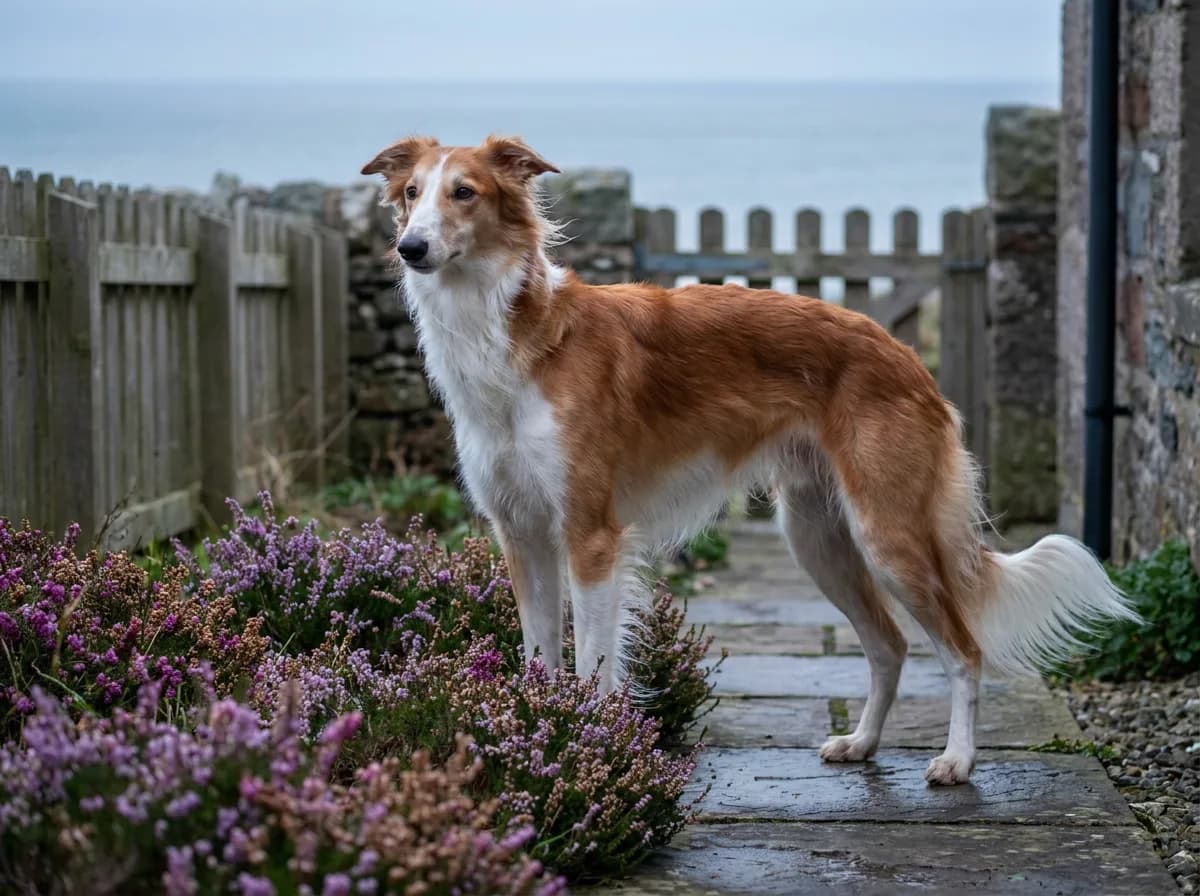
The Silken Windhound is a small to medium-sized sighthound with a silky, feathered coat and an athletic outline. It can offer affectionate companionship in a more compact package than a Borzoi, but choosing one still means planning for secure exercise, patient training and routine care.
The useful distinction is between what a breed standard describes and what your household must provide. Height and coat tell you something about the dog. They do not establish whether your fence, daily schedule or expectations are a good match.

Sign up for expert-backed reviews and safety alerts all in one place.
What is a Silken Windhound?
The Silken Windhound is a modern breed developed in the United States, with a history involving Borzoi and smaller sighthound stock. The United Kennel Club describes an athletic coursing dog whose outline combines grace, balance and strength. Its purpose was to offer a smaller, coated sighthound with sporting ability and a companionable disposition, rather than simply to produce a miniature copy of another breed.
The International Silken Windhound Society, or ISWS, maintains the breed's pedigree and registration system. UKC recognition dates to March 18, 2011. AKC status has changed: the breed was accepted into the Foundation Stock Service in 2026, according to the AKC's recorded announcement. FSS participation should not be described as full AKC recognition. For FCI-related events, check the specific national registry and event rules; national acceptance and international recognition are different questions.
A lean sighthound shape deserves particular attention to walking-equipment fit. One option is the Ruffwear Web Master harness. This Small version is sized for a 22–27-inch chest; use the manufacturer’s measurement instructions and check all straps on the individual dog. A third strap does not make any harness escape-proof.
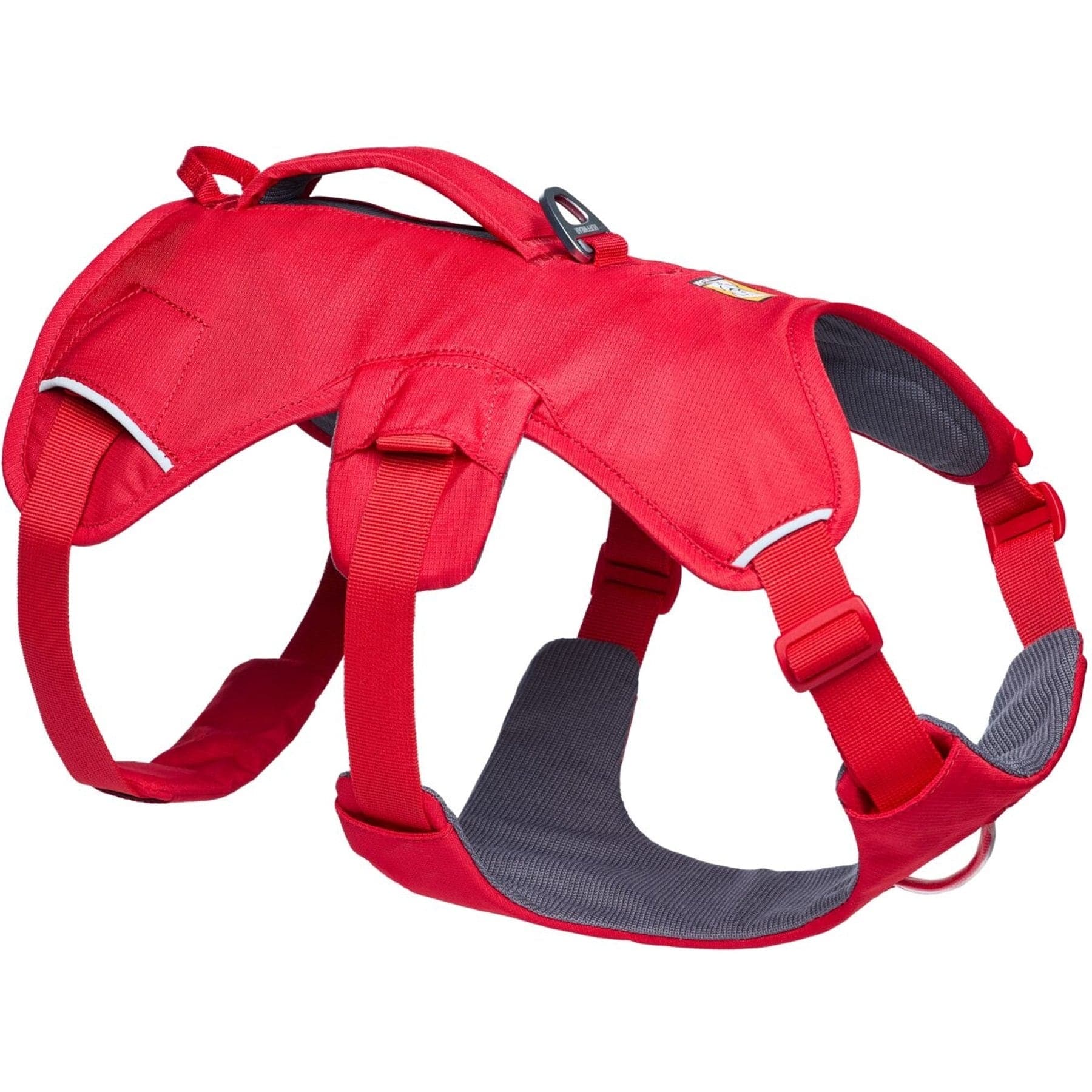
Measure the individual dog before choosing this harness; this Small option fits a 22–27-inch chest.
Petful may earn a commission when you click through to Chewy, at no extra cost to you.
- 1Use breed standard height to understand the outline, not to promise a puppy's final measurements.
- 2Arrange a secure exercise area before bringing home a sighthound.
- 3Review registration and health records separately; neither replaces assessing the individual dog.
The registry distinction starts with two separate breeds: Silken Windhound and Silken Windsprite are not interchangeable names. The VDH's Silken Windsprite profile describes a separate nationally recognized breed. Similar names and an overlapping sighthound appearance make photographs an unreliable way to sort out an advertisement. Ask for the registered breed and the organization holding the pedigree. For a Silken Windhound, distinguish ISWS registration, UKC recognition and AKC Foundation Stock Service participation when checking a claim; those terms describe different systems and do not give the Silken Windsprite the same status.
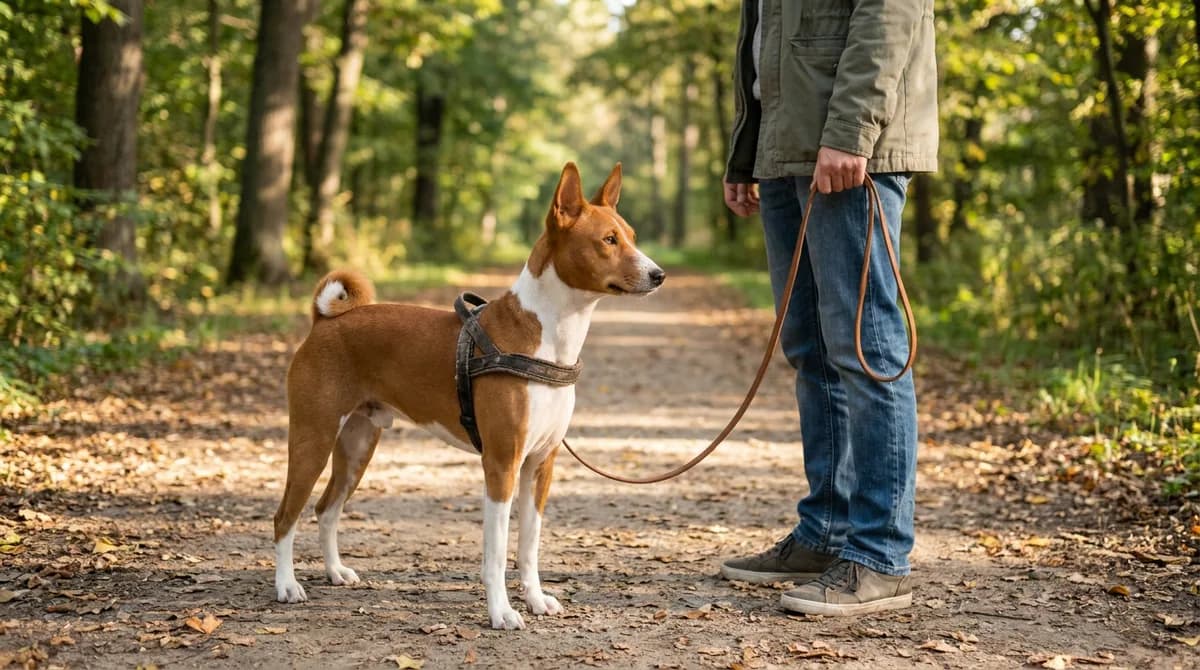
For ordinary supervised walks, the Frisco six-foot traffic leash can support close handling when its weight and fittings suit the individual. It is not a long line for distance work, and no leash compensates for a collar or harness that slips off the dog.
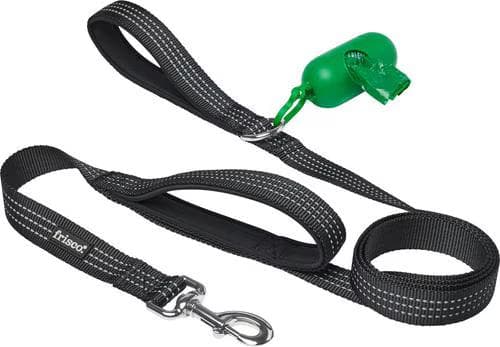
A six-foot leash with padded handles for ordinary supervised walks.
Petful may earn a commission when you click through to Chewy, at no extra cost to you.
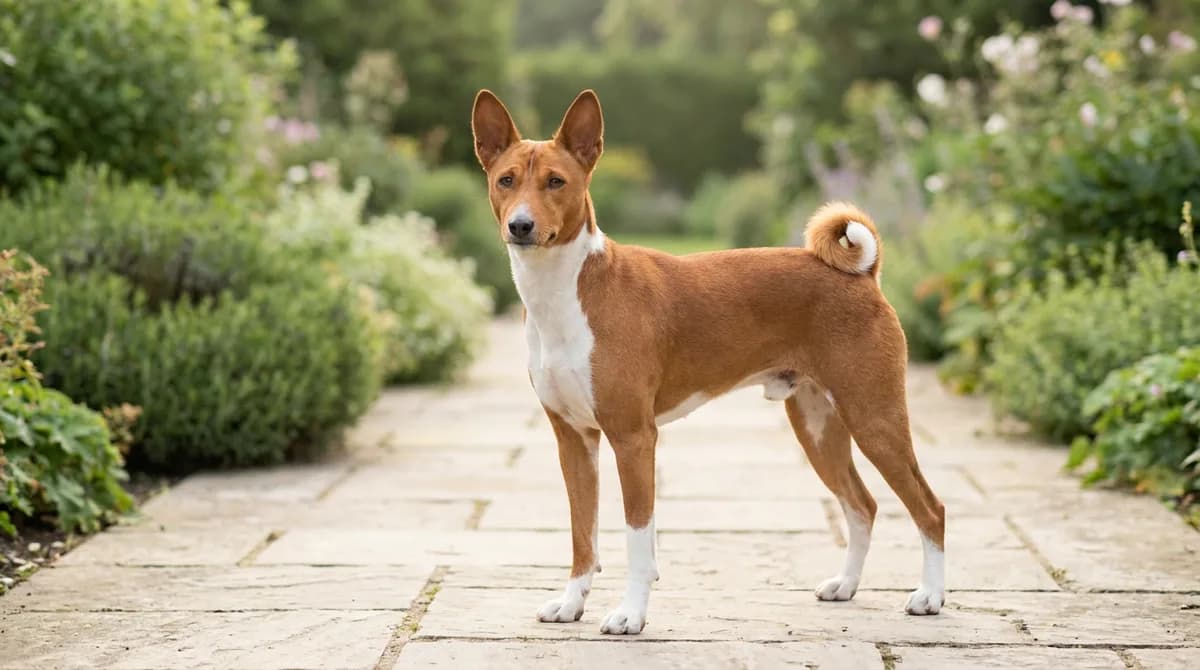
- Outline and coat: The standard describes a sleek sighthound with silky feathering. Short hair on the face and lower legs is normal; this is not a separate short-haired variety.
- Ears and expression: Fine ears may fold back at rest and change position when the dog is alert. One photograph does not capture every normal ear position.
- Running and speed: Athletic ability makes containment important. A dramatic running video is not a verified speed measurement or evidence of reliable recall.
- Appearance and availability: Cute pictures, a grey-looking coat or an available adult listing do not establish suitability. Ask about the actual dog and its history.
Do not choose this breed on a hypoallergenic promise. A silky coat does not guarantee that a person with dog allergies will tolerate an individual. Likewise, apparent intelligence does not automatically make a Silken Windhound suitable as a service dog: the relevant questions concern the individual's stability, skills and ability to perform the intended work. Meet dogs and discuss your specific needs instead of buying a label.
Silken Windhound size and proportions
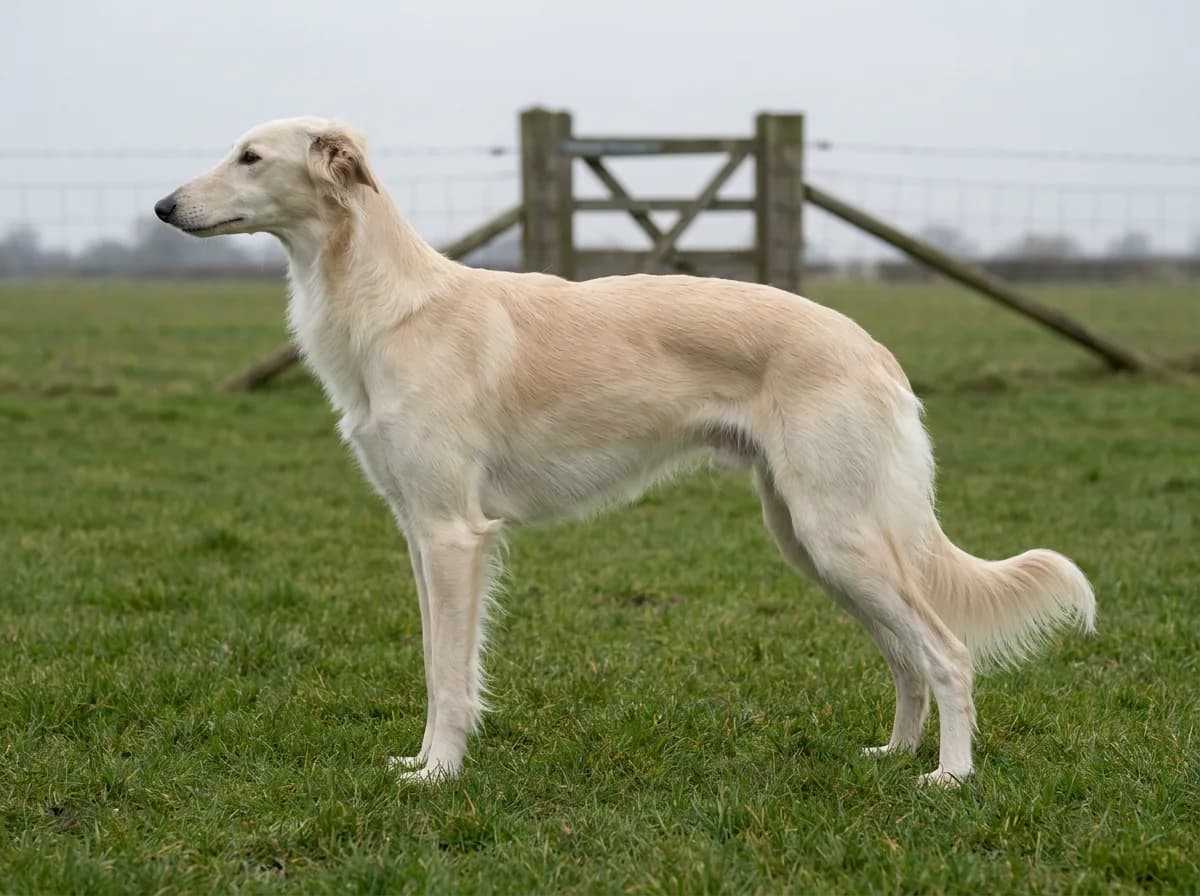
The ISWS breed standard and UKC standard give a height range of 18½ to 23½ inches at the shoulder. That measurement describes the withers, not the top of the ears or the head. The standards emphasize balanced proportions and a functional outline; they do not supply an official weight range that every pet must fit.
For an individual Silken Windhound, weight needs to be considered alongside frame, muscle and body condition. Ask your veterinarian to assess the dog rather than trying to force its weight toward a number from a generic breed chart. A growing puppy's current weight is useful to record, but it is not an exact forecast of adult size.
“Mini Silken Windhound” is not a separate size category in those standards. If a seller uses that wording, ask what it means for the specific dog. Is it a small adult, an estimate for a puppy or simply advertising language? Review its actual records and measurements before assuming that a smaller label means different care requirements or a more predictable household fit.
- Measure chest and neck dimensions using the equipment maker's instructions rather than choosing a size by breed name.
- Check that a bed or transport space lets the dog lie comfortably and change position.
- Consider how you would manage transport or stairs if the dog needed assistance.
- Recheck equipment as a puppy grows, and assess whether it can back out of the fitted arrangement in a secure setting.
Think beyond whether the dog physically fits inside your home. You also need a practical way to reach suitable exercise areas, manage doorways and separate the dog from visitors or other animals when necessary. A smaller sighthound can still move quickly through an unsecured entrance. Work out who handles the dog and who opens the gate before relying on an improvised routine.
Health, lifespan and daily care
Review health information at the level of the individual dog and its family. The ISWS health and research program discusses ongoing work including MDR1 drug sensitivity and cardiac investigation. A generally healthy breed description does not mean that every dog is free of health problems, nor does it replace reviewing the actual tests a breeder has completed.
Ask for identifiable, dated results and discuss them with your veterinarian. Find out which records apply to the puppy, which apply to its parents and which are merely general statements about the breed. “Health tested” is too broad to evaluate without knowing the test, the result and the dog it belongs to.
- Request copies of relevant screening results rather than a verbal assurance that everything was normal.
- Ask about the health and longevity of close relatives, including any known problems rather than only exceptionally long-lived dogs.
- Bring existing records to your own veterinary practice so future care can be planned from the same information.
- Keep a copy of significant genetic results available when a new clinic or emergency service treats the dog.
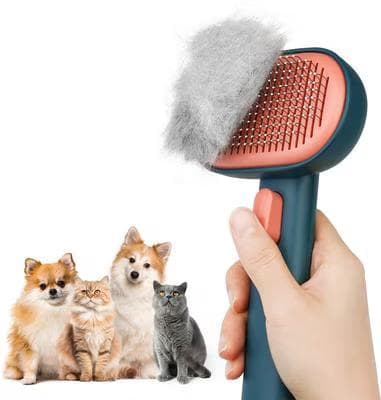
A self-cleaning slicker brush for gentle coat maintenance when its pins suit your dog.
Petful may earn a commission when you click through to Chewy, at no extra cost to you.
MDR1, also called ABCB1, is especially useful to discuss before medication is needed. Washington State University's Program in Individualized Medicine explains that the mutation affects how certain drugs are handled. Testing can inform veterinary prescribing. Do not assume that every Silken Windhound carries the mutation, and do not start, stop or adjust medication yourself on the basis of a breed warning. For a medication-specific example, WebVet’s ivermectin guide explains why MDR1 status matters to a prescribing discussion.
The coat requires regular attention even when it looks light and easy to manage. Silken Windhounds shed, and feathering can catch debris or develop tangles where hair rubs. Check the actual coat after outings and introduce brushing as a comfortable routine. The goal is to maintain the dog's natural coat and comfort, not to turn every pet into a heavily styled show dog.
An aumuca self-cleaning slicker brush may be useful when its pins and size suit the dog's coat, but use light pressure and judge the dog's comfort. The mechanism that clears hair from a brush does not make it suitable for every tangle. Bathing, when needed, should use an appropriate dog product and thorough rinsing rather than a fixed schedule chosen solely by breed.
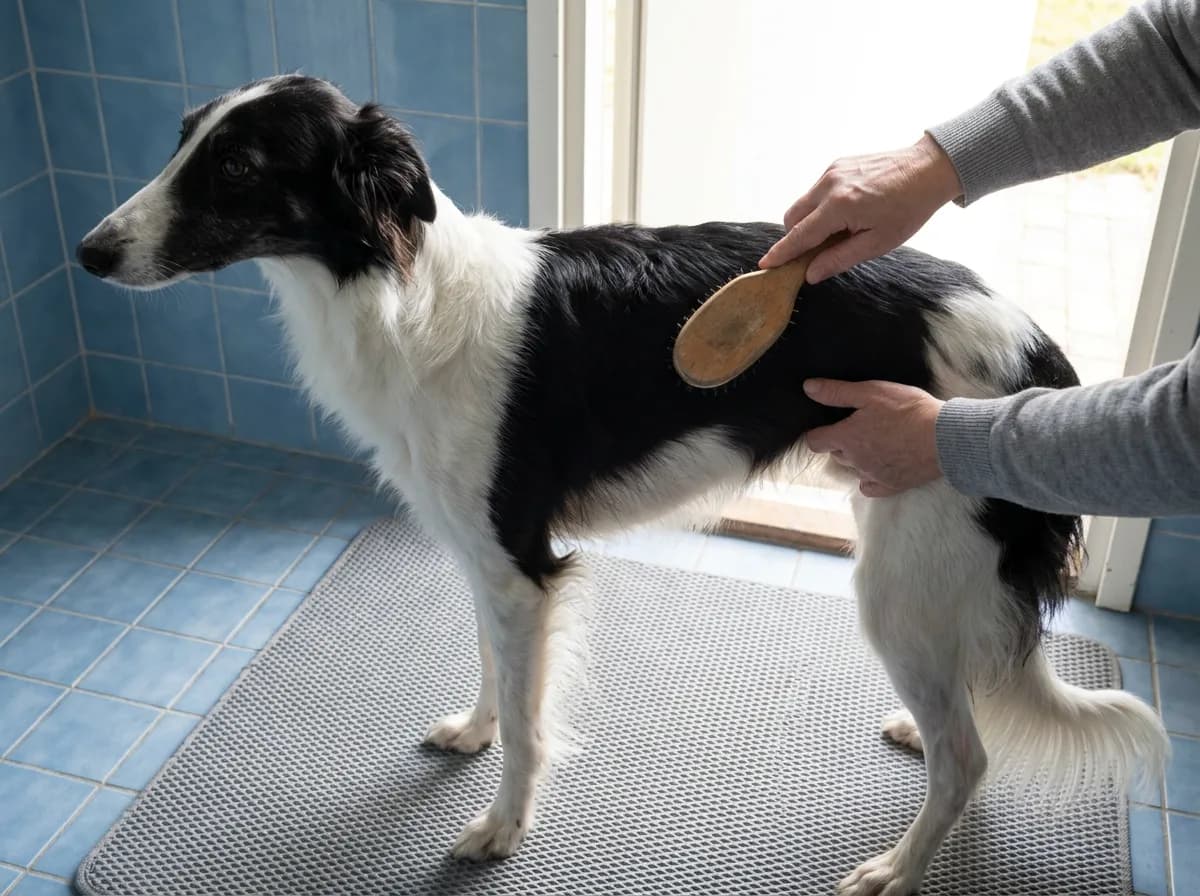
- Check behind the ears, under equipment and along the leg and tail feathering for tangles or debris.
- Work in small sections with gentle strokes and stop if the brush pulls or the dog shows discomfort.
- Choose tools for the coat in front of you; a dense coat and a fine, sparse coat may need different handling.
- Ask a groomer for help with tight mats rather than pulling at them or cutting close to the skin.
Daily enrichment should include more than a chance to run hard. Offer sniffing, short reward-based learning and quiet time with the household. Small Pet Botanics training rewards can help you reinforce a voluntary approach or a calm equipment check; account for them in the dog's overall food intake. Neither a fast sprint nor a long walk substitutes for teaching everyday skills.

Soft chicken-flavor training rewards in a larger bag for frequent practice. Break rewards into appropriate pieces for your dog.
Petful may earn a commission when you click through to Chewy, at no extra cost to you.
Make secure exercise a practical routine
A secure exercise area is a management tool, not an assumption that a fence will always be sufficient. Walk the boundary, check gates and look for gaps or objects that change how the dog could reach the outside. Supervise unfamiliar spaces before allowing freedom. The fact that another dog stayed inside the same enclosure does not establish that it suits your Silken.
For ordinary outings, use a leash and equipment that fit. Introduce recalls in controlled settings and reward them generously, but do not treat success in a quiet garden as proof that the dog will stop chasing a moving animal. The breed standard explicitly recognizes prey drive; your plan should allow the dog to enjoy movement while keeping other animals and the dog safe.
- Decide who controls doors and gates during arrivals and departures.
- Choose routes and times that allow manageable introductions to new sights and sounds.
- Provide rest after activity and watch the individual dog's ability to settle.
- Ask an experienced trainer or sporting club about suitable, structured activities instead of improvising high-speed games in an unsafe space.
Keep routine health care practical too. Arrange a veterinary plan suited to the dog's age and circumstances, maintain nail and dental care and notice changes in normal activity or comfort. A long expected lifespan is a reason to plan sustained care and costs, not a promise that little attention will be needed as the dog ages.
Use an ownership checklist to turn the breed standard into a practical decision: standard height helps you plan space, while your household must supply secure exercise, daily care and dependable supervision. Before committing, test your proposed routine against an ordinary working day. A secure place to run that is available only on weekends will not solve weekday supervision or companionship. Likewise, a large yard does not tell you who will notice a loose latch, provide training or check a tangle behind an ear. Assign those jobs to real members of the household.
- Map out morning and evening walks and who covers them when the usual caregiver is unavailable.
- Identify a suitable resting space away from busy doors and excited visitors.
- Budget for routine care, training support and equipment replacement alongside the acquisition cost.
- Discuss transport and backup care with someone who can manage a sighthound's equipment and entrances carefully.
Use meetings with adult dogs to refine that plan. Watch a familiar caregiver prepare for a walk, bring a dog back indoors and help it settle. Ask what was taught deliberately and what took time. This makes a breed description more useful: you are comparing its broad characteristics with the work needed to make everyday life comfortable for the dog and your family.
If an adult's earlier history is unknown, record that uncertainty rather than treating missing information as a favorable result. Ask the current carer what they have observed directly since the dog arrived.
Finding the right dog
For a Silken Windhound puppy, look for a breeder who can explain the litter's records, the parents' results and how puppies are matched to homes. An available adult can also be worth considering: its current size and established routine may be easier to assess, though a new home still requires a transition. Neither option should be chosen from coat color alone.
Our Silken Windhound puppies guide covers costs, breeder questions and adoption checks. Use it to compare actual documented offers rather than assuming that registration, a high price or an attractive website establishes the quality of a placement.
Silken Windhound vs. Borzoi
The Borzoi belongs in the Silken Windhound's background, but the two are distinct breeds. Their difference in scale affects equipment, transport and everyday handling, while both require thoughtful sighthound management. The best comparison starts with your available space and routines rather than asking which dog looks like a larger or smaller version of the other.
See our Silken Windhound vs. Borzoi comparison for the detailed choice. Meeting adults of both breeds can make the practical differences clearer than photographs taken from different angles.
Daily behavior and training commitments
An affectionate breed reputation is not a guarantee that every individual will want constant cuddling or cope easily with every household. Ask about the dog's actual response to unfamiliar people, time alone and other animals. Plan to teach the routines you need rather than expecting intelligence or eagerness to please to make training unnecessary.
Our Silken Windhound temperament guide explores those daily decisions and the pros and cons of ownership. Its value lies in matching expectations to a real routine, including both activity and opportunities to rest.
Coat details and identification
The standard accepts all colors and markings, so a black Silken Windhound is part of a much broader range of appearances. Color does not establish personality, health or the quality of a breeding program. A photograph is useful for seeing a coat, but lighting and the distribution of markings can change the impression it gives.
Our Silken Windhound colors guide explains the terms and visual differences. Use the registered description and breeder's explanation when identifying a dog, while keeping your choice centered on records and household fit.
Questions from prospective owners
The UKC's breed history describes foundation stock from Borzoi lines, small Whippet-based lurchers and Whippets. Francie Stull developed the breed to combine a manageable sighthound size, coat and sporting ability. A modern Silken Windhound is not simply any recent Borzoi and Whippet cross; its identity rests on its established breeding history and documented pedigree.
The International Silken Windhound Society says life expectancy can extend into the mid-teens. Treat that as breed-club guidance rather than a measured guarantee for an individual, and avoid using an exceptionally old dog as the expected lifespan. Ask about close relatives and discuss routine preventive care and age-related changes with your veterinarian.
The ISWS and UKC breed standard height is 18½ to 23½ inches at the shoulder. Neither standard supplies an official weight range, so use the individual dog's frame and body condition when discussing weight. Measure an adult for equipment and allow for growth in a puppy; a “mini” sales description does not establish a separate official size.
BVMS, MRCVS
Dr. Pippa Elliott, BVMS, MRCVS, is a veterinarian with nearly 30 years of experience in companion animal practice. Dr. Elliott earned her Bachelor of Veterinary Medicine and Surgery from the University of Glasgow. She was also designated a Member of the Royal College of Veterinary Surgeons. Married with 2 grown-up kids, Dr. Elliott has a naughty Puggle named Poggle, 3 cats and a bearded dragon.
Sign up for expert-backed reviews and safety alerts all in one place.