Silken Windhound vs. Borzoi: Size, Temperament, and Care
Compare Silken Windhounds and Borzois through adult dimensions, daily handling and sighthound care. Use separate breed standards and practical home questions to decide which individual suits your life.

BVMS, MRCVS
Petful is reader supported. As an affiliate of platforms like Amazon and Chewy, we may earn a commission when you buy through links on this page. There is no extra cost to you.
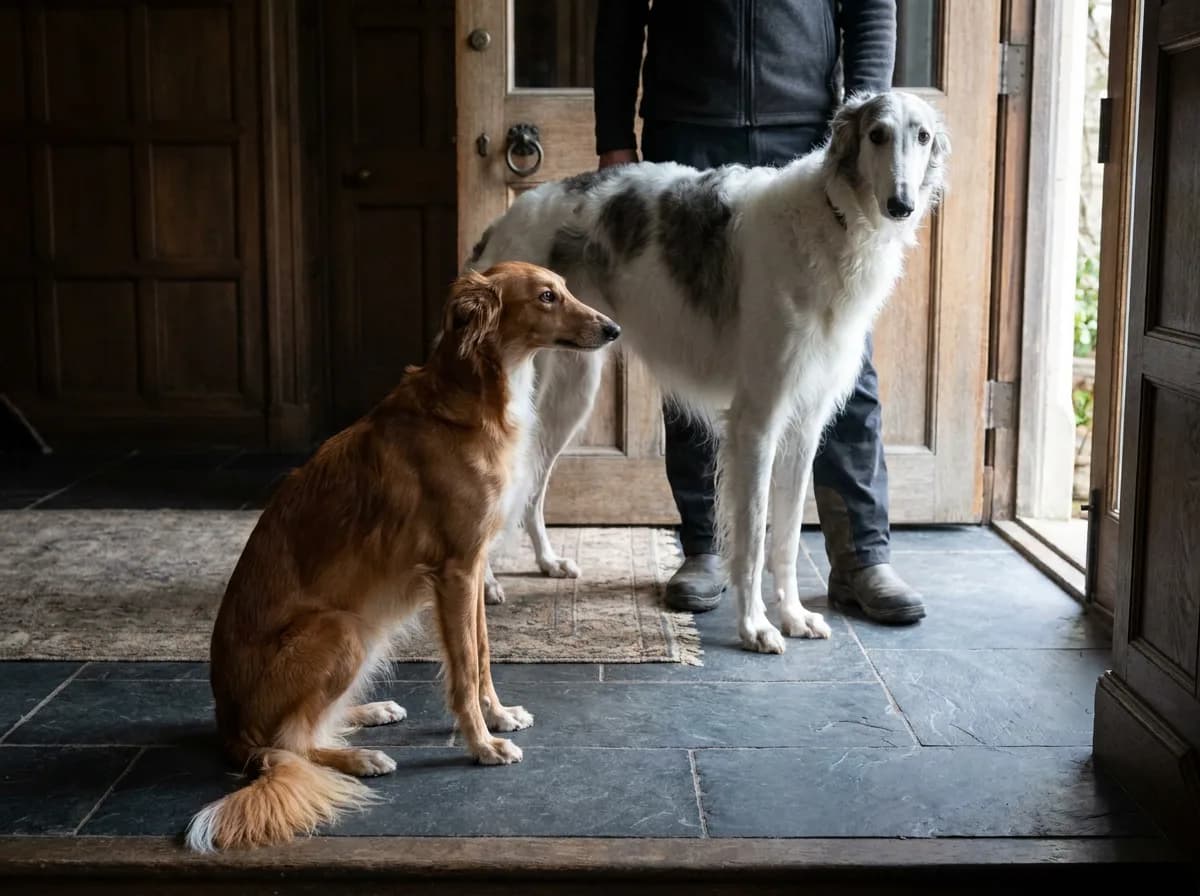
The most practical Silken Windhound vs. Borzoi difference is scale: a Silken is substantially smaller, while a Borzoi requires more room for its larger frame. Both are sighthounds, so choosing the smaller breed does not remove the need for secure exercise, careful introductions and thoughtful training.
Compare the dogs you could realistically live with, not just two attractive photographs. Adult dimensions affect transport, equipment and handling. Individual behavior, upbringing and your household routine determine much of the everyday experience.

Sign up for expert-backed reviews and safety alerts all in one place.
Silken Windhound vs. Borzoi: separate breeds
A Silken Windhound is not a miniature Borzoi. The UKC's Silken Windhound history describes foundation stock involving Borzoi, Whippet-based lurchers and Whippets. The resulting breed has its own standard and registry history. Borzoi ancestry helps explain a family resemblance, but it does not make the two current breeds interchangeable.
The Borzoi Club of America is the AKC parent club for Borzoi. The International Silken Windhound Society, or ISWS, maintains the Silken's breed information and registration system. If you are evaluating a puppy, ask which breed is recorded and which organization holds the pedigree rather than relying on “small Borzoi” advertising language.
- 1Compare adult height with your transport and handling arrangements.
- 2Plan secure exercise for either breed.
- 3Smaller size does not guarantee easier training or less prey drive.
These separate breeds share sighthound traits, including a coursing build and interest in moving prey. Their distinct breed identities still govern pedigree and standard dimensions; calling a Silken a miniature Borzoi obscures both. Those shared traits matter more to exercise management than the difference in coat length or head shape. A dog that relaxes indoors can still respond quickly to a moving animal outside. Prepare a way to enjoy activity without depending on an untested recall near traffic or wildlife.
Compare equipment against the dog you can actually measure. The Ruffwear Web Master harness in Small is listed for a 22–27-inch chest, so it is an option only for an individual within that fit range. Do not buy this size for a Borzoi or Silken solely from the breed name; follow the fitting instructions and check all straps.
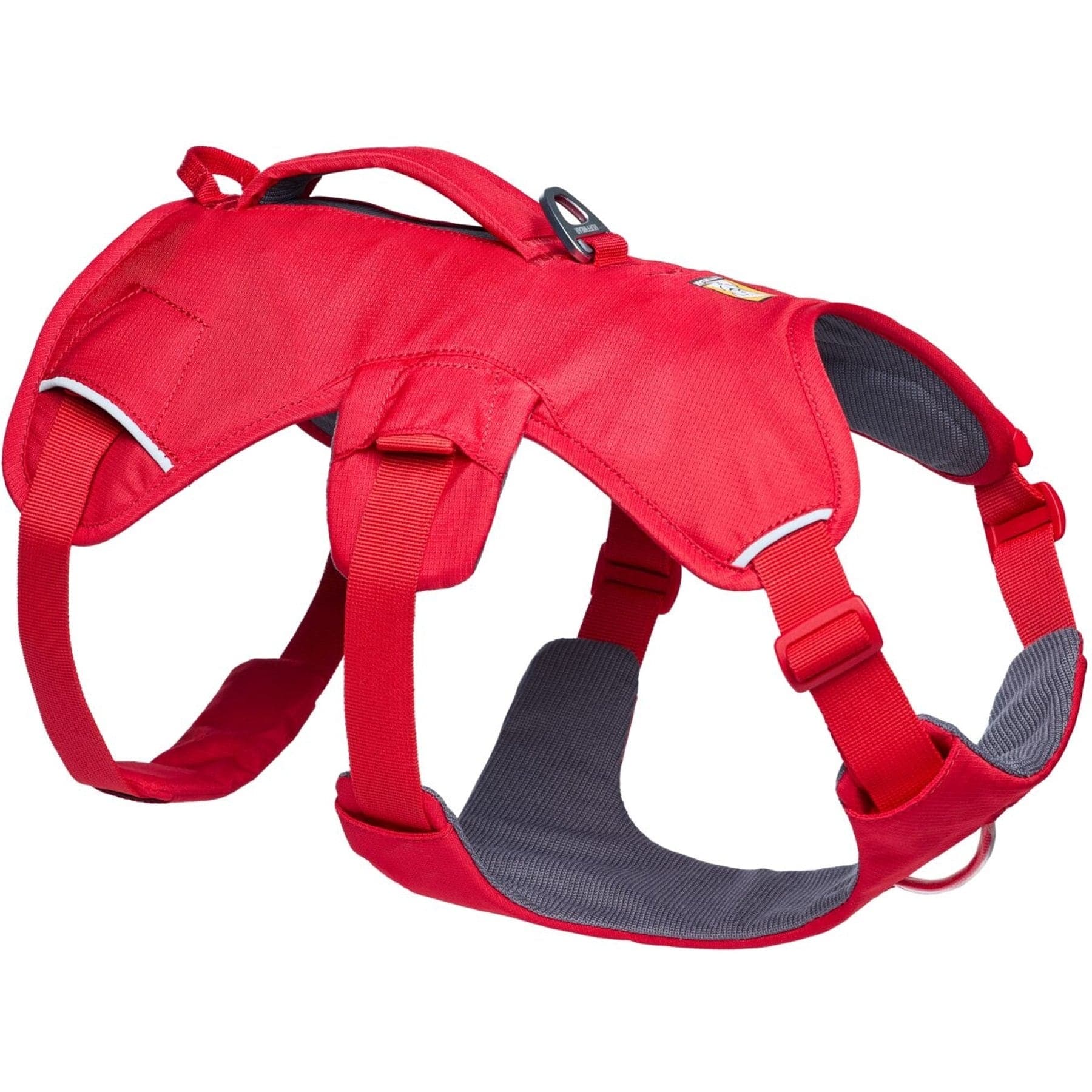
Measure the individual dog before choosing this harness; this Small option fits a 22–27-inch chest.
Petful may earn a commission when you click through to Chewy, at no extra cost to you.
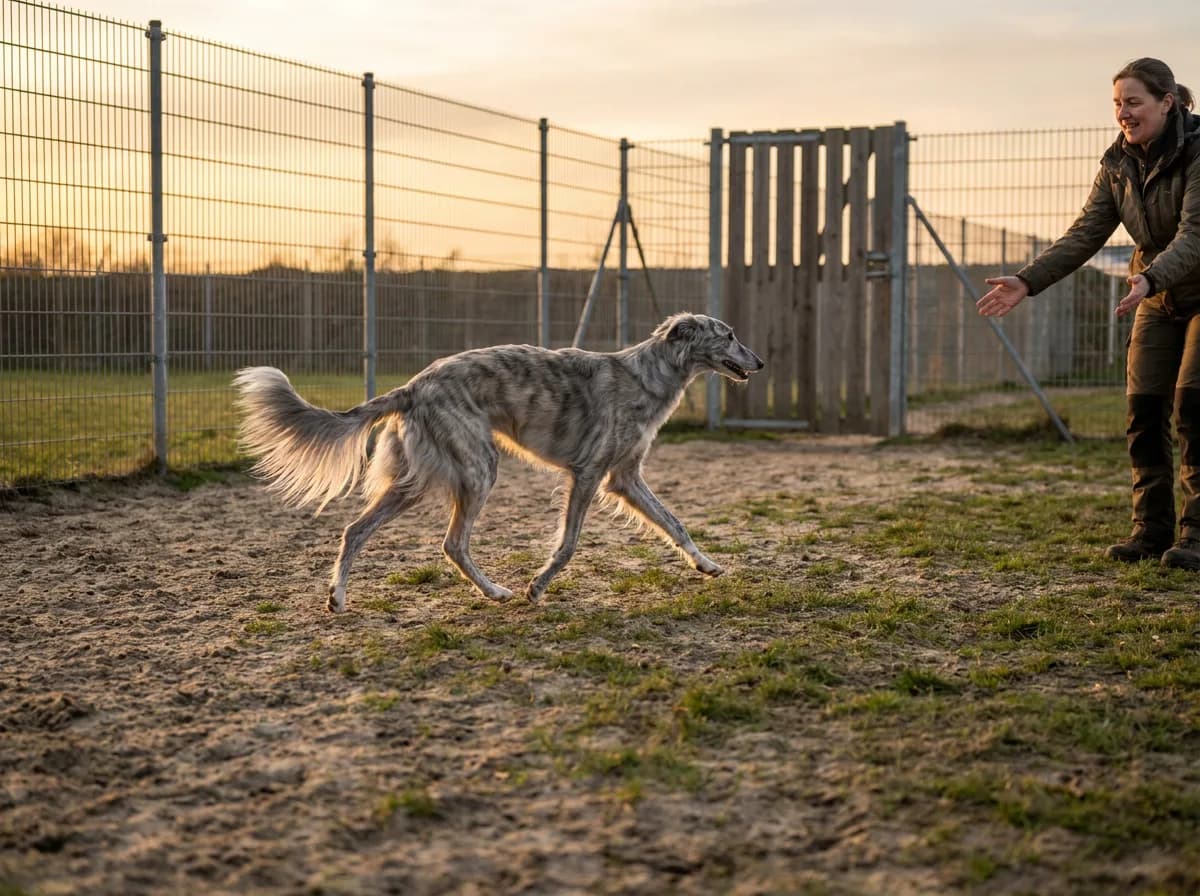
- Check gates, gaps and the perimeter of any new exercise area before allowing freedom.
- Use correctly fitted walking equipment for travel between secure spaces.
- Treat recall as a skill to teach and maintain, not a replacement for containment in an unsuitable location.
- Ask caregivers how the individual responds to movement, unfamiliar dogs and busy surroundings.
The breeds also vary within themselves. One dog's calm meeting with a visitor cannot establish how every Borzoi behaves, just as an enthusiastic Silken cannot establish that all Silkens are outgoing. Meet adult dogs and ask about ordinary days, including rest and time apart from people. This gives a more useful comparison than ranking entire breeds as easy, stubborn or affectionate.
Adult size and space needs
Yes. A Borzoi is a big dog, substantially taller than a Silken Windhound. The ISWS standard gives Silken Windhound height as 18½ to 23½ inches at the shoulder. The official Borzoi standard specifies at least 28 inches for mature males and at least 26 inches for mature females. These are different kinds of figures: an ideal range for the Silken versus lower height thresholds for the Borzoi, not two directly matching minimum-to-maximum ranges.
For controlled walks, the Frisco six-foot traffic leash provides a standard-length option when its hardware suits the dog and handler. It is not a long training line. Test the fit of the entire restraint system in a secure place before relying on it outdoors.
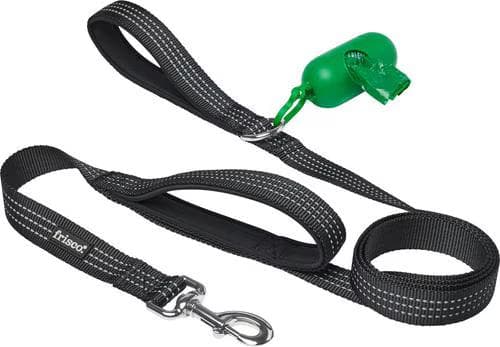
A six-foot leash with padded handles for ordinary supervised walks.
Petful may earn a commission when you click through to Chewy, at no extra cost to you.
| Practical comparison | Silken Windhound | Borzoi |
|---|---|---|
| Adult height in the cited standard | 18½ to 23½ inches at the shoulder | Mature males at least 28 inches; females at least 26 inches |
| How to use the dimensions | Plan for a smaller sighthound, then measure the individual | Allow for a substantially larger dog, then measure the individual |
| Transport | Check room for the actual dog and safe restraint | Check a larger resting footprint, entrance clearance and restraint |
| Walking equipment | Fit the lean frame rather than buying by breed label | Fit the larger frame and assess comfortable handling |
| Secure exercise | Needed despite smaller size | Needed despite a calm indoor reputation |
| Coat work | Maintain the actual feathering and texture | Allow for the individual coat and the larger area to groom |
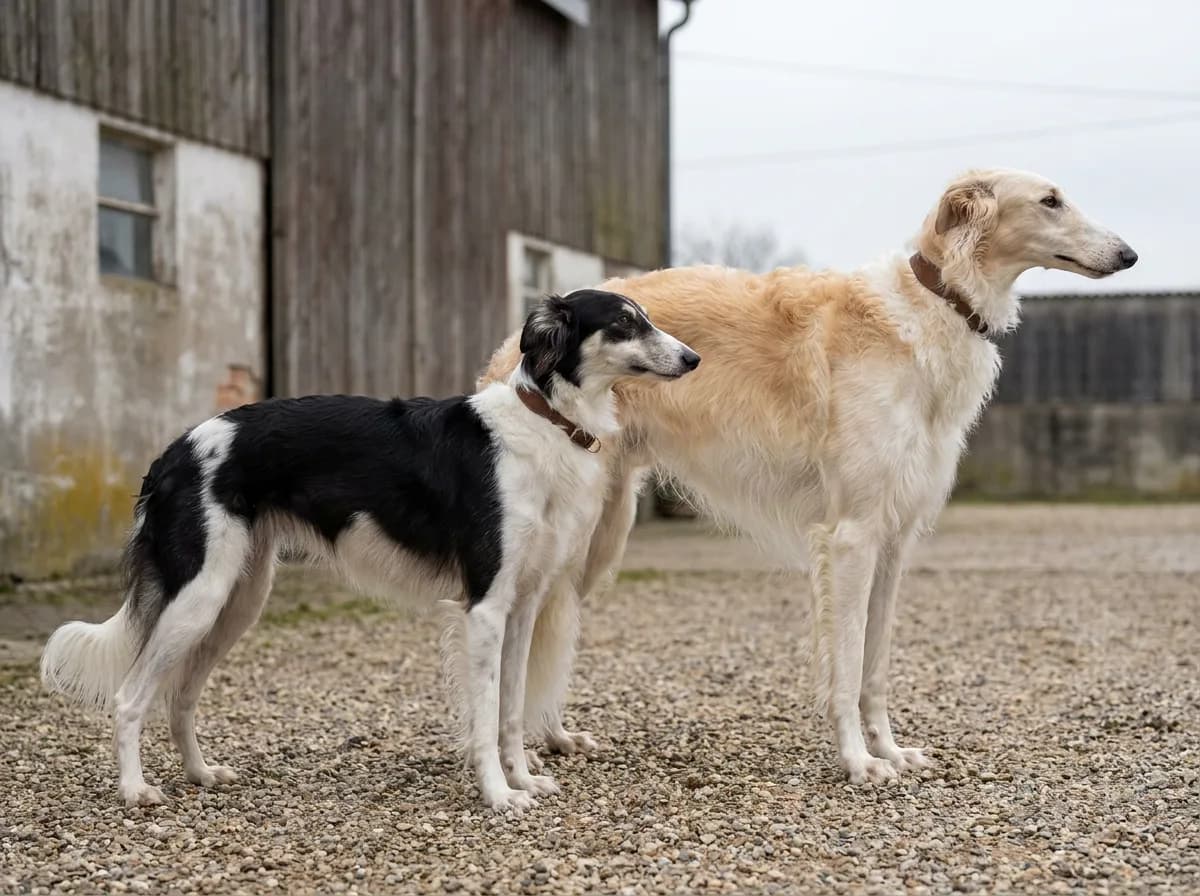
For weight, do not invent a Silken standard range to make a comparison table look symmetrical. The Silken standard emphasizes dimensions and proportions without specifying an official weight range. Discuss each dog's body condition with your veterinarian. An adult's actual measurements are more useful for equipment than a rounded breed average copied between websites.
Imagine the dog moving through your real home. A Borzoi's larger body needs more clearance around furniture and more room to lie out comfortably. A Silken may fit smaller spaces more easily, but it still needs a place to rest without being repeatedly stepped over or disturbed. Floor area alone cannot tell you whether the household routine is suitable.
- Measure the sleeping and transport spaces you intend to use, including entry openings.
- Check whether the dog can stand, turn and rest comfortably in the intended arrangement.
- Consider stairs and how you would arrange assistance if mobility became limited.
- Identify a quiet resting location that does not block a doorway or narrow walkway.
- Assess whether every regular caregiver can handle the dog comfortably on a walk.
If you share transport or rely on a pet sitter, include those arrangements in the comparison. A dog that fits your vehicle may not fit the backup caregiver's setup. Ask about boarding or care options before a trip becomes urgent, especially when a larger dog requires different equipment. This is a practical difference in planning, not a reason to assume one breed is universally better.
Temperament and learning in daily life
The AKC describes the Borzoi as calm and agreeable; the Silken standard emphasizes affection alongside prey drive. The Borzoi Club of America describes Borzois as generally quiet, and Westminster’s profile rates barking at 2 out of 5. These descriptions do not establish that every Borzoi barks less than every Silken. Ask both caregivers about the individual dog’s alert barking, excitement, handling and response to time alone.
Ask for behavior described in context. “Rests in the same room while the caregiver works” is more useful than “low maintenance.” Find out whether a dog is comfortable with ordinary handling, how new situations are introduced and what happens when familiar people leave. For puppies, ask what they have experienced rather than demanding an adult temperament guarantee.
- Use short, understandable lessons and reward the response you want.
- Begin in a quiet setting before adding distractions or distance.
- Practise useful routines such as approaching, waiting at an entrance and accepting equipment.
- Allow time to rest and process new experiences instead of extending every session.
Small food rewards such as Pet Botanics Training Rewards can help reinforce those lessons. Break them into suitable pieces and count them in the daily intake, using WebVet’s training-treat calorie guide to help plan the allowance. The important part is timing and a manageable task, not finding a product that supposedly changes a sighthound's personality. If the dog cannot succeed, reduce the difficulty before assuming it is being deliberately uncooperative.

Soft chicken-flavor training rewards in a larger bag for frequent practice. Break rewards into appropriate pieces for your dog.
Petful may earn a commission when you click through to Chewy, at no extra cost to you.
Size may affect how easy a dog is to handle physically, but it does not establish learning ability. A smaller Silken that pulls or slips equipment still needs training and management. A larger Borzoi deserves early, patient preparation for the routines its adult size will make especially important. Do not postpone polite walking or calm greetings until you can no longer manage an enthusiastic youngster comfortably.
Exercise and life with other animals
For either breed, build a routine that combines supervised exercise with sniffing, learning and rest. Access to a secure field can be useful, but running alone does not teach door manners or comfortable separation. A predictable daily routine is more helpful than expecting a single exhausting outing to solve every behavior question.
Use a leash in places where chasing would be unsafe. A Frisco six-foot traffic leash may suit supervised walks when its hardware and size fit the dog and handler; it is not a long training line. Check the whole attachment system in a secure space, since a strong leash cannot prevent escape from an unsuitable collar or harness.
- Inspect an exercise space yourself instead of relying only on its description as fenced.
- Supervise interactions with other dogs and provide room to disengage.
- Keep small animals protected while you assess the individual's history and response.
- Separate animals when you cannot supervise, rather than treating one quiet introduction as a guarantee.
If your household includes a cat, ask whether the prospective dog has lived with cats and what was actually observed. Familiarity with one resident cat does not establish how it will react to an unfamiliar running animal. Breed labels cannot settle that decision. Seek a placement whose documented experience and management needs match the home you can provide.
Children also need clear handling rules. Give the dog a resting place where it will not be crowded, and make an adult responsible for introductions and walking. A friendly reputation should not be interpreted as permission to climb on, chase or disturb a resting dog. The larger Borzoi makes physical space especially noticeable, but considerate supervision applies to both breeds.
Coat care without choosing by appearance alone
Both breeds have feathered coats that need regular attention. The individual texture, coat quantity and activities influence the work involved. A Borzoi generally presents more dog to groom, but a smaller Silken with tangles still needs careful handling. Plan for routine checking rather than assuming a silky coat maintains itself.
Check areas where hair rubs or catches debris, especially after outdoor activity. Introduce grooming gradually so the dog can participate comfortably. For a Silken Windhound, an aumuca slicker brush can be considered if its pins and size suit the coat; use gentle pressure and stop if it pulls. For a Borzoi, the Borzoi Club of America recommends a pin brush and advises against slicker brushes because they can break or tear the coat. The slicker option here is for a suitable Silken coat, not a recommendation for a Borzoi.

A self-cleaning slicker option for a Silken Windhound when its pins suit the coat. For a Borzoi, the breed club recommends a pin brush instead.
Petful may earn a commission when you click through to Chewy, at no extra cost to you.
- Work in manageable sections and support the hair instead of pulling at a tight tangle.
- Ask a groomer to demonstrate suitable tools for the individual coat.
- Maintain nails and other routine care alongside brushing rather than treating coat appearance as the whole job.
- Seek help with tight mats instead of cutting close to the skin.
Grooming also changes the time budget. Consider where you will work, how the dog stands or lies comfortably and whether someone can help when needed. Short, regular sessions are often easier to fit into ordinary life than waiting until the coat needs a long, difficult session. A photograph of immaculate feathering does not show the routine behind it.
Costs and health-screening questions
On October 5, 2026, Good Dog’s buyer guides listed Borzoi puppies at $2,000–$2,500 and Silken Windhound puppies at $2,900–$3,500. These marketplace estimates are not a representative survey, verified completed-sale prices or a guarantee of a current quote. The higher Silken range in this snapshot does not establish a universal price difference. Compare dated quotes with the same inclusions before budgeting ongoing care separately.
Compare the whole care routine before declaring one breed cheaper or easier. Coat care requires time and supplies; prey drive calls for secure exercise; training takes regular practice; and household pets may need lasting separation. Price those arrangements alongside food, transport and routine veterinary care. Health-screening questions belong in the decision too: ask which parental tests were completed and what they show, rather than treating a smaller frame or higher purchase price as evidence of better health.
For health, use each breed's own screening guidance. The ISWS health resources outline topics relevant to Silken Windhounds, while the Borzoi Club of America is the breed-specific starting point for Borzoi questions. Ask breeders for the underlying results and discuss them with your veterinarian. A comparison article cannot determine which individual puppy is healthier.
- Ask what screening was completed on each parent and request identified, dated records.
- Distinguish a puppy examination from the parents' screening program.
- Ask about relevant family history and what remains uncertain.
- Read the contract and return provisions before committing to either breed.
- Budget for routine and unexpected care without assuming a favorable breed reputation removes those costs.
Do not assume the same test panel or schedule applies to both breeds. A breeder should be able to explain the program used for that breed and pairing. If the explanation is unclear, ask your veterinary practice to help interpret the documents rather than comparing the number of tests as though the longest list automatically proves the best outcome.
Match the choice to an ordinary week
Try a practical walk-through before paying a deposit. Measure the space in your vehicle with the restraint or crate you intend to use, rather than judging the empty boot. Check the route from the vehicle into the house. A narrow stairwell, slippery entrance or awkward gate can matter more in daily use than the room's total square footage.
Then include the people who will provide backup care. They may have different strength, confidence or equipment from you. A calm dog still needs a workable plan if startled, reluctant to move or temporarily unable to manage stairs. It is better to identify a transport or handling constraint while choosing a breed than to discover it during an urgent journey.
- Ask your usual care provider whether they can accommodate the specific adult dog's size and equipment.
- Confirm that the intended sleeping area remains usable when furniture, doors and people are in their normal positions.
- Check the route to regular exercise areas and whether it requires repeated lifting or cramped travel.
- Establish who will care for the dog when work, illness or travel changes the household schedule.
For a hypothetical household with a small car and frequent travel, the Silken's scale may simplify several arrangements at once. That benefit is concrete, but it does not make the dog less interested in chasing or automatically comfortable being left alone. For a household with ample transport and handling capacity, a Borzoi may be practical, yet a large yard still does not provide companionship or training by itself.
Keep the costs of those arrangements visible. Replacing a vehicle restraint, paying for suitable boarding or arranging daytime help may affect the decision more than a difference in food portions. Obtain quotes for the services you would actually use and ask what changes with the dog's size. This turns an abstract small-versus-large comparison into a decision grounded in your circumstances.
Arrange a meeting with adults of both breeds if possible. Watch everyday transitions, such as putting on walking equipment, entering a vehicle and settling after an outing. Ask the caregiver which parts of the routine required teaching. The aim is to understand the effort behind a well-managed dog, not to expect a new puppy to arrive with those skills already in place.
- Favor the Silken's smaller scale if it better fits your equipment, transport and handling capacity, while retaining a full sighthound management plan.
- Consider a Borzoi only if you can comfortably accommodate its larger frame throughout daily care and backup arrangements.
- For either breed, prioritize a suitable individual, reliable records and a caregiver who discusses both strengths and practical needs.
If both breeds remain appealing, let those practical answers narrow the decision. The dog whose daily needs your household can meet is the more useful choice than the breed that wins an abstract temperament ranking. You are choosing a companion for ordinary weekdays as well as the outings that first made sighthounds attractive.
How this fits the Silken Windhound breed
The International Silken Windhound Society says Silkens can live into their mid-teens; Westminster’s Borzoi profile lists a maximum life expectancy of 14 years. These are source descriptions, not comparable population averages or hard limits for individual dogs. They cannot prove which dog will live longer. Recognition, breed history and everyday care also deserve context, so read our Silken Windhound breed guide before turning resemblance or a lifespan figure into a purchase decision.
For the larger breed's background, Petful's Borzoi breed profile provides a separate starting point. Keep the standards distinct and use both alongside information about the actual dog you are considering.
Usually the smaller Silken Windhound, but check the actual dog and restraint setup. Measure usable space with the crate or restraint installed and confirm that the dog can enter, turn, and rest comfortably. Include your backup carer’s vehicle in the decision; an empty boot measurement alone does not establish a safe travel arrangement.
No. A Borzoi’s larger frame can affect equipment and care arrangements, but the purchase price, local services, and individual health needs can outweigh size alone. Compare complete dated quotes and ongoing budgets. The marketplace examples in this guide actually listed a higher puppy range for Silkens, illustrating why “smaller” does not mean “cheaper.”
No. Both breeds are sighthounds, and body size does not establish how an individual will respond to a moving cat. Prefer specific experience living with cats over a general friendly-breed claim. Plan secure separation and controlled introductions, and account for the fact that calm behavior around a familiar indoor cat may not transfer to unfamiliar animals outdoors.
BVMS, MRCVS
Dr. Pippa Elliott, BVMS, MRCVS, is a veterinarian with nearly 30 years of experience in companion animal practice. Dr. Elliott earned her Bachelor of Veterinary Medicine and Surgery from the University of Glasgow. She was also designated a Member of the Royal College of Veterinary Surgeons. Married with 2 grown-up kids, Dr. Elliott has a naughty Puggle named Poggle, 3 cats and a bearded dragon.
Sign up for expert-backed reviews and safety alerts all in one place.