Silken Windhound Colors: Coat Shades and Patterns
Learn how to describe Silken Windhound base colors, sable shading, brindle patterns, and white markings, with practical guidance for comparing photos and understanding what color names can tell you.
Petful is reader supported. As an affiliate of platforms like Amazon and Chewy, we may earn a commission when you buy through links on this page. There is no extra cost to you.
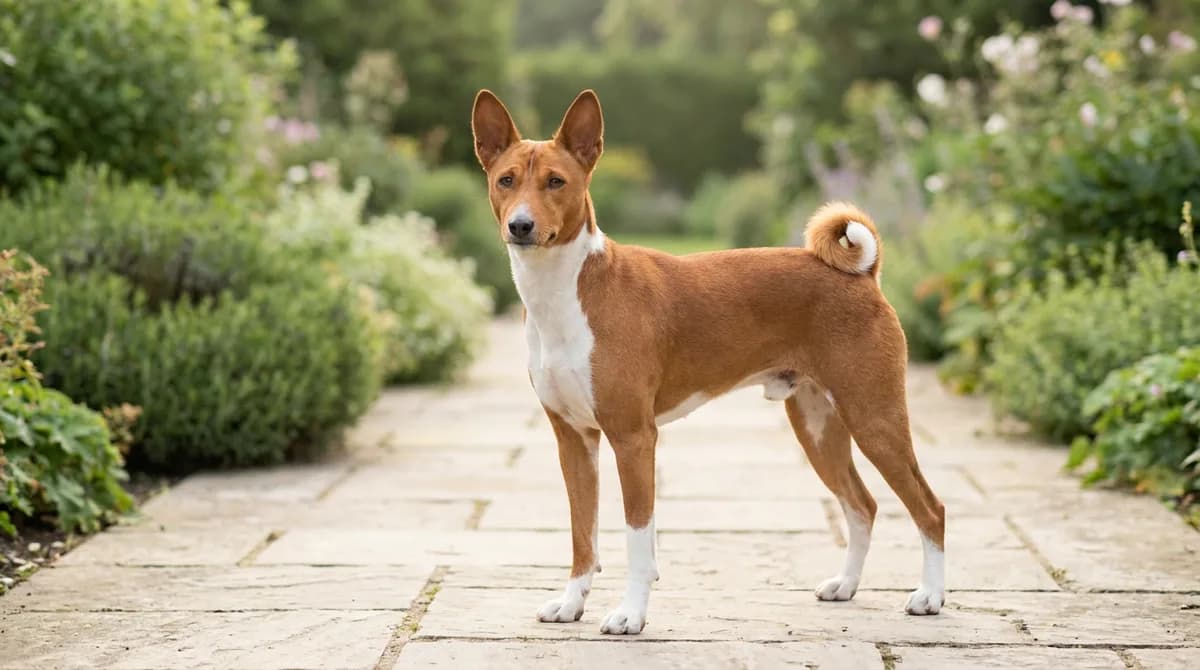
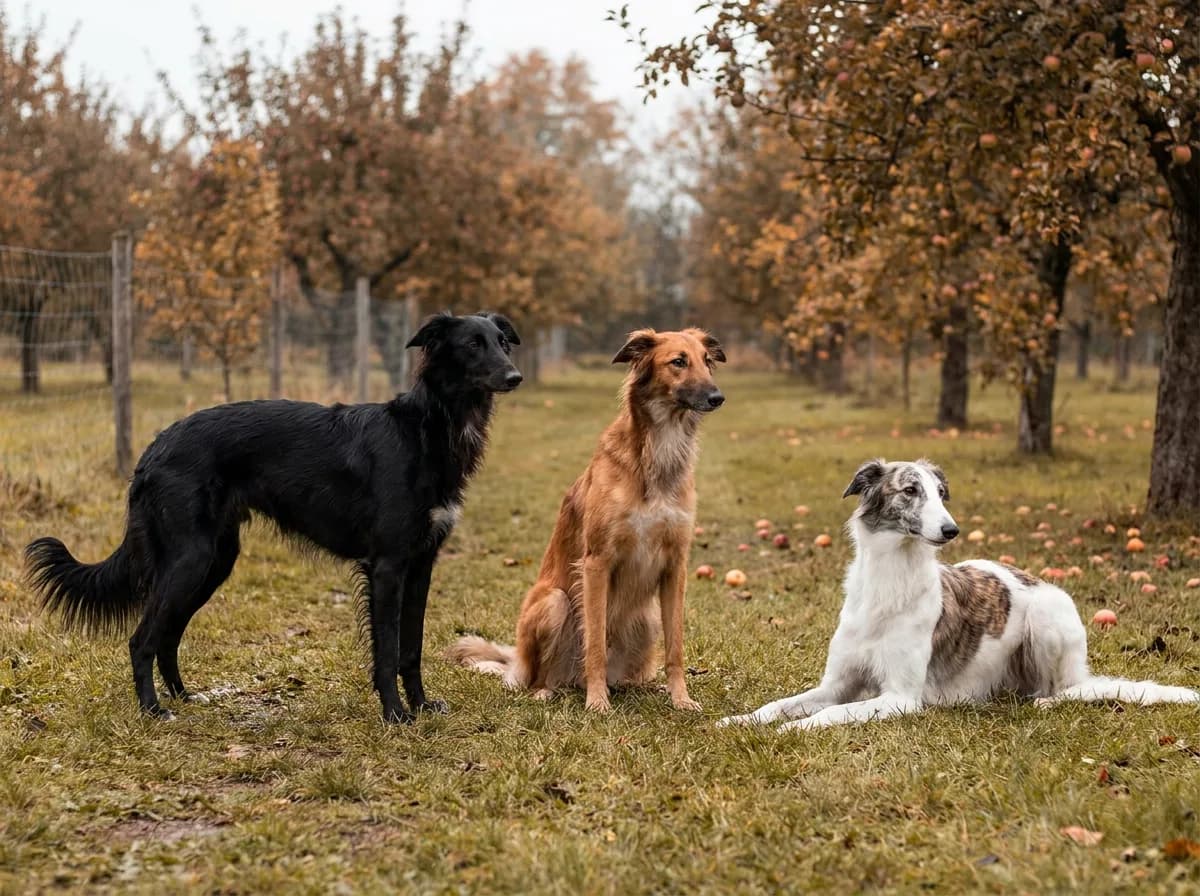
Silken Windhound colors include black, red, fawn, sable, brindle, white, and combinations of color and white markings. The International Silken Windhound Society, or ISWS, accepts all colors and markings. A color name describes part of a dog's appearance; it does not rank the dog or tell you whether that individual will suit your home.
The easiest way to read a coat is to separate its base color, its pattern or shading, and its white markings. Those descriptions can overlap on one dog, which explains why two people may use different, equally useful words for the same photograph.

Sign up for expert-backed reviews and safety alerts all in one place.
Silken Windhound colors and the breed standard
The ISWS breed standard places no restriction on coat colors or markings. This makes a long color list useful for describing Silkens, but unnecessary as a checklist of which shades are allowed. A dog does not gain extra standing simply because its seller calls the color unusual.
If you are preparing for a new dog while comparing coats, put everyday equipment ahead of a color premium. The Frisco Heavy Duty Fold & Carry wire dog crate in X-Large is one resting-space option only if its measured interior fits the individual comfortably. Check room to stand, turn and lie down; the size name alone is not a fit assessment.

Choose a crate by the dog’s measurements, with room to stand, turn and lie comfortably.
Petful may earn a commission when you click through to Chewy, at no extra cost to you.
Start with three separate observations rather than trying to find one perfect label:
- Base color: What color do you see in the pigmented areas, such as black, red, or fawn?
- Pattern or shading: Are there darker stripes, dark-tipped hairs, or contrasting areas within those colored regions?
- White markings: Where is white present, and how much of the visible coat does it cover?
- 1Describe the base color, pattern and white markings separately.
- 2ISWS accepts all colors and markings.
- 3A photograph shows appearance; it cannot establish ancestry or predict temperament.
You may see a pale Silken Windhound called blonde, cream, or golden in an advertisement. Treat informal shade names as the beginning of a conversation. Ask what the owner means and how the dog is described in its registration record. The Kennel Club's Silken Windhound color list includes cream, gold, and chinchilla, among many other entries. That is a naming reference, not a rarity chart.
“Chinchilla Silken Windhound” is therefore a color description you can encounter, not a different breed or size. Do not assign a particular genetic result from that label alone. A seller using “blonde” or “golden” should be able to explain the visible shade without promising that its name proves special ancestry, superior quality, or a particular personality.
A comfortable resting place also helps you take an unhurried photograph. The FurHaven Velvet Waves sofa dog bed in Large is a general home option; compare its usable sleeping area with your dog's normal resting posture. Choose for fit and washable-cover instructions, not to match a coat shade or change the dog's behavior.
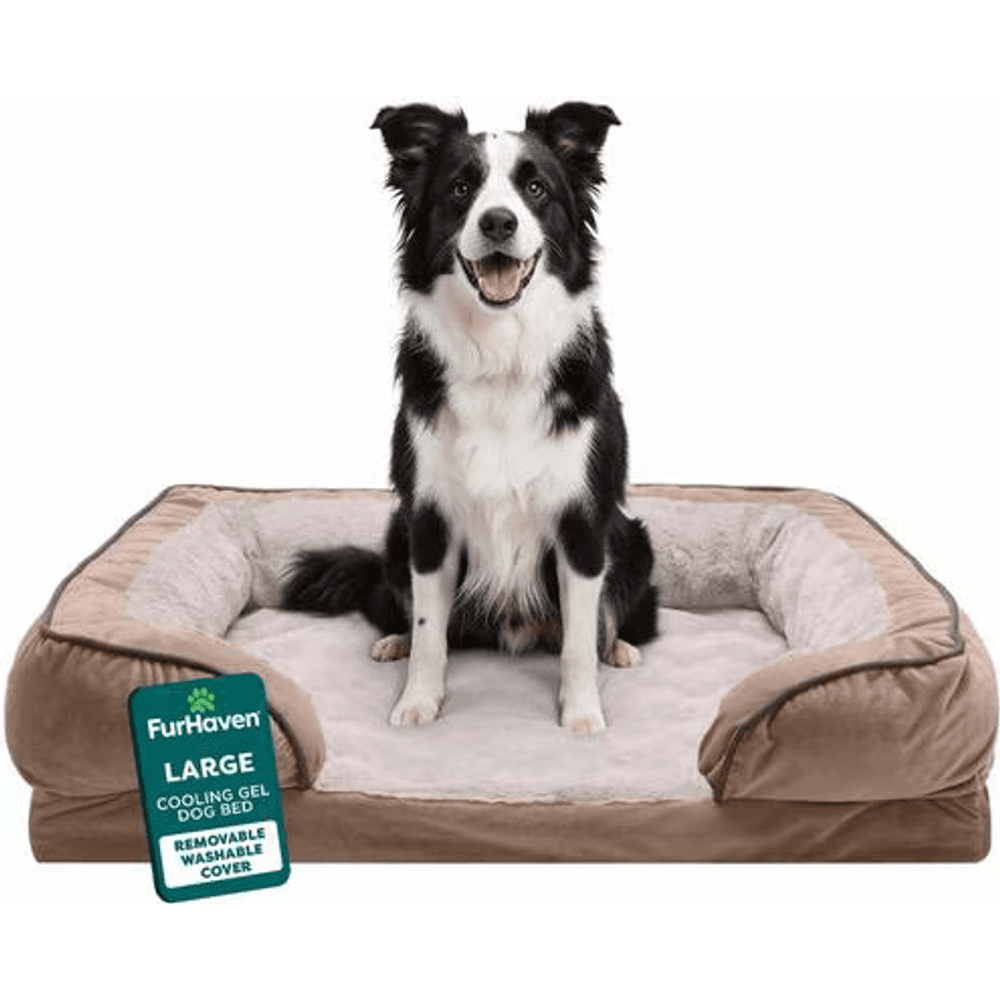
Compare the usable sleeping area and removable-cover care instructions with your dog’s needs.
Petful may earn a commission when you click through to Chewy, at no extra cost to you.
Black, red, sable and lighter coats
Reading a black coat
A black Silken Windhound has visibly black pigmented coat, but that does not mean every hair on its body must be black. White on the chest, toes, neck, or elsewhere adds a separate marking description. For example, “black with white trim” conveys more than either “black” or “white” alone.
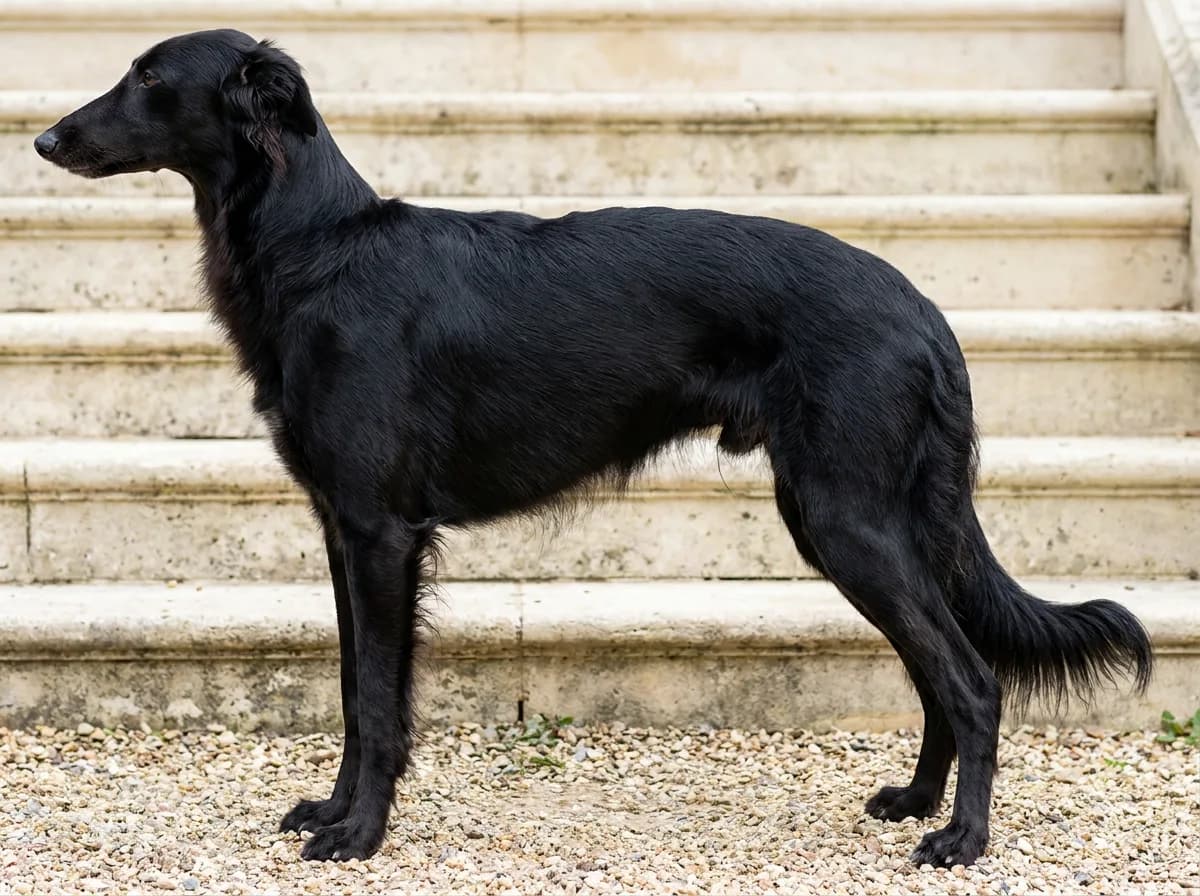
Look at a black dog in more than one exposure. A very dark image can hide coat detail, while bright reflections can make silky feathering look silver. Neither effect, on its own, establishes a different coat color. Check the better-lit body coat and a closer view before deciding that the reflection is an actual contrasting patch.
For a useful comparison, ask for ordinary daylight pictures rather than a single dramatic portrait. The goal is to see the same dog clearly, not to find the image in which the coat looks darkest or glossiest. A side view helps show the extent of white markings that a front-facing headshot may conceal.
| Description | What to look for | What to record separately |
|---|---|---|
| Black base color | Black pigmented coat visible in neutral light | White markings and reflective highlights |
| Red or fawn | Warm red, tan, or lighter yellowish areas | Dark shading, stripes, and white markings |
| Sable shading | Dark-tipped hairs over a lighter base color | How much shading is visible and where |
| Cream, gold, or chinchilla label | The owner's description and the dog's actual appearance | Registry terminology and uncertainty from photos |
Red, fawn and sable are not interchangeable descriptions
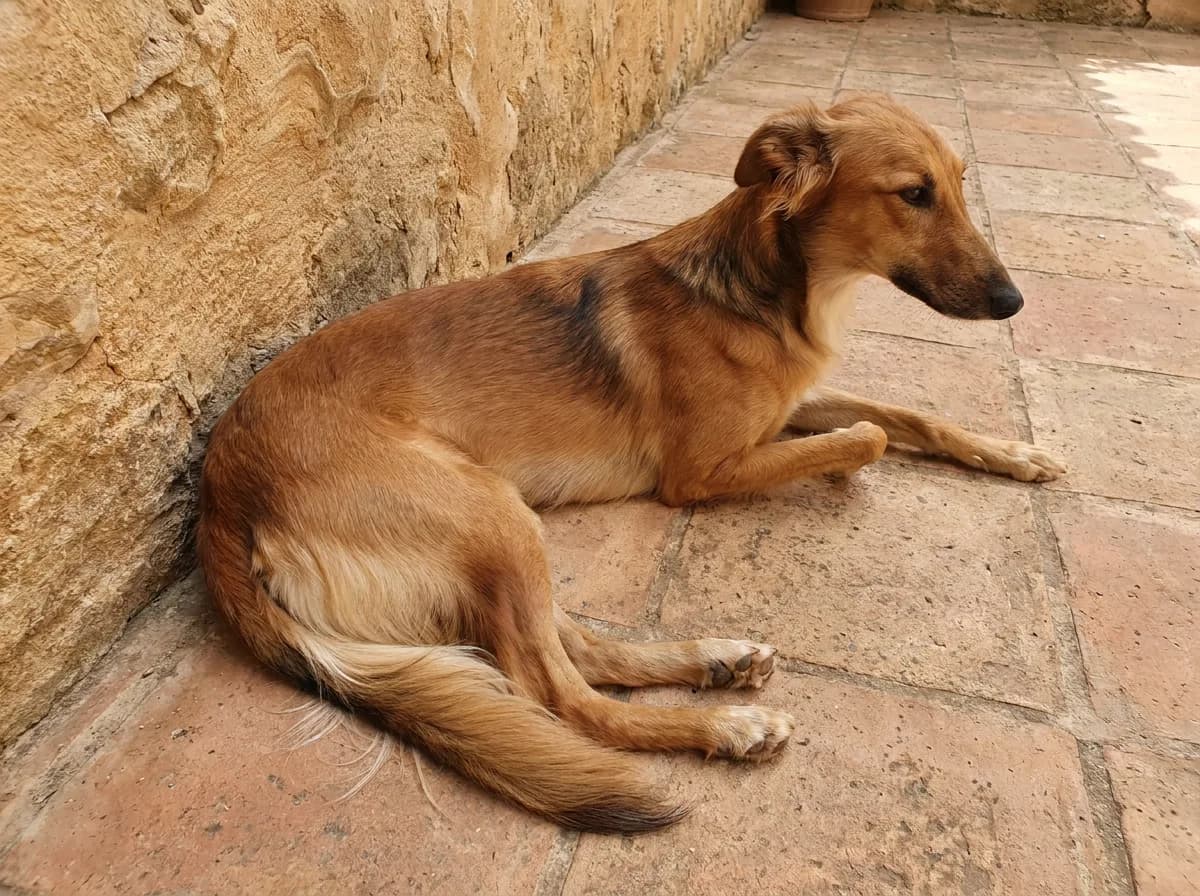
A red Silken Windhound is described by the warm shade visible in its coat. Fawn usually describes a lighter tan appearance. These words do not provide a standardized paint swatch, so two dogs called fawn may not appear identical. When comparing them, use pictures taken under similar lighting rather than expecting the name to settle every difference.
A sable Silken Windhound is described partly by shading: darker tips or hairs can lie over a lighter background. Look for that relationship between the lighter coat and darker hairs instead of treating sable as one uniform brown. A dog can have a red base with sable shading, so the two words need not contradict each other.
In general canine coat genetics, the production and distribution of red or yellow pigment and black pigment involve interacting genes. The UC Davis dog coat-color resource explains that complexity. For an owner looking at a Silken, the useful distinction is between describing visible shading and claiming to know which variants the dog carries.
Use a few concrete observations when discussing a red, fawn, or sable coat:
- Identify the lighter background shade in an evenly lit area of the body.
- Look closely for dark-tipped hairs rather than relying on an overall brown impression.
- Note whether the darker appearance follows individual hairs or forms distinct stripes.
- Describe white areas separately so they do not obscure the colored portion being compared.
Pale shades and the limits of a color name
Light-colored dogs are particularly easy to describe differently in different photographs. Warm indoor light can make pale hair look golden; an overexposed outdoor photo can wash out a cream or fawn tone. If color matters to you, ask for an unfiltered image in open shade and compare the dog with its surroundings. A white door that appears yellow is a useful clue that the lighting is warm.
For ordinary coat maintenance, an aumuca self-cleaning slicker brush may suit the individual coat. Use light pressure, check the dog's comfort and stop if it pulls. A fine comb can help check feathering afterward; stop at a snag rather than pulling through it. Brushing can arrange feathering for a clearer photograph; it does not establish the underlying color genetics or justify forcing a dog through a grooming session.

A self-cleaning slicker brush for gentle coat maintenance when its pins suit your dog.
Petful may earn a commission when you click through to Chewy, at no extra cost to you.
Keep the original description alongside your own observation. For example, “registered as cream; looks pale gold in this indoor photo” is more informative than deciding that the breeder must have named the color incorrectly. Registration terms and everyday descriptions serve different purposes, and a screen is an imperfect basis for resolving a subtle shade distinction. Do not convert the word chinchilla into a genetic formula or assume that every pale Silken has the same underlying genetics. The UC Davis explanation of agouti patterns also shows why older color labels and current laboratory terminology do not always line up neatly. A visible coat description is not a substitute for a dog's actual test result.
Comparing puppy and adult photographs
When looking at a puppy, separate what is visible now from what someone predicts the adult coat will look like. Coat length and feathering develop with maturity, and the way shading appears through the coat may look different in later pictures. Ask the breeder how confident they are about the description and what comparable relatives looked like at similar ages. Related dogs can supply context without guaranteeing an exact match.
An age-labeled photo sequence is more useful than unrelated pictures of attractive adults. Keep the dog's identity attached to every picture, especially in a litter where several puppies share the same general shade. A photograph without a date cannot show whether a difference reflects age, lighting, grooming, or a different puppy.
- Save a clear side view that includes the entire body and tail.
- Add a closer view of the face and the coat area being discussed.
- Record the date, age, and the breeder's current color description.
- Keep later photos in the same sequence rather than replacing the early ones.
When taking those pictures outside, keep the dog safely attached. A Frisco six-foot traffic leash can support a short supervised photo session when its fittings suit the dog. Have a second adult handle the camera if needed, and leave the leash visible rather than releasing the dog for a cleaner picture.
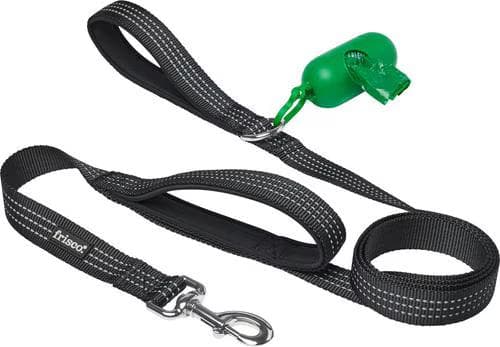
A six-foot leash with padded handles for ordinary supervised walks.
Petful may earn a commission when you click through to Chewy, at no extra cost to you.
This small record helps owners and breeders communicate accurately. It is also useful when explaining a dog's appearance to a groomer or identifying which littermate an old photograph shows. It does not need a color ranking or a claim that the dog's eventual shade can be guaranteed.
Consider a hypothetical puppy advertised as golden sable with white trim. A useful record would preserve that label, then note the warm body color, darker hairs along the back, and white toes visible in the photograph. It would leave an unseen chest marking unrecorded until another view confirms it. If the adult later looks lighter, keep both dated descriptions. This is more accurate than rewriting the early picture to fit the adult or insisting that a change in appearance proves an incorrect identity. The record explains what was actually visible at each age.
Brindle, white and patterned coats
Recognizing brindle through a silky coat
A brindle Silken Windhound shows darker striping against lighter pigmented areas. The visibility of those stripes can vary across the coat. Longer feathering may make them less immediately obvious than they are on the face or another area with shorter hair. Inspect a clear, close image before deciding that a broadly dark-looking dog is solid colored.
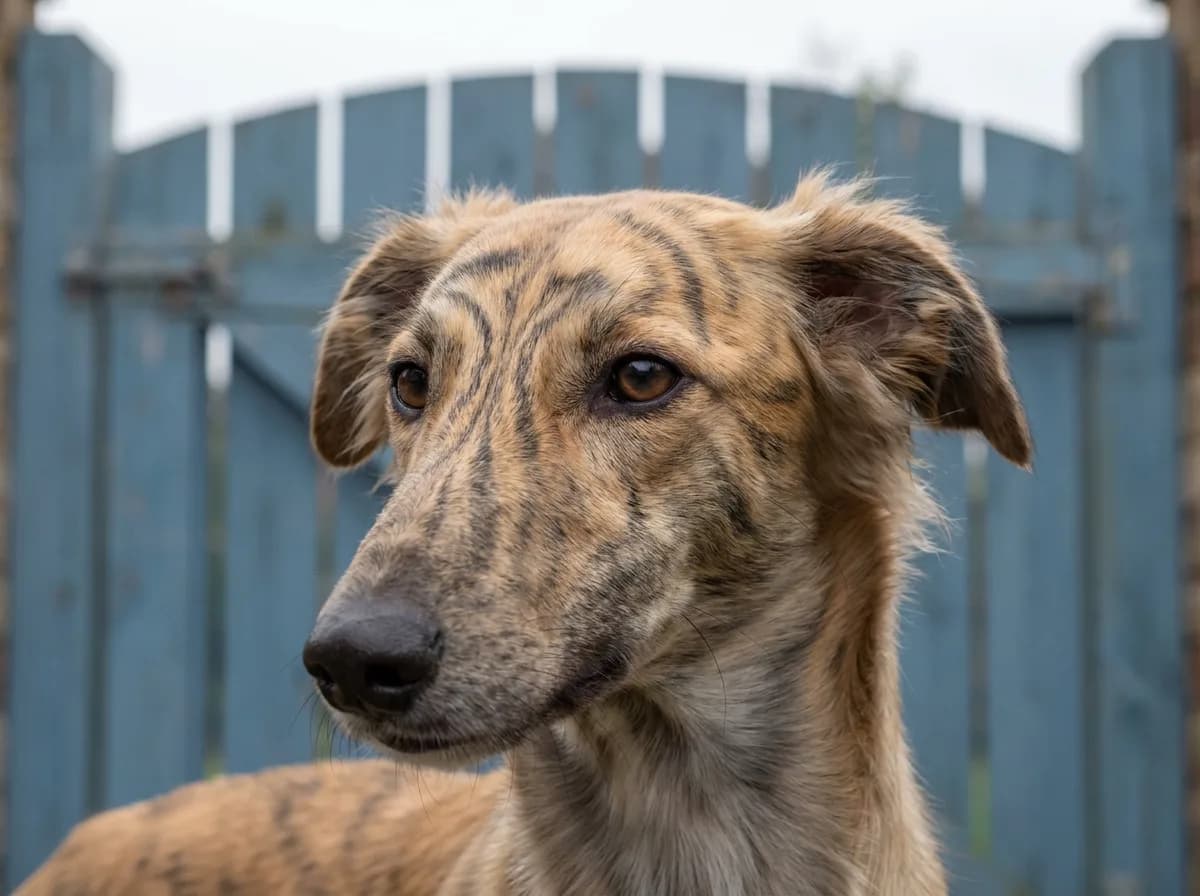
Brindle describes the pattern, so another word may describe the background shade. A red brindle or fawn brindle label gives two kinds of information at once. White markings can be added to either description. A long name may simply be a careful account of several visible features, rather than a claim that the dog belongs to an unusual new variety.
When comparing brindle with sable, concentrate on the arrangement of the dark pigment. Brindle has a striped appearance; sable refers to darker shading or tipped hairs. In an unclear photograph, it is reasonable to say the pattern cannot be resolved. Requesting a closer view is more reliable than confidently assigning a label from a small social-media thumbnail.
White markings and colored patches
A white Silken Windhound may have visible colored patches, and a mostly colored Silken may have limited white markings. Describe both the color and its distribution. “White with black patches” gives a different visual impression from “black with a small white chest,” even though both dogs could be loosely described as black and white.
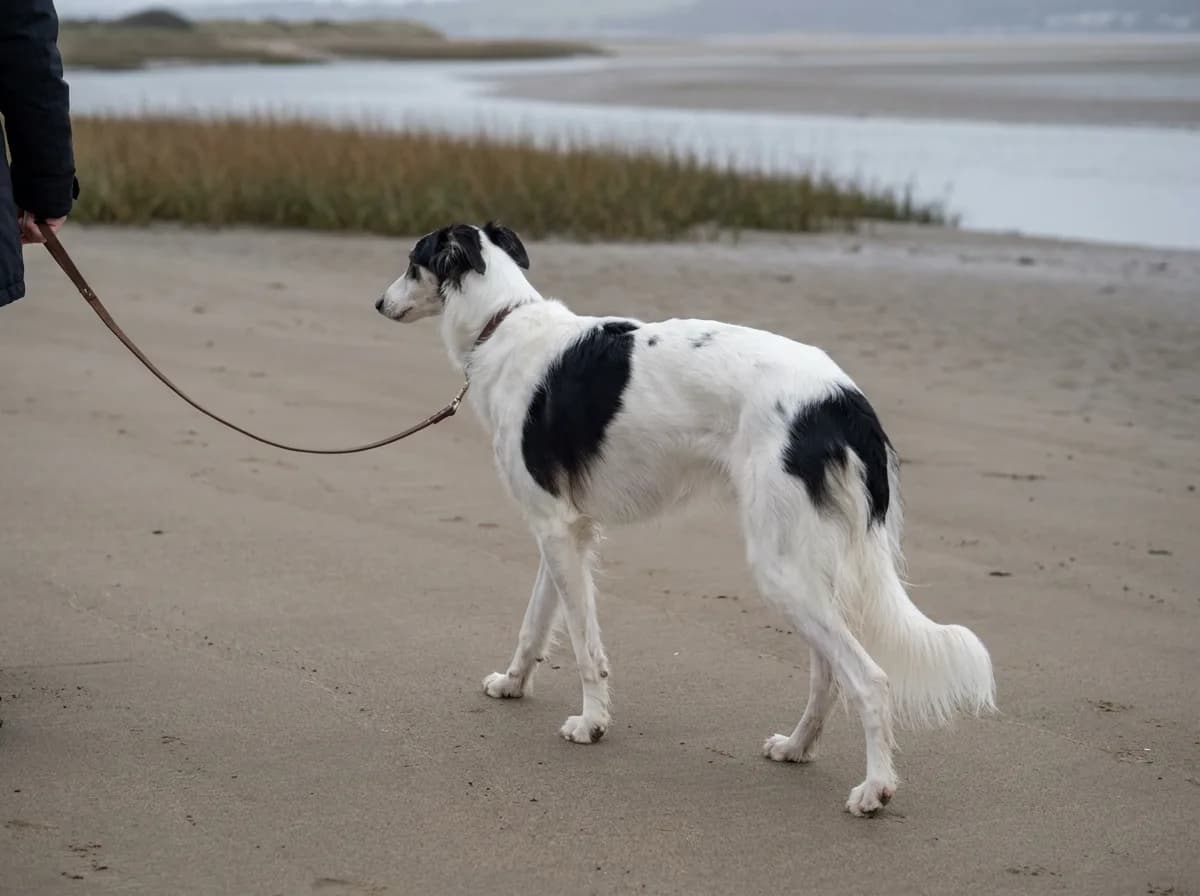
For a Silken Windhound with black and white coat, look beyond the amount of each color. The position of markings can be a helpful identifying feature in photographs. Check both sides of the body, since a patch visible on one side may be absent on the other. A front portrait alone can give a misleading impression of how much color is present overall.
Useful marking descriptions include:
- White on the chest or underside of the neck.
- A white facial blaze, with its actual shape described.
- White feet or lower legs, noting which ones.
- Colored patches on the body, head, or ears.
- A white tail tip, if it is visible.
These details help describe the individual dog, but they are not ancestry tests. Similar markings occur in other breeds and mixed-breed dogs. A silky coat, long muzzle, and attractive patch pattern do not authenticate a pedigree. For a dog presented as a registered Silken Windhound, verify the identity and registration information with the breeder and relevant registry.
Taking photographs that make markings easier to read
Use an uncluttered background that contrasts with the dog. A white dog against a bright white wall can lose its outline, while a black dog in deep shade may appear to have no visible coat detail. Photograph the dog without filters that change warmth, saturation, or contrast. Let the dog stand or rest comfortably rather than holding it in an awkward pose for a color comparison. Small training rewards can encourage a brief, comfortable pause.
For the clearest record, take the body picture and detail pictures during the same short session. Keep the original files. A crop can make a marking easier to see, but it should not hide which part of the dog it shows. If the photograph is for identification, include enough context to distinguish that dog from a similarly marked companion.
Choosing beyond a favorite color
It is fine to prefer a certain coat. Make that preference flexible enough to consider the actual dog. A color label cannot tell you how the dog handles visitors, whether it enjoys physical affection, or how it behaves around smaller animals. Those questions need a conversation about the individual, supported by observations in the situations that matter to your household.
Our Silken Windhound temperament guide explains the household considerations behind that decision. For the process of evaluating a litter, a breeder, and the terms of a purchase, see Silken Windhound puppies. Keep color comparisons separate from claims about value: a descriptive name alone does not justify a claim of exceptional quality or a premium price.
How this fits the Silken Windhound breed
Color is one small part of the Silken Windhound breed. Its sighthound build, moderate size, silky coat, and everyday needs matter much more to whether it belongs in your home. The International Silken Windhound Society says life expectancy can extend into the mid-teens. That breed-club guidance is not an individual guarantee or a prediction from coat color. The broader guide explains the long-term care commitment. Use this color reference to understand what you see, then use individual records and time with the dog to make the ownership decision. Neither an accepted color nor a beautiful photograph replaces that work.
Yes. The ISWS standard accepts all colors and markings, so white is not excluded. A white appearance does not by itself establish the dog’s genotype, pedigree, or health. Examine the whole coat in clear natural light and use the registered description and actual records rather than treating a photograph as a genetic test.
Do not assume so. The developing coat and feathering can change how much dark shading is visible. Ask for dated pictures of the same puppy and comparable relatives, while recognizing that relatives cannot guarantee its final appearance. Similar lighting helps separate a real developmental change from a camera or exposure difference.
Not necessarily. Registry terms and everyday shade descriptions can differ, and base color, sable shading, brindle, and white markings describe different aspects of a coat. Ask which feature each word refers to. Keep the official wording with the dog’s records and use clear photographs to explain what you see rather than replacing the record with a guess.

Coreen Saito is a pet writer and longtime shelter volunteer with more than a decade in animal rescue. She covers cat behavior, breed care, and the small, ordinary science of sharing a life with companion animals, with a particular focus on honest takes about the products and decisions that actually matter. At home in Arizona, she's outranked by Mac (a dog with the loudest opinion in the house), Rebel (a cat who governs by quiet authority), and Meri (an orange tabby who runs the late shift and the laundry basket). She writes about all three, plus the rescues that keep coming through her life, at LifeWithMinty.com.
Sign up for expert-backed reviews and safety alerts all in one place.